.webp)
%2B(7).webp)
.png)
At a Glance
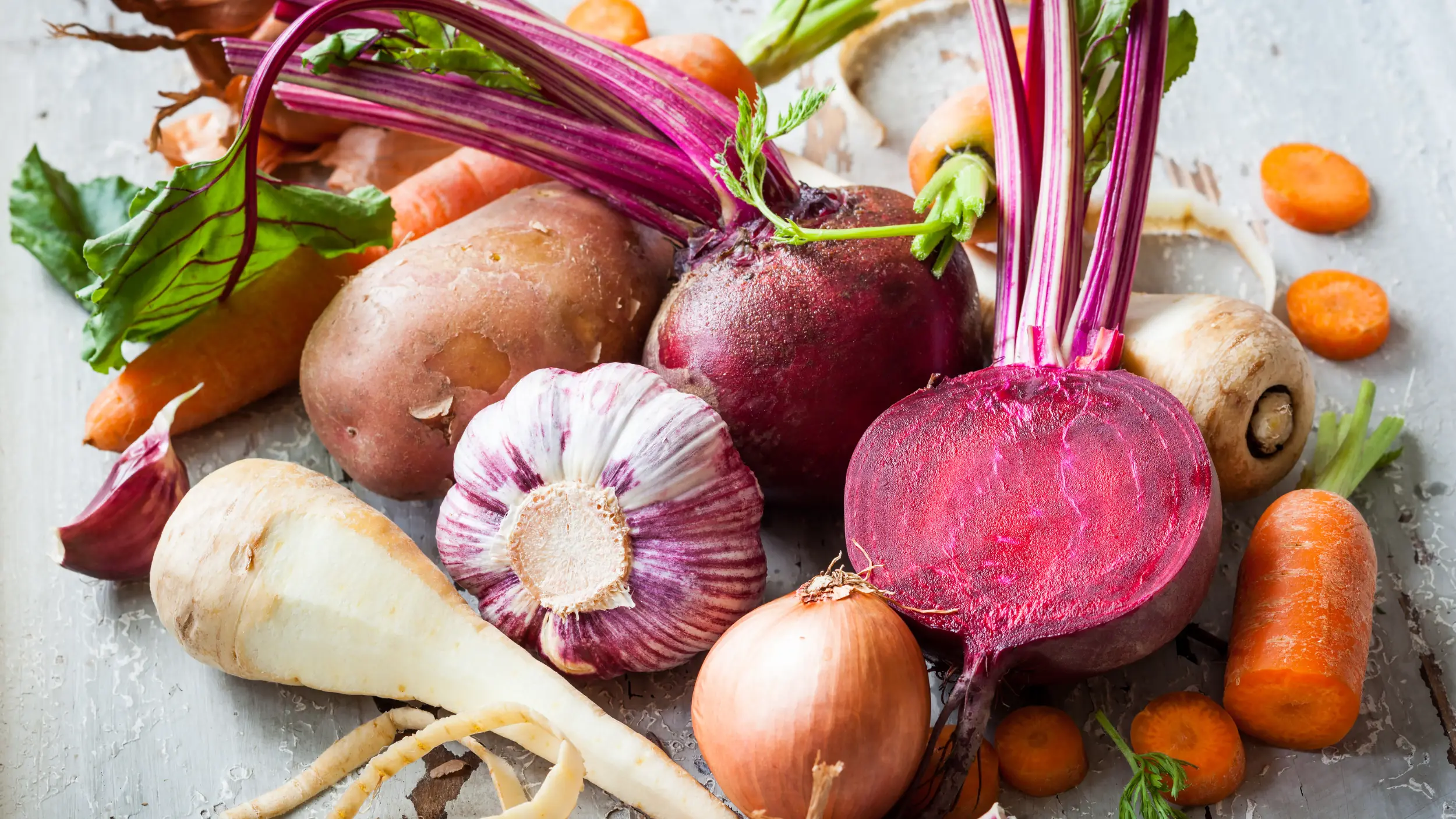
Starchy vegetables are nutrient-dense carbohydrates that provide sustained energy, fiber, vitamins, and minerals essential for hormonal balance and gut health. Unlike refined grains, these whole-food powerhouses support weight management when prepared properly and paired strategically. This guide reveals the 10 healthiest starchy vegetables that deserve a regular spot on your plate.
Introduction
Feeling confused about carbs? You're not alone. Many of us have been taught to fear starchy foods, but what if I told you that avoiding them means missing out on crucial nutrients for energy, gut health, and hormonal balance? As a dietitian working with women daily, I see the damage that carb-phobia creates—constant fatigue, hormonal imbalances, digestive issues, and an unhealthy relationship with food.
Here's the truth: not all carbs are created equal. The starchy vegetables I'm about to share are nothing like the refined grains and processed foods that deserve skepticism. These are whole, unprocessed plants that have nourished humans for thousands of years. They're packed with resistant starch, prebiotic fiber, antioxidants, and micronutrients that your body desperately needs to thrive.
As a dietitian, I want to show you how to embrace the right kinds of starchy vegetables to nourish your body and feel your best. Let's reframe the conversation and put these powerful plants back on your plate.
Why Your Body Actually Needs Starchy Veggies
Before we get into the starchy vegetables list, let's clear up the confusion. Unlike refined grains that have been stripped of their fiber and nutrients, starchy vegetables are whole-food powerhouses. They contain a unique blend of complex carbohydrates, fiber, vitamins, and minerals that provide sustained energy without the blood sugar crash.
Here's what makes them special: starchy vegetables contain resistant starch, a type of carbohydrate that resists digestion in your small intestine and acts more like fiber [1]. This means it feeds your beneficial gut bacteria, supports insulin sensitivity, and helps with satiety. When you cool certain starchy vegetables like potatoes after cooking, their resistant starch content actually increases [2].
For women specifically, adequate carbohydrate intake is crucial for thyroid function and reproductive health. When you chronically under-eat carbs, your body perceives it as a stressor, which can disrupt cortisol levels, thyroid hormones, and menstrual regularity [3]. This is especially important if you're active, managing stress, or in your reproductive years.
Starchy vegetables also provide:
- Sustained energy: Complex carbs break down slowly, providing steady fuel for your brain and muscles
- Gut health support: Prebiotic fibers feed beneficial bacteria that influence everything from immunity to mood
- Micronutrient density: B vitamins, potassium, magnesium, and antioxidants that refined grains simply can't match
- Satiety and satisfaction: The fiber and volume help you feel full and mentally satisfied after meals
This is about choosing nutrient-dense carbohydrates that work for you, not against you. If you're looking for more ways to support your gut health through food choices, check out our guide on probiotic-rich foods that transform your microbiome.
A Dietitian's Top 10 Starchy Vegetable Picks
Here are my go-to choices that I recommend to clients for their incredible nutritional profiles and versatility. These are the good starches to eat that I personally include in my own meal rotation.
1. Sweet Potatoes
Sweet potatoes are a true superfood and top my list of healthiest starchy vegetables. One medium sweet potato provides over 400% of your daily vitamin A needs in the form of beta-carotene, a powerful antioxidant that supports eye health, immune function, and skin integrity [4].
Sweet potatoes nutrition highlights:
- Fiber content: 4 grams per medium potato, supporting digestive health
- Glycemic response: Lower glycemic index compared to many other starches, especially when eaten with the skin
- Vitamin C: Supports collagen production and immune defense
- Potassium: Essential for blood pressure regulation and muscle function
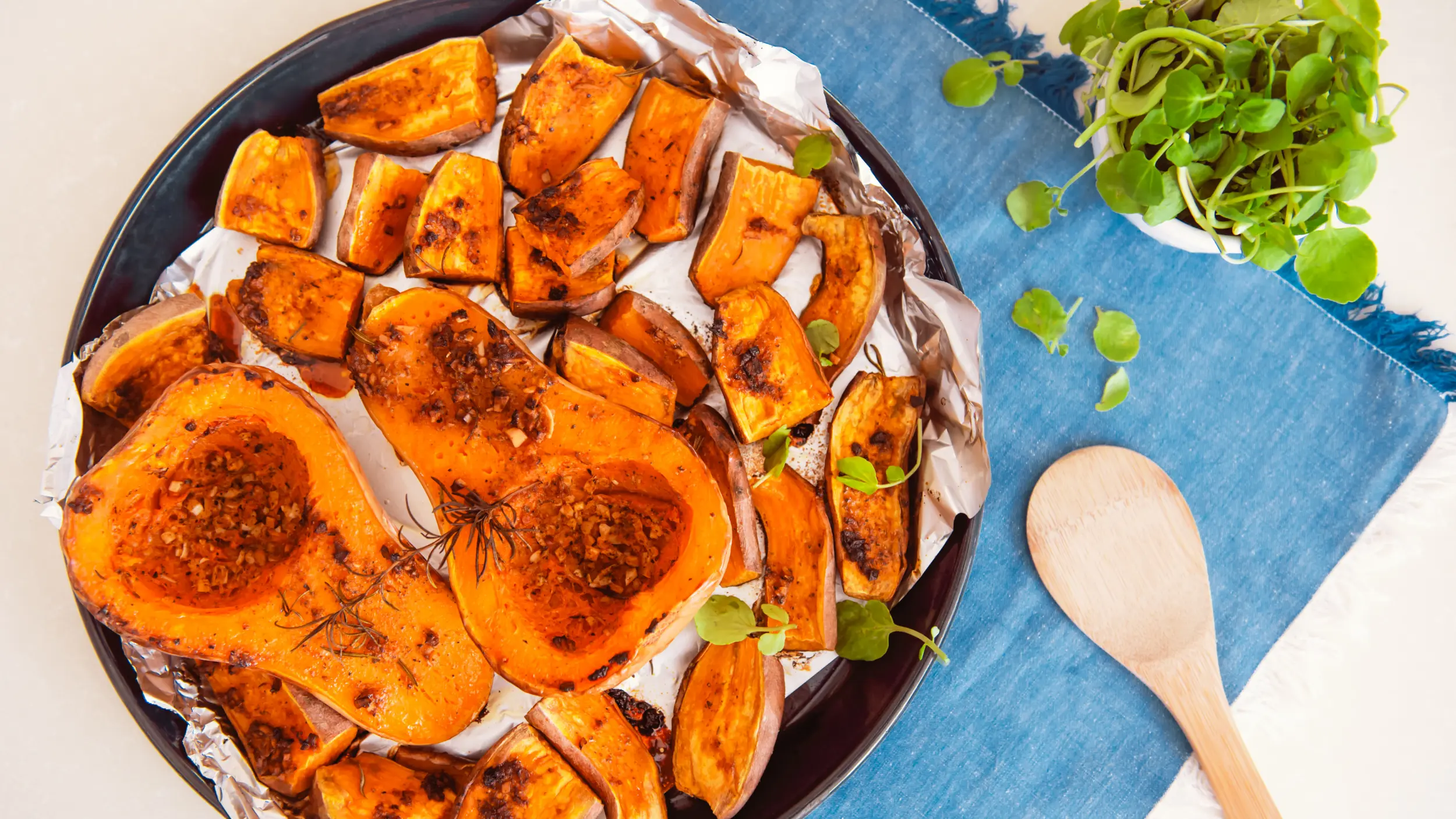
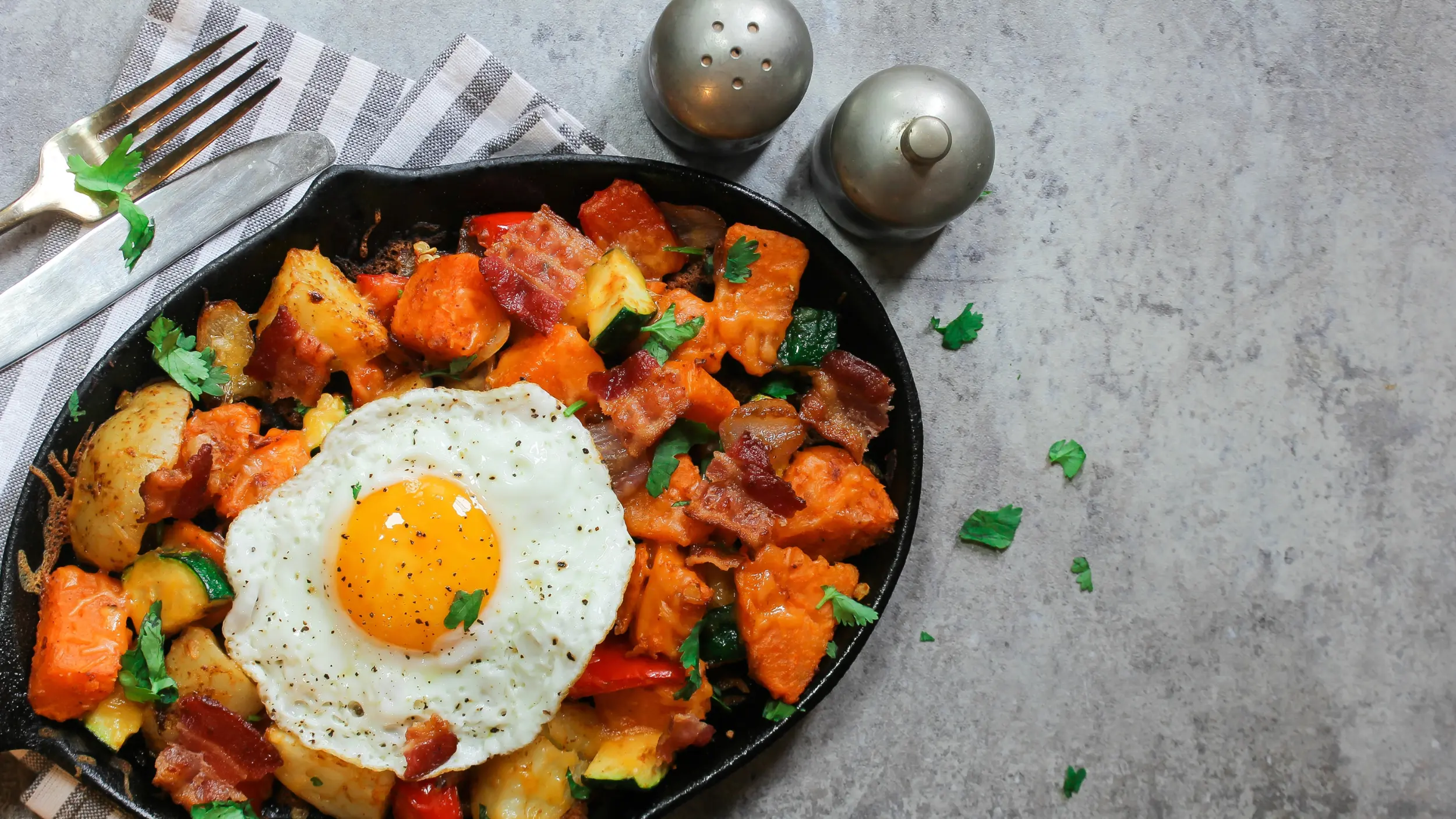
I love roasting them with the skin on for maximum fiber, or mashing them with a bit of cinnamon and coconut oil for a satisfying side dish.
2. Butternut Squash
Butternut squash is amazing for immune support and skin health, thanks to its rich carotenoid content. Squash nutrition extends beyond just vitamin A—it's also a great source of vitamin E, B vitamins, and manganese [5].
With only about 80 calories per cup but packed with nutrients, butternut squash is particularly helpful for women focused on nutrient density without excess calories. The natural sweetness satisfies cravings while delivering anti-inflammatory compounds.
3. Green Peas
Green peas are a surprising source of plant-based protein and fiber, making them unique among starchy vegetables. One cup provides about 8 grams of protein and 7 grams of fiber—a combination that's incredibly satiating [6].
Peas also contain:
- Lutein and zeaxanthin: Antioxidants that protect eye health
- Vitamin K: Essential for bone health and blood clotting
- Iron: Important for energy production, especially for menstruating women
Add them to grain bowls, pasta dishes, or eat them as a simple side. They're one of the most convenient frozen vegetables that retain their nutritional value beautifully.
4. Corn
Corn is rich in antioxidants that are often overlooked. Despite its reputation as "just a filler," corn contains lutein, zeaxanthin, and ferulic acid—compounds with anti-inflammatory and protective properties [7].
Fresh corn on the cob, frozen kernels, or even air-popped popcorn (yes, it counts!) can be nutritious additions to your diet. Corn also provides:
- B vitamins: Particularly folate, important for cell division and DNA synthesis
- Magnesium: Supports muscle function, sleep quality, and stress management
- Resistant starch: Especially when cooled after cooking
5. White Potatoes (Yes, Really!)
Are potatoes healthy? Absolutely! White potatoes have gotten an unfair reputation, but they're actually an excellent source of potassium—more than bananas, in fact [8]. One medium potato with skin provides about 900mg of potassium, which is crucial for heart health and muscle function.
Here's the game-changer: when you cook and then cool potatoes, their resistant starch content increases significantly [2]. This means potato salad or leftover roasted potatoes eaten cold actually have a lower glycemic impact than hot potatoes.
White potatoes also provide:
- Vitamin C: More than you'd expect from a starchy vegetable
- Vitamin B6: Essential for neurotransmitter production and hormonal balance
- Satisfying quality: Research shows potatoes are one of the most satiating foods you can eat
The key is preparation—baked or roasted with skin on beats deep-fried every time.
6. Parsnips
Parsnips are a high-fiber root vegetable perfect for gut health. They look like white carrots but offer a slightly sweet, nutty flavor that's incredible when roasted. One cup provides about 7 grams of fiber—nearly 30% of your daily needs [9].
Parsnips contain:
- Folate: Critical for women of reproductive age
- Vitamin C and E: Antioxidant duo for skin and immune health
- Soluble fiber: Supports healthy cholesterol levels
They're also a great source of polyacetylenes, plant compounds with potential anti-inflammatory properties.
7. Plantains
Plantains are a fantastic source of resistant starch for a happy microbiome, especially when eaten green or just slightly ripe. Unlike their banana cousins, plantains are typically cooked before eating, which makes them a true starchy vegetable.
Plantains provide:
- Vitamin B6: Supports mood regulation and protein metabolism
- Vitamin C: Immune and skin support
- Magnesium: Helps with muscle relaxation and sleep
- Prebiotic fiber: Feeds beneficial gut bacteria
Try them baked, boiled, or pan-fried in coconut oil. The greener they are, the more resistant starch they contain.
8. Taro Root
Taro root is a nutrient-dense staple in many cultures, from Hawaiian poi to Asian desserts and savory dishes. It's rich in fiber, vitamin E, and potassium, while being lower on the glycemic index than many other starchy vegetables [10].
Taro contains:
- Resistant starch: Beneficial for gut health and blood sugar control
- Manganese: Supports bone health and metabolism
- Copper: Important for iron absorption and energy production
Always cook taro thoroughly, as raw taro contains compounds that can irritate the mouth and digestive tract.
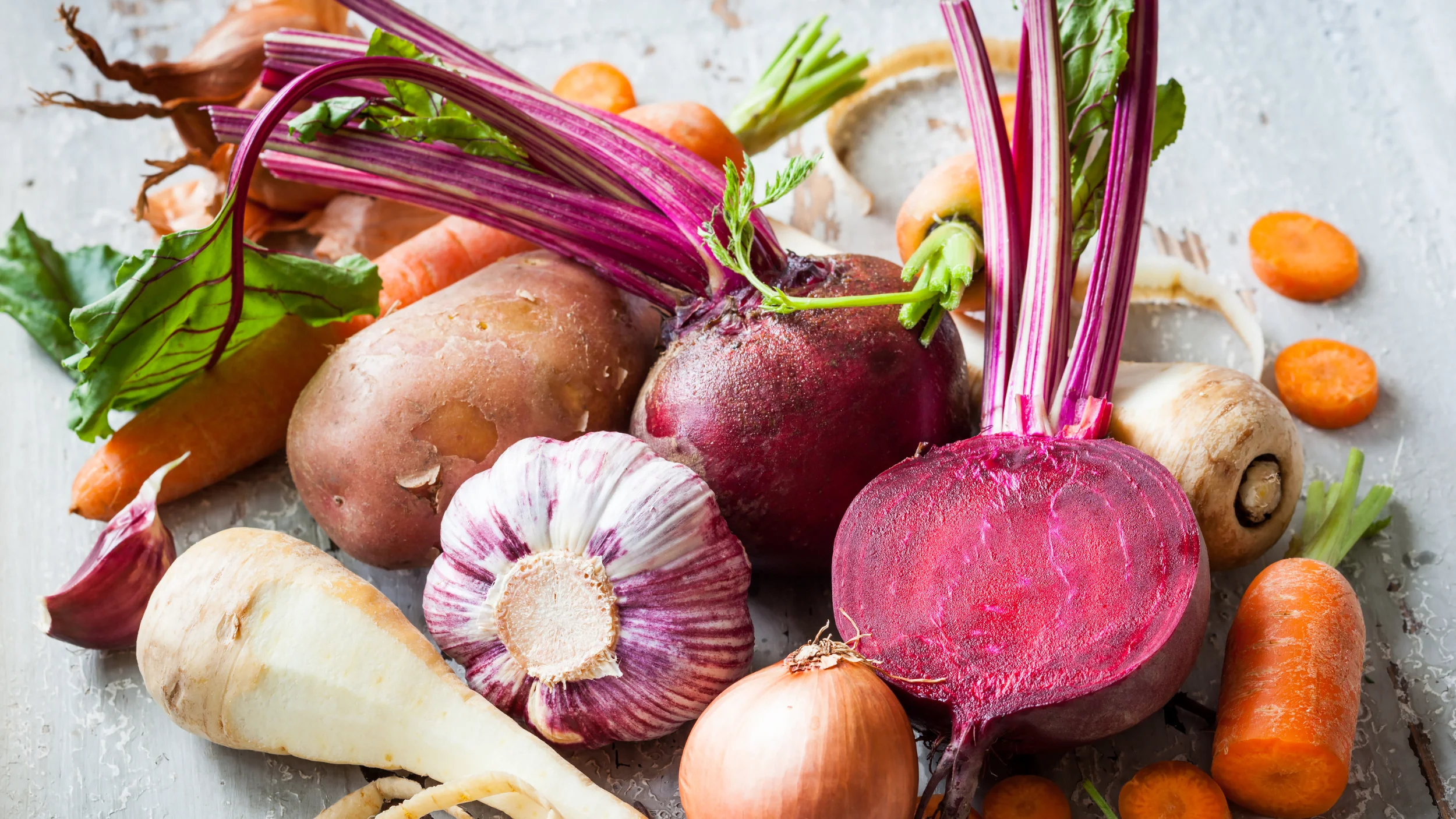
9. Beets
Beets are great for blood flow and exercise performance thanks to their natural nitrate content. When you eat beets, your body converts these nitrates to nitric oxide, which dilates blood vessels and improves oxygen delivery [11].
Beets offer:
- Betalains: Unique antioxidants with anti-inflammatory properties
- Folate: Essential for cell growth and DNA synthesis
- Iron: Particularly beneficial for active women
- Fiber: Both the root and greens provide digestive support
While slightly lower in starch than other vegetables on this list, beets still provide quality carbohydrates along with their impressive phytonutrient profile. For more information on how different foods affect your energy levels, read our article on balancing blood sugar naturally through food.
10. Pumpkin
Pumpkin is low in calories but high in essential vitamins, making it one of the most nutrient-dense options for starchy vegetables for weight loss. One cup of cooked pumpkin has only about 50 calories but delivers over 200% of your vitamin A needs [12].
Pumpkin provides:
- Alpha-carotene and beta-carotene: Powerful antioxidants for eye and skin health
- Potassium: Supports heart health and fluid balance
- Zinc: Important for immune function and skin healing
- Vitamin C: Collagen production and immune defense
Don't limit pumpkin to fall—frozen or canned pure pumpkin (not pie filling) is available year-round and retains all its nutritional benefits.
How to Eat Starches for Better Blood Sugar & Weight Management
It's not just what you eat, but how you eat it. This section is all about practical strategies that I share with every client who wants to optimize their relationship with carbohydrates.
The Power of Food Pairing
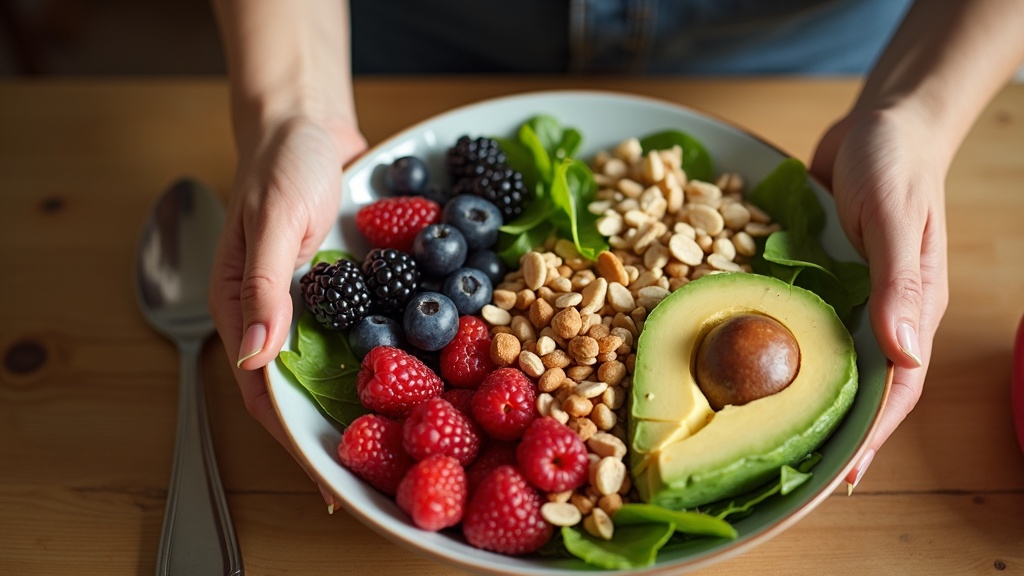
One of the most effective strategies for managing blood sugar response is pairing your starchy vegetables with protein and healthy fats. This combination slows digestion and prevents the blood sugar spike-and-crash cycle [13].
Here's what this looks like in practice:
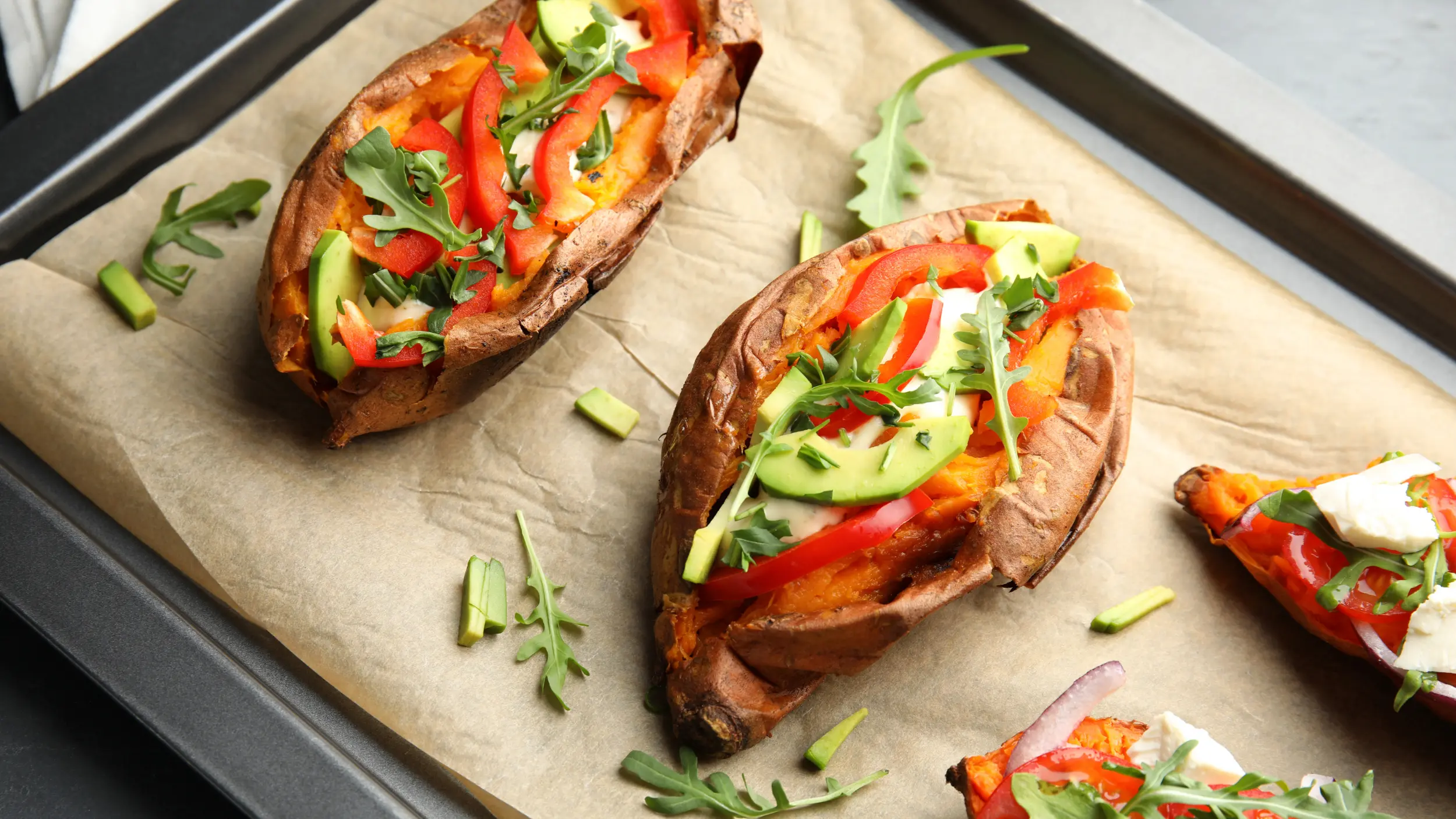
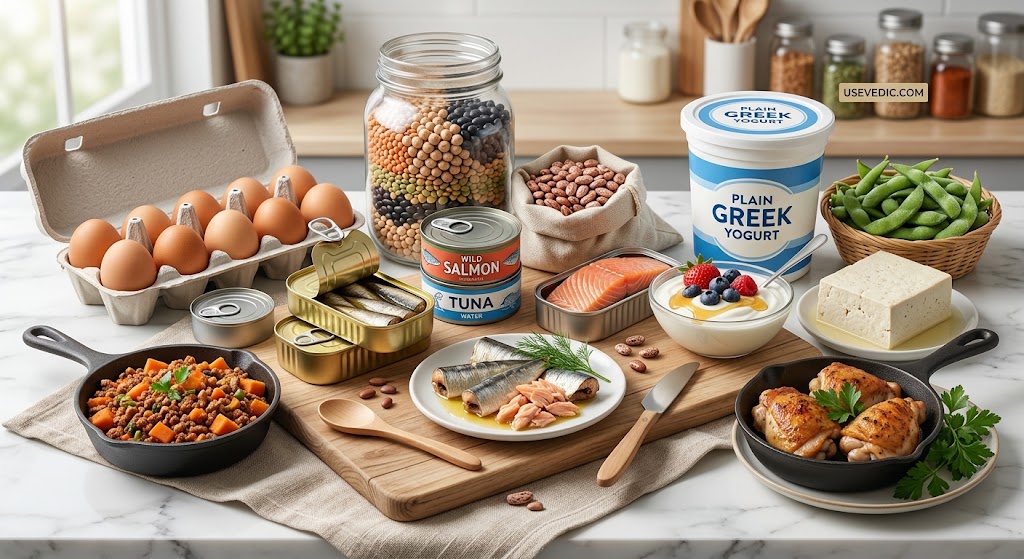
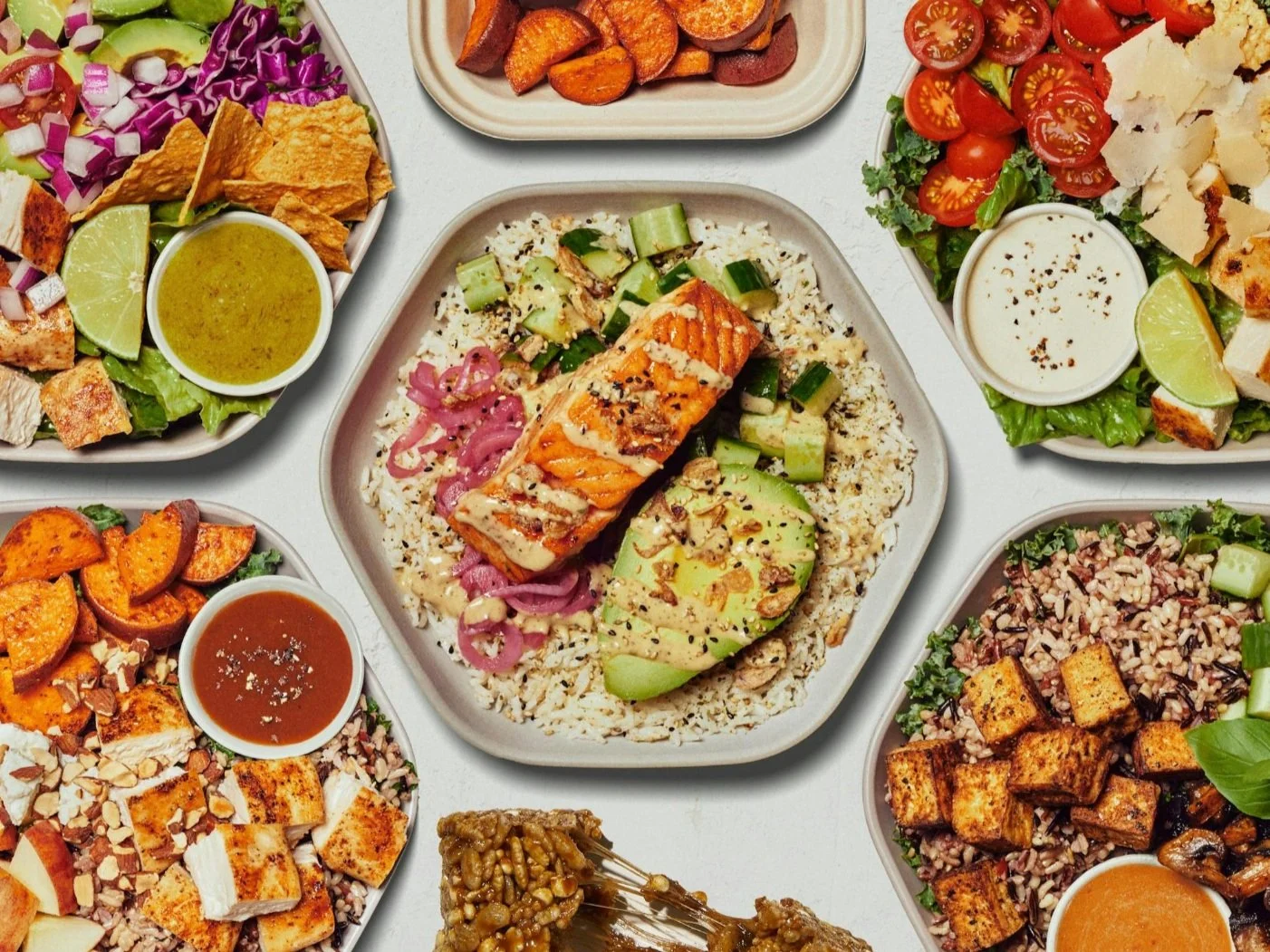
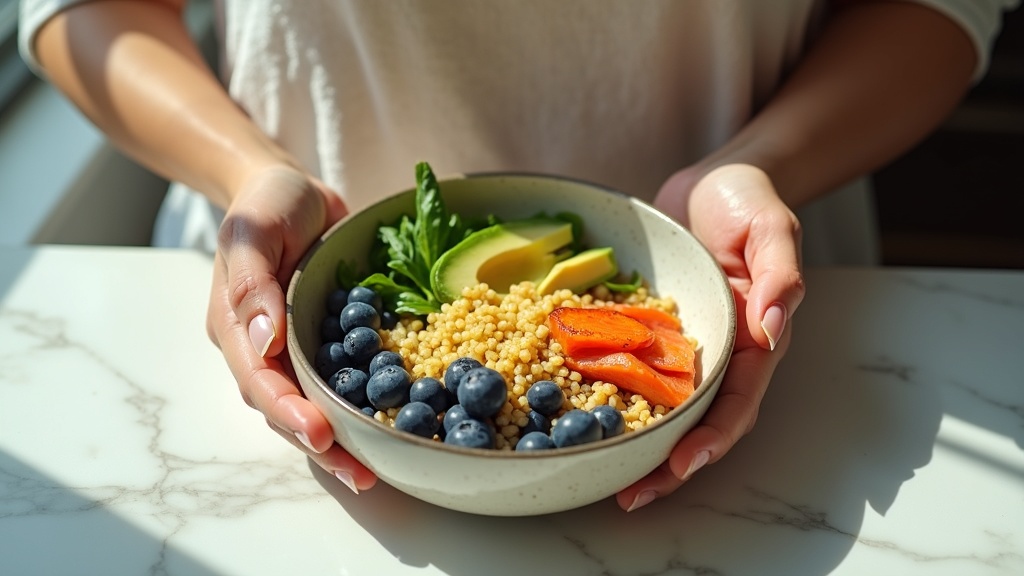
- Sweet potato + salmon + avocado: The protein and omega-3s from salmon plus healthy fats from avocado create a balanced, satisfying meal
- White potato + Greek yogurt + olive oil: Use Greek yogurt instead of sour cream for protein, drizzle with olive oil
- Butternut squash soup + hemp seeds + tahini: Plant-based protein and healthy fats that blend seamlessly
- Corn salad + black beans + pepitas: Complete protein plus mineral-rich seeds
This approach not only stabilizes blood sugar but also increases satiety, helping you stay full longer between meals.
Portion Sizes That Work for You
There's no universal "perfect" portion of starchy vegetables because your needs depend on your activity level, metabolic health, and individual goals. However, here are some general guidelines I use with clients:
- Moderately active women: 1/2 to 1 cup cooked starchy vegetables per meal
- Very active or athletic women: 1 to 1.5 cups per meal, potentially more around workouts
- Weight management focus: Start with 1/2 cup and assess hunger and energy levels
Remember, starchy vegetables for weight loss isn't about eliminating them—it's about finding your optimal amount. The fiber and nutrients they provide often support weight management better than low-carb approaches, especially long-term.
Cooking Methods That Maximize Benefits
How you prepare your starchy vegetables matters for both nutrition and blood sugar response:
- Roasting: Brings out natural sweetness and creates satisfying texture without added fats (though a light coating of oil is fine)
- Boiling then cooling: Increases resistant starch content in potatoes and other tubers
- Steaming: Preserves water-soluble vitamins like vitamin C and B vitamins
- Keeping the skin on: Maximizes fiber intake and nutrient density
Avoid deep frying, which adds excessive calories and inflammatory oils. If you want a crispy texture, try air-frying or oven-roasting with minimal oil.
For women dealing with digestive sensitivities, our comprehensive guide on gut-healing foods for better digestion offers additional strategies for incorporating these vegetables comfortably.
Timing Considerations
While you can enjoy starchy vegetables any time of day, some women find strategic timing helpful:
- Post-workout: Starchy vegetables help replenish glycogen stores and support recovery
- Evening meals: Can support serotonin and melatonin production, potentially improving sleep quality
- With breakfast: Provides sustained energy for women who feel better with more substantial morning meals
Experiment to find what works for your body and schedule. There's no single "right" answer—just what supports your energy, satisfaction, and goals.
FAQ: Your Top Questions Answered
Are starchy vegetables bad for you if you're trying to lose weight?
No, they can be incredibly beneficial! The fiber and nutrient content of starchy vegetables increases satiety and keeps you full, which is crucial for weight management. Research shows that people who include resistant starch in their diets often have better appetite control and improved metabolic markers [14].
The key is portion control and preparation. A baked sweet potato with protein is vastly different from a loaded potato skin appetizer. Focus on whole preparations, pair with protein and fat, and listen to your body's hunger and fullness cues.
What's the difference between starchy and non-starchy vegetables?
Starchy vegetables contain more carbohydrates and calories per serving, typically 15-30 grams of carbs per cup compared to 5 grams or less in non-starchy vegetables. This means they provide more energy and have a different role in your meals.
Non-starchy vegetables like leafy greens, broccoli, peppers, and cucumbers have higher water and fiber content with fewer carbs. Both categories are important! Non-starchy vegetables are excellent for filling your plate with volume and micronutrients, while starchy vegetables provide the energizing carbohydrates your body needs for optimal function.
Can I eat starchy vegetables every day?
Absolutely! Incorporating a serving of starchy vegetables daily can be a healthy part of a balanced diet, providing essential energy and nutrients for an active lifestyle. In fact, most women benefit from including quality carbohydrates at most meals rather than restricting them.
The variety on this list means you can rotate through different options, getting diverse nutrients throughout the week. Listen to your body—if you feel energized, satisfied, and your health markers are good, you're likely eating the right amount for you.
Ready to Create a Nutrition Plan That Feels Good?
Feeling empowered to add these foods to your plate? Understanding what are starchy vegetables and how to incorporate them is just the beginning. The real transformation happens when you create a personalized approach that addresses your unique body, lifestyle, and health goals.
If you're ready to stop guessing and create a personalized eating plan that supports your energy levels, hormonal balance, and relationship with food, let's talk. Our registered dietitians specialize in helping women break free from diet culture and build sustainable, nourishing habits.
Book a 1-on-1 consultation with our dietitians today at Vedic!
You deserve to feel confident in your food choices, energized throughout your day, and free from the confusion that's kept you second-guessing every meal. These healthiest starchy vegetables are just one piece of building a nutrition approach that actually works for your real life.
References
[1] Keenan MJ, et al. Role of resistant starch in improving gut health, adiposity, and insulin resistance. Advances in Nutrition, 2015.
[2] Birt DF, et al. Resistant starch: promise for improving human health. Advances in Nutrition, 2013.
[3] Loucks AB, Thuma JR. Luteinizing hormone pulsatility is disrupted at a threshold of energy availability in regularly menstruating women. Journal of Clinical Endocrinology & Metabolism, 2003.
[4] USDA FoodData Central. Sweet potato, cooked, baked in skin, flesh, without salt. U.S. Department of Agriculture, 2024.
[5] Azevedo-Meleiro CH, Rodriguez-Amaya DB. Qualitative and quantitative differences in carotenoid composition among Cucurbita moschata, Cucurbita maxima, and Cucurbita pepo. Journal of Agricultural and Food Chemistry, 2007.
[6] Dahl WJ, et al. Position of the Academy of Nutrition and Dietetics: health implications of dietary fiber. Journal of the Academy of Nutrition and Dietetics, 2015.
[7] Nuss ET, Tanumihardjo SA. Maize: a paramount staple crop in the context of global nutrition. Comprehensive Reviews in Food Science and Food Safety, 2010.
[8] USDA FoodData Central. Potatoes, flesh and skin, raw. U.S. Department of Agriculture, 2024.
[9] Christensen LP. Aliphatic C17-polyacetylenes of the falcarinol type as potential health promoting compounds in food plants of the Apiaceae family. Recent Patents on Food, Nutrition & Agriculture, 2011.
[10] Simsek S, El SN. Production of resistant starch from taro (Colocasia esculenta L. Schott) corm and determination of its effects on health by in vitro methods. Carbohydrate Polymers, 2015.
[11] Jones AM. Dietary nitrate supplementation and exercise performance. Sports Medicine, 2014.
[12] USDA FoodData Central. Pumpkin, cooked, boiled, drained, without salt. U.S. Department of Agriculture, 2024.
[13] Raynor HA, Champagne CM. Position of the Academy of Nutrition and Dietetics: interventions for the treatment of overweight and obesity in adults. Journal of the Academy of Nutrition and Dietetics, 2016.
[14] Bodinham CL, et al. Efficacy of increased resistant starch consumption in human type 2 diabetes. Endocrine Connections, 2014.
.svg)
.svg)


.jpg)
.jpg)











.webp)



























.webp)
.webp)
.webp)
.webp)
.webp)
.webp)
.webp)
.png)
.webp)
.webp)
.webp)
.png)
.webp)
.webp)
.webp)
.webp)
.webp)
.webp)
.webp)
.webp)
.webp)


.webp)
.png)