.webp)
.webp)
%2B(7).webp)
.png)
At a Glance
Chronic stress doesn't just live in your mind—it rewires your metabolism, hormone balance, and eating patterns in measurable ways. This guide translates the latest research on stress resilience nutrition into actionable strategies that fit your real life. You'll learn which nutrients directly support your nervous system, how to break the stress-eating cycle, and why the way you eat matters just as much as what's on your plate.
Understanding the Stress-Nutrition Connection
Let's get real: stress is unavoidable in 2026. Between career demands, relationship dynamics, and the constant digital noise, your body is processing more cortisol than it was designed to handle. And here's what most people don't realize—elevated cortisol doesn't just make you feel anxious. It fundamentally alters your nutritional needs and food behaviors [1].
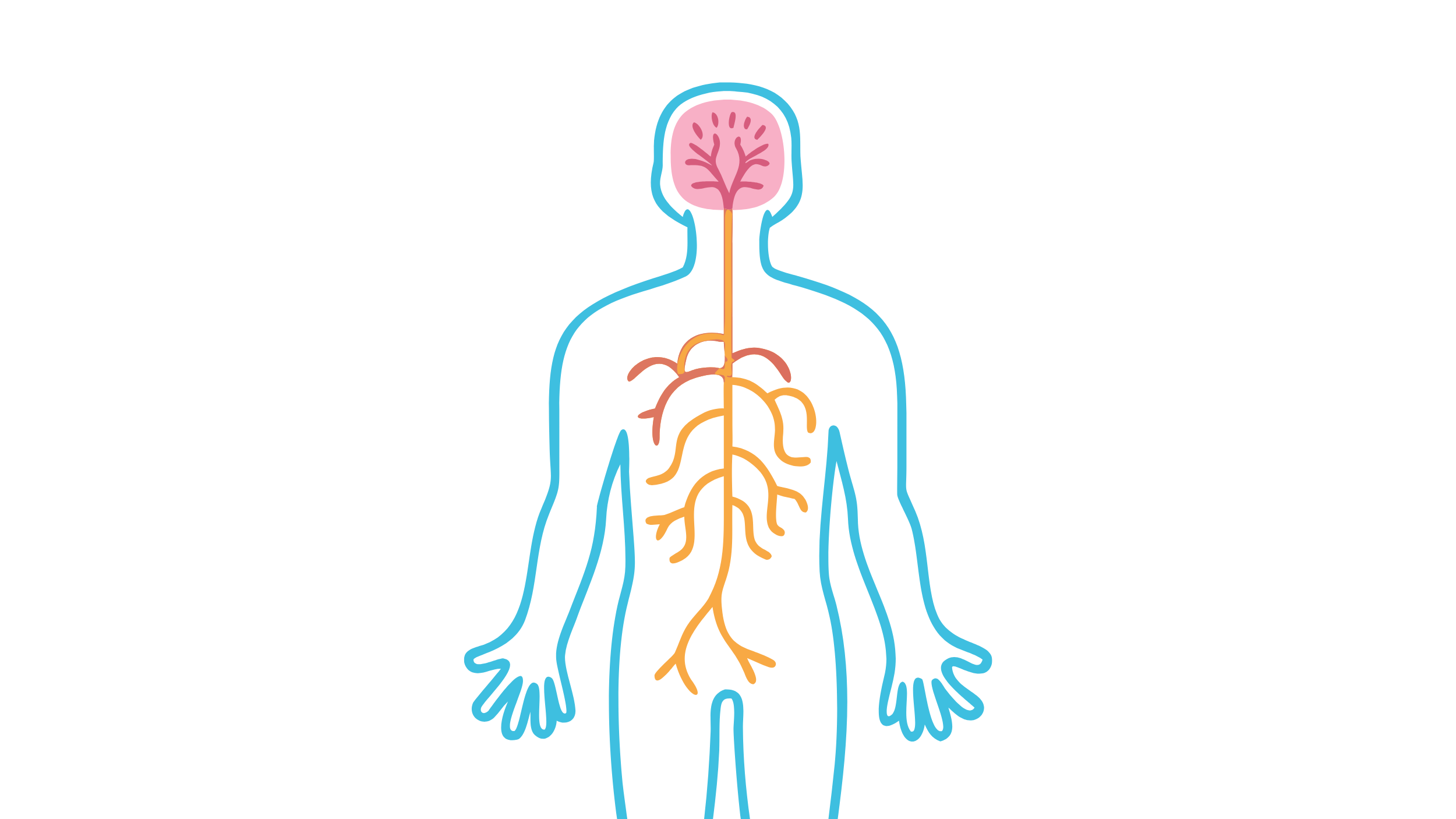
When you're stressed, your body prioritizes survival over everything else. Cortisol triggers a cascade of metabolic changes: blood sugar spikes and crashes more dramatically, your gut barrier becomes more permeable (yes, "leaky gut" is real), and your brain starts screaming for quick-energy foods—usually sugar and refined carbs [2]. This isn't a willpower issue. It's pure biology.
The fascinating part? Your diet can either amplify this stress response or help regulate it. Certain nutrients act as literal building blocks for neurotransmitters like serotonin and GABA, which are your brain's natural chill-out chemicals [3]. When you're chronically stressed and not eating to support these pathways, you're essentially asking your nervous system to function without the raw materials it needs.
The inflammation factor matters too. Stress increases inflammatory markers throughout your body, and a diet high in processed foods, sugar, and trans fats pours gasoline on that fire [4]. Meanwhile, anti-inflammatory foods can genuinely calm your system from the inside out. This is why nutrition for stress isn't about restriction—it's about strategic nourishment.
If you've noticed that stress tanks your energy levels too, you're not imagining it. The cortisol-blood sugar-inflammation trifecta directly impacts your mitochondrial function (your cells' energy factories), creating that exhausted-but-wired feeling so many women describe [5]. Understanding your functional nutrition approach to stress and energy can help you address both issues simultaneously.
Why Stress Eating Solutions Require More Than Willpower
Here's something I wish more women knew: stress eating is a neurological response, not a character flaw. When cortisol is elevated, it literally increases the reward value of palatable foods in your brain [6]. Dopamine pathways light up more intensely when you eat something crunchy, creamy, or sweet under stress.
Additionally, chronic stress depletes key micronutrients faster than normal. Magnesium, B vitamins, vitamin C, and zinc all get burned through at accelerated rates when you're in fight-or-flight mode [7]. If you're not actively replenishing these through food, you'll experience more intense cravings, worse sleep, and amplified anxiety—which then drives more stress eating. It's a vicious cycle, but one you can absolutely interrupt.
Your Stress-Fighting Food Toolkit
Now for the good stuff: which foods actually move the needle on stress resilience? I'm giving you the evidence-based essentials, organized by the specific stress pathways they support.
Magnesium-Rich Foods for Nervous System Regulation
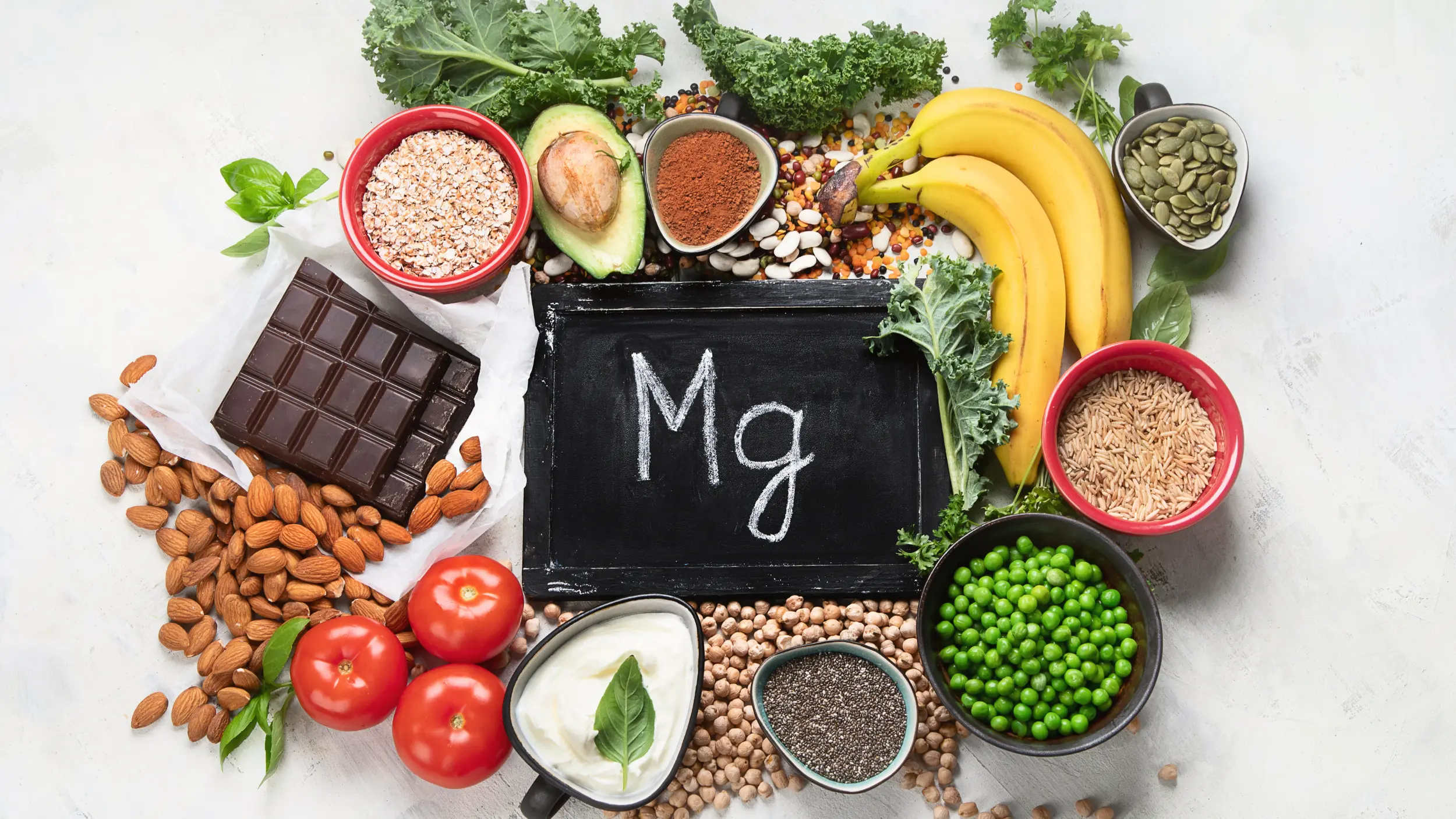
Magnesium is hands-down one of the most crucial minerals for stress management nutrition. It regulates your HPA axis (the stress control center in your brain), supports healthy cortisol patterns, and acts as a natural muscle relaxant [8]. Yet nearly 50% of women don't meet the RDA.
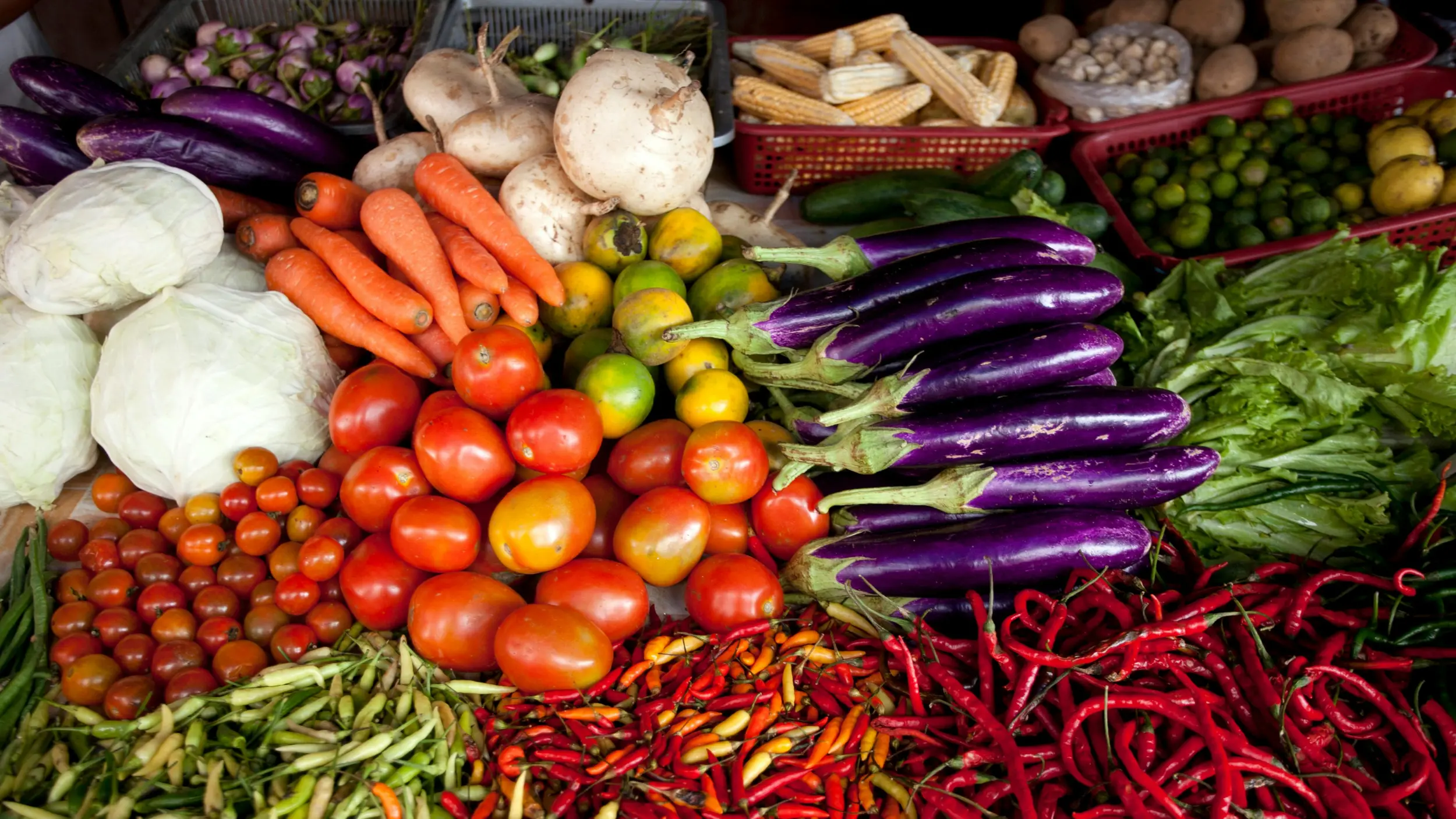
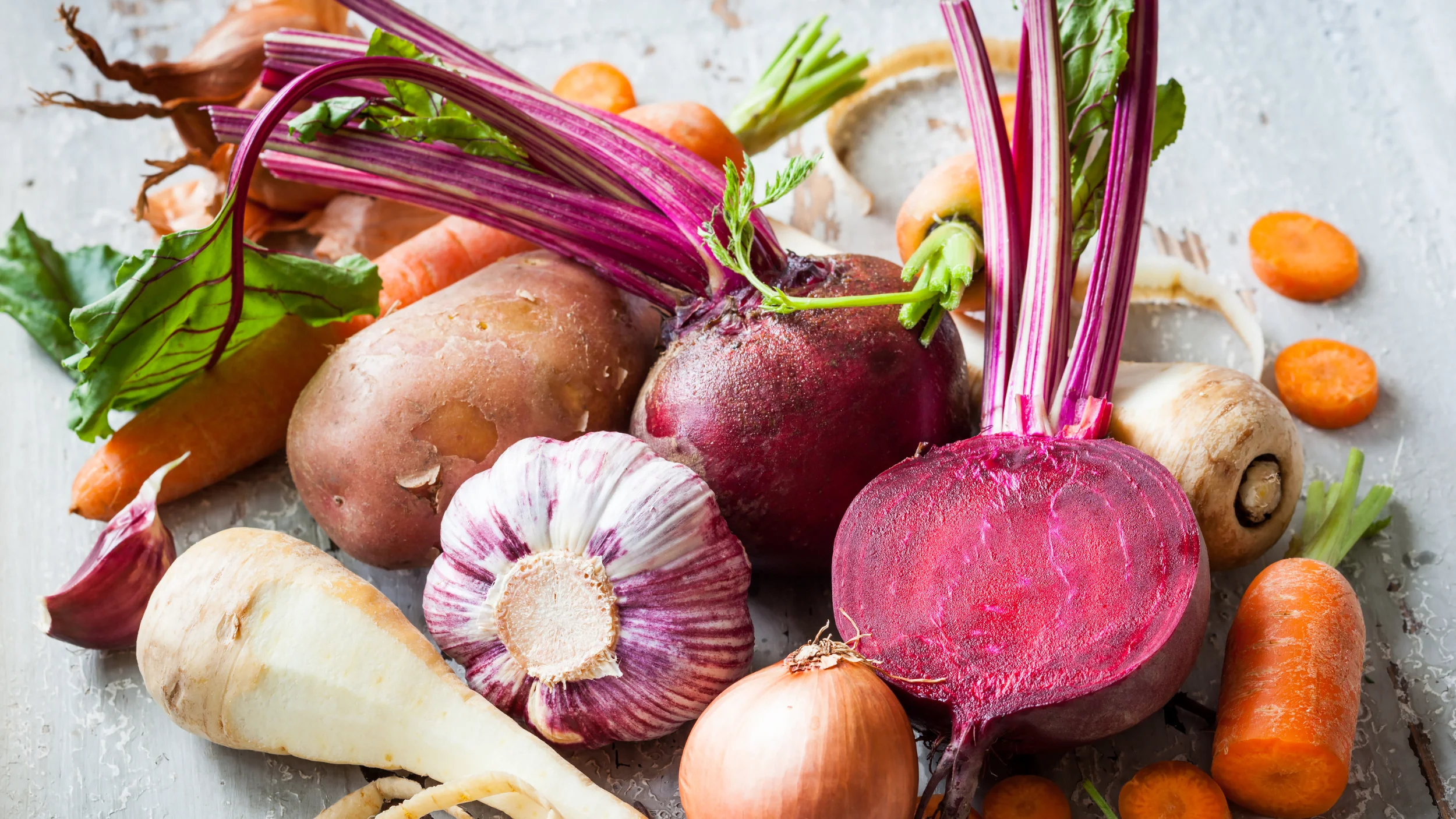
- Dark leafy greens like Swiss chard, spinach, and beet greens
- Pumpkin seeds and hemp hearts (sprinkle on literally everything)
- Dark chocolate with 70%+ cacao content
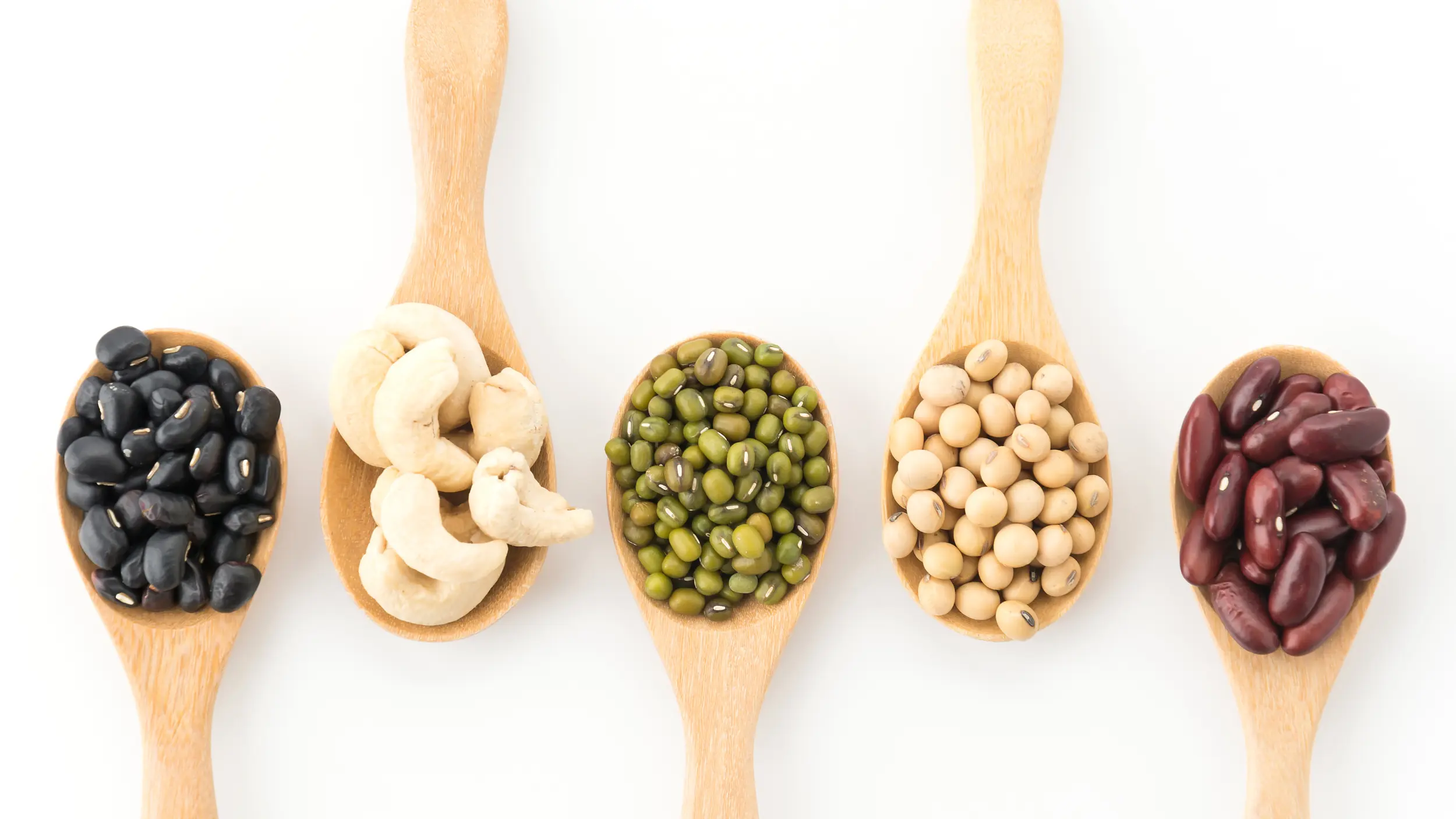
- Black beans, chickpeas, and lentils
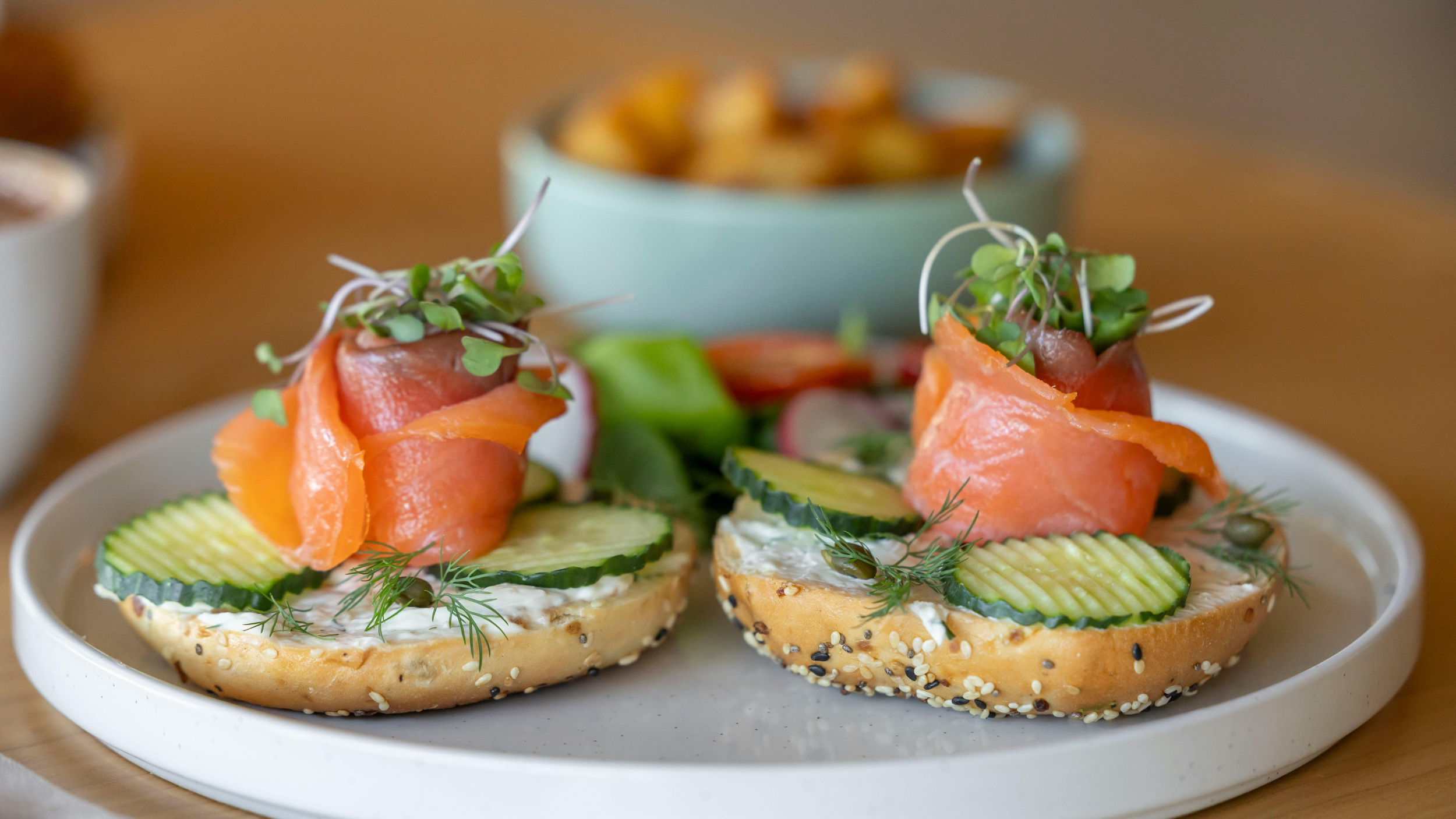
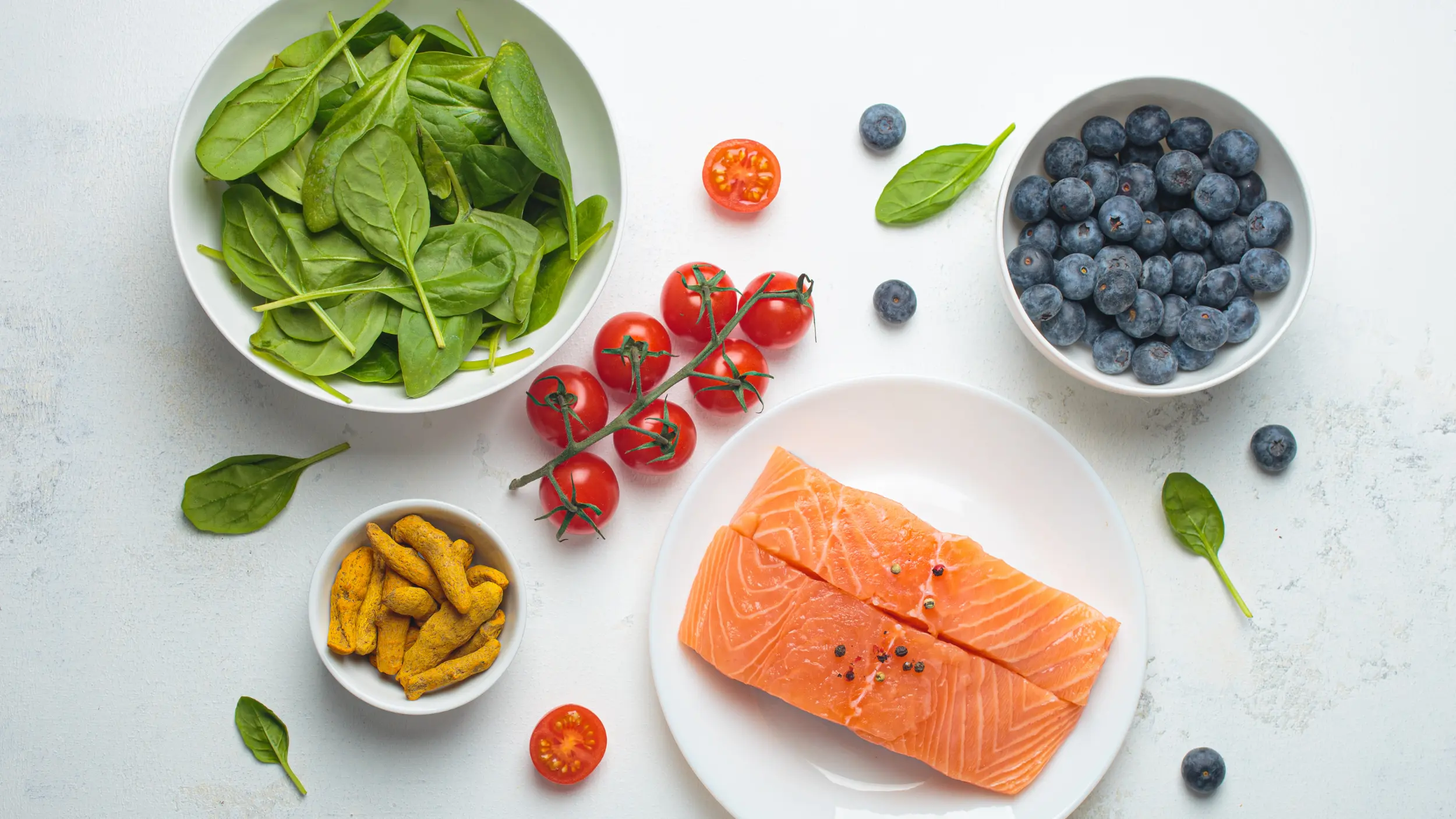
- Wild-caught salmon and halibut
Aim for 320mg daily minimum. I typically see the most dramatic improvements in sleep quality and stress reactivity when clients hit 400-450mg through food sources.
Omega-3 Fatty Acids to Combat Inflammation
Your brain is nearly 60% fat, and the type of fat you eat directly influences neuroplasticity and mood regulation [9]. Omega-3s (specifically EPA and DHA) reduce inflammatory cytokines that contribute to anxiety and depression.
- Fatty fish like wild salmon, sardines, mackerel, and anchovies (2-3 servings weekly)
- Algae-based supplements if you're plant-based (1000-2000mg combined EPA/DHA)
- Walnuts, chia seeds, and flaxseeds for ALA (though conversion to EPA/DHA is limited)
The research is clear: women with higher omega-3 intake show significantly lower anxiety scores and better stress resilience [10]. If you're also working on hormone balance through diet, omega-3s serve double duty by supporting healthy estrogen metabolism.
B-Vitamin Complex for Energy and Neurotransmitter Production
B vitamins are cofactors in virtually every step of neurotransmitter synthesis. Without adequate B6, B9 (folate), and B12, your body simply cannot produce enough serotonin, dopamine, or GABA [11].
Here's what to prioritize:
- B6: chickpeas, salmon, chicken breast, bananas
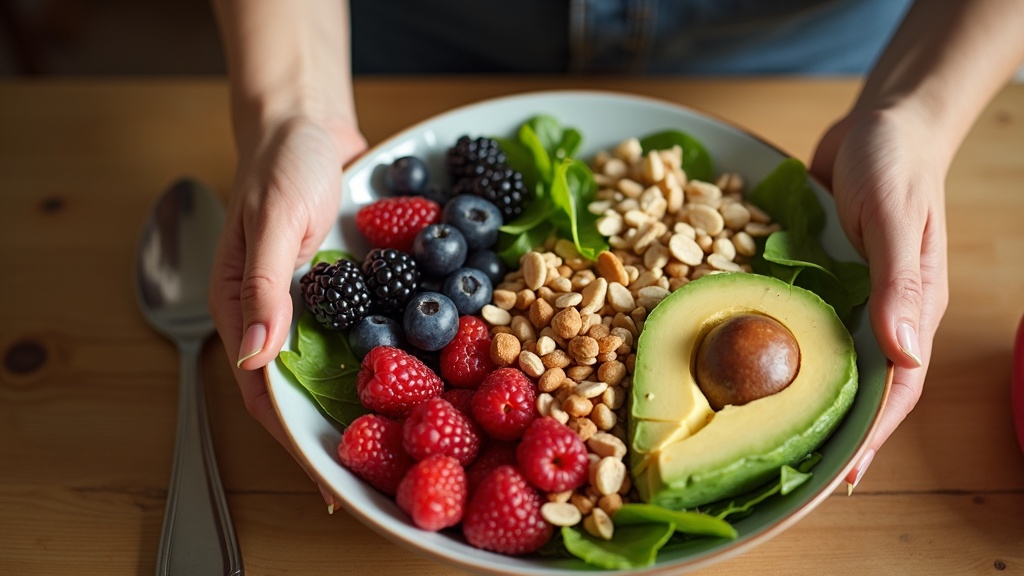
- Folate: lentils, asparagus, avocado, Brussels sprouts (always choose food folate over synthetic folic acid when possible)
- B12: animal proteins, nutritional yeast (fortified), nori seaweed
If you're on hormonal birth control, taking a PPI, or dealing with digestive issues, you're at higher risk for B-vitamin depletion. Worth investigating with lab work.
Probiotic and Prebiotic Foods for the Gut-Brain Axis
This might surprise you, but approximately 90% of your serotonin is produced in your gut, not your brain [12]. The state of your microbiome directly influences your stress response, mood stability, and even how you perceive stress.
Fermented foods deliver beneficial bacteria:
- Unsweetened yogurt and kefir (look for 10+ billion CFUs)
- Sauerkraut, kimchi, and other fermented vegetables
- Miso paste and tempeh
- Kombucha (watch the sugar content)
Prebiotic fibers feed those good bacteria:
- Garlic, onions, and leeks
- Slightly green bananas and cooked-then-cooled potatoes (resistant starch)
- Asparagus, artichokes, and dandelion greens
- Oats and barley
For a deeper understanding of how to optimize your gut health and microbiome, this becomes the foundation for both mental health nutrition and physical resilience.
Adaptogenic Foods and Herbs
While I'm careful not to over-promise on supplements, certain adaptogens have solid research backing their stress-modulating effects [13].
- Ashwagandha: reduces cortisol by up to 28% in some studies
- Rhodiola: improves stress-induced fatigue and concentration
- Holy basil (tulsi): supports balanced cortisol patterns
- Reishi mushroom: promotes calm without sedation
These work best as part of a comprehensive stress relief diet, not as standalone solutions. I typically recommend 8-12 weeks of consistent use to assess effectiveness.
Foods to Limit When Building Stress Resilience
I'm not about demonizing food, but transparency matters. These ingredients demonstrably worsen stress physiology:
- Excess caffeine (more than 200-300mg daily) amplifies cortisol and anxiety [14]
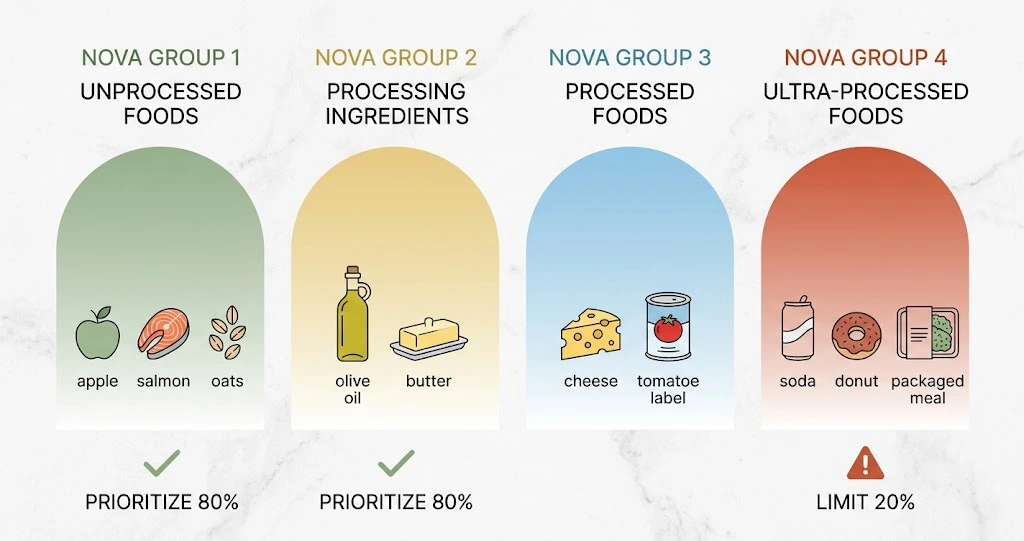
- Added sugars and refined carbs create blood sugar chaos that mimics stress symptoms
- Alcohol disrupts sleep architecture and depletes B vitamins and magnesium
- Trans fats and heavily processed oils increase systemic inflammation
Notice I said "excess" and "heavily processed." A morning coffee and occasional treats aren't the enemy—it's the cumulative pattern that matters.
Building Lasting Resilience Through Mindful Eating
Here's where we shift from what to how. You could eat every single food I just listed and still feel stressed if you're inhaling meals while doom-scrolling or eating standing over the sink. The practice of mindful eating activates your parasympathetic nervous system—the "rest and digest" mode that allows nutrients to actually be absorbed [15].
The Physiology of Slowing Down
When you eat in a stressed state (sympathetic dominance), your body literally shunts blood away from your digestive tract toward your muscles and brain. Digestive enzyme production drops, gut motility changes, and nutrient absorption becomes inefficient [16]. This means you could be eating a nutritionally perfect meal and still not getting the full benefit.
Mindful eating isn't woo-woo—it's applied physiology. Even 5-10 deep breaths before eating shifts your autonomic nervous system enough to improve digestion and reduce the likelihood of stress-related overeating.
Practical Mindful Eating Techniques
Forget the advice to chew each bite 30 times or meditate for an hour before meals. That's not realistic. Instead, try these micro-practices:
- Set an actual place setting, even if you're alone (plate, fork, napkin—simple environmental cue that signals "mealtime")
- Take three slow breaths before your first bite
- Put your fork down between every few bites
- Identify one specific flavor, texture, or aroma in each meal
- Eat without screens for at least 10 minutes at the start of the meal
The hunger-fullness awareness piece is crucial. Stress numbs interoceptive awareness—your ability to feel internal body signals [17]. Many women I work with have completely lost touch with physical hunger versus emotional hunger. Rebuilding this takes consistent, judgment-free practice.
Coping with Stress Food Without Restriction
I'm going to say something controversial: sometimes eating for comfort is completely appropriate. Food is soothing. It does provide emotional regulation. The issue arises when it's your only coping mechanism or when it's disconnected from actual awareness.
A better approach:
- Create a mental list of 3-4 non-food stress relief tools you can access in under 5 minutes (cold water on your face, 10 jumping jacks, a specific song, texting a friend)
- When you feel the urge to stress-eat, pause and ask: "Am I physically hungry, or do I need something else right now?"
- If the answer is "something else," try one non-food option first
- If you still want the food after 5 minutes, eat it mindfully and without guilt
This isn't restriction—it's expanding your toolkit so food doesn't have to do all the heavy lifting for your nervous system.
Building Your Personalized Stress Resilience Protocol
Here's what implementing a diet for anxiety and stress resilience actually looks like in practice:
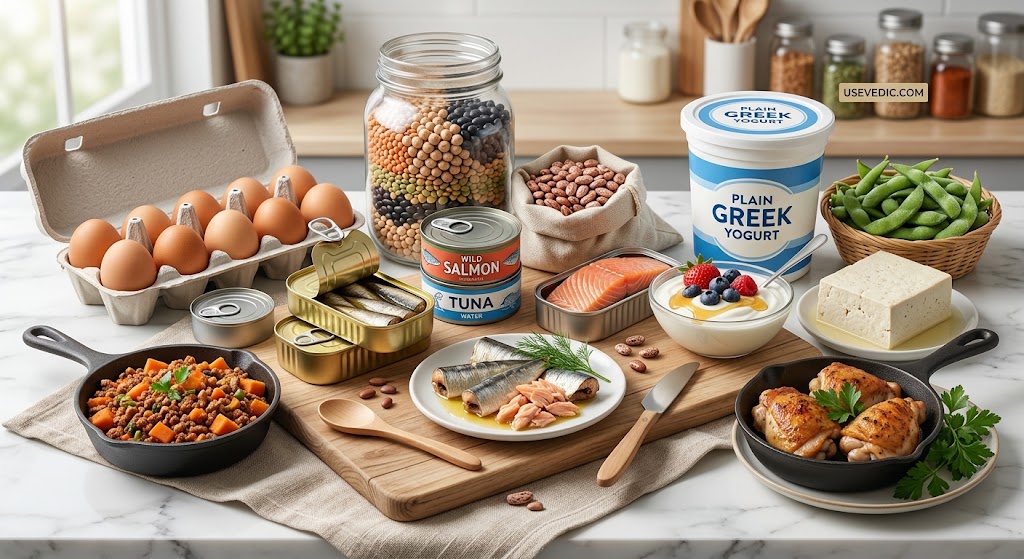
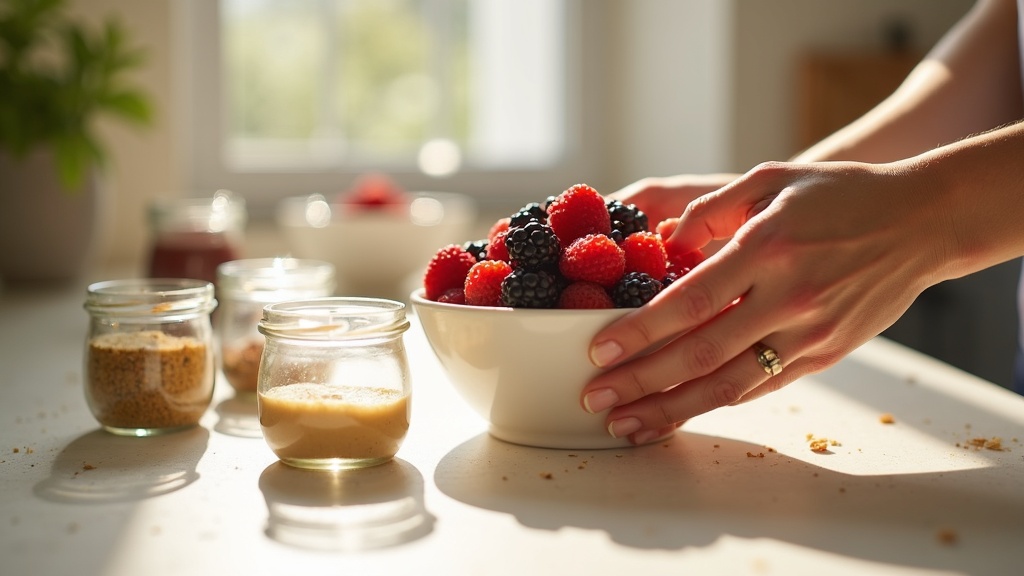
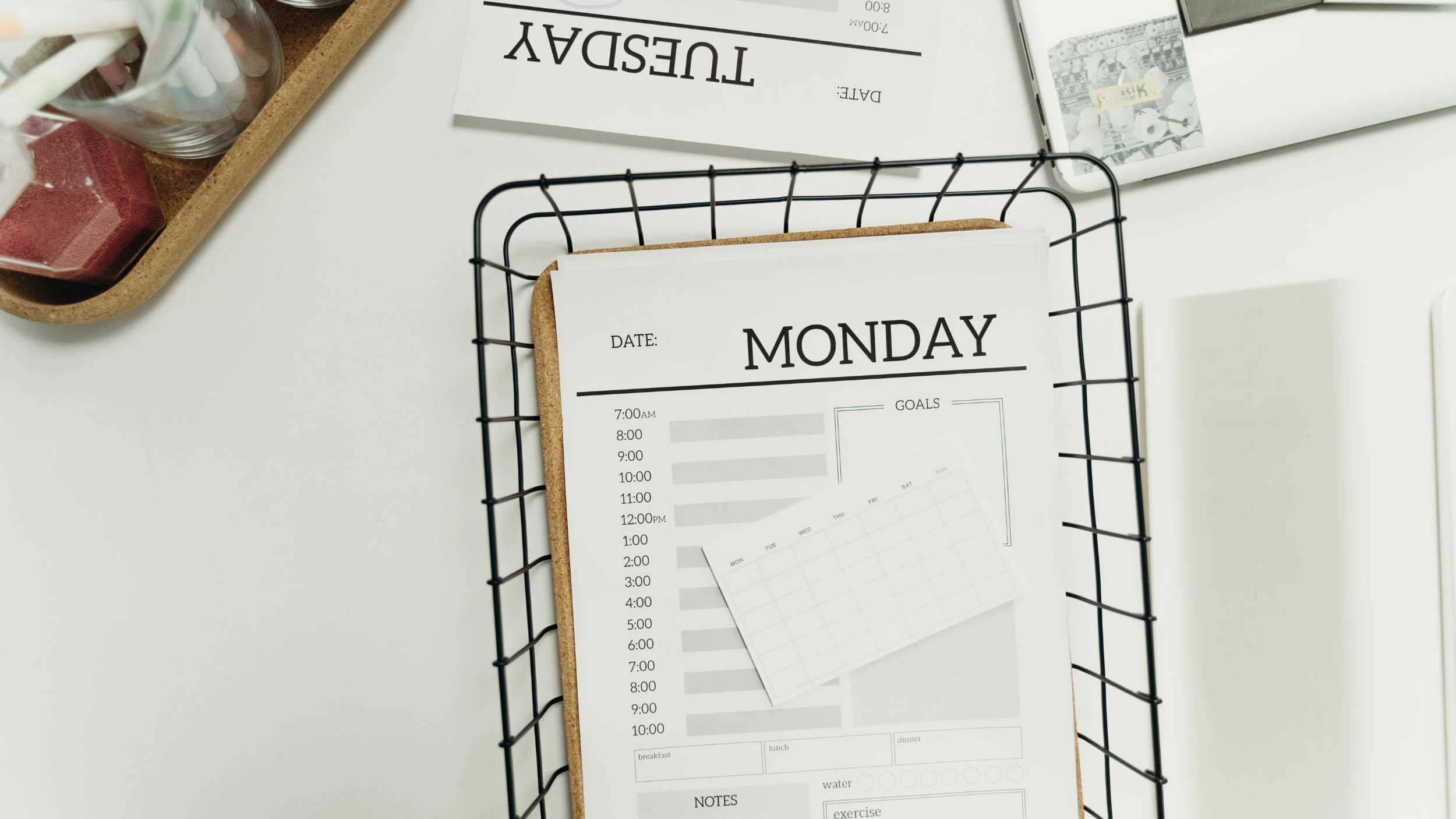
Morning foundation: Protein-rich breakfast within 90 minutes of waking (stabilizes blood sugar and supports cortisol awakening response). Think Greek yogurt with berries and hemp hearts, or eggs with sautéed greens.
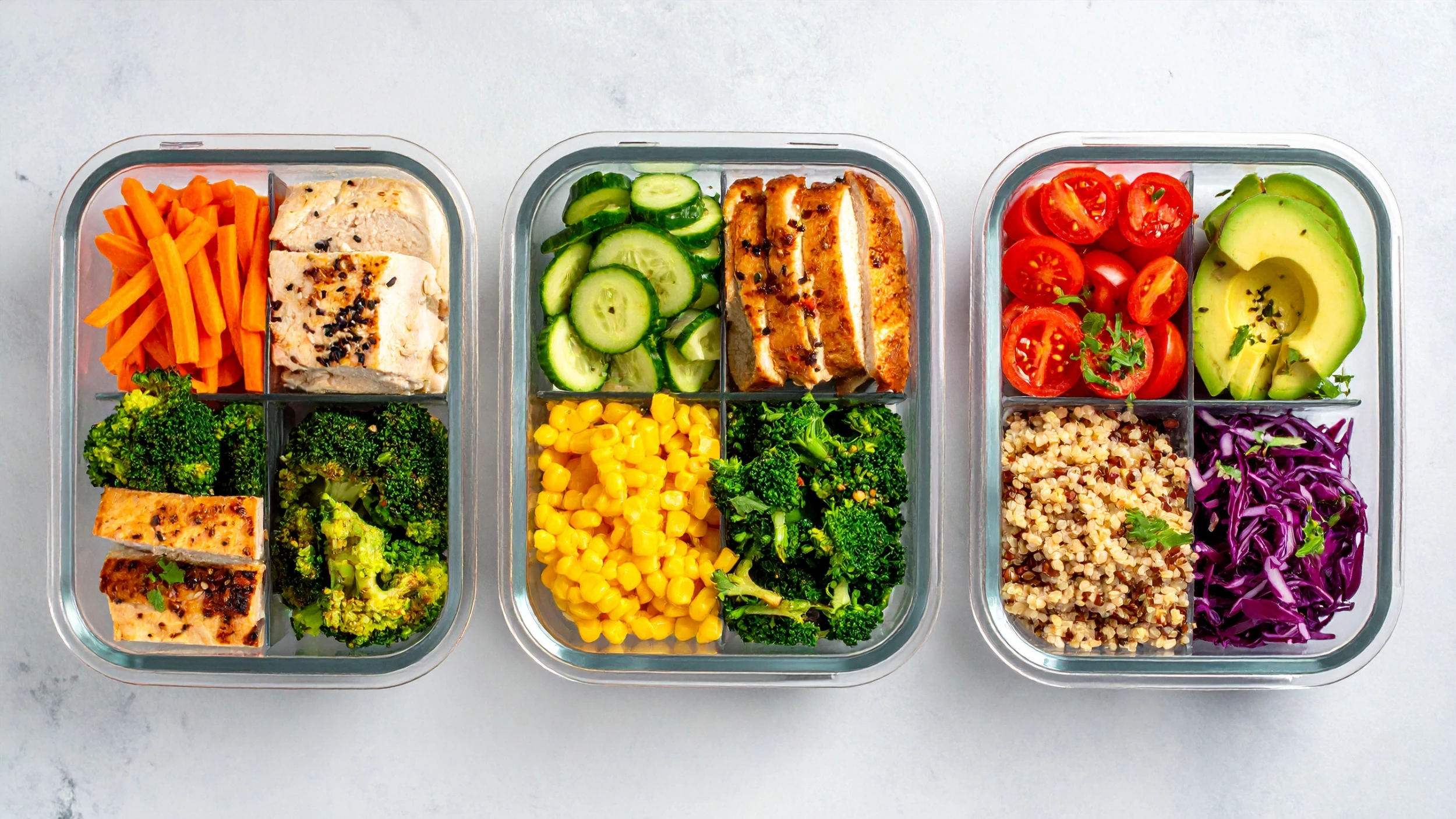
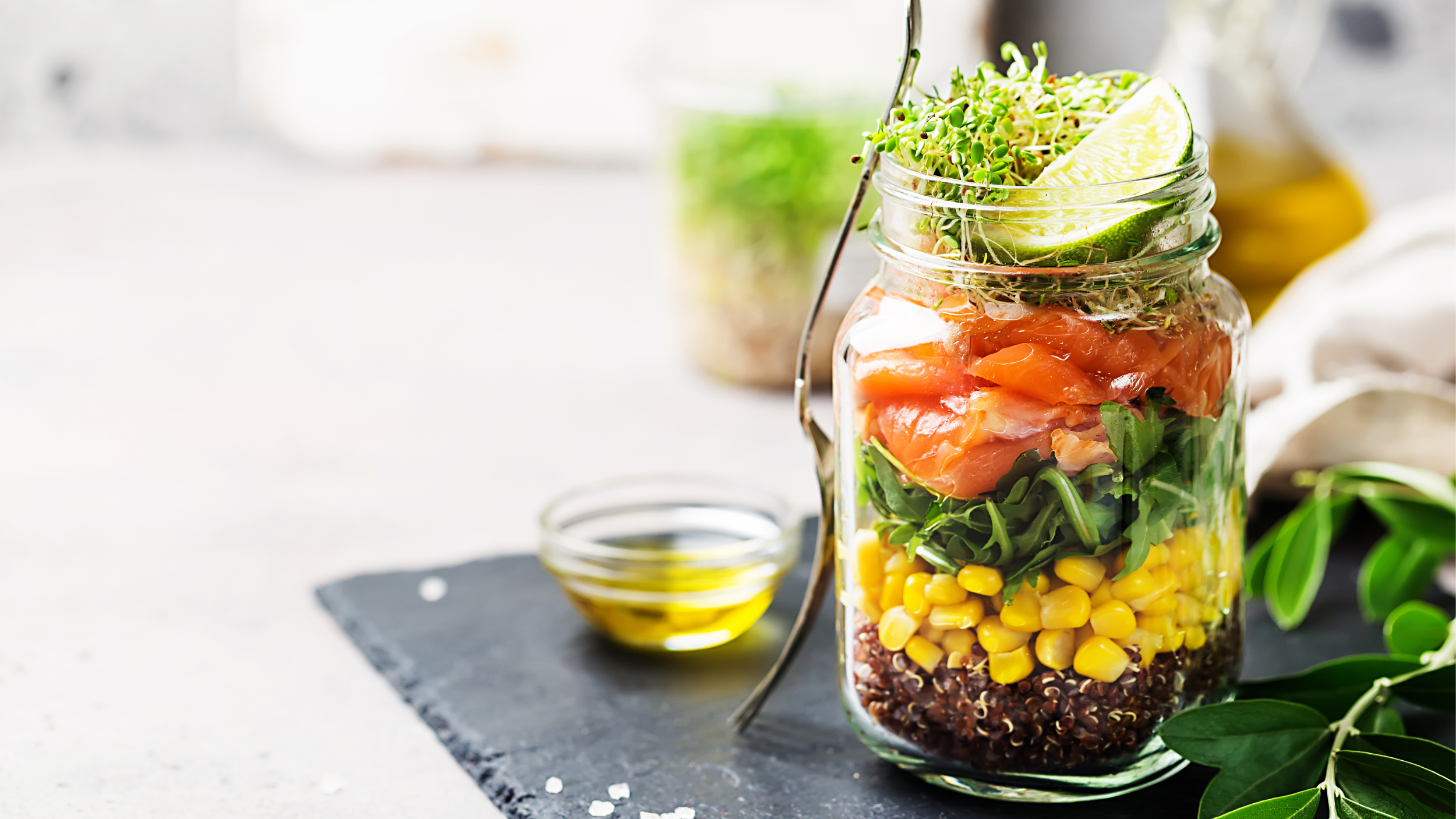
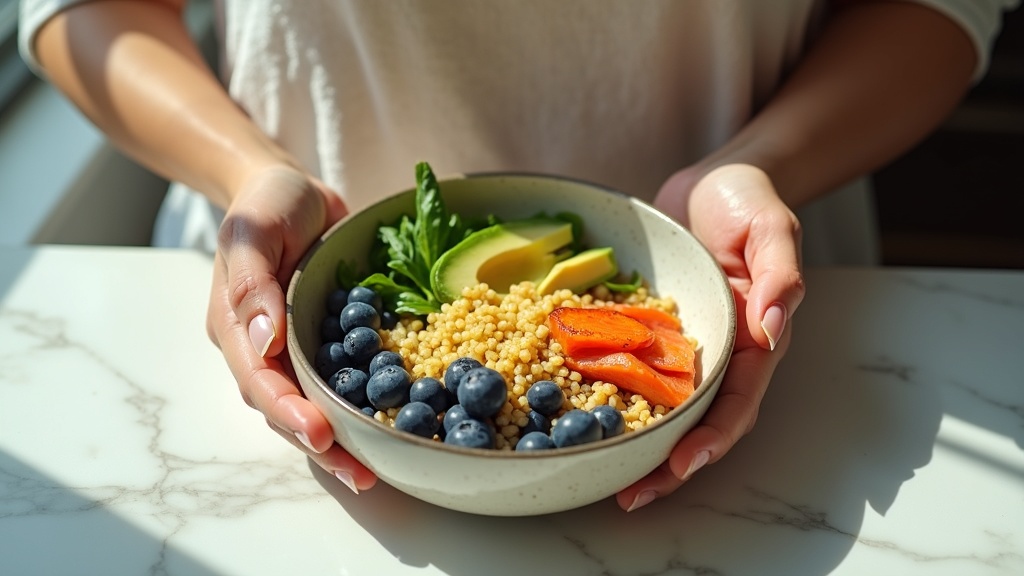
Midday balance: Lunch that combines complex carbs, quality protein, and healthy fats. This prevents the 3pm energy crash that triggers stress eating. A Buddha bowl with quinoa, roasted chickpeas, tahini, and vegetables checks all boxes.
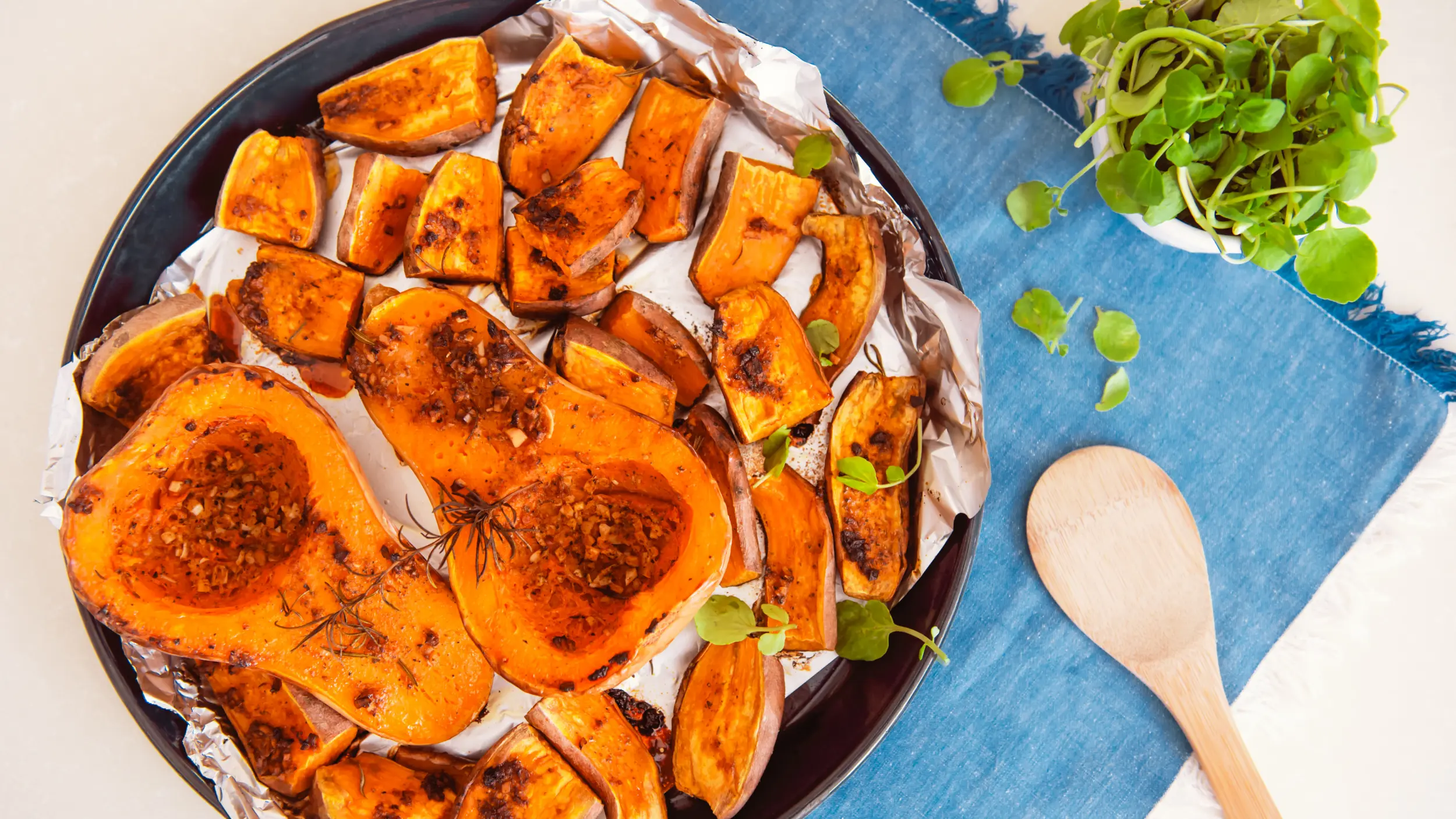
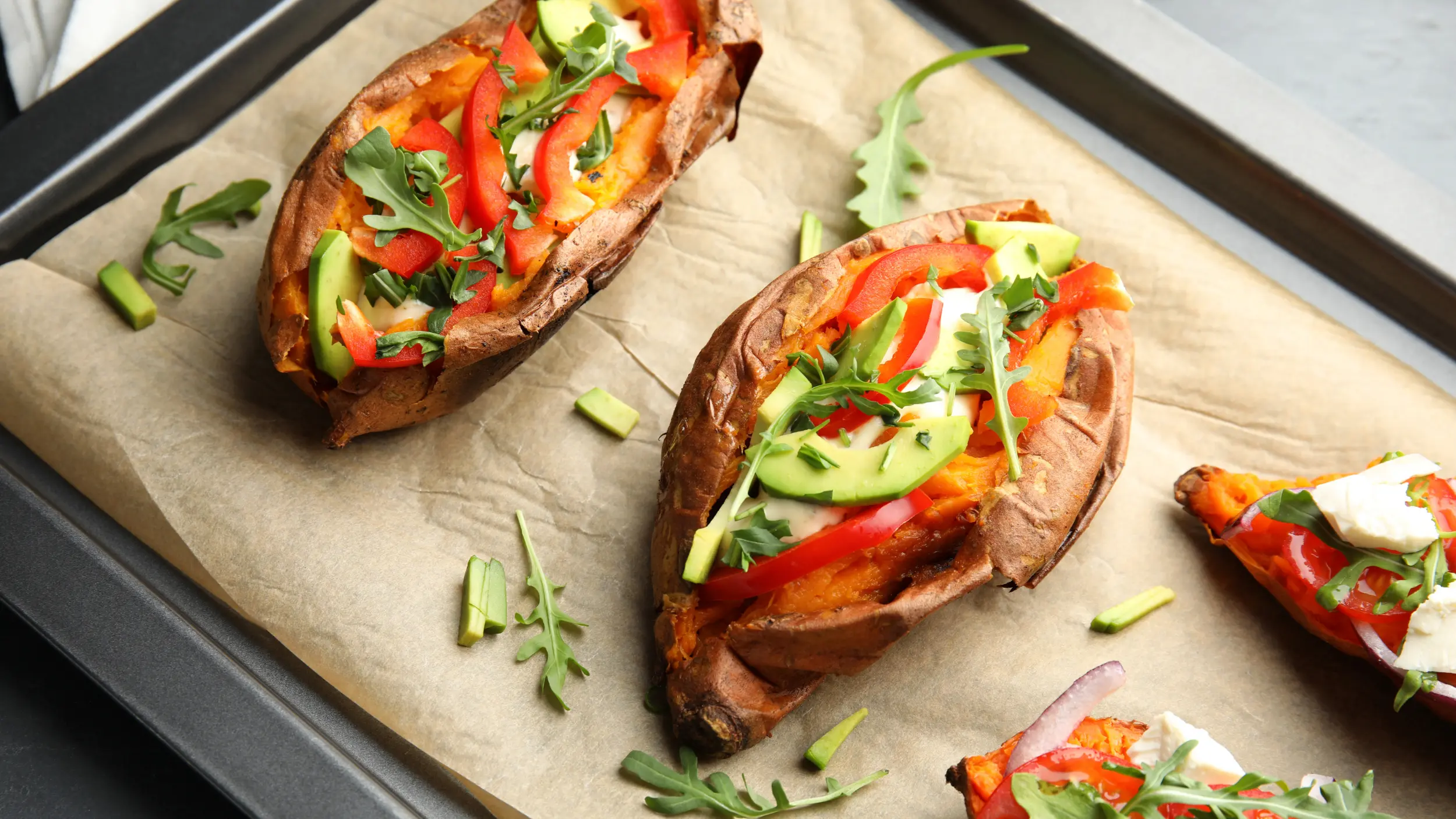
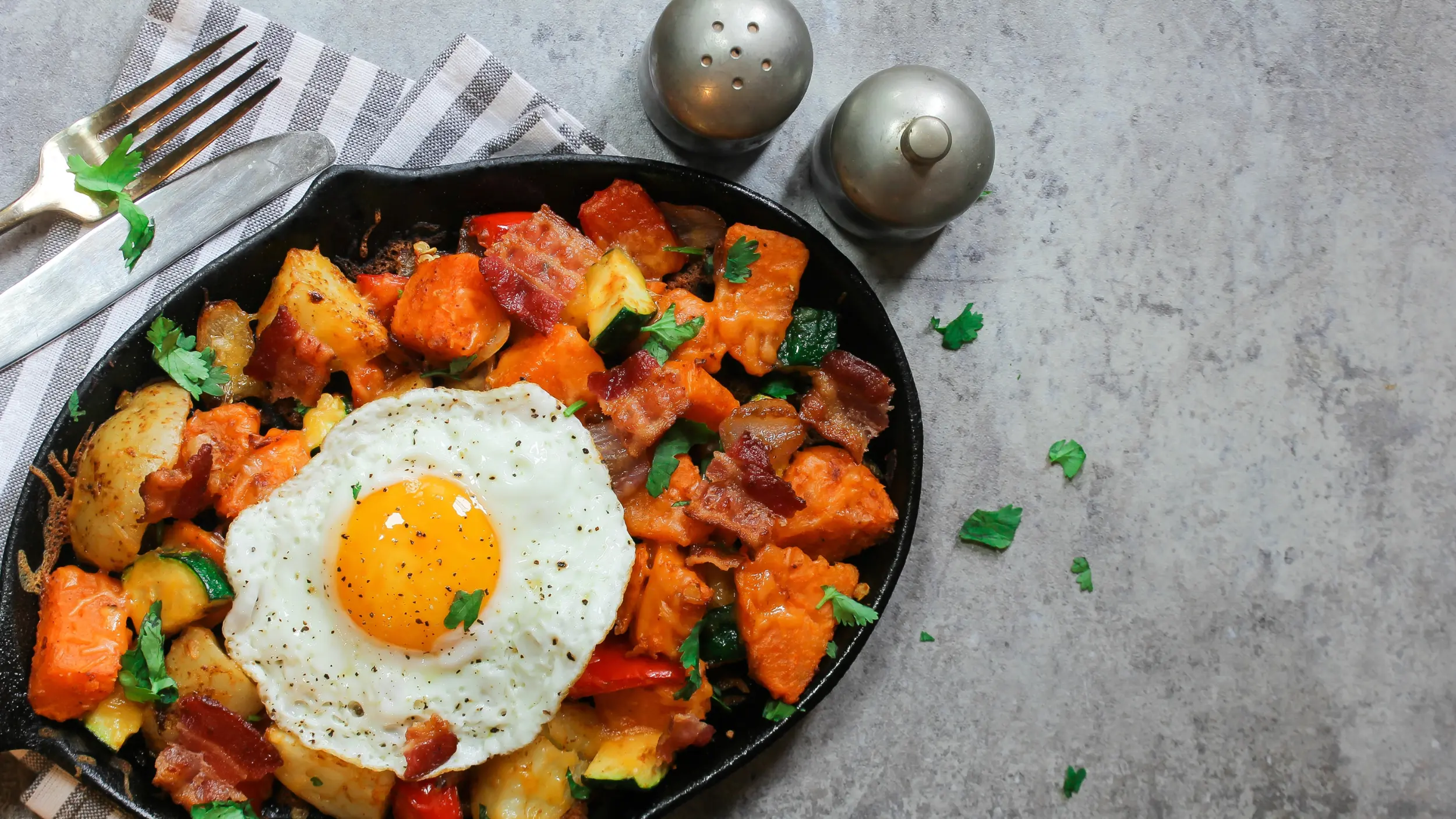
Evening wind-down: Dinner that includes magnesium-rich foods and isn't eaten within 2 hours of bed. Your body needs time to digest before sleep. Wild salmon with roasted sweet potato and Swiss chard is a perfect example.
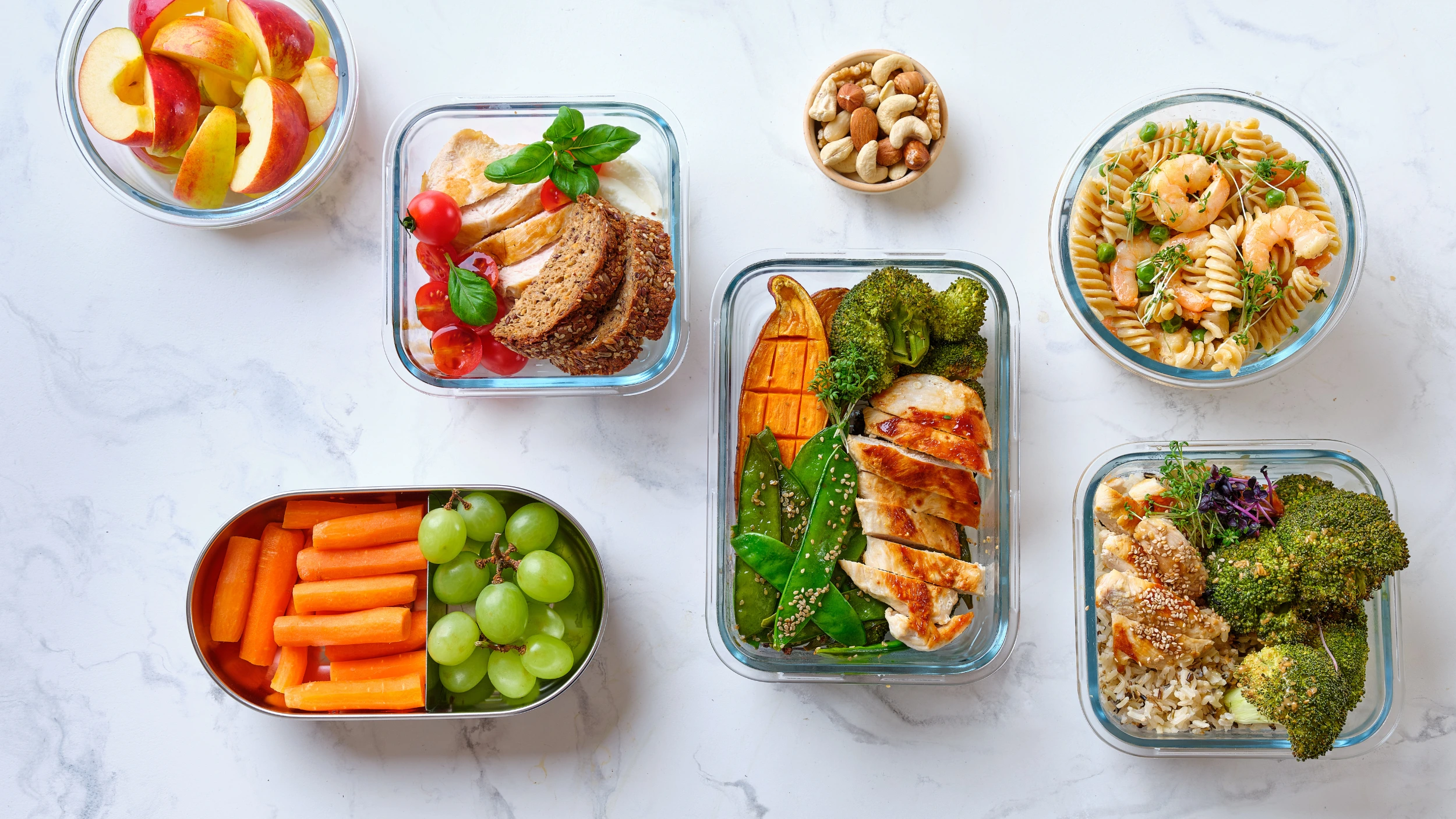
Strategic snacking: If you need a snack, pair protein or fat with any carb source to prevent blood sugar spikes. Apple with almond butter, hummus with vegetables, or a small handful of nuts with dates.
Consistency matters more than perfection. Even getting 60-70% of your meals aligned with these principles will create measurable improvements in how you handle daily stressors.
Frequently Asked Questions
What are the best foods for immediate stress relief?
While no food works like a fast-acting medication, some provide relatively quick support. Dark chocolate (70%+ cacao) can reduce cortisol within 30 minutes due to its flavonoid content [18]. A magnesium-rich snack like pumpkin seeds may help with acute muscle tension. Chamomile or passionflower tea activates GABA receptors for mild calming effects. That said, immediate relief is better achieved through breathing techniques or movement—nutrition works best as a long-term foundation.
How can I start incorporating stress resilience nutrition if I have a busy schedule?
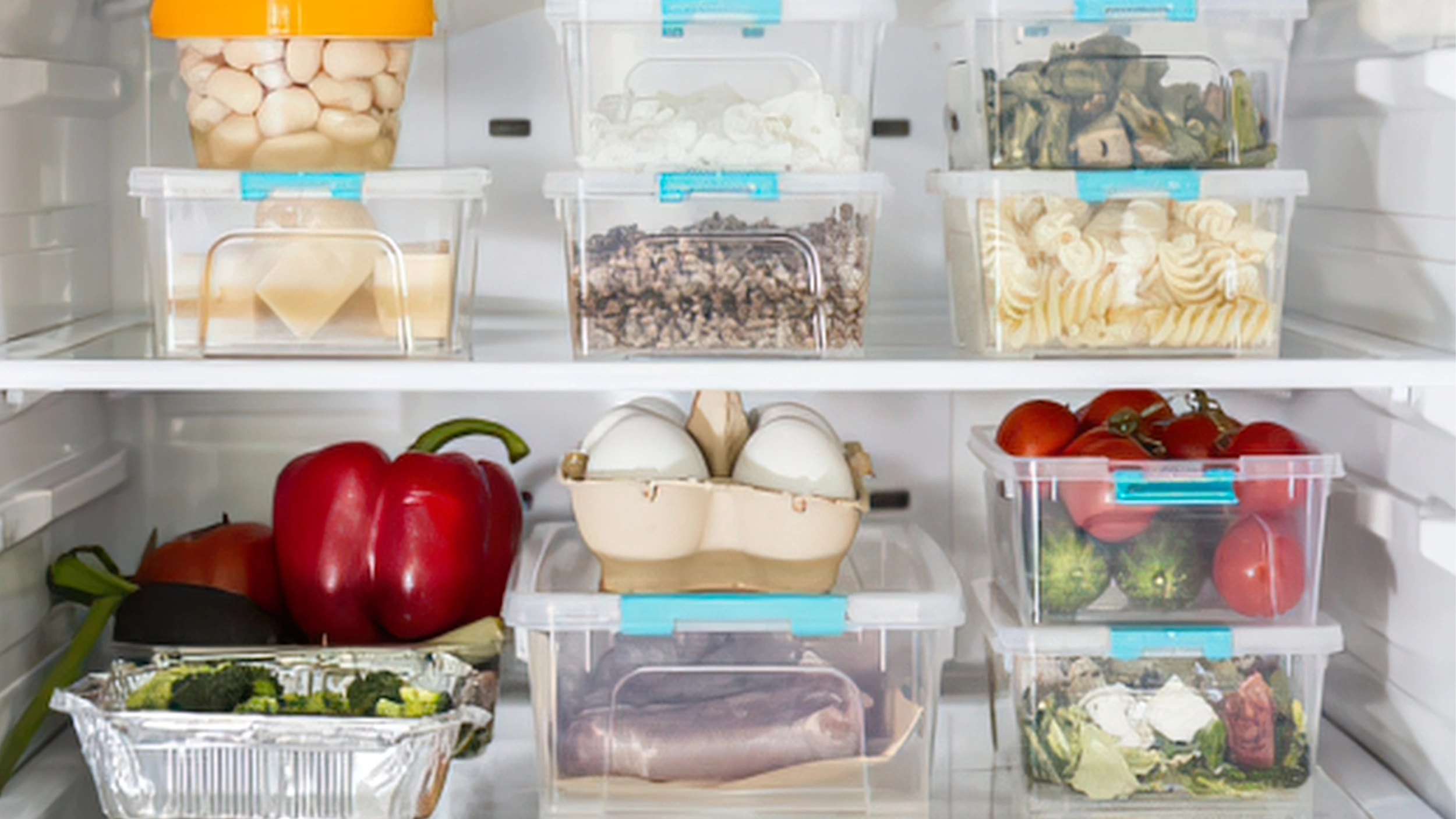
Start with one meal—usually breakfast—and make it non-negotiable. Prep overnight oats with chia seeds, walnuts, and berries on Sunday for the week. That's five mornings solved. Keep frozen salmon filets and pre-washed greens on hand for 15-minute dinners. Batch-cook a large pot of lentil soup or chili on weekends. The goal isn't perfection; it's reducing decision fatigue around food so eating well doesn't require Herculean effort.
Can nutrition truly make a difference in how I cope with daily stressors?
Absolutely, and the research backs this up. Women who follow a Mediterranean-style diet (high in omega-3s, vegetables, whole grains, and fermented foods) show 25-30% lower rates of anxiety and depression compared to those eating a standard Western diet [19]. Nutrient deficiencies—especially magnesium, omega-3s, and B vitamins—are independently associated with increased stress reactivity and poor mood regulation [20]. Nutrition won't eliminate life's stressors, but it fundamentally changes your physiological capacity to handle them without feeling constantly overwhelmed.
Ready to stop feeling controlled by stress and start building genuine resilience from the inside out? Your body is incredibly responsive when you give it the right tools. If you want personalized guidance that accounts for your unique physiology, schedule, and goals, I'd love to work with you. Book your consultation at www.usevedic.com and let's create your custom stress resilience nutrition protocol together.
References
[1] - https://www.ncbi.nlm.nih.gov/pmc/articles/PMC5579396/
[2] - https://www.ncbi.nlm.nih.gov/pmc/articles/PMC6571356/
[3] - https://www.ncbi.nlm.nih.gov/pmc/articles/PMC8234532/
[4] - https://www.ncbi.nlm.nih.gov/pmc/articles/PMC7215033/
[5] - https://www.ncbi.nlm.nih.gov/pmc/articles/PMC5137920/
[6] - https://www.ncbi.nlm.nih.gov/pmc/articles/PMC4214609/
[7] - https://www.ncbi.nlm.nih.gov/pmc/articles/PMC5452159/
[8] - https://www.ncbi.nlm.nih.gov/pmc/articles/PMC5786912/
[9] - https://www.ncbi.nlm.nih.gov/pmc/articles/PMC6266949/
[10] - https://www.ncbi.nlm.nih.gov/pmc/articles/PMC6087749/
[11] - https://www.ncbi.nlm.nih.gov/pmc/articles/PMC7019700/
[12] - https://www.ncbi.nlm.nih.gov/pmc/articles/PMC5859128/
[13] - https://www.ncbi.nlm.nih.gov/pmc/articles/PMC6979308/
[14] - https://www.ncbi.nlm.nih.gov/pmc/articles/PMC5445139/
[15] - https://www.ncbi.nlm.nih.gov/pmc/articles/PMC6140527/
[16] - https://www.ncbi.nlm.nih.gov/pmc/articles/PMC3964927/
[17] - https://www.ncbi.nlm.nih.gov/pmc/articles/PMC5862351/
[18] - https://www.ncbi.nlm.nih.gov/pmc/articles/PMC6950163/
[19] - https://www.ncbi.nlm.nih.gov/pmc/articles/PMC6835969/
[20] - https://www.ncbi.nlm.nih.gov/pmc/articles/PMC7071457/
.svg)
.svg)


.jpg)
.jpg)






.webp)





















.webp)
.webp)
.webp)
.webp)
.webp)
.webp)
.webp)
.png)
.webp)
.webp)
.webp)
.png)
.webp)
.webp)
.webp)
.webp)
.webp)
.webp)
.webp)
.webp)


.webp)
.png)