.webp)
%2B(7).webp)
.png)
At a Glance
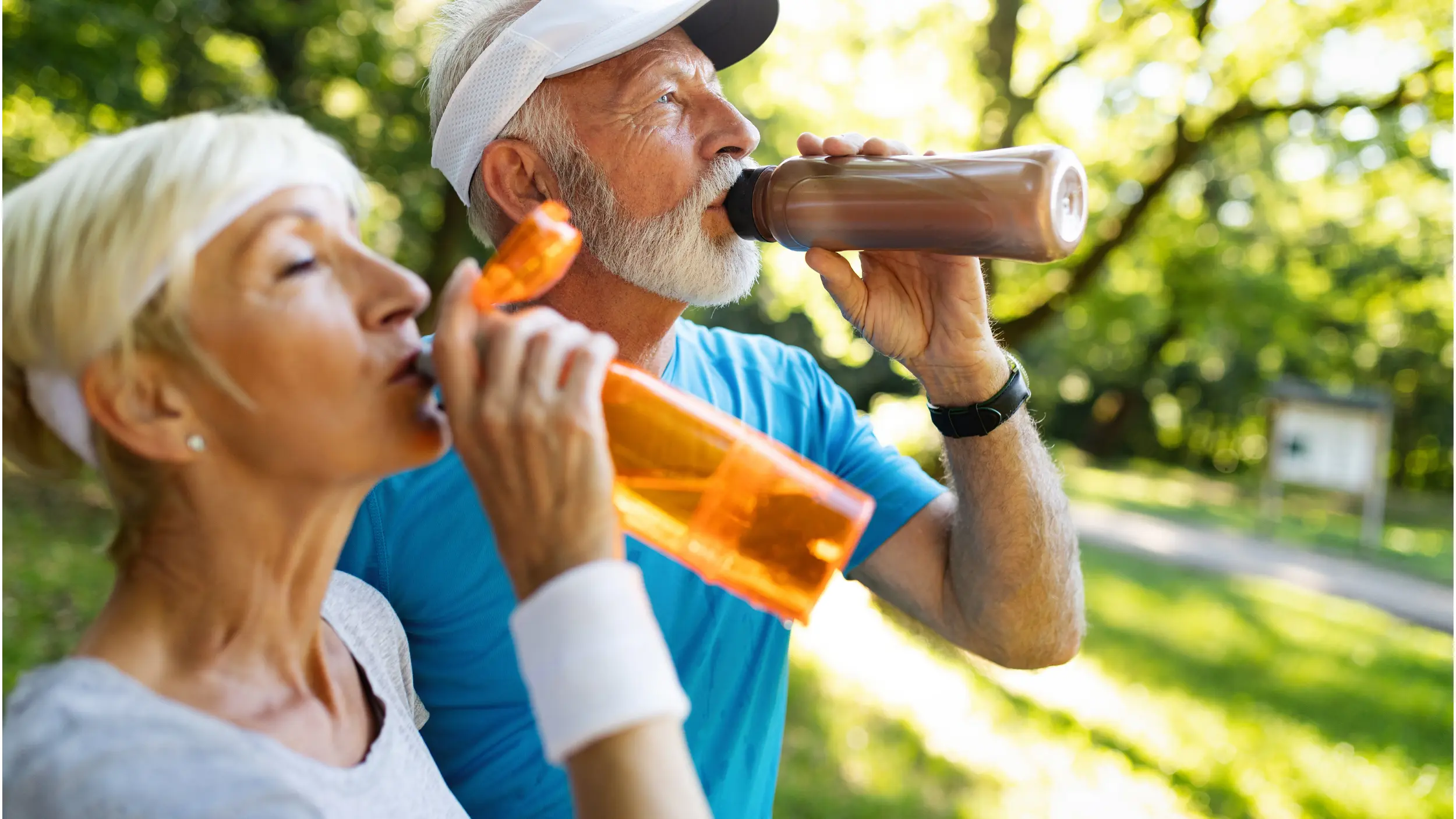
As late summer heat persists into 2026, your electrolyte balance becomes increasingly critical for maintaining energy, mental clarity, and physical performance. This evidence-based guide helps you identify electrolyte imbalance symptoms, understand the causes of dehydration, and implement practical strategies to stay optimally hydrated. Whether you're navigating outdoor workouts or simply trying to beat the heat, these dietitian-approved tips will keep your body functioning at its best.
Why Electrolytes Matter, Especially Now
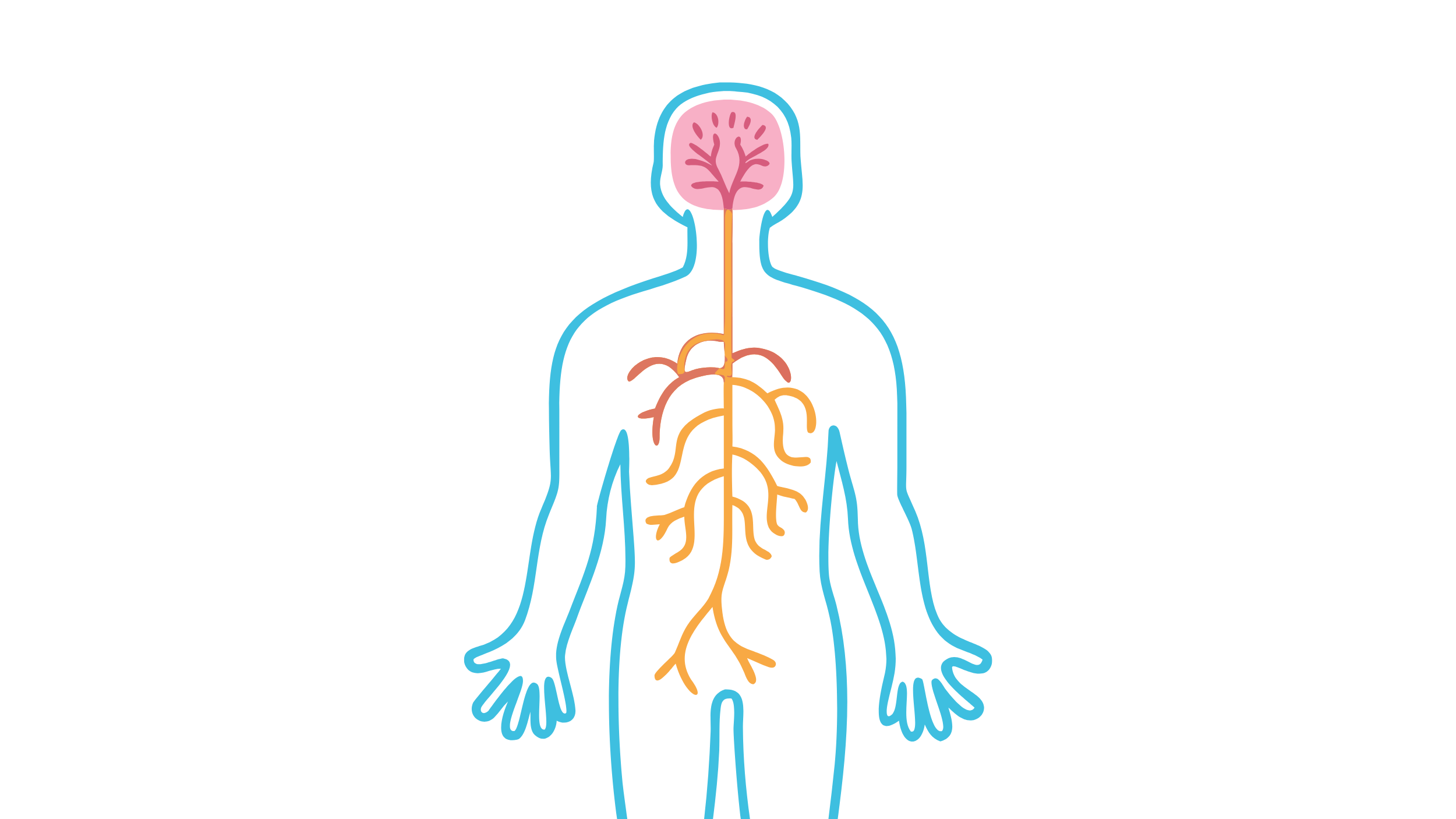
Let's get real about what's happening inside your body right now. Electrolytes—sodium, potassium, magnesium, calcium, and chloride—are charged minerals that literally keep you alive. They regulate everything from nerve signaling to muscle contraction, fluid balance to pH levels [1].
During late summer, your body faces a perfect storm of electrolyte challenges:
- Higher ambient temperatures increase sweat rate, which can range from 0.5 to 2.0 liters per hour during moderate activity [2]
- Prolonged heat exposure amplifies sodium and chloride losses through perspiration
- Many women reduce their salt intake without accounting for increased losses, creating an imbalance
Here's what most people don't realize: even mild electrolyte shifts of just 2% body weight loss through fluid can impair cognitive function and physical performance [3]. That foggy feeling you've been brushing off? It might not be stress or lack of sleep—it could be your body's way of signaling that your internal chemistry needs attention.
The relationship between hormone balance and overall wellness is deeply connected to electrolyte status, particularly for women in their reproductive years. Sodium and potassium work synergistically with your adrenal hormones to maintain blood pressure and cellular hydration [4].
Summer wellness tips aren't just about drinking more water—they're about understanding that hydration is actually about maintaining the right concentration of minerals in your cells and bloodstream.
Recognizing the Signs and Causes of Dehydration
Your body is incredibly smart, and it sends clear signals when electrolyte balance goes sideways. The challenge? We've been conditioned to ignore or misinterpret these messages.
Common electrolyte imbalance symptoms you shouldn't ignore:
- Persistent headaches that worsen as the day progresses, particularly in hot weather
- Muscle cramps or spasms, especially in your calves, feet, or hands during or after exercise
- Unusual fatigue that doesn't improve with rest or caffeine
- Brain fog, difficulty concentrating, or that "fuzzy" feeling when making decisions
- Heart palpitations or irregular heartbeat, which can indicate potassium or magnesium depletion [5]
Dizziness when standing up quickly? That's often a sign of low sodium and reduced blood volume [6]. Intense sugar or salt cravings can also signal that your body is desperately trying to restore mineral balance.
Now let's talk about the causes of dehydration that are particularly relevant for late summer health:
- Inadequate fluid intake relative to output. Most women need 2.7 liters of total water daily from all sources, but this increases significantly with heat and activity [7].
- Excessive sweating without electrolyte replacement. Plain water alone won't cut it when you're losing significant sodium through perspiration.
- Coffee and alcohol consumption. Both act as diuretics, increasing fluid loss. That afternoon iced coffee or evening rosé might be working against your hydration goals [8].
- Low-sodium diets. While excess sodium is problematic, many active women don't consume enough to match their losses, especially during summer.
If you've been experiencing digestive issues alongside these symptoms, there's likely a connection to your gut health and microbiome balance, since electrolyte absorption happens primarily in your intestines [9].
The tricky part? Symptoms of overhydration (hyponatremia) can mirror dehydration—nausea, confusion, headache—which is why simply chugging water isn't always the answer [10]. It's about balance, not just volume.
Simple Strategies for Optimal Hydration and Balance
Alright, let's get practical. These aren't generic "drink more water" platitudes—these are evidence-based strategies that actually work for staying hydrated in summer while maintaining proper electrolyte balance.
Start your day with intention
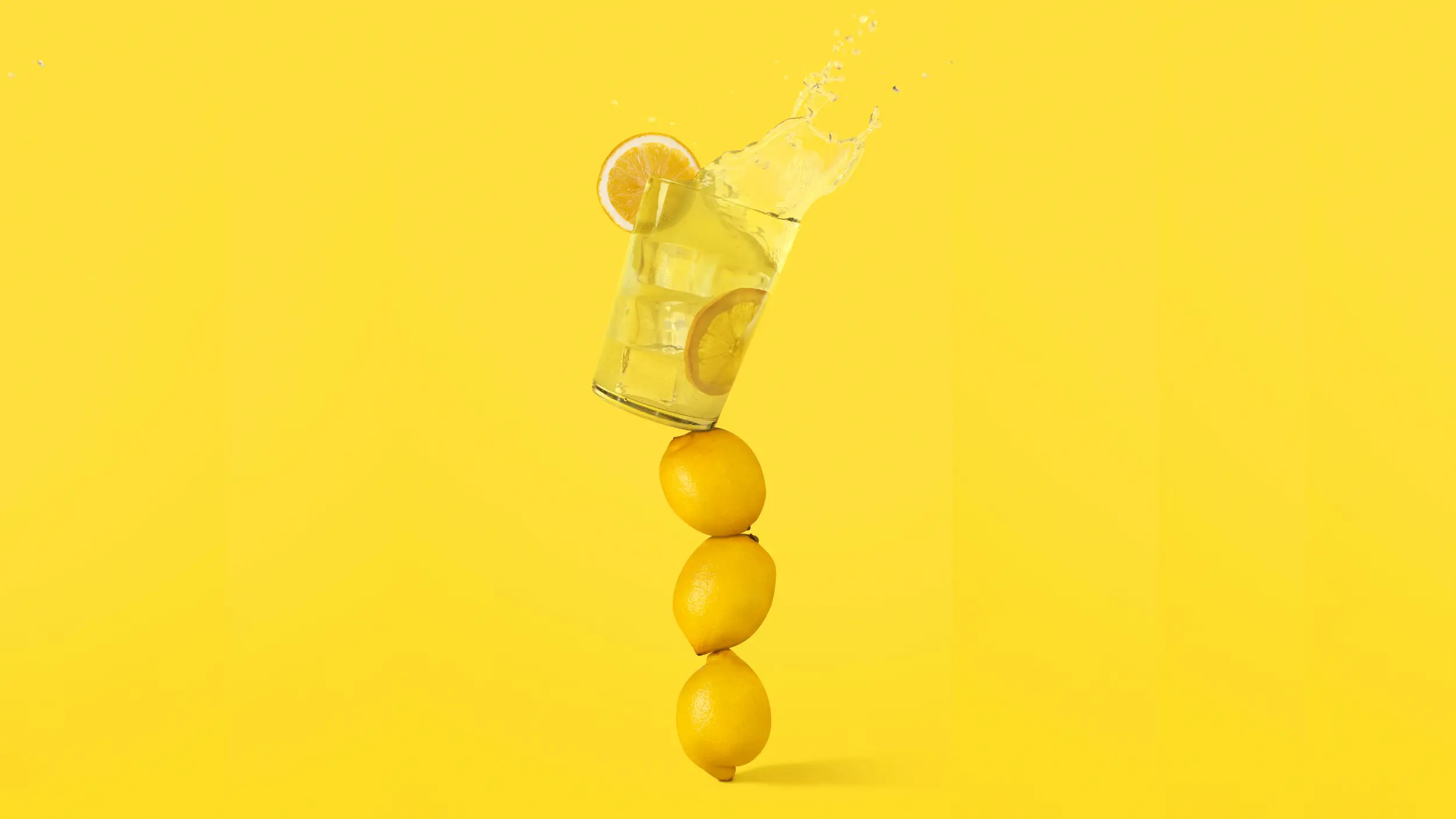
Begin each morning with 16 ounces of water mixed with a pinch of high-quality sea salt (about 1/4 teaspoon) and a squeeze of fresh lemon. This simple ritual helps replenish overnight losses and supports your adrenal function [11]. The sodium jumpstarts hydration at the cellular level, while the citrus provides potassium and vitamin C.
Match your fluid intake to your sweat rate
For every hour of moderate summer activity, aim for:
- 16-20 ounces of fluid for light sweating
- 20-32 ounces for moderate to heavy sweating
- Include electrolytes when sweating for more than 60 minutes [12]
To rehydrate after exercise, weigh yourself before and after workouts. For every pound lost, drink 16-24 ounces of fluid with electrolytes [13].
Prioritize food-based electrolyte sources
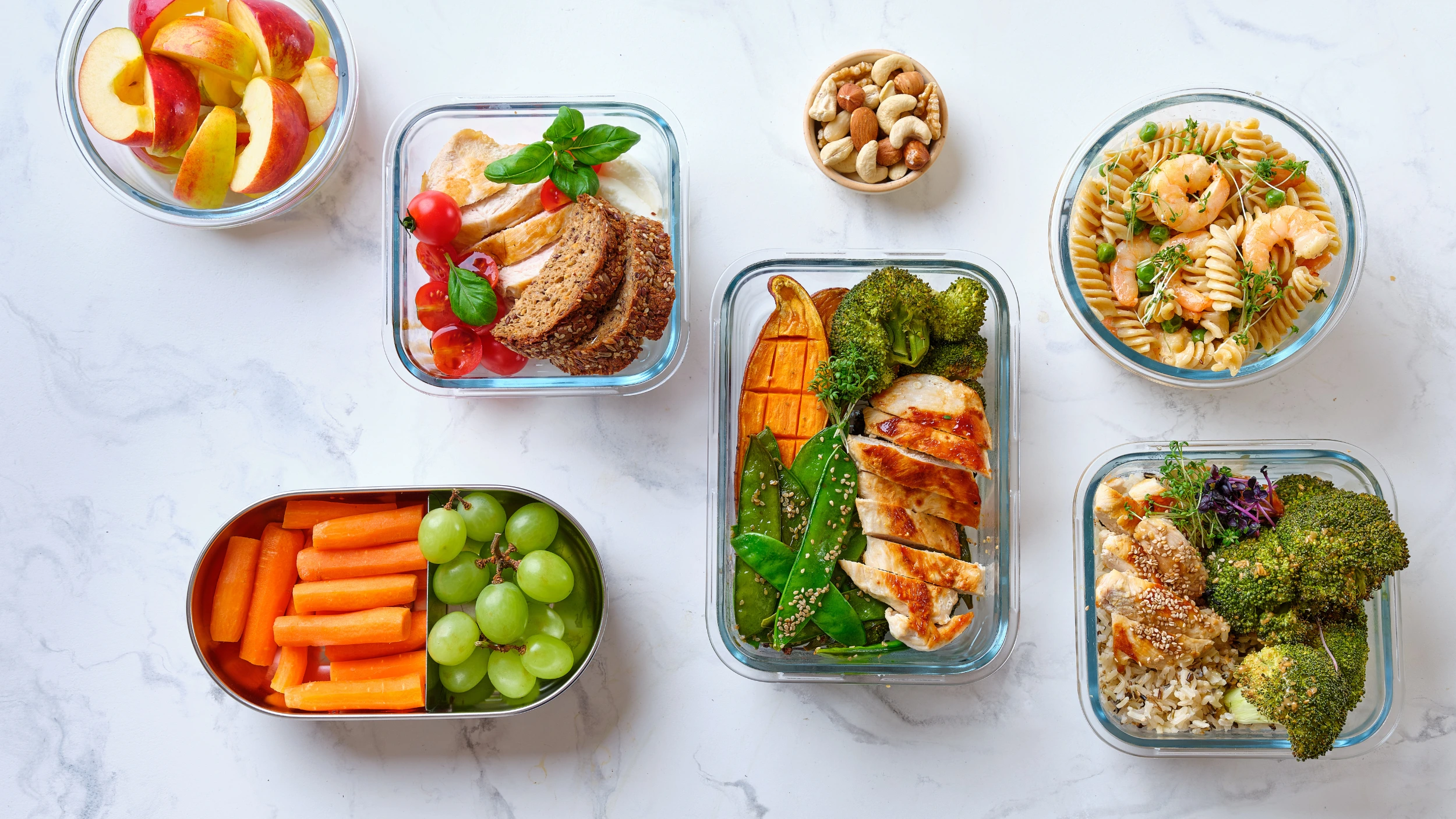
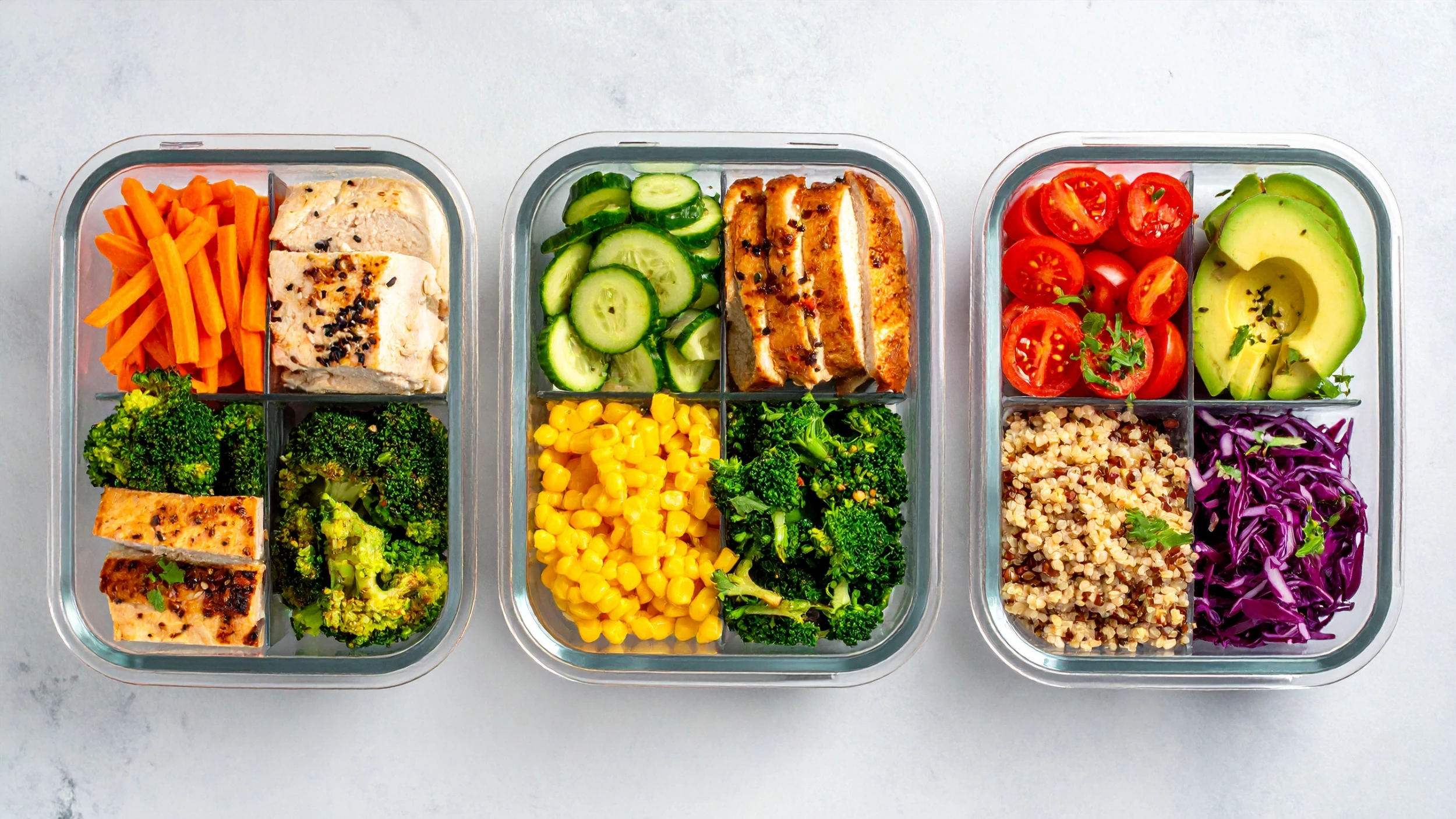
Your summer hydration strategy should include these powerhouse foods:
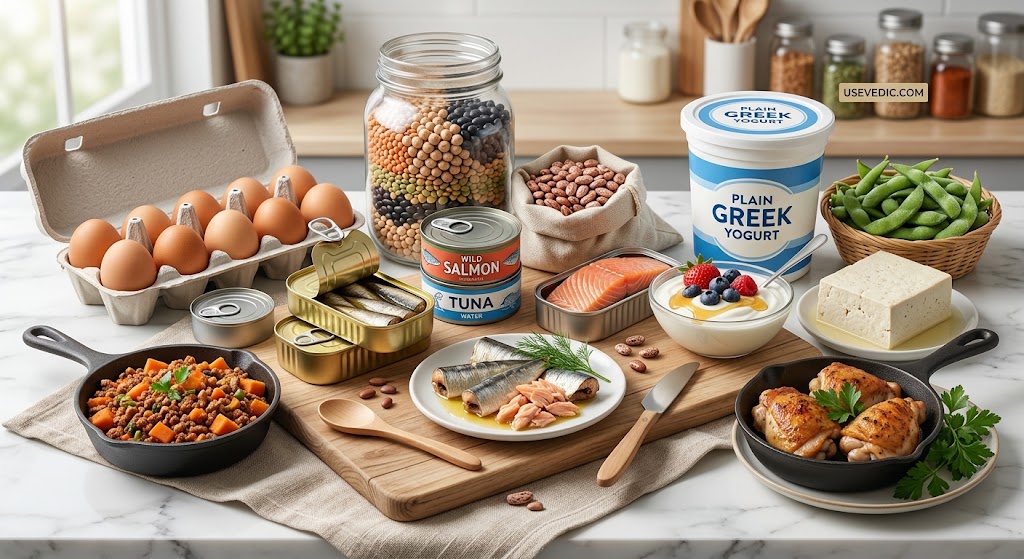
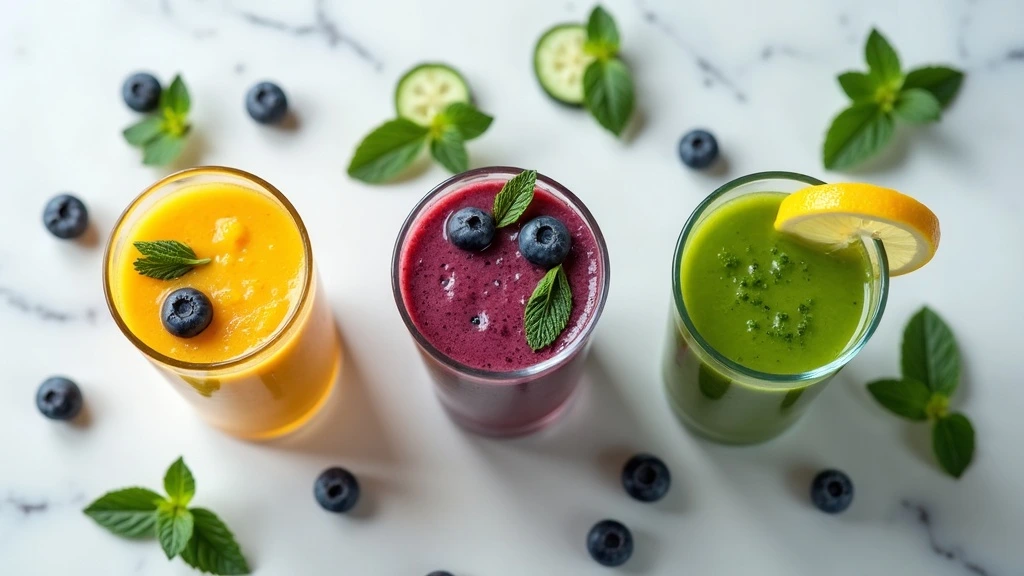
- Watermelon and cucumber (high water content plus potassium)
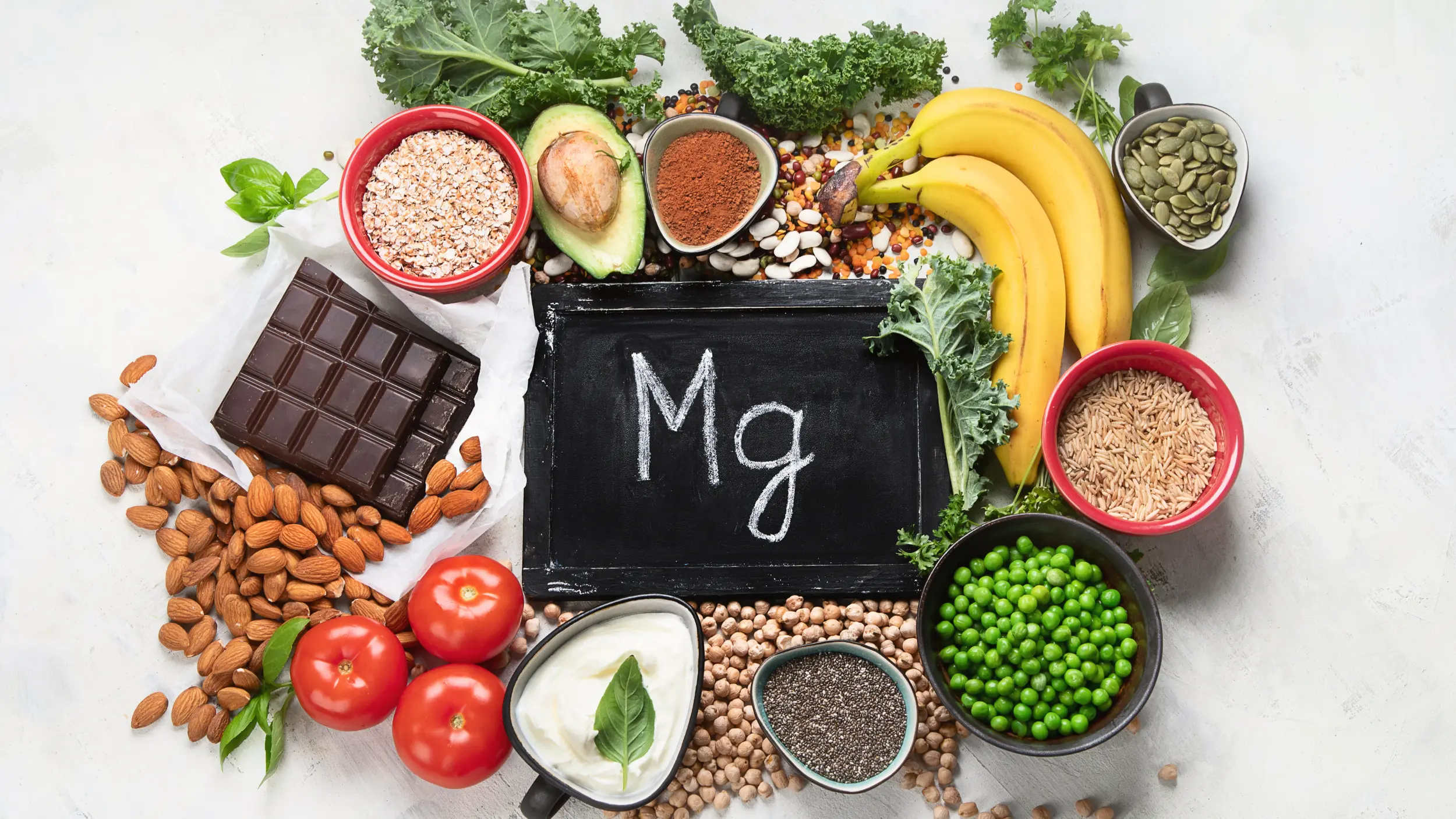
- Coconut water (natural source of potassium, magnesium, and sodium)
- Leafy greens like spinach and Swiss chard (magnesium and calcium)
- Bananas and sweet potatoes (potassium)
- Bone broth (sodium, calcium, magnesium in bioavailable forms) [14]
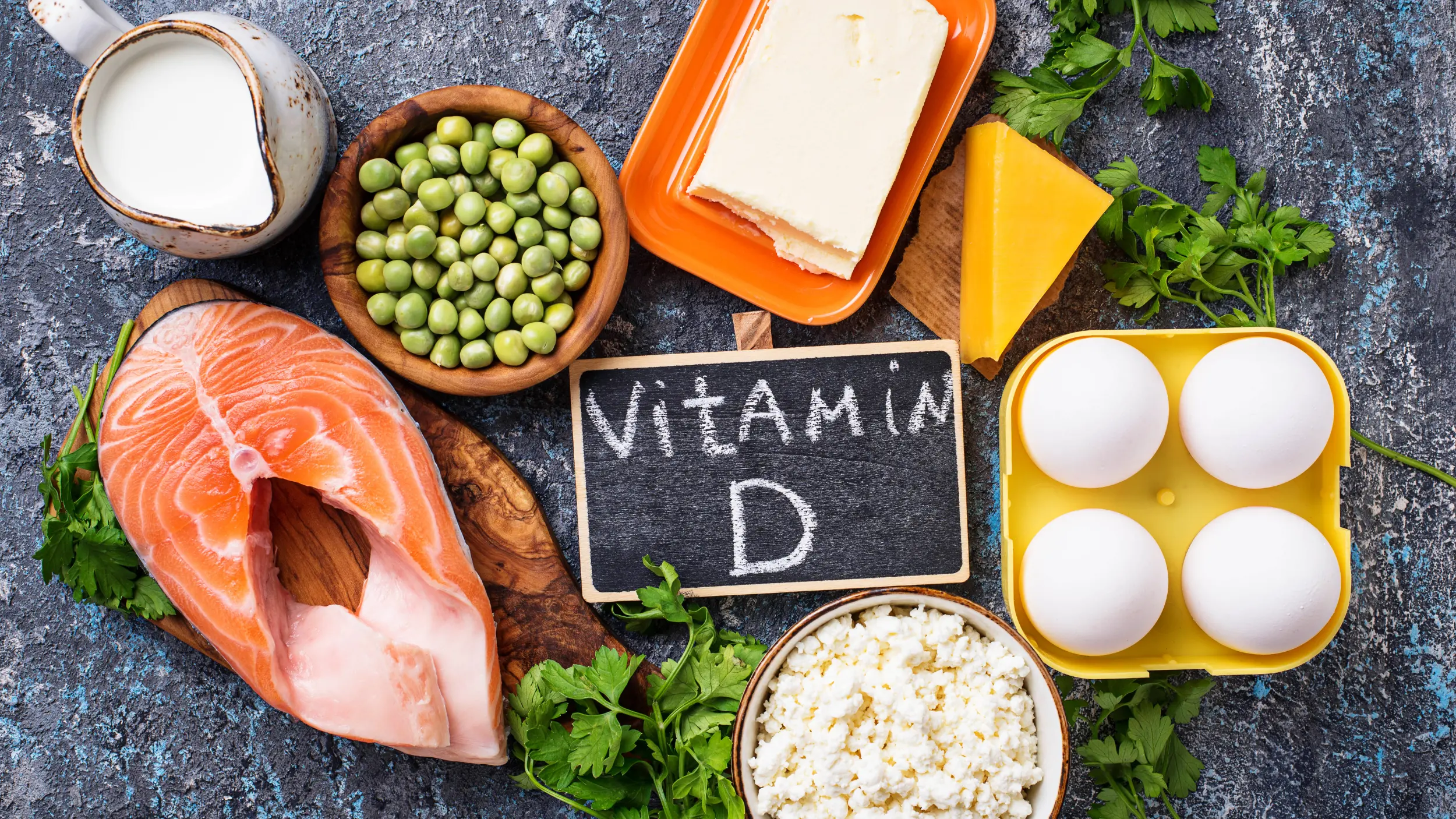
- Yogurt and kefir (calcium, potassium, and probiotics for gut health)
Choose electrolyte supplements wisely
Not all electrolyte products are created equal. Look for:
- At least 300-500mg sodium per serving
- Potassium and magnesium in meaningful amounts (100mg+ each)
- Minimal added sugars (unless you're doing intense endurance work)
- No artificial sweeteners, colors, or unnecessary additives
Avoid the trap of reaching for traditional sports drinks loaded with 30+ grams of sugar and artificial dyes—they're formulated for elite athletes, not your summer wellness needs [15].
Time your hydration strategically
Drink consistently throughout the day rather than chugging large amounts at once. Your body can only absorb about 1 liter of fluid per hour, so sipping 8-12 ounces every hour is more effective than downing a full water bottle in one sitting [16].
Healthy summer habits also mean paying attention to your urine color—pale yellow indicates good hydration, while dark amber suggests you need more fluids [17].
Address the root causes
If you're consistently struggling with electrolyte balance despite following these tips, it's worth exploring whether functional nutrition approaches to stress and energy might help. Chronic stress elevates cortisol, which directly impacts sodium retention and potassium excretion [18].
How to Balance Electrolytes: Your Action Plan
Putting it all together, here's your personalized protocol for maintaining optimal electrolyte balance through late summer and beyond:
Daily baseline:
- Morning: Salt water with lemon
- Throughout the day: 2.7-3.5 liters total fluid (adjust for activity and climate)
- With meals: Electrolyte-rich whole foods at each eating occasion
- Evening: Magnesium-rich foods or supplementation (300-400mg) to support sleep and muscle recovery [19]
On active days:
- Pre-exercise: 16 ounces fluid with electrolytes 2 hours before
- During: 6-8 ounces every 15-20 minutes for activities over 60 minutes
- Post-exercise: Rehydrate based on weight loss plus electrolyte-rich recovery meal within 2 hours
Heat exposure adjustments:
When temperatures exceed 85°F or you're spending extended time outdoors, increase sodium intake by 500-1000mg daily and boost overall fluid consumption by 20-30% [20].
Listen to your body's feedback
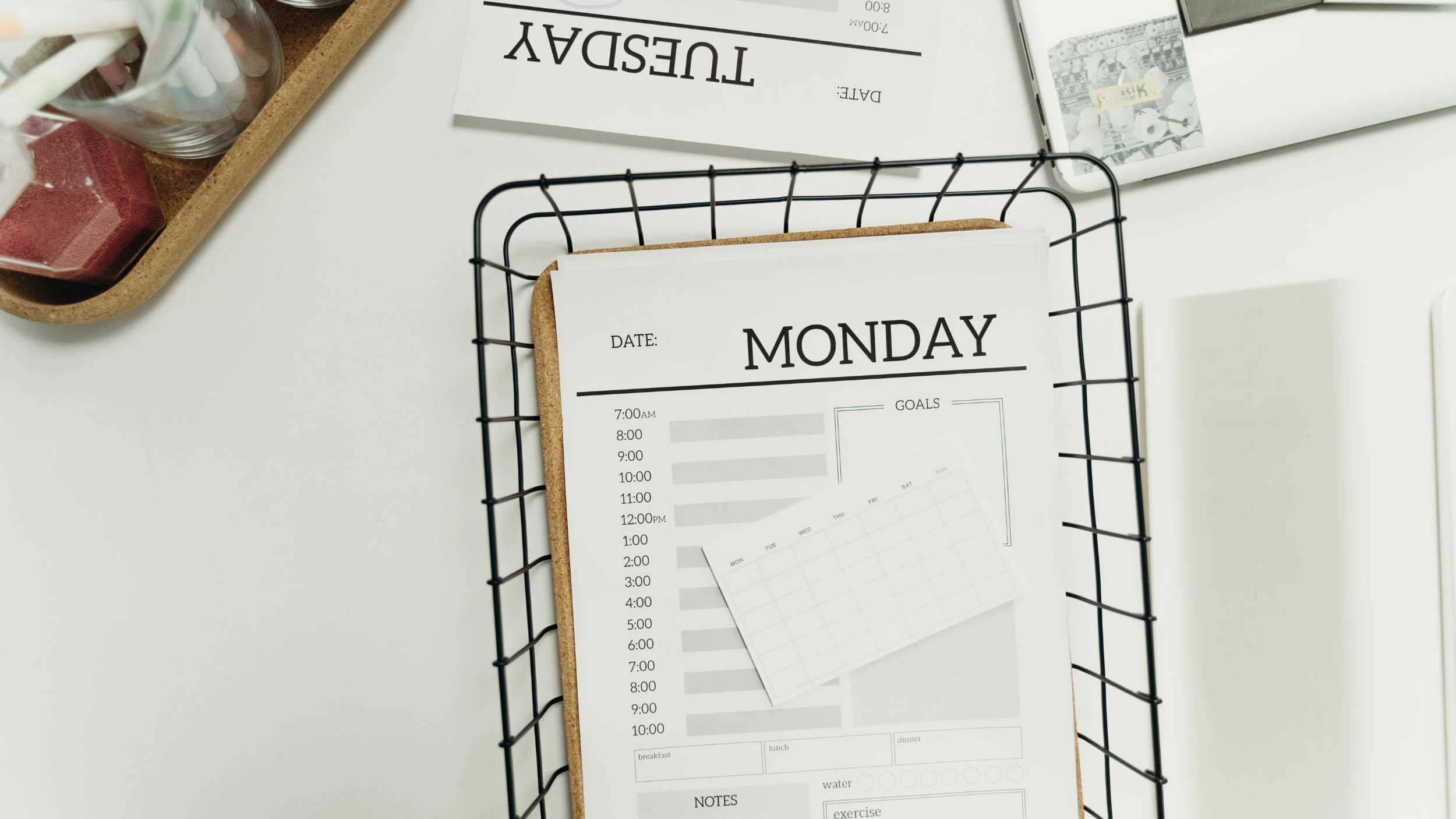
Track how you feel for one week while implementing these strategies. Notice your energy levels, mental clarity, workout performance, and physical symptoms. Adjust quantities based on your individual response—there's no one-size-fits-all approach to hydration.
Frequently Asked Questions
Q1: What are the fastest ways to restore electrolyte balance?
If you're experiencing acute symptoms of electrolyte imbalance, the fastest restoration method combines rapid fluid intake with concentrated electrolytes. Mix 16 ounces of water with 1/2 teaspoon sea salt, 1/4 teaspoon potassium chloride (salt substitute), and 1 tablespoon honey or maple syrup. Sip this over 15-20 minutes. Follow with electrolyte-rich foods like banana with almond butter or yogurt with berries. You should notice improvement within 30-60 minutes [21]. For severe symptoms like confusion, extreme weakness, or irregular heartbeat, seek immediate medical attention as these may indicate dangerous imbalances requiring professional intervention.
Q2: Can I lose electrolytes just by sweating a little?
Absolutely. Even light sweating causes electrolyte loss, though the magnitude varies based on your sweat rate and individual sweat composition. Research shows that sodium concentration in sweat ranges from 10-70 mmol/L depending on genetics, heat acclimatization, and fitness level [22]. A "little" sweat might only be a few hundred milliliters, but over hours in summer heat, this adds up. You can lose 500-1000mg sodium through light daily sweating—significant when you consider that many women consume barely adequate sodium to begin with. The key is matching your electrolyte intake to your cumulative losses throughout the day, not just during obvious heavy sweating episodes.
Q3: What are the best electrolyte-rich foods for summer?
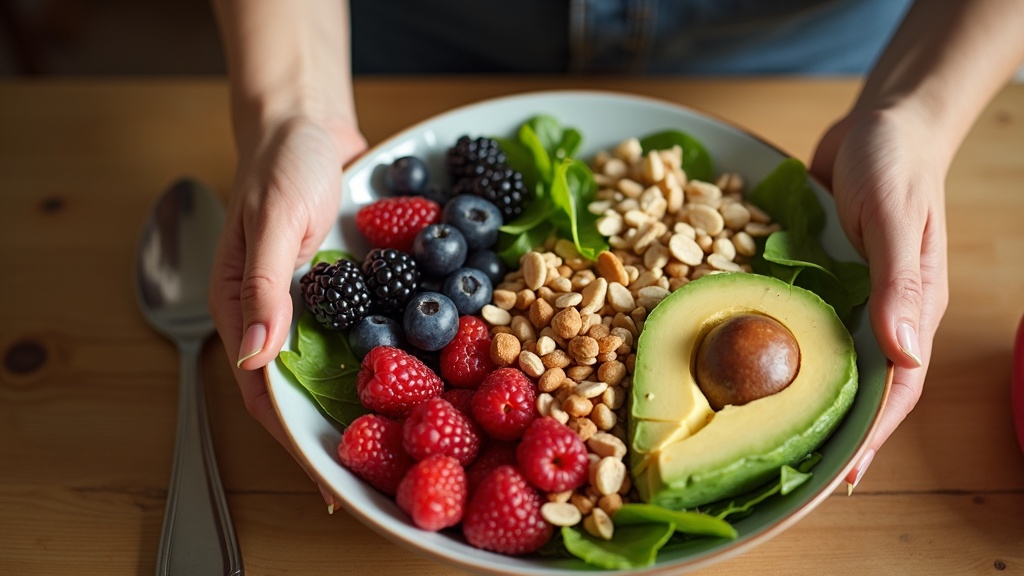
The most effective electrolyte-rich summer foods combine high mineral content with hydrating properties. My top recommendations: watermelon (potassium and water), cucumber with sea salt (sodium, potassium, hydration), coconut water (nature's electrolyte drink with 600mg potassium per cup), Greek yogurt with fresh berries (calcium, potassium, probiotics), avocado (potassium and healthy fats), leafy green salads with olive oil and sea salt (magnesium, calcium, sodium), and bone broth-based cold soups (comprehensive mineral profile) [23]. These foods provide electrolytes in bioavailable forms alongside other nutrients that support absorption and utilization, making them superior to isolated supplements for daily maintenance.
Ready to feel your best this summer? Let's chat about your personalized hydration and wellness plan. Book your consultation today at www.usevedic.com.
References
[1] Shrimanker I, Bhattarai S. Electrolytes. StatPearls Publishing, 2023.
[2] Baker LB. Sweating Rate and Sweat Sodium Concentration in Athletes: A Review of Methodology and Intra/Interindividual Variability. Sports Medicine, 2017.
[3] Popkin BM, D'Anci KE, Rosenberg IH. Water, Hydration, and Health. Nutrition Reviews, 2010.
[4] Viera AJ, Wouk N. Potassium Disorders: Hypokalemia and Hyperkalemia. American Family Physician, 2015.
[5] Kardalas E, et al. Hypokalemia: A Clinical Update. Endocrine Connections, 2018.
[6] Adrogué HJ, Madias NE. Hyponatremia. New England Journal of Medicine, 2000.
[7] Institute of Medicine. Dietary Reference Intakes for Water, Potassium, Sodium, Chloride, and Sulfate. National Academies Press, 2005.
[8] Maughan RJ, Griffin J. Caffeine Ingestion and Fluid Balance: A Review. Journal of Human Nutrition and Dietetics, 2003.
[9] Binder HJ. Mechanisms of Fluid and Electrolyte Transport in the Small Intestine. Comprehensive Physiology, 2014.
[10] Hew-Butler T, et al. Statement of the Third International Exercise-Associated Hyponatremia Consensus Development Conference. Clinical Journal of Sport Medicine, 2015.
[11] Armstrong LE, et al. Mild Dehydration Affects Mood in Healthy Young Women. Journal of Nutrition, 2012.
[12] Sawka MN, et al. American College of Sports Medicine Position Stand: Exercise and Fluid Replacement. Medicine & Science in Sports & Exercise, 2007.
[13] Casa DJ, et al. National Athletic Trainers' Association Position Statement: Fluid Replacement for the Physically Active. Journal of Athletic Training, 2017.
[14] Kalman DS, et al. Comparison of Coconut Water and a Carbohydrate-Electrolyte Sport Drink on Measures of Hydration. Journal of the International Society of Sports Nutrition, 2012.
[15] Evans GH, et al. Optimizing the Restoration and Maintenance of Fluid Balance After Exercise-Induced Dehydration. Journal of Applied Physiology, 2017.
[16] Rehrer NJ, et al. Gastric Emptying with Repeated Drinking During Running and Bicycling. Journal of Applied Physiology, 1990.
[17] Armstrong LE, et al. Urinary Indices of Hydration Status. International Journal of Sport Nutrition, 1994.
[18] Gaffney-Stomberg E, et al. Stress and the Adrenal Cortex: Effects on Electrolyte Balance. Comprehensive Physiology, 2011.
[19] Abbasi B, et al. The Effect of Magnesium Supplementation on Primary Insomnia in Elderly. Journal of Research in Medical Sciences, 2012.
[20] Kenefick RW, Cheuvront SN. Hydration for Recreational Sport and Physical Activity. Nutrition Reviews, 2012.
[21] Osterberg KL, et al. Carbohydrate Exerts a Mild Influence on Fluid Retention Following Exercise-Induced Dehydration. Journal of Applied Physiology, 2010.
[22] Baker LB, et al. Body Map of Regional vs. Whole Body Sweating Rate and Sweat Electrolyte Concentrations in Men and Women During Moderate Exercise-Heat Stress. Journal of Applied Physiology, 2018.
[23] Phillips SM, et al. Dietary Guidelines for Americans 2020-2025: Minerals and Electrolytes. Journal of the Academy of Nutrition and Dietetics, 2023.
.svg)
.svg)



.jpg)
.jpg)














.webp)






















.webp)
.webp)
.webp)
.webp)
.webp)
.webp)
.webp)
.png)
.webp)
.webp)
.webp)
.png)
.webp)
.webp)
.webp)
.webp)
.webp)
.webp)
.webp)
.webp)
.webp)


.webp)
.png)