

At a Glance
Struggling to stay satisfied while managing calories? The solution isn't restriction—it's strategic swaps. This guide reveals 10 evidence-based food trades that dramatically increase your protein intake without adding excess calories, helping you feel fuller longer and support your wellness goals with minimal effort.
Why Protein Matters More Than You Think
If you're constantly battling hunger or experiencing energy crashes mid-afternoon, your macronutrient balance might be off. Protein is the most satiating macronutrient, meaning it keeps you fuller for longer compared to carbs or fats [1]. Research shows that increasing protein intake to 25-30% of total calories can reduce cravings by up to 60% and decrease late-night snacking significantly [2].
Beyond appetite control, adequate protein supports muscle maintenance during weight loss, which is absolutely critical for maintaining your metabolic rate [3]. When you're in a calorie deficit without sufficient protein, your body can break down muscle tissue for energy—exactly what we don't want. The goal? Preserve that lean tissue while shedding fat.
For most active women ages 24-45, aiming for 0.8-1.2 grams of protein per pound of goal body weight creates the sweet spot for satiety, muscle preservation, and metabolic health. But here's the good news: you don't need to completely overhaul your diet. Strategic swaps make hitting these targets surprisingly simple.
1. Transform Your Morning Yogurt Bowl
Your breakfast sets your metabolic tone for the entire day, so let's make it count. Traditional fruit-on-the-bottom yogurts can pack 20+ grams of added sugar with minimal protein—a recipe for blood sugar spikes and mid-morning crashes.
The Swap:
- From: Flavored yogurt (150 calories, 6g protein, 20g sugar)
- To: Plain Greek yogurt (100 calories, 17g protein, 6g natural sugar)
This single swap nearly triples your protein while cutting added sugars. Add your own fresh berries, a drizzle of honey, and some chopped almonds for texture. You'll stay satisfied for hours instead of reaching for that 10 a.m. snack.
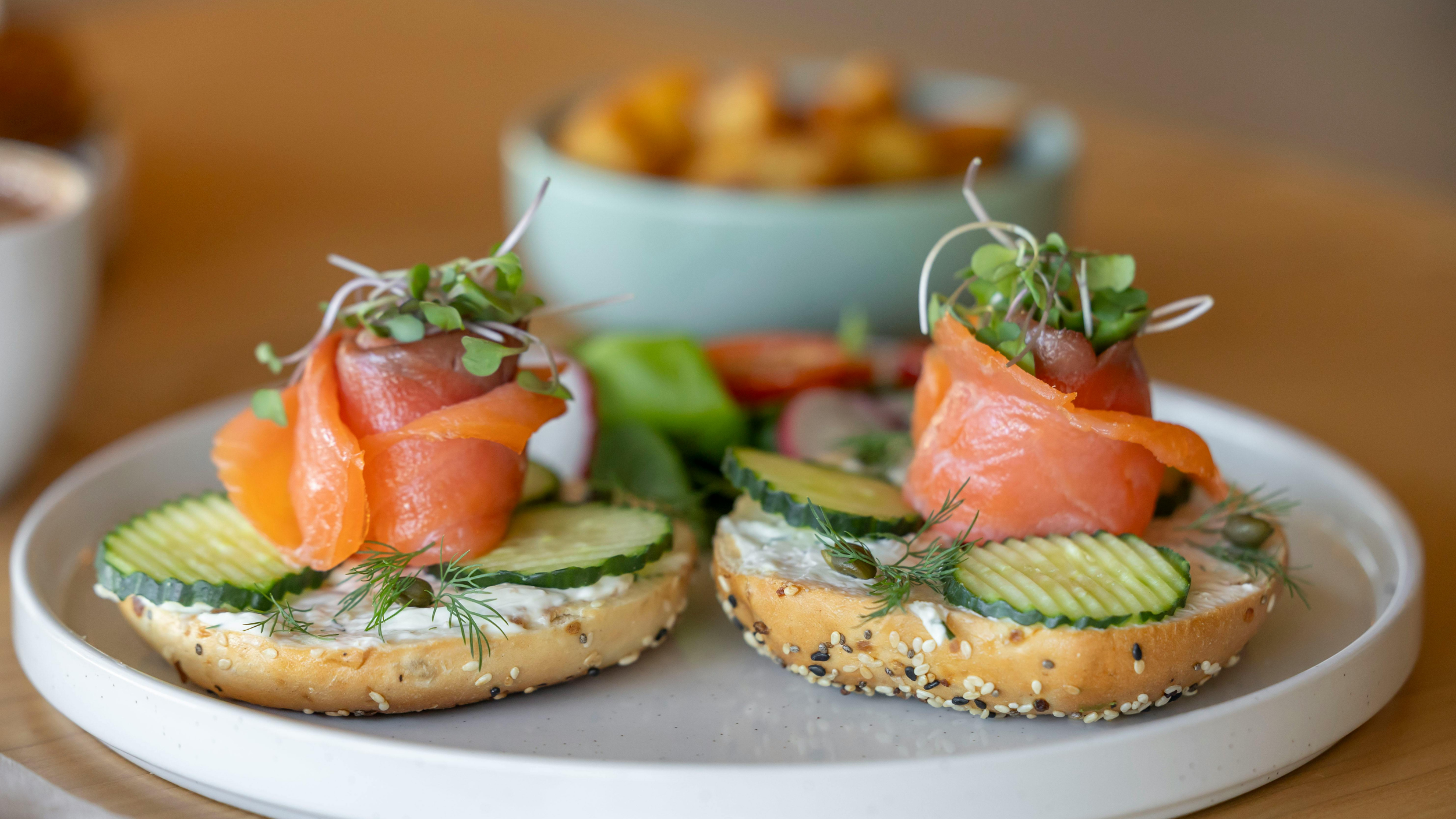
Bonus move: Cottage cheese is making a major comeback in 2026, and for good reason. A half-cup serving delivers 14 grams of protein for just 80 calories. Try it with everything bagel seasoning for a savory breakfast or blend it smooth for a protein-packed base in smoothies.
2. Rethink Your Cereal Situation
Sugary cereals might bring childhood nostalgia, but they're nutritionally bankrupt—mostly refined carbs with minimal staying power. You'll be hungry again within an hour.
The Swap:
- From: Sweetened cereal (200 calories, 3g protein, 15g sugar)
- To: Steel-cut oats with protein powder (220 calories, 20g protein, 2g sugar)
Prepare overnight oats by mixing ½ cup oats with 1 scoop unflavored or vanilla protein powder, unsweetened almond milk, and chia seeds. This combination provides both quick and slow-digesting proteins, plus the fiber keeps your digestive system happy. If you're looking for more ways to balance your meals throughout the day, check out our guide on creating balanced meals for sustained energy.
3. Upgrade Your Ground Meat Game
Ground beef is convenient and flavorful, but the fat content varies wildly. Regular 80/20 ground beef packs about 230 calories and 15g fat per 3-ounce serving, with only 19g protein.
The Swap:
- From: 80/20 ground beef (230 calories, 19g protein, 15g fat)
- To: 93/7 lean ground turkey (130 calories, 25g protein, 3g fat)
This swap saves you 100 calories while actually increasing protein by 6 grams. Season your turkey generously—it's leaner, so it needs more flavor boosting with garlic, cumin, smoked paprika, or whatever your recipe calls for.
Another brilliant move: combine lean ground chicken or turkey with finely chopped mushrooms or riced cauliflower in dishes like tacos, pasta sauce, or stuffed peppers. You'll stretch the volume, add vegetables, and maintain that satisfying texture while keeping calories in check.
4. Switch Up Your Pasta Portions Strategically
Pasta isn't the enemy, but a giant bowl with minimal protein won't keep you satisfied. The standard serving is actually much smaller than most of us realize.
The Swap:
- From: 2 cups regular pasta with marinara (440 calories, 16g protein)
- To: 1 cup chickpea or lentil pasta with lean protein (380 calories, 32g protein)
Bean-based pastas have exploded in quality over the past few years. Brands like Banza (chickpea) and Tolerant (lentil) deliver nearly double the protein and significantly more fiber than traditional wheat pasta [4]. Top with grilled chicken, shrimp, or turkey meatballs and suddenly you've got a 40+ gram protein meal that actually fills you up.
5. Revolutionize Your Snack Drawer
Snacking is where many of us unknowingly rack up empty calories. Pretzels, crackers, and chips deliver crunch but zero satiety.
The Swap:
- From: 1 oz pretzels (110 calories, 3g protein)
- To: ½ cup edamame (95 calories, 9g protein)
Edamame is one of the most underrated high protein snacks. Keep a bag of frozen, shelled edamame on hand—microwave for 2 minutes, sprinkle with sea salt or everything bagel seasoning, and you've got a satisfying snack in under 3 minutes.
Other winning snack swaps:
- Hard-boiled eggs: 70 calories, 6g protein each
- Turkey jerky: 60 calories, 10g protein per oz
- String cheese: 80 calories, 6g protein per stick
- Roasted chickpeas: 120 calories, 6g protein per ½ cup
6. Rethink Your Rice & Grain Sides
Grains aren't bad, but they're carb-dense and protein-light. When you're trying to increase protein without calories, your side dishes need to work harder.
The Swap:
- From: 1 cup white rice (200 calories, 4g protein)
- To: 1 cup riced cauliflower + ½ cup lentils (160 calories, 10g protein)
This combination gives you volume, fiber, and more than double the protein for fewer calories. Riced cauliflower has become incredibly versatile—try it in stir-fries, burrito bowls, or as a base for curry dishes. For women specifically looking to optimize their nutrition for hormonal health, understanding how protein impacts your cycle can be transformative—learn more in our article about nutrition strategies for hormone balance.
7. Upgrade Your Sandwich Foundation
Two slices of standard white or wheat bread clock in around 160 calories with just 6 grams of protein. You can do so much better.
The Swap:
- From: Regular bread (160 calories, 6g protein)
- To: High-protein bread or lettuce wraps (80-100 calories, 12g protein)
Brands like Dave's Killer Bread Protein and Carbonaut have revolutionized the bread game, offering 10-12g protein per two slices. Alternatively, swap bread entirely for butter lettuce wraps or collard green leaves for a nearly zero-calorie vessel that puts all the focus on your protein-rich fillings.
8. Optimize Your Salad Strategy
Salads can be secretly high-calorie thanks to dressings, croutons, and cheese, while still leaving you hungry an hour later if they lack adequate protein.
The Swap:
- From: Garden salad with ranch dressing (350 calories, 8g protein)
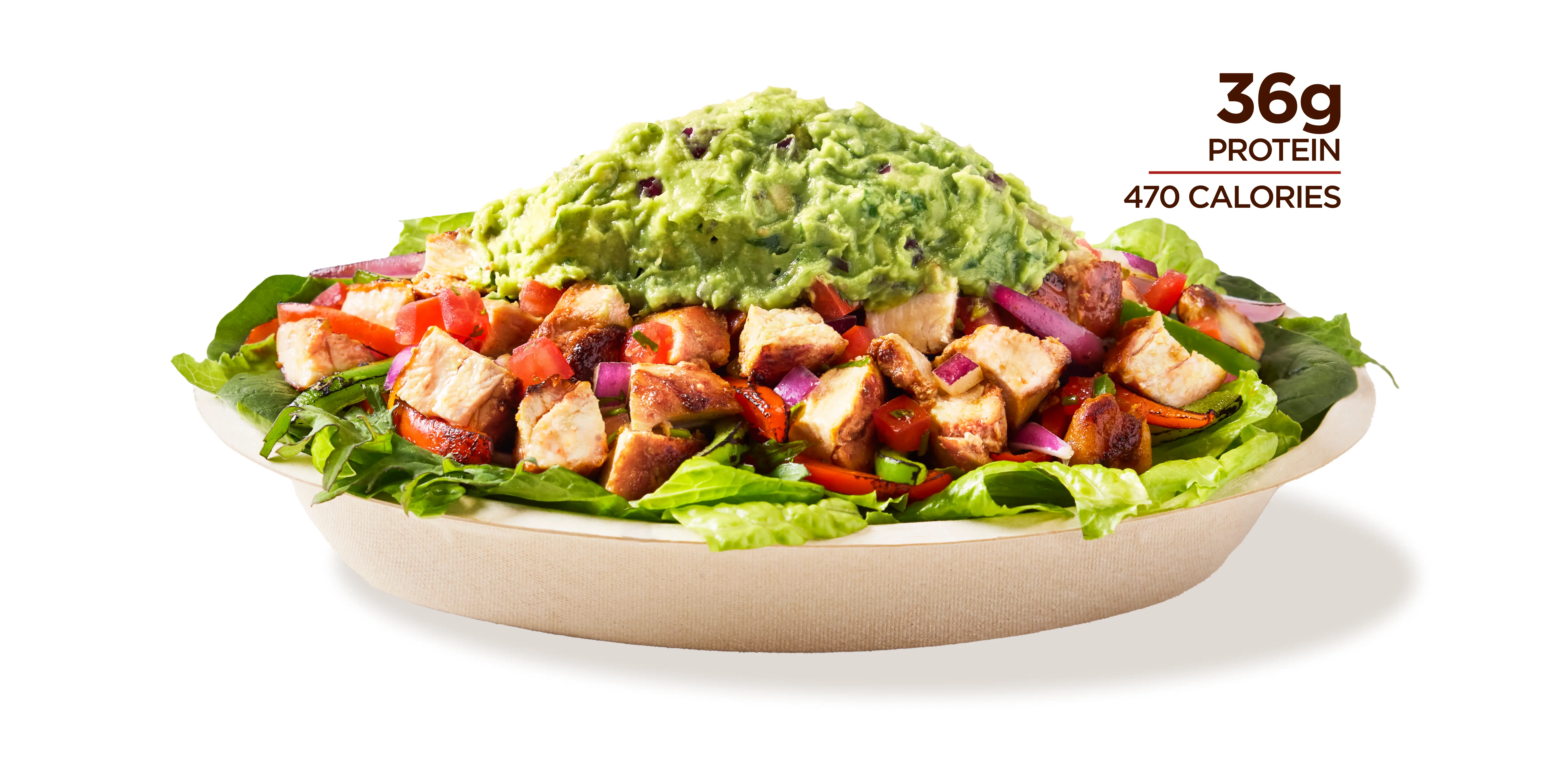
- To: Grilled chicken salad with balsamic vinegar (280 calories, 32g protein)
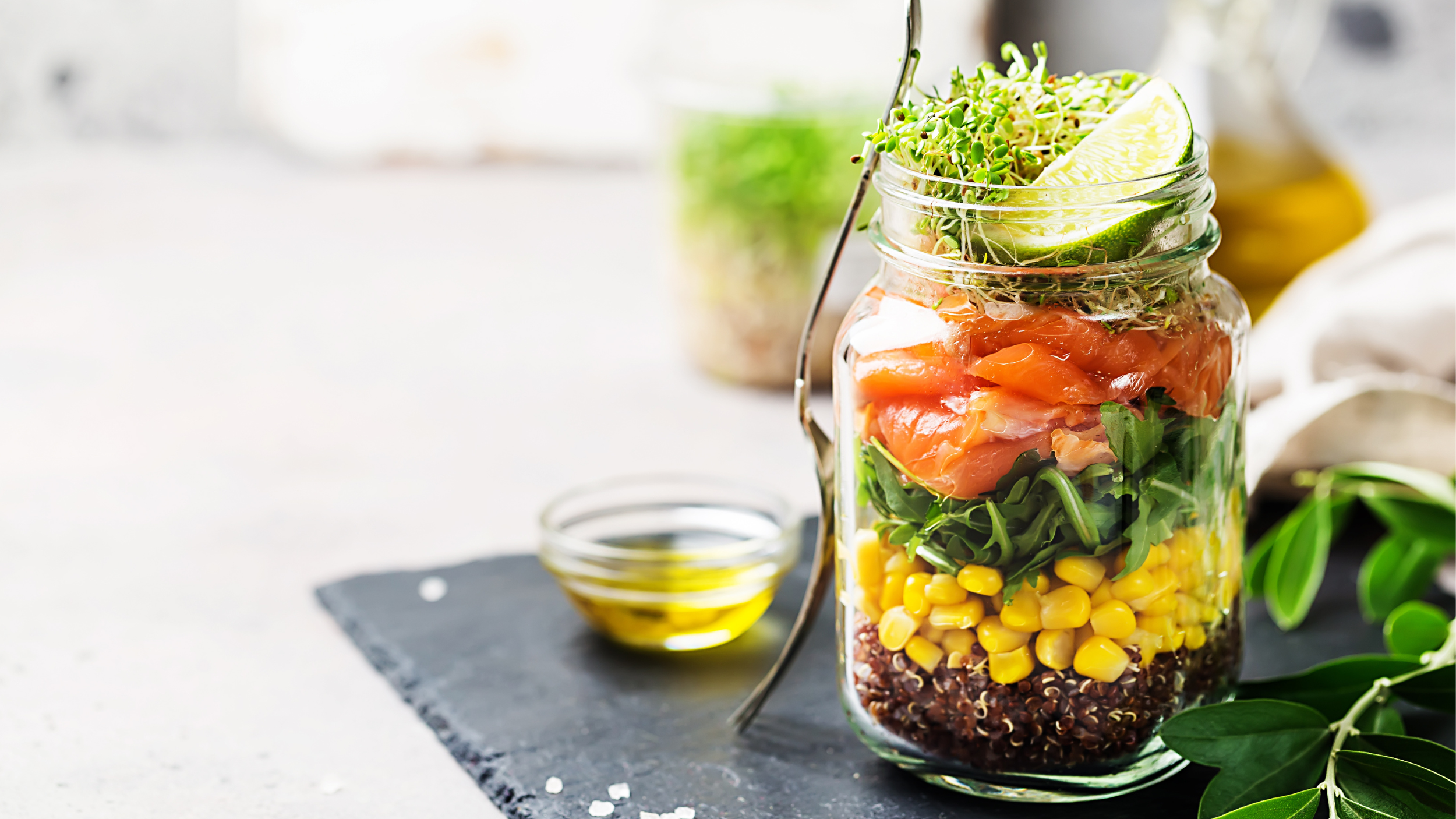
The formula for a satisfying salad: leafy greens + lean protein (chicken, shrimp, salmon, or chickpeas) + minimal dressing + crunchy vegetables instead of croutons. This simple reframe transforms salads from sad diet food into legitimately satisfying meals.
9. Rethink Your Protein Shake Approach
Many store-bought protein shakes and smoothies are basically milkshakes in disguise—loaded with sugar and calories while being surprisingly low in actual protein.
The Swap:
- From: Bottled smoothie (300 calories, 10g protein, 45g sugar)
- To: Homemade protein shake (200 calories, 25g protein, 8g sugar)
Blend unsweetened almond milk, one scoop quality protein powder, frozen berries, spinach, and ice. This delivers more protein for fewer calories, and you control every ingredient. If you're navigating weight loss and want to understand how protein fits into a comprehensive approach, our complete guide to sustainable weight loss breaks down the science.
10. Smarten Up Your Pizza Night
Pizza doesn't have to be a nutritional disaster. Traditional delivery pizza is carb and fat-heavy with minimal protein—a combination that spikes blood sugar and leaves you unsatisfied.
The Swap:
- From: 2 slices regular pizza (600 calories, 24g protein, 24g fat)
- To: Flatbread pizza with chicken (400 calories, 38g protein, 12g fat)
Use a whole wheat flatbread or low-carb tortilla as your base, spread with tomato sauce, add grilled chicken or turkey pepperoni, load up vegetables, and use part-skim mozzarella. You'll cut calories nearly in half while increasing protein by 60%.
How to Increase Protein Intake: Practical Daily Tips
Beyond individual swaps, building habits around protein timing and distribution makes hitting your targets effortless:
- Front-load protein at breakfast: Starting with 25-30g protein reduces hunger hormones throughout the day [5]
- Include protein at every meal: Aim for 20-30g per meal rather than loading it all at dinner
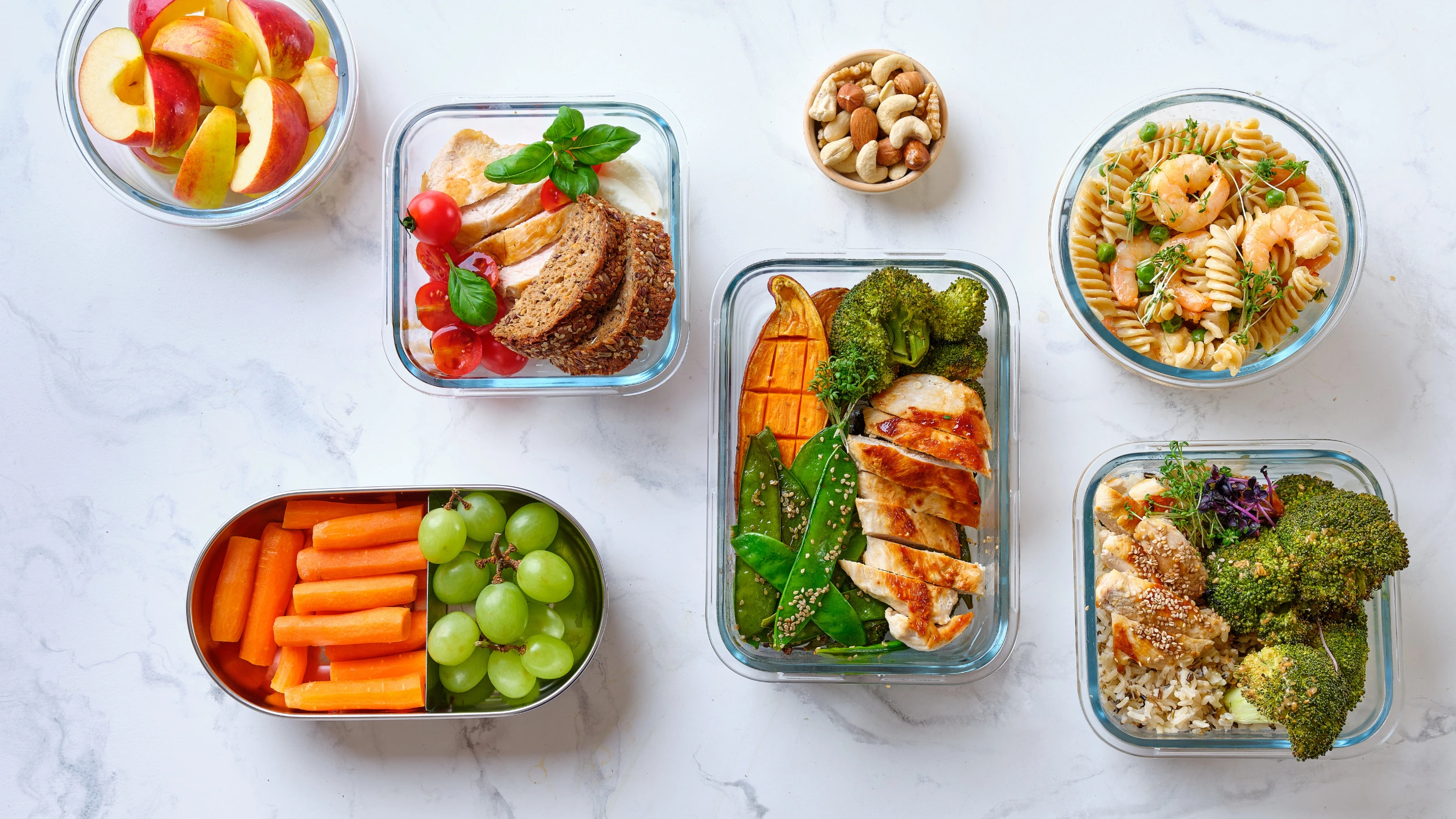
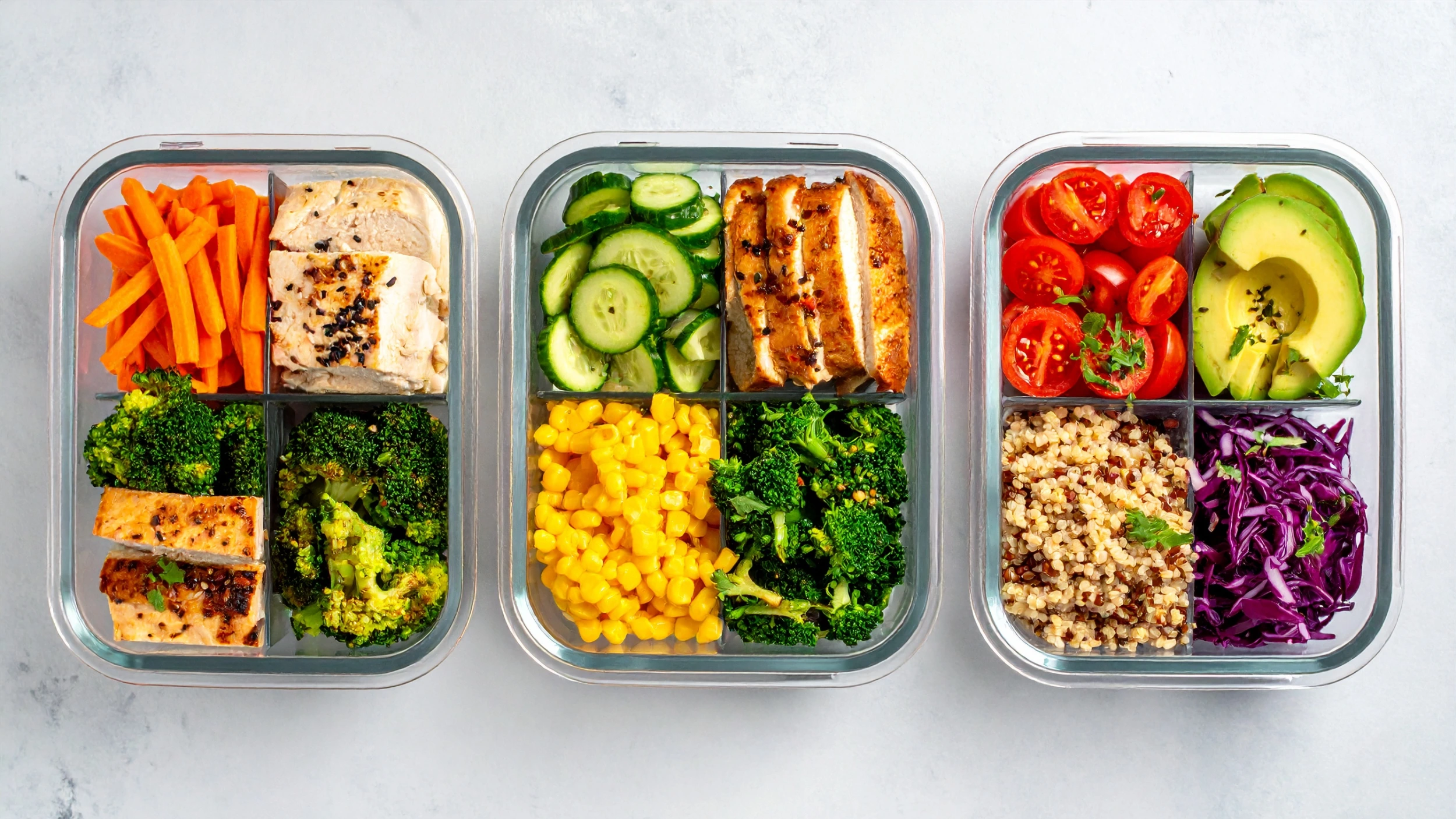
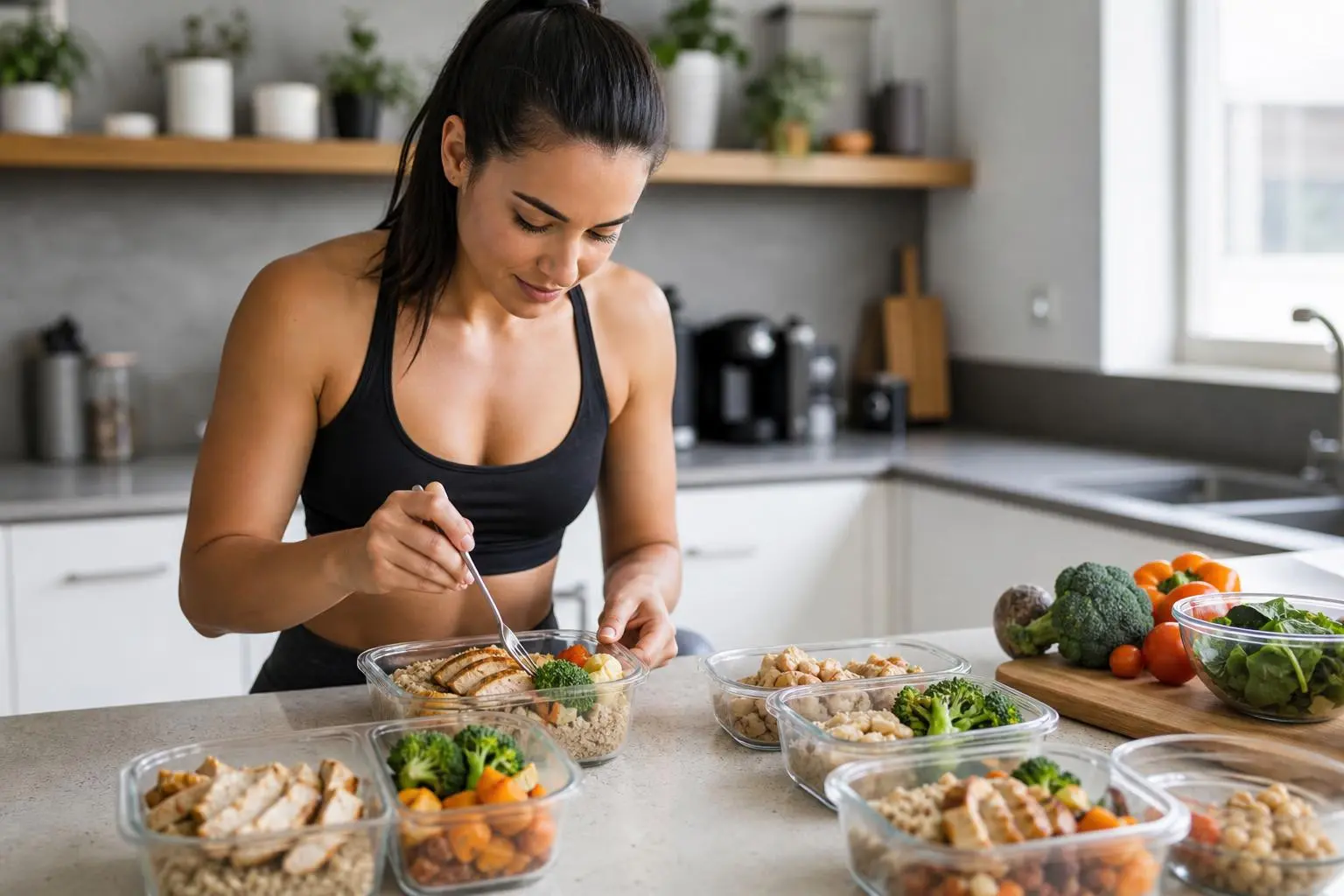
- Prep protein in batches: Grill several chicken breasts or hard-boil a dozen eggs on Sunday
- Keep grab-and-go options visible: Stock your fridge at eye level with Greek yogurt, string cheese, and pre-portioned turkey slices
- Add protein powder strategically: Stir into oatmeal, pancake batter, or coffee for an easy 20g boost
FAQ: Your Protein Questions Answered
What are the easiest low-calorie, high-protein foods to add to my diet?
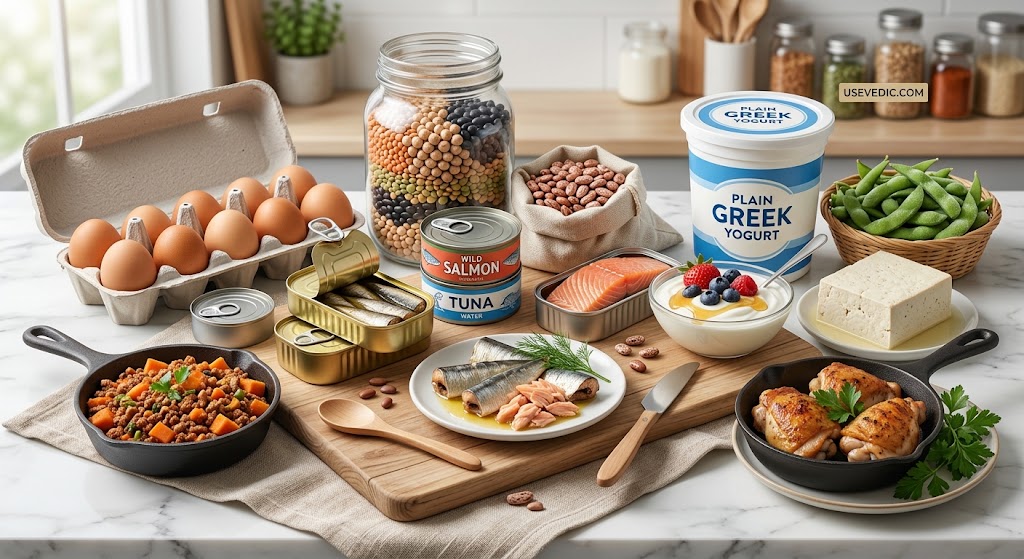
Some of the simplest options include plain Greek yogurt, cottage cheese, eggs, edamame, lentils, and lean poultry like chicken or turkey breast. They require minimal prep and can be easily incorporated into any meal. Canned tuna and salmon are also incredibly convenient—just drain and add to salads or whole grain crackers.
How can I increase protein without relying on powders or supplements?
You can absolutely meet your protein goals with whole foods. Focus on incorporating lean meats, fish, eggs, dairy, and legumes into every meal. Smart snacking on things like nuts, seeds, and jerky also helps boost your daily intake naturally. The key is consistency—adding a palm-sized portion of protein to each meal gets you most of the way there.
Will eating more protein make me look bulky?
This is one of the most persistent myths, and the answer is a definitive no. For most women, eating a higher-protein diet will support lean muscle development, which creates a toned, defined look—not a bulky one. Building significant muscle mass requires progressive resistance training, a caloric surplus, and often years of dedicated effort. Protein simply helps you maintain and build lean tissue while boosting metabolism and increasing satiety, which are essential for healthy weight management [6].
Ready to Make These Swaps Work for You?
The beauty of these food swaps is their simplicity. You're not eliminating entire food groups or following complicated rules—you're just making smarter choices that align with your body's needs. Start with 2-3 swaps this week and notice how your energy and hunger levels shift. Small, consistent changes create lasting results.
Remember, increasing your protein intake isn't about perfection. Some days you'll hit your target easily, other days you'll fall short—and that's completely normal. The goal is progress, not perfection. These swaps give you a practical framework to support your body, feel satisfied, and move confidently toward your wellness goals.
Ready to create a personalized nutrition plan that works for your body and lifestyle? Let's chat. Book a one-on-one consultation with our dietitian today to build sustainable habits for lasting results.
References
[1] Paddon-Jones D, Westman E, Mattes RD, Wolfe RR, Astrup A, Westerterp-Plantenga M. Protein, weight management, and satiety. American Journal of Clinical Nutrition, 2008.
[2] Leidy HJ, Clifton PM, Astrup A, Wycherley TP, Westerterp-Plantenga MS, Luscombe-Marsh ND, Woods SC, Mattes RD. The role of protein in weight loss and maintenance. American Journal of Clinical Nutrition, 2015.
[3] Longland TM, Oikawa SY, Mitchell CJ, Devries MC, Phillips SM. Higher compared with lower dietary protein during an energy deficit combined with intense exercise promotes greater lean mass gain and fat mass loss. American Journal of Clinical Nutrition, 2016.
[4] Marinangeli CPF, House JD. Potential impact of the digestible indispensable amino acid score as a measure of protein quality on dietary regulations and health. Nutrition Reviews, 2017.
[5] Leidy HJ, Hoertel HA, Douglas SM, Higgins KA, Shafer RS. A high-protein breakfast prevents body fat gain, through reductions in daily intake and hunger, in 'Breakfast skipping' adolescents. Obesity, 2015.
[6] Morton RW, Murphy KT, McKellar SR, Schoenfeld BJ, Henselmans M, Helms E, Aragon AA, Devries MC, Banfield L, Krieger JW, Phillips SM. A systematic review, meta-analysis and meta-regression of the effect of protein supplementation on resistance training-induced gains in muscle mass and strength in healthy adults. British Journal of Sports Medicine, 2018.