.webp)

%2B(7).webp)
.png)
At a Glance
The "clean plate club" mentality from childhood can override your body's natural fullness signals, leading to chronic overeating and guilt around food. This deeply ingrained habit stems from well-meaning parental pressure, food scarcity messaging, and reward-based eating patterns. By implementing mindful eating practices and reconnecting with your body's innate hunger cues, you can finally break free from obligation-based eating and build a more intuitive, compassionate relationship with food.
Introduction: Understanding Your "Clean Plate Club" Roots
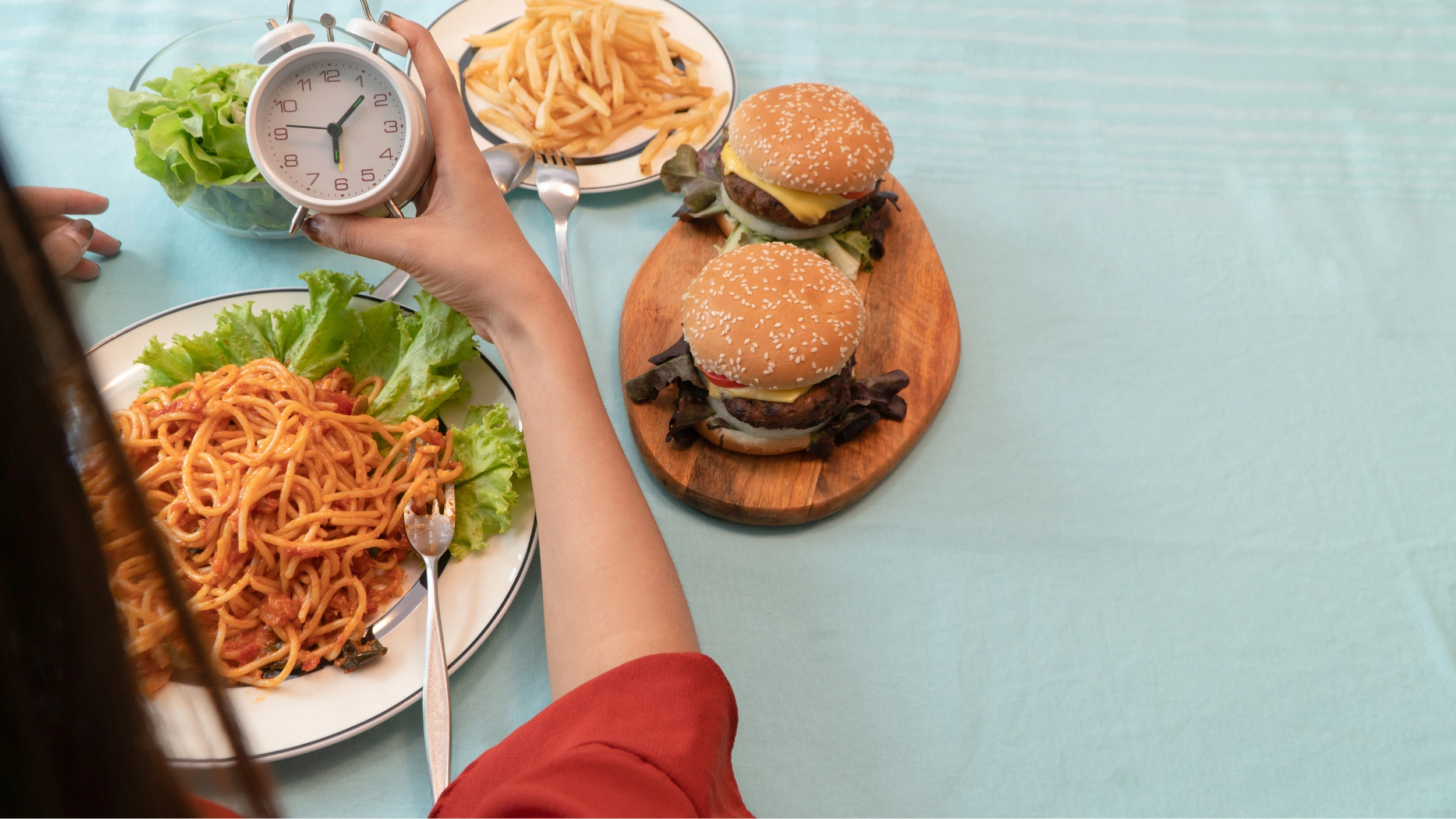
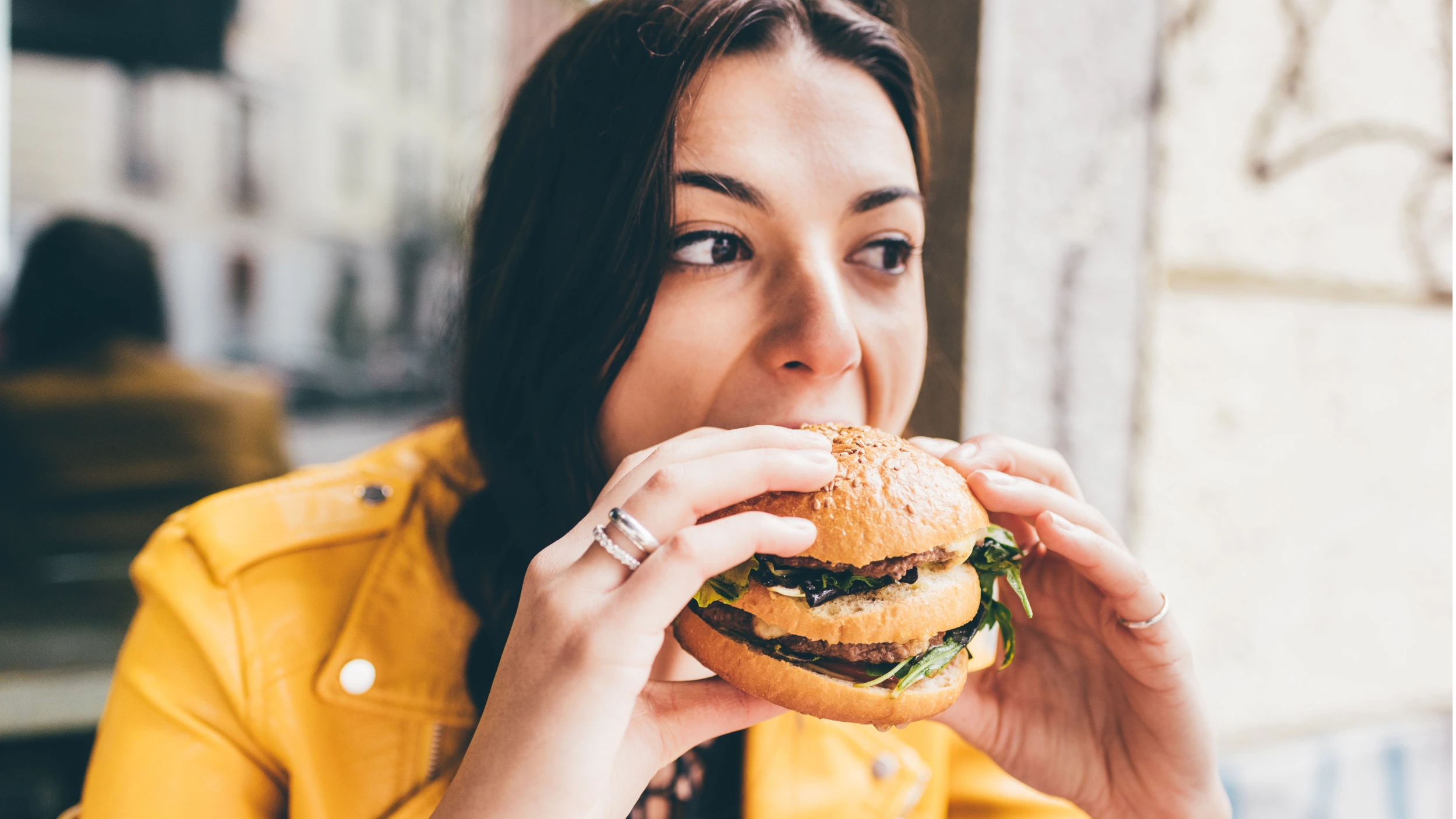
Ever find yourself scraping the last bit of food off your plate, even when you're comfortably full? You're not alone. Many of us grew up with the "clean plate club" mentality, a childhood habit that can lead to overeating and a complicated relationship with food later in life. As your dietitian, I want to help you understand where this habit comes from and how we can gently unlearn it together. It's all about fostering a healthier, more intuitive way of eating.
The pressure to finish every morsel wasn't born from malice. Our parents and caregivers often used this approach with genuine concern—whether rooted in their own experiences with food scarcity, a desire to ensure proper nutrition, or simple frustration over wasted groceries. But here's what happens: when external rules consistently override your internal signals, you gradually lose touch with what true hunger and comfortable fullness actually feel like.
This disconnect doesn't just disappear when you move out or start buying your own groceries. It follows you to restaurant booths, holiday dinners, and those nights when you're stress-eating directly from the takeout container. Understanding these roots is the foundation for change, and I'm here to walk through it with you.
Why We Eat Beyond Fullness: The Psychology of Childhood Eating Habits
Let's get into the neuroscience and psychology behind why that childhood messaging sticks so stubbornly. When you were repeatedly told to clean your plate, your brain formed powerful associations that can override your body's natural satiety signals decades later.
The External Cue Trap
Your body has sophisticated internal mechanisms designed to regulate food intake. Leptin signals fullness, ghrelin signals hunger, and stretch receptors in your stomach communicate satisfaction [1]. But research shows that when we're trained from childhood to rely on external cues—like an empty plate or parental approval—these internal signals get systematically ignored and eventually weakened [2].
Think about it: How many times did you actually check in with your body during meals as a kid versus simply eating until the plate was empty? That pattern becomes automatic.
Emotional Entanglement
Food often served multiple roles in childhood beyond nutrition:
- Reward system - "Finish your vegetables and you can have dessert" taught us that some foods are prizes and eating is transactional
- Love language - Grandma's cookies, Mom's special dish, food as care and affection
- Conflict avoidance - Cleaning your plate kept the peace at the dinner table
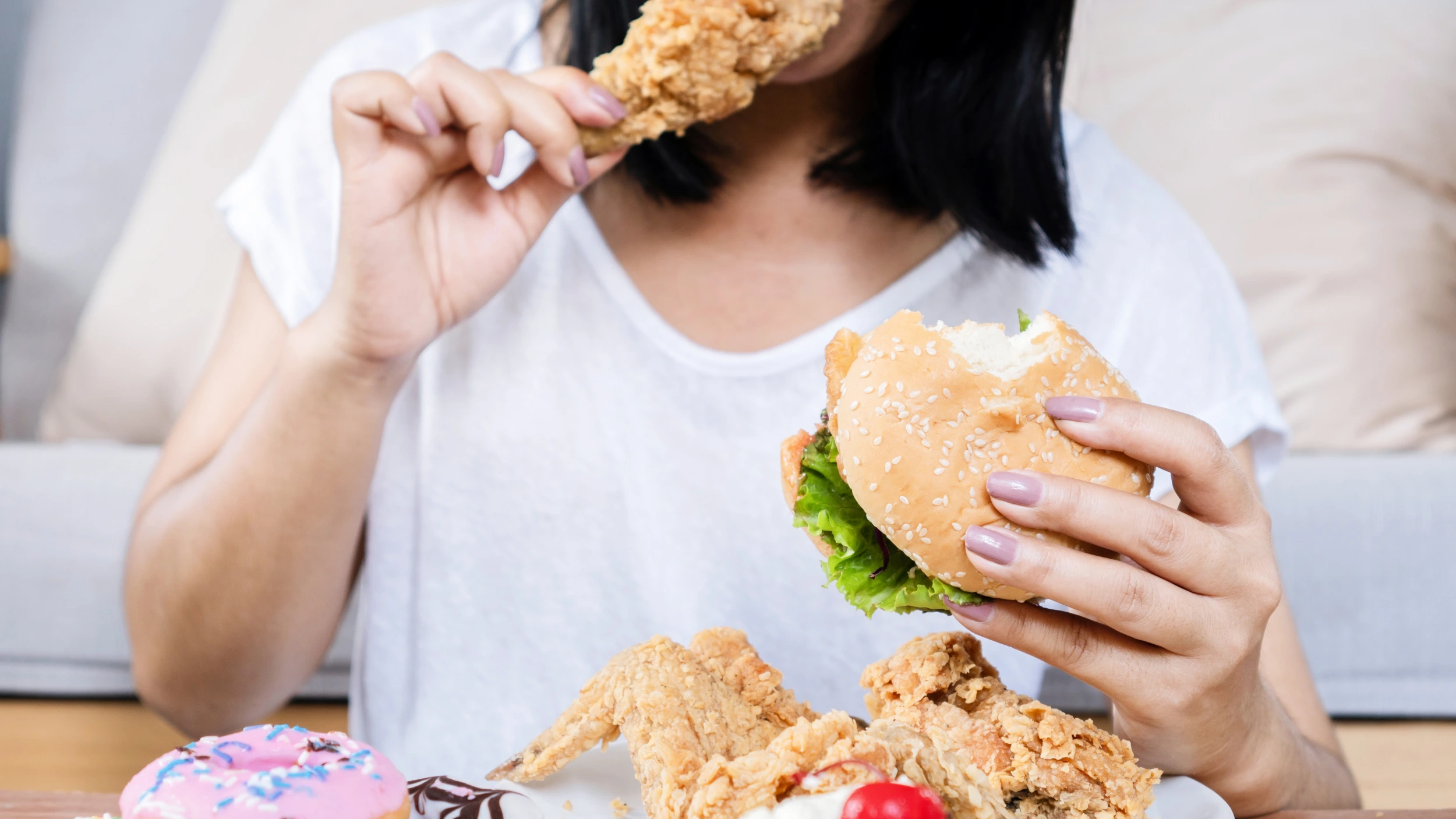
These emotional connections create what psychologists call "emotional eating" patterns [3]. You're not just eating food; you're consuming comfort, approval, or stress relief. When food becomes the primary coping mechanism for uncomfortable feelings, overeating becomes almost inevitable.
The Scarcity Mindset
Many of our parents or grandparents lived through periods of genuine food insecurity. That "waste not, want not" mentality was survival. But when that anxiety gets passed down without the actual scarcity context, it manifests as anxiety around leaving food uneaten—even when you're stuffed and your fridge is fully stocked.
This scarcity programming can make you eat past fullness "just in case," even though rationally, you know your next meal is guaranteed. Breaking habits rooted this deeply requires both cognitive understanding and nervous system regulation.
Rebuilding Your Relationship with Food: Mindful and Intuitive Eating
It's time to shift from obligation to awareness. This section will guide you through practical strategies for mindful eating, helping you reconnect with your body's signals.
Mindful Eating: The Practice of Presence
Mindful eating isn't about perfection or rigid rules. It's about bringing conscious awareness to the eating experience. Research demonstrates that mindful eating practices significantly reduce overeating behaviors and improve satiety recognition [4].
Start with these micro-practices:
- Put your fork down between bites and actually taste your food
- Eliminate distractions—yes, that means the phone, laptop, and TV
- Check in with your hunger and fullness on a scale of 1-10 before, during, and after eating
- Notice the texture, temperature, and flavors with genuine curiosity
You don't need to do all of these at every meal. Pick one and practice it until it feels natural, then layer in another.
Intuitive Eating: Trusting Your Body Again
Intuitive eating takes mindful eating a step further by actively rejecting diet culture and rebuilding trust in your body's wisdom [5]. It's not a hunger-fullness diet in disguise. It's a framework for healing your relationship with food entirely.
The core principles include:
- Reject the diet mentality - Stop chasing the next restrictive plan that promises control
- Honor your hunger - Biological hunger isn't optional or something to "overcome"
- Make peace with food - No food is morally good or bad
- Challenge the food police - That critical voice saying you "shouldn't" eat something
- Respect your fullness - Which brings us right back to leaving food on your plate
Here's the thing: respecting fullness doesn't mean stopping at the exact moment you're satisfied every single time. It means you have permission to stop, and you also have permission to keep eating if you choose to. The difference is agency versus compulsion.
Practical Permission Exercises
Try this tonight: Serve yourself a normal portion, eat mindfully until you feel comfortably satisfied (not stuffed, not still hungry), then intentionally leave two bites on your plate. Just two bites.
Notice what comes up. Anxiety? Guilt? The voice of your grandmother? That's information. Sit with it. The food can go in the fridge for tomorrow, the compost, or yes, even the trash. Your body is not a garbage disposal for excess food.
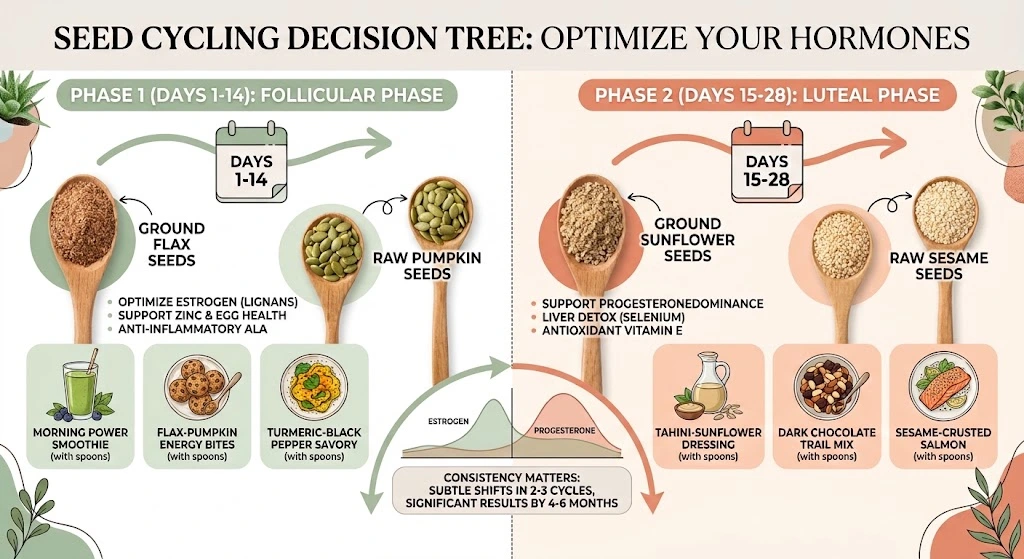
As you work on rebuilding these skills, supporting your body's underlying metabolic health through hormone balance can make recognizing hunger and fullness cues significantly clearer.
Breaking the Cycle: Practical Steps to Overcome Overeating
Ready to make a change? Here, we'll focus on actionable steps to break free from the "clean plate club" habit.
Strategy 1: Portion Intentionally (But Flexibly)
Instead of serving large portions and forcing yourself to clean the plate, start smaller. You can always get more if you're genuinely hungry. This removes the psychological pressure of the mountain of food staring at you.
- Use smaller plates to make reasonable portions look satisfying
- Serve yourself in the kitchen rather than family-style at the table
- Remember that restaurants often serve 2-3x appropriate portions—it's totally fine to box half before you even start eating
Strategy 2: Reframe Food Waste
This is huge: Eating food your body doesn't need is still waste. It's just going through your body first. Whether food ends up in the trash or stored as excess fat you don't want, it's not being used for its intended purpose—nourishing you appropriately.
Better strategies for actual food waste:
- Improve meal planning and shopping to buy only what you'll use
- Save leftovers intentionally for next-day lunches
- Compost when possible—that food becomes nutrients for soil
- Donate unexpired pantry items you won't eat
Your body is not the solution to food waste. It's just not.
Strategy 3: Develop Emotional Coping Tools
Since emotional eating is often tangled up with clean plate habits, you need alternative tools for processing feelings. When you notice the urge to keep eating past fullness, pause and ask:
- Am I actually still hungry, or am I eating for another reason?
- What emotion am I feeling right now?
- What do I actually need in this moment?
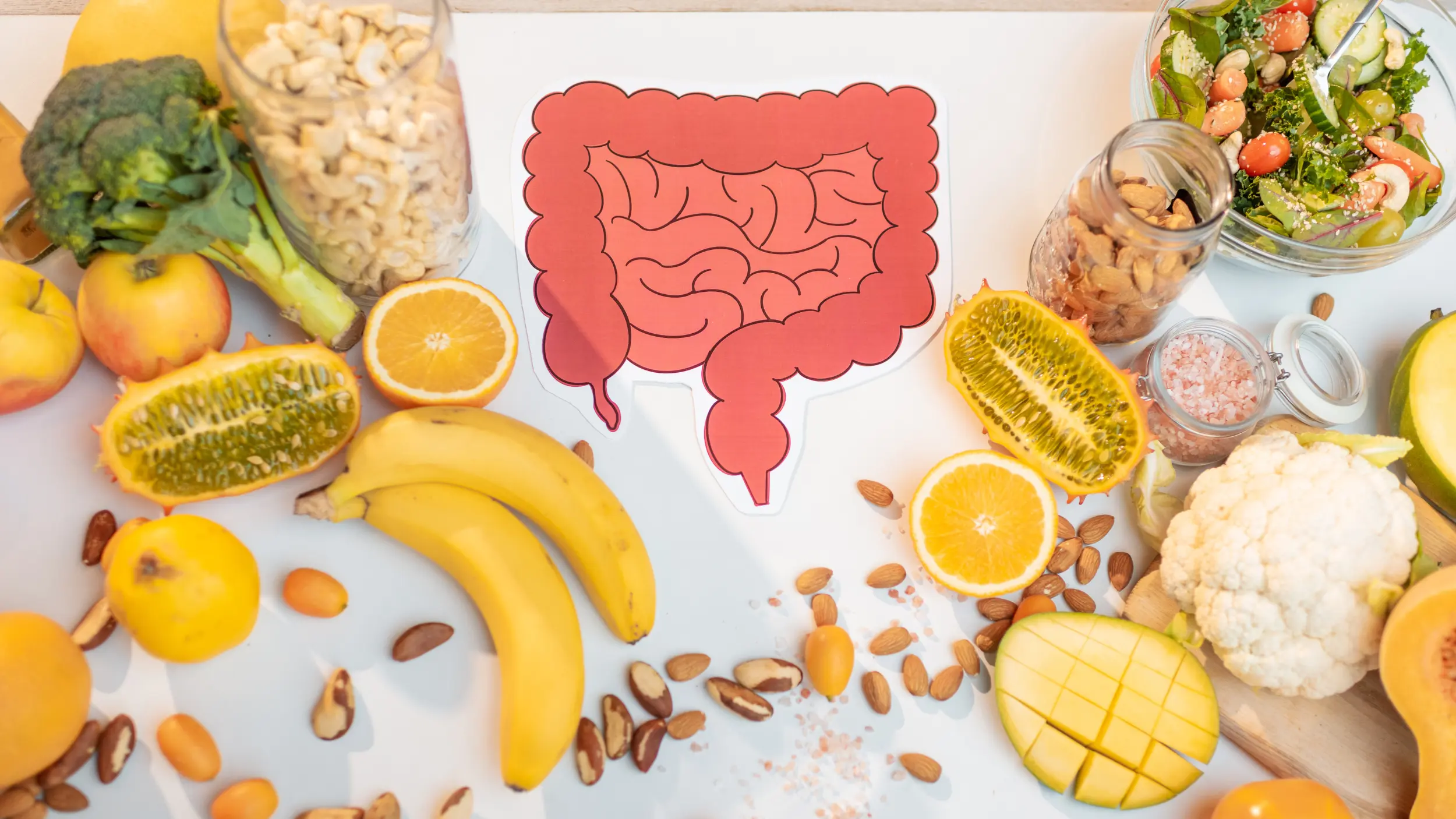
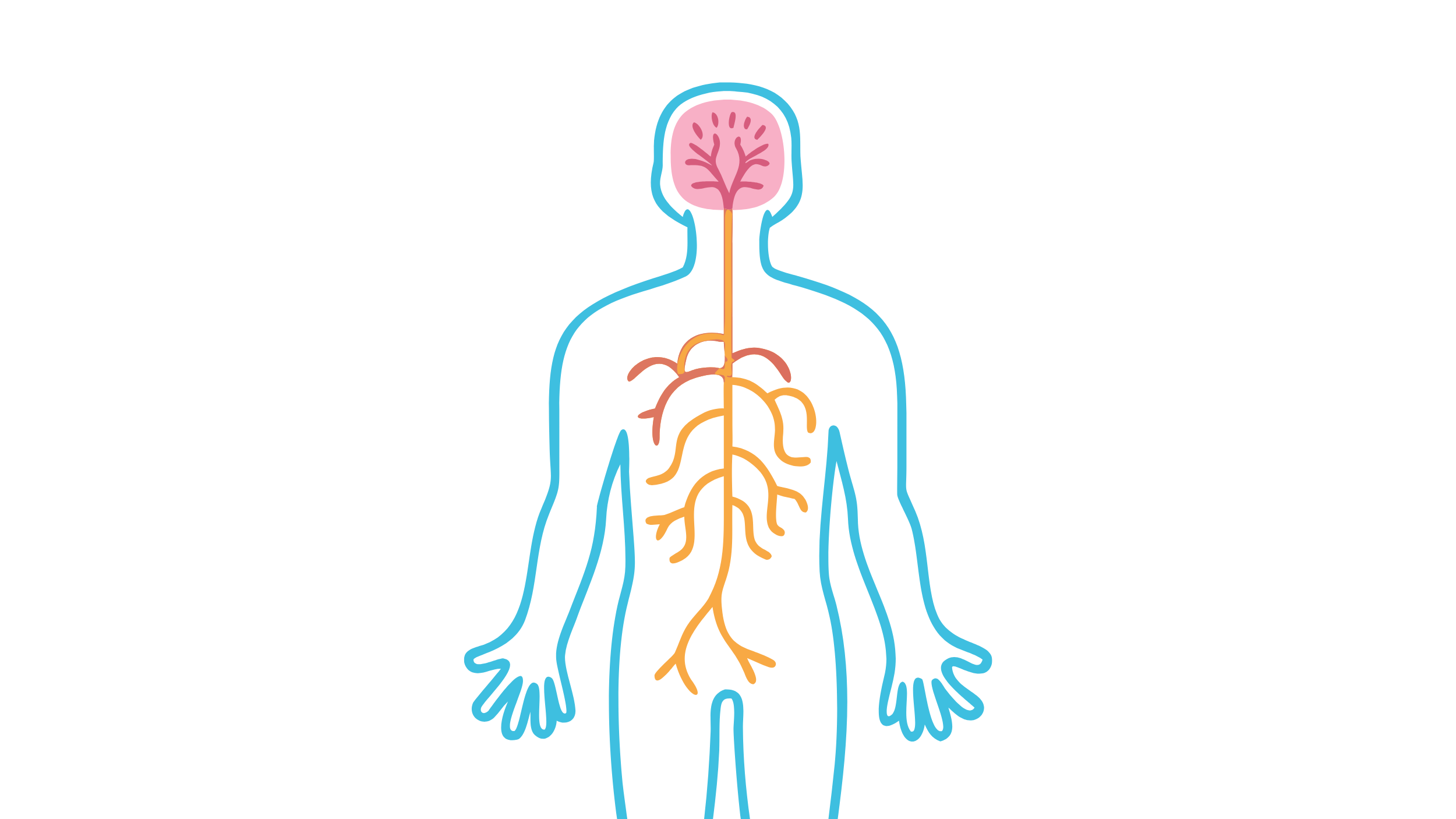
Maybe it's rest, connection, movement, or just permission to feel uncomfortable emotions without fixing them. Optimizing gut health can also influence mood regulation and emotional eating patterns through the gut-brain axis [6].
Strategy 4: Practice Self-Compassion Relentlessly
You will not unlearn decades of conditioning overnight. There will be meals where you mindlessly clear your plate. There will be days when emotional eating wins. That's not failure—that's being human.
Self-compassion research shows that people who treat themselves with kindness after perceived eating "failures" are actually more likely to return to healthy eating patterns than those who criticize themselves [7].
Speak to yourself like you would to your best friend. "That was hard, and I'm learning. Tomorrow is a new opportunity to practice."
Strategy 5: Get Professional Support
Working with a registered dietitian who specializes in intuitive eating and food psychology can provide personalized guidance, accountability, and trauma-informed support as you navigate this process. We can identify your specific triggers, challenge your food rules, and help you build sustainable practices tailored to your life.
Frequently Asked Questions
Q1: How can I stop feeling guilty if I don't finish my food?
Guilt around leaving food stems from those deep childhood messages we've discussed. Start by intellectually separating your worth from your plate. You are not a better or worse person based on whether you finish a meal. Practically, try the two-bite exercise I mentioned earlier—leave just a small amount on purpose and sit with the discomfort. Remind yourself: "My body's needs matter more than an empty plate." Over time, with repeated exposure and cognitive reframing, the guilt will genuinely decrease. If the guilt feels overwhelming or is connected to deeper trauma around food scarcity, working with a therapist who specializes in food issues alongside a dietitian can be incredibly helpful.
Q2: What's the difference between intuitive eating and mindful eating?
Great question. Mindful eating is a practice—the act of bringing present-moment awareness to the eating experience. It's about noticing flavors, textures, hunger, and fullness without judgment. Intuitive eating is a broader framework that includes mindful eating as one component, but also encompasses rejecting diet culture, honoring your hunger, making peace with all foods, and respecting your body [5]. Think of mindful eating as a tool or skill, while intuitive eating is a whole philosophy for rebuilding your relationship with food and body. You can practice mindful eating while still being stuck in diet mentality, but intuitive eating specifically works to dismantle that mentality entirely.
Q3: Can a dietitian really help me break this habit?
Absolutely. Registered dietitians—especially those trained in intuitive eating, Health At Every Size®, and food psychology—do much more than create meal plans. We help you identify the root causes of your eating patterns, challenge internalized food rules, navigate emotional eating, and develop practical skills for reconnecting with your body's signals. We provide accountability, evidence-based strategies, and personalized support based on your unique history and needs. Many of my clients tell me that finally having someone validate their struggles and provide a non-judgmental space to explore their relationship with food was the missing piece they needed. If you've been struggling with the clean plate club habit on your own, professional support can genuinely accelerate your healing process.
Ready to Leave the "Clean Plate Club" Behind?
Breaking free from childhood overeating habits isn't about willpower or another set of eating rules. It's about reconnecting with your body's innate wisdom, processing the emotional layers that keep you stuck, and giving yourself permission to eat in a way that truly serves you.
You deserve to enjoy food without guilt. You deserve to stop eating when you're satisfied. You deserve to trust your body again.
If you're ready to cultivate a healthier relationship with food and finally leave the "clean plate club" behind for good, I'd love to support you through this process. Book a consultation with us today at www.usevedic.com to start building your intuitive eating practice with personalized, compassionate guidance.
References
[1] Chambers L, McCrickerd K, Yeomans MR. Optimising foods for satiety. Trends in Food Science & Technology, 2015.
[2] Birch LL, Fisher JO. Development of eating behaviors among children and adolescents. Pediatrics, 1998.
[3] Macht M. How emotions affect eating: A five-way model. Appetite, 2008.
[4] Robinson E, Aveyard P, Daley A, et al. Eating attentively: a systematic review and meta-analysis of the effect of food intake memory and awareness on eating. American Journal of Clinical Nutrition, 2013.
[5] Tribole E, Resch E. Intuitive Eating: A Revolutionary Anti-Diet Approach. St. Martin's Press, 2020.
[6] Clapp M, Aurora N, Herrera L, et al. Gut microbiota's effect on mental health: The gut-brain axis. Clinics and Practice, 2017.
[7] Mantzios M, Wilson JC. Exploring mindfulness and mindful eating in relation to eating behaviors, self-compassion, and body dissatisfaction. Psychological Reports, 2015.
.svg)
.svg)






.jpg)
.jpg)


















.webp)


































.webp)
.webp)
.webp)
.webp)
.webp)
.webp)
.webp)
.png)
.webp)