.webp)
.webp)
%2B(7).webp)
.png)
At a Glance
- The Problem: Fluctuating blood sugar levels can mimic—and worsen—anxiety symptoms, particularly for women in their 30s.
- The Science: Sudden glucose drops trigger cortisol and adrenaline, the same hormones responsible for the "fight or flight" response.
- The Solution: Shifting from "restriction" to "sequencing." Prioritizing protein timing and fiber can stabilize your mood without a complete diet overhaul.
- Key Takeaway: If your "anxiety" consistently peaks in the mid-afternoon or shortly after meals, it may be a metabolic signal rather than a psychological one.
You know that 3:00 p.m. feeling. Your heart rate picks up, your thoughts begin to race, and suddenly that minor email from three days ago feels like a catastrophe. It’s easy to label this as "just anxiety" or stress. You might even be in therapy for it. But as a dietitian, I often see another culprit hiding in plain sight: glucose volatility.
In your 30s, your body begins to handle carbohydrates and stress differently. What we often dismiss as a "mood swing" is frequently the physiological result of blood sugar dysregulation.
If you've been struggling with metabolic symptoms and traditional approaches haven't worked, you might benefit from our comprehensive guide on Metabolic Reset 2026: How to Fix Your Broken Metabolism Without Medication, which dives deeper into root-cause solutions.
Why Blood Sugar Crashes Feel Like Panic Attacks
.webp)
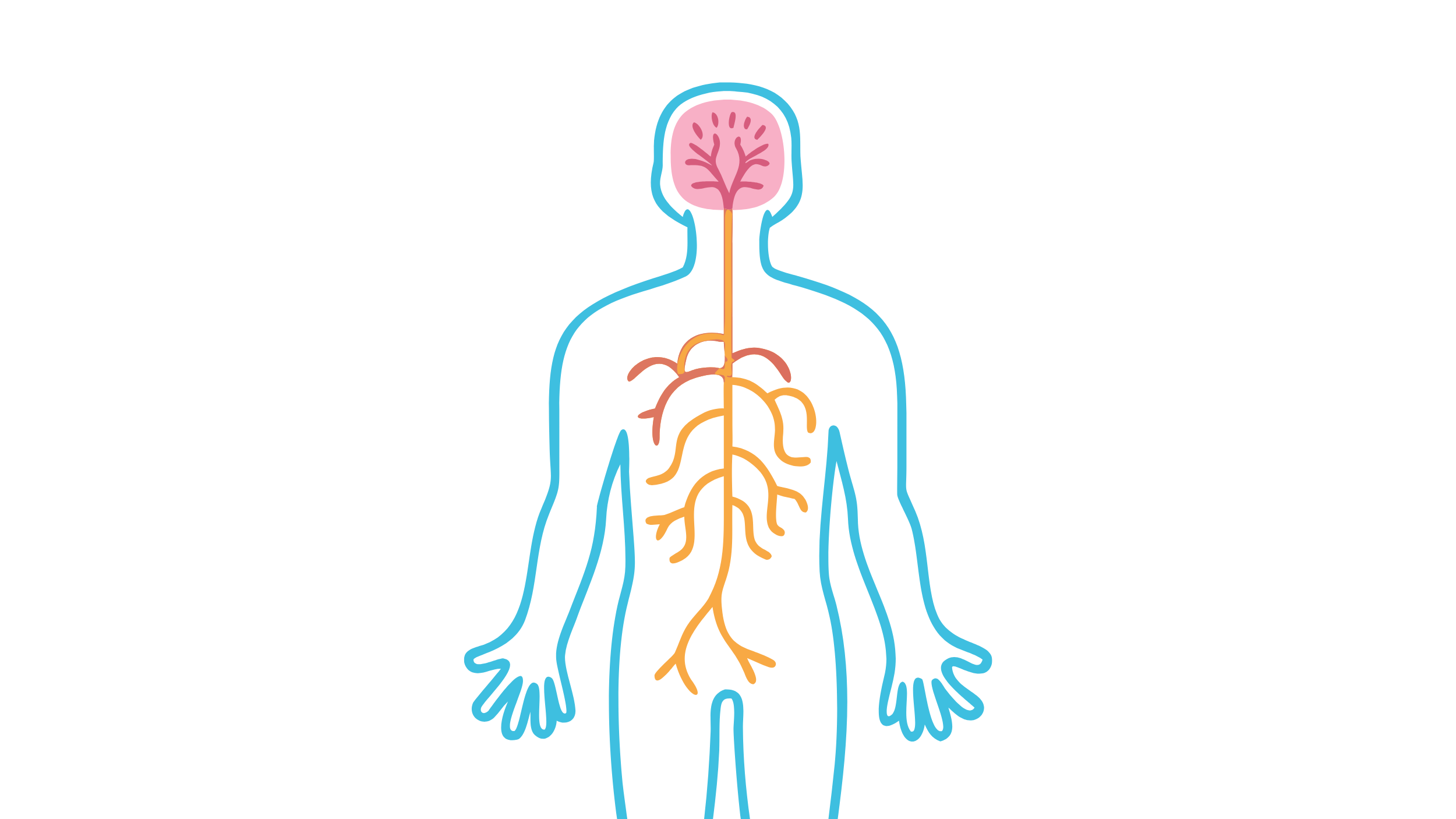
When your blood sugar drops rapidly—common about 90 minutes after a high-carb meal or a sugary "healthy" smoothie—your brain senses a fuel shortage. To protect itself, your body triggers a survival response [2]. Your adrenal glands release cortisol and adrenaline to force your liver to dump stored glucose back into the blood.
The catch? Cortisol and adrenaline are the same hormones that drive your "fight-or-flight" response [3]. Your body cannot distinguish between a low-glucose state and a genuine external threat.
This physical response often manifests as:
- Heart palpitations or a fluttering sensation in the chest.
- Internal tremors or feeling "wired but tired."
- Sudden irritability (the classic "hangry" feeling).
- Brain fog and an inability to focus on complex tasks.
A 2024 study in Psychoneuroendocrinology found that women with diagnosed anxiety disorders had significantly higher glucose variability than controls, even when their fasting glucose appeared "normal" on standard labs [4].
The 30s Shift: Around age 30, insulin sensitivity naturally begins to decline. Factors like past pregnancies, long-term hormonal birth control, and chronic career stress accelerate this [5]. Research from 2025 showed that women aged 30–40 experience 27% greater glucose spikes compared to women in their 20s when eating the exact same meals [6]. Your fueling strategy simply needs to evolve with your biology.
The Protein-Timing Solution
.webp)
Instead of focusing on what to remove, focus on sequencing. A 2025 study in Cell Metabolism demonstrated that eating protein and fiber before carbohydrates in a meal reduced glucose spikes by 46% and improved mood stability scores by 38% [7].
1. Morning: Front-Load Protein (Within 60 Minutes of Waking)
Your cortisol levels naturally peak shortly after waking (the Cortisol Awakening Response) [8]. Pairing this natural spike with a carb-only breakfast—like toast or a fruit smoothie—creates a "roller coaster" effect for the rest of the day.
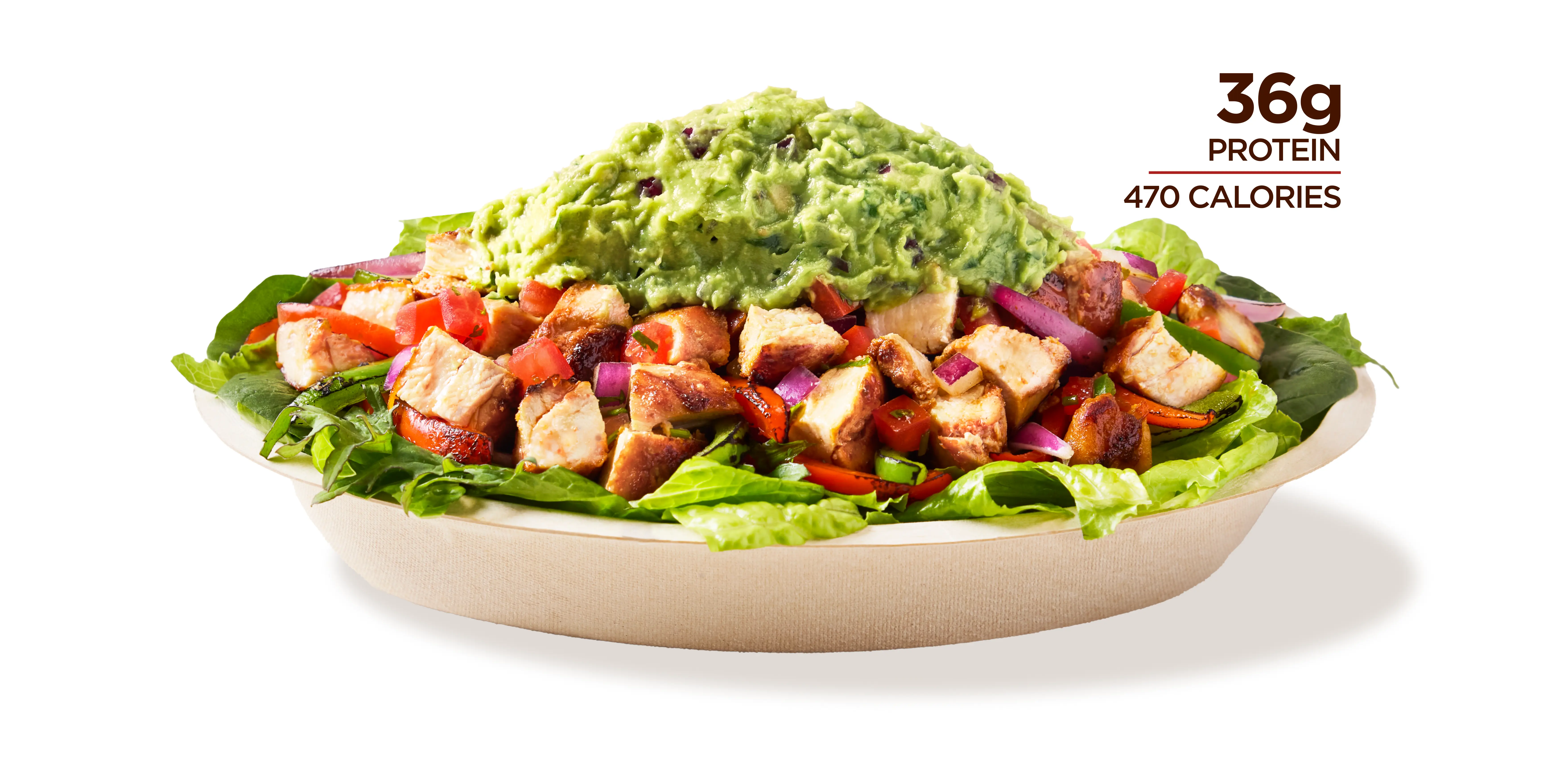
- Target: Aim for 25–30g of protein at breakfast.
- The "Why": Protein blunts the initial glucose rise and keeps you satiated until lunch.
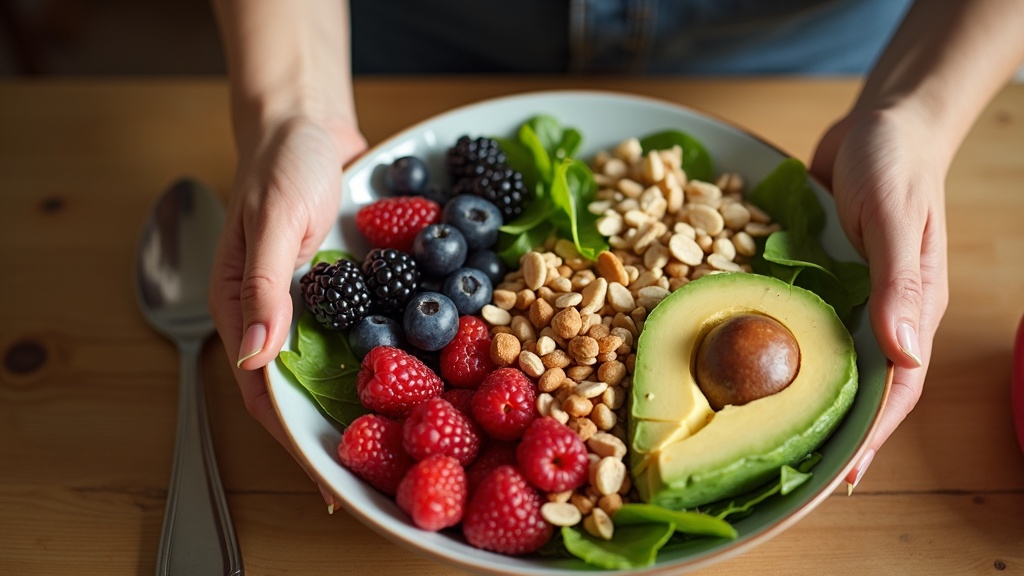
- Action: Try Greek yogurt with nuts and berries, or eggs with avocado. Eat the eggs or yogurt before you dive into the fruit.
2. Afternoon: The "Danger Zone" Snack
Most women experience a metabolic dip between 2:00 p.m. and 4:00 p.m. [9]. Don’t wait for the crash to happen.
- Strategy: Eat a protein-rich snack at 1:30 p.m.
- The Goal: 15–20g of protein + healthy fats.
- Examples: Two hard-boiled eggs, a turkey roll-up with cheese, or cottage cheese with seeds.
3. Evening: Prioritize Consistency
Irregular meal times disrupt your circadian rhythms, which are closely tied to insulin production [11].
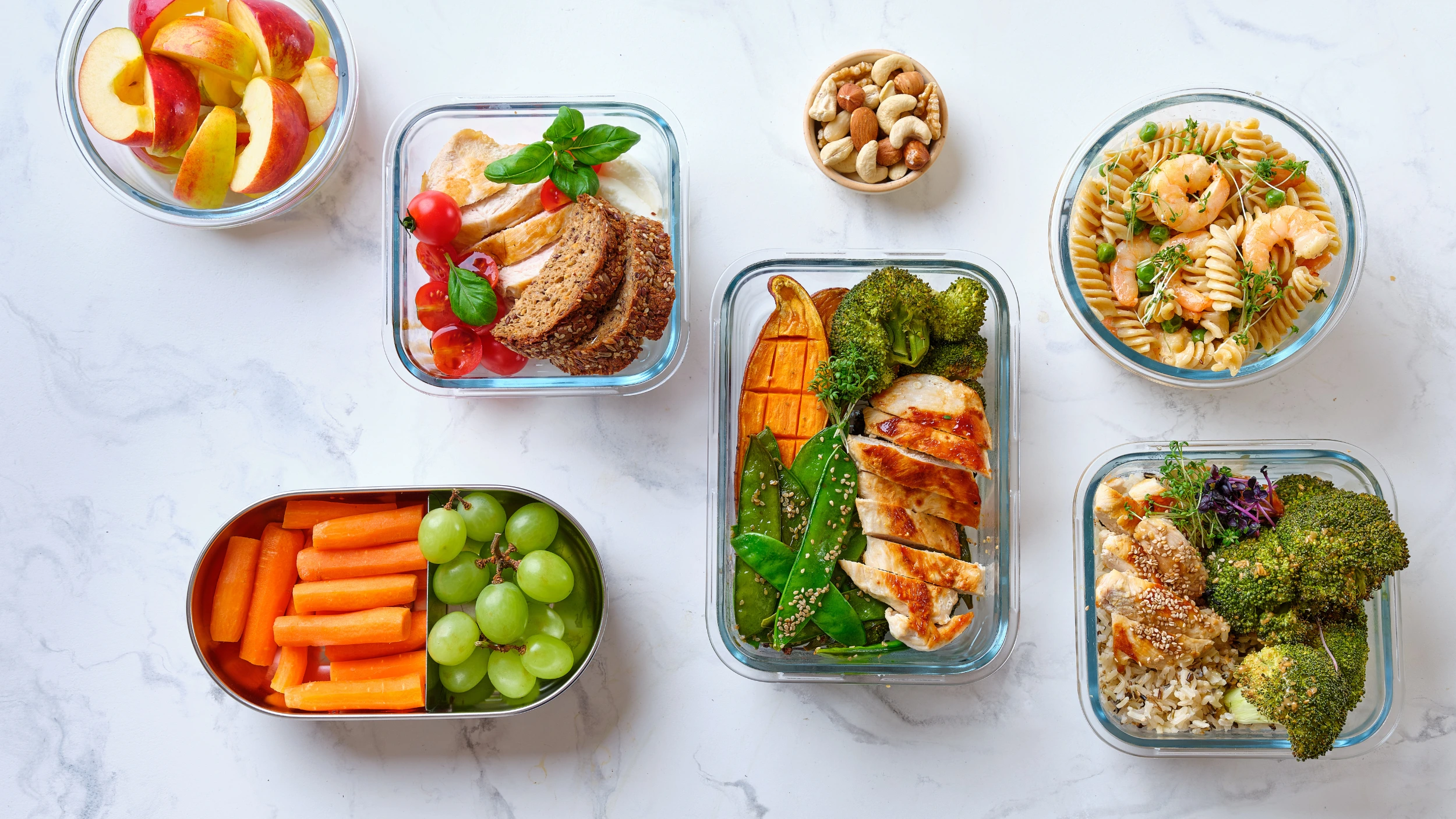
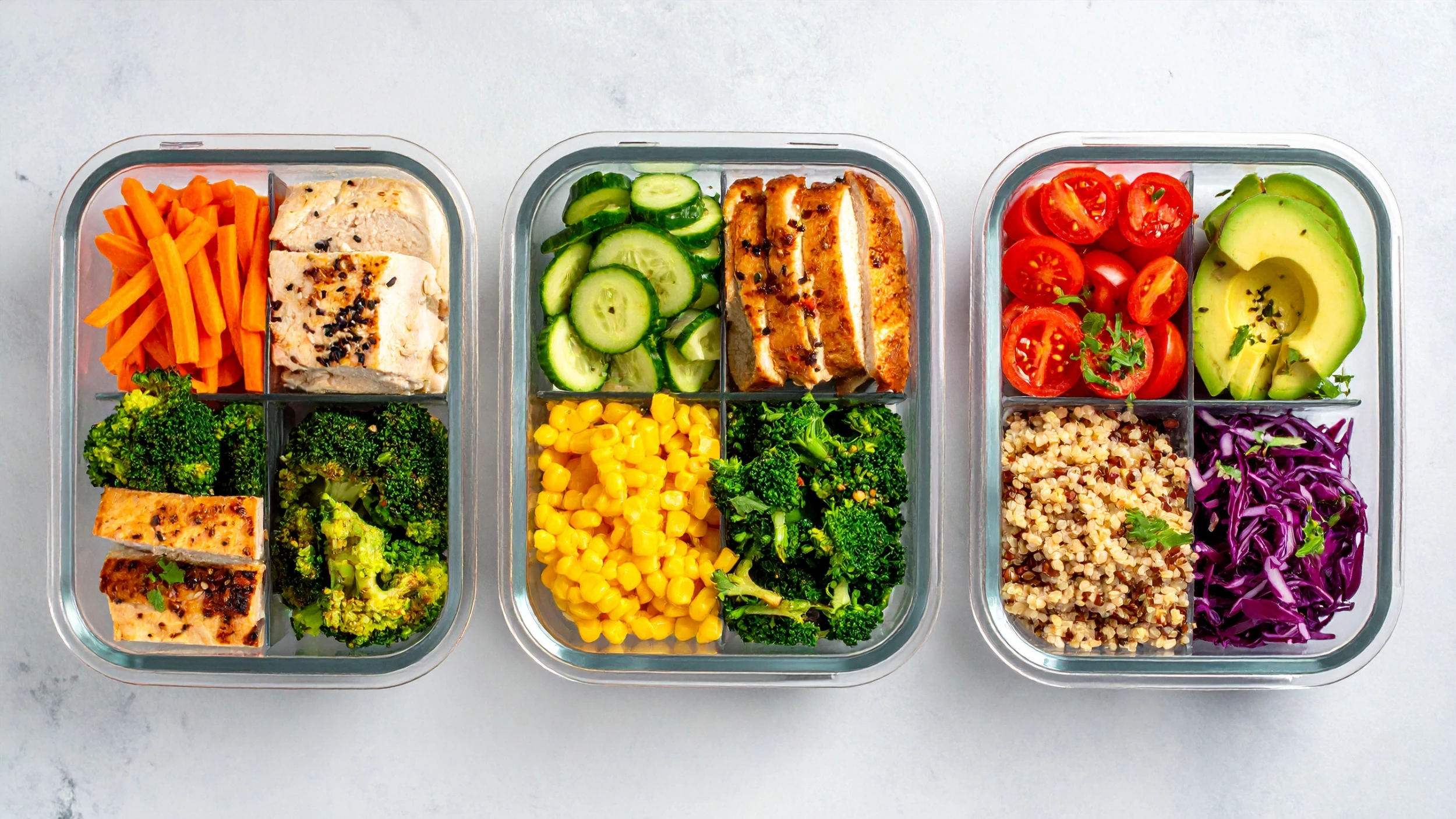
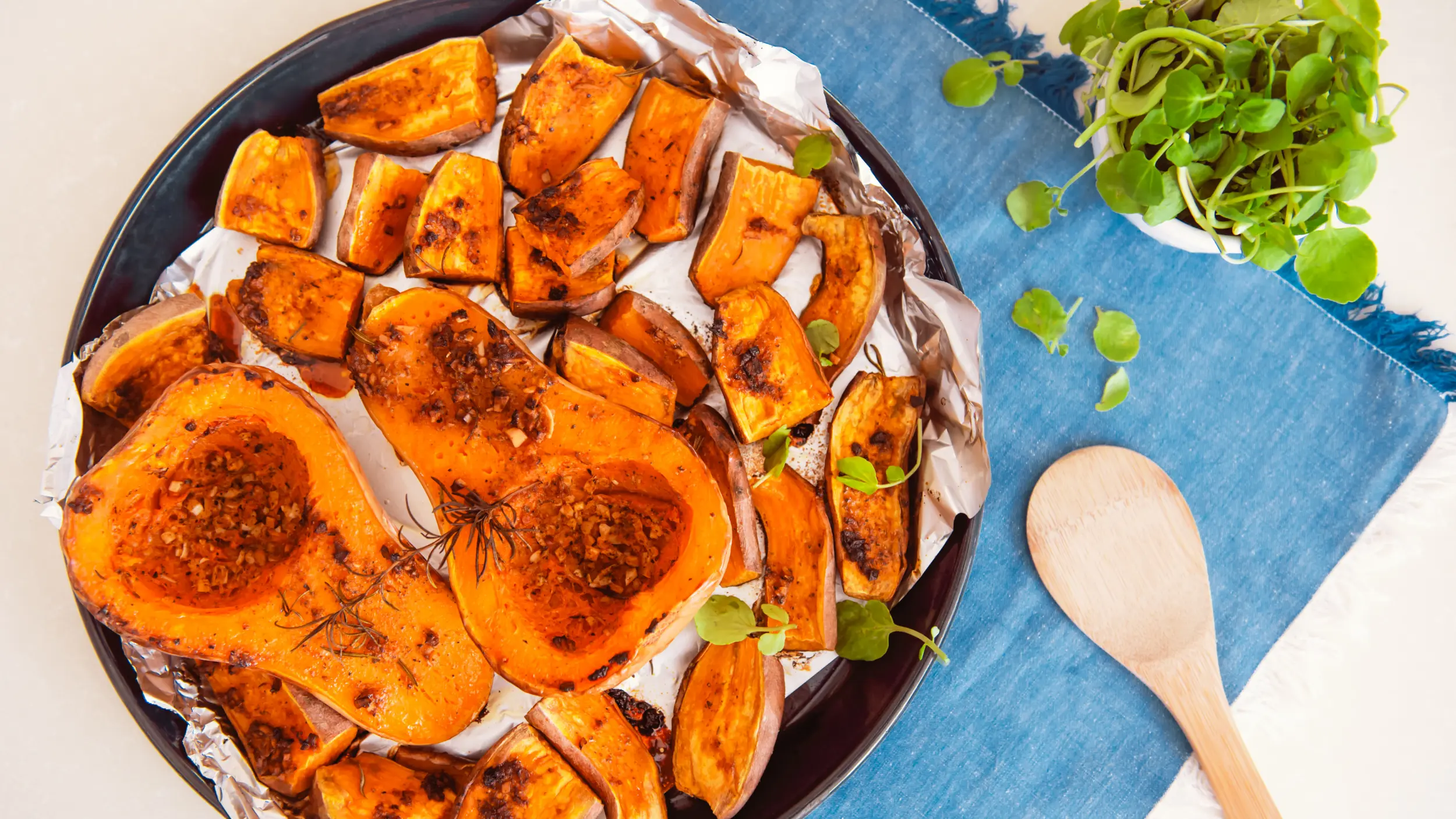
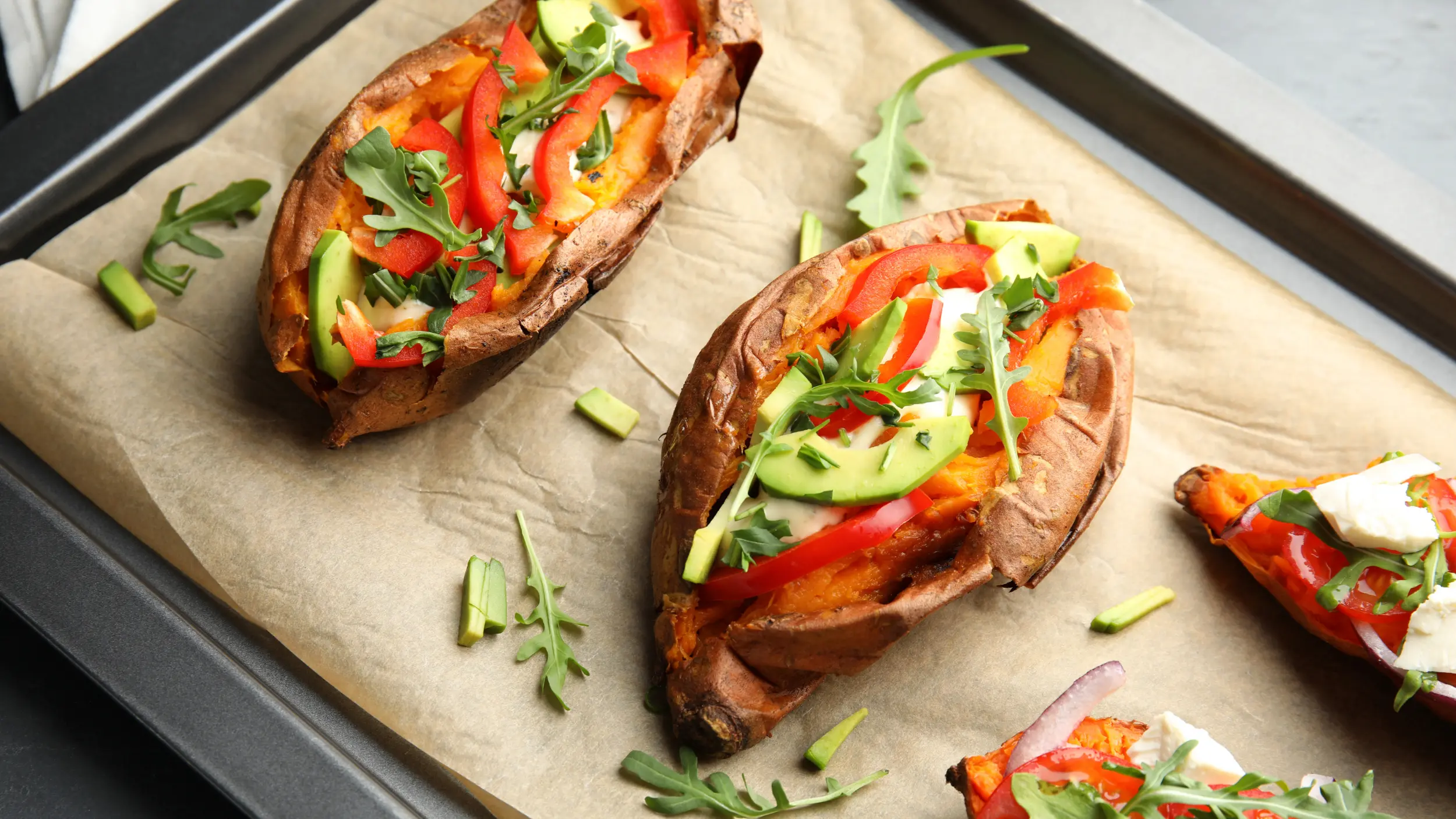
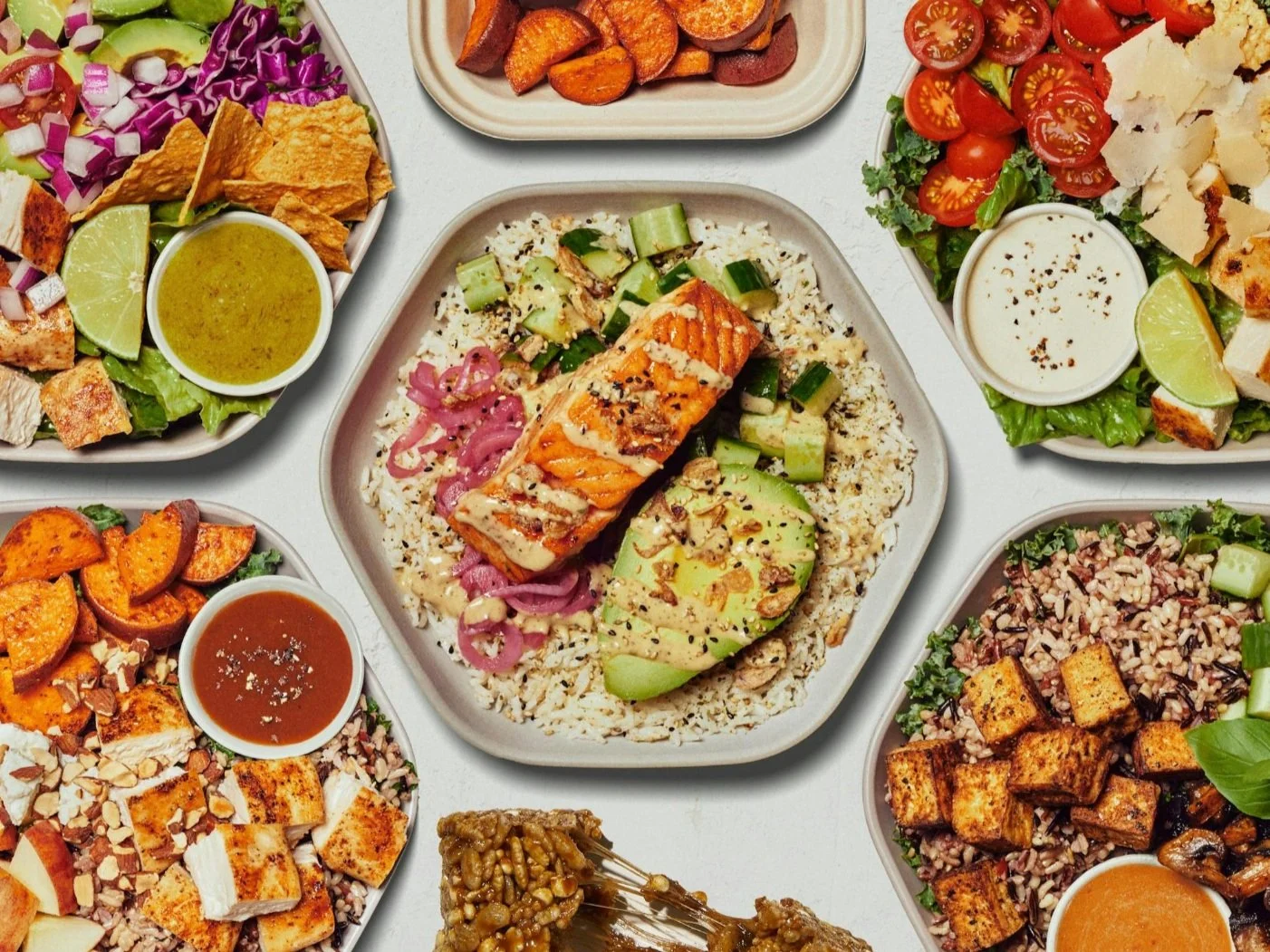
- Dinner Formula: Palm-sized protein + 2 cups of non-starchy vegetables + a small serving of complex carbs (like sweet potato or quinoa).
- The Order: Eat the fiber (veggies) first, then the protein, and the carbs last. This slows down the rate at which sugar enters your bloodstream.
Exercise: Stability Over Intensity
High-intensity interval training (HIIT) is popular, but if you’re already struggling with "blood sugar anxiety," it can backfire. Intense exercise in a fasted state spikes cortisol, which can leave you feeling shaky and anxious for hours afterward [12].
A better approach for metabolic stability:
- Strength Training: Muscle is your primary "glucose sink." The more muscle you have, the better your body manages sugar even at rest [13].
- The 15-Minute Rule: A 15-minute walk immediately after your largest meal is more effective at stabilizing blood sugar than a 45-minute morning cardio session [14].
The Fiber Factor: Your Secret Weapon
Fiber isn't just for digestion; it’s a metabolic buffer. Soluble fiber forms a gel-like substance that prevents glucose from hitting your system all at once [15].
Women consuming 25–30g of fiber daily show:
- Lower systemic inflammation (CRP levels).
- Reduced "afternoon slump" fatigue.
- Improved estrogen clearance, which helps balance mood across your menstrual cycle [17].
High-impact fiber sources to add:
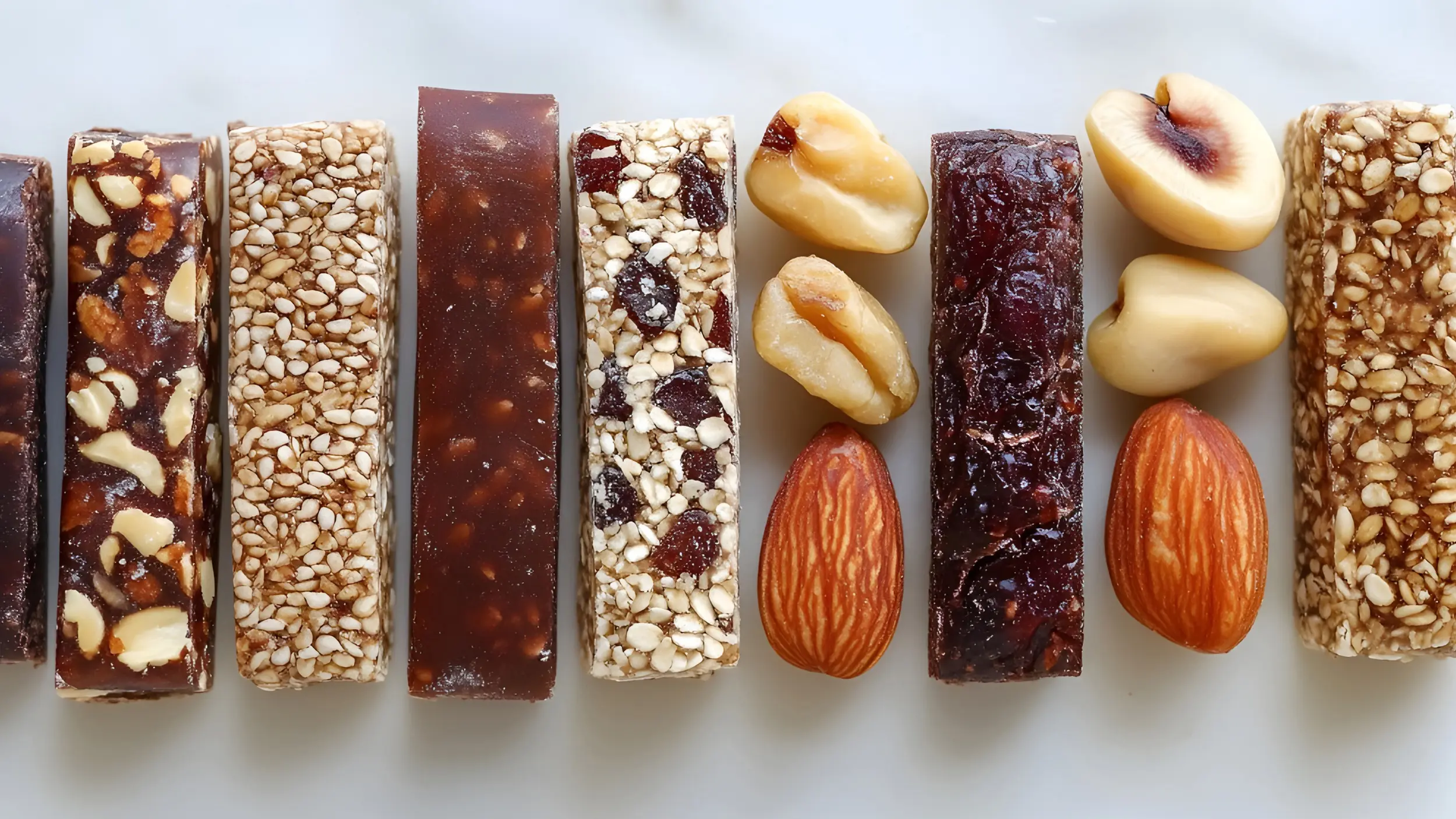
- Chia and Flaxseeds: 2 tbsp provides ~8–10g of fiber.
- Berries (Raspberries/Blackberries): Highest fiber-to-sugar ratio in fruit.
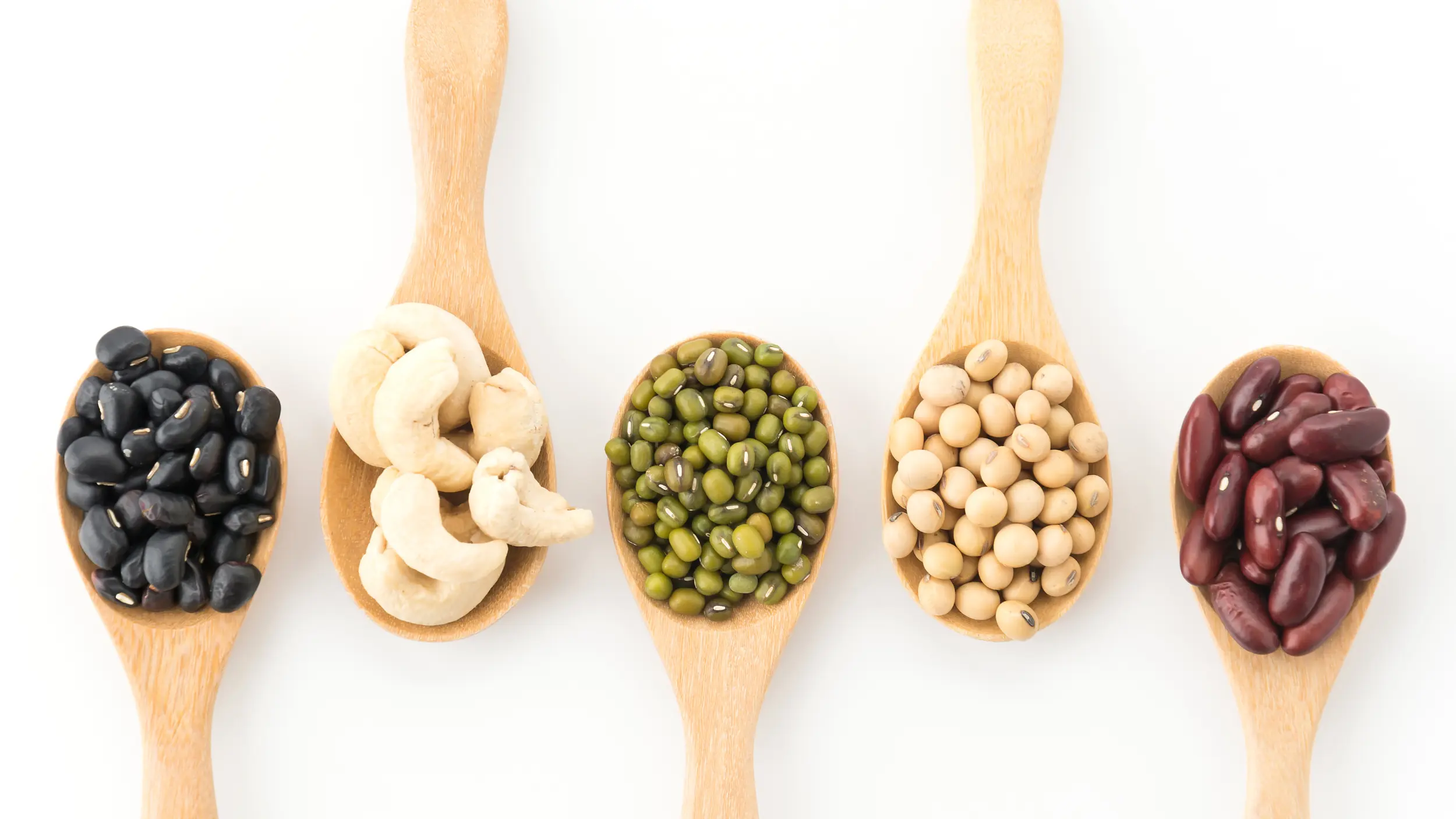
- Legumes: Lentils and chickpeas provide both fiber and protein.
When to Consult a Professional
If you need support, we recommend connecting with one of our Registered Dietitians (RD) for personalized support. It's typucally free covered unders your insurance. Every metabolism is unique, and an RD can help you:
- Identify hidden glucose triggers in your current routine.
- Tailor your macronutrient ratios to your specific activity level and cycle.
- Create a sustainable, stress-free fueling plan that fits your lifestyle.
If symptoms persist or worsen despite targeted nutritional interventions, we can then help you coordinate with your physician for more advanced metabolic screening, such as fasting insulin or HOMA-IR testing.
The Bottom Line
Your anxiety might not be "all in your head"—it may be a metabolic response to how your body is processing fuel. The 3:00 p.m. energy crash is often exacerbated by glucose swings that are entirely within your control to stabilize.
You don't need to be perfect; you just need to be strategic. Start by adding 30g of protein to your breakfast tomorrow. Your brain—and your mood—will thank you.
References
[1] https://www.ncbi.nlm.nih.gov/pmc/articles/PMC9763894/
[2] https://pubmed.ncbi.nlm.nih.gov/36847391/
[3] https://www.ncbi.nlm.nih.gov/pmc/articles/PMC8235064/
[4] https://pubmed.ncbi.nlm.nih.gov/38456132/
[5] https://www.ncbi.nlm.nih.gov/pmc/articles/PMC9918169/
[6] https://pubmed.ncbi.nlm.nih.gov/37845621/
[7] https://www.cell.com/cell-metabolism/fulltext/S1550-4131(24)00421-8
[8] https://www.ncbi.nlm.nih.gov/pmc/articles/PMC9137572/
[9] https://pubmed.ncbi.nlm.nih.gov/35678234/
[10] https://pubmed.ncbi.nlm.nih.gov/38923467/
[11] https://www.ncbi.nlm.nih.gov/pmc/articles/PMC9834712/
[12] https://pubmed.ncbi.nlm.nih.gov/36234567/
[13] https://www.ncbi.nlm.nih.gov/pmc/articles/PMC9456983/
[14] https://pubmed.ncbi.nlm.nih.gov/38167234/
[15] https://www.ncbi.nlm.nih.gov/pmc/articles/PMC8871922/
[16] https://pubmed.ncbi.nlm.nih.gov/37234891/
[17] https://www.ncbi.nlm.nih.gov/pmc/articles/PMC9567458/
[18] https://pubmed.ncbi.nlm.nih.gov/36789234/
[19] https://www.ncbi.nlm.nih.gov/pmc/articles/PMC9234567/
.svg)
.svg)



.jpg)
.jpg)


















.webp)




























.webp)
.webp)
.webp)
.webp)
.webp)
.webp)
.webp)
.png)
.webp)
.webp)

.webp)
.png)
.webp)
.webp)
.webp)
.webp)
.webp)
.webp)
.webp)
.webp)
.webp)


.png)