.webp)

%2B(7).webp)
.png)
A registered dietitian (RD) is a healthcare professional with a graduate degree, over 1,000 hours of supervised training, and a national board certification who specializes in using food and nutrition to prevent and manage medical conditions. They provide medical nutrition therapy for conditions like diabetes, heart disease, PCOS, and digestive disorders, and their services are often covered by insurance. Many RDs now practice via telehealth, making personalized nutrition care more accessible than ever.
What Is a Registered Dietitian?
A registered dietitian is a credentialed healthcare professional who specializes in nutrition assessment, meal planning, and medical nutrition therapy to help people meet their health goals. You can recognize one by the letters after their name: RD (registered dietitian) or RDN (registered dietitian nutritionist). Both credentials mean the same thing.
The requirements to become an RD are substantial. As of January 1, 2024, all dietetics students must hold a master’s degree to qualify for their board examination in the United States. Before sitting for that national exam, they must complete over 1,000 hours of supervised clinical training through an accredited program. Many states also require a separate license, indicated by “LD” (licensed dietitian) after their name.
This level of training matters because it separates registered dietitians from the broad, unregulated category of “nutritionists,” a distinction that directly affects the quality of care you receive.
What a Registered Dietitian Does: Core Responsibilities
So what does a registered dietitian do on a daily basis? The scope is wider than most people expect. According to the Bureau of Labor Statistics, dietitians and nutritionists evaluate client health through nutrition assessment and diagnostic laboratory testing, then advise on behavior modifications and intervention plans, including which foods to eat and which to avoid.
Here’s what that looks like in practice:
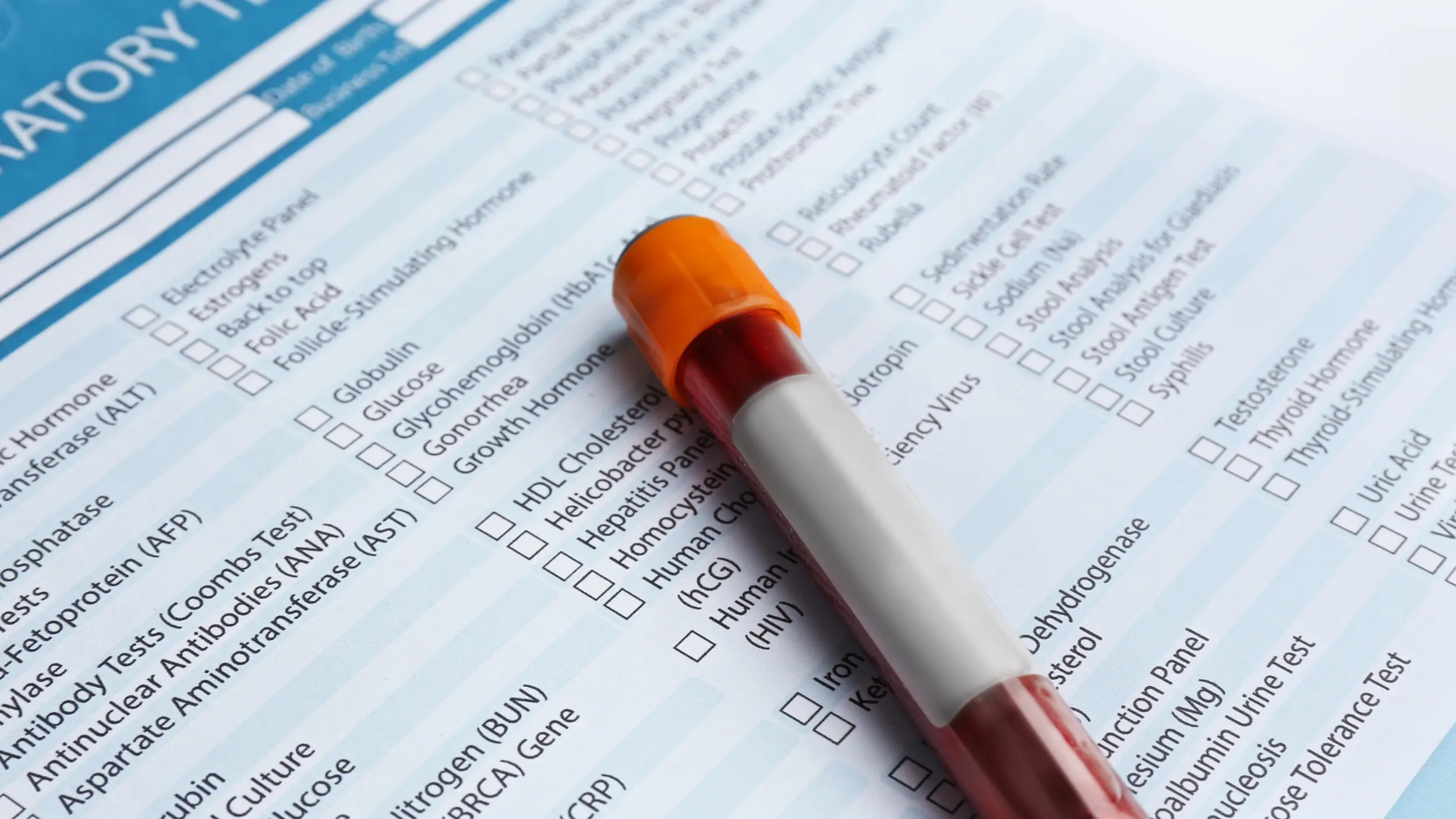
Nutrition assessment. An RD reviews your lab work, medical history, current medications, eating patterns, and lifestyle factors. This isn’t a surface-level conversation. They’re looking at the full clinical picture, including biomarkers like blood glucose, lipid panels, and inflammatory markers.
Personalized nutrition plans. Based on their assessment, RDs create individualized eating strategies. These aren’t generic meal plans pulled from a template. They account for your medical conditions, food preferences, cultural background, and daily routine. For guidance on building one specific approach, see this high-protein diet guide.
Behavioral counseling. Changing what you eat is partly a knowledge problem, but mostly a behavior problem. RDs are trained in motivational interviewing and habit-change techniques that help you stick with your plan long term.
Chronic disease management. This is where registered dietitians have their biggest clinical impact. They work with patients managing diabetes, heart disease, kidney disease, PCOS, digestive disorders, and more.
Follow-up and progress tracking. RDs don’t just hand you a plan and send you on your way. They schedule regular follow-ups (often weekly or biweekly) to review progress, troubleshoot obstacles, and adjust the plan as your body responds.
Medical Nutrition Therapy: The Clinical Service RDs Provide
Medical nutrition therapy (MNT) is the formal, evidence-based treatment that sets registered dietitians apart from wellness coaches and self-proclaimed nutrition experts. MNT uses nutrition education and behavioral counseling to prevent or manage medical conditions, and it follows a structured four-step process called the Nutrition Care Process:
- Nutrition assessment — gathering clinical, dietary, and lifestyle data
- Nutrition diagnosis — identifying the specific nutrition problem
- Intervention — designing concrete dietary changes
- Monitoring and evaluation — tracking outcomes over follow-up visits
The research supporting MNT is strong. For people with type 2 diabetes, MNT delivered by a registered dietitian is associated with hemoglobin A1C decreases of 0.5% to 2%, according to the CDC’s diabetes toolkit. That’s a clinically meaningful reduction that can change the trajectory of the disease.
For cholesterol management, the evidence is equally compelling. A systematic review found that 3 to 6 MNT visits with a dietitian produced significant improvements: total cholesterol dropped by 4.64 to 20.84 mg/dl, LDL cholesterol by 1.55 to 11.56 mg/dl, and triglycerides by 15.9 to 32.55 mg/dl compared to usual care.
The distinction between MNT and generic “nutrition education” is important. MNT is a reimbursable medical service tied to specific diagnoses. It requires clinical reasoning, lab interpretation, and ongoing adjustment. Nutrition education, by contrast, is general information about healthy eating. Both have value, but only MNT treats medical conditions.
If you’re dealing with metabolic challenges like weight-loss plateaus or insulin resistance, an RD trained in MNT can address the underlying metabolic factors that generic diets ignore.
Registered Dietitian vs. Nutritionist: Key Differences
This is the single most common source of confusion, and it has real consequences for your health and your wallet.
The simplest way to understand it: all dietitians are nutritionists, but not all nutritionists are dietitians. The Academy of Nutrition and Dietetics puts it bluntly: there is no specific, standardized meaning for “nutritionist.” Anyone can call themselves a nutritionist, and unqualified health care recommendations can cause people harm.
Only RDs and RDNs can bill insurance for nutrition services, since this requires licensure and a national provider identification number. When you see a self-described “nutritionist” who can’t bill insurance, that’s a signal they may lack the clinical training to safely manage medical conditions.
This matters most when you’re dealing with a health condition. Diabetes management, renal nutrition, eating disorder recovery, these require clinical expertise, not just enthusiasm about healthy eating.
To see the credentials of practicing RDNs, you can browse Vedic’s dietitian team, where every provider holds the RD or RDN credential.
Conditions a Registered Dietitian Can Help With
Understanding what a registered dietitian does becomes clearer when you look at the specific conditions they treat. Here are the most common ones:
Diabetes and Prediabetes
Diabetes nutrition counseling has the strongest evidence base of any MNT application. RDs help manage blood sugar through carbohydrate awareness, meal timing, and food choices tailored to your glucose response. For people with prediabetes, early intervention with an RD can delay or prevent progression to type 2 diabetes. If you’re looking for practical food ideas, check out this guide to smart snacks for diabetics.
Weight Management and Metabolic Health
RDs approach weight management differently than most diet programs. Instead of calorie restriction alone, they address metabolic adaptation, hormonal drivers, and insulin resistance. This root-cause approach leads to more sustainable outcomes than repeated cycles of restrictive dieting.
PCOS
Polycystic ovary syndrome involves insulin resistance, inflammation, and hormonal imbalances that all respond to targeted nutrition. RDs specializing in PCOS create anti-inflammatory, protein-forward plans that address the metabolic drivers of symptoms. For a concrete example, see this 7-day PCOS diet plan.
IBS and Digestive Disorders
Elimination protocols like the low-FODMAP diet require careful clinical guidance to execute safely. An RD walks you through elimination and reintroduction phases, ensuring you identify triggers without unnecessarily restricting your diet.
Heart Disease and High Cholesterol
RDs implement evidence-based frameworks like the DASH diet and Mediterranean eating patterns to manage blood pressure and lipid levels. The cholesterol reduction data cited earlier (from just 3 to 6 visits) shows how quickly targeted MNT can move the needle. For practical meal ideas, here’s a collection of heart-healthy breakfast recipes.
GLP-1 Medication Support
This is a rapidly growing area of dietitian practice. Patients on medications like Wegovy, Zepbound, and Ozempic face specific nutritional challenges: nausea management, maintaining adequate protein intake, and preserving muscle mass during rapid weight loss. RDs provide GLP-1 companion care that addresses these needs, working alongside prescribing physicians to optimize outcomes.
Pregnancy and Postpartum Nutrition
Gestational diabetes, adequate nutrient intake during pregnancy, and postpartum recovery all benefit from RD guidance. Prenatal nutrition counseling can reduce complications and support healthy fetal development.
Eating Disorders
RDs with specialized training work as part of treatment teams for anorexia, bulimia, binge eating disorder, and other disordered eating patterns. This requires behavioral counseling skills beyond standard MNT.
What to Expect at Your First Appointment
Knowing what a registered dietitian does in theory is one thing. Knowing what your actual visit will look like reduces anxiety and helps you show up prepared.
Your first appointment typically lasts about an hour. During this session, your dietitian will ask detailed questions about your medical history, weight history, current medications, eating habits, and daily routine. They may also review recent bloodwork and make recommendations based on those values.
One concern that comes up frequently on practitioner blogs and patient forums deserves attention: many people worry that seeing a dietitian means signing up for an hour-long lecture about everything they’re doing wrong with food. Practicing RDs are blunt about this. They are not the “food police.” You won’t be told to banish your favorite foods. Instead, you’ll learn how to build a more balanced approach to eating that actually fits your life.
After the deep dive into your history and labs, the dietitian will talk about your goals and work with you to develop a personalized, sustainable eating plan. This plan respects your food preferences, cultural background, and schedule.
Follow-up visits are shorter (typically 30 minutes) and happen on a regular cadence, often weekly or biweekly. These check-ins are where the real progress happens, because they provide accountability, troubleshooting, and ongoing adjustments as your body responds.
How Telehealth Has Changed Dietitian Care
The shift to telehealth nutrition services has been dramatic. Before the COVID-19 pandemic, only about 37% of clinical nutritionists provided care through telehealth. During the pandemic, that number jumped to 78%. And the trend stuck, because the outcomes backed it up.
A systematic review and meta-analysis found that telenutrition for patients with chronic disease improved diet quality and dietary adherence compared to face-to-face counseling. Research also shows that increasing the frequency of dietitian-patient contact through telehealth meaningfully improves cardiometabolic outcomes without imposing additional burden on healthcare resources.
The HHS outlines specific patient benefits of telehealth dietitian services:
- Increased access, especially in areas with limited health professionals
- Promotion of preventive care and healthy lifestyle habits
- Enhanced chronic disease management
- Increased convenience and flexibility
- Reduced barriers related to transportation or mobility challenges
Virtual visits also reduce no-show rates and increase retention, both of which directly affect long-term outcomes.
For people in Texas who want insurance-covered telehealth nutrition care, Vedic Nutrition offers virtual visits with licensed RDNs statewide, with benefits verification before your first appointment so there are no billing surprises.
Does Insurance Cover a Registered Dietitian?
Cost is the biggest barrier to seeing an RD, and the good news is that most people with commercial insurance have coverage they don’t know about.
Under the Affordable Care Act, nutrition counseling is available to adults at risk for chronic diseases through ACA-compliant private insurance plans, with no copayment required. This means if you have a qualifying condition (or risk factors for one), preventive nutrition counseling is a covered benefit.
Common insurance requirements include:
- A doctor referral or prescription (not always required, but common)
- Pre-authorization from your insurer
- A covered diagnosis (diabetes, heart disease, kidney disease, obesity, eating disorders, and others)
- Session limits (often 3 to 10 sessions per year, though many plans cover more)
- Using an in-network provider
Medicare coverage: Medicare Part B covers medical nutrition therapy services with 3 hours for initial coverage and 2 hours of follow-up services each calendar year after that.
The practical reality for many people with commercial insurance is $0 out of pocket. Vedic Nutrition reports that 95% of their clients pay nothing out of pocket when their insurance covers the visits. They verify your benefits before your first appointment, so you know exactly what to expect. If you’re uninsured or out of network, a transparent cash option of $100 per session is available.
If you’re curious whether your plan covers dietitian visits, you can check your benefits through Vedic’s sign-up process before committing to anything.
How to Find and Choose a Registered Dietitian
Not all RDs are the same, and finding the right match matters for your outcomes. Here’s what to look for:
Verify credentials. Look for the RD or RDN designation. If a provider only calls themselves a “nutritionist” without those letters, they haven’t met the same training standards.
Match specialties to your needs. RDs can hold additional certifications in areas like diabetes education (CDCES), sports nutrition, renal nutrition, oncology, gerontology, and pediatrics. If you have a specific condition, find someone who specializes in it.
Confirm insurance coverage. Before booking, verify that the dietitian is in-network with your plan. This single step prevents surprise bills.
Consider cultural and language fit. Nutrition is deeply tied to culture. Meal plans that ignore your food traditions won’t stick. If you eat Latin, South Asian, or any culturally specific cuisine, find an RD who understands those foods. Bilingual providers (for example, Spanish-speaking RDNs) can make a significant difference in care quality and adherence.
Check telehealth availability. If you value convenience or live in an area without nearby RDs, look for providers who offer virtual visits.
FAQ
Is a dietitian the same as a nutritionist?
No. A registered dietitian (RD/RDN) has a master’s degree, over 1,000 hours of supervised clinical training, and has passed a national board exam. The title “nutritionist” is not legally protected in most states, meaning anyone can use it regardless of training. Only RDs/RDNs can bill insurance and provide medical nutrition therapy.
Can a dietitian prescribe medication?
No. Registered dietitians do not prescribe medications. They work alongside physicians and other prescribers to optimize nutrition alongside medical treatment. For example, an RD might coordinate with a doctor who prescribes a GLP-1 medication while the RD manages the dietary side of care.
Do I need a referral to see a registered dietitian?
It depends on your insurance plan. Some plans require a physician referral or prescription for coverage, while others allow self-referral. Many telehealth RD practices handle the referral process for you as part of intake.
How many visits will I need?
This varies by condition and goals. A typical care journey involves an initial 60-minute assessment followed by weekly or biweekly 30-minute follow-ups. For chronic conditions like diabetes or PCOS, ongoing care over several months produces the best outcomes. Research shows that 3 to 6 MNT visits can produce measurable improvements in cholesterol and blood sugar.
Can I see a dietitian online?
Yes. Telehealth dietitian services have expanded significantly, and research shows virtual nutrition counseling matches or exceeds in-person care for dietary adherence and chronic disease outcomes. Most major insurance plans now cover telehealth dietitian visits.
What does a registered dietitian do differently than a diet app or meal plan service?
An RD provides clinical-grade, personalized care. They interpret lab work, diagnose nutrition problems, adjust plans based on your body’s response, and provide behavioral counseling. Diet apps offer general tracking and templates but can’t account for medical conditions, medication interactions, or individual metabolic factors.
Does insurance really cover dietitian visits at $0?
For many people with commercial insurance, yes. The ACA requires coverage of preventive nutrition counseling for at-risk adults with no copay. Coverage specifics depend on your plan, diagnosis, and whether the provider is in-network. The most reliable way to find out is to verify your benefits before booking.
What should I bring to my first dietitian appointment?
Bring any recent lab results (blood glucose, lipid panels, thyroid panels), a list of current medications and supplements, and an honest picture of your typical eating patterns. You don’t need to “clean up” your diet before the visit. RDs need accurate information to build a plan that works.
.svg)
.svg)






.jpg)
.jpg)






















.webp)


































.webp)
.webp)
.webp)
.webp)
.webp)
.webp)
.webp)
.png)
.webp)
.webp)

.webp)
.png)
.webp)
.webp)
.webp)
.webp)
.webp)
.webp)
.webp)
.webp)
.webp)


.webp)
.png)