.webp)
.webp)
%2B(7).webp)
.png)
Good snacks for diabetics follow a simple formula: pair a carbohydrate with protein, healthy fat, or fiber to slow digestion and prevent blood sugar spikes. Aim for 15 to 30 grams of carbs and at least 5 to 7 grams of protein per snack. The best options include nuts, Greek yogurt, hard-boiled eggs, vegetables with hummus, cheese, and low-glycemic fruits paired with nut butter. Individual needs vary based on medications, activity, and blood sugar patterns, so working with a registered dietitian ensures the plan fits your life.
An estimated 40.1 million Americans have diagnosed or undiagnosed diabetes, and another 115.2 million adults have prediabetes, according to the CDC’s National Diabetes Statistics Report. For many of these people, snacking is a source of anxiety. What’s safe? What will spike blood sugar? How much is too much?
The truth is that strategic snacking helps maintain stable blood sugar between meals. The problem isn’t snacking itself. It’s snacking without a plan.
This guide works differently from a typical list of diabetic-friendly snacks. It defines the key terms you’ll encounter in diabetes nutrition, explains the science behind each concept in plain language, and pairs every definition with specific foods, portions, and real-world pairings. Think of it as a reference you can return to while grocery shopping, meal prepping, or reading nutrition labels.
Individual needs vary by medication, activity level, and blood sugar patterns. For personalized guidance, working with a registered dietitian is the most reliable path to a snack plan that actually fits your life.
Core Concepts Every Diabetic Snacker Should Know
Before picking specific foods, understanding a few foundational terms makes everything else click. These aren’t just vocabulary words. They’re the reasoning behind every snack recommendation on this page.
Blood Sugar (Blood Glucose)
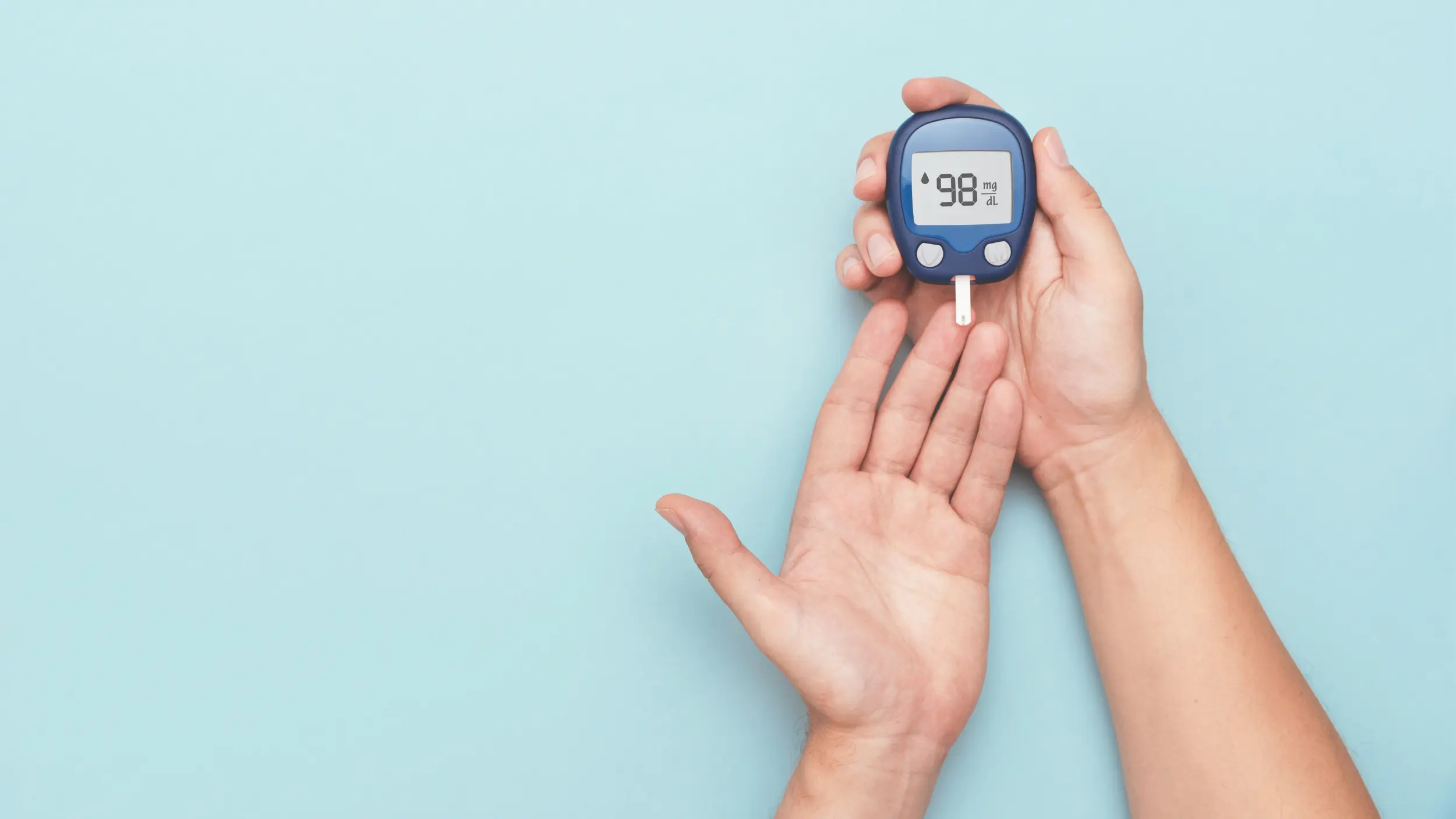
Blood sugar refers to the concentration of glucose circulating in your bloodstream. Glucose comes primarily from the carbohydrates you eat, and insulin (a hormone from the pancreas) helps move that glucose into cells for energy.
Why it matters for snacking: every food choice directly affects blood sugar levels. People with diabetes need snacks that produce gradual, moderate rises rather than sharp spikes followed by crashes. The entire point of choosing good snacks for diabetics is controlling this curve.
Glycemic Index (GI)
The glycemic index is a scale from 0 to 100 that ranks how quickly a food raises blood sugar compared to pure glucose (which scores 100).
- Low GI: 55 or below
- Medium GI: 56 to 69
- High GI: 70 or above
Practical application: low-GI snacks (nuts, most whole fruits with skin, non-starchy vegetables) raise blood sugar slowly. High-GI snacks (white crackers, pretzels, candy) cause rapid spikes. When scanning the snack aisle, low GI is the general target.
Glycemic Load (GL)
Glycemic load builds on the glycemic index by factoring in portion size. This gives a more realistic picture of how a food actually affects your blood sugar in the amount you’d normally eat.
- Low GL: 10 or below (minimal blood sugar impact)
- Medium GL: 11 to 19
- High GL: 20 or above (significant impact)
Here’s why this matters: watermelon has a high GI (around 76), which scares many people with diabetes away from it. But a typical serving of watermelon is mostly water with relatively few carbs, giving it a low GL of about 4. Dexcom’s clinical guide on glycemic index and load explains this distinction well. GL is the more useful metric for real-world snack decisions.
Carbohydrate Counting (Carb Counting)
Carb counting means tracking the grams of carbohydrate you consume to manage blood sugar. The CDC defines one “carb choice” as approximately 15 grams of carbohydrates.
For snacks specifically, standard carbohydrate-controlled meal plans allot 15 to 30 grams of carbohydrate per snack. Some dietitians narrow that further, recommending 15 to 20 grams paired with at least 5 to 7 grams of protein.
Carb counting is especially central to managing gestational diabetes during pregnancy, where carb distribution across meals and snacks needs to be carefully structured.
Net Carbs
Net carbs equal total carbohydrates minus fiber (and sometimes sugar alcohols). Because fiber doesn’t spike blood sugar, net carbs can give a better picture of actual glycemic impact.
A word of caution: not all nutrition labels display net carbs. Always start with total carbohydrates on the label, then look at fiber separately. Net carbs is a useful mental calculation, not a replacement for reading the full label.
Postprandial Blood Sugar
Postprandial blood sugar is your blood glucose level after eating, typically measured one to two hours after a meal or snack. The goal of smart snack pairing is to minimize these post-meal spikes. If you use a continuous glucose monitor, watching the postprandial curve after different snacks teaches you exactly how your body responds.
Insulin Resistance
Insulin resistance happens when your cells stop responding efficiently to insulin, forcing the pancreas to produce more of it to move glucose from the bloodstream into cells. Over time, this wears down the system and drives blood sugar higher.
The connection to snacking is straightforward: choosing snacks that don’t trigger large insulin surges helps manage insulin resistance over time. Foods high in refined carbs and added sugar demand the most insulin. Snacks built around protein, fiber, and healthy fats demand the least.
For a deeper look at how metabolic function can be improved through dietary strategy, the metabolic reset guide covers this topic in detail.
The Balanced Snack Formula
Knowing which individual foods are diabetes-friendly is useful. Knowing the formula behind choosing any snack, even ones not on this list, is more useful. This section explains the framework.
The “Always Pair” Rule
The single most important snacking rule for people with diabetes: never eat a carbohydrate alone. A carbohydrate eaten solo is sometimes called a “lonely carb” or “naked carb,” and it’s the fastest route to a blood sugar spike.
As Cleveland Clinic dietitian Emma Rueth puts it: “Always pair a carb with a protein or fat. For example, don’t just have an apple, have an apple with peanut butter or cheese.”
Why does pairing work? Protein, fat, and fiber all slow carbohydrate digestion and glucose absorption. Instead of a sharp spike, you get a gradual rise and a more stable energy level afterward.
Examples of lonely carbs to avoid: crackers by themselves, a banana on its own, a glass of juice, a bag of pretzels. The fix is always the same. Add a protein or fat partner.
Practitioners on Reddit frequently mention that recognizing “lonely carbs” was the single biggest turning point in managing their blood sugar between meals. The concept is simple, but its effect is dramatic.
If you find yourself constantly thinking about food or fighting cravings between meals, the food noise phenomenon may be part of what’s driving poor snack choices.
Protein
Protein slows digestion, promotes satiety, and stabilizes blood sugar. It’s the most important macronutrient in a diabetes-friendly snack.
Snack protein targets:
- General: at least 5 to 7 grams per snack
- For people on GLP-1 medications: 15 to 20 grams per snack (more on this later)
Top snack protein sources: Greek yogurt, hard-boiled eggs, string cheese, nuts, nut butters, cottage cheese, turkey or meat roll-ups, canned tuna, roasted chickpeas, edamame.
Research on why protein drives satiety suggests the body actively seeks a certain amount of protein each day. Snacks that contribute meaningfully to that goal help reduce overall calorie intake and cravings.
Fiber
Fiber is a type of carbohydrate the body can’t fully digest, which means it doesn’t cause blood sugar spikes the way starches and sugars do. There are two types relevant to snacking:
Soluble fiber forms a gel-like substance in the gut that slows sugar absorption. Found in oats, beans, apples, berries, and chia seeds.
Insoluble fiber adds bulk and supports digestive health. Found in vegetables, whole grains, nuts, and seeds.
Aim for 3 to 5 grams of fiber per snack. Research published in the journal Nutrients found that viscous fiber at an average dose of about 13 grams per day reduced HbA1c, fasting glucose, and insulin resistance compared to control groups. A study cited by the Joslin Diabetes Center found that people with diabetes who ate 50 grams of fiber daily managed their glucose levels more easily than those who ate less.
Healthy Fats
Healthy fats (unsaturated fats) slow digestion and support heart health, which is critical because people with diabetes face elevated cardiovascular risk.
Top snack sources: nuts, seeds, avocado, olive oil, nut butters.
Portion note: fats are calorie-dense. Keep to appropriate serving sizes, roughly 1/4 cup of nuts or 1 to 2 tablespoons of nut butter per snack. Cleveland Clinic recommends keeping total snack calories under 200.
The Best Snack Categories for Diabetics
This section covers specific food groups that consistently make the list of good snacks for diabetics. Each entry explains why the food works, gives specific options, and includes portion guidance.
Nuts and Seeds
Why they work: Rich in protein, healthy fats, and fiber. This triple combination slows glucose absorption and keeps you full longer.
Best picks: Almonds, walnuts, pistachios, pecans, pumpkin seeds, chia seeds, flaxseeds.
Portion: About 1 ounce (1/4 cup, or a palm-sized handful).
The evidence: A study of 379,310 participants found that nut consumption of 5 or more servings per week was associated with lower insulin resistance compared to less than one serving per month. Research from the Almond Board of California showed that eating 20 grams of almonds 30 minutes before a glucose load significantly decreased blood sugar levels in people with prediabetes.
Quick combos: A small handful of almonds with a few dried tart cherries. Trail mix made with walnuts, pumpkin seeds, and a tablespoon of dark chocolate chips (watch the portion).
Fresh Fruits (Low GI)
Why they work: Whole fruits contain fiber that slows sugar absorption, plus vitamins and antioxidants. The key word is “whole.” Fruit juice is a different story entirely.
Best picks: Berries (strawberries, blueberries, raspberries), apples, pears, cherries, citrus fruits (oranges, grapefruit).
Always pair with protein: Apple slices with peanut butter. Berries with Greek yogurt. A small pear with a few slices of cheese.
Myth worth busting: “Fruit is bad for diabetics” comes up constantly in online diabetes communities. Whole fruit in appropriate portions is healthy and recommended by the American Diabetes Association. Fruit juice, which strips out the fiber and concentrates the sugar, is the actual problem.
Non-Starchy Vegetables
Why they work: Extremely low in carbs and calories, high in fiber, and packed with vitamins and minerals. You’d have to eat an unrealistic amount for them to meaningfully raise blood sugar.
Best picks: Carrots, celery, cucumber, bell peppers, broccoli, cherry tomatoes, snap peas, radishes.
Best pairings: Vegetables with hummus, vegetables with guacamole, celery with nut butter, bell pepper strips with cream cheese.
Non-starchy vegetables are arguably the most forgiving snack category for people with diabetes. If you’re unsure about a snack, adding more vegetables to it rarely hurts.
Greek Yogurt
Why it works: High in protein (roughly 15 to 20 grams per cup for plain varieties), relatively low in carbs if you choose unsweetened, and contains probiotics that support gut health.
The evidence: An analysis of 11 studies found that eating yogurt regularly can lower the risk of type 2 diabetes by as much as 14%.
Tips: Avoid flavored varieties, which are loaded with added sugar. Buy plain, unsweetened Greek yogurt and add your own berries and a sprinkle of nuts or seeds. This way you control exactly how much sweetness goes in.
Hard-Boiled Eggs
Why they work: Zero carbs, about 6 grams of protein per egg, and completely portable. They’re one of the simplest good snacks for diabetics who need something they can grab from the fridge in 10 seconds.
Pairing ideas: Two hard-boiled eggs with a small piece of fruit. An egg sprinkled with everything bagel seasoning alongside some cherry tomatoes.
Whole Grains
Why they work: Fiber slows carb digestion, and whole grains contain more nutrients than their refined counterparts.
Best picks: Whole-grain crackers with cheese, air-popped popcorn (3 cups equals roughly 18 grams of carbs and counts as a whole grain), oatmeal, whole-grain toast.
What to avoid: Refined flour crackers, white bread, flavored microwave popcorn (often loaded with sodium and artificial flavors). Always check that “whole grain” or “whole wheat” is the first ingredient on the label.
Cheese
Why it works: Protein plus fat with minimal carbs. Cheese is a convenient, portable option that pairs well with almost anything.
Best picks: String cheese, cottage cheese, cheese cubes, mini babybel rounds.
Pairings: Whole-grain crackers with cheese slices. Apple slices with sharp cheddar. Cottage cheese with berries.
Legumes and Hummus
Why they work: The plant-based protein and fiber combination in legumes makes them natural blood sugar stabilizers.
Best picks: Hummus with vegetables, roasted chickpeas (great crunchy alternative to chips), edamame.
Cultural relevance: Black beans, pinto beans, lentils, and chickpeas are staples across many food traditions. The CDC notes that pinto and black beans are common in Hispanic and Latin dishes, while lentils and chickpeas feature prominently in traditional Indian meals. All are excellent diabetes-friendly options. No culture’s food is off-limits. It’s about portions and pairings.
Nut Butters
Why they work: Protein and healthy fat in a versatile form that pairs with almost anything.
Best picks: Natural peanut butter, almond butter (look for varieties with no added sugar or oils, just nuts and salt).
Portion: 1 to 2 tablespoons per serving.
Pairings: Celery sticks with peanut butter. Apple slices with almond butter. Whole-grain toast with a thin spread of nut butter.
Timing, Context, and When Not to Snack
Not every person with diabetes needs to snack. Knowing when snacking helps versus when it doesn’t is just as important as knowing what to eat.
Snack Timing
The general guideline: snack when meals are more than 4 to 5 hours apart or when you notice your blood sugar tends to dip at certain times of day. Cleveland Clinic recommends not going more than five hours without eating during the day. Some dietitians suggest eating every two to three hours to prevent overeating and large glucose dumps.
That said, some research on meal frequency suggests that reducing to 2 to 3 meals per day (without snacking) may promote weight loss and glycemic control for certain individuals. The takeaway: snacking is contextual. It’s not universally required. Your medication schedule, activity level, and blood sugar patterns should drive the decision.
Bedtime Snacks
A bedtime snack can help stabilize overnight blood sugar for people who experience nighttime lows or who take certain medications. Good options include a small portion of nuts, cheese with a few whole-grain crackers, or plain Greek yogurt.
But bedtime snacking isn’t right for everyone. The American Diabetes Association notes that a large dinner or bedtime snack can cause elevated blood glucose levels that persist through the night. If your fasting morning glucose tends to run high, a bedtime snack could make things worse.
The Dawn Phenomenon
The dawn phenomenon is a natural rise in blood sugar during early morning hours, typically between 4 and 8 AM, caused by the release of hormones like cortisol and growth hormone. For people who experience it, a heavy bedtime snack may worsen morning highs, while a light protein-based snack (a few almonds, a stick of string cheese) may help stabilize things. Tracking morning glucose numbers with and without a bedtime snack is the best way to figure out what works for you.
Hypoglycemia and the 15/15 Rule
Hypoglycemia means blood glucose has dropped below 70 mg/dL. It requires immediate treatment, not a regular snack.
The 15/15 rule: consume 15 grams of fast-acting carbohydrate (glucose tablets, 4 ounces of juice, or regular soda), wait 15 minutes, then recheck blood sugar. This should raise glucose by 30 to 45 mg/dL.
This is a treatment protocol. Glucose tablets and juice are not routine snacks for diabetics. They serve a specific medical purpose.
Practical Skills: Labels, Portions, and Packaged Snacks
Knowing how to evaluate any snack (not just the ones listed here) is the real skill. These tools let you make smart choices from any grocery store shelf.
Reading Nutrition Labels
The ADA recommends making decisions based on total carbohydrates, not just sugar content. Here’s a quick five-step process for evaluating any packaged snack:
- Check the serving size. Everything else on the label depends on this number. Many packages contain 2 or 3 servings, not one.
- Look at total carbohydrates. This includes sugar, starch, and fiber combined. Target 15 to 30 grams per snack.
- Check fiber. Higher is better. Subtract fiber from total carbs for a rough net carbs estimate.
- Check protein. Aim for snacks with at least 5 grams. Higher is better.
- Check sodium. People with diabetes face elevated heart disease risk. The American Heart Association recommends fewer than 2,300 mg of sodium per day total.
Cleveland Clinic’s dietitian Rueth stresses looking at total carbohydrates rather than just sugar or added sugar, explaining that total carbs give a better picture of how something will affect blood sugar.
Putting It All Together: 10 Balanced Snack Combos
For a quick reference, here are 10 diabetes-friendly snack combinations that follow the balanced snack formula:
- Apple slices + 1 tablespoon almond butter
- 1 cup plain Greek yogurt + 1/2 cup blueberries + 1 tablespoon walnuts
- Celery and carrot sticks + 2 tablespoons hummus
- 1 hard-boiled egg + a small handful of cherry tomatoes
- 1 string cheese + a small pear
- 1/4 cup roasted chickpeas + cucumber slices
- 3 cups air-popped popcorn + 1 ounce cheese cubes
- Whole-grain crackers (check carbs) + 2 tablespoons cottage cheese
- Turkey roll-ups with avocado slices
- 1/4 cup mixed nuts + a small orange
Each of these falls within the 15 to 30 gram carb range, includes protein or healthy fat, and can be assembled in under five minutes.
Work With a Registered Dietitian for a Personalized Plan
Choosing good snacks for diabetics becomes second nature with practice. The balanced snack formula (protein + fiber or healthy fat + controlled carbs) works for almost everyone. But the specific amounts, timing, and food choices that work best depend on your medications, activity level, blood sugar patterns, and personal preferences.
Vedic Nutrition’s registered dietitian nutritionists create personalized snack and meal plans based on your labs, medications, and cultural food preferences. Sessions are delivered via telehealth, and 95% of clients pay $0 out of pocket with insurance coverage. If you’re ready to take the guesswork out of diabetes nutrition, check your coverage and get started here.
Frequently Asked Questions
How many carbs should a diabetic have per snack?
Most carbohydrate-controlled plans recommend 15 to 30 grams of carbohydrate per snack, depending on your individual plan. Some dietitians narrow the recommendation to 15 to 20 grams when the snack also includes 5 to 7 grams of protein. Your registered dietitian can set a specific target based on your medications and blood sugar patterns.
Are fruits good snacks for diabetics?
Yes. Whole fruits, especially low-GI options like berries, apples, pears, and citrus, are healthy snacks for people with diabetes. The fiber in whole fruit slows sugar absorption. The important distinction is between whole fruit (good) and fruit juice (not recommended), which strips out fiber and concentrates sugar.
Is popcorn a good snack for diabetics?
Air-popped popcorn is a whole grain that’s relatively low in carbs: about 18 grams for 3 cups. It’s a reasonable snack when eaten plain or with light seasoning. Avoid flavored microwave popcorn, which often contains high sodium, added fats, and artificial ingredients.
Should diabetics snack before bed?
It depends. A small protein-based bedtime snack can help people who experience overnight blood sugar lows. But for those whose fasting morning glucose runs high (possibly due to the dawn phenomenon), a bedtime snack may worsen the problem. Track your morning numbers with and without a bedtime snack, and discuss the pattern with your dietitian.
What is a “lonely carb” and why should diabetics avoid it?
A lonely carb (sometimes called a naked carb) is any carbohydrate food eaten by itself, without protein, fat, or fiber alongside it. Examples include crackers alone, a banana by itself, or a glass of juice. Eating carbs solo causes rapid blood sugar spikes followed by crashes, leaving you hungrier sooner. The fix: always pair your carb with a protein or fat partner.
What are good snacks for diabetics on Ozempic or other GLP-1 medications?
GLP-1 medications reduce appetite, making nutrient density critical. Aim for 15 to 20 grams of protein per snack to support muscle preservation. Greek yogurt, hard-boiled eggs, cottage cheese, turkey roll-ups, and nut butter on celery are all strong choices. Smaller portions are usually better tolerated because these medications slow stomach emptying.
How do I read a nutrition label to pick diabetes-friendly snacks?
Start with the serving size, then look at total carbohydrates (not just sugar). Check fiber (higher is better), protein (aim for 5+ grams), and sodium. The ADA recommends basing decisions on total carbs rather than added sugar alone, because all carbohydrates affect blood sugar.
Are there culturally specific snacks that are good for diabetics?
Absolutely. Black bean dip with vegetables, jicama with lime, roasted chickpeas, raita, and masala-spiced nuts are all diabetes-friendly options rooted in different food traditions. The principles of balanced snacking (pair carbs with protein or fat, watch portions) apply across all cuisines. No culture’s food is inherently off-limits.
.svg)
.svg)


.webp)

.webp)
.webp)