.webp)
.webp)
%2B(7).webp)
.png)
Gestational diabetes affects about 8% of US pregnancies, but 70 to 85% of women can manage it through diet and lifestyle changes alone. This article gives you a complete 7-day gestational diabetes diet meal plan with specific meals, portions, and carb counts for every day, plus the practical knowledge you need to build your own plans going forward. Every day targets 150 to 180 grams of carbs distributed across three meals and two to three snacks.
When you’re diagnosed with gestational diabetes, the first thing you want isn’t a vocabulary lesson. You want someone to tell you exactly what to eat for breakfast tomorrow morning.
That’s what this article delivers. Below you’ll find a full week of gestational diabetes diet meal plans with portions, carb counts, and protein targets mapped out for every meal and snack. After the plans, you’ll find the practical knowledge (carb counting basics, why breakfast is the hardest meal, which foods to swap and why) that lets you build your own plans for the weeks that follow.
Here’s the reassuring part: research consistently shows that 70 to 85% of women diagnosed with gestational diabetes can manage it through lifestyle changes, no insulin required. The right gestational diabetes diet meal plans make an enormous difference.
How These Meal Plans Are Built
Before jumping into the menus, here are the guidelines behind every day:
- Total daily carbs: 150 to 180 grams (the Institute of Medicine recommends a minimum of 175 grams daily during pregnancy to support fetal brain development)
- Breakfast carbs: 15 to 30 grams (mornings are hardest due to the “dawn phenomenon,” a natural hormone surge that makes your body less tolerant of carbs before noon)
- Lunch and dinner carbs: 30 to 45 grams each
- Snack carbs: 15 to 20 grams each
- Protein at every meal and snack: Protein slows glucose absorption and prevents blood sugar spikes
- Meal timing: 3 meals and 2 to 3 snacks, spaced about 2 to 3 hours apart
- The plate method as a visual check: Half the plate non-starchy vegetables, one-quarter protein, one-quarter complex carbohydrates
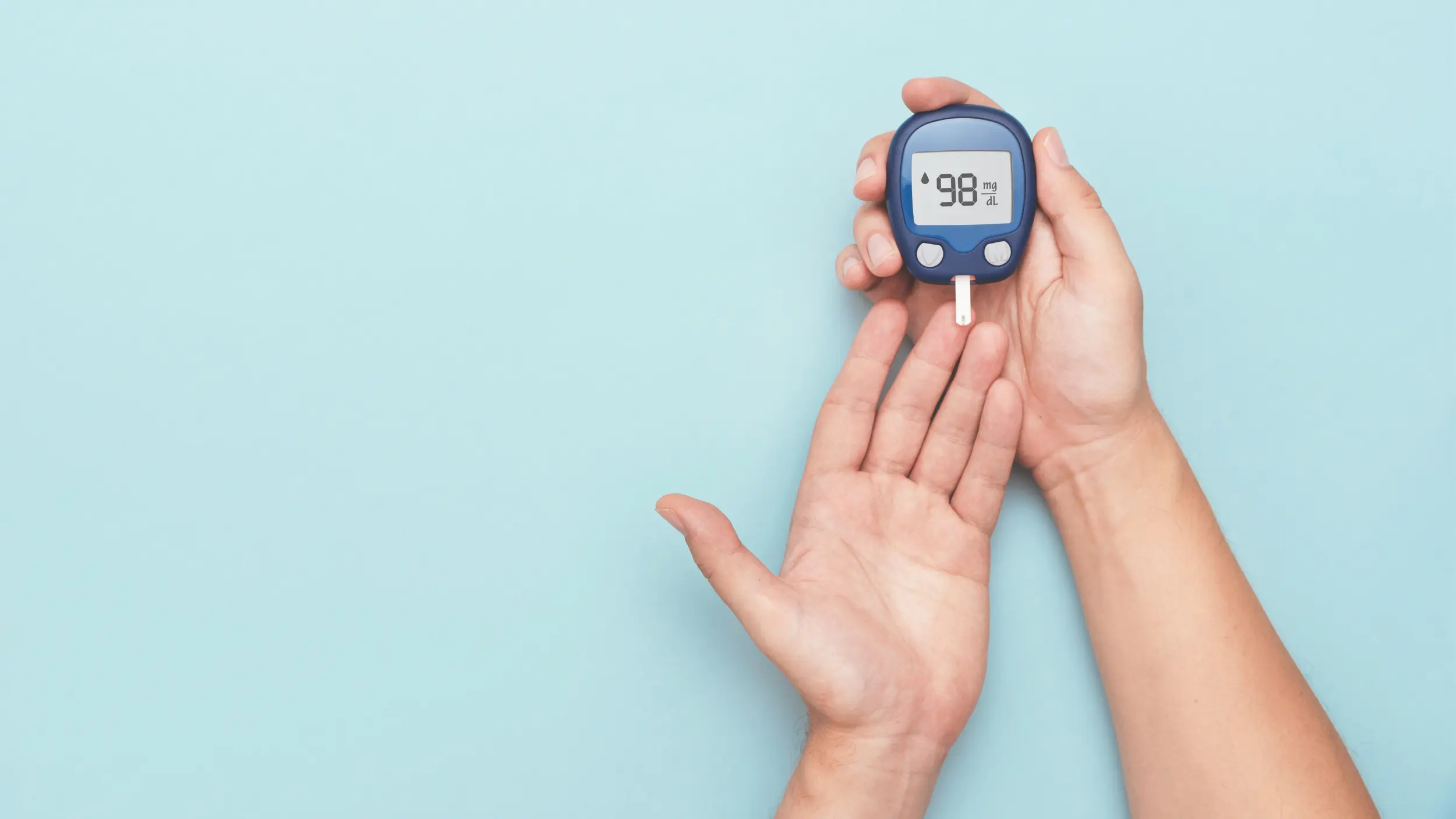
These ranges align with ACOG blood sugar targets: fasting below 95 mg/dL, below 140 mg/dL one hour after meals, and below 120 mg/dL two hours after meals.
Your individual needs may differ. A registered dietitian can personalize these targets based on your blood sugar logs, weight, activity level, and how far along you are. If your OB hasn’t referred you to one yet, ask. Medical nutrition therapy for gestational diabetes is the first-line treatment recommended by the American Diabetes Association and is covered by most insurance plans.
The 7-Day Gestational Diabetes Meal Plan
Day 1: Monday
Breakfast (≈25g carbs)
- 2 scrambled eggs cooked in 1 tsp olive oil
- 1 slice whole grain toast (15g carbs)
- ¼ avocado, sliced
- ½ cup sliced strawberries (6g carbs)
Morning Snack (≈15g carbs)
- 1 string cheese
- 1 small apple (15g carbs)
Lunch (≈40g carbs)
- Grilled chicken salad: 4 oz chicken breast, 2 cups mixed greens, ½ cup cherry tomatoes, ¼ cup shredded carrots, 2 tbsp olive oil vinaigrette
- ⅓ cup cooked quinoa (15g carbs)
- 1 small whole wheat tortilla on the side (15g carbs)
Afternoon Snack (≈18g carbs)
- ¼ cup hummus (8g carbs)
- 1 cup raw bell pepper and cucumber slices (5g carbs)
- 5 whole grain crackers (10g carbs, overlap accounted in total)
Dinner (≈40g carbs)
- 5 oz baked salmon with lemon and dill
- ⅔ cup roasted sweet potato cubes (20g carbs)
- 1.5 cups steamed broccoli with 1 tsp butter
- Side salad with olive oil and vinegar
Evening Snack (≈8g carbs, optional)
- ¼ cup almonds (3g carbs)
- 1 string cheese (1g carb)
Daily totals: ≈150g carbs, ≈95g protein
Day 2: Tuesday
Breakfast (≈28g carbs)
- ½ cup plain Greek yogurt (4g carbs)
- ⅓ cup rolled oats, cooked (18g carbs)
- 1 tbsp chia seeds
- ¼ cup blueberries (5g carbs)
- 1 tbsp chopped walnuts
Morning Snack (≈15g carbs)
- 2 tbsp peanut butter
- 1 celery stalk
- ½ small banana (12g carbs)
Lunch (≈38g carbs)
- Turkey and cheese wrap: 3 oz sliced turkey, 1 slice Swiss cheese, lettuce, tomato, mustard in a whole wheat tortilla (25g carbs)
- 1 cup vegetable soup (lentil-based, ≈13g carbs)
Afternoon Snack (≈15g carbs)
- ¼ cup cottage cheese
- ½ cup pineapple chunks (15g carbs)
Dinner (≈42g carbs)
- 5 oz grilled chicken thighs (skinless)
- ⅔ cup brown rice (30g carbs)
- 1.5 cups stir-fried zucchini, mushrooms, and snap peas in 1 tbsp sesame oil
- Side of kimchi or pickled vegetables
Evening Snack (≈15g carbs, optional)
- 1 hard-boiled egg
- 5 whole wheat crackers (10g carbs)
Daily totals: ≈155g carbs, ≈90g protein
Day 3: Wednesday
Breakfast (≈22g carbs)
- 2-egg omelet with spinach, mushrooms, and 1 oz shredded cheddar
- ½ whole grain English muffin (13g carbs)
- ½ cup raspberries (7g carbs)
Morning Snack (≈17g carbs)
- 1 small pear (17g carbs)
- 10 almonds
Lunch (≈40g carbs)
- Black bean bowl: ½ cup black beans (20g carbs), ⅓ cup brown rice (15g carbs), ¼ avocado, pico de gallo, 2 tbsp plain Greek yogurt (instead of sour cream), lettuce
- Lime wedge
Afternoon Snack (≈15g carbs)
- 1 oz dark chocolate (70%+ cacao, 10g carbs)
- 1 tbsp almond butter
Dinner (≈40g carbs)
- 5 oz baked cod with garlic and herbs
- 1 cup roasted cauliflower and Brussels sprouts with olive oil
- 1 medium corn on the cob (20g carbs)
- ½ cup cooked lentils (20g carbs)
Evening Snack (≈10g carbs, optional)
- ½ cup plain Greek yogurt (4g carbs)
- 1 tbsp pumpkin seeds
- Small drizzle of honey (6g carbs)
Daily totals: ≈160g carbs, ≈92g protein
Day 4: Thursday
Breakfast (≈25g carbs)
- Smoothie: ½ cup plain Greek yogurt, ½ cup frozen mixed berries (10g carbs), 1 tbsp flaxseed, ½ cup unsweetened almond milk, 1 scoop protein powder (5g carbs)
- 1 hard-boiled egg on the side
Morning Snack (≈15g carbs)
- 1 rice cake (8g carbs)
- 1 tbsp sunflower seed butter
- ½ small banana (7g carbs)
Lunch (≈38g carbs)
- Chicken and vegetable stir-fry: 4 oz chicken breast, broccoli, bell peppers, snap peas in 1 tbsp olive oil with soy sauce
- ⅔ cup cooked whole wheat pasta (30g carbs)
Afternoon Snack (≈18g carbs)
- ¼ cup trail mix (nuts, seeds, a few dark chocolate chips, 18g carbs)
Dinner (≈42g carbs)
- 5 oz lean ground turkey taco filling with cumin, chili powder, garlic
- 2 small corn tortillas (22g carbs)
- ½ cup pinto beans (20g carbs)
- Shredded lettuce, diced tomato, ¼ avocado, salsa
- Lime wedge
Evening Snack (≈12g carbs, optional)
- 1 cheese stick
- ½ cup grapes (12g carbs)
Daily totals: ≈165g carbs, ≈98g protein
Day 5: Friday
Breakfast (≈27g carbs)
- Cottage cheese bowl: ½ cup cottage cheese, ½ cup sliced peaches (12g carbs), 2 tbsp granola (low sugar, 12g carbs), 1 tbsp slivered almonds
Morning Snack (≈15g carbs)
- 2 tbsp hummus (3g carbs)
- 1 small whole wheat pita, cut into wedges (12g carbs)
Lunch (≈40g carbs)
- Lentil soup (1.5 cups, homemade or low-sodium canned, ≈30g carbs)
- 2 oz grilled chicken on top
- Side of mixed greens with olive oil and lemon
Afternoon Snack (≈16g carbs)
- 1 small apple (15g carbs)
- 1 tbsp peanut butter
Dinner (≈42g carbs)
- 5 oz grilled shrimp with garlic butter
- ⅔ cup wild rice (28g carbs)
- 2 cups roasted asparagus and cherry tomatoes with olive oil
- ½ cup steamed edamame (8g carbs)
Evening Snack (≈10g carbs, optional)
- ¼ cup mixed nuts (5g carbs)
- 2 dried apricot halves (5g carbs)
Daily totals: ≈155g carbs, ≈94g protein
Day 6: Saturday
Breakfast (≈28g carbs)
- 1 whole grain waffle (15g carbs)
- 2 tbsp natural almond butter
- ½ cup sliced strawberries (6g carbs)
- 2 slices turkey bacon
Morning Snack (≈15g carbs)
- ½ cup plain Greek yogurt (4g carbs)
- ¼ cup low-sugar granola (11g carbs)
Lunch (≈40g carbs)
- Grilled chicken and avocado sandwich: 3 oz chicken, ¼ avocado, lettuce, tomato on 2 slices whole grain bread (30g carbs)
- 1 cup mixed green salad with olive oil dressing
- ½ cup fresh fruit salad (8g carbs)
Afternoon Snack (≈15g carbs)
- 1 hard-boiled egg
- 8 whole grain crackers (15g carbs)
Dinner (≈45g carbs)
- 5 oz lean beef (sirloin or flank steak), grilled
- 1 medium baked potato with skin (35g carbs), topped with 2 tbsp plain Greek yogurt and chives
- 2 cups roasted green beans and mushrooms with garlic
Evening Snack (≈8g carbs, optional)
- 1 cheese stick
- 5 olives
- ¼ cup walnuts
Daily totals: ≈158g carbs, ≈100g protein
Day 7: Sunday
Breakfast (≈25g carbs)
- Veggie egg scramble: 2 eggs, ¼ cup black beans (10g carbs), diced bell peppers, onions, salsa
- 1 small whole wheat tortilla (12g carbs)
- ¼ avocado
Morning Snack (≈16g carbs)
- ½ cup cottage cheese (3g carbs)
- ½ cup mango cubes (13g carbs)
Lunch (≈42g carbs)
- Chicken and chickpea salad: 3 oz grilled chicken, ½ cup chickpeas (22g carbs), cucumbers, red onion, tomatoes, feta cheese, lemon-olive oil dressing
- 1 small whole wheat pita (15g carbs)
Afternoon Snack (≈15g carbs)
- 2 tbsp peanut butter
- 1 medium celery stalk
- ½ small apple (8g carbs)
Dinner (≈40g carbs)
- 5 oz baked chicken breast with herbs
- ⅔ cup cooked farro (25g carbs)
- 2 cups roasted Mediterranean vegetables (zucchini, eggplant, bell peppers, onions) with olive oil
- Side of tzatziki (2 tbsp)
Evening Snack (≈12g carbs, optional)
- ½ cup plain Greek yogurt (4g carbs)
- 1 tbsp chia seeds
- 5 pecan halves
Daily totals: ≈162g carbs, ≈96g protein
How to Customize These Meal Plans
These menus are a starting point. Blood sugar responses are highly individual, influenced by genetics, gut bacteria, stress, sleep, and how far along you are in pregnancy. A bowl of brown rice that works perfectly for one person sends another’s glucose soaring.
Here’s how to make the plans work for you.
Track and Adjust Based on Your Numbers
Test your blood sugar at the interval your provider recommends (1-hour or 2-hour post-meal, not both unless instructed). Log what you ate alongside each number. Patterns show up within a few days. If a meal consistently puts you over target, adjust the carb portion down by 10 to 15 grams or add more protein and fat.
Swap Within Carb Categories
You don’t have to eat these exact foods. Any of these swaps keep the carb counts similar:
Adapt for Cultural Preferences
Practitioners who specialize in gestational diabetes emphasize that the best approach is to monitor blood sugar while eating your usual diet and adjust based on your own data, not a generic food list. An ADA-published abstract found that Chinese American women with a history of GDM identified a lack of diabetes-friendly Asian dietary resources as a key barrier. Hispanic women seeking culturally aligned meal plans face similar challenges.
Adherence drops sharply when meal plans feel foreign to your cooking traditions. If you prefer corn tortillas over whole wheat bread, arroz integral over quinoa, or dal over lentil soup, make those swaps. The carb counting principles stay the same regardless of the cuisine.
Working with a dietitian who understands your cultural food preferences makes gestational diabetes diet meal plans sustainable rather than miserable. Vedic’s team includes bilingual registered dietitians who create plans built around the foods you actually want to eat. You can check your insurance coverage in minutes to get started.
Handle Breakfast Differently
Breakfast is the hardest meal to manage. The dawn phenomenon, a natural surge of cortisol and growth hormone in the early morning hours, raises blood sugar before you’ve eaten anything. Practitioners specializing in gestational diabetes consistently flag this: your body is less tolerant of carbohydrates at breakfast than at any other meal.
That’s why every breakfast in this plan stays between 15 and 30 grams of carbs with extra protein and fat. If you’re still spiking at breakfast, try dropping to 15 grams of carbs and bumping protein up (add an extra egg or more Greek yogurt). Many women with GDM find that the foods they tolerate perfectly at lunch cause spikes in the morning.
Don’t Cut Carbs Too Low
The natural reaction to high blood sugar readings is to stop eating carbs. Don’t. Your baby’s brain needs glucose. The Institute of Medicine recommends a minimum of 175 grams of carbohydrates daily during pregnancy. Restricting below that threshold can lead to ketone production, which may harm fetal development.
Gestational diabetes meal planning is about distributing carbs wisely, not eliminating them. If you’re following a very low-carb approach, ask your provider to check for ketones.
The Key Principles Behind the Plans
Understanding why these plans are built the way they are helps you make smart decisions when you’re eating out, traveling, or just tired of the weekly menu.
Never Eat Carbs Alone
This is the single most important rule. Carbohydrates have the most direct impact on blood sugar. Protein and fat slow the rate at which carbs hit your bloodstream. An apple by itself will spike most women with GDM. An apple with almond butter probably won’t.
Before eating any carb-containing food, ask: “Where’s the protein?” Toast becomes toast with eggs. A granola bar becomes a granola bar with a cheese stick. Crackers become crackers with hummus or cheese. The science behind why protein matters for blood sugar and satiety applies during pregnancy and well beyond it.
Use the Glycemic Index as a Guide, Not a Bible
The glycemic index ranks carbohydrate-containing foods from 0 to 100 based on how quickly they raise blood sugar. Low GI is 55 or below, medium is 56 to 69, and high is 70 or above. Research consistently supports the advantages of a low-GI diet for pregnant women with gestational diabetes.
But glycemic load matters more in practice. Watermelon has a high GI (76) but a low glycemic load (5 per typical serving) because a serving contains relatively few carbs. GI alone would scare you away from watermelon. Glycemic load tells the real story.
You don’t need to memorize values. Just know the general swaps: steel-cut oats over instant, sweet potatoes over white potatoes, whole fruit over juice, al dente pasta over soft-cooked.
Walk After Meals
A randomized crossover study found that just 10 minutes of walking immediately after eating significantly reduced 2-hour blood glucose levels. Another trial found that 20 minutes of postprandial walking reduced mean daytime glucose in pregnant women with GDM.
You don’t need to power-walk or break a sweat. A gentle 10 to 15 minute stroll after your biggest meals is enough. If walking isn’t feasible, even standing and doing light household tasks helps more than sitting. This is one of the most accessible and effective tools for blood sugar control, and it requires zero dietary changes.
The Bedtime Snack Question
The bedtime snack is one of the most commonly repeated pieces of GDM advice, but the evidence is actually mixed. A study in PubMed found that taking a bedtime snack was associated with slightly higher fasting blood glucose levels in women with diet-controlled GDM compared to skipping it.
The evening snacks in this plan are optional for that reason. If your fasting numbers are fine without one, you may not need it. If you do experiment, try a protein-and-fat-only option (a handful of nuts, a cheese stick) rather than anything with significant carbs. Track your fasting glucose both ways and let the data guide you.
Dietary Patterns That Work for Gestational Diabetes
A 2025 network meta-analysis published in Frontiers in Endocrinology evaluated multiple dietary interventions for GDM and found that structured dietary patterns consistently improved glycemic control. Three stand out:
DASH Diet — Originally designed to lower blood pressure, this pattern emphasizes fruits, vegetables, whole grains, lean protein, and low-fat dairy while limiting sodium and added sugars. Studies show improvements in fasting glucose and insulin levels in women with GDM who follow it.
Mediterranean Diet — Abundant vegetables, fruits, legumes, whole grains, olive oil, fish, and moderate dairy. The high content of monounsaturated fats (from olive oil and nuts) and fiber supports steady blood sugar. Research shows improved maternal and fetal outcomes.
Low-Glycemic Index Diet — Prioritizes foods scoring low on the GI scale, including legumes, non-starchy vegetables, most fruits, and intact whole grains. This is the most directly studied dietary pattern for gestational diabetes specifically, and current evidence consistently supports benefits.
All three share common threads: whole foods over processed, plenty of vegetables, adequate protein, and controlled portions of quality carbs. The 7-day plan above draws from all three patterns. You don’t need to pick one label.
Why Sticking With the Plan Matters
Protecting Your Baby Now
The primary fetal risk of uncontrolled gestational diabetes is macrosomia, a condition where the baby grows larger than normal (typically over 8 pounds 13 ounces). Excess glucose crossing the placenta causes the baby to produce extra insulin and store excess fat. This increases the risk of birth injuries, emergency cesarean delivery, and neonatal blood sugar problems after birth.
Consistent blood sugar management through well-structured gestational diabetes diet meal plans directly reduces macrosomia risk. This is the most compelling reason to take meal planning seriously.
Protecting Yourself Later
Women who have had gestational diabetes face a significantly elevated risk of developing type 2 diabetes later in life. A Finnish registry study found the hazard ratio was 18.49, with risk beginning to rise almost immediately in the first year after delivery.
The dietary habits you build now, the knowledge you gain about how foods affect your body, that carries forward as protection. Don’t abandon your meal planning skills after delivery. The same principles (balanced macros, fiber-rich carbs, protein pairing) that manage GDM also reduce your long-term type 2 diabetes risk. For postpartum nutrition guidance, including protein-rich foods for breastfeeding, keeping a dietitian in your corner continues to pay off.
Don’t skip your postpartum glucose screening, typically 4 to 12 weeks after delivery. Many women do, and it’s a missed opportunity to catch problems early.
Quick-Reference Carb Cheat Sheet
Use this when you’re building your own meals or substituting within the plans above.
Starches and Grains (per cooked portion)
Beans and Legumes
Fruits
Dairy
“Free” Non-Starchy Vegetables (minimal carb impact)
Leafy greens, broccoli, cauliflower, bell peppers, cucumbers, tomatoes, zucchini, green beans, asparagus, mushrooms, celery. Make these half your plate.
Getting Professional Support
Medical nutrition therapy (MNT) is the clinical term for individualized nutrition counseling from a registered dietitian, and it’s the first-line treatment for gestational diabetes. It’s not a generic meal plan pulled off the internet. A licensed dietitian reviews your blood sugar logs, food preferences, cultural background, schedule, and lab work to create a plan that fits your life.
An RDN (Registered Dietitian Nutritionist) is different from a “nutritionist,” which is an unregulated title in most states. For gestational diabetes, look for the RDN credential and, ideally, a Certified Diabetes Care and Education Specialist (CDCES) certification. Vedic’s diabetes-specialized registered dietitians provide telehealth MNT sessions, and 95% of clients pay $0 out of pocket when covered by insurance. The team includes bilingual Spanish-speaking RDNs for culturally aligned care.
Practitioners on forums and in GDM communities note that using the plate method for visual portion control alongside carb counting gives you both simplicity and precision, and many women find that combination works better than either method alone.
Frequently Asked Questions
How many carbs should I eat per day with gestational diabetes?
The Institute of Medicine recommends a minimum of 175 grams of carbohydrates daily during pregnancy to support fetal brain development. Most gestational diabetes meal plans distribute these across the day: 15 to 30 grams at breakfast, 30 to 45 grams at lunch and dinner, and 15 to 20 grams per snack. Your dietitian may adjust these targets based on your individual blood sugar responses. Some practitioners note that many women with GDM benefit from a range of 150 to 175g in practice, though going below the IOM minimum requires professional guidance.
Can I manage gestational diabetes with diet alone?
Research shows that 70 to 85% of women diagnosed with GDM can manage it through diet and lifestyle changes without needing insulin or medication. Structured gestational diabetes diet meal plans, regular physical activity, and blood sugar monitoring form the core of this approach.
Why is breakfast the hardest meal to manage with GDM?
The dawn phenomenon, a natural surge of cortisol and other hormones in the early morning, raises your baseline blood sugar before you eat anything. This means your body is less tolerant of carbohydrates at breakfast than at any other meal. Keeping breakfast to 15 to 30 grams of carbs with a strong emphasis on protein and fat is the standard approach.
What’s the difference between glycemic index and glycemic load?
Glycemic index rates how quickly a food raises blood sugar on a scale of 0 to 100, but it doesn’t account for portion size. Glycemic load factors in both the GI and the amount of carbs in a typical serving. Glycemic load is more useful for real-world meal planning because it reflects what actually hits your bloodstream.
Should I eat a bedtime snack with gestational diabetes?
The evidence is mixed. While bedtime snacks are commonly recommended to stabilize overnight blood sugar, at least one study found they were associated with slightly higher fasting glucose in diet-controlled GDM. A protein-and-fat snack (nuts, cheese) may be worth trying, but track your fasting numbers with and without it to see what works for you.
Is walking after meals really effective for blood sugar?
Yes. Randomized studies show that even 10 minutes of walking immediately after eating significantly reduces post-meal blood sugar. Twenty minutes of gentle walking had an even greater effect in pregnant women with GDM. It doesn’t need to be intense. A casual stroll works.
What if foods on the meal plan aren’t part of my cultural diet?
Swap freely within the same carb and protein categories. The principles (carb counting, protein pairing, portion control) apply to every cuisine. A corn tortilla works the same as a slice of bread if the carbs match. A dietitian familiar with your food traditions can help you build a plan around meals you actually enjoy. You can meet Vedic’s team of licensed RDNs, including bilingual Spanish-speaking dietitians, for culturally aligned guidance.
Will gestational diabetes go away after I deliver?
Blood sugar usually returns to normal after delivery for most women. However, having GDM significantly increases your lifetime risk of developing type 2 diabetes. A postpartum glucose screening (typically 4 to 12 weeks after delivery) is essential, and maintaining the balanced eating habits you developed during pregnancy provides lasting protection.
Managing gestational diabetes through diet is achievable, and having a concrete plan to follow makes the first weeks far less overwhelming. If you’re looking for personalized nutrition counseling from a registered dietitian who specializes in diabetes during pregnancy, Vedic’s team provides telehealth sessions covered by most major insurance plans across Texas. Browse more pregnancy and breastfeeding nutrition resources or verify your coverage today to get matched with a dietitian who can fine-tune a gestational diabetes diet meal plan around your life, your food preferences, and your goals.
.svg)
.svg)




.webp)
.webp)
.webp)
.webp)
.webp)
.webp)
.webp)
.webp)

.webp)
.webp)



.webp)