.webp)
%2B(7).webp)
.png)
TL;DR
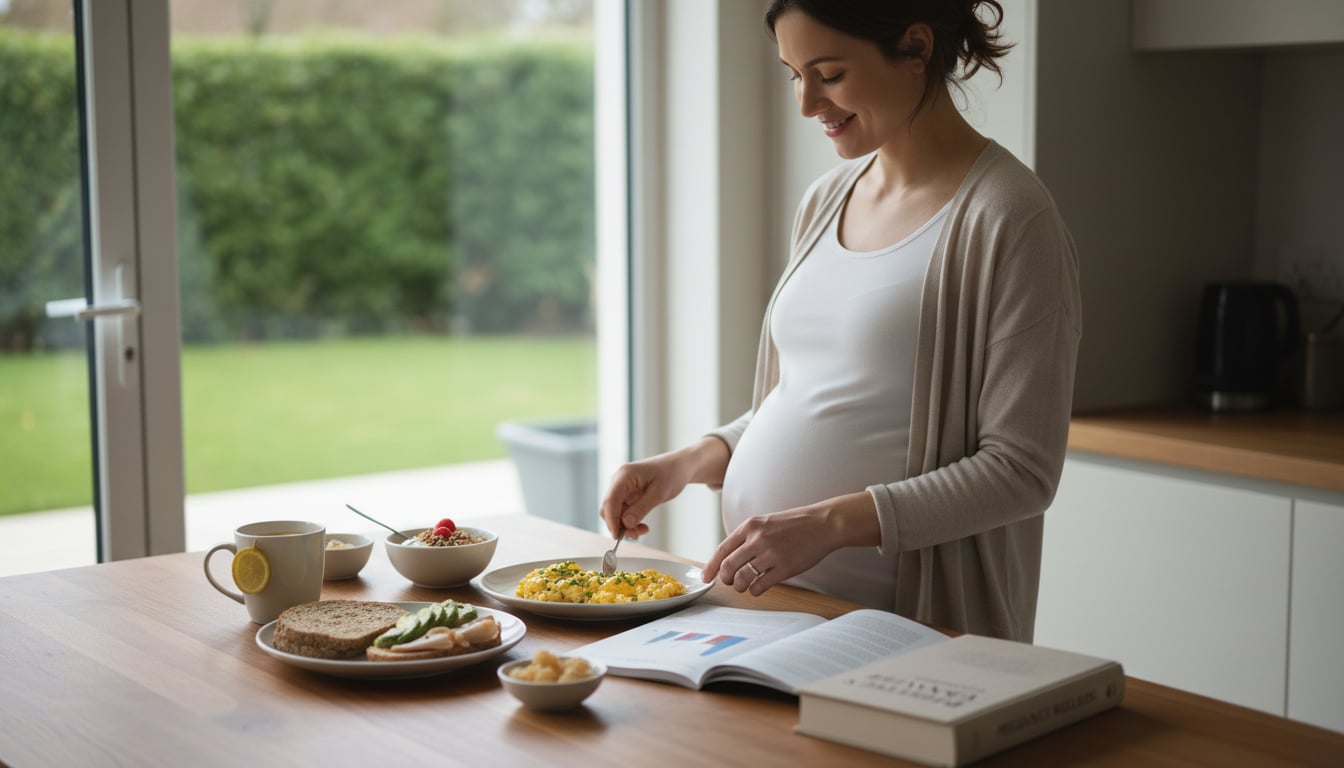
Most lists tell you to reach for crackers. The clinical evidence says protein is actually more effective at reducing pregnancy nausea. Ginger is the only food ingredient recommended by ACOG as a first line treatment, and vitamin B6 rich foods offer additional relief backed by randomized trials. This guide ranks 15 morning sickness help foods by strength of evidence, gives you a sample daily eating schedule, explains how low fat and whole grain choices fit into the picture, and covers when it's time to talk to a registered dietitian.
If you're struggling to eat enough during pregnancy, a registered dietitian who specializes in prenatal care can build a plan around what you can actually tolerate, week by week.
Why Most Morning Sickness Food Lists Get It Backwards
Up to 70% of pregnant women experience nausea and vomiting during pregnancy. And calling it "morning" sickness is misleading, because it can hit at any hour. It typically starts around weeks 4 to 6, peaks between weeks 8 and 12, and resolves for most women by the end of the first trimester.
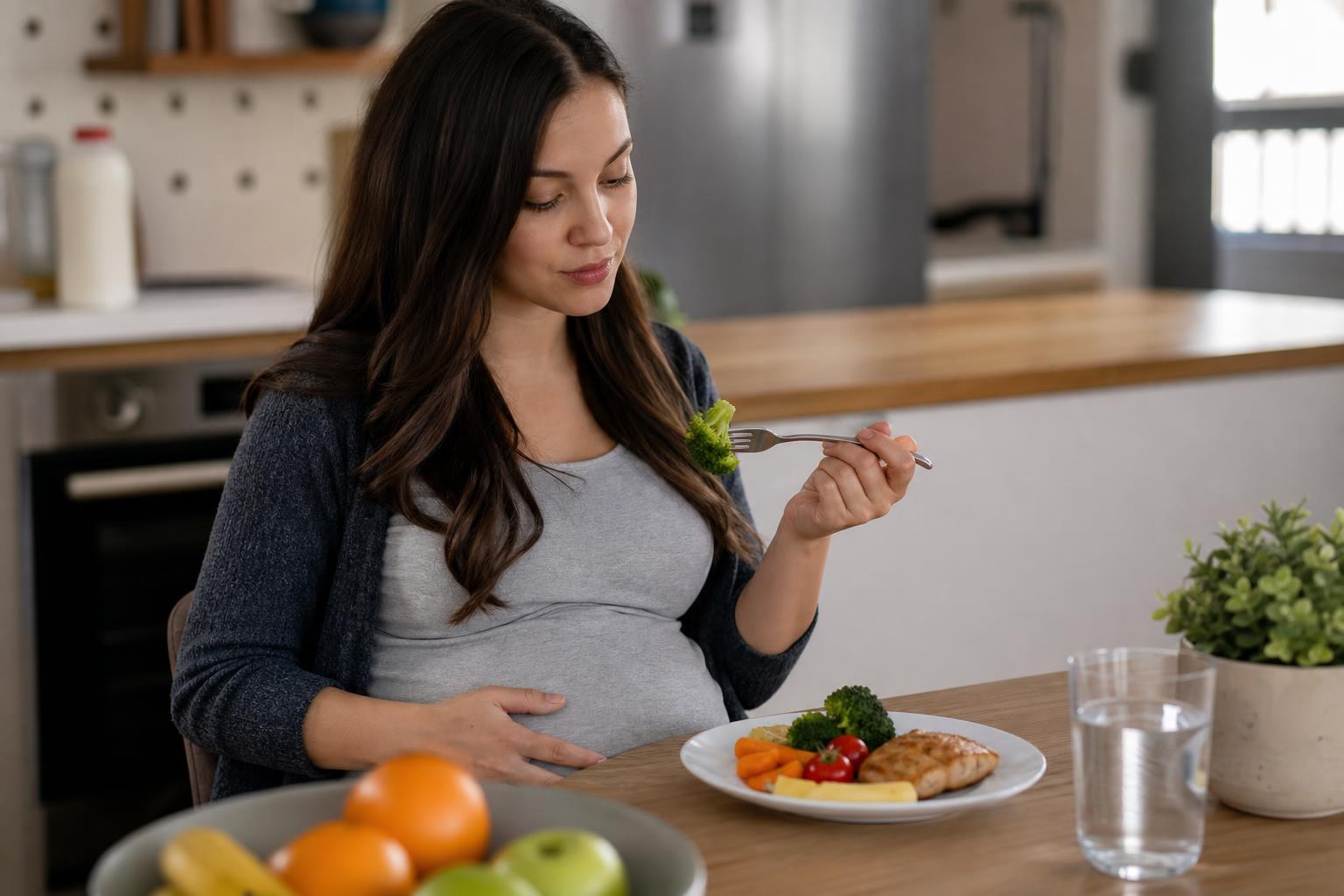
If you're reading this while fighting a wave of nausea, here's something reassuring: during the first trimester, you don't need any extra calories. Ohio State's registered dietitians explicitly confirm that you don't need to worry about increasing food intake for your baby's growth right now. Eating something matters far more than eating perfectly.
Every top ranking article about foods to help morning sickness leads with saltine crackers and dry toast. Those can work in the moment. But a 1999 clinical trial found that protein based meals reduced nausea and abnormal stomach activity more than carbohydrate or fat meals of equal calories. A 2025 systematic review confirmed this finding.
So we organized this list differently. Instead of treating every food as equally supported, we ranked our morning sickness help foods by evidence strength, from ACOG recommended interventions down to safe to try options with mostly anecdotal support.
Quick Context: Why Morning Sickness Happens
Several factors collide during early pregnancy to trigger nausea:
- Hormonal surge. Rising levels of hCG, estrogen, and progesterone overwhelm certain receptors in the brain and gut.
- Heightened smell sensitivity. For a scent to reach your olfactory system, it needs heat. The warmer something is, the more it smells. Pregnancy amplifies this effect.
- Blood sugar drops. The 2025 Foods systematic review identifies reactive hypoglycemia (a crash after a spike) as a common nausea trigger in early pregnancy. This explains why eating small, frequent meals works better than three large ones.
- Empty stomach. Stomach acid with nothing to buffer it makes nausea worse, which is why so many women feel sickest first thing in the morning.
- High fat intake. Fatty foods slow gastric emptying, meaning food sits in the stomach longer and amplifies that queasy, heavy feeling. This is one reason low fat options tend to be more tolerable during peak nausea weeks.
Understanding these mechanisms makes the morning sickness help foods recommendations below much more intuitive. Each item targets at least one of these root causes.
At a Glance: 15 Morning Sickness Help Foods Compared
| Food | Evidence Level | Primary Benefit | Best Form | When to Eat |
|---|---|---|---|---|
| Ginger | Strong (ACOG recommended) | Anti nausea compounds | Tea, chews, capsules | Throughout the day |
| Greek Yogurt & Eggs | Strong (RCT data) | Protein stabilizes stomach | Cold, pre made | Breakfast, snacks |
| Salmon & Chicken | Strong (RCT + B6) | Protein + vitamin B6 | Cold or mild prep | Lunch, dinner |
| Bananas | Moderate (B6 + bland) | B6, potassium, gentle on stomach | Fresh or frozen | Morning, snacks |
| Potatoes | Moderate (B6 source) | B6 + easy to tolerate | Baked, plain | Lunch, dinner |
| Saltines & Toast | Moderate (consensus) | Absorbs stomach acid | Dry, room temp | Bedside, before rising |
| Whole Grain Bread & Cereal | Moderate (consensus + fiber) | Steady energy, B vitamins | Dry or lightly toasted | Morning, snacks |
| Cold Sliced Fruit | Moderate (consensus) | Low smell, hydrating | Chilled watermelon, grapes | Anytime |
| Lemon & Sour Foods | Moderate (one RCT) | Scent reduces nausea | Lemon water, sour candy | Anytime |
| Broth & Clear Soups | Moderate (consensus) | Electrolytes, gentle | Warm (not hot) | Meals, sipping |
| Peppermint | Low moderate (limited data) | Calms stomach muscles | Tea, candies | Between meals |
| Dry Cereal | Low (anecdotal) | Fortified with folic acid | Cheerios, Rice Chex | Bedside snack |
| Nut Butter + Crackers | Low (mechanistic logic) | Protein carb combo | Spread on saltines | Snacks |
| Plain Rice or Pasta | Low (anecdotal) | Bland, easy to digest | Plain, small portions | Meals |
| Fruit Popsicles | Low (anecdotal) | Cold + hydrating | 100% juice bars | Anytime |
Now let's go through each one in detail.
Tier 1: Strongest Evidence
1. Ginger
Best for: The single most evidence backed food ingredient for pregnancy nausea
Ginger is the only dietary intervention that ACOG (the American College of Obstetricians and Gynecologists) officially recommends as a first line non drug treatment for morning sickness. The recommended dose is 250 mg of ginger four times daily, totaling about 1,000 mg.
In a double blind crossover trial, 70% of women who took 250 mg of powdered ginger root four times per day reported significant symptom improvement compared to placebo. A 2016 systematic review in Integrative Medicine Insights confirmed that ginger is "an effective and inexpensive treatment for nausea and vomiting and is safe."
How to eat it:
- Fresh ginger tea: slice a thumb sized piece, steep in hot water for 10 minutes
- Ginger chews or candies (check for real ginger on the label)
- Grated into smoothies or oatmeal
- Ginger capsules (easiest way to hit the 1,000 mg daily target)
Watch out for: Most commercial ginger ales contain no actual ginger. Read the ingredient list. You want "ginger root" or "ginger extract," not just "natural flavors."
2. High Protein Snacks (Greek Yogurt, Eggs, Cheese, Nuts)
Best for: Reducing nausea more effectively than carbs alone
This is the biggest gap in most morning sickness help foods lists. Everyone leads with crackers. The science points somewhere else.
A landmark 1999 study by Jednak et al. found that protein predominant meals reduced nausea and gastric slow wave dysrhythmic activity more than carbohydrate or fat meals of equal calories. A 2025 systematic review in Foods confirmed this and recommends distributing protein across five smaller meals per day to optimize gastric motility.
The mechanism is straightforward: protein stabilizes blood sugar more effectively than carbs, preventing the reactive hypoglycemia that triggers nausea. Research into the protein leverage hypothesis also suggests the body naturally seeks adequate protein, and falling short can increase appetite related discomfort.
Best options when you're nauseated:
- Hard boiled eggs (prep a batch when you feel okay)
- Greek yogurt (cold, which helps with smell sensitivity)
- Cottage cheese
- Cheese cubes or string cheese
- Nut butter on crackers or banana slices
- Cold sliced chicken or turkey
- Edamame
- Trail mix
Lily Nichols, a well known prenatal nutrition RDN, recommends including protein and fat with every meal and keeping a snack at the bedside for middle of the night hunger. The Mother Baby Center notes that pregnant women need roughly 60 grams of protein per day.
Pro tip: Cold protein sources tend to work better than hot ones because they produce less smell. A cold hard boiled egg is often more tolerable than scrambled eggs fresh off the stove. For more on pairing crackers with protein during pregnancy, see this guide on crackers for morning sickness.
3. Vitamin B6 Rich Foods (Salmon, Chicken, Chickpeas, Avocado)
Best for: Supporting the same pathway used by prescription morning sickness meds
Vitamin B6 (pyridoxine) combined with doxylamine is ACOG's recommended first line medication for pregnancy nausea. B6 plays a role in neurotransmitter synthesis, particularly serotonin and GABA, both of which influence nausea signaling.
Kaiser Permanente notes a typical supplemental dose of 10 to 25 mg three times daily, but talk to your doctor or midwife before supplementing beyond food. The 2025 Foods review recommends 30 to 40 mg per day for managing pregnancy nausea.
Top food sources:
- Salmon (0.9 mg per 3 oz serving)
- Chicken breast (0.5 mg per 3 oz serving)
- Potatoes with skin (0.4 mg per medium potato)
- Bananas (0.4 mg each)
- Avocado (0.4 mg per half)
- Chickpeas (1.1 mg per cup)
- Fortified cereals (varies, check label)
- Sunflower seeds and pistachios
You probably won't reach therapeutic doses from food alone, but eating B6 rich foods throughout the day provides a meaningful baseline that complements any supplements your provider recommends.
Tier 2: Strong Practitioner Consensus
1. Bland Carbs and BRAT Foods
Best for: Immediate, short term relief when nothing else sounds appealing
The BRAT diet (bananas, rice, applesauce, toast) is the classic morning sickness recommendation. Starchy foods absorb excess stomach acid, which reduces that queasy, churning feeling. There's a reason saltine crackers at the bedside is passed down from generation to generation.
What works:
- Saltine crackers (keep them on your nightstand)
- Dry toast (plain, no butter when nausea is worst)
- Plain rice
- Pretzels
- Graham crackers
- Dry cereal
The important caveat: BRAT foods are nutritionally incomplete. They lack adequate protein, healthy fats, and many micronutrients. If you rely on them for days at a time, you're missing key nutrients you and your baby need.
The better approach is to start with bland carbs when nausea peaks, then add protein as soon as you can tolerate it. Crackers first, nut butter ten minutes later. Toast to settle the stomach, then a few bites of yogurt. This pairing stabilizes blood sugar and prevents the crash and nausea cycle.
2. Whole Grain Foods
Best for: Steadier energy release and more nutrition per bite than refined carbs
If you can tolerate bland carbs, upgrading to whole grain versions is worth trying. Whole grains contain the bran, germ, and endosperm of the grain kernel, which means more fiber, more B vitamins (including B6 and folate), and a slower glucose response compared to their refined counterparts.
That slower glucose response matters during pregnancy. Because reactive hypoglycemia is a documented nausea trigger, foods that prevent sharp blood sugar spikes and crashes can keep nausea at bay for longer. Whole wheat toast, oatmeal, and brown rice digest more gradually than white bread or instant rice, extending the window before hunger and nausea return.
Practitioners on Reddit pregnancy forums frequently mention that switching from white crackers to whole grain crackers with a bit of cheese gave them noticeably longer stretches without nausea. The fiber also helps with the constipation that often accompanies early pregnancy.
Practical whole grain options:
- Whole wheat toast or English muffins (dry or with a thin spread of nut butter)
- Oatmeal (try overnight oats if the cooking smell is a problem)
- Whole grain crackers (pair with cheese or hummus for protein)
- Brown rice (small portions, plain or with mild broth)
- Whole grain dry cereal like Cheerios or shredded wheat
A note on tolerance: Some women find whole grains harder to digest than refined grains during peak nausea. If whole wheat toast makes you feel worse, stick with white toast and revisit whole grains once nausea starts to ease. The fiber benefit isn't worth it if you can't keep the food down.
3. Low Fat Foods
Best for: Reducing the slow gastric emptying that worsens nausea
High fat meals are one of the most consistent nausea triggers during pregnancy. Fat slows gastric emptying, meaning food lingers in the stomach longer, which amplifies that heavy, queasy sensation. The 2025 systematic review in Foods specifically notes that high fat diets are associated with increased nausea severity.
This doesn't mean avoiding all fat (healthy fats from nuts, avocado, and olive oil are important for your baby's brain development). It means choosing lower fat preparations when nausea is at its worst and saving richer meals for windows when you feel better.
Low fat swaps that help:
- Baked or plain potatoes instead of fries or hash browns
- Grilled or poached chicken instead of fried
- Low fat yogurt or cottage cheese (still protein rich)
- Broth based soups instead of creamy ones
- Toast with a thin layer of jam instead of butter
- Steamed or raw vegetables instead of sauteed in oil
Practitioners on pregnancy forums consistently report that greasy takeout, fried foods, and heavy cream sauces were among the worst nausea offenders. One common pattern: foods that were favorites before pregnancy suddenly become intolerable because of their fat content.
The practical takeaway is to keep meals lean during your roughest hours (usually mornings and evenings) and reserve moderate fat additions, like a drizzle of olive oil or a handful of nuts, for times when your stomach feels more settled.
If you're building a broader pregnancy eating plan, keeping fat moderate during the first trimester also sets up good habits for later when blood sugar management becomes more important.
4. Cold Foods
Best for: Women whose nausea is triggered by food smells
Here's the science behind this tip: for a smell to reach your nose, it needs heat. The warmer something is, the more volatile compounds it releases. Pregnancy already amplifies your sense of smell, so hot foods become a double trigger.
Pullman Regional Hospital's registered dietitian recommends cold options including hard boiled eggs, cold chicken, fruit, Greek yogurt, smoothies, and cottage cheese.
Try these:
- Smoothies (blend frozen fruit with Greek yogurt and a tablespoon of nut butter for protein)
- Chilled fruit: watermelon, grapes, berries, melon cubes
- Cold sandwiches
- Overnight oats
- Frozen yogurt
Practitioners on pregnancy forums consistently report that cold foods were a game changer when hot meals became unbearable. If cooking smells are a major trigger, batch prep cold meals during a good window and refrigerate them for later.
5. Watermelon and High Water Fruits
Best for: Staying hydrated after vomiting, with minimal nausea trigger
Cleveland Clinic recommends fruits and vegetables high in water content, like watermelon, celery, and bell peppers. These serve double duty: their mild flavor is less likely to provoke nausea, and they replenish fluids lost from vomiting.
Dehydration makes nausea worse, creating a vicious cycle. If plain water is hard to keep down, watermelon chunks or frozen grapes can get fluids in more gently.
Best options:
- Watermelon (92% water)
- Cucumber slices
- Grapes (try freezing them)
- Oranges and clementines
- Strawberries
- Cantaloupe
6. Lemon and Sour Foods
Best for: Quick nausea relief through scent and taste
A 2014 randomized controlled trial involving 100 pregnant women found that simply inhaling lemon essential oil significantly reduced nausea intensity compared to placebo. Cleveland Clinic confirms that sour flavors help curb nausea and that citric acid can aid digestion.
What to try:
- Slice a lemon and sniff it when nausea hits (seriously, just the scent helps)
- Lemon water (warm or cold)
- Sour hard candy or lollipops (brands like Preggie Pop Drops are designed for this)
- Fresh lemonade
- Lime squeezed into sparkling water
- Grapefruit sections
Keep a lemon in your bag. It sounds odd, but many women find that cutting one open and breathing it in provides quick, real relief.
7. Broth and Clear Soups
Best for: Replenishing electrolytes and minerals when solid food is too much
When you can't face a meal, sipping warm broth provides sodium, potassium, and other electrolytes. Bone broth adds collagen and amino acids. Chicken broth with a few crackers is often one of the first "real" meals women can tolerate during peak nausea.
Tips:
- Keep broth warm but not hot (reduces smell)
- Sip slowly throughout the day rather than drinking a full bowl at once
- Add a squeeze of lemon for extra nausea fighting benefit
- Miso soup is another gentle option
8. Peppermint
Best for: A safe to try option for calming the stomach between meals
Some evidence suggests peppermint oil combined with lemon oil may reduce nausea symptoms during pregnancy. The data is limited compared to ginger or B6, but peppermint is safe and many women find it helpful.
Ways to use it:
- Peppermint tea (check that it's pregnancy safe, with no added herbs)
- Peppermint hard candy
- A drop of peppermint essential oil on a tissue to sniff
Avoid peppermint if you have heartburn or reflux, which often worsens as pregnancy progresses. Peppermint can relax the lower esophageal sphincter, making reflux worse.
Tier 3: Practical Additions
1. Dry Cereal
Best for: A fortified bedside snack you can eat before getting out of bed
Many morning sickness help foods guides skip this, but dry cereal like Cheerios or Rice Chex is one of the easiest things to eat the moment you wake up. Eating before you even sit up helps buffer stomach acid that accumulated overnight.
Bonus: most fortified cereals contain folic acid, iron, and B vitamins, so you're getting micronutrients even from a handful of cereal. Opting for whole grain versions adds fiber without changing the convenience factor.
2. Bananas
Best for: A gentle B6 source that doubles as a BRAT staple
Bananas appear in almost every morning sickness food list for good reason. They're bland, easy on the stomach, portable, and provide about 0.4 mg of vitamin B6 each. They also deliver potassium, which matters if you've been vomiting and losing electrolytes.
Try freezing banana slices and blending them into a smoothie with Greek yogurt and a drizzle of honey.
3. Nut Butter and Crackers
Best for: The ideal protein carb blood sugar stabilizer
This combination addresses the reactive hypoglycemia problem head on. The crackers provide quick energy and absorb stomach acid. The nut butter adds protein and fat for a slower, more sustained blood sugar response.
Almond butter, peanut butter, or cashew butter all work. Spread a thin layer on saltines, graham crackers, or apple slices. Keep individual packets in your purse for on the go relief.
If you're building a pregnancy focused eating plan, protein carb pairings like this become especially important later in pregnancy too, when gestational diabetes considerations make blood sugar management even more critical.
4. Plain Potatoes
Best for: An overlooked B6 source that's easy to tolerate
A medium baked potato with skin provides 0.4 mg of vitamin B6, making it one of the better vegetable sources. Potatoes are also bland, starchy, and filling, all qualities that make foods easier to keep down during morning sickness.
Bake a few extras and keep them in the fridge. Cold potato wedges with a little salt can be a surprisingly satisfying snack when nothing else appeals.
5. Fruit Popsicles and Frozen Fruit Bars
Best for: Hydration when liquids are hard to keep down
When you can't drink water without gagging, a fruit popsicle can get fluids in slowly. Look for 100% juice bars without added sugar. You can also make your own by freezing blended fruit in popsicle molds.
They're cold (reducing smell triggers), hydrating, and the slow consumption rate is gentler on the stomach than gulping a glass of water.
6. Sparkling Water with Fruit
Best for: Settling the stomach when still water sits heavy
The Mother Baby Center notes that carbonation can reduce total stomach acidity, which may explain why many women crave fizzy drinks during the first trimester. Plain sparkling water with a slice of lemon, lime, or cucumber is the healthiest option.
Sip slowly. Drinking carbonated beverages too fast can cause bloating, which doesn't help when you're already nauseated.
Foods and Habits That Make Morning Sickness Worse
Knowing what to avoid matters as much as knowing what to eat. These are the most common triggers:
- Spicy, greasy, and high fat foods. They slow gastric emptying, keeping food in your stomach longer and amplifying nausea. During peak nausea weeks, low fat preparations are almost always easier to tolerate.
- Strong smelling hot foods. If someone else can cook for you, let them. Open windows while cooking. Eat in a well ventilated room.
- Large meals. Five to six small meals beat three big ones. An overfull stomach makes nausea worse.
- Going too long without eating. An empty stomach means nothing to buffer acid. Set timers if you need to.
- Prenatal vitamins on an empty stomach. This is one of the most underappreciated nausea triggers. Iron in prenatal vitamins is a known stomach irritant. Cleveland Clinic recommends switching to taking prenatals in the evening with a small snack. If they still cause problems, ask your provider about gummy or liquid prenatals, which are often better tolerated.
- Lying down immediately after eating. Stay upright for at least 20 to 30 minutes after a meal.
- Refined carbs without protein. A handful of white crackers alone can spike blood sugar quickly, leading to a crash that brings nausea right back. Whole grain options or protein pairings prevent this cycle.
Sample "Morning Sickness Day" Eating Schedule
No other morning sickness help foods guide gives you a time based plan. Here's what a realistic day might look like:
Before getting out of bed (6:30 AM)
A few dry crackers (whole grain if tolerated) or a handful of cereal from your nightstand. Eat while still lying down. Wait 15 to 20 minutes before standing.
Breakfast (7:00 AM)
Greek yogurt with sliced banana and a drizzle of honey. Or a hard boiled egg with a piece of dry toast. Sip ginger tea.
Mid morning snack (9:30 AM)
Nut butter on whole grain crackers. A few grapes or watermelon cubes. Sparkling water with lemon.
Lunch (12:00 PM)
Cold chicken wrap on a whole wheat tortilla, or a simple chicken broth with crackers. An orange or clementine on the side. Keep the meal low fat.
Afternoon snack (3:00 PM)
Cheese cubes and pretzels. Or a smoothie with frozen berries, yogurt, and a spoonful of almond butter.
Dinner (6:00 PM)
Baked potato with cottage cheese. Plain brown rice with mild chicken (grilled or poached, not fried). Keep portions small.
Evening snack (8:30 PM)
Banana with nut butter. Take your prenatal vitamin now, with this snack.
Bedside (before sleep)
Restock your nightstand: crackers, a water bottle, and a lemon to sniff if nausea hits during the night.
The exact foods matter less than the pattern: eat something every two to three hours, pair protein with carbs whenever possible, favor cold over hot, keep fat moderate, and never let your stomach sit empty.
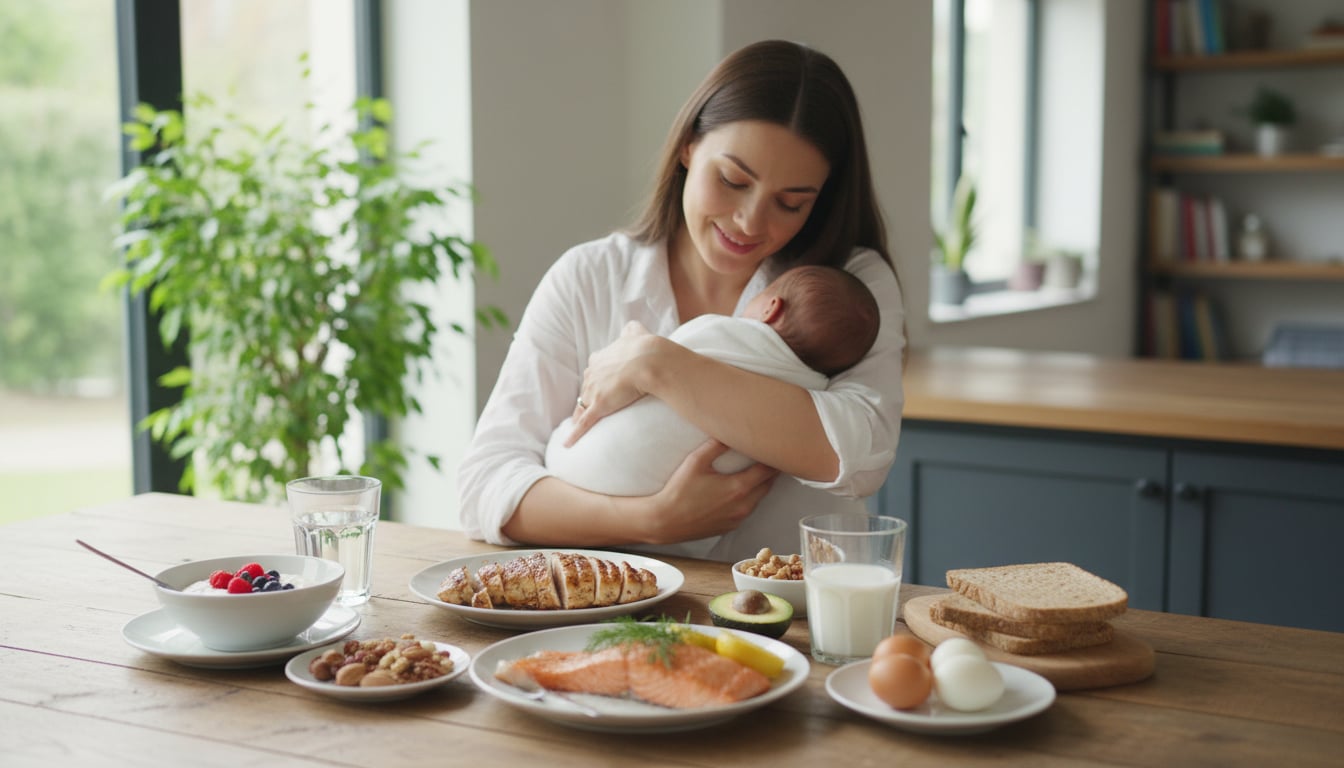
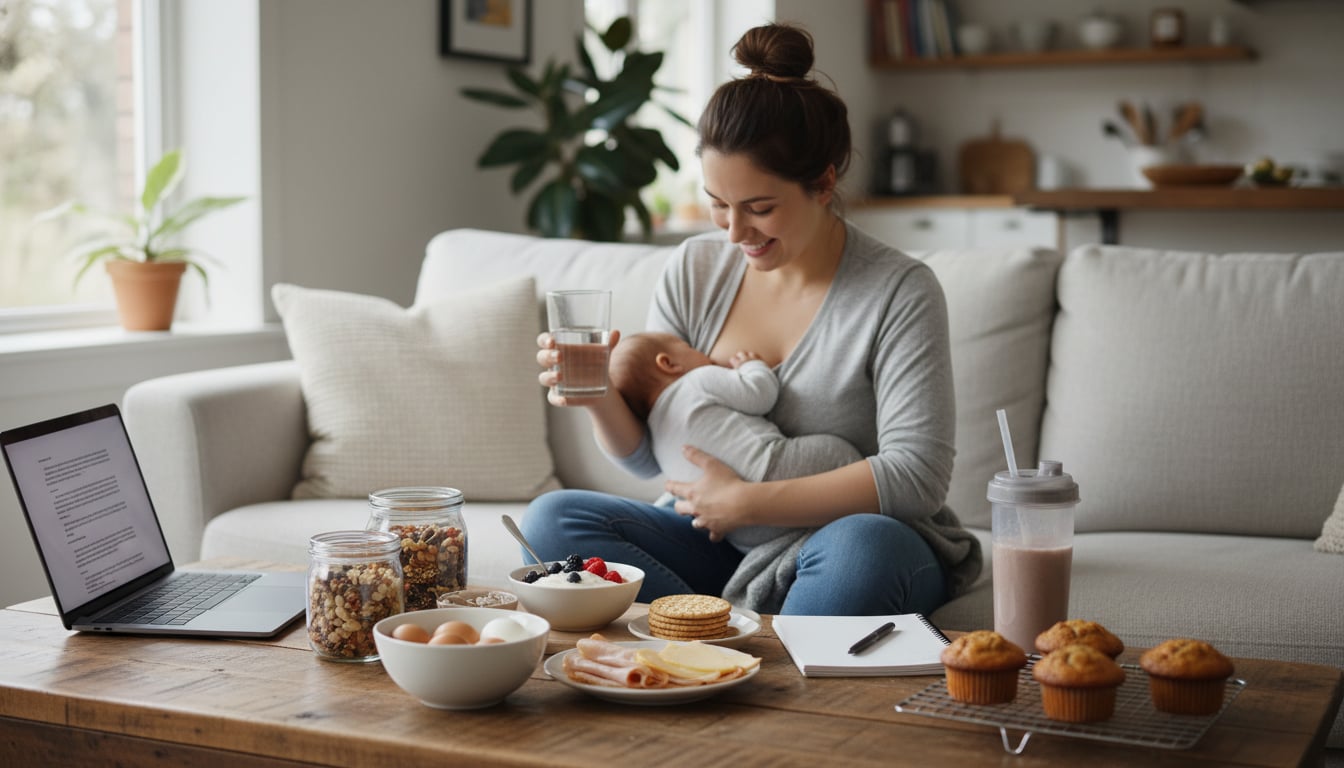
Once morning sickness eases, the transition to postpartum nutrition brings its own set of dietary needs, so building good habits now pays off later.
When Morning Sickness Needs More Than a Food List
For most women, the morning sickness help foods and strategies above are enough to manage nausea through the first trimester. Prenatal nutrition expert Lily Nichols notes that roughly 90% of women experience some degree of nausea, but only about 9% still have symptoms past 20 weeks.
Sometimes, though, a generic list isn't enough.
Talk to your doctor if you experience:
- Inability to keep food or liquids down for 24 hours
- Vomiting blood
- Unintentional weight loss
- Fever
- Dark urine or dizziness (signs of dehydration)
These may indicate hyperemesis gravidarum, a severe form affecting 0.3 to 10.8% of pregnancies, which requires medical treatment.
Consider working with a registered dietitian if:
- You're struggling to meet basic nutritional needs despite trying multiple strategies
- You have a pre existing condition like PCOS, diabetes, or IBS that complicates eating during pregnancy
- You're on a GLP 1 medication and need guidance on transitioning during pregnancy
- You want a personalized meal plan that accounts for your food aversions, cultural preferences, and medical history
A registered dietitian can create an eating plan tailored to exactly what you can tolerate, week by week, as your symptoms evolve. Vedic's team of registered dietitian nutritionists provides telehealth prenatal nutrition counseling, and 95% of clients pay $0 out of pocket through insurance. If you need personalized support beyond this food list, you can book a session and get same day availability.
Frequently Asked Questions
When does morning sickness start and end?
Morning sickness typically begins around weeks 4 to 6 of pregnancy and peaks between weeks 8 and 12. About 60% of women see symptoms resolve by the end of the first trimester (week 13), and only about 9% still experience nausea past 20 weeks. If your symptoms persist beyond the first trimester or suddenly worsen, talk to your healthcare provider.
Can morning sickness hurt my baby?
Mild to moderate morning sickness does not harm your baby. During the first trimester, you don't need extra calories, so even if you're eating less than usual, your baby is getting what they need. The concern arises only with hyperemesis gravidarum, where severe, persistent vomiting leads to dehydration and weight loss. That condition needs medical attention.
What if I can't keep anything down?
Start with tiny amounts of the blandest foods: a single cracker, a small sip of ginger tea, a frozen fruit bar. If you truly cannot keep any food or liquid down for 24 hours, contact your doctor. You may need IV fluids or a prescription for B6 plus doxylamine, which ACOG recommends as first line medication for severe nausea.
Is the BRAT diet enough during pregnancy?
Not for more than a day or two. The BRAT diet (bananas, rice, applesauce, toast) is fine as a temporary measure, but it lacks adequate protein, healthy fats, and many micronutrients essential for pregnancy. As soon as you can tolerate it, start adding protein sources like yogurt, eggs, or nut butter. Choosing whole grain versions of toast and rice adds fiber and B vitamins that white versions lack.
Should I take my prenatal vitamin if it makes me nauseous?
Don't skip it, but change how you take it. The iron in most prenatal vitamins is a common nausea trigger. Try switching to an evening dose with a small snack. If that doesn't help, ask your provider about gummy or liquid prenatals, which typically contain less iron and are easier on the stomach. Some doctors recommend temporarily switching to a folic acid only supplement during peak nausea weeks, then returning to a full prenatal once symptoms ease.
Does eating protein really help morning sickness more than crackers?
Yes, and the evidence is clear. A clinical trial found that protein predominant meals reduced nausea and abnormal stomach activity more than meals based on carbohydrates or fat. The mechanism involves blood sugar stabilization: protein prevents the reactive blood sugar drops that trigger nausea. This doesn't mean crackers are useless. It means pairing them with a protein source (like nut butter or cheese) will give you better, longer lasting relief.
Are whole grains better than refined grains for morning sickness?
When you can tolerate them, yes. Whole grains digest more slowly, which means a steadier blood sugar response and a longer gap before hunger triggered nausea returns. They also contain more B vitamins and fiber. But during your worst nausea days, any carb you can keep down is the right choice. Upgrade to whole grains when your stomach allows it.
Why do low fat foods help with nausea?
Fat slows gastric emptying, so high fat meals sit in your stomach longer and make nausea feel heavier and more persistent. Choosing low fat preparations (grilled instead of fried, broth based instead of cream based) lets food move through your digestive system faster. This doesn't mean cutting out all fat. Small amounts of healthy fats from nuts, avocado, or olive oil are still important for your baby's development.
The Bottom Line
The best morning sickness help foods aren't the ones everyone assumes. Protein beats plain crackers. Ginger has actual clinical trials behind it. Cold foods dodge your heightened sense of smell. Low fat preparations move through your stomach faster. And whole grains, when tolerable, provide steadier energy than their refined counterparts. The way you structure your eating (small, frequent, protein paired meals) matters as much as what you choose to eat.
Every pregnancy is different. What your sister swore by might make you gag. That's normal. Use the morning sickness help foods evidence tiers above as a starting point, experiment during your better hours, and give yourself grace during the rough ones.
If you're struggling to get adequate nutrition or your nausea goes beyond what these strategies can manage, working with a registered dietitian who specializes in prenatal care can make a real difference. You can find the right dietitian through Vedic's matching tool, or browse more nutrition articles for related pregnancy and wellness topics.
You won't feel this way forever. For most women, it gets better, and soon.
.svg)
.svg)



.webp)
.webp)
.webp)
.webp)
.webp)
.webp)
.webp)
.webp)
.webp)
.webp)