.webp)
.webp)
%2B(7).webp)
.png)
Postpartum meals are the everyday foods and snacks chosen during the first 12 or more weeks after birth to support tissue healing, stable energy, and (if breastfeeding) milk production. The key targets include extra calories for lactation, at least 70 grams of protein daily, specific micronutrients like iodine and choline, and enough fiber and fluids to keep digestion moving. This guide covers the exact numbers, caffeine and alcohol guardrails, one-handed meal ideas that parents actually used, and guidance for special situations like C-section recovery, anemia, and plant-based diets.
What “Postpartum Meals” Actually Means
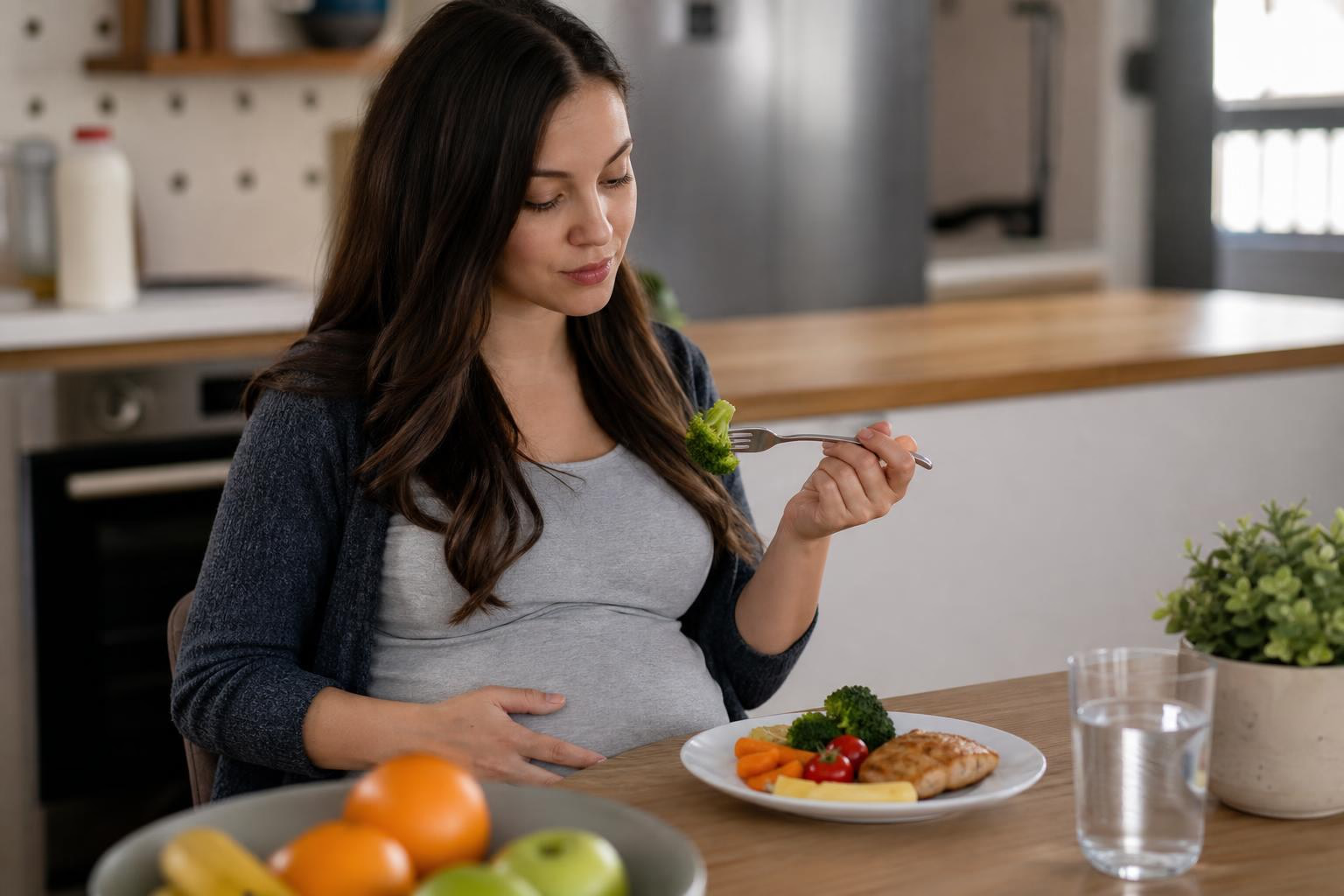
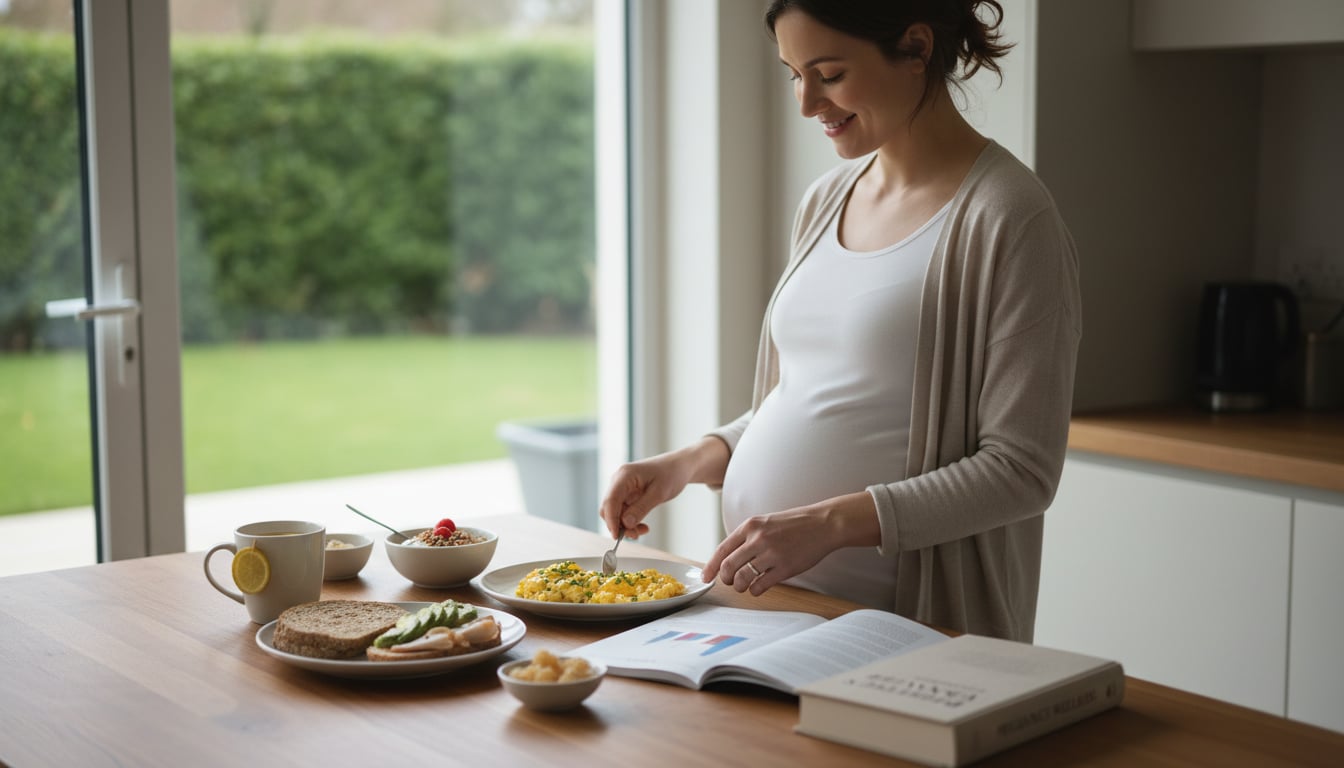
Postpartum meals are not a special diet. They are ordinary foods, organized around recovery and newborn care, during a period when cooking is the last thing on your mind.
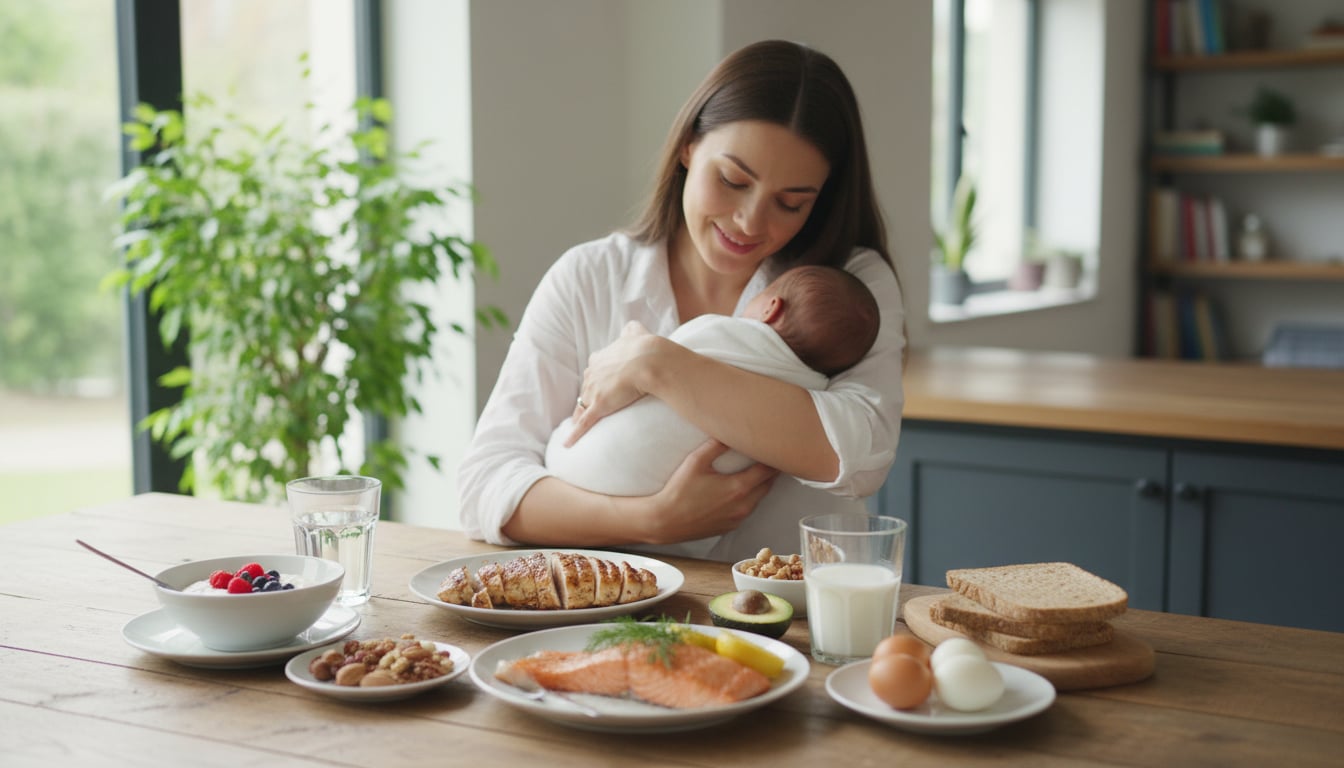
More specifically, the term refers to the foods and snacks chosen in the first 12+ weeks after delivery to accomplish a few things at once: replenish nutrients lost during pregnancy and birth, maintain energy and mood on broken sleep, support milk production if breastfeeding, and prevent common complaints like constipation. The focus lands on protein, iron-rich foods, DHA from seafood, iodine, choline, produce, fiber, and hydration, while keeping caffeine moderate and managing alcohol timing around feeds (CDC, Maternal Diet).
The part most articles skip: postpartum meals also need to be realistic. You will eat many of them one-handed, standing up, or reheated at odd hours. That practical constraint matters as much as the nutritional content.
The Four Jobs of Postpartum Meals
Every bite in those early weeks is doing at least one of these jobs.
1. Heal maternal tissue and replenish blood
Delivery, whether vaginal or cesarean, is a significant physical event. Your body needs adequate protein for tissue repair, iron to rebuild blood volume, and supportive nutrients like vitamin C and zinc for collagen synthesis and immune function (PMC, wound healing nutrients). Postpartum anemia is common, especially after significant blood loss, and fatigue that seems like “normal new parent tired” sometimes turns out to be low iron worth screening for.
2. Fuel milk production without depleting mom
If you are breastfeeding, your body is manufacturing a complete food for another human. That takes extra energy, iodine, choline, DHA, and fluids. Skipping meals or chronically under-eating doesn’t just make you feel terrible; it can gradually deplete your own nutrient stores even before it affects milk composition.
3. Keep digestion moving
Constipation after delivery is extremely common, whether from iron supplements, pain medications, pelvic floor changes, or simply not drinking enough. Fiber (from produce, whole grains, beans) plus adequate fluids plus gentle movement form the first line of defense (Cleveland Clinic, postpartum constipation).
4. Be something you can actually eat right now
This is where theory meets reality. Practitioners on Reddit consistently report that elaborate freezer meal preps go unused if they require thawing a full casserole or sitting down with both hands free. The meals that work are one-handed, single-portioned, and foods your family already likes (Reddit, postpartum freezer meals).
Numbers That Matter: Postpartum Nutrition Targets
Most postpartum nutrition articles say “eat healthy” and stop there. Here are the specific targets, with sources, so you can actually check whether your meals are covering them.
Energy (calories)
Breastfeeding: Add roughly 330 to 400 kcal per day above your pre-pregnancy intake, per CDC guidance. ACOG materials sometimes cite 450 to 500 extra kcal. The true number depends on milk volume, body size, and activity, so treat this as a range and adjust based on energy and weight trends (CDC).
Not breastfeeding: Return toward your pre-pregnancy energy needs, but avoid crash diets during the first 6 to 8 weeks while your body heals. ACOG recommends resuming exercise gradually and letting nutrition normalize before pursuing weight loss (ACOG, exercise after pregnancy).
Protein
The lactation RDA is approximately 1.3 g/kg per day, which for most women lands around 70+ grams daily (DRI summary). Distribute protein across meals and snacks rather than backloading it at dinner. For a breakdown of grams per serving from common foods, our guide to protein-rich foods for breastfeeding is a useful reference.
Iodine
290 mcg per day during lactation, critical for your infant’s thyroid function and brain development through breast milk. Sources include iodized salt, dairy, eggs, and seafood. If you use sea salt or kosher salt at home (neither is reliably iodized), talk to your provider about supplementing (CDC).
Choline
550 mg per day. This one is undersold. Choline is essential for infant brain development, and most Americans don’t meet the adequate intake even when they’re not breastfeeding. Top sources: eggs (one large egg has about 150 mg), liver, beef, chicken, dairy, and beans. Plant-based eaters often fall short without deliberate planning.
DHA and seafood
Aim for 2 to 3 servings (8 to 12 ounces) per week of low-mercury fish. Salmon, sardines, shrimp, tilapia, and pollock are all on the FDA/EPA “Best Choices” list. Avoid shark, swordfish, king mackerel, and tilefish. The DHA supports both maternal recovery and infant neurodevelopment (FDA/EPA fish advice).
Iron
The lactation RDA is actually lower than during pregnancy, but postpartum anemia remains common. WHO advises 6 to 12 weeks of oral iron supplementation postpartum in settings where antenatal anemia is significant (WHO guideline via NIH). If you’re unusually fatigued, pale, or dizzy, ask for labs. Pair iron-rich foods (red meat, lentils, spinach, fortified cereals) with vitamin C sources (citrus, bell peppers, tomatoes) to boost absorption.
Fiber
29 grams per day is the adequate intake during lactation (DRI). That’s roughly 5 to 7 servings of fruits, vegetables, and whole grains. Constipation is miserable on top of postpartum recovery, and fiber plus water is the simplest prevention.
Fluids
The adequate intake for total water (beverages plus food) is about 3.8 liters per day during lactation. You don’t need to count ounces obsessively. Drink to thirst, keep a water bottle within reach during every feeding session, and drink more in heat or with exercise.
Caffeine
About 300 mg per day or less (roughly 2 to 3 cups of brewed coffee) is considered low to moderate and generally compatible with breastfeeding. Infants of very high-caffeine mothers may be fussier or sleep poorly, and preterm or very young infants may be more sensitive (CDC).
Alcohol
Breast milk alcohol levels mirror blood alcohol levels. One standard drink clears from milk in about 2 to 3 hours; two drinks take roughly 4 to 5 hours on average. Time feeds or use previously expressed milk accordingly. “Pump and dump” does not speed clearance, since the alcohol leaves milk as it leaves blood (CDC, alcohol and breastfeeding).
Build a Plate: The Simple Framework
Rather than following a rigid meal plan, use this pattern for any cuisine and nearly any meal. It aligns with Dietary Guidelines for Americans life-stage recommendations:
- Half the plate: Produce (cooked or soft vegetables, fruit). Raw is fine too if you prefer it.
- One palm-sized portion: Protein (chicken, fish, eggs, beans, tofu, beef, lentils).
- One fist-sized portion: Whole grains or starchy vegetables (rice, tortillas, sweet potatoes, oats, bread).
- Added fats: Olive oil, avocado, nuts, seeds, or butter.
- Plus: Dairy or fortified alternatives for calcium, iodine, and extra protein.
This pattern reliably covers protein, fiber, and key micronutrient needs without elaborate recipes.
Five example plates
Tex-Mex: Black bean and cheese quesadilla on whole wheat tortilla, side of guacamole, diced mango, glass of milk.
Mediterranean: Salmon over quinoa, roasted zucchini and tomatoes, olive oil drizzle, side of yogurt with walnuts.
Vegetarian: Lentil soup with spinach, whole grain bread with butter, clementine, cheese stick.
Dairy-free: Stir-fried tofu with broccoli and bell peppers over brown rice, handful of cashews, fortified soy milk.
South Asian: Chicken curry with spinach and chickpeas over basmati rice, side of raita (or coconut yogurt), sliced cucumber.
One-Handed and Freezer-Friendly Postpartum Meal Ideas That Parents Actually Use
The gap between what postpartum meal prep guides suggest and what new parents actually eat is wide. These lists come from what parents said worked in practice, not what looked pretty in a planning spreadsheet.
One-handed wins
- Breakfast burritos or egg wraps (wrap tightly in foil, reheat, eat with one hand)
- Rotisserie chicken wraps with hummus
- Meatballs (eat with a toothpick or fork, no knife needed)
- High-protein muffins (egg and oat based)
- “Adult lunchables”: cheese cubes, deli turkey, hummus cups, crackers, veggie sticks
- Greek yogurt with nut and seed toppers
- Tuna or salmon pouches (no can opener needed)
- Pre-peeled hard-boiled eggs
- Edamame (shelled, from frozen)
- Trail mix with nuts, seeds, and dark chocolate chips
If mornings are tough and eggs aren’t your thing, check out high-protein breakfast ideas that skip the eggs entirely.
Freezer meals that got eaten
Practitioners on Reddit and meal prep communities consistently highlight the same winners:
- Lasagna or baked ziti, portioned in individual containers
- Chili (beef, turkey, or bean-based)
- Taco or carnitas filling in freezer bags
- Soups and stews in single-serve containers (or sippable from mugs)
- Chicken fajita packs (pre-seasoned, dump into a pan)
- Breakfast sandwiches wrapped individually
- Waffles and pancakes (reheat in a toaster)
- Individually wrapped baked chicken pieces
- Slow-cooker dump packs (everything in a bag, pour into the pot, press start)
One parent on Reddit’s r/MealPrepSunday noted that single portions were the key factor in whether freezer meals actually got used (Reddit, meal prep community). Dietitian-authored freezer guides echo this: freeze in individual servings to speed thaw and reduce waste.
What flopped
A few patterns show up repeatedly in what didn’t work:
- Big frozen casseroles that require overnight thawing and oven reheating. Nobody has that kind of planning energy at 3 AM.
- Soups that can’t be sipped. Chunky soups sound great until you’re holding a baby and a bowl. Blend them or use a mug.
- Foods your family doesn’t normally eat. Postpartum is not the time to experiment. Freeze things you already know everyone likes (Reddit, postpartum meal prep).
Special Situations
C-section recovery
A cesarean delivery involves major abdominal surgery, and nutrition plays a direct role in wound healing. Prioritize adequate protein for tissue repair, vitamin C for collagen synthesis, and zinc for immune function. Evidence supports correcting any inadequacy in these nutrients, though routine high-dose supplementation beyond normal needs isn’t universally recommended (PMC, wound healing review). Talk to your provider about whether targeted supplementation makes sense for your situation.
Postpartum anemia
If you lost significant blood during delivery or were anemic during pregnancy, iron-deficiency anemia may persist. WHO supports 6 to 12 weeks of oral iron supplementation postpartum in populations with notable antenatal anemia (WHO via NIH). Symptoms include persistent fatigue beyond normal new-parent exhaustion, pallor, dizziness, and shortness of breath. Get labs if something feels off. Iron-rich foods paired with vitamin C at the same meal improve absorption.
Vegan and vegetarian postpartum nutrition
Plant-based eating is entirely compatible with postpartum recovery and breastfeeding, but it requires deliberate planning. The CDC now explicitly flags that vegan and vegetarian diets during lactation may fall short in B12, iodine, iron, zinc, and omega-3 fatty acids without supplementation or careful food selection (CDC). A registered dietitian can help identify the gaps specific to your eating pattern.
Not breastfeeding
Most postpartum meal advice defaults to breastfeeding, leaving formula-feeding parents without guidance. If you are not breastfeeding, you can return toward your pre-pregnancy calorie needs. The same healing priorities apply: adequate protein, iron, vitamin C, zinc, fiber, and hydration. Avoid crash dieting in the first 6 to 8 weeks, and resume exercise gradually per ACOG guidance.
Weight loss while breastfeeding
Aim for slow, steady loss of about 1 pound per week. Keep calorie intake at or above 1,800 per day, prioritize protein to protect milk supply, and know that exercise does not harm supply (Academy of Nutrition and Dietetics). Aggressive calorie restriction while lactating risks both your nutrient stores and your energy at a time when you need both. An RDN can help build a plan that supports gradual weight loss without shortchanging your milk or your recovery.
History of gestational diabetes
If you had gestational diabetes during pregnancy, the balanced carbohydrate and protein habits you built remain valuable postpartum. Maintaining that structure can support blood sugar stability and reduce your risk of developing type 2 diabetes later. For a framework you can continue using, see our gestational diabetes meal plan.
PCOS
Polycystic ovary syndrome affects postpartum metabolic recovery and weight management. Insulin resistance, a hallmark of PCOS, doesn’t disappear after delivery. If you’re navigating PCOS alongside postpartum nutrition, our guide to PCOS nutrition strategies for inflammation and symptom management covers the current evidence.
Myths and Reality Checks
Herbal galactagogues (fenugreek, moringa, blessed thistle)
These are widely promoted as milk supply boosters, but the evidence is limited and inconsistent. The Academy of Breastfeeding Medicine (ABM) does not recommend specific herbal galactagogues due to insufficient data on both efficacy and safety (ABM Protocol #9). Some may cause side effects or interact with medications. If you’re concerned about supply, work with your lactation consultant or clinician before reaching for supplements.
Spicy and “gassy” foods
Children’s Hospital of Philadelphia’s lactation guidance addresses this directly: most breastfed infants tolerate a wide range of flavors, including spicy and gassy foods (CHOP, diet for breastfeeding mothers). If your baby seems consistently bothered after you eat a specific food, you can try eliminating it temporarily and observe. But blanket avoidance of garlic, onions, broccoli, or spice isn’t necessary.
Lactation cookies
They’re fine as a snack if you enjoy them. They are not necessary for milk supply. What matters more: total energy intake, frequent milk removal (feeding or pumping), and adequate intake of key micronutrients like iodine, choline, and DHA. A cookie won’t hurt anything, but it also won’t fix a supply issue.
Frequently Asked Questions
How many extra calories do I need for breastfeeding?
Roughly 330 to 400 extra calories per day above pre-pregnancy intake, according to the CDC. Some sources cite up to 450 to 500. The right number varies by your milk volume, body size, and activity level. If you’re losing weight too quickly (more than about a pound per week), you likely need more food.
Is coffee safe while breastfeeding?
About 300 mg of caffeine per day, roughly 2 to 3 cups of brewed coffee, is considered low to moderate and generally safe. Watch your infant for fussiness or sleep changes, especially if they were born preterm or are under a few months old (CDC).
How much fish is safe postpartum?
8 to 12 ounces per week of low-mercury fish (salmon, shrimp, tilapia, sardines, pollock). The FDA/EPA “Best Choices” list is the simplest reference. Avoid shark, swordfish, king mackerel, and tilefish (FDA/EPA).
Can I drink alcohol while breastfeeding?
If you choose to drink, time your feeds. Alcohol clears from breast milk at roughly the same rate as from blood: about 2 to 3 hours per standard drink. Two drinks take closer to 4 to 5 hours. “Pump and dump” does not speed this up, since the alcohol leaves milk as it leaves your bloodstream (CDC).
Do I need different postpartum meals if I had a C-section?
The core principles are the same, but wound healing after abdominal surgery increases your need for protein and benefits from adequate vitamin C and zinc. Focus on protein at every meal and include citrus, bell peppers, nuts, seeds, and whole grains. If you suspect a deficiency, talk to your provider about targeted supplementation.
What should I eat postpartum if I’m not breastfeeding?
Return toward your pre-pregnancy calorie needs, emphasize protein and iron-rich foods for healing, include plenty of fiber and fluids for digestion, and skip crash diets during the first 6 to 8 weeks. You still benefit from the same build-a-plate framework described above.
Will exercise hurt my milk supply?
No. The Academy of Nutrition and Dietetics confirms that moderate exercise does not negatively affect milk supply, volume, or composition. Resume activity gradually per your provider’s guidance.
When should I talk to a registered dietitian about my postpartum meals?
Consider working with an RDN if you have specific medical conditions (diabetes, PCOS, IBS, anemia), if you follow a vegan or vegetarian diet and want to confirm your nutrient coverage, if you’re struggling with weight loss while breastfeeding, or if you simply want a personalized plan rather than generic advice.
When to Talk to a Registered Dietitian
General postpartum meal advice can take you far, but it has limits. If you’re managing a condition like PCOS, diabetes, digestive issues, or postpartum anemia, or if you want a plan built around your labs, food preferences, and schedule, individualized guidance from a registered dietitian nutritionist makes a real difference.
If you live in Texas, Vedic Nutrition’s registered dietitians provide insurance-covered virtual nutrition counseling statewide. Ninety-five percent of covered clients pay $0 out of pocket, and sessions are available in English and Spanish. You can check your coverage and sign up here or browse the dietitian team to find a provider comfortable with postpartum and breastfeeding nutrition.
For more on pregnancy and breastfeeding nutrition topics, explore our full collection of pregnancy and breastfeeding articles.
.svg)
.svg)



.webp)
.webp)
.webp)
.webp)
.webp)
.webp)
.webp)
.webp)

.webp)