.webp)

%2B(7).webp)
.png)
TL;DR
The best high protein snacks for breastfeeding include Greek yogurt with nuts (17 to 22g protein), hard boiled eggs (6 to 7g each), edamame (17 to 18g per cup), turkey and cheese roll ups (12 to 15g), smoothies with a Greek yogurt base (22 to 32g), and no bake energy balls (5 to 9g each). Breastfeeding burns 450 to 500 extra calories per day, and most nursing moms need closer to 80 to 100 grams of protein daily, well above the standard recommendation of 71 grams. This article lists over 30 options organized by prep time, from zero effort grab and go picks to batch prep recipes you can make once and eat all week. Every snack includes its exact protein count per serving so you can hit your daily target without guessing.
The hunger that comes with breastfeeding is something else entirely. It's not regular hunger. It hits suddenly, sometimes at 2 a.m., sometimes mid feed when both hands are occupied and the kitchen might as well be a mile away.
That hunger exists for good reason. According to NICHD, breastfeeding requires an extra 450 to 500 calories per day. Your body is literally manufacturing food for another human. But grabbing crackers, granola bars, or whatever's closest often leaves you hungry again within the hour.
The fix is straightforward: prioritize protein. High protein snacks for breastfeeding do more than fill you up. They stabilize blood sugar, preserve your muscle mass during the postpartum period, support tissue repair after delivery, and help your body produce the immune proteins your baby needs through breast milk. For a broader look at what to eat in the weeks and months after giving birth, check out this postpartum diet plan.
The problem with most "breastfeeding snack" lists online is that they're vague. They'll call something "protein rich" without telling you how much protein it actually contains. This article is different. Every snack below includes a gram count, a prep time estimate, and practical tips that account for the reality of nursing, including the frequent need to eat with one hand.
At a Glance Comparison Table
| Snack | Protein (per serving) | Prep Time | One Handed? | Best For |
|---|---|---|---|---|
| Greek Yogurt with Berry and Nut | 17 to 22g | 1 min | ✅ | Highest grab and go protein |
| Hard Boiled Eggs | 6 to 7g each | 0 min (pre cooked) | ✅ | Whole food nutrition + choline |
| Edamame | 17 to 18g | 3 min | ✅ | Plant based protein powerhouse |
| Turkey & Cheese Roll Ups | 12 to 15g | 2 min | ✅ | Savory, low carb, filling |
| Smoothie (yogurt + chia seed base) | 22 to 32g | 3 min | ✅ (straw) | Highest protein per snack |
| No Bake Energy Balls | 5 to 9g per ball | 15 min (batch) | ✅ | Freezer friendly batch prep |
| Cottage Cheese Bark | 8 to 10g | 5 min + freeze | ✅ | Sweet tooth satisfaction |
| Protein Bar (RX, ALOHA) | 12 to 14g | 0 min | ✅ | Shelf stable pantry staple |
| Avocado Toast with Hemp Seed | 12 to 15g | 4 min | ❌ | Healthy fats + complete protein |
| Antipasto Kabobs | 10 to 14g | 5 min | ✅ | Party style, fun to prep ahead |
| Sweet Potato with Cottage Cheese | 16 to 18g | 8 min | ❌ | Hearty mini meal snack |
| Salmon Jerky | 10 to 12g | 0 min | ✅ | Omega 3s without refrigeration |
How Much Protein Do You Actually Need While Breastfeeding?
The current NIH recommendation puts protein needs for breastfeeding women at about 71 grams per day. But that number is almost certainly too low.
A 2020 study published in the journal Nutrients measured actual protein requirements for exclusively breastfeeding women and found the real need was closer to 1.7 to 1.9 grams per kilogram of body weight per day. That's significantly higher than the current Dietary Reference Intake of 1.05 g/kg/day.
Registered dietitians who specialize in lactation nutrition have taken notice. Several RD practitioners now recommend 80 to 100 grams of protein daily while breastfeeding, with a practical starting point of 1.2 to 1.5 grams per kilogram of body weight. For a 150 pound (68 kg) woman, that translates to roughly 82 to 102 grams per day.
A quick way to estimate your target: take your weight in pounds, divide by 2.2 to get kilograms, then multiply by 1.3. That's a reasonable daily protein goal for most nursing moms.
If you're not hitting that target, you'll likely notice. Common signs of inadequate protein intake postpartum include constant hunger between meals, intense sugar or carb cravings, energy crashes in the afternoon, excessive hair loss beyond normal postpartum shedding, and slow wound healing after delivery.
This pattern of eating carb heavy foods, feeling full briefly, then craving more within an hour has a name. It's called the protein leverage hypothesis, and it explains why the body keeps driving hunger until protein needs are met. Breastfeeding amplifies this cycle because protein demands are elevated.
The practical takeaway: aim for at least 10 grams of protein per snack, two to three snacks per day, on top of protein rich meals. Lactation nutrition RDs call this the "10 gram minimum" rule for snacking, and it's a useful filter as you read through the options below.
Practitioners on Reddit's r/breastfeeding and r/beyondthebump frequently mention that they didn't realize how much protein they actually needed until they started tracking. Several report that once they hit 80+ grams consistently, the constant hunger and brain fog noticeably improved within days.
If you want a dietitian's help building a personalized plan, Vedic Nutrition's team of registered dietitians works with breastfeeding moms via telehealth, and most clients pay $0 out of pocket through insurance.
Zero Prep High Protein Snacks for Breastfeeding (Grab and Go)
These require no cooking, no prep, and most can be eaten with one hand while nursing.
1. Greek Yogurt with Berry and Nut Topping
Best for: Highest grab and go protein per serving
Protein: 17 to 22g per ¾ cup (with ¼ cup berries and 1 tablespoon chopped nuts)
Greek yogurt is the single best zero effort protein snack for breastfeeding moms. A single serve cup delivers as much protein as two eggs. But topping it with a handful of blueberries or raspberries plus a tablespoon of walnuts or almonds turns it from a protein snack into a genuinely balanced one. The berries add vitamin C (which helps iron absorption), and the nuts add healthy fat and an extra 2 to 3 grams of protein.
Whole milk versions are fine and may keep you fuller longer. The fat content in Greek yogurt doesn't negatively affect breast milk quality, and the probiotics support gut health during a period when your microbiome is still recovering from pregnancy and possibly antibiotics.
Considerations: Flavored varieties can pack 15 to 20 grams of added sugar. Check labels. If your baby shows signs of dairy sensitivity (excessive fussiness, mucus in stools), talk to your pediatrician before eliminating dairy entirely.
2. String Cheese with Grapes
Best for: Zero mess one handed snacking
Protein: 6 to 7g per stick
String cheese is the unsung hero of one handed eating. Peel it, eat it, done. No dishes, no spills, no crumbs on the baby. Pairing string cheese with a small handful of grapes adds quick energy from natural sugar and vitamin K. The sweetness of the grapes alongside salty cheese makes the snack feel more satisfying than either component alone.
At 6 to 7 grams per stick, one stick alone falls below the 10 gram threshold. Eat two sticks with your grapes, or pair with a handful of almonds (6g per ounce) to clear it.
3. Hard Boiled Eggs
Best for: Whole food nutrition plus choline
Protein: 6 to 7g per egg
Eggs are one of the most nutrient dense foods you can eat postpartum. Beyond protein, each egg delivers roughly 150mg of choline, a nutrient the CDC specifically flags as important during lactation, with a daily recommendation of 550mg. Three eggs gets you almost halfway there.
Batch boil a dozen on Sunday, keep them in the fridge, and grab two at a time. Sprinkle with everything bagel seasoning or a pinch of salt. They keep for about a week refrigerated.
Considerations: Eggs are a top allergen. If your baby is showing signs of food sensitivity, this is one to discuss with your pediatrician.
4. Beef or Turkey Jerky
Best for: Shelf stable protein that doesn't need refrigeration
Protein: 9 to 15g per serving (varies by brand)
Jerky is pure protein in portable form. Keep a bag in your nursing station, your car, your diaper bag. It won't spoil, it won't melt, and it requires zero preparation.
Look for brands with shorter ingredient lists and lower sodium (under 400mg per serving). Country Archer and Chomps are popular options among postpartum moms. Turkey jerky tends to be leaner, while beef jerky offers more iron, which matters since iron stores can be depleted after delivery.
5. Salmon Jerky
Best for: Omega 3s in a shelf stable format
Protein: 10 to 12g per serving
Salmon jerky is less common than beef or turkey but worth seeking out for breastfeeding moms specifically. It provides DHA and EPA, the omega 3 fatty acids that support your baby's brain development through breast milk. Brands like Pescavore and Epic make salmon jerky with clean ingredient lists.
One serving delivers 10 to 12 grams of protein alongside those omega 3s, making it one of the most nutrient efficient grab and go snacks on this list. Practitioners on parenting forums mention keeping a bag at the nursing station alongside beef jerky for variety. The flavor is milder than you might expect.
6. Cottage Cheese Cups
Best for: Versatile high protein base
Protein: 13 to 14g per ½ cup
Cottage cheese has made a comeback for good reason. The protein content rivals Greek yogurt, and single serve cups make it effortless. Eat it plain, top it with pineapple, or mix in a spoonful of nut butter.
Full fat cottage cheese (4% milkfat) tastes significantly better than low fat versions and provides the calories your body needs during breastfeeding. This is not the time for diet food. For a deeper look at protein rich whole foods during the nursing period, see this guide on protein rich foods for breastfeeding.
7. Edamame
Best for: Plant based protein powerhouse
Protein: 17 to 18g per cup (shelled)
Edamame is one of the highest protein plant snacks available, and it cooks from frozen in three minutes in the microwave. Sprinkle with sea salt or a squeeze of lime. Shelled edamame is easier to eat one handed.
At 17 to 18 grams per cup, a single serving hits the 10 gram rule nearly twice over. It's also a solid source of folate, fiber, and iron.
Considerations: Edamame is soy based. Soy is a top allergen, so watch for any reactions in your baby if soy is new in your diet.
8. Roasted Chickpeas
Best for: Crunchy, portable plant protein
Protein: 5 to 7g per serving
Store bought roasted chickpeas (Biena, The Good Bean) satisfy the craving for something crunchy and salty without the nutritional void of chips. They're high in fiber, which helps with the constipation that's common postpartum.
At 5 to 7 grams per serving, pair them with another protein source to hit the 10 gram minimum. A small handful of roasted chickpeas plus a cheese stick gets you there.
9. Crackers with Cheese
Best for: Satisfying a crunch craving with real protein
Protein: 8 to 12g per serving (depending on cheese type and amount)
This is the classic snack, upgraded. Choose whole grain crackers (Triscuits, Mary's Gone Crackers, or Wasa) and pair with sliced cheddar, gouda, or a mini Babybel. Two ounces of cheddar delivers about 14 grams of protein. One ounce with 6 to 8 crackers is more typical and lands around 8 to 10 grams.
Pre slice the cheese and store in a zip lock for faster assembly. One mom on a YouTube breastfeeding tips video mentioned keeping a cheese and cracker "kit" in the fridge, layered in a small container, ready to grab one handed. Smart.
Minimal Prep High Protein Snacks (Under 5 Minutes)
These take a few minutes of assembly but nothing that qualifies as real cooking.
1. Nut Butter on Whole Grain Toast
Best for: Quick energy with staying power
Protein: 10 to 13g per serving (2 tablespoons nut butter + 1 slice whole grain bread)
Whole grain toast adds about 3 to 5 grams of protein on its own (depending on the brand), which pushes a nut butter snack past the 10 gram threshold that an apple or banana pairing often misses. Dave's Killer Bread and Ezekiel bread are both higher protein options. Spread peanut butter or almond butter generously, and you have a snack that clears 10 grams easily.
Peanut butter has slightly more protein than almond butter (7 to 8g vs. 6 to 7g per 2 tablespoons). Both work. Sprinkle hemp seeds on top for an extra 3 grams and a dose of omega 3s.
2. Nut Butter on Banana or Apple
Best for: Portable fruit and protein combo
Protein: 7 to 8g per 2 tablespoons of peanut or almond butter
This combination of protein, healthy fat, and natural carbohydrates makes it one of the most balanced quick snacks available. Slice the apple or banana ahead of time and store in a container with lemon juice to prevent browning, or just scoop the nut butter straight from the jar.
3. Turkey and Cheese Roll Ups
Best for: Savory, low carb, highly filling
Protein: 12 to 15g per serving (3 slices turkey + 1 slice cheese)
Layer a slice of cheese on a slice of deli turkey, roll it up, and secure with a toothpick. Three roll ups take two minutes to make and deliver a serious protein punch. Add mustard or a pickle spear on the side.
Choose nitrate free turkey when possible. Applegate, Boar's Head, and store brand "natural" deli meats are widely available options.
4. Eggs with Whole Grain Toast
Best for: Mini meal level protein in under 5 minutes
Protein: 17 to 19g per serving (2 eggs + 1 slice whole grain toast)
Two scrambled or fried eggs on a slice of whole grain toast is technically a snack that borders on a meal, and that's exactly the point during breastfeeding. The toast adds fiber, B vitamins, and extra protein (3 to 5g from a good bread), while two eggs contribute 12 to 14 grams plus choline. Total prep time: 4 minutes if you're fast with a pan.
Season with salt, pepper, and a dash of hot sauce. If you want to save even more time, microwave the eggs in a mug for 90 seconds, stir once halfway through, and pile them on toast.
5. Smoked Salmon on Rice Cake
Best for: Omega 3 bonus with protein
Protein: 10 to 12g per serving (2 oz salmon + cream cheese)
Smoked salmon delivers both protein and omega 3 fatty acids (DHA and EPA), which support your baby's brain development through breast milk. Spread cream cheese on a rice cake, layer on salmon, add a few capers or a squeeze of lemon.
Considerations: Choose wild caught when possible. The FDA considers smoked salmon safe during breastfeeding. Limit to 2 to 3 servings of low mercury fish per week.
6. Trail Mix with Nuts and Dried Fruit
Best for: Portable variety you can customize
Protein: 5 to 8g per ¼ cup
Make your own with almonds, pumpkin seeds, walnuts, cashews, and a smaller proportion of dried cranberries or apricots. The dried fruit adds quick energy and iron (especially apricots), while the nuts carry the protein load. Store bought works too, but check the sugar content. The best trail mixes for breastfeeding moms lead with nuts and seeds, not candy.
Pumpkin seeds (pepitas) deserve special mention: they pack 9 grams of protein per ounce and are rich in zinc and magnesium, two minerals that support postpartum recovery. Pre portion into small bags so you're not mindlessly eating from a family size container.
7. Smoothie with Greek Yogurt and Chia Seeds
Best for: Highest protein per snack (up to 32g)
Protein: 22 to 32g per serving
A protein packed smoothie is one of the most efficient ways to get high protein snacks for breastfeeding into your day. Blend Greek yogurt (or cottage cheese) with frozen fruit, a handful of spinach, milk or water, and 2 tablespoons of chia seeds. The chia seeds add about 4 grams of protein on top of omega 3 fatty acids and fiber that helps keep things moving (important postpartum). Add a scoop of protein powder to push the total above 25 grams.
Use a straw for true one handed drinking while nursing. Prep smoothie bags (pre portioned frozen fruit + spinach + chia seeds in zip locks) to make assembly even faster.
8. Hummus with Veggies or Whole Grain Crackers
Best for: Fiber plus protein combination
Protein: 5 to 7g per ¼ cup hummus
Hummus alone is moderate in protein, but it's high in fiber and healthy fats, which contribute to satiety. Pair with whole grain crackers, bell pepper strips, or cucumber rounds.
To boost the protein, choose hummus varieties made with extra chickpeas or pair with a cheese stick on the side. Some brands now make "high protein" hummus with added white beans.
9. Tuna Salad on Whole Grain Crackers
Best for: Effortless meal level protein with omega 3s
Protein: 12 to 18g per serving
Pre made tuna salad kits (StarKist, Bumble Bee) come with crackers and require nothing but opening the package. They're cheap, shelf stable, and deliver solid protein with omega 3s. But the protein jumps even higher if you make a quick batch of tuna salad at home (one can of tuna, a tablespoon of mayo, a squeeze of lemon, salt and pepper) and spoon it onto whole grain crackers like Triscuits or Wasa.
One 5 ounce can of light tuna packs about 20 grams of protein. Spread across crackers, a half can serving still delivers 10 to 12 grams easily.
Considerations: Stick to light tuna (skipjack) over albacore to minimize mercury. The FDA recommends 2 to 3 servings of low mercury fish per week during breastfeeding, and these count toward that total.
10. Avocado Toast with Hemp Seeds
Best for: Healthy fats plus complete plant protein
Protein: 12 to 15g per serving (1 slice whole grain toast + ½ avocado + 2 tablespoons hemp seeds)
Avocado toast gets dismissed as a trend, but it's genuinely useful for breastfeeding moms when you build it right. Half an avocado on whole grain toast provides healthy monounsaturated fats, fiber, and potassium. The game changer is hemp seeds: 2 tablespoons add about 6 to 7 grams of complete protein (all nine essential amino acids), plus omega 3 and omega 6 fatty acids.
Sprinkle with flaky salt and red pepper flakes. Add a fried egg on top and you're looking at 18 to 21 grams of protein. This snack does require two hands to assemble, but it's worth it when you have a few minutes between feeds.
11. Antipasto Kabobs with Meat and Cheese
Best for: Fun, shareable, easy to prep ahead
Protein: 10 to 14g per 2 to 3 kabobs
Thread cubes of mozzarella, slices of salami or turkey, cherry tomatoes, and olives onto toothpicks or small skewers. Three kabobs take about 5 minutes to assemble and deliver a satisfying mix of protein and fat. They're easy to eat one handed (just pull the pieces off with your teeth) and they look like an actual appetizer, which is a nice morale boost during the monotony of early postpartum.
Prep a batch on Sunday and store in a container in the fridge. They last 4 to 5 days. Swap in prosciutto or pepperoni depending on what you have. One mom on a breastfeeding forum called these her "fancy nursing snacks" and said making them felt like self care.
Batch Prep Protein Snacks for Breastfeeding (Make Once, Eat All Week)
Set aside 30 to 60 minutes on a weekend and you'll have high protein breastfeeding snacks ready for the entire week. For more ideas on structuring postpartum meals and nutrition targets, that guide pairs well with this batch prep approach.
1. No Bake Protein Energy Balls
Best for: Freezer friendly batch prep
Protein: 5 to 9g per ball (depending on recipe)
Mix rolled oats, peanut butter, honey, mini chocolate chips, and a scoop of protein powder. Roll into balls, refrigerate, done. Most recipes make 12 to 15 balls that last a week in the fridge or a month in the freezer.
Registered dietitians who work with breastfeeding moms frequently recommend energy balls as a go to nursing station snack because they're calorie dense, protein rich, and easy to grab with one hand.
2. Mini Egg Muffins
Best for: Savory make ahead protein
Protein: 7 to 10g per mini muffin
Whisk eggs with diced vegetables (spinach, bell pepper, onion), pour into a greased muffin tin, and bake at 375°F for 15 to 18 minutes. Makes 12 muffins. They reheat in 30 seconds in the microwave and freeze well.
Two mini egg muffins deliver 14 to 20 grams of protein. Add crumbled turkey sausage or cheese to push the protein higher.
3. Cottage Cheese Bark
Best for: Sweet tooth satisfaction
Protein: 8 to 10g per serving
This trending snack is simpler than it looks. Spread cottage cheese on a parchment lined baking sheet, top with berries, nuts, a drizzle of honey, and freeze until solid (about 2 hours). Break into pieces and store in a freezer bag.
It tastes like frozen yogurt but with significantly more protein. It satisfies sweet cravings without the blood sugar spike that comes from ice cream or cookies.
4. High Protein Overnight Oats
Best for: Grab from fridge breakfast snack hybrid
Protein: 15 to 20g per serving (with Greek yogurt + protein powder)
Combine rolled oats, Greek yogurt, milk, chia seeds, and a scoop of protein powder in a mason jar. Refrigerate overnight. In the morning (or at 3 a.m., no judgment), grab and eat.
The standard overnight oats recipe is mostly carbohydrates. Adding Greek yogurt and protein powder transforms it into a genuinely high protein snack for breastfeeding that keeps blood sugar stable for hours.
5. Sweet Potato with Cottage Cheese
Best for: Hearty, warm, mini meal level snack
Protein: 16 to 18g per serving (1 medium sweet potato + ½ cup cottage cheese)
Microwave a medium sweet potato for 6 to 8 minutes, split it open, and top with half a cup of cottage cheese. The cottage cheese melts slightly from the heat, creating a creamy, savory topping. Sprinkle with cinnamon for the sweet version or everything bagel seasoning for savory.
This is a more substantial snack that works well as a late afternoon bridge between lunch and dinner, when breastfeeding hunger tends to peak. The sweet potato provides complex carbs, vitamin A (critical during lactation), and fiber. The cottage cheese brings 13 to 14 grams of protein. Batch microwave several sweet potatoes on Sunday so assembly during the week takes 30 seconds.
6. Chia Pudding with Protein Powder
Best for: Omega 3s plus make ahead convenience
Protein: 10 to 15g per serving (with collagen or whey protein added)
Mix chia seeds with milk and a scoop of protein powder. Refrigerate for at least 4 hours, preferably overnight. Top with fruit and nuts before eating. Prep in individual mason jars for grab and go portions.
Chia seeds contribute omega 3 fatty acids, fiber, and calcium on top of whatever protein powder provides. Without added protein powder, chia pudding is low in protein (about 4 to 5g per serving), so the supplement is essential here.
7. Homemade Granola Bars
Best for: Controlling sugar and ingredient quality
Protein: 8g per bar
Store bought granola bars are often glorified candy bars. Making your own lets you control the sugar content and maximize protein. A basic recipe: oats, nut butter, honey, protein powder, flax seeds, and dark chocolate chips. Press into a pan, refrigerate, and cut into bars.
These keep for a week in the fridge and freeze well for longer storage.
Store Bought Protein Bars and Convenience Picks
Not every snack needs to be homemade. These are reliable, widely available options worth keeping stocked.
1. RX Bars
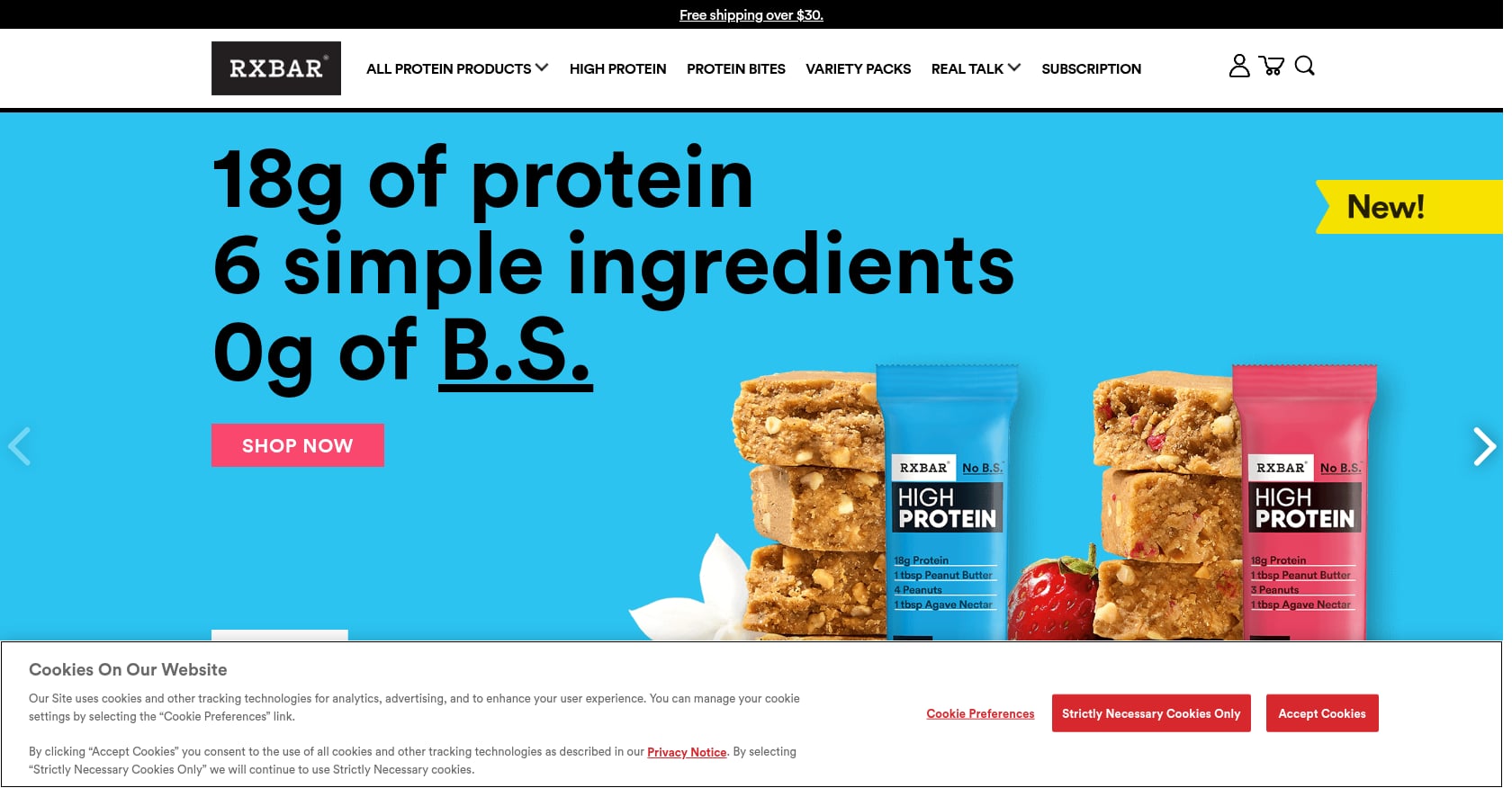
Best for: Minimal ingredients, maximum transparency
Protein: 12g per bar
RX Bars list their ingredients on the front of the package (egg whites, nuts, dates). No protein powder fillers, no artificial sweeteners, no mysterious additives. The Chocolate Sea Salt and Blueberry flavors are popular among postpartum moms.
At 12 grams of protein and roughly 210 calories, they're a solid grab and go option that clears the 10 gram rule.
2. ALOHA Plant Based Bars
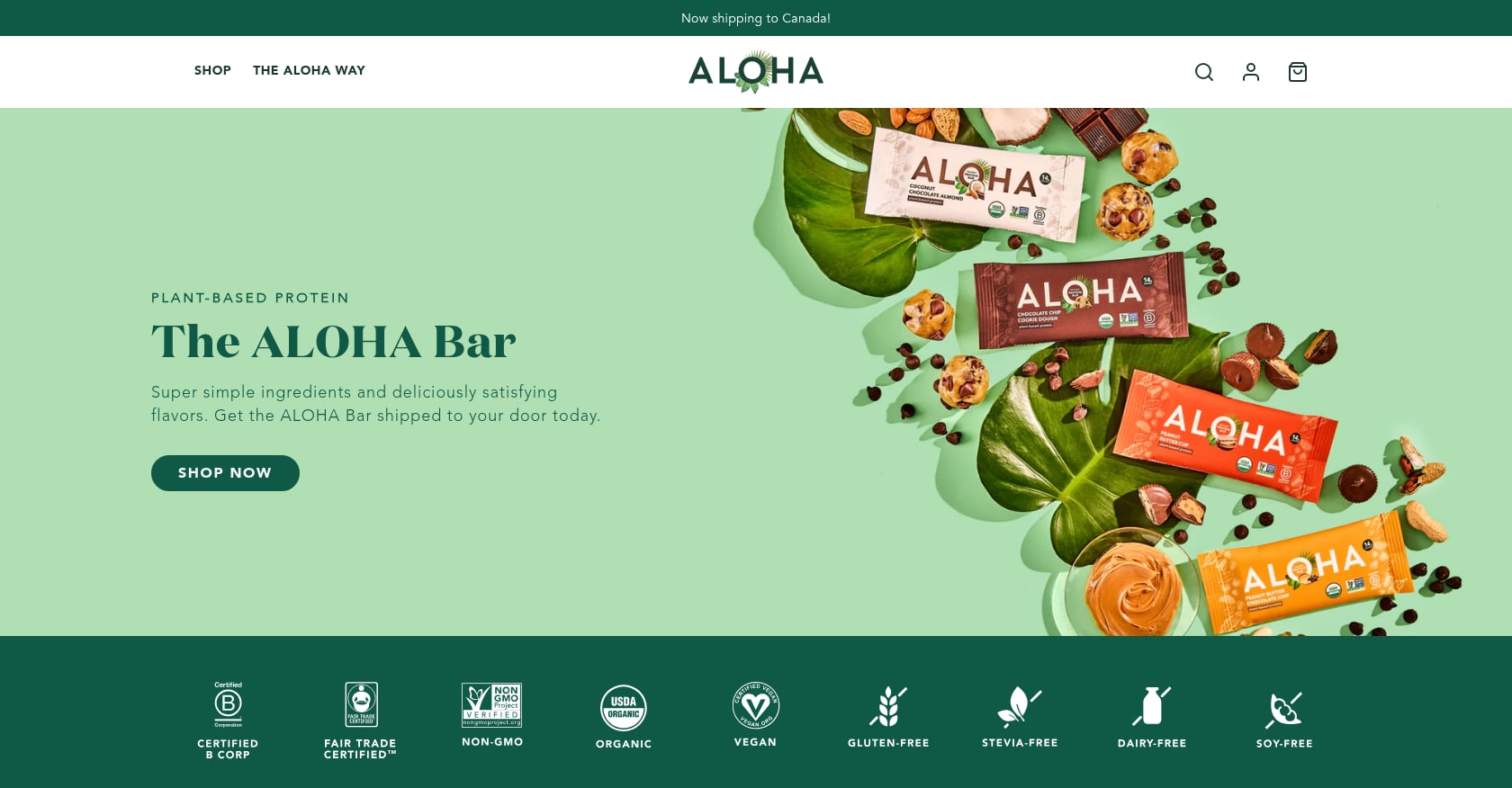
Best for: Plant based protein bar option
Protein: 14g per bar
ALOHA bars use organic brown rice protein and pumpkin seed protein. They're free of dairy, soy, and gluten, which makes them a safer choice if your baby is showing signs of sensitivity to any of those allergens passing through breast milk.
The Peanut Butter Chocolate Chip flavor is the best selling option. They're USDA Organic and non GMO.
3. Moon Cheese
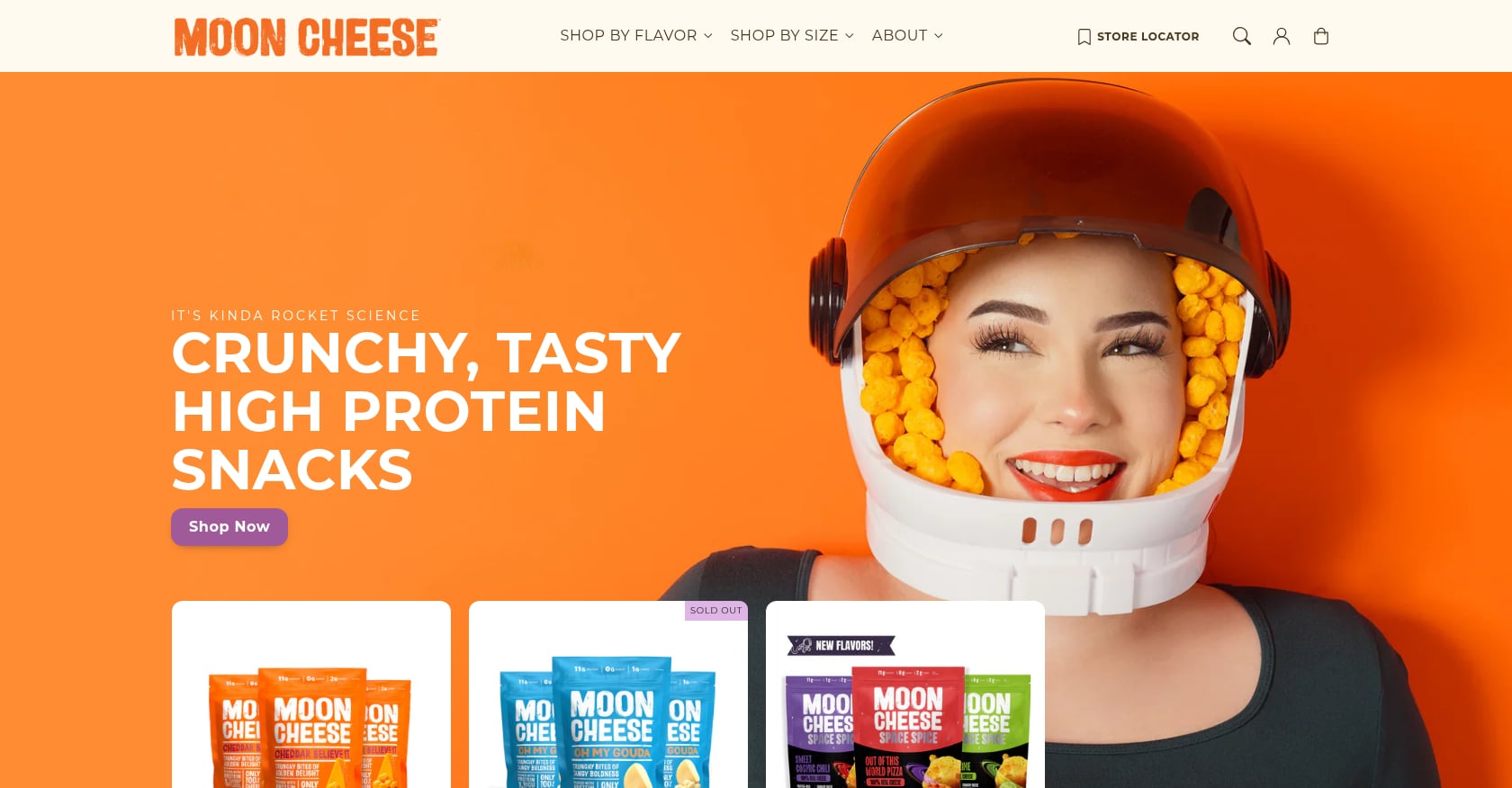
Best for: Crunchy single ingredient cheese snack
Protein: 11g per serving
Moon Cheese is literally just cheese, dehydrated until crunchy. One ingredient, no refrigeration needed, 11 grams of protein per serving. It satisfies the chip craving while delivering real nutrition.
Available at most grocery stores and on Amazon. The Cheddar and Gouda varieties are the most popular.
A general rule for choosing store bought protein snacks while breastfeeding: look for at least 10 grams of protein, no more than 8 grams of added sugar, and an ingredient list you can actually read.
The Truth About Lactation Cookies and Galactagogues
This is where most breastfeeding snack articles get it wrong. Many repeat the claim that oats, brewer's yeast, and fenugreek "boost milk supply" as if it's settled science. It's not.
A 2023 randomized controlled trial from Indiana University, published in the American Journal of Clinical Nutrition, followed 176 exclusively breastfeeding parents. One group ate lactation cookies daily for a month. The other ate regular cookies. The result: no discernible difference in milk production between the two groups.
Registered dietitians specializing in lactation nutrition have echoed this. The research on galactagogues like oatmeal and brewer's yeast remains very limited, and what exists hasn't shown reliable effects. Practitioners on Reddit's r/breastfeeding have shared similar observations, with several noting they ate lactation cookies religiously and saw zero change in supply, while simply increasing overall calories and protein seemed to help more.
That doesn't mean oats are bad. Oatmeal is a perfectly fine food, rich in fiber and easy to prepare. Just don't eat it expecting it to increase your milk supply. Supply is primarily driven by demand (how often and effectively your baby nurses or you pump), not by any specific food.
What protein does do is support milk quality. The amino acids from dietary protein become the building blocks for immune proteins, hormones, and enzymes in your breast milk. Meeting your protein needs ensures your body can produce nutrient rich milk without breaking down your own muscle tissue to do it.
Bottom line: eat oats if you enjoy them. But if you want to make the biggest nutritional impact while breastfeeding, focus on hitting your protein target. A protein forward meal plan can help structure your day around that goal.
Special Considerations
PCOS and Breastfeeding
Polycystic ovary syndrome can complicate breastfeeding through insulin resistance, which interferes with energy regulation and can contribute to fatigue and blood sugar swings during round the clock feeds. High protein breastfeeding snacks are especially important for moms with PCOS because protein helps stabilize blood sugar and reduce insulin spikes.
Pairing protein with fiber rich carbs and healthy fats at every snack is the core strategy. For a detailed plan, check out this PCOS friendly high protein meal plan that can be adapted for breastfeeding.
Gestational Diabetes History
If you had gestational diabetes during pregnancy, the blood sugar management strategies that kept you and your baby healthy don't stop at delivery. Postpartum blood sugar regulation remains important, and protein forward snacking is one of the simplest ways to maintain it. A gestational diabetes meal plan can serve as a starting framework for postpartum eating patterns.
Postpartum Weight Loss
It's reasonable to want to lose pregnancy weight, but doing it too aggressively while breastfeeding can compromise your milk supply and your own health. Protein plays a critical role here: it preserves lean muscle mass during a calorie deficit so that more of your weight loss comes from fat, not muscle. Protein also has a higher thermic effect than carbs or fats, meaning your body burns more energy digesting it.
If you're hitting a plateau or struggling with postpartum weight loss, the issue often isn't eating too much. It's eating too little protein and too many quick energy carbs. Stress related weight retention is real too, and cortisol can play a significant role in stubborn postpartum belly fat.
Protein Powder Safety While Nursing
Protein powder can be a useful supplement during breastfeeding, but not all products are created equal. Consumer Reports testing has found elevated heavy metals (lead, cadmium, arsenic) in several popular brands. Lactation focused RDs advise choosing powders that are third party tested (look for NSF Certified for Sport or Informed Sport seals) and contain minimal ingredients.
Protein powder should supplement whole foods, not replace them. If you're using it in smoothies or overnight oats, that's a reasonable application. Relying on shakes for multiple meals a day is not.
Food Allergens
The proteins from cow's milk, soy, eggs, peanuts, tree nuts, wheat, fish, and shellfish can pass into breast milk. Most babies tolerate these without any issues. But if your baby is showing signs of food sensitivity (excessive fussiness, eczema, bloody stool, excessive spit up), consult your pediatrician before eliminating foods from your diet. Random elimination diets without medical guidance can unnecessarily restrict your nutrition during a time when you need more of everything.
Practical Tips for Hitting Your Protein Target Every Day
Build a nursing station snack box. This is one of the most useful things you can do in the first weeks postpartum. Wherever you typically nurse or pump, keep a small basket or cooler stocked with 3 to 4 high protein snacks for breastfeeding. Rotate the contents every few days. String cheese, jerky, protein bars, energy balls, and trail mix all work well. If you have a partner or support person, ask them to restock it.
Use the "protein anchor" strategy. Build every meal and snack around a protein source first, then add carbs and fats around it. Instead of "I'll have toast," think "I'll have eggs, then add toast." Instead of "I'll grab crackers," think "I'll grab cheese, then add crackers." This approach aligns with what's known about a high protein diet and why it works for satiety.
Aim for 10 grams of protein per snack, 2 to 3 snacks daily. That's 20 to 30 grams from snacks alone, which closes a significant portion of the gap between what most women eat and what breastfeeding actually demands.
Prep on Sunday, eat all week. Hard boiled eggs, energy balls, egg muffins, overnight oats, sweet potatoes, and cottage cheese bark can all be prepped in about an hour. That single hour of effort saves dozens of decision points during the week when you're too exhausted to think about food.
When to talk to a dietitian. Consider working with a registered dietitian nutritionist if you have PCOS, a history of gestational diabetes, are losing weight too rapidly while nursing (more than 1.5 pounds per week), are struggling to eat enough, or want a personalized plan. Vedic Nutrition's team of registered dietitians specializes in postpartum nutrition, PCOS, and blood sugar management through telehealth. Most clients pay $0 out of pocket with insurance coverage.
Frequently Asked Questions
How much protein should I eat per day while breastfeeding?
The current NIH recommendation is 71 grams per day, but recent research and clinical practice suggest 80 to 100 grams is more appropriate for most breastfeeding women. A 2020 study in Nutrients found that actual protein requirements for exclusively breastfeeding women were closer to 1.7 to 1.9 grams per kilogram of body weight per day. A practical starting point is multiplying your weight in kilograms by 1.3.
Will eating more protein increase my milk supply?
Protein intake is unlikely to directly increase the volume of milk you produce. Milk supply is primarily driven by demand: how often and effectively your baby nurses or you pump. However, adequate protein intake supports the quality of your breast milk by providing the amino acids needed for immune proteins and other bioactive compounds.
What are the best one handed high protein snacks for breastfeeding?
String cheese with grapes, jerky (beef, turkey, or salmon), protein bars, Greek yogurt, hard boiled eggs, energy balls, antipasto kabobs, and crackers with cheese are all easy to eat with one hand. Smoothies with a straw also work perfectly during nursing sessions.
Do lactation cookies actually work?
A 2023 randomized controlled trial of 176 breastfeeding parents found no significant effect on milk production from daily consumption of lactation cookies compared to regular cookies. There's nothing wrong with eating them if you enjoy the taste, but don't rely on them to boost supply.
Is protein powder safe during breastfeeding?
Protein powder is generally safe during breastfeeding when chosen carefully. Select products that are third party tested (NSF Certified for Sport or Informed Sport), contain minimal ingredients, and don't rely on proprietary blends. Avoid using protein powder as a meal replacement. Whole food protein sources should make up the majority of your intake.
How many extra calories do I need while breastfeeding?
The CDC recommends 330 to 400 extra calories per day for well nourished breastfeeding mothers, while NICHD estimates 450 to 500 extra calories daily. The exact amount varies based on your activity level, body composition, and how much milk you're producing.
Can high protein snacks help with postpartum weight loss?
Yes. Protein preserves lean muscle mass during weight loss so more of the loss comes from fat. It also increases satiety (keeping you fuller longer) and has a higher thermic effect, meaning your body burns more energy digesting protein than carbs or fats. The key is eating enough protein without dramatically cutting calories, which can compromise milk supply.
Should I avoid any foods while breastfeeding?
Most foods are safe during breastfeeding. The main cautions involve mercury in certain fish (limit albacore tuna and avoid high mercury fish like shark, swordfish, and king mackerel), excessive caffeine (under 300mg daily is generally considered safe), and alcohol (if consumed, wait at least 2 hours per drink before nursing). If your baby shows signs of food sensitivity, work with your pediatrician to identify specific triggers rather than eliminating entire food groups on your own.
What's the difference between a snack and a mini meal during breastfeeding?
Honestly, the line blurs. Options like eggs on whole grain toast, sweet potato with cottage cheese, or a smoothie with 25+ grams of protein are closer to mini meals. During breastfeeding, that's perfectly fine. Many lactation nutritionists recommend eating 5 to 6 smaller meals throughout the day rather than sticking rigidly to 3 meals and 2 snacks. The goal is consistent protein and calorie intake, not perfect meal timing.
.svg)
.svg)



.webp)
.webp)
.webp)
.webp)
.webp)
.webp)
.webp)
.webp)
.webp)
.webp)