.webp)
.webp)
%2B(7).webp)
.png)
At a Glance
Preconception nutrition is the strategic fueling of your body in the months before you conceive, directly impacting egg quality, hormone balance, and your baby's early development. Research shows that nutrient status during the preconception period influences embryo implantation rates, reduces birth defect risk, and sets the metabolic foundation for your pregnancy [1]. This guide breaks down the exact micronutrients, macronutrient ratios, and dietary patterns you need to optimize your fertility and prepare your body for the incredible work ahead.
Nourishing Your Body for Conception: The Foundation
What exactly is preconception nutrition? It's the intentional nutritional preparation that begins ideally 3-6 months before you start trying to conceive, though benefits can be seen even with shorter timeframes [2]. This window matters because your eggs mature over a 90-day cycle, and the nutritional environment during that maturation directly affects egg quality and chromosomal integrity [3].
The micronutrient lineup for conception is non-negotiable. Folate (ideally as methylfolate if you have MTHFR variations) at 400-800 mcg daily reduces neural tube defect risk by up to 70% when started before conception [4]. Vitamin D status correlates with improved ovulation and implantation rates, with optimal levels between 40-60 ng/mL [5]. B12 supports cellular division and DNA synthesis during those critical first weeks post-conception [6].
Minerals deserve equal attention:
- Iron stores need to be sufficient before pregnancy since maternal anemia increases preterm birth risk by 30% [7]
- Zinc supports progesterone production and healthy cell division, with preconception deficiency linked to miscarriage and low birth weight [8]
- Iodine is essential for thyroid hormone production, which regulates ovulation and early fetal brain development [9]
Your macronutrient balance shapes your hormonal landscape. Protein intake around 1.2-1.6 g/kg body weight supports healthy ovulation and prevents the muscle loss that can occur with metabolic stress [10]. Healthy fats—especially omega-3s from fatty fish, walnuts, and flaxseeds—reduce inflammatory markers that interfere with implantation [11]. Complex carbohydrates with fiber help stabilize insulin, which is critical since insulin resistance disrupts ovulation even in women without PCOS [12].
Crafting Your Fertility-Boosting Diet
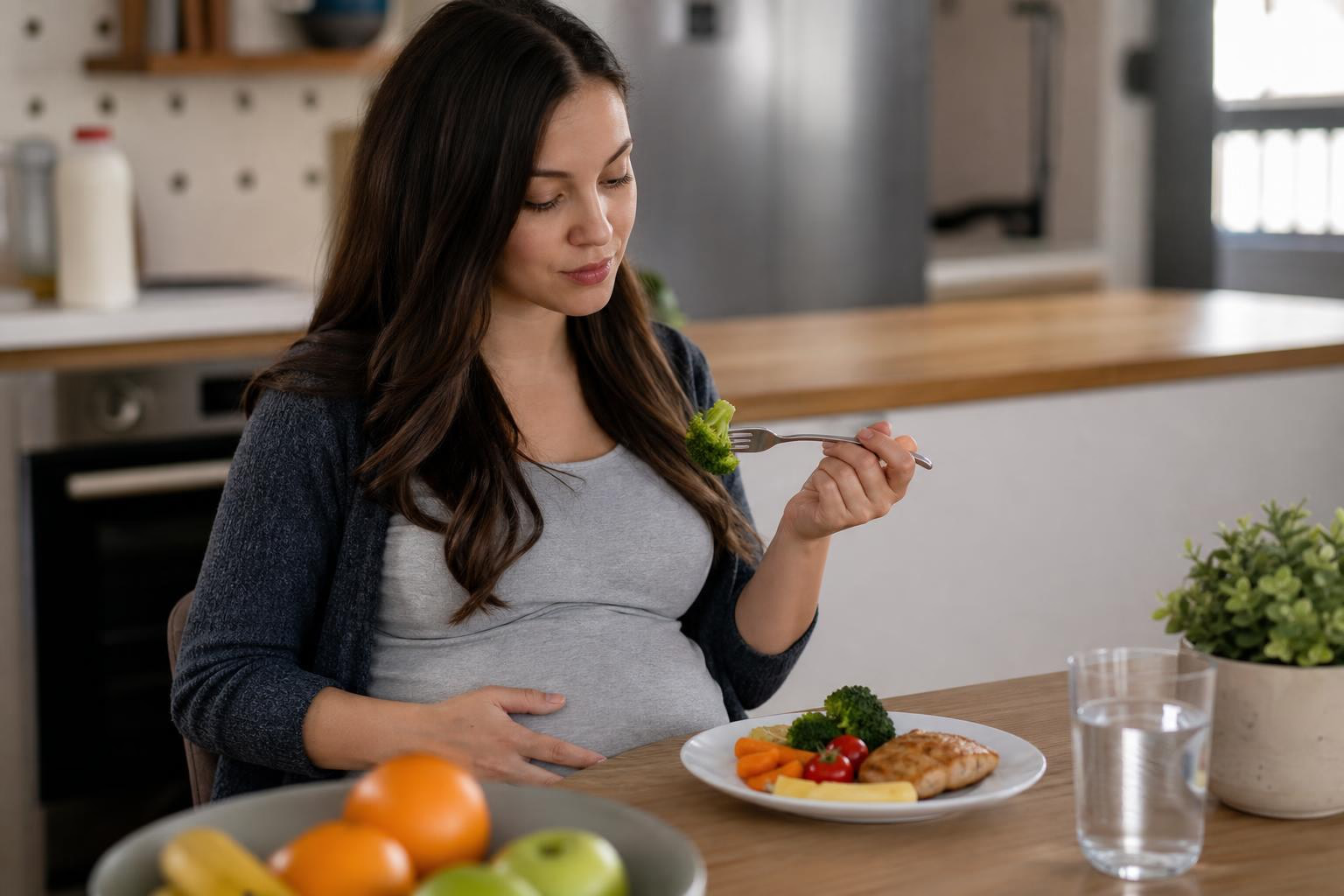
The Mediterranean dietary pattern consistently shows the strongest evidence for improved fertility outcomes, with one study demonstrating a 40% higher likelihood of pregnancy in women following this approach [13]. Here's how to build your plates:
- Load half your plate with colorful produce. Berries, leafy greens, bell peppers, and cruciferous vegetables provide antioxidants that protect egg quality from oxidative stress [14]. Aim for 7-9 servings daily.
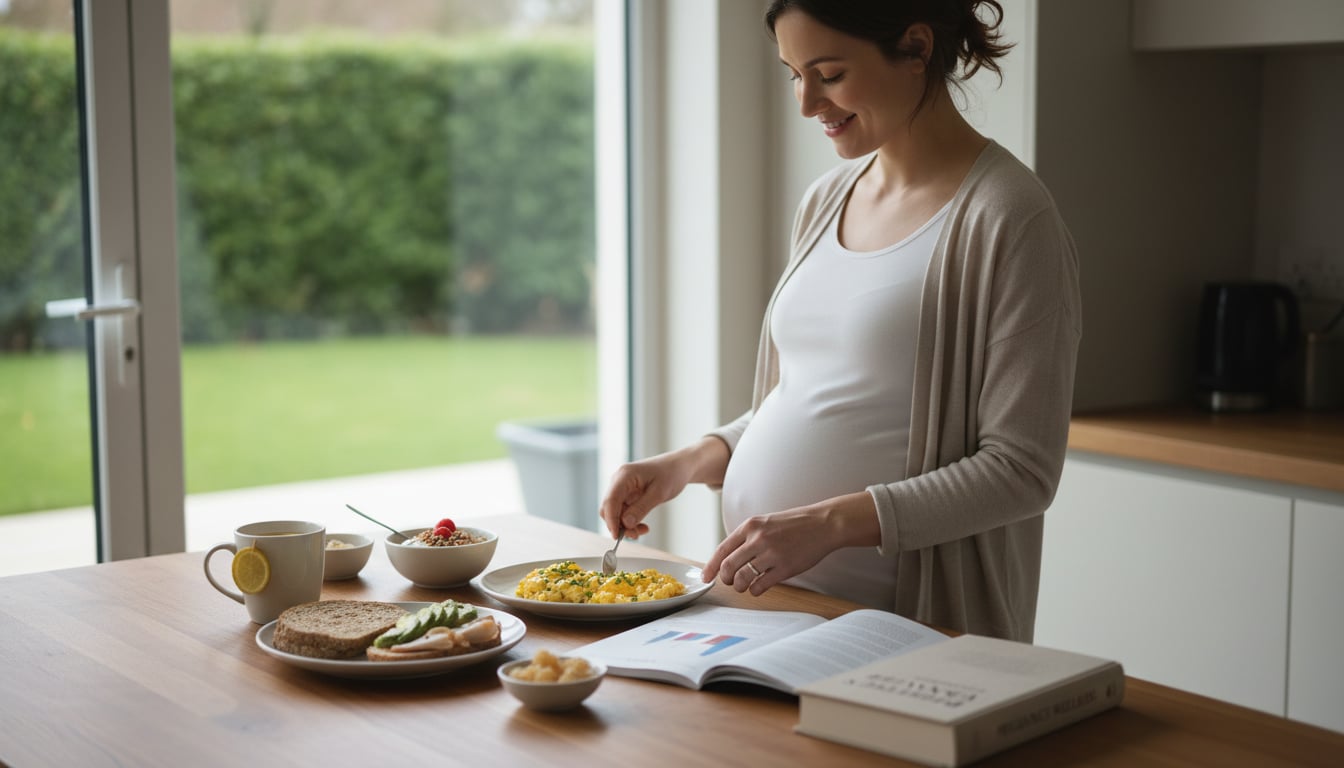
- Choose whole grains over refined versions. Quinoa, steel-cut oats, farro, and brown rice maintain stable blood sugar and provide B vitamins that support methylation pathways critical for DNA synthesis [15].
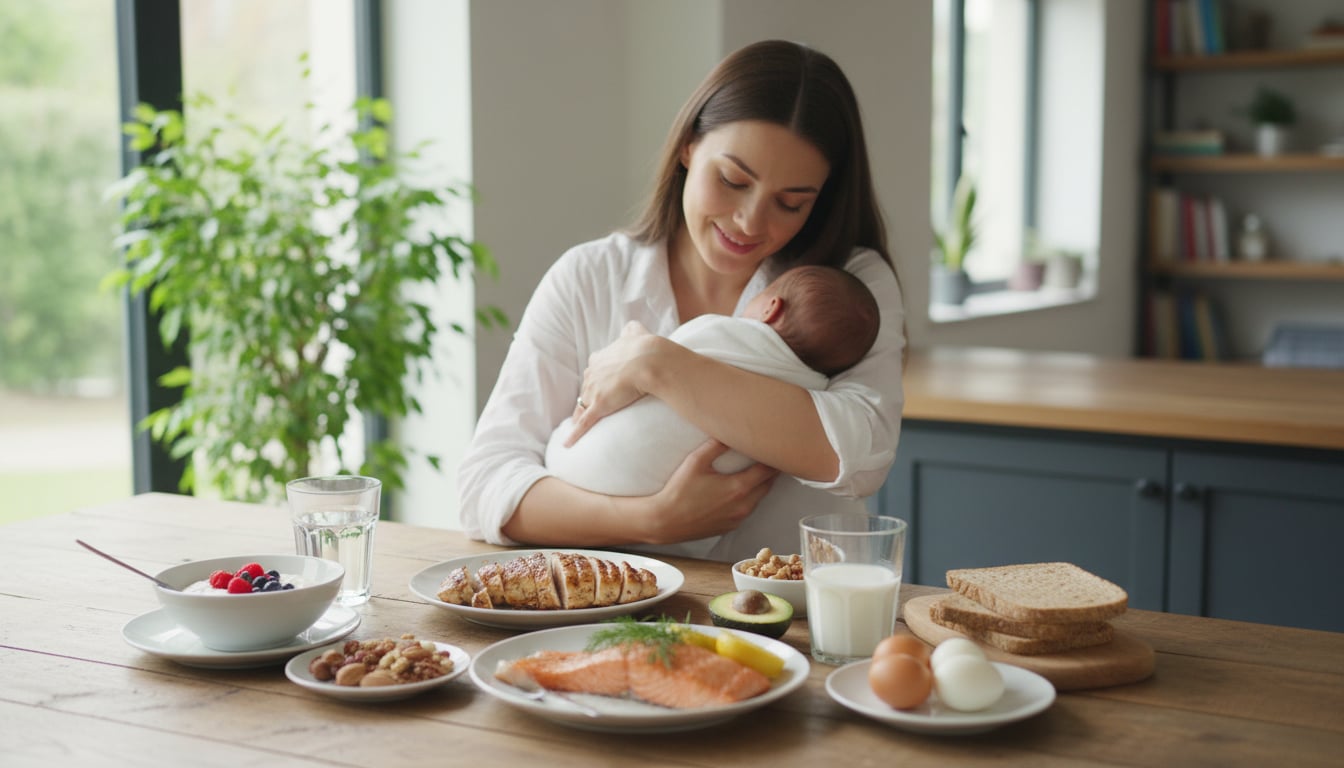
- Prioritize plant and lean animal proteins. Legumes, organic eggs, wild-caught salmon, and grass-fed beef provide complete amino acids without the hormone-disrupting compounds found in conventionally raised meat [16].
- Embrace quality fats. Extra virgin olive oil, avocados, nuts, and seeds provide fat-soluble vitamin absorption and anti-inflammatory compounds. Target 25-35% of calories from fat [17].
Now for the moderation list. Ultra-processed foods high in trans fats and added sugars create inflammatory states that impair ovarian function [18]. Limit high-mercury fish like swordfish, king mackerel, and tilefish to avoid neurotoxin accumulation [19]. Alcohol consumption, even moderate amounts, is associated with decreased fertility and should be eliminated during active conception attempts [20].
Hydration is quietly essential—adequate water intake supports cervical mucus production, nutrient transport, and metabolic waste removal. Aim for half your body weight in ounces daily, adjusted upward if you're active [21]. Your fertility diet framework should feel nourishing, not restrictive, as chronic stress and undereating both suppress reproductive hormone production.
Preparing for a Healthy Pregnancy: Next Steps
Your preconception diet isn't just about getting pregnant—it's programming your baby's lifelong health. The concept of fetal programming shows that maternal nutrition during the periconceptional period influences your child's metabolic health, cardiovascular risk, and even cognitive development decades later [22]. Adequate folate, choline, and B12 during conception support proper gene expression through epigenetic mechanisms [23].
When should you start? Ideally, begin optimizing your nutrition 3-6 months before actively trying to conceive. This timeline allows for:
- Complete egg maturation cycles under optimal nutrient conditions
- Repletion of depleted nutrient stores (especially iron and vitamin D)
- Stabilization of blood sugar and inflammatory markers
- Establishment of sustainable eating patterns you'll maintain through pregnancy [24]
If you're already trying or have less time, starting now still provides significant benefits—every improvement in nutrient status helps.
Let's address common myths. Myth: Fertility diets only matter for women with diagnosed infertility. Truth: Even in women with regular cycles, preconception nutrition quality correlates with time to conception and early pregnancy outcomes [25]. Myth: You need expensive superfoods and supplements to optimize fertility. Truth: Whole food-based approaches with strategic supplementation of key nutrients outperform expensive powders and trendy add-ons [26].
A personalized nutrition plan accounts for your unique factors: existing nutrient deficiencies, metabolic health markers, food sensitivities, lifestyle constraints, and family health history. Working with a specialized dietitian means we can run targeted labs (vitamin D, ferritin, thyroid panel, fasting insulin), interpret them in the context of fertility optimization, and create protocols that fit your real life.
The preconception period is also the time to address any underlying metabolic concerns—insulin resistance, inflammation, gut health issues, or hormonal imbalances—that could complicate conception or pregnancy [27]. These months of preparation can genuinely transform your experience.
Frequently Asked Questions
What are the most important vitamins to take before getting pregnant?
The core four are methylated folate (400-800 mcg), vitamin D (typically 2000-4000 IU to reach optimal levels), B12 (especially if you're plant-based), and omega-3 fatty acids (1000-2000 mg EPA/DHA combined). A quality prenatal vitamin started during preconception covers your bases, though individual needs vary based on your labs and diet [28].
How long before conception should I start a preconception diet?
Three to six months is ideal since it takes approximately 90 days for eggs to mature. However, improvements at any point benefit your fertility and pregnancy outcomes. If you have specific health concerns (PCOS, previous pregnancy complications, nutrient deficiencies), starting earlier with professional guidance is smart [29].
Can diet really impact my ability to get pregnant?
Absolutely, and the research is compelling. Dietary patterns account for up to 40% of ovulatory disorder infertility cases [30]. Specific nutrient intakes influence ovulation regularity, egg quality, endometrial receptivity, and implantation success. While diet isn't the only factor in fertility, it's one of the most modifiable and impactful variables under your control [31].
Ready to Optimize Your Preconception Nutrition?
You don't have to figure this out alone. Book a consultation with our specialized pregnancy and fertility dietitian to get personalized lab interpretation, meal frameworks that fit your lifestyle, and evidence-based supplement protocols tailored to your body. Whether you're just starting to think about conception or you've been trying for a while, strategic nutrition support can make a meaningful difference in your fertility outcomes and pregnancy experience.
References
[1] Barker DJ, et al. The developmental origins of adult disease. J Am Coll Nutr. 2004
[2] Stephenson J, et al. Before the beginning: nutrition and lifestyle in the preconception period and its importance for future health. Lancet. 2018
[3] Gaskins AJ, Chavarro JE. Diet and fertility: a review. Am J Obstet Gynecol. 2018
[4] Blencowe H, et al. Folic acid to reduce neonatal mortality from neural tube disorders. Int J Epidemiol. 2010
[5] Chu J, et al. Vitamin D and assisted reproductive treatment outcome: a systematic review and meta-analysis. Hum Reprod. 2018
[6] Rumbold A, et al. Vitamin supplementation for preventing miscarriage. Cochrane Database Syst Rev. 2011
[7] Scholl TO. Iron status during pregnancy: setting the stage for mother and infant. Am J Clin Nutr. 2005
[8] Fallah A, et al. Zinc is an essential element for male fertility: a review of Zn roles in men's health, germination, sperm quality, and fertilization. J Reprod Infertil. 2018
[9] Zimmermann MB. Iodine deficiency in pregnancy and the effects of maternal iodine supplementation on the offspring. Am J Clin Nutr. 2009
[10] Chavarro JE, et al. Protein intake and ovulatory infertility. Am J Obstet Gynecol. 2008
[11] Mumford SL, et al. Dietary fat intake and reproductive hormone concentrations and ovulation in regularly menstruating women. Am J Clin Nutr. 2016
[12] Marsh KA, Brand-Miller JC. Glycemic index, obesity, and chronic disease. Crit Rev Food Sci Nutr. 2005
[13] Karayiannis D, et al. Adherence to the Mediterranean diet and IVF success rate among non-obese women attempting fertility. Hum Reprod. 2018
[14] Ruder EH, et al. Female dietary antioxidant intake and time to pregnancy. Fertil Steril. 2014
[15] Chavarro JE, et al. A prospective study of dietary carbohydrate quantity and quality in relation to risk of ovulatory infertility. Eur J Clin Nutr. 2009
[16] Chavarro JE, et al. Protein intake and ovulatory infertility. Am J Obstet Gynecol. 2008
[17] Vujkovic M, et al. The preconception Mediterranean dietary pattern in couples undergoing in vitro fertilization. Fertil Steril. 2010
[18] Jungheim ES, et al. Diet and fertility: a review. Am J Obstet Gynecol. 2012
[19] Oken E, et al. Maternal fish intake during pregnancy, blood mercury levels, and child cognition. Am J Epidemiol. 2008
[20] Rossi BV, et al. Effect of alcohol consumption on in vitro fertilization. Obstet Gynecol. 2011
[21] Pross N. Effects of dehydration on brain functioning. Nutr Rev. 2017
[22] Barker DJ. The developmental origins of chronic adult disease. Acta Paediatr. 2004
[23] Waterland RA, Michels KB. Epigenetic epidemiology of the developmental origins hypothesis. Annu Rev Nutr. 2007
[24] Fleming TP, et al. Origins of lifetime health around the time of conception. Lancet. 2018
[25] Gaskins AJ, et al. Diet and fertility. Am J Obstet Gynecol. 2018
[26] Grieger JA, et al. Preconception dietary patterns in human pregnancies. Reprod Biol Endocrinol. 2014
[27] Practice Committee of the American Society for Reproductive Medicine. Obesity and reproduction. Fertil Steril. 2015
[28] Wilson RD, et al. Pre-conception folic acid and multivitamin supplementation. J Obstet Gynaecol Can. 2015
[29] Stephenson J, et al. Before the beginning: nutrition and lifestyle. Lancet. 2018
[30] Chavarro JE, et al. Diet and lifestyle in the prevention of ovulatory disorder infertility. Obstet Gynecol. 2007
[31] Gaskins AJ, Chavarro JE. Diet and fertility: a review. Am J Obstet Gynecol. 2018
.svg)
.svg)



.webp)
.webp)
.webp)
.webp)
.webp)
.webp)
.webp)
.webp)

.webp)