.webp)
.webp)
%2B(7).webp)
.png)
A postpartum diet plan is a structured eating approach focused on recovery after childbirth, not rapid weight loss. It prioritizes nutrient-dense foods to replenish depleted stores (especially iron, vitamin D, omega-3s, and protein), support breastfeeding if applicable, and protect against postpartum depression. Breastfeeding mothers need roughly 330 to 400 extra calories daily, and newer research suggests protein needs may be nearly double what older guidelines recommend.
Looking for personalized postpartum nutrition support? Verify your insurance coverage to see if you qualify for $0 out-of-pocket sessions with a registered dietitian.
What Is a Postpartum Diet Plan?
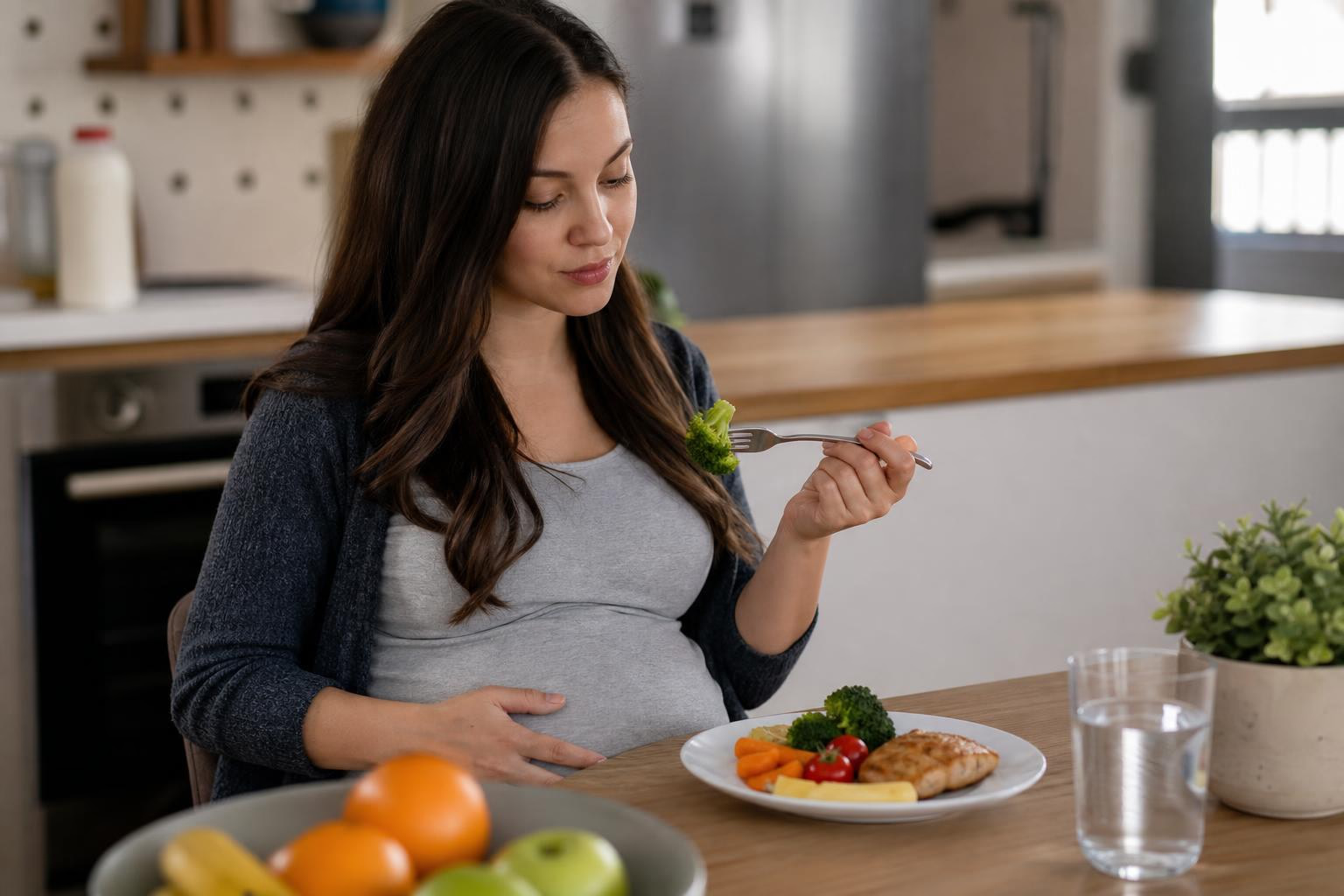
A postpartum diet plan is a structured eating approach designed to support your body’s recovery after childbirth, fuel milk production if you’re breastfeeding, and restore nutrient stores that pregnancy depleted over nine months. It is not a weight loss diet. That distinction matters.
The postpartum period is conventionally defined as the first 12 weeks after delivery, but nutritional recovery often extends 6 to 12 months or longer. Your body just built an entire human. It lost blood during delivery, shifted hormones dramatically, and (if you’re breastfeeding) is now producing food for another person around the clock. A postpartum diet plan accounts for all of this.
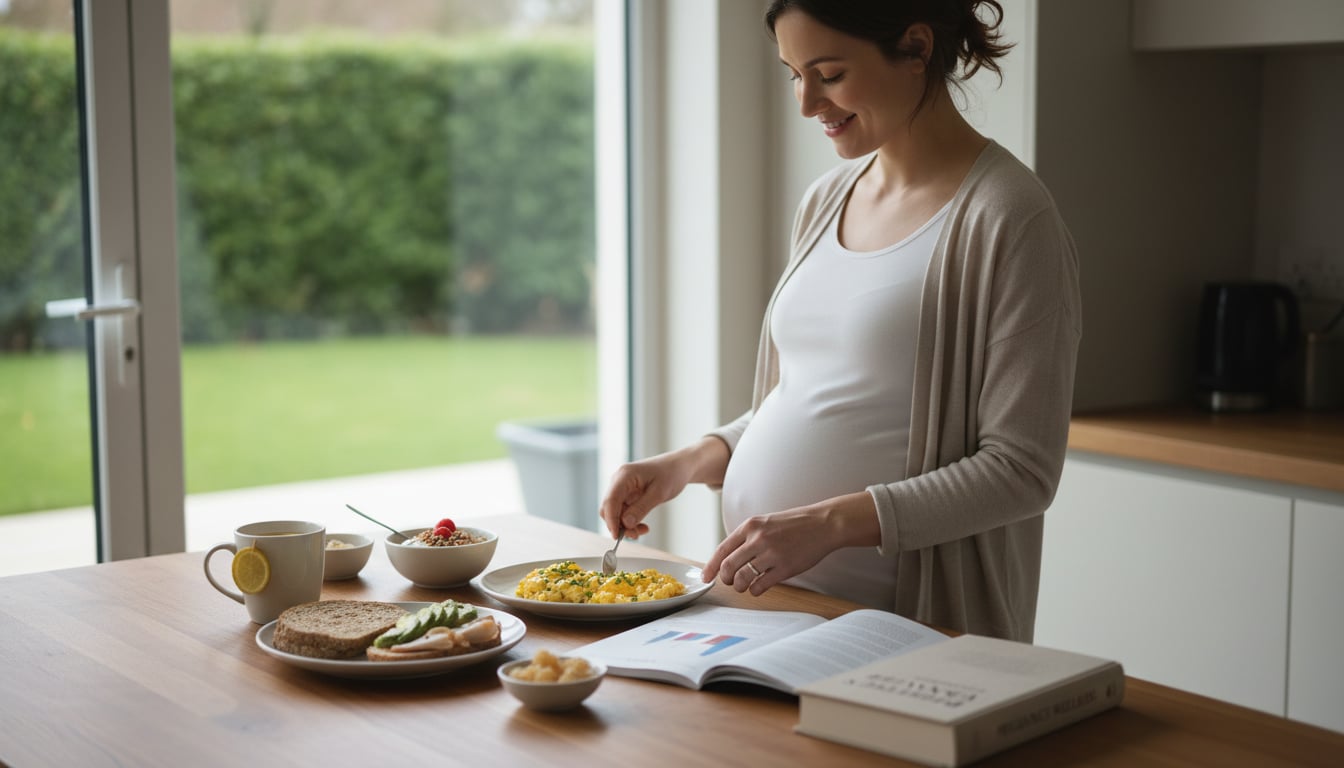
If you’re still pregnant and planning ahead, building a nutrition foundation during pregnancy sets you up for a smoother transition into the postpartum months.
Why Postpartum Nutrition Matters More Than Most People Realize
The weeks after birth are a period of profound physiological demand. Here’s what’s happening simultaneously:
Tissue repair and blood loss recovery. Vaginal deliveries and C-sections both involve significant tissue healing. Anemia is extremely common after childbirth, affecting 50 to 80% of postpartum women.
Hormone recalibration. During pregnancy, estrogen and progesterone rise steadily. After delivery, both drop sharply. Prolactin surges to support milk production, which can increase fatigue and hunger. As RD Dara Godfrey has noted, there is usually an estrogen dominance relative to progesterone in the postpartum period, and that imbalance can contribute to weight retention and mood changes.
Milk production (if breastfeeding). Making breast milk requires substantial energy, protein, and specific micronutrients. Undereating compromises supply and your own health.
Mental health protection. Postpartum depression affects 10 to 20% of childbearing women. Research increasingly links low dietary intake of omega-3 fatty acids, vitamin D, and zinc to higher PPD risk. In one study of 120 women at six weeks postpartum, 75% had vitamin D insufficiency or deficiency, a nutrient tied to both immunity and depression risk. A thoughtful postpartum diet plan can be genuinely protective.
Key Nutrients in a Postpartum Diet Plan
Protein
Protein drives tissue repair, milk production, and satiety (which matters when you’re exhausted and reaching for whatever is closest). The NIH currently recommends 71 grams daily for breastfeeding women, but that number is likely too low. Preliminary research using the indicator amino acid oxidation method suggests breastfeeding women actually need 1.7 to 1.9 g/kg/day, which for a 150-pound woman works out to roughly 116 to 130 grams daily.
That’s a big gap from the standard recommendation. Higher protein intake also appears to support postpartum weight loss, particularly in women who are overweight. For specific food ideas, this guide to protein-rich foods for breastfeeding lists gram counts per serving to make planning easier.
Iron
With anemia rates as high as 80% after delivery, iron is non-negotiable. Heme iron from red meat, organ meats, and dark poultry is absorbed far more efficiently than plant-based iron. Pairing iron-rich foods with vitamin C (bell peppers, citrus, tomatoes) improves absorption further. As RDN Lily Nichols has pointed out, if you’ve lost significant blood during delivery, red meat and organ meats provide high amounts of easily absorbed iron alongside zinc, B12, and vitamin A.
Vitamin D
With 75% of postpartum women showing insufficiency, vitamin D deserves active attention. It supports immune function, bone health, and mood regulation. Food sources include fatty fish, egg yolks, and fortified milk, but supplementation is often necessary, especially beyond what a standard prenatal vitamin provides.
Omega-3 Fatty Acids (DHA and EPA)
A growing body of evidence links low omega-3 levels, particularly DHA, to postpartum depression. These fats also support your baby’s brain development through breast milk. Good sources: salmon, sardines, mackerel, walnuts, chia seeds, and algae-based supplements for those avoiding fish.
Choline
Choline needs actually increase during lactation. The CDC recommends breastfeeding women consume 550 mg of choline daily. Most prenatal vitamins contain little to no choline. Eggs are the single best food source (one large egg provides about 150 mg), with beef liver, soybeans, and cruciferous vegetables rounding out the list.
Iodine
Iodine supports thyroid function, which directly affects your energy levels and metabolism. Breastfeeding women need 290 mcg daily, up from 150 mcg for non-pregnant adults. Iodized salt, dairy, seafood, and seaweed are primary sources.
Calcium and Fiber
Calcium supports both your bone density and milk production. Aim for 1,000 mg daily through dairy, fortified plant milks, leafy greens, and canned fish with bones. Fiber (25+ grams daily) addresses post-labor constipation, which is common, and helps with blood sugar stability. Oats, beans, berries, and vegetables are simple sources.
Calorie and Protein Targets: A Quick Reference
Calorie ranges come from the CDC’s maternal nutrition guidelines. These are ranges, not rigid targets. Your actual needs depend on your body size, activity level, how many babies you’re feeding, and whether you had a vaginal or surgical delivery.
For practical postpartum meal ideas that hit these targets with minimal prep time, we have a companion guide.
Breastfeeding vs. Not Breastfeeding: How the Plan Differs
This distinction gets blurred in most postpartum diet plan guides, and it shouldn’t. The nutritional demands are meaningfully different.
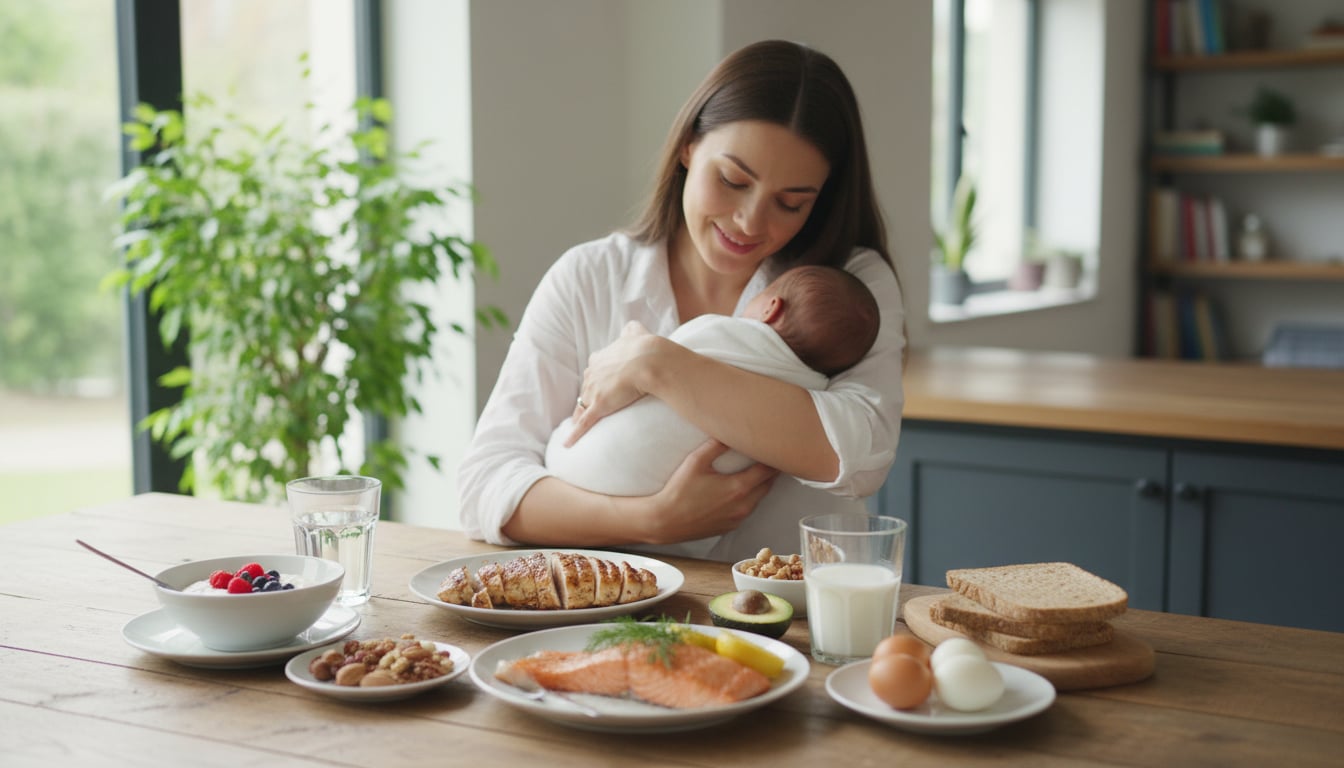
If you’re breastfeeding: You need more of almost everything. Calories increase by 330 to 400 per day. Protein needs may nearly double compared to non-lactating women. Choline, iodine, and omega-3 requirements all go up. Continue taking a prenatal or postnatal vitamin, but recognize that standard prenatals often fall short on choline, vitamin D, and omega-3s. You may need individual supplements in addition.
If you’re formula feeding: Nutrient needs return closer to pre-pregnancy levels, but you still need to replenish what pregnancy and delivery took. Iron, vitamin D, and calcium deserve attention for at least the first 6 to 12 weeks. A postnatal vitamin for the first two months is reasonable for most women.
Either way: Hydration is critical. Keep a water bottle within reach at all times, especially during nighttime feeds. Nutrient density matters more than calorie counting. And the food needs to be easy to prepare, because nobody is making elaborate meals on three hours of sleep.
Practitioners on Reddit consistently emphasize that the biggest barrier to good postpartum nutrition isn’t knowledge, it’s time and energy. The most upvoted advice across parenting subreddits focuses on accepting help, relying on freezer meals prepped during the third trimester, and keeping protein-dense grab-and-go snacks stocked. Our list of high-protein snacks for breastfeeding was built with exactly this reality in mind.
Why Crash Diets Are Dangerous Postpartum
Mothers typically lose about 10 pounds within the first six weeks after giving birth, and most reach their pre-pregnancy weight within a year. That timeline doesn’t match the pressure many women feel from social media, but the science is clear: rushing weight loss backfires.
According to the Academy of Nutrition and Dietetics, if you’re trying to lose weight while breastfeeding, a safe rate is about 1 pound per week or 4 pounds per month. Anything faster risks:
- Muscle loss instead of fat loss, which lowers your metabolism long-term
- Reduced milk supply, since lactation requires a minimum calorie threshold
- Hormonal disruption, compounding the already dramatic postpartum hormone shifts
- Nutrient deficiencies, worsening the anemia and vitamin D gaps that are already widespread
As NewYork-Presbyterian physicians have noted, crash diets and restrictive fads result in muscle loss and ultimately lead to weight regain once normal eating resumes. A postpartum diet plan should prioritize nourishment first. Weight loss will follow when your body has what it needs to heal.
Special Considerations
PCOS After Pregnancy
Polycystic ovary syndrome doesn’t pause when pregnancy ends. Insulin resistance, higher androgen levels, and chronic inflammation all persist postpartum. Higher androgens can slow lactogenesis II, potentially delaying milk production. Insulin resistance can interfere with milk synthesis and cause blood sugar swings that worsen fatigue.
A postpartum diet plan for someone with PCOS should emphasize protein and fiber at every meal, choose lower-glycemic carbohydrates, and include anti-inflammatory fats. This is one situation where generic advice falls short and a personalized approach with an insulin-resistant PCOS nutrition plan makes a real difference.
After Gestational Diabetes
Women who had gestational diabetes face a higher lifetime risk of prediabetes, type 2 diabetes, and GDM in future pregnancies. The postpartum period is a critical window: blood sugar patterns established in the months after delivery often predict long-term metabolic health. Regular monitoring and continued blood sugar management through diet (balanced meals, consistent carb timing, adequate protein) are essential.
For a more detailed framework, the gestational diabetes diet and meal plan guide covers the transition from pregnancy to postpartum eating.
C-Section Recovery
Surgical delivery increases protein needs for wound healing and may also increase vitamin C requirements (vitamin C is essential for collagen synthesis). Constipation is often worse after a C-section due to reduced mobility and pain medications, making fiber and hydration even more important.
Vegetarian and Vegan Postpartum
B12 supplementation is essential since there are no reliable plant sources. Iron, zinc, and omega-3 (DHA specifically) all require extra planning. Algae-based DHA supplements replace fish oil. Combining legumes with vitamin C-rich foods improves iron absorption. A registered dietitian can ensure no gaps are missed, particularly during breastfeeding when the stakes extend to the baby’s nutrient intake through milk.
Cultural Food Traditions and Postpartum Nutrition
Many cultures have established postpartum food traditions that modern nutrition science is catching up to. The Chinese zuo yuezi (sitting the month), Latin American cuarentena, Indian confinement practices, and the broader “first 40 days” framework all share common threads: warming foods, bone broths, soups, easily digestible meals, and an emphasis on rest.
These traditions often align well with what we now know about postpartum nutrient needs. Bone broth provides collagen, glycine, and minerals. Warm soups and stews are easier to digest during a time when gut motility may be sluggish. Spiced foods (turmeric, ginger, fenugreek) offer anti-inflammatory properties. Working with a dietitian who understands your cultural food preferences means building a plan you’ll actually follow, not one that asks you to eat foods that feel foreign.
Common Postpartum Diet Myths
“I’m still eating for two.” Not quite. Breastfeeding adds 330 to 400 calories, not a full extra meal’s worth. That’s a substantial snack or a slightly larger portion at meals, not double servings.
“Spicy food ruins breast milk.” There’s no evidence that spicy foods harm your baby through breast milk. Most foods are fine. Elimination diets should only happen if your baby shows a clear, repeated reaction to something specific.
“Cutting carbs is the fastest way to lose baby weight.” Carbohydrates are needed for milk production and hormone regulation. Very low-carb diets can reduce milk supply and worsen mood instability. Choose whole grains, fruits, and legumes over refined carbs, but don’t eliminate the category.
“My prenatal vitamin covers everything.” Prenatal vitamins were designed for pregnancy, and they may not meet all the increased demands of the postpartum period. Breastfeeding raises needs for choline by 30%, iodine by nearly double, and vitamin D beyond what most prenatals contain. Talk to your provider about whether a postnatal vitamin or individual supplements make more sense.
Practical Tips for Postpartum Eating
Sleep deprivation and a newborn’s unpredictable schedule make perfection impossible. Aim for good enough, consistently.
- Prep before delivery. Batch-cook and freeze soups, stews, casseroles, and grain bowls during the third trimester. Many new moms on Reddit report that freezer meal prep was the single most useful thing they did before birth.
- Stock one-handed snacks. Trail mix, cheese sticks, hard-boiled eggs, nut butter packets, protein bars, Greek yogurt cups. You will eat many meals holding a baby.
- Use your slow cooker or sheet pan. Both require minimal active time. Toss ingredients in, set it, and walk away.
- Accept help. When people ask what they can bring, say food. Specific requests work best: “A pot of chicken soup would be amazing.”
- Keep water everywhere. Dehydration sneaks up fast, especially during nighttime feeds. A water bottle on your nightstand, by the nursing chair, and in the kitchen is not overkill.
When to Work with a Registered Dietitian
A general postpartum diet plan works for many women. But certain situations call for personalized, lab-informed guidance from a registered dietitian nutritionist:
- PCOS with ongoing insulin resistance or low milk supply
- History of gestational diabetes and concern about type 2 risk
- Thyroid disorders affecting energy and weight
- IBS or digestive issues complicating food choices
- History of disordered eating where postpartum body changes may trigger relapse
- Multiples (twins, triplets), which multiply nutritional demands
- Vegan or highly restrictive diets requiring careful nutrient planning
- Postpartum depression, where nutritional interventions (omega-3s, vitamin D, zinc) may complement other treatment
Medical nutrition therapy (MNT) delivered by a licensed RDN goes beyond generic meal plans. It involves reviewing labs, adjusting recommendations based on your specific biomarkers and medical history, and providing ongoing follow-ups as your needs change through the postpartum months.
Meet our registered dietitians to find one who specializes in perinatal nutrition, including bilingual options for Spanish-speaking families.
If you have commercial health insurance, there’s a good chance postpartum nutrition counseling is covered. Vedic Nutrition is in-network with over 1,200 insurance plans, and 95% of clients pay $0 out of pocket.
Check your coverage and book your first session
Frequently Asked Questions
How many calories should I eat postpartum if I’m breastfeeding?
The CDC recommends an additional 330 to 400 calories per day above your pre-pregnancy intake, bringing the total to roughly 2,000 to 2,800 calories daily depending on your size and activity level. Dropping below 1,800 calories can compromise milk supply and slow your recovery.
Is it safe to diet for weight loss while breastfeeding?
Gradual weight loss of about 1 pound per week is considered safe. Crash diets and severe calorie restriction are not. They can reduce milk supply, cause muscle loss, and worsen hormonal imbalances. Focus on nutrient density rather than calorie cutting, and let weight loss happen at a sustainable pace.
How much protein do I actually need postpartum?
Current guidelines say 71 grams per day for breastfeeding women, but newer research using the IAAO method suggests the real requirement is closer to 1.7 to 1.9 g/kg/day. For a 150-pound woman, that’s about 116 to 130 grams. Even if you don’t hit the upper end, aiming well above 71 grams is supported by the evidence.
Should I keep taking my prenatal vitamin after giving birth?
Yes, but it may not be enough on its own. Prenatal vitamins often lack adequate choline, vitamin D, and omega-3s for the postpartum period. Ask your provider whether additional supplements or a dedicated postnatal vitamin is appropriate, especially if you’re breastfeeding.
Can what I eat affect my risk of postpartum depression?
Research suggests yes. Low levels of omega-3 fatty acids, vitamin D, and zinc have all been correlated with higher rates of postpartum depression symptoms. This doesn’t mean nutrition alone prevents PPD, but ensuring adequate intake of these nutrients is a meaningful, low-risk protective step.
What should my postpartum diet look like if I had gestational diabetes?
Blood sugar management remains important. Focus on balanced meals with protein, fiber, and healthy fats at each eating occasion. Avoid large spikes from refined carbohydrates. Regular monitoring with your healthcare team is essential since gestational diabetes increases your long-term risk of type 2 diabetes.
Do I need a different diet plan if I have PCOS?
PCOS adds complexity because insulin resistance and hormonal imbalances persist after pregnancy. A postpartum diet plan for PCOS should emphasize blood sugar stability through higher protein, fiber-rich carbohydrates, and anti-inflammatory fats. Working with a dietitian experienced in PCOS can help address milk supply challenges and energy crashes that generic plans won’t account for.
Does insurance cover working with a dietitian postpartum?
In many cases, yes. Medical nutrition therapy provided by a registered dietitian is covered by most commercial insurance plans. Vedic Nutrition verifies your benefits before your first appointment, so you know exactly what to expect. Check your insurance coverage here.
.svg)
.svg)



.webp)
.webp)
.webp)
.webp)
.webp)
.webp)
.webp)
.webp)

.webp)