.webp)
.webp)
%2B(7).webp)
.png)
At a Glance
Your body's internal clock—the circadian rhythm—controls far more than sleep. When you eat matters just as much as what you eat, influencing everything from hormone balance to digestion and weight management. This guide reveals how to sync your nutrition with your natural biological rhythms for sustainable energy and optimal health.
Understanding Your Body's Natural Clock: The Circadian Rhythm Explained
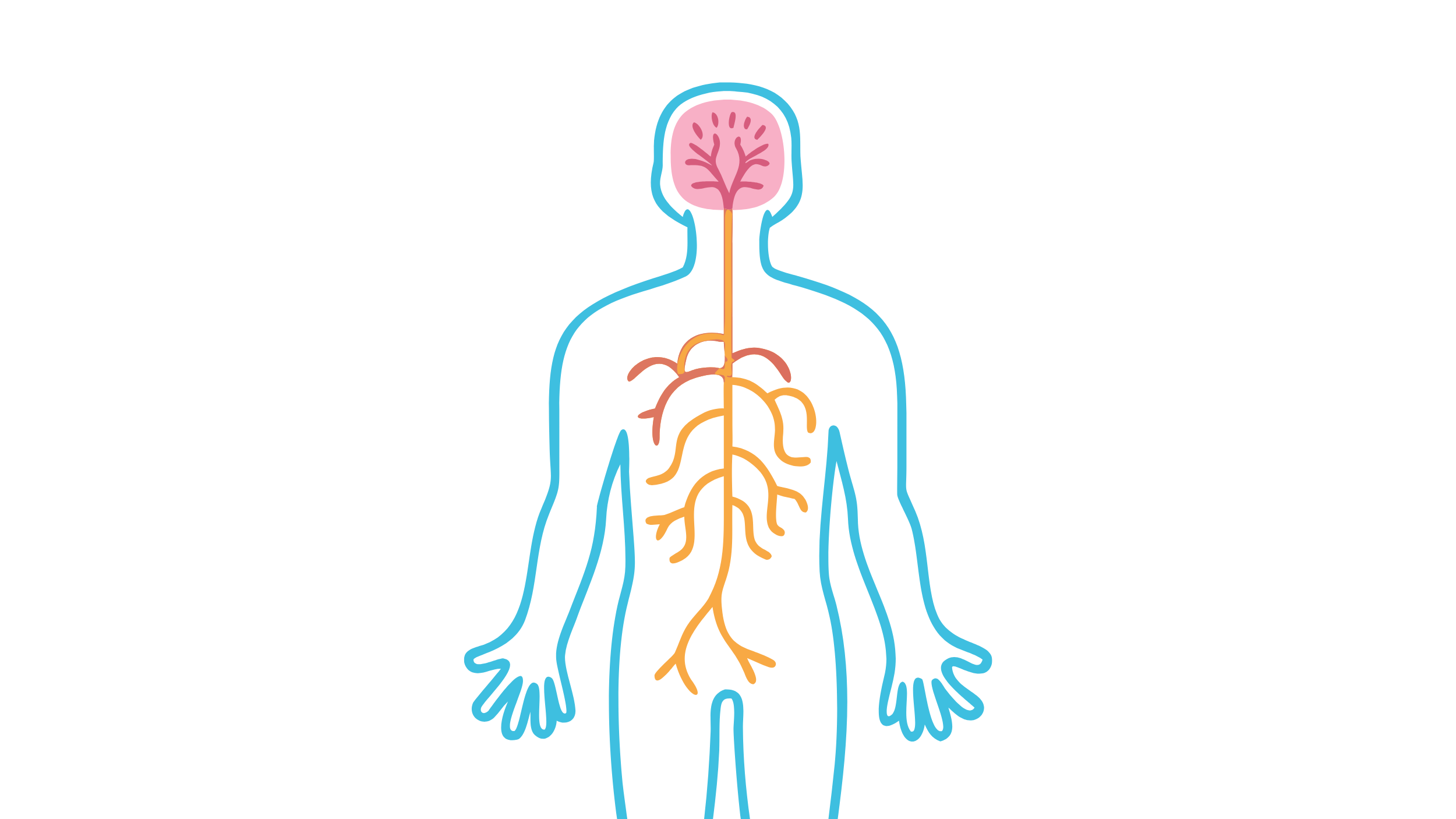
Your circadian rhythm is a sophisticated 24-hour biological timer located in the suprachiasmatic nucleus of your brain [1]. Think of it as your body's master conductor, orchestrating when you feel alert, when digestive enzymes peak, and when certain hormones flood your system.
This internal clock doesn't work in isolation. Nearly every cell in your body contains its own peripheral clock, including cells in your liver, pancreas, and adipose tissue [2]. These cellular clocks regulate metabolism, insulin sensitivity, and even how efficiently you burn fat throughout the day.
When your circadian rhythm falls out of sync—whether from irregular sleep schedules, late-night eating, or excessive artificial light exposure—the consequences cascade through your entire system. Research shows that circadian disruption is directly linked to:
- Increased cortisol variability and impaired stress response
- Reduced insulin sensitivity, particularly in the evening hours
- Altered leptin and ghrelin signaling, which controls hunger and satiety
- Compromised gut barrier function and microbiome diversity
The relationship between circadian rhythm and hormones is particularly significant for women. Your menstrual cycle, thyroid function, and even estrogen metabolism all follow circadian patterns [4]. Disrupting these rhythms can intensify PMS symptoms, worsen insulin resistance, and contribute to that frustrating plateau in your hormone balance efforts.
What's fascinating is that light isn't the only signal that sets your internal clock. Food acts as a powerful zeitgeber—a German term meaning "time giver." The timing of your first meal essentially tells your peripheral clocks what time it is, influencing metabolic processes for hours afterward [5].
Nourishing Your Inner Clock: What and When to Eat
Chrononutrition is the science of aligning meal timing and food choices with your circadian rhythmn.
Morning:Metabolic Activation
Your body's insulin sensitivity peaks in the morning hours, making this the optimal window for consuming more substantial meals with complex carbohydrates [6]. Your pancreatic beta cells are most responsive to glucose early in the day, meaning you'll process that oatmeal or whole grain toast far more efficiently at 8 AM than 8 PM.
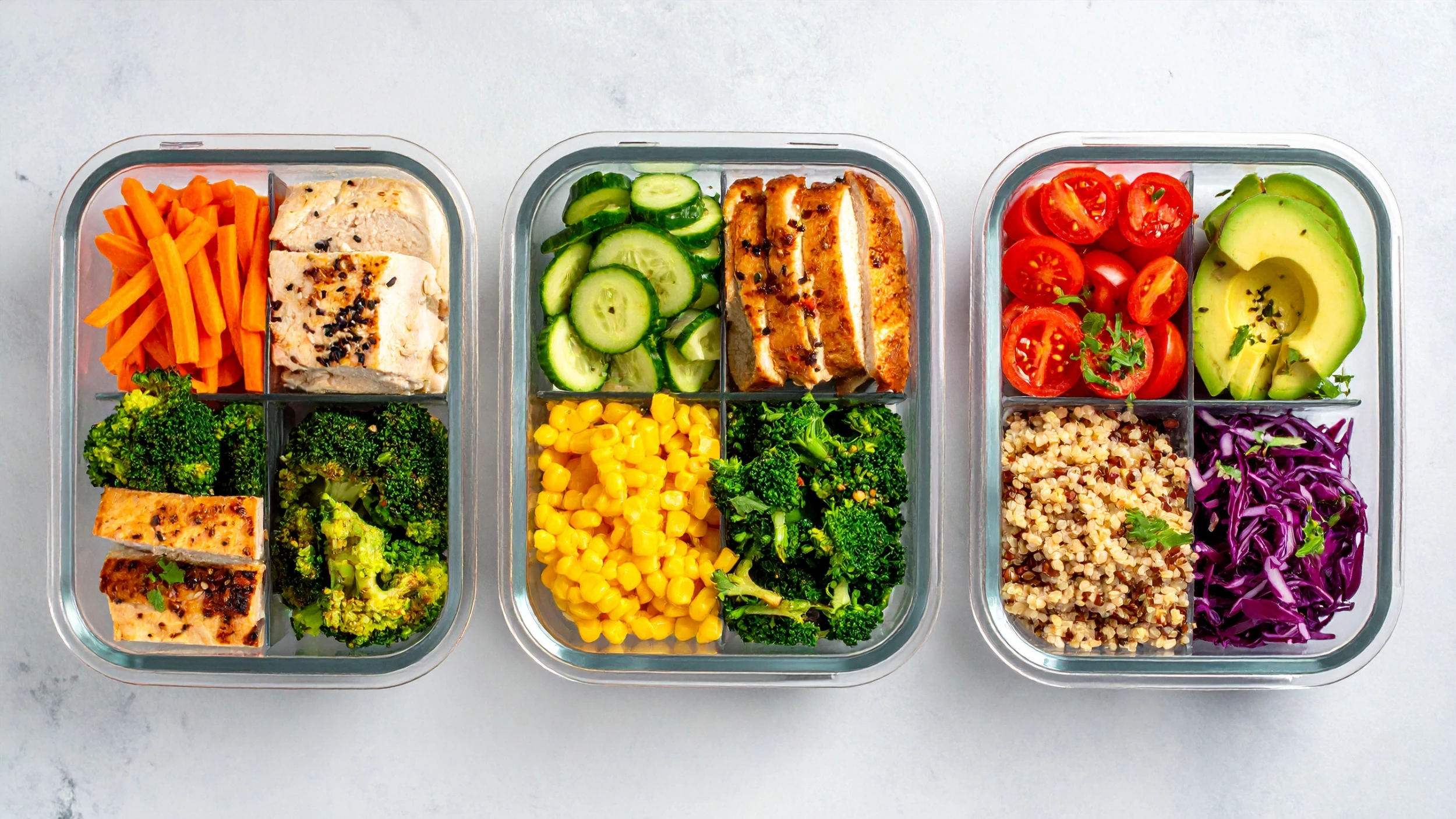
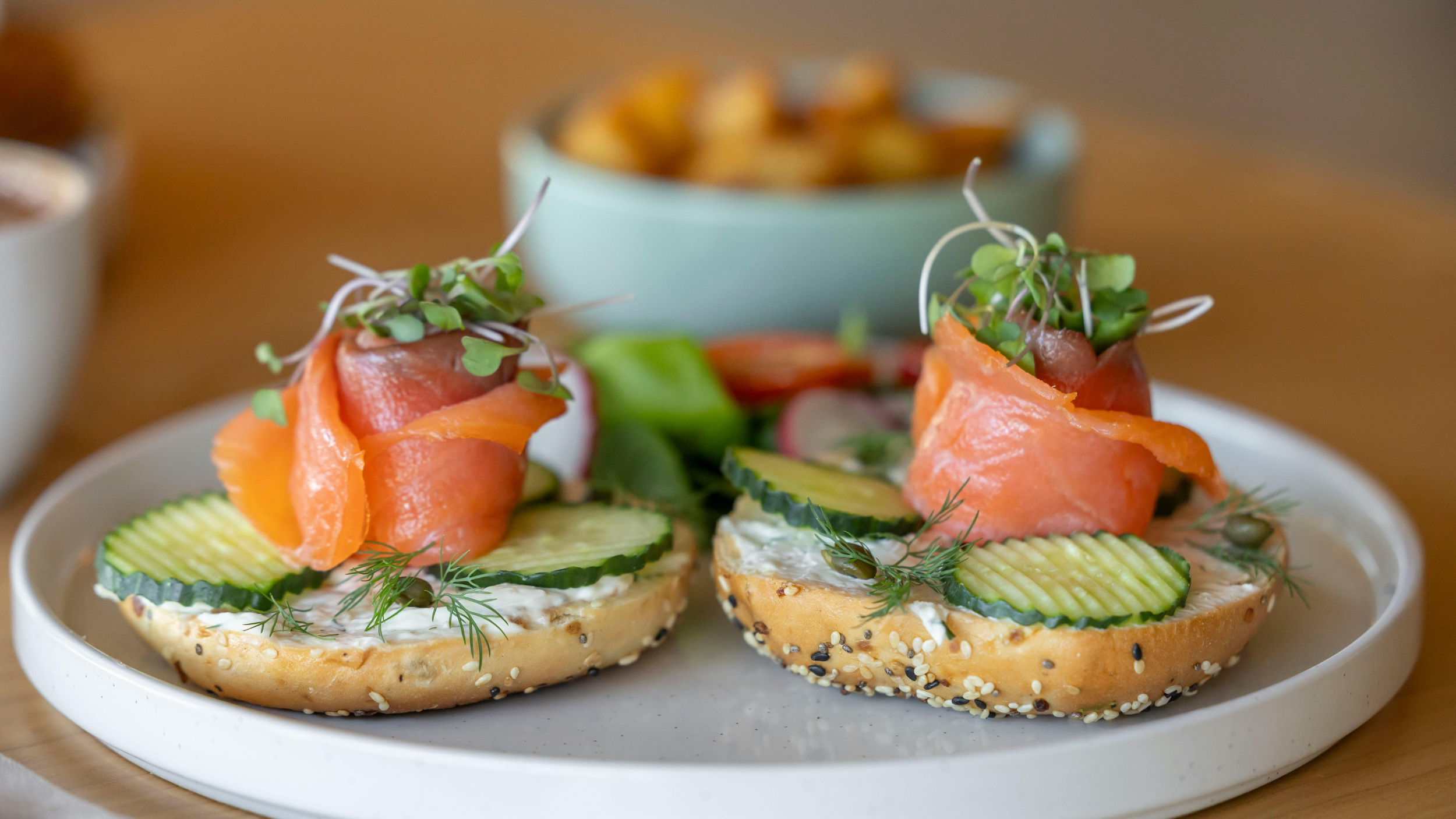
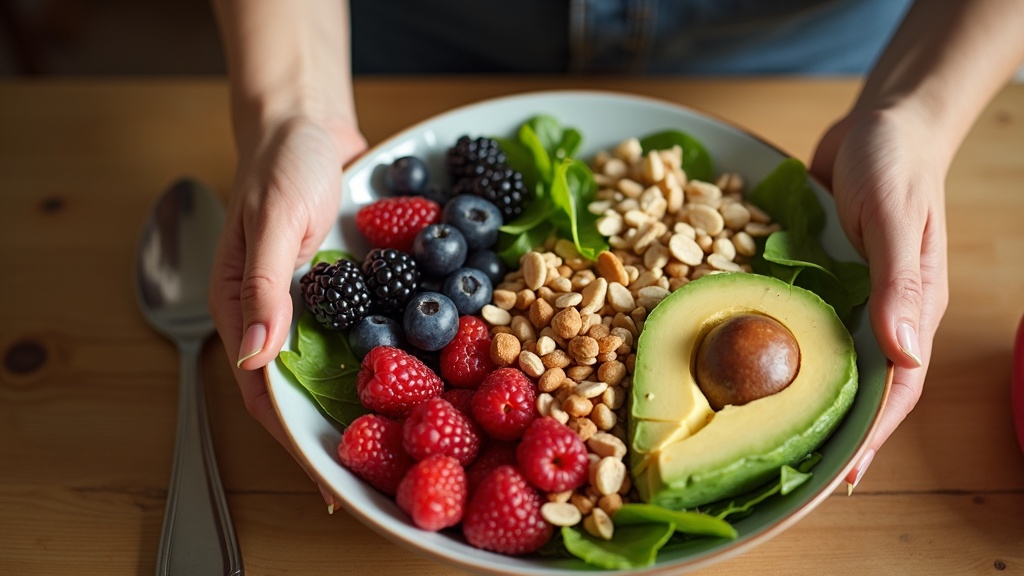
A protein-rich breakfast—aim for 25-30 grams—also helps synchronize your peripheral clocks and supports stable blood sugar throughout the day. Think Greek yogurt with nuts and berries, or eggs with avocado and sprouted grain toast.
Midday: Sustained Energy and Digestive Power
Your digestive enzymes and gastric acid production remain robust through early afternoon [7]. This makes lunch an ideal time for your largest, most nutrient-dense meal of the day—a concept supported by traditional eating patterns across many cultures.
Consider these evidence-based midday strategies:
- Include a palm-sized portion of protein to maintain muscle protein synthesis
- Add fiber-rich vegetables to support your gut microbiome's circadian patterns
- Don't skip healthy fats—they slow glucose absorption and enhance nutrient uptake
Evening: Lighter, Earlier, Smarter
As evening approaches, your body naturally shifts toward rest and repair mode. Insulin sensitivity declines by approximately 50% in the late evening compared to morning [8]. This means the same meal eaten at 9 PM will trigger a significantly higher glucose and insulin response than if consumed at noon.
The relationship between circadian rhythm and digestion becomes especially apparent at night. Your gastric motility slows, stomach acid production decreases, and your body prioritizes cellular repair over digestion [9].
For optimal circadian alignment:
- Finish your last meal 2-3 hours before bed
- Keep evening portions moderate and emphasize easily digestible proteins like fish or poultry
- Minimize refined carbohydrates and sugars, which can disrupt both sleep architecture and overnight fat metabolism
The Circadian Rhythm and Weight Loss Connection
When you restrict your eating window to align with daylight hours—typically 8-12 hours—you naturally support circadian rhythm and weight loss through multiple mechanisms. Time-restricted eating has been shown to improve metabolic flexibility, reduce inflammation, and enhance autophagy without requiring calorie counting [10].
One particularly compelling study found that eating the same number of calories but within an earlier time window (8 AM to 2 PM) resulted in improved insulin sensitivity, reduced blood pressure, and decreased appetite compared to a 12-hour eating window [11].
Practical Tips for Aligning Nutrition and Your Circadian Rhythm
Theory is great, but implementation is where transformation happens. Here's how to translate circadian rhythm nutrition into your real, busy life.
Start with Consistency, Not Perfection
Your circadian system thrives on predictability. Eating your first meal within the same 30-minute window each morning—even on weekends—helps stabilize your internal clocks more than any single food choice [12].
Set a daily "metabolic anchor" by choosing a consistent breakfast time. This single habit creates a ripple effect, naturally encouraging earlier dinners and more regular sleep patterns.
Create a Supportive Evening Routine
The hours before bed set the stage for quality sleep and nutrition the following day. These practices support both sleep and nutrition in a bidirectional relationship:
Leverage Light Exposure Strategically
Within 30 minutes of waking, expose your eyes to bright natural light for 10-15 minutes. This simple practice strengthens your central circadian clock and improves nighttime melatonin production by up to 50% [13]. Pair this morning light exposure with your first meal for maximum circadian reinforcement.
Build Flexible Structure
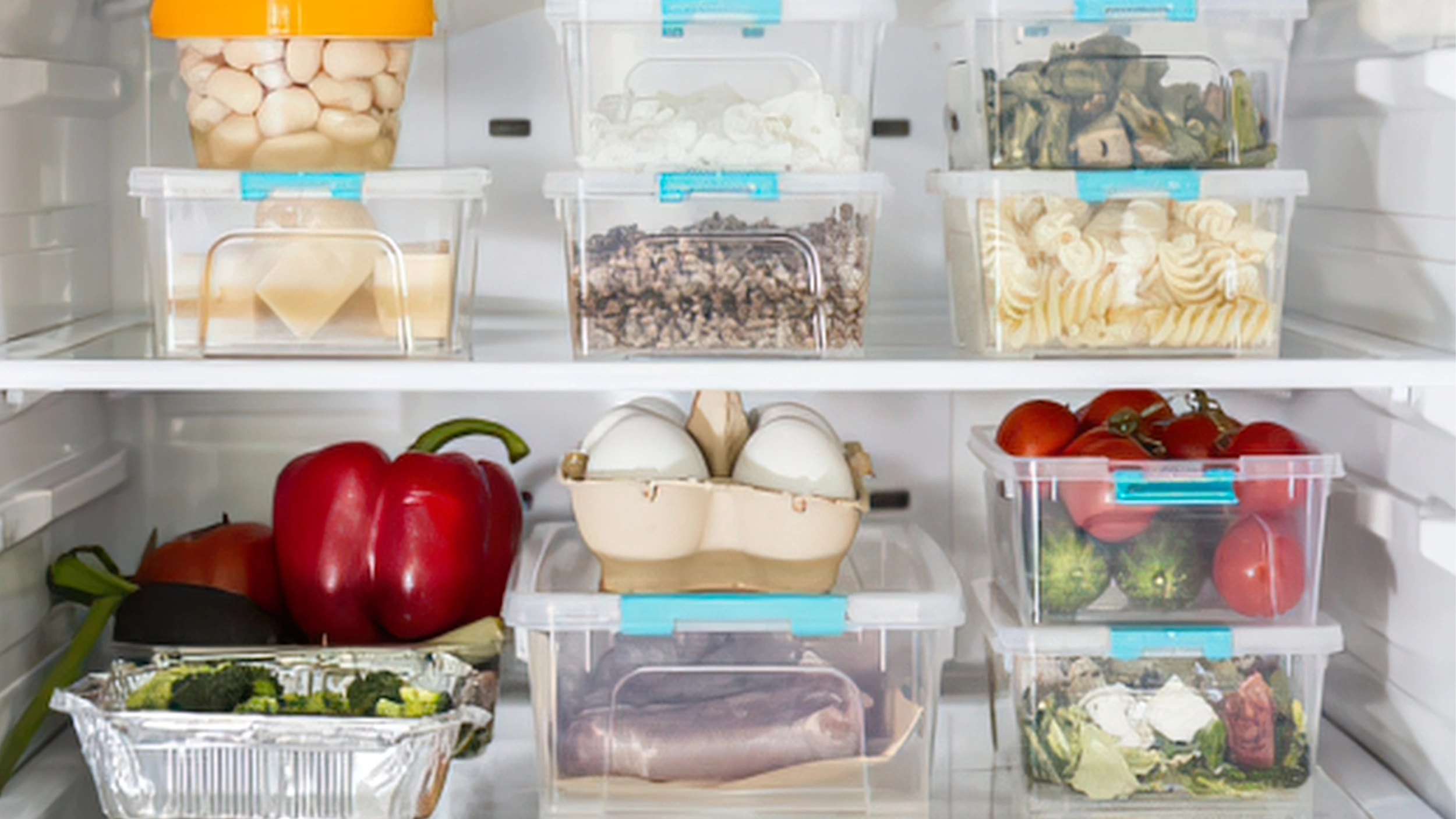
Life happens. You're not going to eat at exactly 7 AM every single day, and that's completely okay. The goal is directional consistency, not rigid perfection. If you have a late dinner one night, simply return to your regular pattern the next day rather than attempting to "make up for it" by skipping meals.
For shift workers or those with irregular schedules, focus on maintaining consistent meal timing relative to your wake time, even if your wake time varies. Your body can adapt to different schedules—it just needs consistency within that schedule [14].
Monitor Your Personal Biomarkers
Pay attention to these signals that indicate improved circadian alignment:
- Waking naturally before your alarm without grogginess
- Stable energy levels throughout the afternoon (no 3 PM crash)
- Reduced cravings for sugar or caffeine
- Regular bowel movements, typically in the morning
- Falling asleep within 15-20 minutes of lying down
If you're managing stress-related energy fluctuations, aligning your eating patterns with your circadian rhythm can significantly improve your cortisol curve and overall resilience.
Personalize Your Approach
While the science of chrononutrition provides clear guidelines, your individual chronotype (whether you're naturally a morning person or evening person), activity level, and hormonal patterns all influence your optimal eating window. Some women feel best with a 10-hour eating window starting at 7 AM, while others thrive with 8 AM to 6 PM.
Experiment within the evidence-based framework: earlier eating window, consistent timing, and lighter evenings. Track your energy, sleep quality, and how your clothes fit for 2-3 weeks before making adjustments.
Frequently Asked Questions
Q1: How can I tell if my circadian rhythm is out of sync?
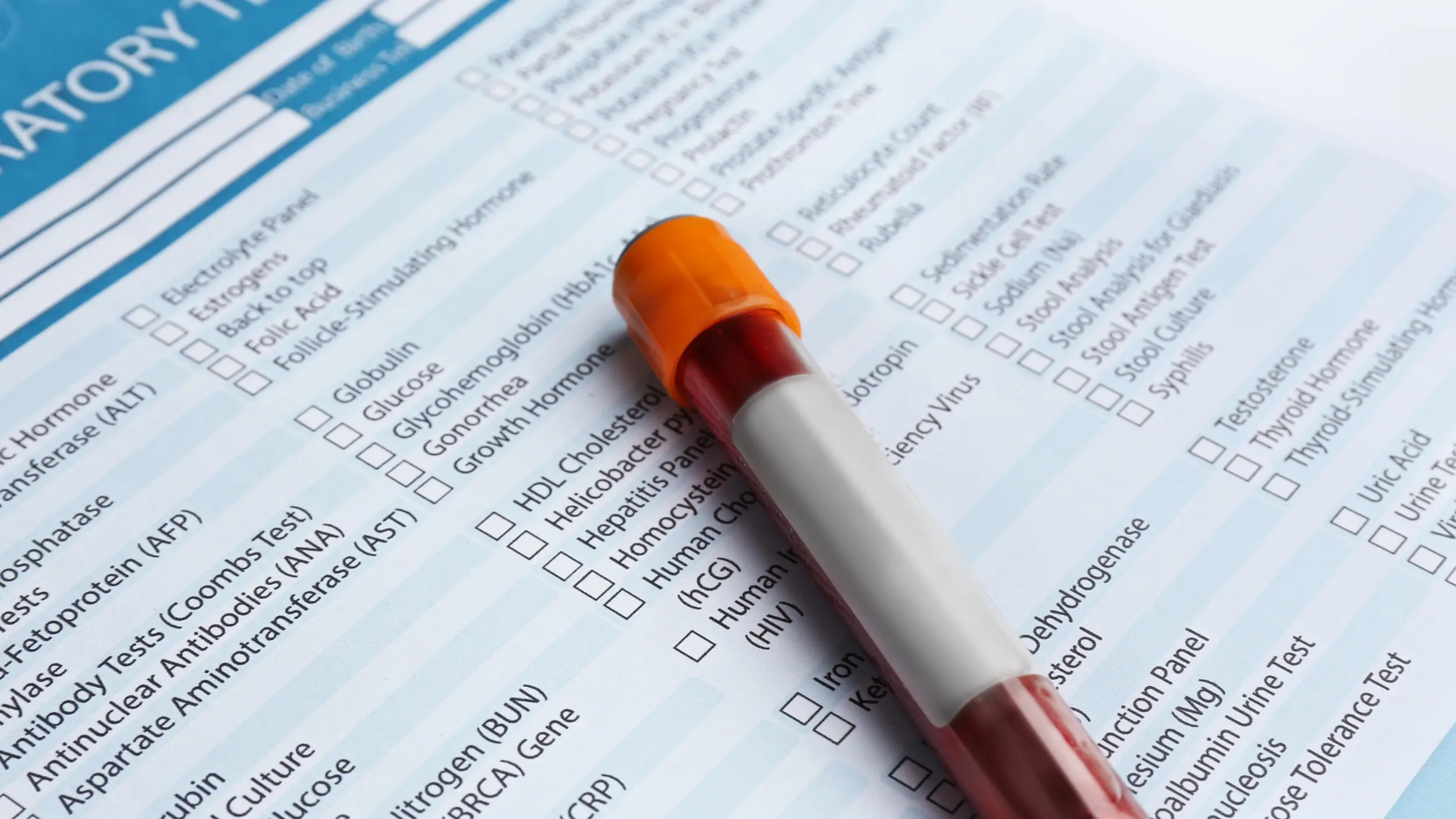
Common signs include difficulty falling asleep despite feeling tired, waking frequently during the night, intense afternoon energy crashes, irregular bowel movements, and persistent cravings for sugar or caffeine. You might also notice that you feel hungrier at night than in the morning, which is opposite to your body's natural metabolic rhythm. If you consistently need an alarm to wake up and feel groggy for the first hour, your circadian rhythm likely needs recalibration. Blood work can also reveal circadian disruption through elevated fasting glucose, irregular cortisol patterns, or poor lipid profiles despite a healthy diet.
Q2: What are the best foods to eat to support my circadian rhythm?
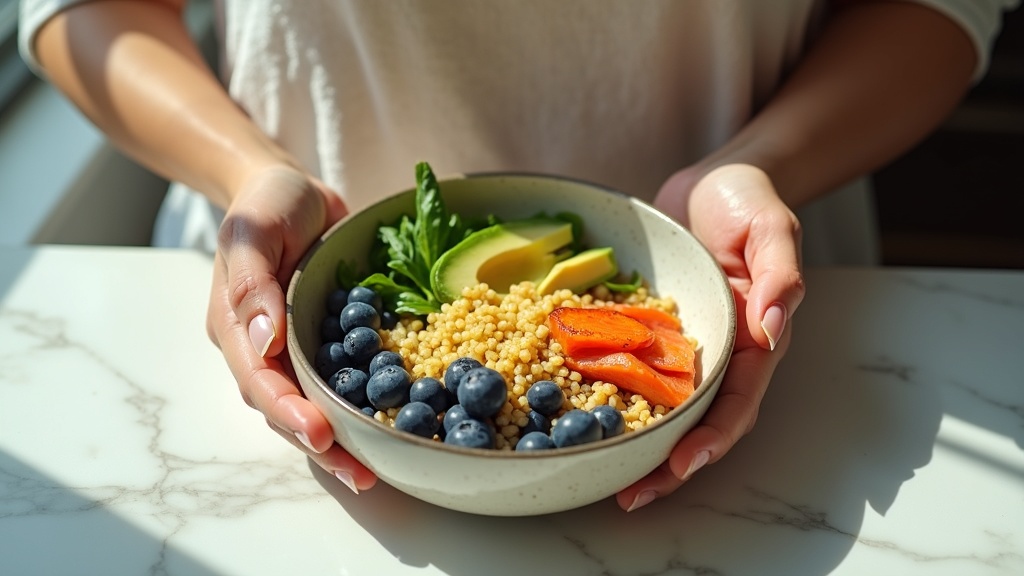
Focus on foods rich in tryptophan (turkey, pumpkin seeds, salmon), magnesium (leafy greens, almonds, dark chocolate), and complex carbohydrates with fiber (oats, quinoa, sweet potatoes) which support serotonin and melatonin production. Tart cherry juice is one of the few natural sources of melatonin and can be beneficial in the evening. In the morning, prioritize protein and healthy fats to stabilize blood sugar and support dopamine production for alertness. Throughout the day, include polyphenol-rich foods like berries, green tea, and extra virgin olive oil, which have been shown to support healthy circadian gene expression [15].
Q3: Can adjusting my meal times improve my sleep?
Absolutely. Eating your last meal at least 2-3 hours before bed allows your core body temperature to drop naturally, which is essential for sleep initiation [16]. Late-night eating keeps your digestive system active when it should be resting, disrupts melatonin secretion, and can cause uncomfortable reflux or bloating. Studies show that people who finish eating earlier in the day fall asleep faster, experience more deep sleep, and wake feeling more refreshed. The circadian rhythm and digestion connection is particularly strong—when you eat late, you're asking your body to simultaneously digest food and enter repair mode, which creates biological confusion and fragmented sleep.
Ready to feel more balanced and energetic? Let's create a personalized nutrition plan that honors your unique circadian rhythm and fits seamlessly into your lifestyle. When you work with a registered dietitian who understands the science of chrononutrition, you gain a strategic partner in optimizing not just what you eat, but when you eat for transformative results. Book a consultation with us today at www.usevedic.com.
References
[1] Hastings MH, Maywood ES, Brancaccio M. Generation of circadian rhythms in the suprachiasmatic nucleus. Nature Reviews Neuroscience, 2018.
[2] Panda S. Circadian physiology of metabolism. Science, 2016.
[3] Qian J, Scheer FAJL. Circadian System and Glucose Metabolism: Implications for Physiology and Disease. Trends in Endocrinology & Metabolism, 2016.
[4] Shechter A, Boivin DB. Sleep, Hormones, and Circadian Rhythms throughout the Menstrual Cycle in Healthy Women and Women with Premenstrual Dysphoric Disorder. International Journal of Endocrinology, 2010.
[5] Damiola F, Le Minh N, Preitner N, et al. Restricted feeding uncouples circadian oscillators in peripheral tissues from the central pacemaker in the suprachiasmatic nucleus. Genes & Development, 2000.
[6] Morris CJ, Yang JN, Garcia JI, et al. Endogenous circadian system and circadian misalignment impact glucose tolerance via separate mechanisms in humans. Proceedings of the National Academy of Sciences, 2015.
[7] Konturek PC, Brzozowski T, Konturek SJ. Gut clock: implication of circadian rhythms in the gastrointestinal tract. Journal of Physiology and Pharmacology, 2011.
[8] Saad A, Dalla Man C, Nandy DK, et al. Diurnal pattern to insulin secretion and insulin action in healthy individuals. Diabetes, 2012.
[9] Hoogerwerf WA. Role of clock genes in gastrointestinal motility. American Journal of Physiology-Gastrointestinal and Liver Physiology, 2010.
[10] Longo VD, Panda S. Fasting, Circadian Rhythms, and Time-Restricted Feeding in Healthy Lifespan. Cell Metabolism, 2016.
[11] Sutton EF, Beyl R, Early KS, et al. Early Time-Restricted Feeding Improves Insulin Sensitivity, Blood Pressure, and Oxidative Stress Even without Weight Loss in Men with Prediabetes. Cell Metabolism, 2018.
[12] Gill S, Panda S. A Smartphone App Reveals Erratic Diurnal Eating Patterns in Humans that Can Be Modulated for Health Benefits. Cell Metabolism, 2015.
[13] Gooley JJ, Chamberlain K, Smith KA, et al. Exposure to room light before bedtime suppresses melatonin onset and shortens melatonin duration in humans. Journal of Clinical Endocrinology & Metabolism, 2011.
[14] Lowden A, Moreno C, Holmbäck U, et al. Eating and shift work - effects on habits, metabolism and performance. Scandinavian Journal of Work, Environment & Health, 2010.
[15] Ribas-Latre A, Eckel-Mahan K. Interdependence of nutrient metabolism and the circadian clock system: Importance for metabolic health. Molecular Metabolism, 2016.
[16] Crispim CA, Zimberg IZ, dos Reis BG, et al. Relationship between food intake and sleep pattern in healthy individuals. Journal of Clinical Sleep Medicine, 2011.
.svg)
.svg)




.jpg)
.jpg)



















.webp)



























.webp)
.webp)
.webp)
.webp)
.webp)
.webp)
.png)
.webp)
.webp)

.webp)
.png)
.webp)
.webp)
.webp)
.webp)
.webp)
.webp)
.webp)
.webp)
.webp)


.webp)
.png)