.webp)
%2B(7).webp)
.png)
At a Glance
Low ferritin levels affect millions of women, causing exhaustion that disrupts daily life—but strategic food choices can dramatically improve how your body absorbs and stores iron. This guide breaks down the most effective ferritin absorption foods, precise pairing strategies with vitamin C, and the common dietary mistakes that silently block your progress. You'll walk away with a clear, science-backed eating framework to rebuild your iron stores naturally.
Understanding Ferritin and Why It Matters for You
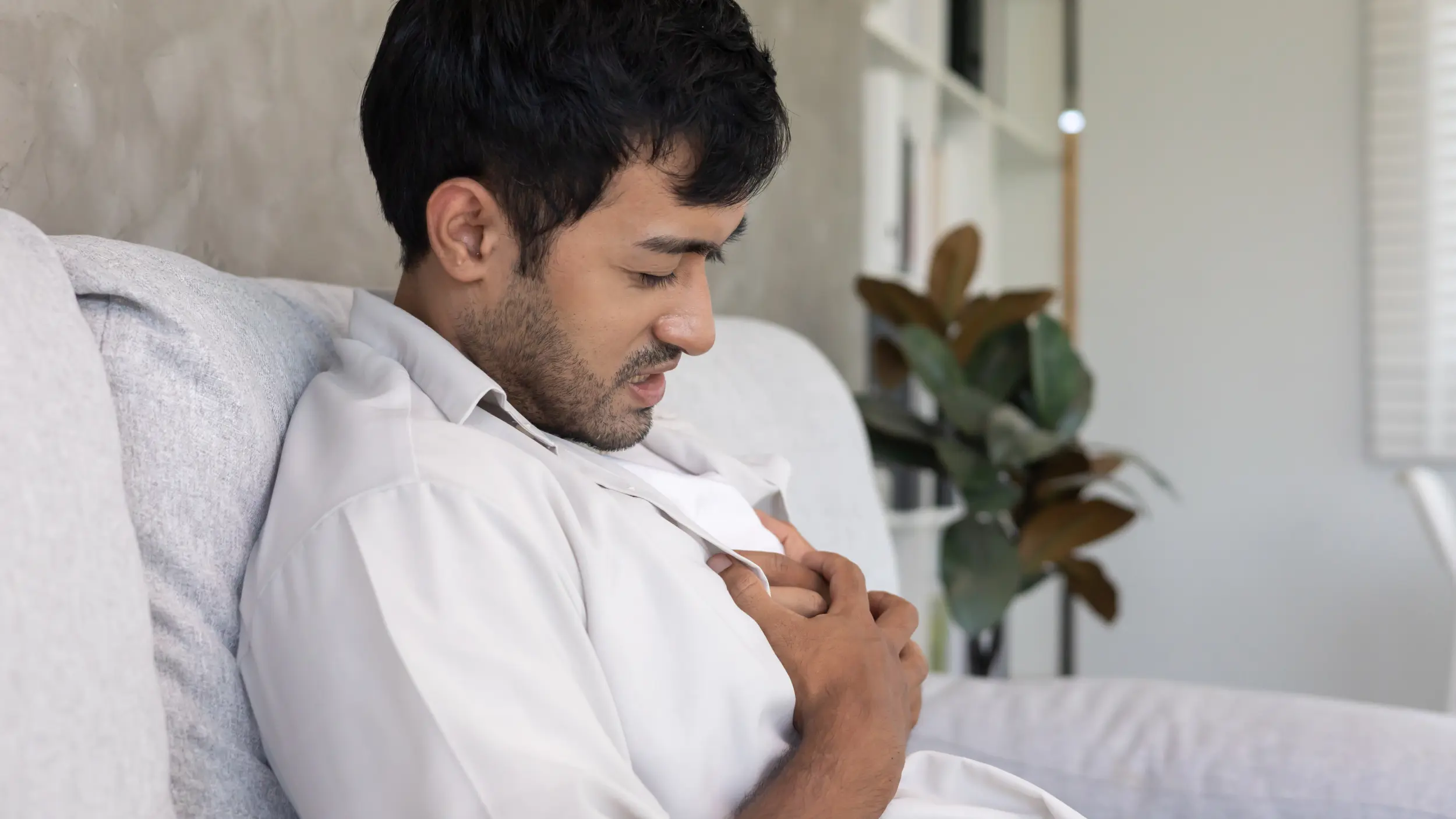
Ferritin isn't just another nutrient buzzword—it's the storage protein that holds onto iron in your body, acting like a biological savings account for this essential mineral [1]. When your ferritin levels drop below optimal ranges (typically under 30 ng/mL for women, though functional practitioners often aim for 50-100 ng/mL), you'll experience fatigue that no amount of sleep seems to fix, along with brain fog, hair thinning, and stubborn cold hands and feet [2].
Women between 24-45 face particularly high demands on iron stores. Monthly menstruation can deplete 30-45 mg of iron per cycle, while pregnancy, intense exercise, and plant-based eating patterns without proper planning create additional challenges [3]. Your body absorbs only 15-35% of heme iron (from animal sources) and a mere 2-20% of non-heme iron (from plants), which means the quality and combination of foods you choose matters enormously [4].
Here's what makes this tricky: you might be eating iron-rich foods but still struggling with low ferritin because absorption depends on dozens of factors—your stomach acid levels, the presence of absorption enhancers or inhibitors, your gut microbiome health, and even your body's current iron status. Understanding these mechanisms transforms how you approach every meal. If you're dealing with chronic stress that's affecting your energy, check out this comprehensive guide on functional nutrition strategies for stress and energy that complements iron optimization beautifully.
Your Go-To Foods for Boosting Ferritin Levels
The Heme Iron Champions
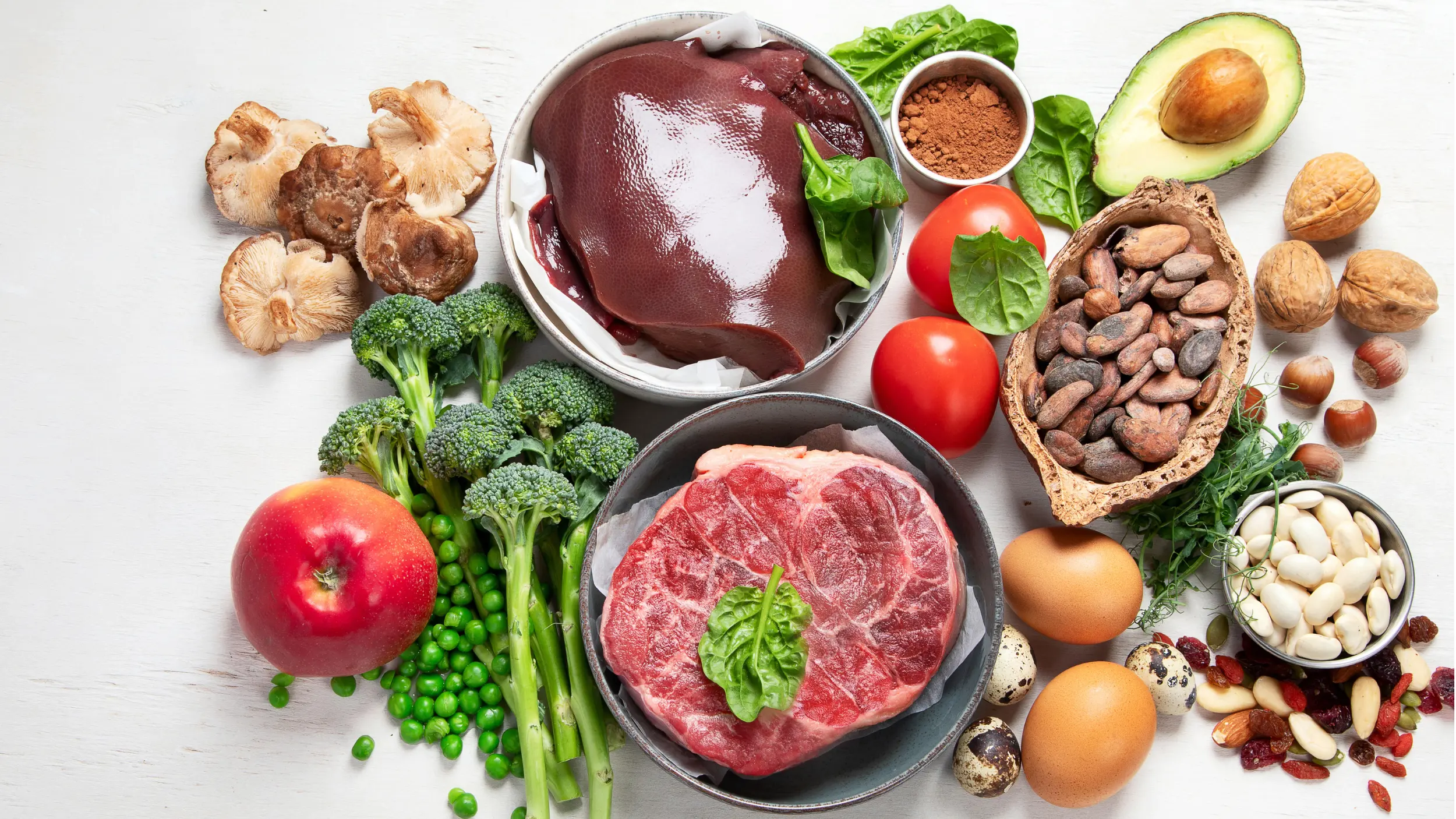
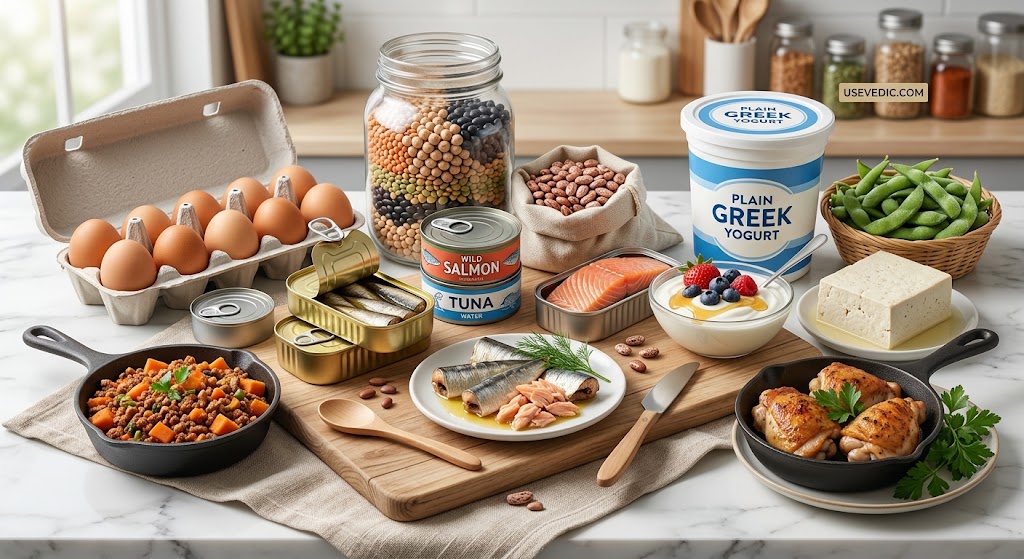
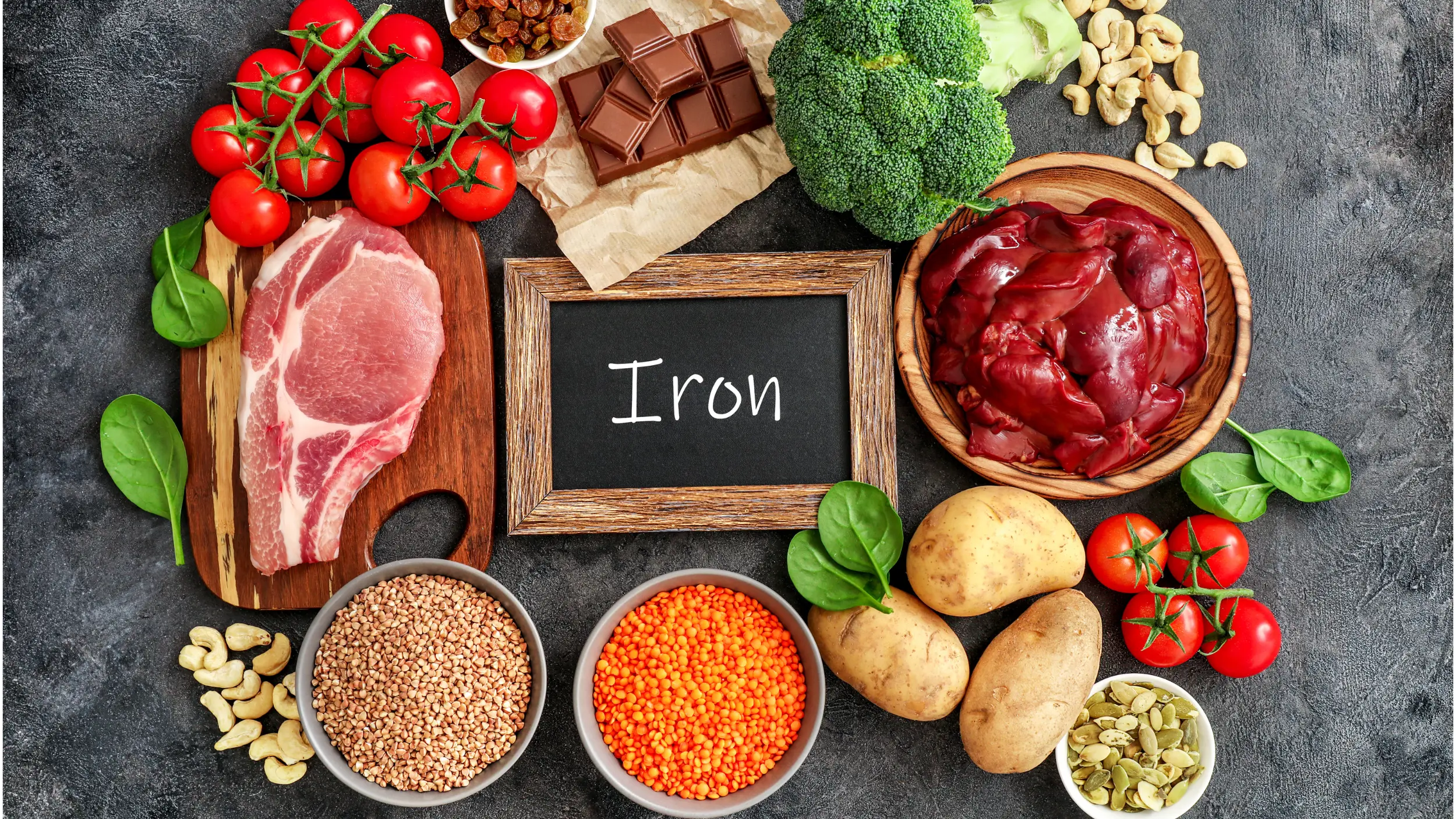
Animal-based heme iron delivers the most bioavailable form your body recognizes and absorbs efficiently. These are your fastest routes to increasing ferritin:
- Grass-fed beef and lamb contain 2.5-3.5 mg of highly absorbable heme iron per 3-ounce serving, with beef liver reaching an impressive 5 mg per serving [5]. The darker the meat, the richer the iron content.
- Oysters and clams pack 8-24 mg of iron per 3-ounce serving—among the highest natural concentrations available. Mussels follow closely with about 6 mg per serving.
- Sardines and anchovies offer 2-3 mg per serving along with omega-3 fatty acids that support the anti-inflammatory environment your body needs for optimal nutrient absorption.
- Dark poultry meat (chicken or turkey thighs) provides 1.5-2 mg per serving, making it a gentler option if you're transitioning toward higher iron intake.
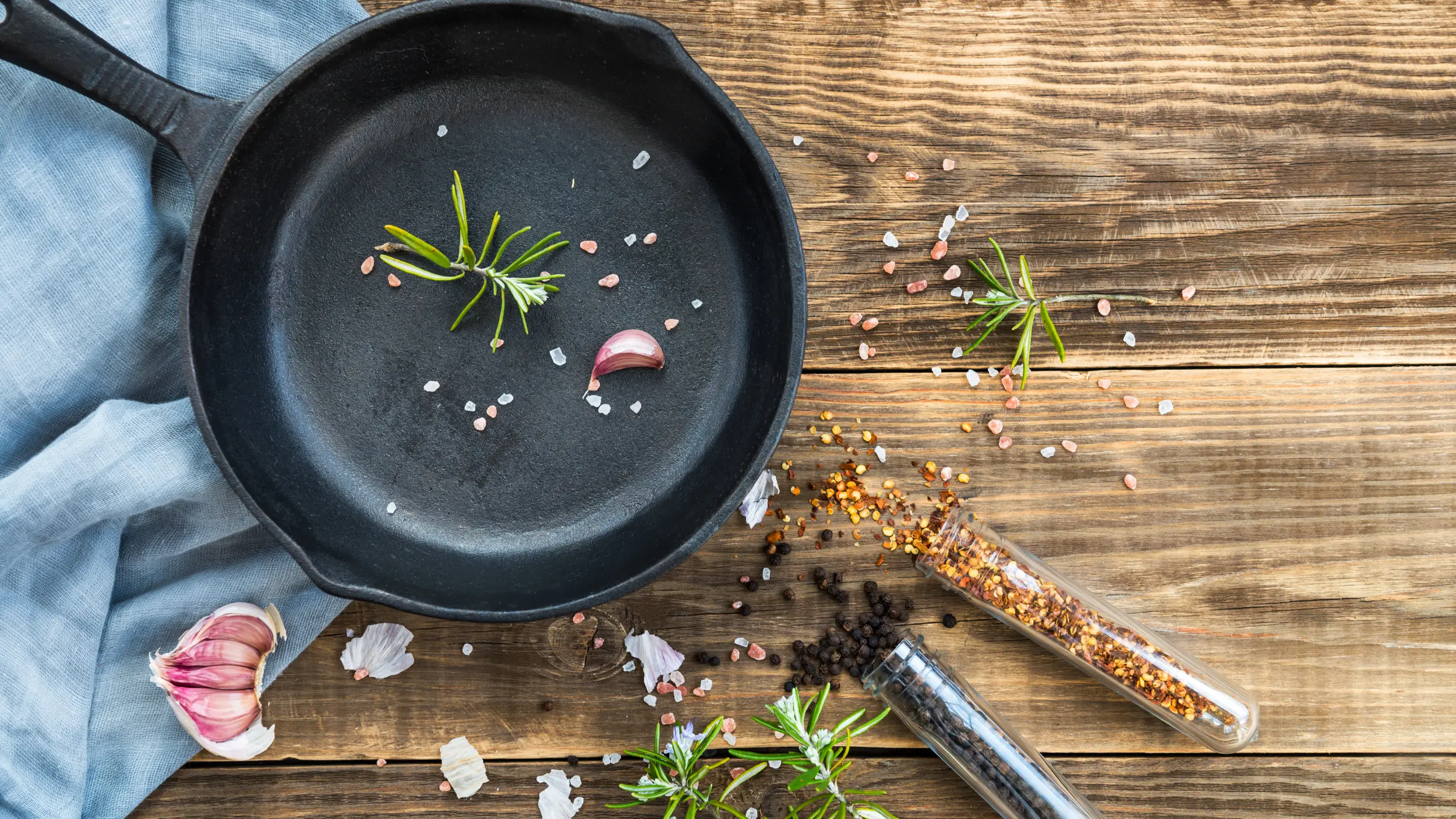
Pro clinical insight: Cooking in cast iron skillets can increase the iron content of acidic foods like tomato sauce by up to 20-fold, creating an unexpected but legitimate dietary iron source [6].
Plant-Based Ferritin Powerhouses
Non-heme iron requires more strategic planning, but it absolutely works when you understand the absorption science:
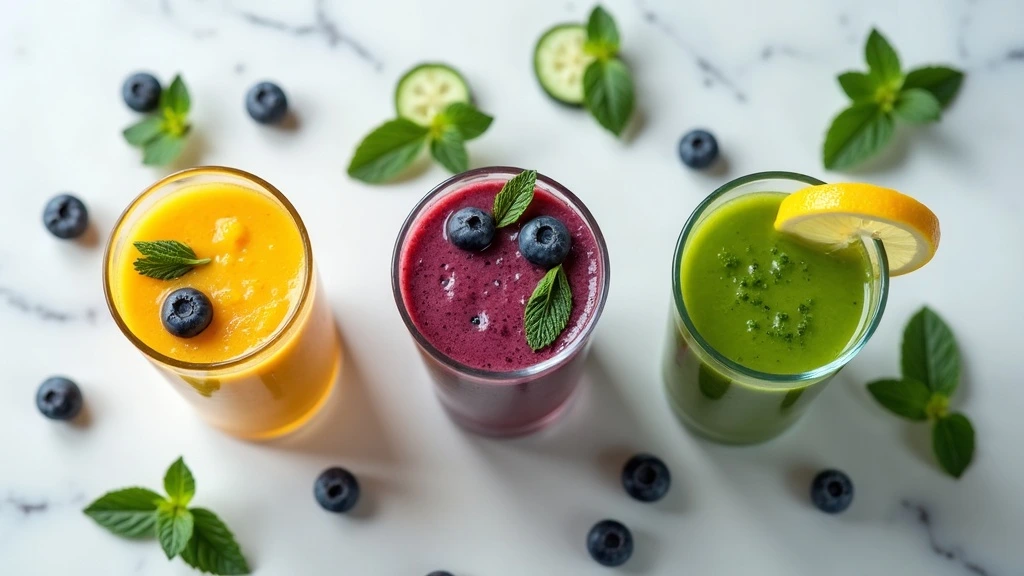
- Organic blackstrap molasses delivers 3.5 mg per tablespoon—I have clients stir this into oatmeal or smoothies for a mineral-rich sweetener swap
- Cooked spinach and Swiss chard provide 3-6 mg per cup when wilted (raw measurements are misleading since you'd never consume that volume)
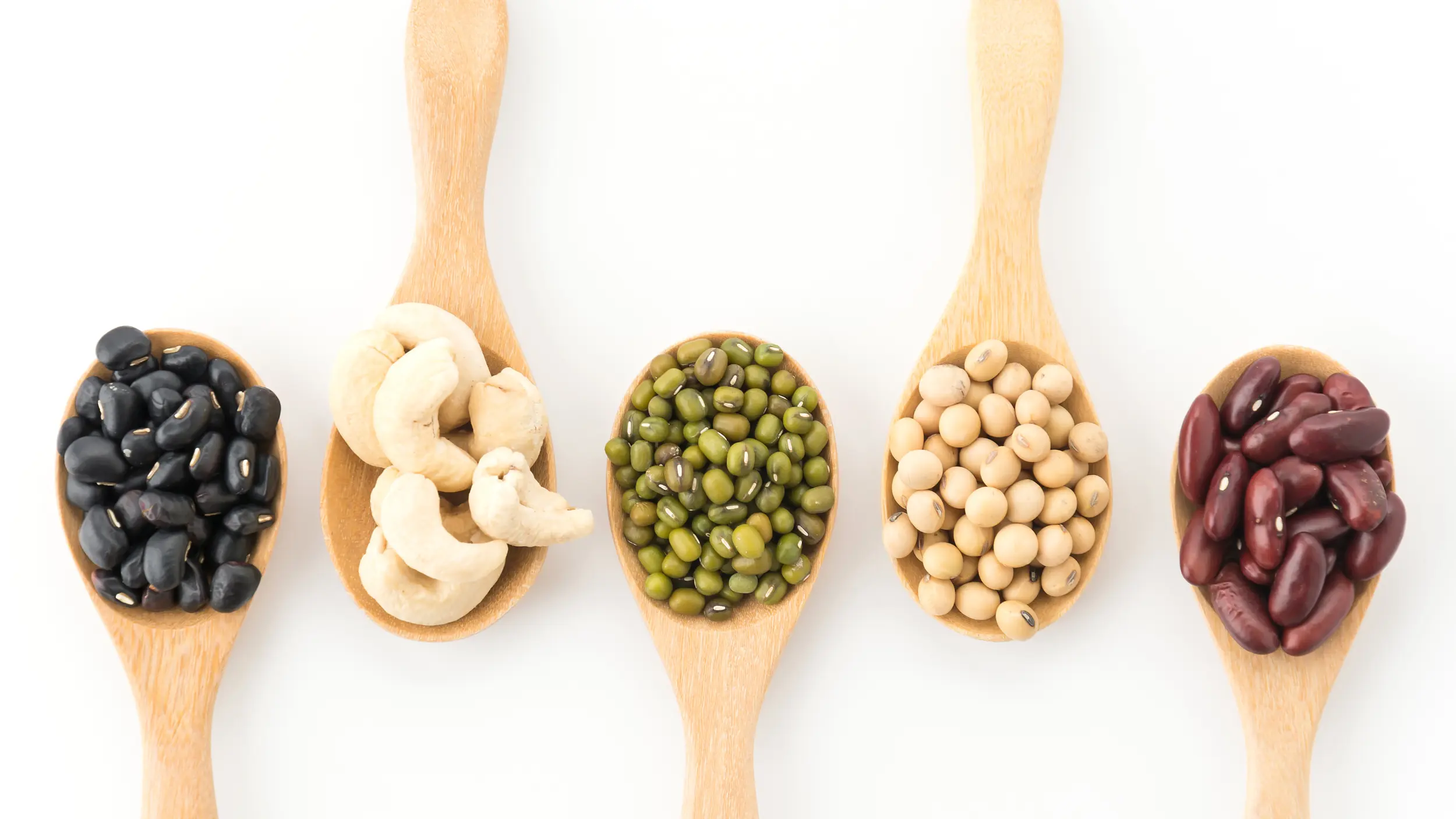
- White beans, lentils, and chickpeas contain 4-6 mg per cooked cup, with the added benefit of resistant starch for gut health
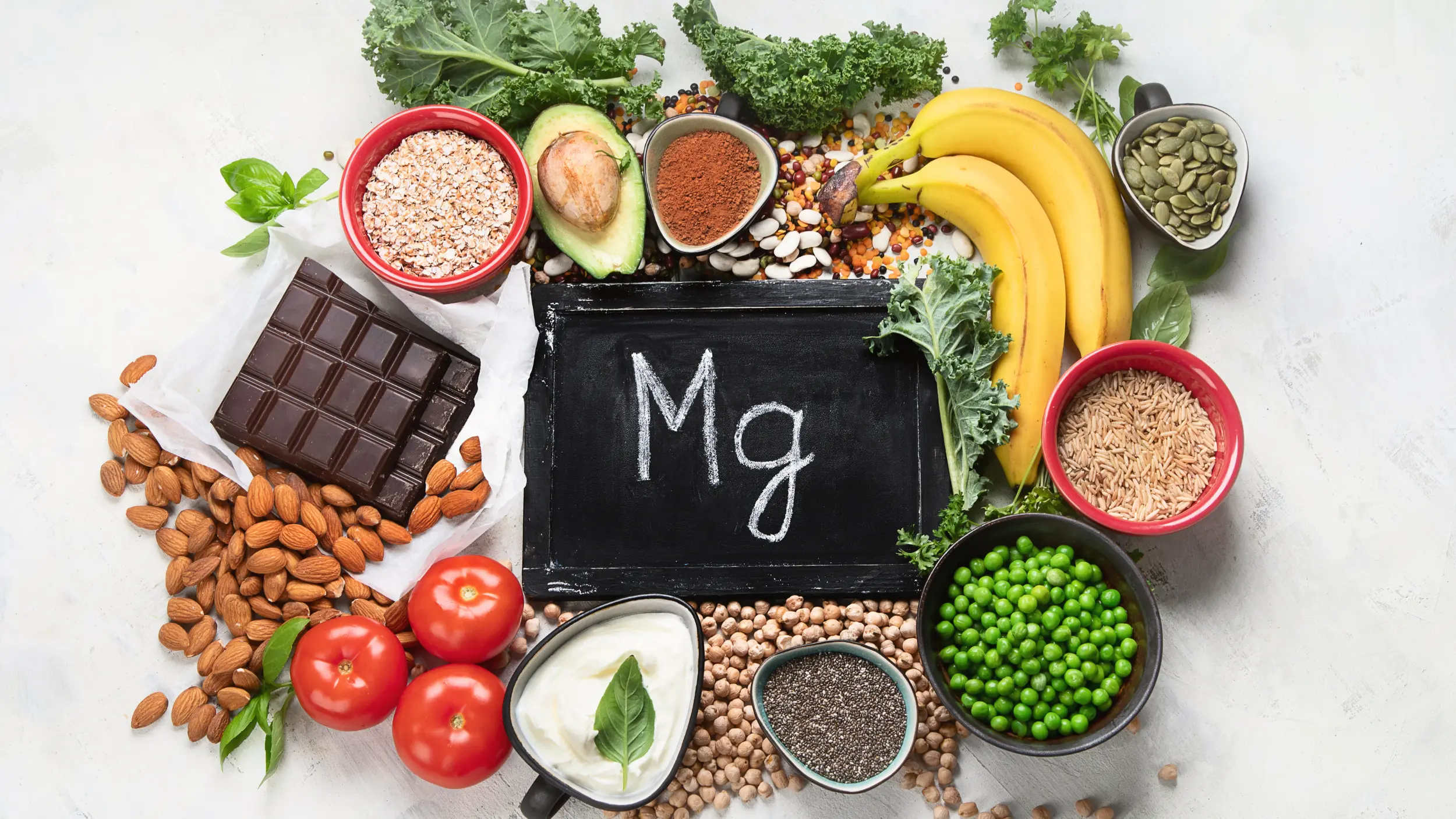
- Pumpkin seeds and hemp hearts offer 2-4 mg per quarter cup, plus magnesium and zinc that support hundreds of enzymatic reactions
- Quinoa and amaranth are rare plant proteins that provide 3-4 mg per cooked cup along with complete amino acid profiles
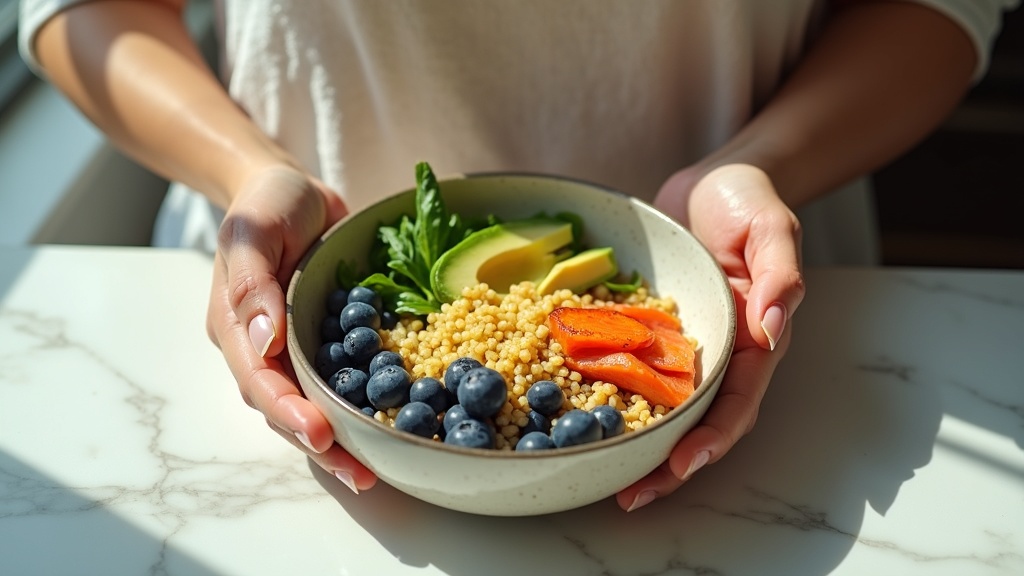
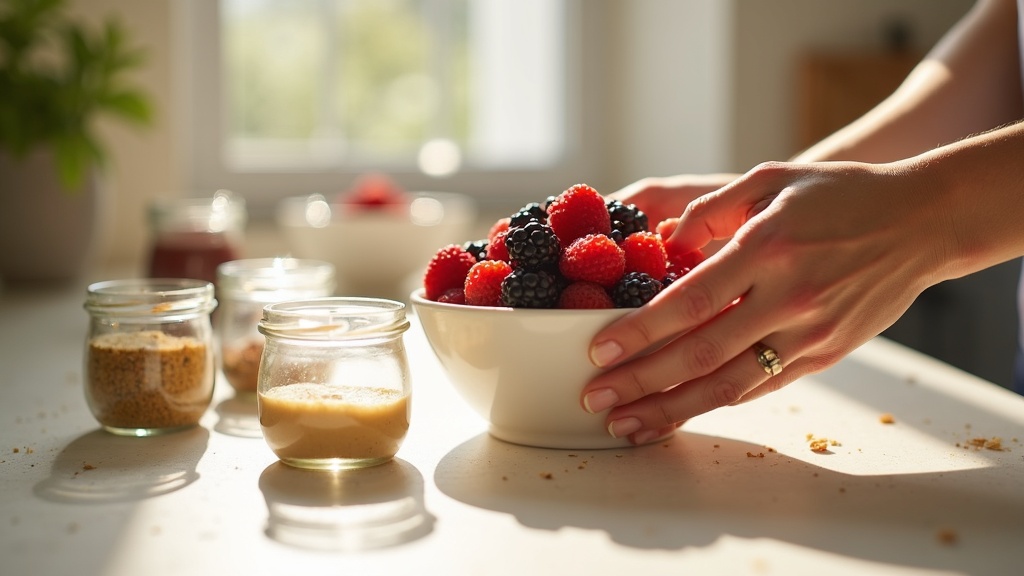
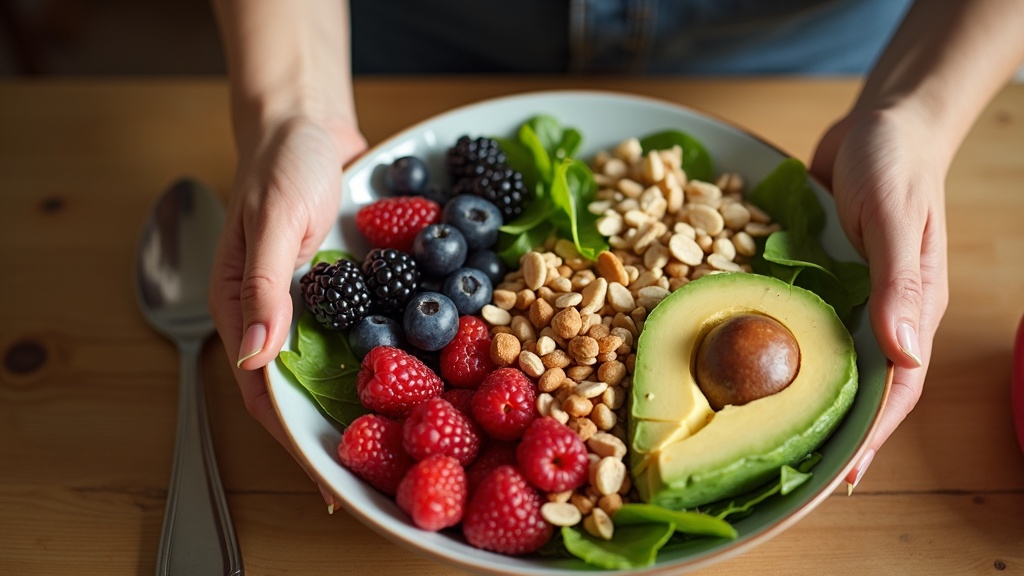
The non-negotiable rule for plant-based iron: always pair these foods with vitamin C-rich options in the same meal. This single strategy can increase non-heme iron absorption by 300-400% [7]. Think lentil soup with red bell peppers, spinach salad with strawberries, or bean chili topped with fresh tomato salsa.
If you're focusing on optimizing your gut health and microbiome, you're already supporting better mineral absorption across the board—iron included.
The Vitamin C Absorption Amplifiers
These foods aren't just healthy additions—they're functional tools that chemically convert iron into its most absorbable form:
- Red and yellow bell peppers (190 mg vitamin C per cup)
- Broccoli and Brussels sprouts (75-100 mg per cooked cup)
- Citrus fruits and kiwi (70-90 mg per serving)
- Strawberries and pineapple (60-80 mg per cup)
- Fresh parsley and cilantro (35-50 mg per half cup)
I recommend keeping frozen mango or pineapple chunks on hand to toss into any iron-rich meal—it's the easiest way to guarantee that vitamin C boost without thinking too hard about meal planning.
Smart Eating: Foods That Help and Foods to Avoid
The Iron Absorption Blockers
This is where well-intentioned eating can backfire. Several common foods and beverages contain compounds that bind to iron in your digestive tract, making it unavailable for absorption:
Calcium competes directly with iron for the same absorption pathways. If you're drinking a glass of milk with your iron-fortified cereal or taking a calcium supplement with dinner, you're essentially canceling out your iron intake [8]. Space calcium-rich foods at least 2-3 hours away from your primary iron meals.
Tannins in coffee and tea can reduce iron absorption by 50-90% when consumed within an hour of eating [9]. I know your morning coffee feels non-negotiable, but shifting it to at least 60 minutes after breakfast makes a measurable difference. Green tea and black tea are particularly high in these compounds.
Phytates in whole grains, nuts, and legumes can inhibit absorption, but here's the good news—soaking, sprouting, and fermenting these foods dramatically reduces phytate content by 30-70% [10]. Soaking your oats overnight, choosing sourdough bread, or using sprouted lentils are simple swaps that preserve nutrition while improving bioavailability.
Excessive fiber (above 40-50 grams daily) can speed transit time through your digestive system so quickly that minerals don't have adequate time for absorption. This doesn't mean avoiding fiber—just being strategic about not overloading fiber supplements right before iron-rich meals.
Meal Timing and Combination Strategies
Your body's iron absorption capacity isn't constant throughout the day. Stomach acid production (which is essential for breaking down and absorbing minerals) peaks in the morning and declines in the evening [11]. This makes breakfast and lunch your prime windows for iron-focused meals.
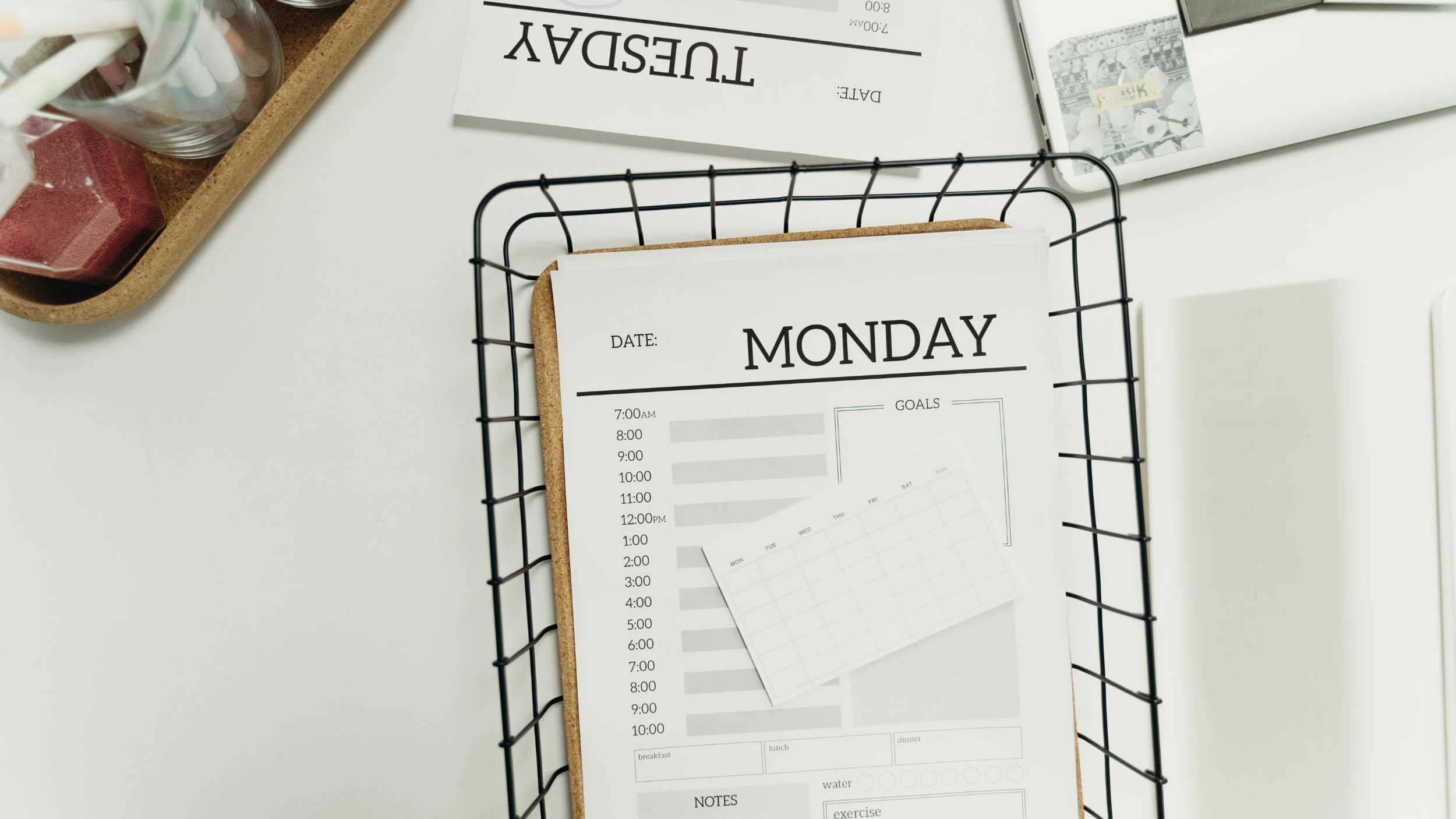
Here's a sample day structure that maximizes absorption:
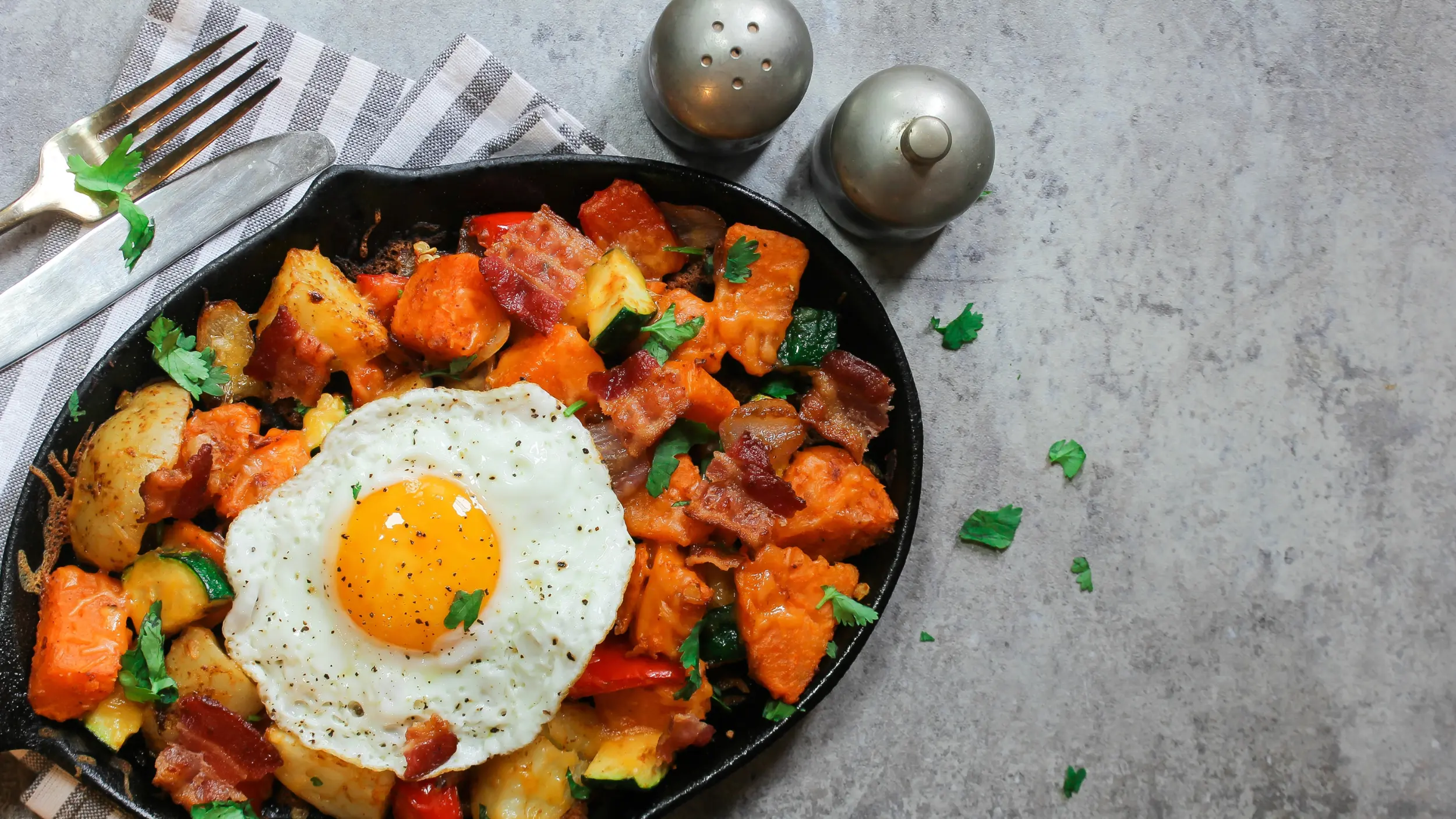
Morning: Scrambled eggs with sautéed spinach and cherry tomatoes, side of orange slices. Skip coffee until 90 minutes later.
Midday: Grass-fed beef and vegetable stir-fry over quinoa with bell peppers and broccoli, finished with fresh lime juice.
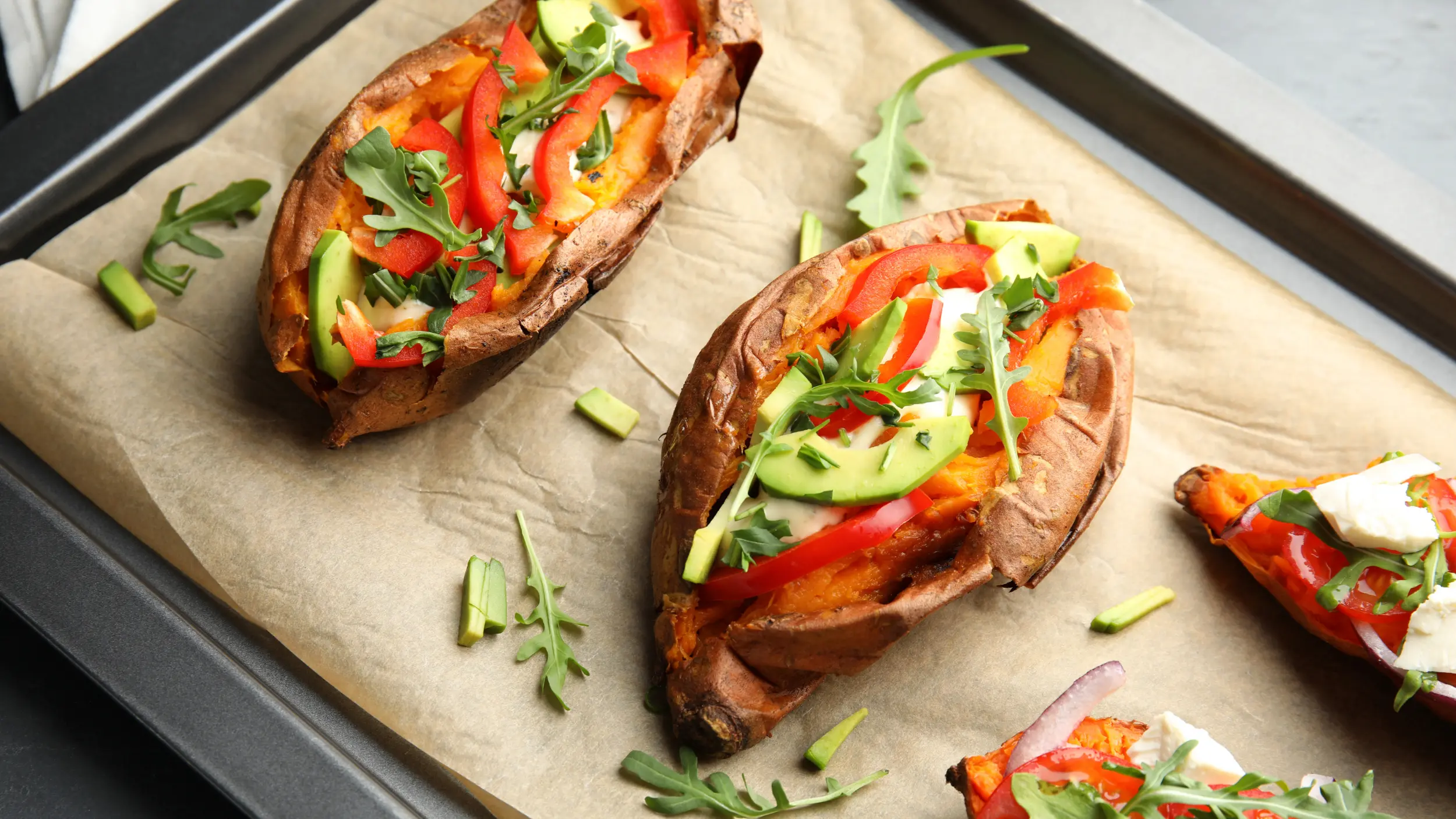
Evening: Grilled salmon with roasted sweet potato and green salad. This meal focuses on omega-3s and other nutrients rather than maximal iron, giving your system variety.
Snacks: Pumpkin seed trail mix with dried mango, or hummus with raw red peppers.
One practical tip I give all my clients: if you're taking an iron supplement (and you should always work with a practitioner on this—more isn't always better), take it on an empty stomach with vitamin C-rich juice, at least 2 hours away from any calcium, coffee, or tea. The clinical data shows this timing protocol can double absorption rates [12].
Balancing minerals, hormones, and energy goes hand-in-hand. If you're working on iron optimization, you'll likely benefit from this evidence-based approach to hormone balance through diet for women's wellness—because iron status directly influences thyroid function and hormonal health.
Addressing Underlying Absorption Issues
Sometimes the problem isn't what you're eating but how well your digestive system is functioning. Low stomach acid (hypochlorhydria), which becomes increasingly common after age 30 and with chronic stress, significantly impairs iron absorption [13]. If you experience bloating, undigested food in stools, or have been on proton pump inhibitors, this might be limiting your progress.
Inflammatory conditions like celiac disease, Crohn's disease, or even subclinical gut inflammation can damage the intestinal lining where iron absorption occurs [14]. H. pylori infection, present in roughly 50% of the global population, specifically interferes with iron metabolism and should be tested if you're not responding to dietary changes [15].
This is exactly why personalized nutrition assessment matters—what works for your friend might not work for you if you have different underlying factors at play.
Frequently Asked Questions
What are the top 3 foods that help increase ferritin quickly?
Grass-fed beef liver, oysters, and blackstrap molasses deliver the highest concentrations of absorbable iron per serving. Beef liver contains about 5 mg of heme iron per 3-ounce serving with exceptional bioavailability, oysters provide up to 8 mg per serving, and blackstrap molasses offers 3.5 mg per tablespoon with additional minerals like copper that support iron metabolism. For maximum impact, pair any of these with vitamin C-rich foods in the same meal.
Can I increase my ferritin levels through diet alone?
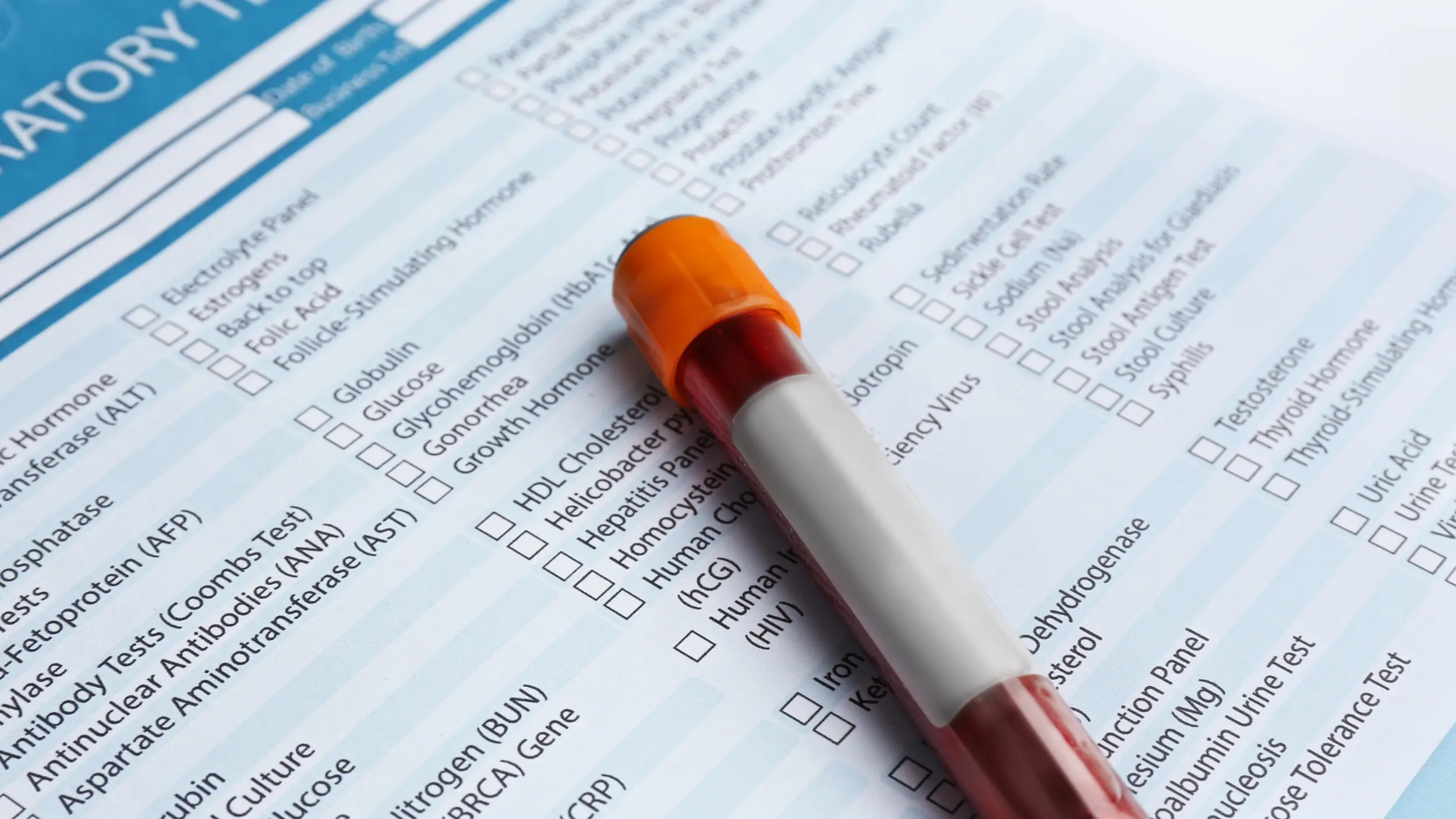
For mild to moderate deficiency, absolutely—dietary changes can restore ferritin levels within 8-12 weeks when done strategically. However, if your ferritin is below 15 ng/mL, if you have heavy menstrual bleeding, or if you have diagnosed malabsorption conditions, you'll likely need supplementation alongside dietary optimization under medical supervision. Blood work every 8-12 weeks helps track progress and prevents over-supplementation, which carries its own risks. The goal is always to use food as your foundation and supplements as targeted support when needed.
What are common signs of low ferritin that I should be aware of?
Persistent fatigue despite adequate sleep is the hallmark symptom, but low ferritin manifests in surprisingly diverse ways. You might notice increased hair shedding (especially at the crown), brittle nails with vertical ridges, restless leg syndrome that disrupts sleep, difficulty concentrating or memory issues, unusually pale skin or inner eyelids, frequent infections due to compromised immune function, and cold sensitivity in your hands and feet. Many women also experience exercise intolerance—workouts that used to feel manageable suddenly feel impossible. These symptoms often appear before anemia develops, which is why ferritin testing is more sensitive than standard iron panels.
Rebuilding your iron stores isn't about perfection—it's about consistent, informed choices that work with your body's biology rather than against it. The combination of strategic food selection, intelligent meal timing, and awareness of absorption enhancers and blockers creates a powerful protocol that addresses root causes rather than just masking symptoms.
Ready to create a personalized nutrition plan that addresses your unique iron status, digestive health, and energy goals? Book a consultation at www.usevedic.com and let's build your custom roadmap to sustained energy and optimal ferritin levels.
References
[1] Wang W, Knovich MA, Coffman LG, Torti FM, Torti SV. Serum ferritin: Past, present and future. Biochimica et Biophysica Acta, 2010.
[2] Soppi ET. Iron deficiency without anemia - a clinical challenge. Clinical Case Reports, 2018.
[3] Milman N, Kirchhoff M, Jørgensen T. Iron status markers, serum ferritin and hemoglobin in 1359 Danish women in relation to menstruation, hormonal contraception, parity, and postmenopausal hormone treatment. Annals of Hematology, 1992.
[4] Hurrell R, Egli I. Iron bioavailability and dietary reference values. American Journal of Clinical Nutrition, 2010.
[5] U.S. Department of Agriculture, Agricultural Research Service. FoodData Central. USDA, 2023.
[6] Geerligs PD, Brabin BJ, Omari AA. Food prepared in iron cooking pots as an intervention for reducing iron deficiency anaemia in developing countries: a systematic review. Journal of Human Nutrition and Dietetics, 2003.
[7] Teucher B, Olivares M, Cori H. Enhancers of iron absorption: ascorbic acid and other organic acids. International Journal for Vitamin and Nutrition Research, 2004.
[8] Lönnerdal B. Calcium and iron absorption - mechanisms and public health relevance. International Journal for Vitamin and Nutrition Research, 2010.
[9] Zijp IM, Korver O, Tijburg LB. Effect of tea and other dietary factors on iron absorption. Critical Reviews in Food Science and Nutrition, 2000.
[10] Hotz C, Gibson RS. Traditional food-processing and preparation practices to enhance the bioavailability of micronutrients in plant-based diets. Journal of Nutrition, 2007.
[11] Yago MR, Frymoyer AR, Smelick GS, et al. Gastric reacidification with betaine HCl in healthy volunteers with rabeprazole-induced hypochlorhydria. Molecular Pharmaceutics, 2013.
[12] Tolkien Z, Stecher L, Mander AP, Pereira DI, Powell JJ. Ferrous sulfate supplementation causes significant gastrointestinal side-effects in adults: a systematic review and meta-analysis. PLoS One, 2015.
[13] Zullo A, Hassan C, Cristofari F, et al. Effects of Helicobacter pylori eradication on early stage gastric mucosa-associated lymphoid tissue lymphoma. Clinical Gastroenterology and Hepatology, 2010.
[14] Hershko C, Camaschella C. How I treat unexplained refractory iron deficiency anemia. Blood, 2014.
[15] Muhsen K, Cohen D. Helicobacter pylori infection and iron stores: a systematic review and meta-analysis. Helicobacter, 2008.
.svg)
.svg)


.jpg)
.jpg)


.webp)
















.webp)
.webp)
.webp)
.webp)
.webp)
.webp)
.webp)
.png)
.webp)
.webp)
.webp)
.png)
.webp)
.webp)
.webp)
.webp)
.webp)
.webp)
.webp)
.webp)
.webp)
.webp)
.png)