.webp)
%2B(7).webp)
.png)
At a Glance
As autumn settles in, supporting your immune system doesn't require expensive supplements or restrictive diets. This guide highlights seven categories of fall immune-boosting foods that work with your body's natural defenses, from vitamin A-rich root vegetables to gut-nourishing fermented foods. These evidence-based, seasonal choices make it simple to stay healthy during fall while enjoying delicious, budget-friendly meals.
Why Fall Is Prime Time for Immune Support
Let's be real: as the temperature drops and we spend more time indoors, our exposure to respiratory viruses increases. The good news? Your immune system is incredibly responsive to the nutrients you feed it. Unlike quick fixes that promise overnight results, building robust immunity is about consistent, nourishing choices that support your body's complex defense mechanisms.
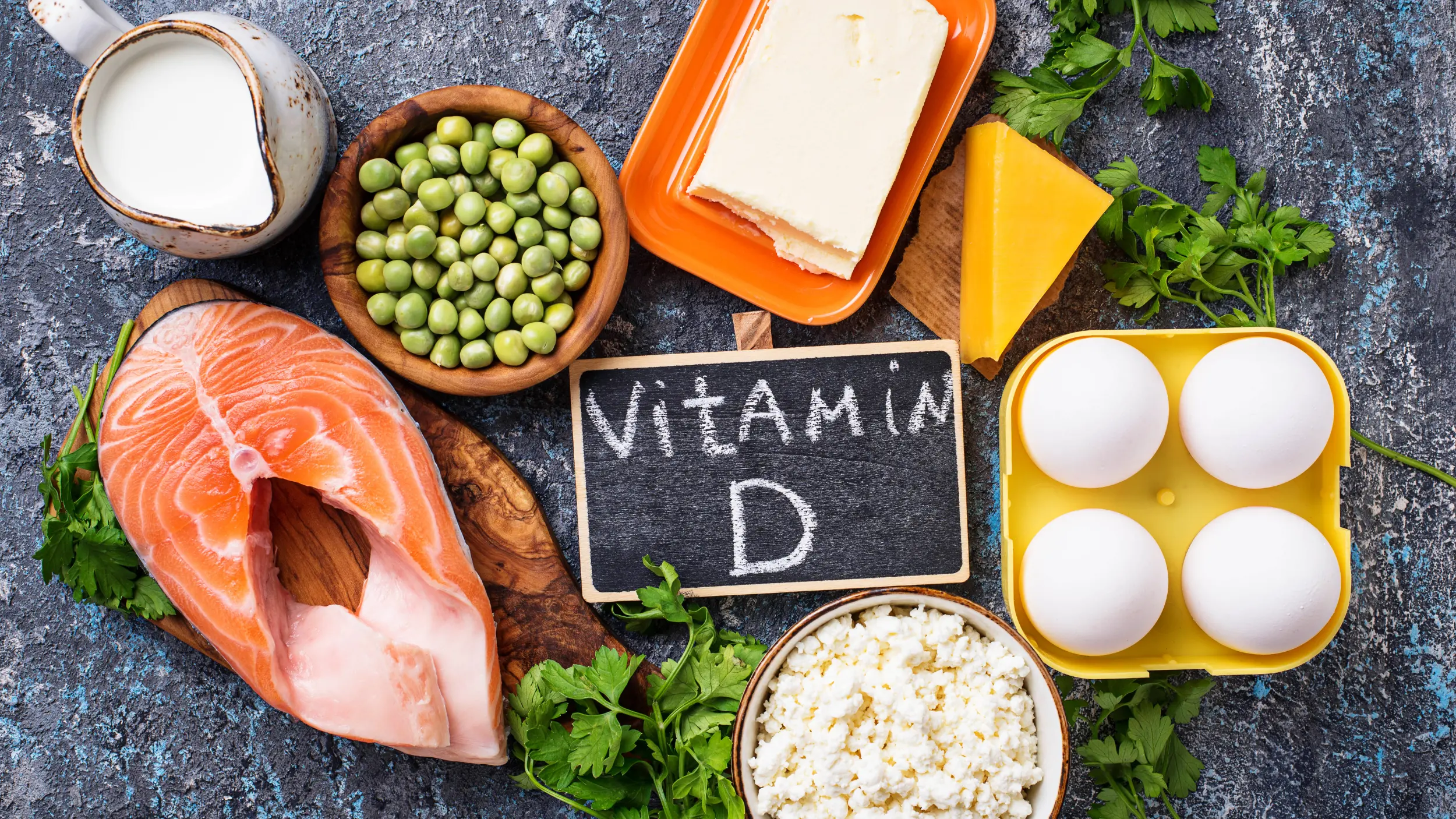
Research shows that approximately 70-80% of your immune cells reside in your gut[1], which means what you eat directly influences how well your body can fight off seasonal bugs. Plus, reduced sunlight exposure in fall often leads to decreased vitamin D levels, which plays a crucial role in immune function[2].
Think of this season as an opportunity to work with your body, not against it. The foods we'll discuss aren't exotic superfoods from distant lands—they're the beautiful, colorful produce that's literally at its peak right now at your local market.
1. Embrace Hearty Root Vegetables & Squash
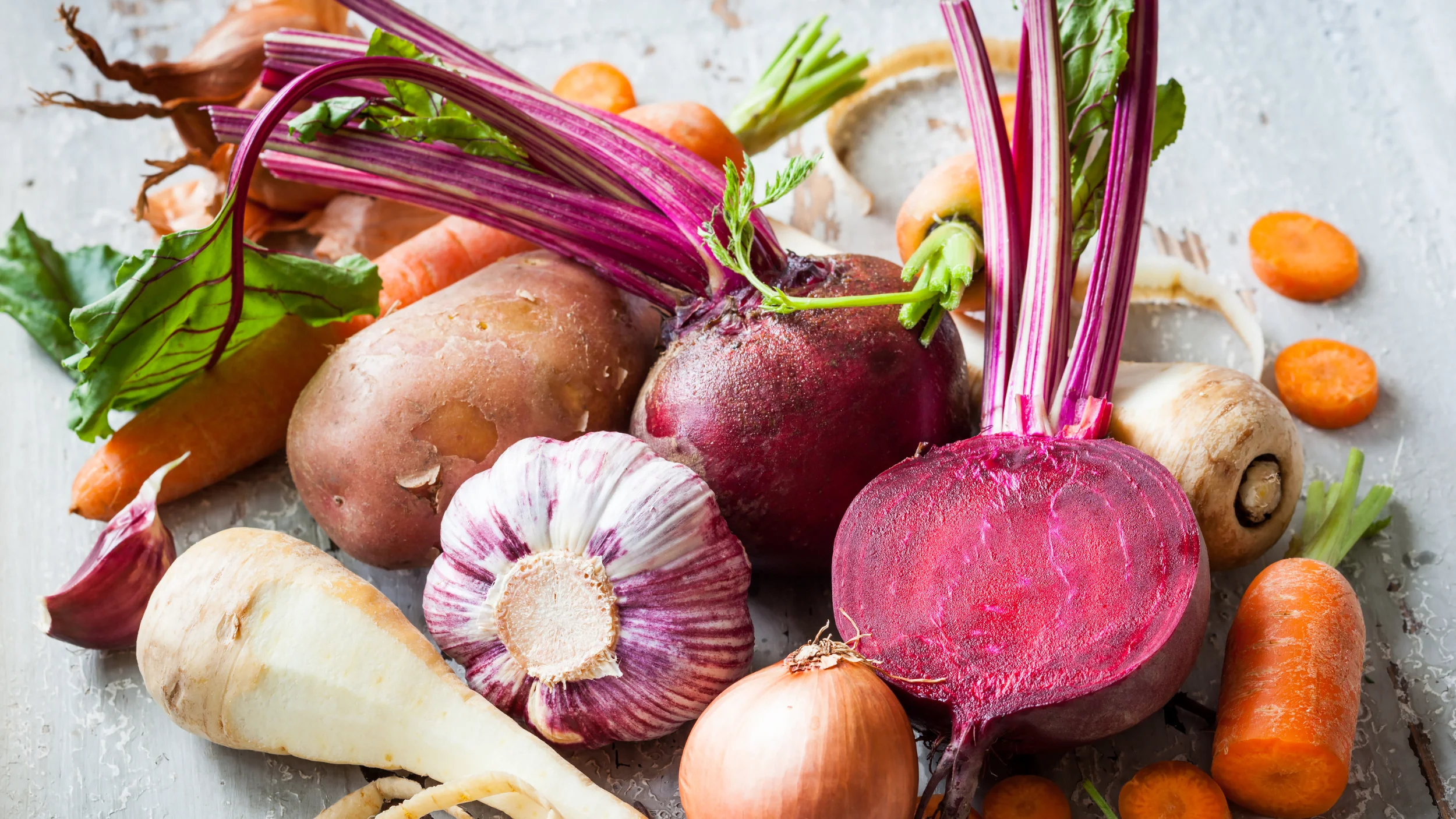
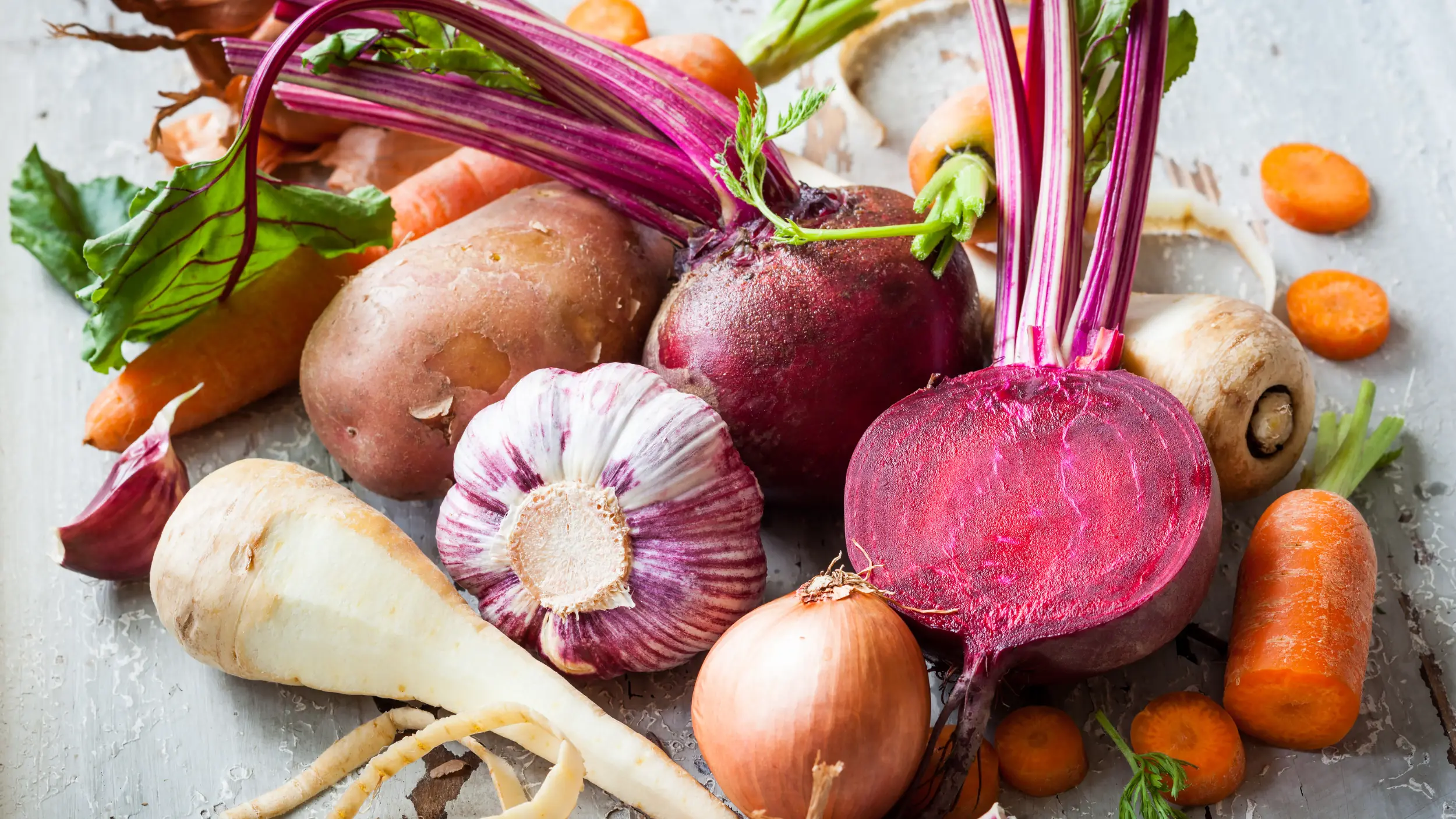
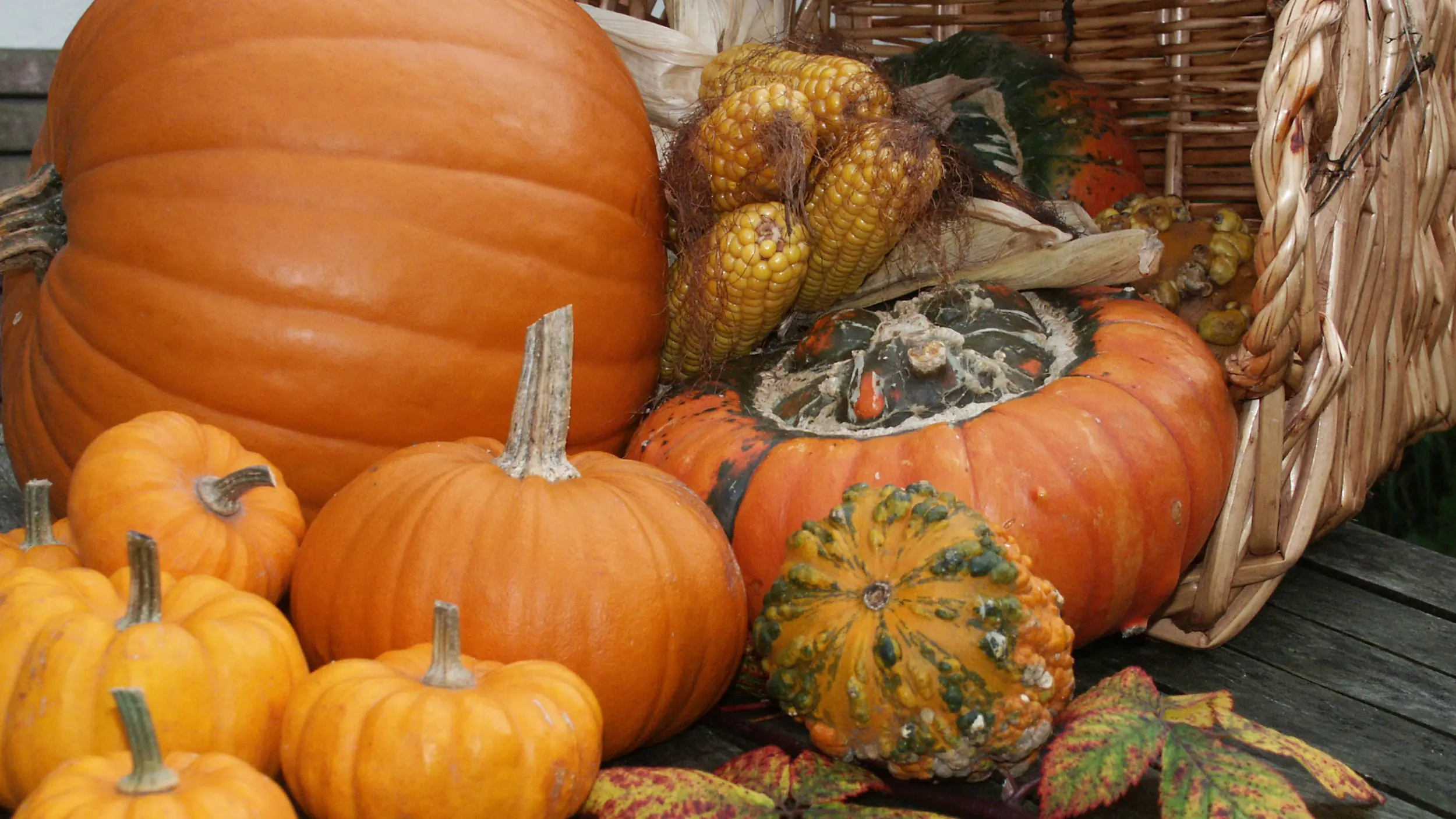
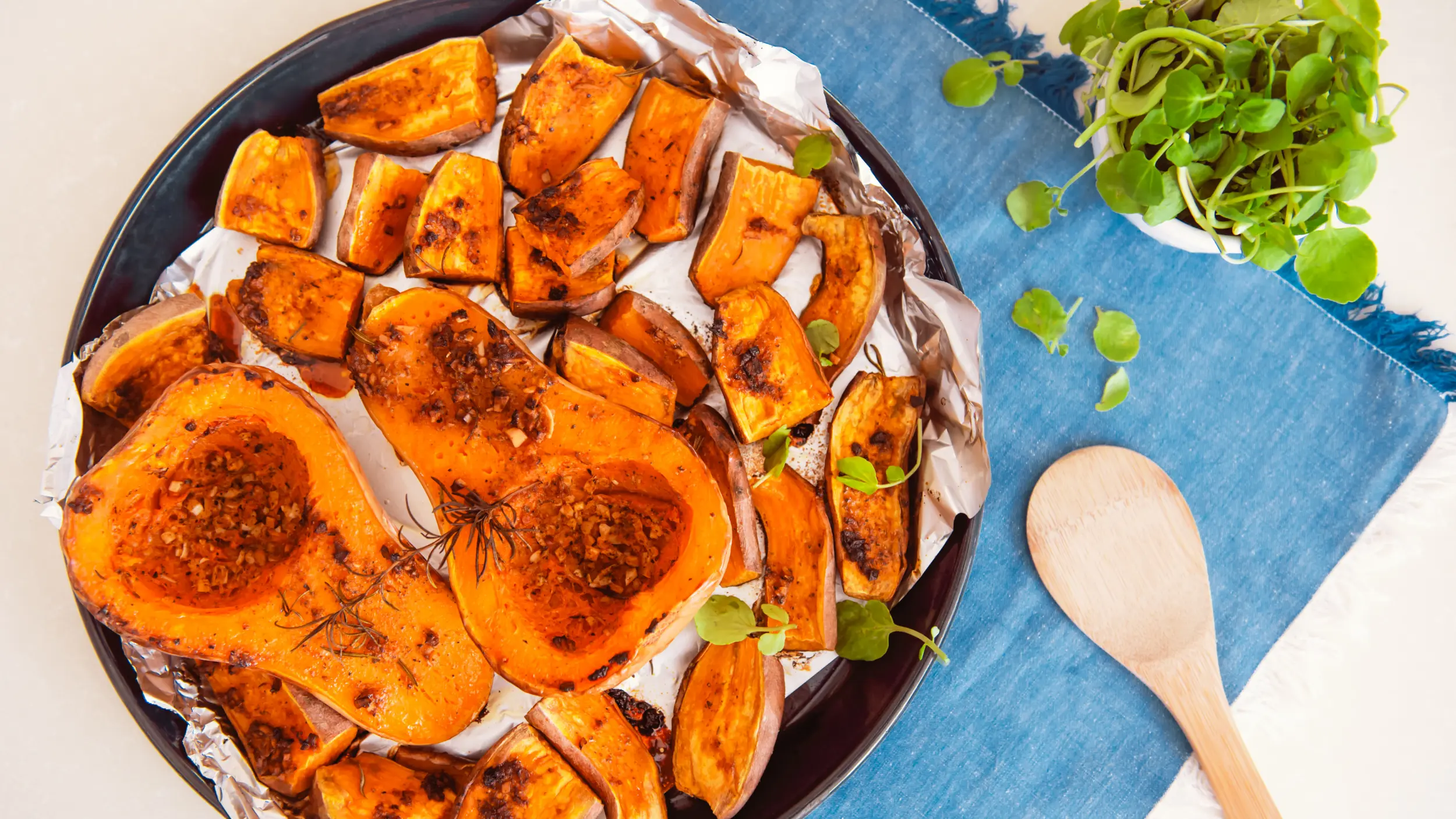
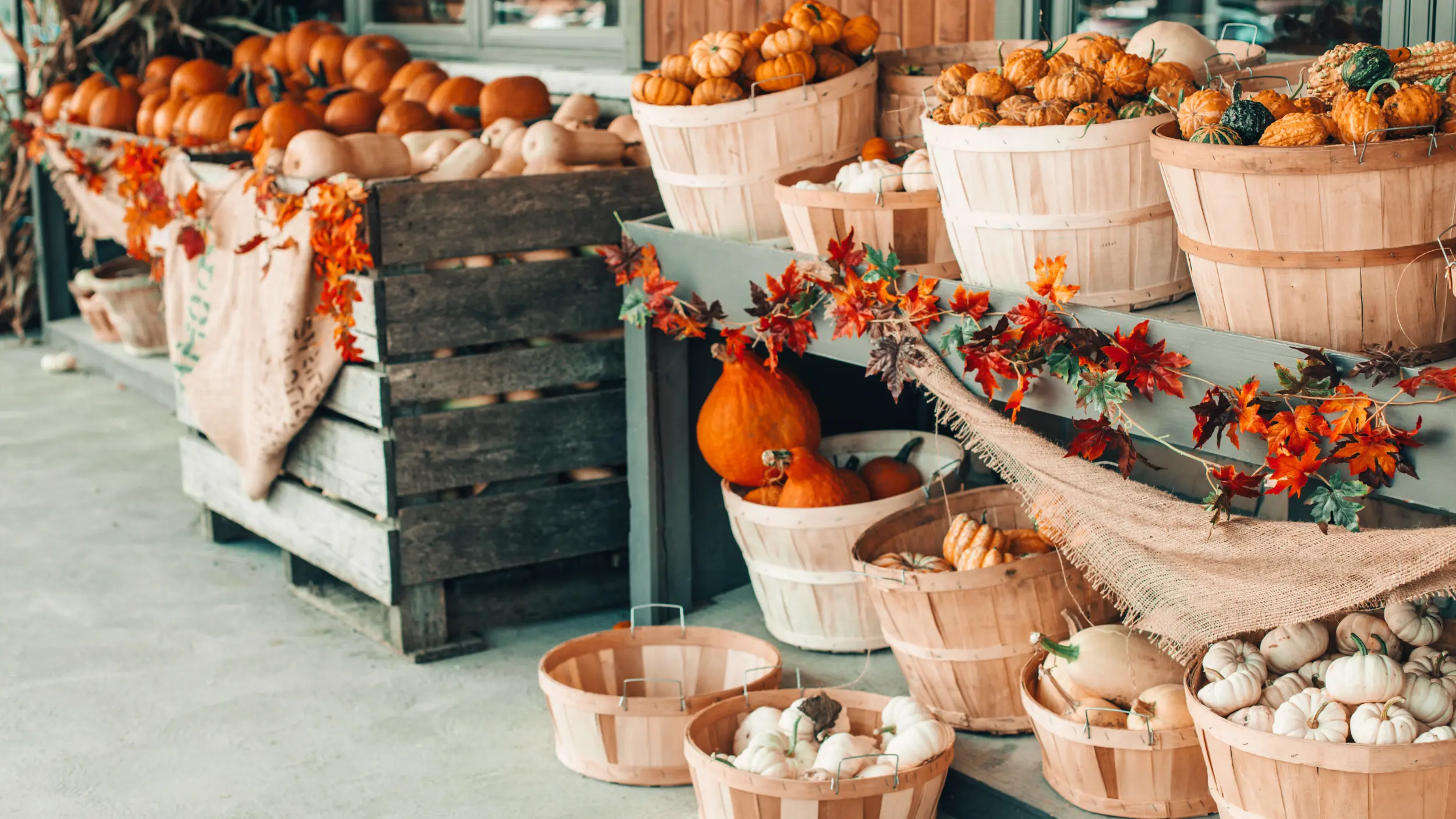
When I think about natural ways to boost immunity in autumn, root vegetables and winter squash immediately come to mind. These gorgeous orange and deep-colored vegetables are absolute powerhouses for seasonal immune support.
Here's why they're so effective:
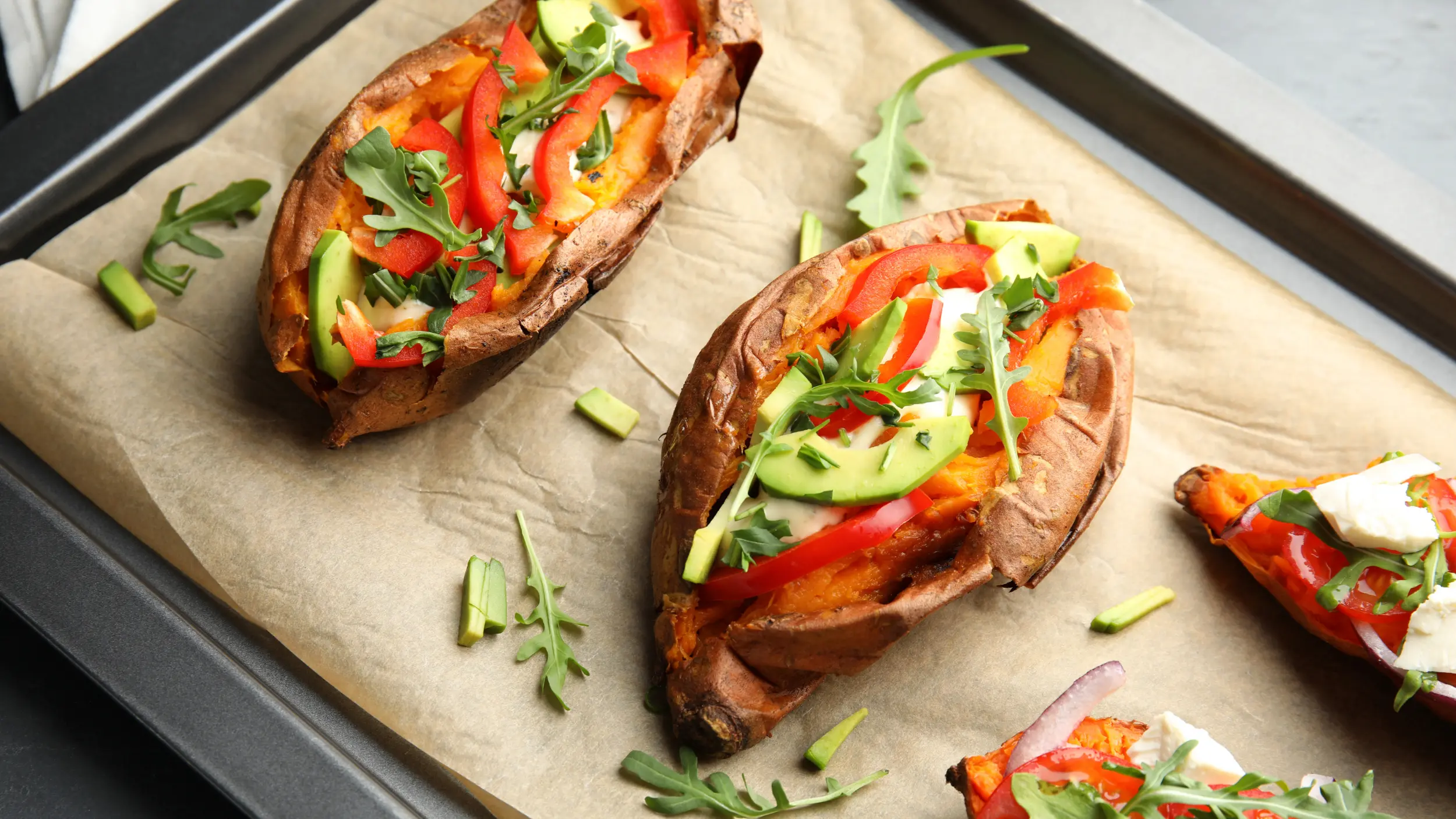
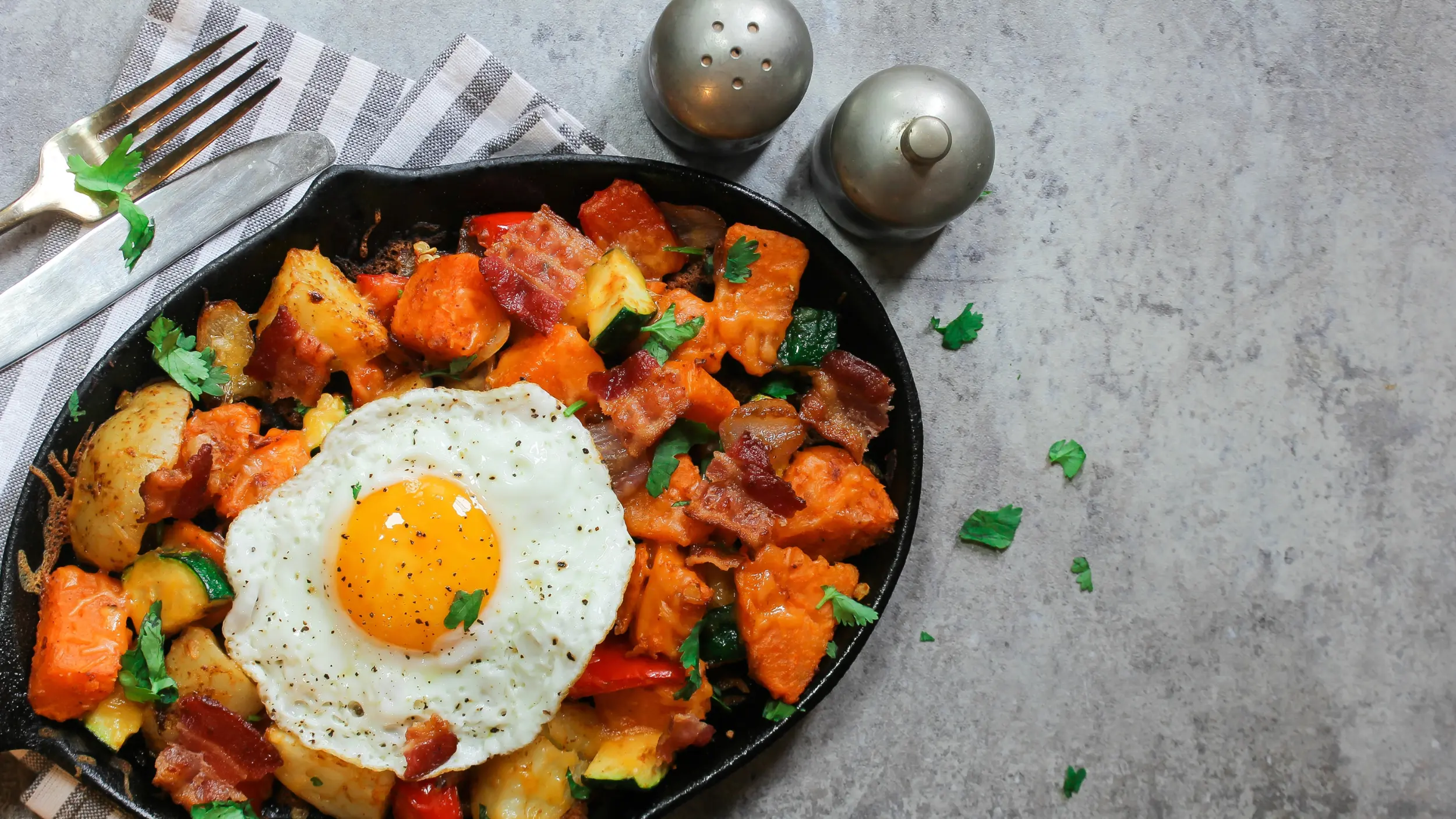
- Sweet potatoes: One medium sweet potato provides over 400% of your daily vitamin A needs[3]. Vitamin A is essential for maintaining the integrity of your respiratory tract lining—essentially your first line of defense against airborne pathogens.
- Butternut squash: Beyond vitamin A, this autumn staple delivers vitamin C, potassium, and fiber. The fiber content supports your gut microbiome, which circles back to that immune-gut connection.
- Carrots: These aren't just for kids' lunchboxes. Carrots contain beta-carotene, which your body converts to vitamin A, plus they're incredibly versatile for meal prep.
- Beets: Often overlooked, beets provide betalains—compounds with anti-inflammatory properties that support overall immune function[4].
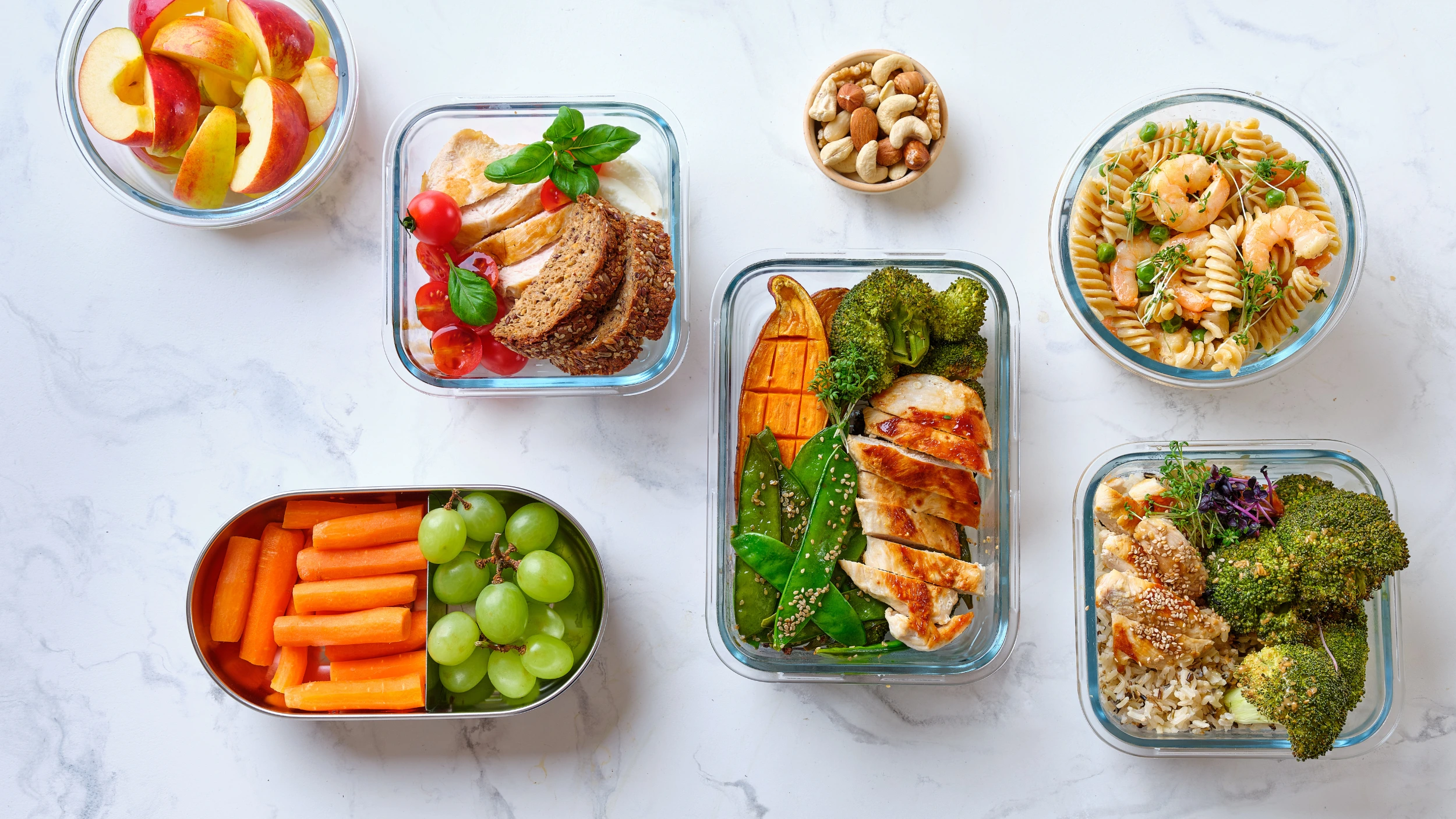
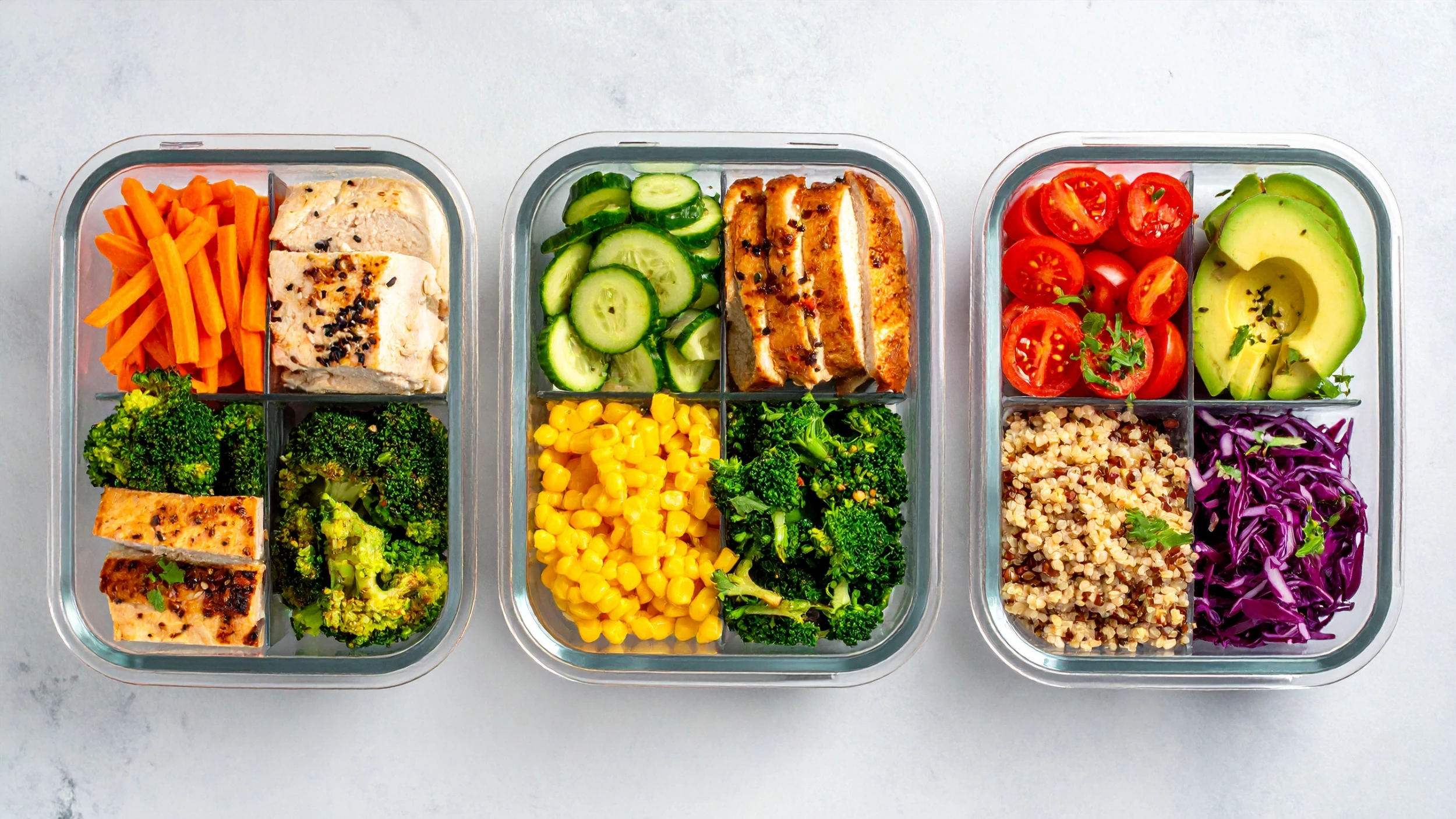
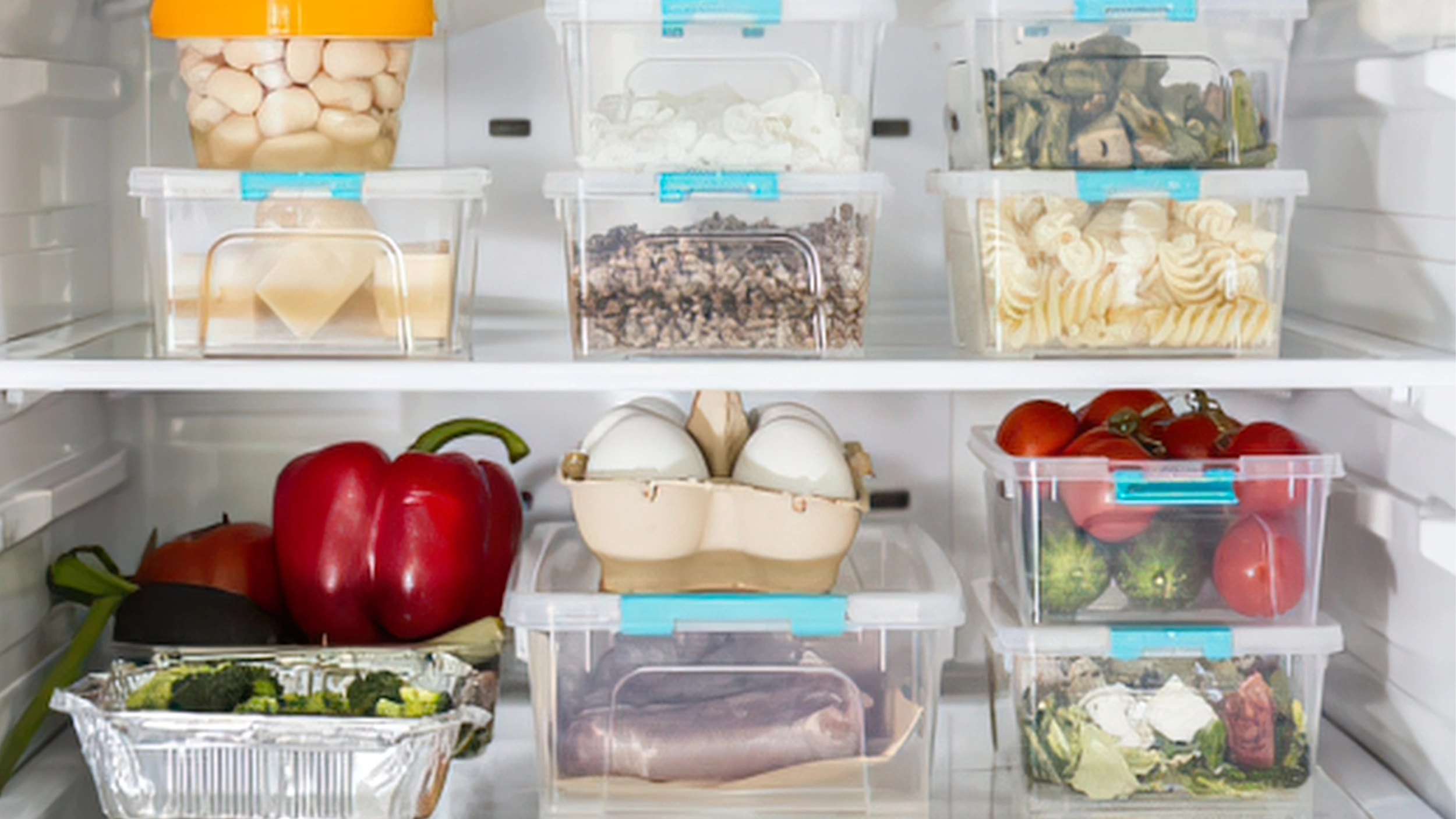
My favorite hack? Dice a variety of root vegetables, toss them with olive oil and your favorite herbs, and roast them at 425°F for 25-30 minutes. Store them in glass containers, and you've got ready-to-eat immune support for quick grain bowls, salads, or side dishes all week long.
2. Power Up with Vitamin C & Zinc-Rich Produce
I need to bust a myth right here: you absolutely do not need to rely on summer citrus to meet your vitamin C needs. Fall offers an incredible variety of vitamin C-rich foods that are fresh, local, and perfectly suited for autumn immunity boosters.
Let's talk about the science first. Vitamin C supports various cellular functions of both the innate and adaptive immune system[5]. It helps stimulate the production and function of white blood cells, which protect your body against infection. Meanwhile, zinc is crucial for immune cell development and communication[6].
Here's your fall produce lineup:
- Bell peppers: Red bell peppers contain nearly three times more vitamin C than an orange. Slice them for snacking or roast them for adding to soups and salads.
- Brussels sprouts: These mini cabbages deliver both vitamin C and fiber. Shredded raw in salads or roasted until crispy, they're delicious either way.
- Pumpkin seeds (pepitas): Just one ounce provides about 20% of your daily zinc needs. Sprinkle them on literally everything—yogurt, oatmeal, salads, or roasted vegetables.
- Dark leafy greens: Kale, Swiss chard, and collard greens are all in season and packed with vitamin C, along with other immune-supporting nutrients like vitamin E and folate.
- Cauliflower: This versatile cruciferous vegetable provides vitamin C and compounds called glucosinolates that have immune-modulating properties.
If you're looking for more ways to incorporate nutrient-dense foods into your routine, check out our guide to eating more vegetables without the overwhelm.
3. Focus on Gut Health with Fermented Foods & Warming Spices
Here's something that might surprise you: the absolute best strategy for cold and flu prevention in autumn starts in your gut. That 70-80% of immune cells I mentioned earlier? They're constantly communicating with the trillions of bacteria in your digestive system.
Fermented foods introduce beneficial probiotics that help maintain a healthy gut microbiome, which in turn supports immune function[7]. You don't need to eat them in huge quantities—small, consistent amounts work beautifully.
Fermented Foods to Add Weekly
- Plain yogurt: Look for labels that say "contains live and active cultures." Greek yogurt provides the bonus of extra protein.
- Kefir: This drinkable yogurt typically contains a more diverse range of probiotic strains than regular yogurt. Mix it into smoothies or use it as a base for overnight oats.
- Sauerkraut: Choose refrigerated varieties (not shelf-stable) to ensure the beneficial bacteria are still alive. Just a forkful with your lunch adds tangy flavor and gut support.
- Kimchi: This Korean staple combines fermentation benefits with vitamin C-rich vegetables. It's spicy, flavorful, and incredibly versatile.
- Miso: This fermented soybean paste makes a warming, comforting soup base that's perfect for fall.
Warming Spices for Immune Support
Spices aren't just about flavor—many contain potent anti-inflammatory compounds that support your body's immune response.
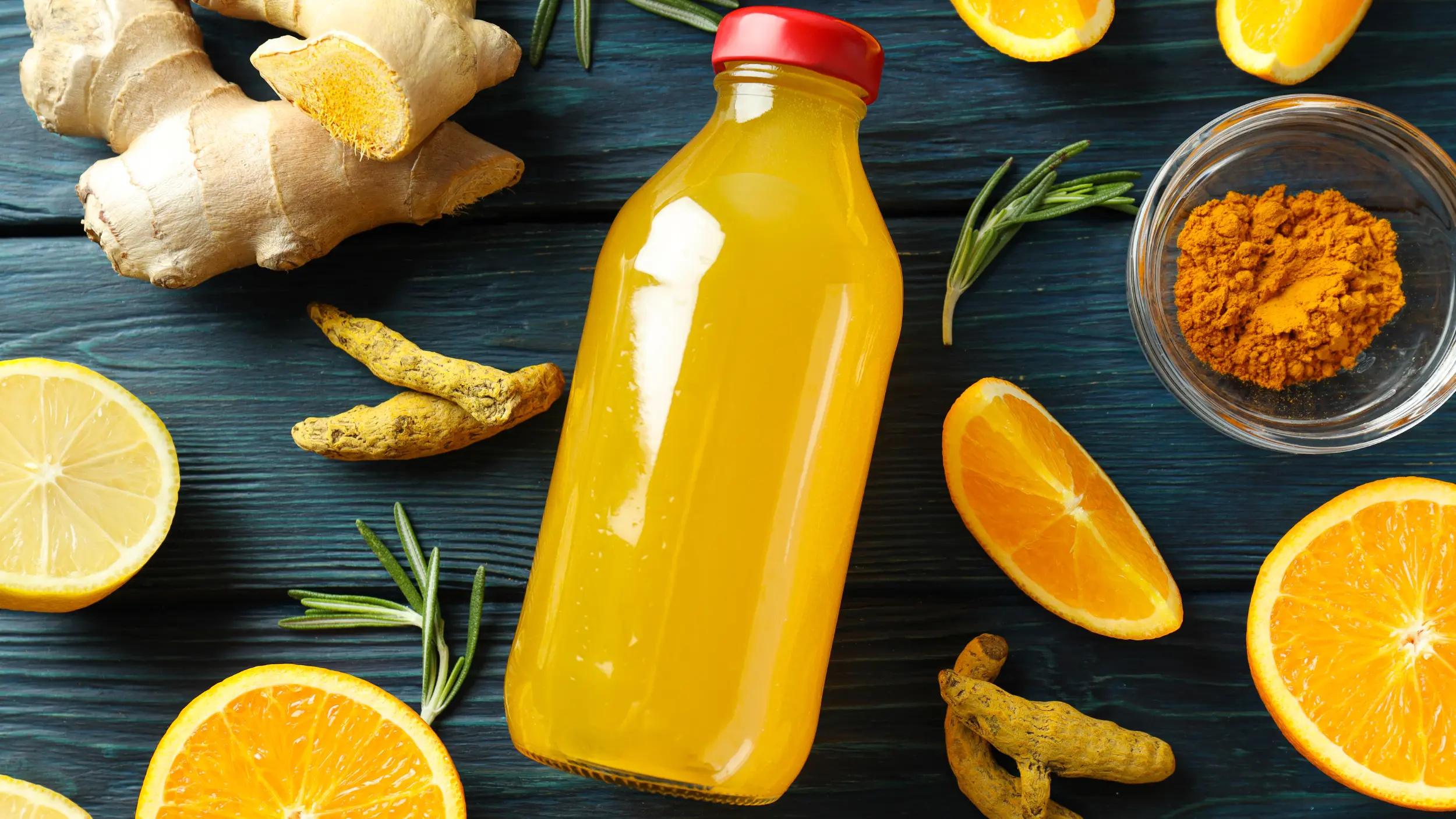
- Ginger: Contains gingerol, which has powerful anti-inflammatory and antioxidant effects[8]. Fresh ginger tea is my go-to when I feel run down.
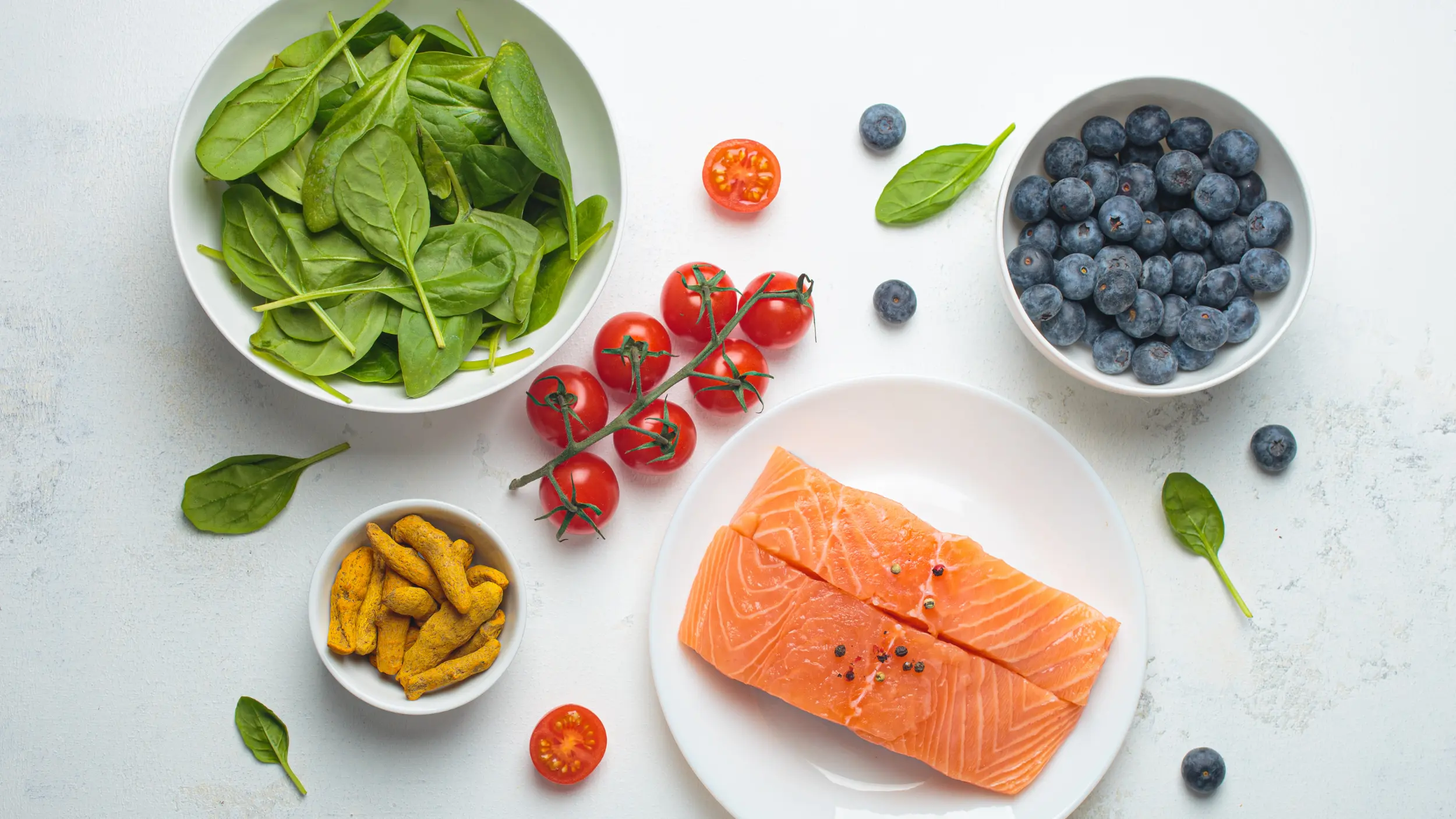
- Turmeric: The curcumin in turmeric has been shown to modulate immune system function[9]. Pair it with black pepper to enhance absorption.
- Cinnamon: Beyond its cozy flavor, cinnamon has antimicrobial properties and helps regulate blood sugar—important since high blood sugar can impair immune function.
- Garlic: Fresh garlic contains allicin, a compound with immune-enhancing properties[10]. Let minced garlic sit for 10 minutes before cooking to maximize allicin production.
For more gut health strategies, explore our comprehensive guide to improving digestion naturally.
4. Don't Forget Protein-Rich Foods
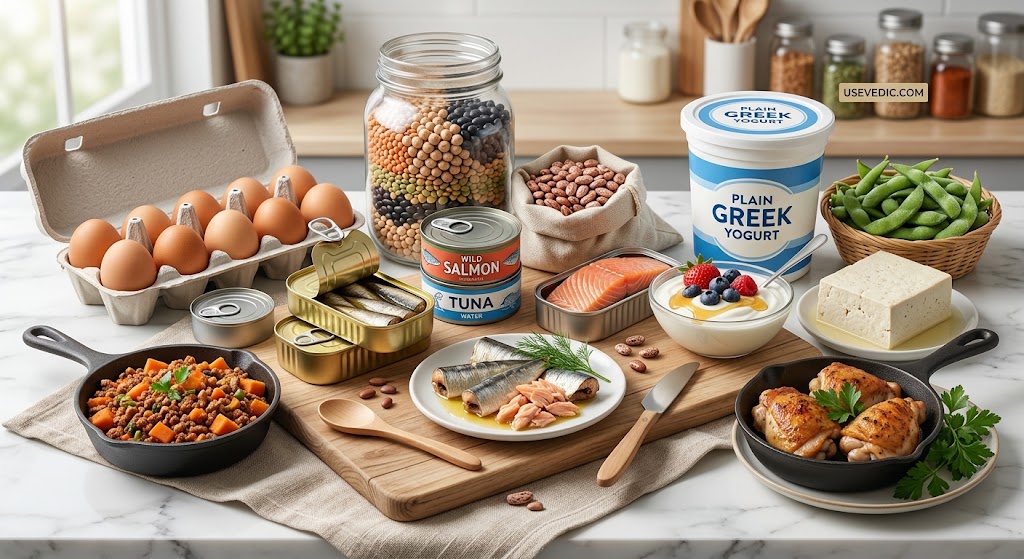
Protein often gets overlooked in immune health conversations, but it's absolutely essential. Antibodies—those specialized proteins that recognize and neutralize pathogens—are made from amino acids. Without adequate protein intake, your body simply can't produce enough of them[11].
Fall offers wonderful seasonal protein options:
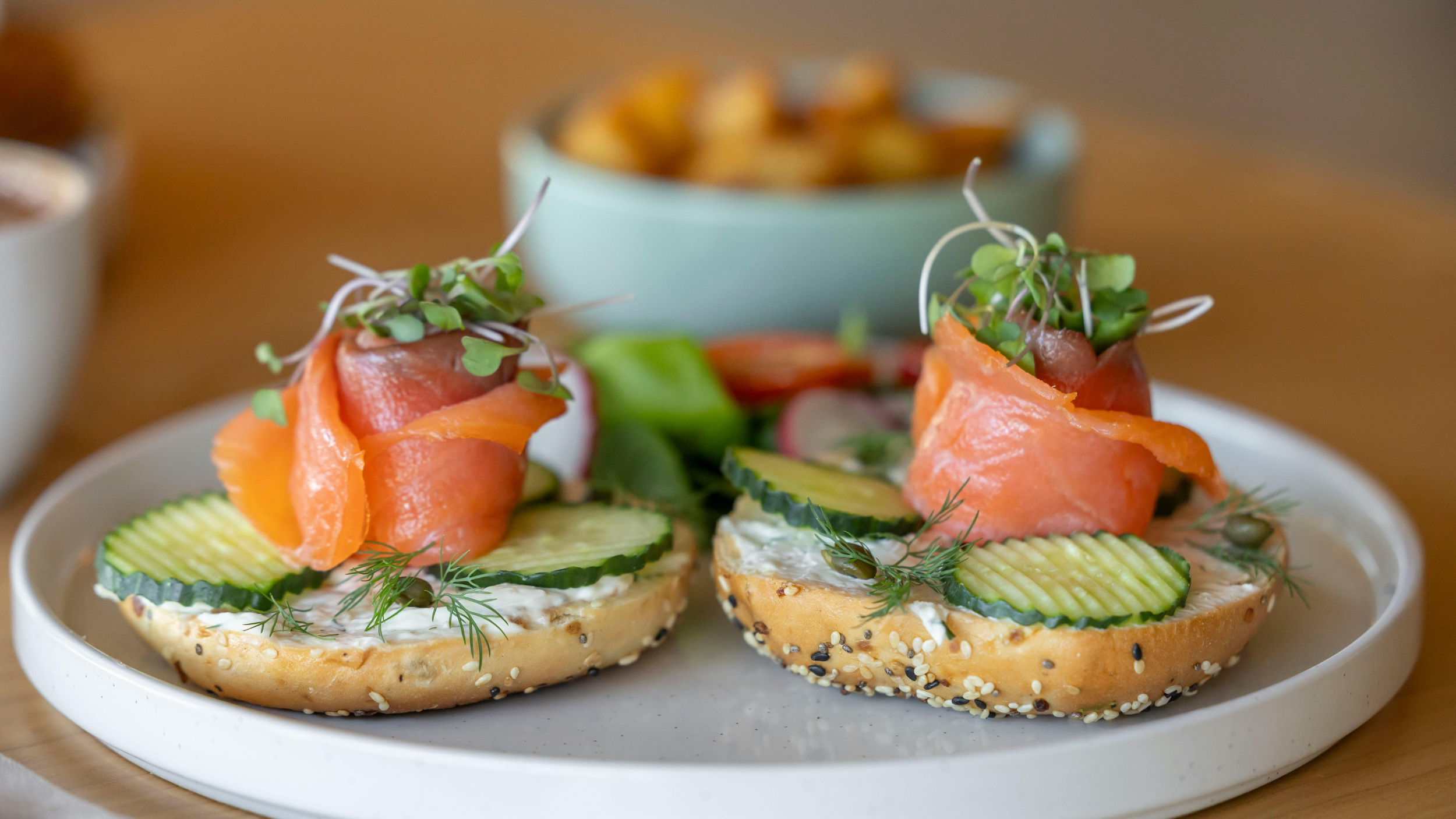
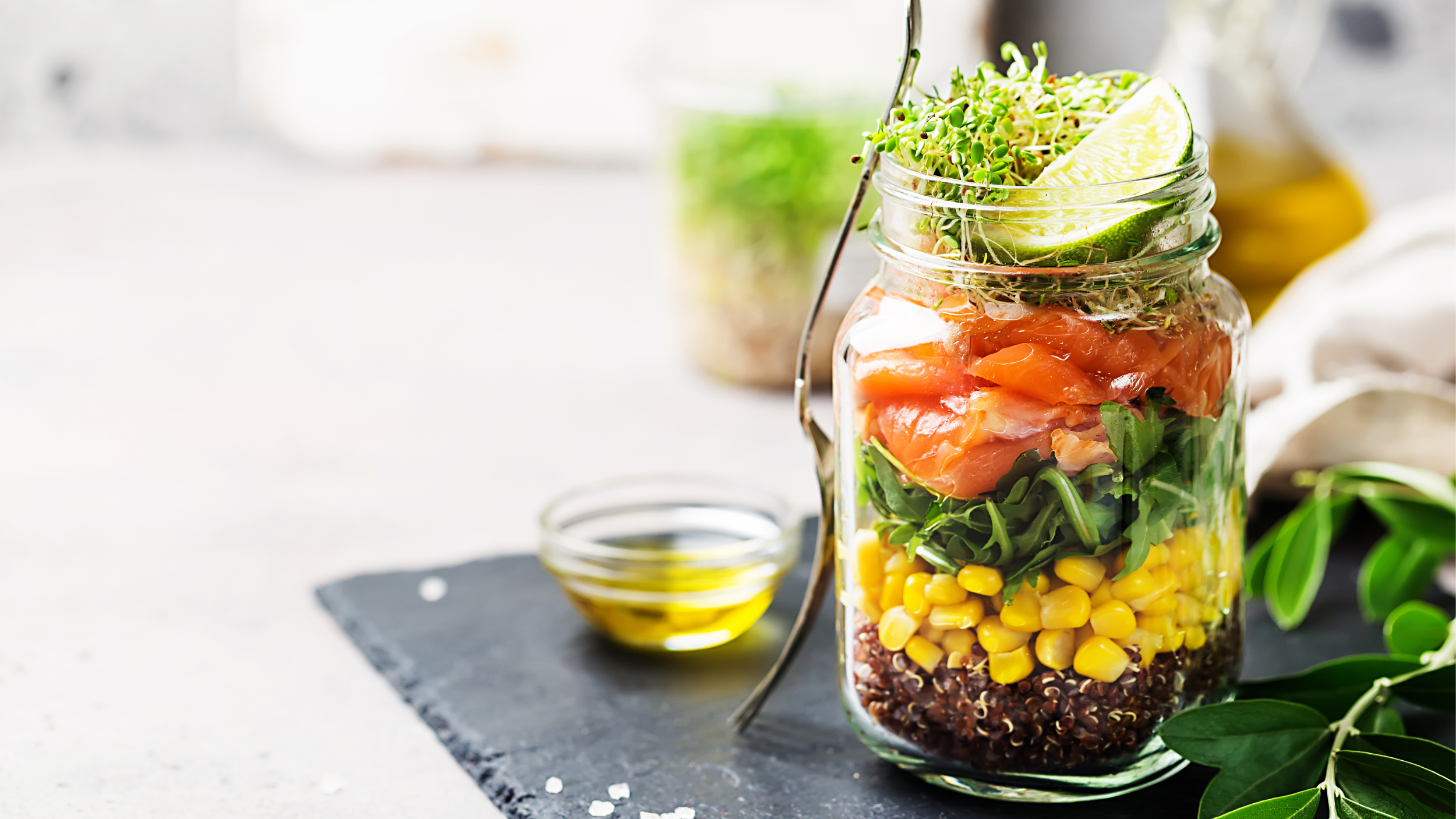
- Wild-caught salmon: Rich in protein, omega-3 fatty acids, and vitamin D—a triple threat for immune support.
- Eggs: One of the most complete protein sources available, plus they contain selenium and vitamin D.
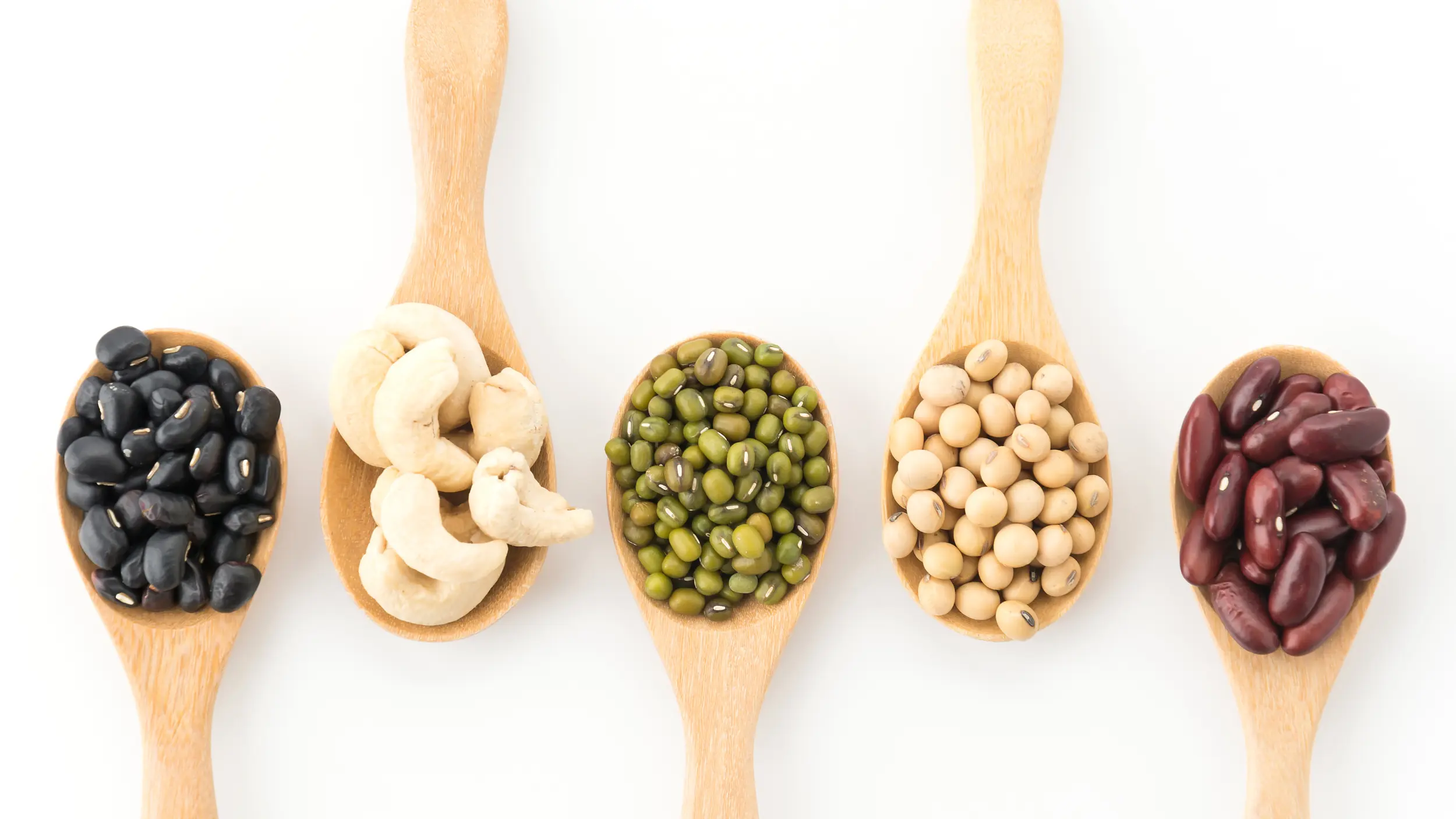
- Lentils and beans: These plant-based proteins also provide prebiotic fiber that feeds your beneficial gut bacteria.
- Chicken bone broth: Sipping warm bone broth provides protein, minerals, and amino acids like glutamine that support gut lining integrity.
Aim for at least 20-30 grams of protein at each main meal. This isn't just about immunity—it also helps stabilize blood sugar and keeps you satisfied, which matters for overall wellness.
5. Leverage Mushrooms for Immune Modulation
Mushrooms deserve their own spotlight because they contain unique compounds that literally modulate immune system activity. Beta-glucans, found in various mushroom species, have been shown to enhance immune function by activating specific immune cells[12].
Fall is mushroom season, making this the perfect time to incorporate them:
- Shiitake: Contains lentinan, a beta-glucan that supports immune cell function.
- Maitake: Sometimes called "hen of the woods," these have particularly high beta-glucan content.
- White button mushrooms: The most accessible option still provides immune benefits, plus vitamin D when exposed to sunlight or UV light.
- Oyster mushrooms: Mild flavor and meaty texture make these perfect for anyone new to mushrooms.
Sauté them with garlic and add them to scrambled eggs, pasta, grain bowls, or soups. If you're curious about how mushrooms fit into an anti-inflammatory eating pattern, read our article on fighting inflammation through food.
6. Include Omega-3 Rich Foods
Inflammation isn't always bad—it's a normal immune response. But chronic, low-grade inflammation can actually impair your immune system's ability to respond effectively to real threats. Omega-3 fatty acids help resolve inflammation and support balanced immune function[13].
Your best fall sources include:
- Walnuts: The only nut with significant omega-3s. Toss them into oatmeal, salads, or roasted vegetable dishes.
- Flaxseeds: Grind them fresh for better absorption and add to smoothies, yogurt, or baked goods.
- Chia seeds: These gel up beautifully for puddings and provide both omega-3s and fiber.
- Fatty fish: Salmon, mackerel, and sardines deliver the most bioavailable form of omega-3s (EPA and DHA).
Aim for at least two servings of fatty fish per week, or if you're plant-based, include ground flaxseeds or chia seeds daily.
7. Stay Hydrated with Herbal Teas & Warm Beverages
Hydration might seem basic, but it's genuinely one of the most overlooked aspects of immune support. Your mucous membranes—in your nose, throat, and lungs—need adequate hydration to trap and eliminate pathogens effectively.
As the weather cools, we often drink less water. Enter: herbal teas and warm beverages. These count toward your fluid intake while offering additional immune-supporting compounds.
Try these fall wellness tips for staying hydrated:
- Ginger-lemon tea: Combines anti-inflammatory ginger with vitamin C-rich lemon.
- Elderberry tea: Elderberry has been traditionally used for immune support, and some research suggests it may reduce cold duration[14].
- Echinacea tea: May help prevent upper respiratory infections when consumed regularly[15].
- Green tea: Contains L-theanine and antioxidants called catechins that support immune function.
- Homemade vegetable broth: Sipping warm, mineral-rich broth between meals keeps you hydrated and nourished.
Aim for at least 8-10 cups of total fluid daily, more if you're active or the air is particularly dry.
FAQ: Your Autumn Immunity Questions Answered
What is the fastest way to boost your immune system for fall?
I'll be honest with you: there's no instant fix or magic bullet. Your immune system is incredibly complex, and it responds best to consistent, foundational habits. Focus on eating a variety of colorful, nutrient-dense foods (especially the ones we've discussed), getting 7-9 hours of quality sleep, managing stress through practices that work for you, and moving your body regularly. These strategies work synergistically to support robust immune function. Think consistency over intensity.
Are supplements for autumn immunity necessary?
For most healthy women, a food-first approach is genuinely the best strategy. That said, there are some exceptions. Vitamin D supplementation makes sense for many people during fall and winter since sun exposure decreases and vitamin D deficiency can impair immune function. Some individuals might also benefit from a probiotic supplement or zinc, especially if dietary intake is limited. But here's the thing: supplements work best when they're filling actual gaps, not replacing whole foods. I always recommend discussing your specific needs with a healthcare provider or dietitian who can assess your individual situation rather than taking supplements "just in case."
Besides food, how can I support my immunity this season?
I'm so glad you asked this because immunity isn't just about what you eat. Sleep is absolutely critical—during sleep, your body produces and releases cytokines, proteins that help fight infection and inflammation. Chronic stress suppresses immune function, so finding stress management techniques that actually work for your life matters. Regular, moderate physical activity (think daily walks, not marathon training) enhances immune surveillance. Good hand hygiene remains one of the simplest yet most effective ways to prevent illness. And honestly? Managing your expectations and giving yourself permission to rest when you need it is immune-supportive too.
Creating Your Personal Fall Wellness Strategy
Look, I know this is a lot of information. You might be wondering where to actually start, or how to make these changes work with your specific schedule, preferences, and health goals.
Here's what I want you to remember: you don't need to overhaul your entire diet overnight. Pick 2-3 foods from this list that genuinely appeal to you and focus on incorporating them consistently this week. Maybe that's adding pepitas to your morning yogurt, roasting a big batch of root vegetables for easy meals, or sipping ginger tea in the afternoon.
Small, sustainable changes compound over time. That's how you build genuine, lasting immune support—not through restrictive rules or expensive supplements, but through nourishing your body with foods that taste good and make you feel good.
Your Personalized Fall Wellness Plan
Feeling overwhelmed or want to create a plan tailored specifically to your needs, lifestyle, and health history? Let's work together. Our expert dietitians can help you identify which foods and strategies will work best for your unique situation, whether you're managing specific health conditions, navigating food sensitivities, or just want personalized guidance.
Book a consultation with one of our expert dietitians today!
Your immune system works hard for you every single day. This fall, return the favor by nourishing it with delicious, seasonal foods that support your body's natural defenses. You've got this.
References
[1] Wiertsema SP, van Bergenhenegouwen J, Garssen J, Knippels LMJ. The Interplay between the Gut Microbiome and the Immune System in the Context of Infectious Diseases throughout Life and the Role of Nutrition in Optimizing Treatment Strategies. Nutrients, 2021.
[2] Aranow C. Vitamin D and the Immune System. Journal of Investigative Medicine, 2011.
[3] U.S. Department of Agriculture, Agricultural Research Service. FoodData Central. USDA, 2024.
[4] Clifford T, Howatson G, West DJ, Stevenson EJ. The Potential Benefits of Red Beetroot Supplementation in Health and Disease. Nutrients, 2015.
[5] Carr AC, Maggini S. Vitamin C and Immune Function. Nutrients, 2017.
[6] Wessels I, Maywald M, Rink L. Zinc as a Gatekeeper of Immune Function. Nutrients, 2017.
[7] Mazziotta C, Tognon M, Martini F, Torreggiani E, Rotondo JC. Probiotics Mechanism of Action on Immune Cells and Beneficial Effects on Human Health. Cells, 2023.
[8] Mashhadi NS, Ghiasvand R, Askari G, et al. Anti-Oxidative and Anti-Inflammatory Effects of Ginger in Health and Physical Activity. International Journal of Preventive Medicine, 2013.
[9] Jagetia GC, Aggarwal BB. Spicing Up of the Immune System by Curcumin. Journal of Clinical Immunology, 2007.
[10] Arreola R, Quintero-Fabián S, López-Roa RI, et al. Immunomodulation and Anti-Inflammatory Effects of Garlic Compounds. Journal of Immunology Research, 2015.
[11] Wu G. Dietary Protein Intake and Human Health. Food & Function, 2016.
[12] Vetvicka V, Vannucci L, Sima P, Richter J. Beta Glucan: Supplement or Drug? From Laboratory to Clinical Trials. Molecules, 2019.
[13] Calder PC. Omega-3 Fatty Acids and Inflammatory Processes: From Molecules to Man. Biochemical Society Transactions, 2017.
[14] Hawkins J, Baker C, Cherry L, Dunne E. Black Elderberry (Sambucus nigra) Supplementation Effectively Treats Upper Respiratory Symptoms. Complementary Therapies in Medicine, 2019.
[15] Karsch-Völk M, Barrett B, Kiefer D, et al. Echinacea for Preventing and Treating the Common Cold. Cochrane Database of Systematic Reviews, 2014.
.svg)
.svg)


.jpg)
.jpg)







.webp)




























.webp)
.webp)
.webp)
.webp)
.webp)
.webp)
.webp)
.png)
.webp)
.webp)
.webp)
.png)
.webp)
.webp)
.webp)
.webp)
.webp)
.webp)
.webp)
.webp)
.webp)


.webp)
.png)