.webp)
%2B(7).webp)
.png)
At a Glance
The NOVA Scale is a food classification system that ranks foods by their level of processing—from whole foods to ultra-processed products. Understanding this framework empowers you to make informed dietary decisions that support your energy, hormones, and long-term wellness. This guide translates the science into actionable strategies you can implement today.
What Exactly IS the NOVA Scale and Why Should You Care?
If you've ever stood in the grocery aisle wondering whether that "healthy" granola bar is actually serving your goals, you're not alone. The NOVA Scale is a classification system developed by researchers at the University of São Paulo that categorizes foods into four distinct groups based on the extent and purpose of their processing [1].
Here's why this matters for you: Research consistently shows that diets high in ultra-processed foods are associated with increased risks of obesity, type 2 diabetes, cardiovascular disease, and even certain cancers [2]. For women in your age range, this becomes especially relevant when we consider how processed foods can disrupt hormone balance, impact fertility, and accelerate metabolic dysfunction.
The NOVA classification isn't about perfection or fear-mongering. It's a practical tool that helps you see through clever marketing and make choices aligned with your health goals. Think of it as your decoder ring for navigating the modern food environment.
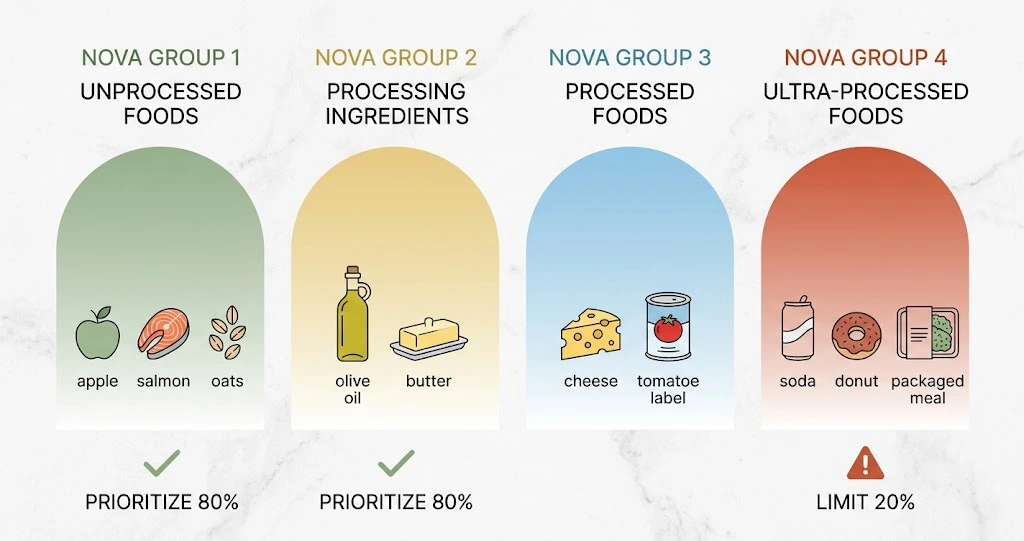
The four NOVA categories:
- Unprocessed or minimally processed foods
- Processed culinary ingredients
- Processed foods
- Ultra-processed foods
Each category represents a different relationship between food and industrial processing. The further you move from Group 1 to Group 4, the more the food has been altered from its original form—and typically, the less it supports your nutritional needs.
Navigating the Food Landscape: From Whole Foods to Ultra-Processed
Let's break down each NOVA group so you can start recognizing these patterns in your own kitchen and shopping cart.
Group 1: Unprocessed or Minimally Processed Foods
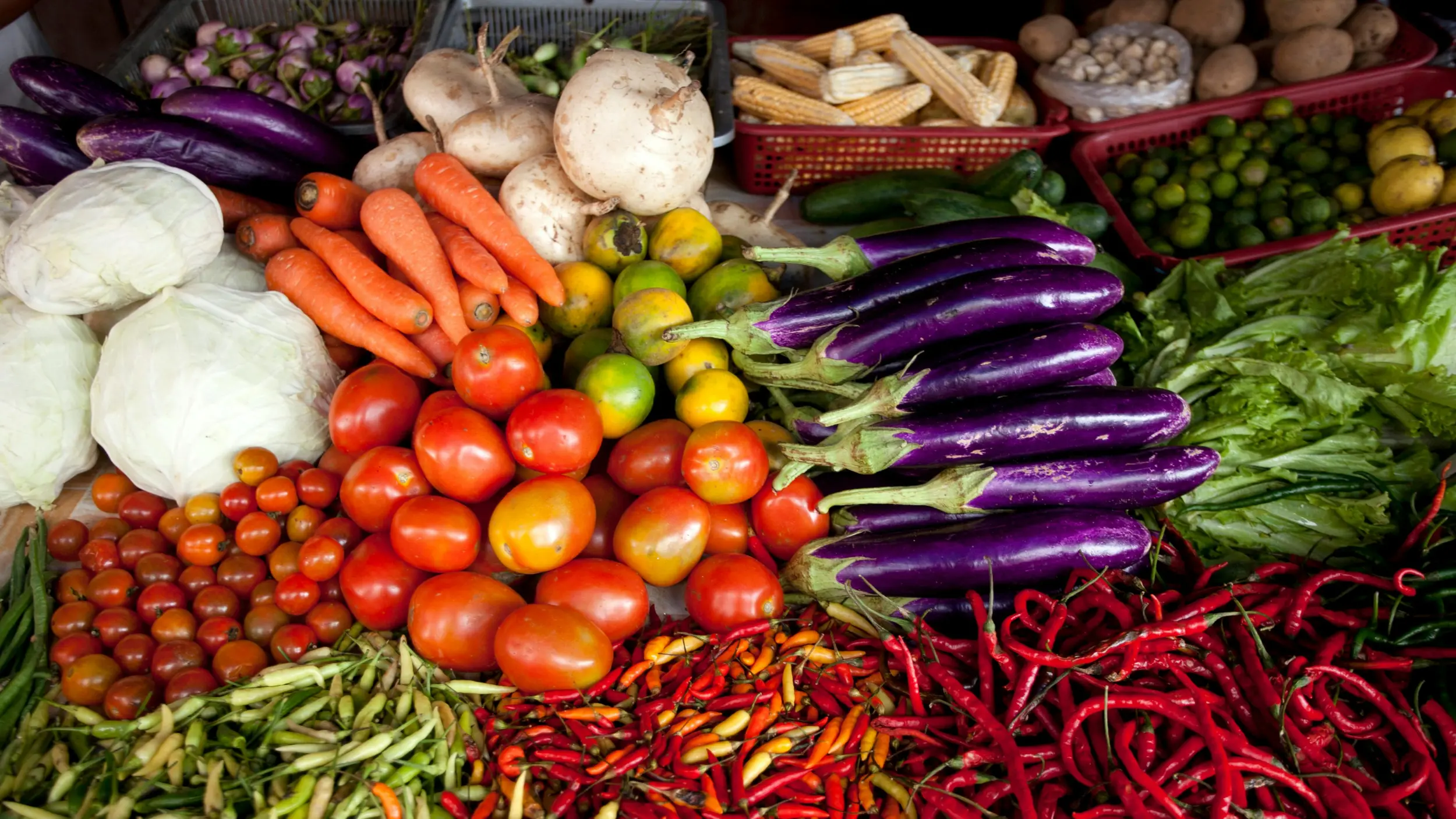
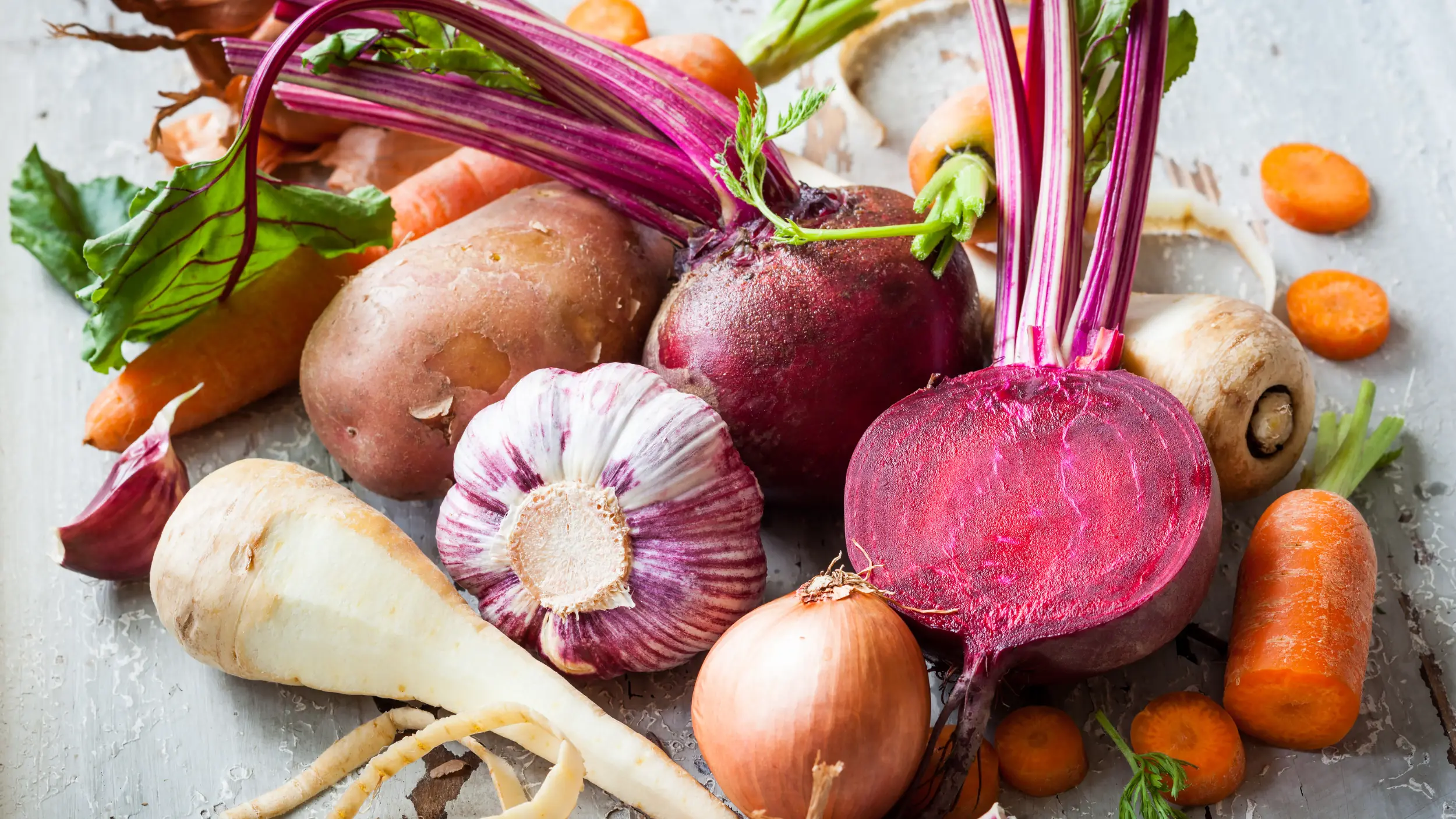
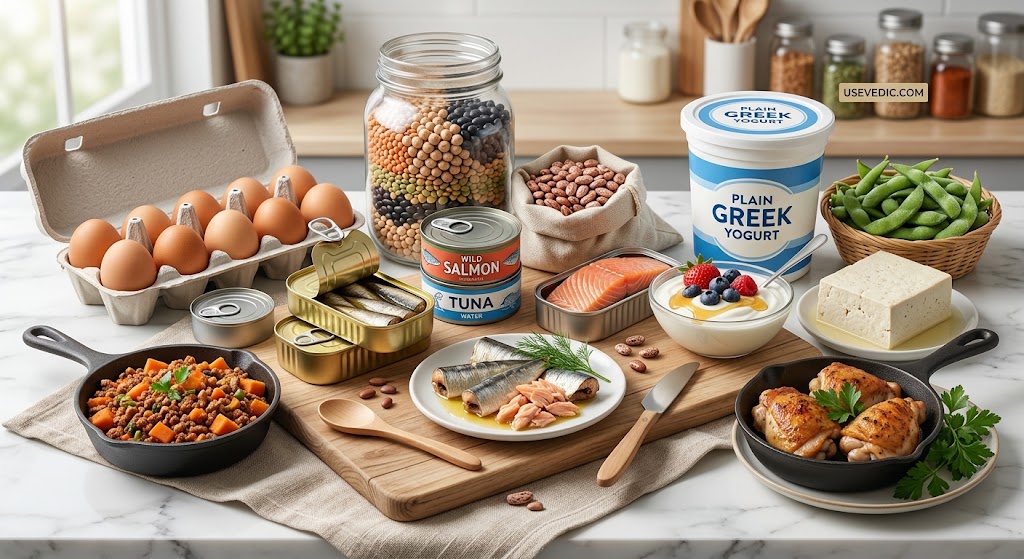
These are the foundation of a healthy diet. We're talking about foods in their natural state or altered only through processes like drying, freezing, or pasteurization—nothing that fundamentally changes their nutritional composition [3].
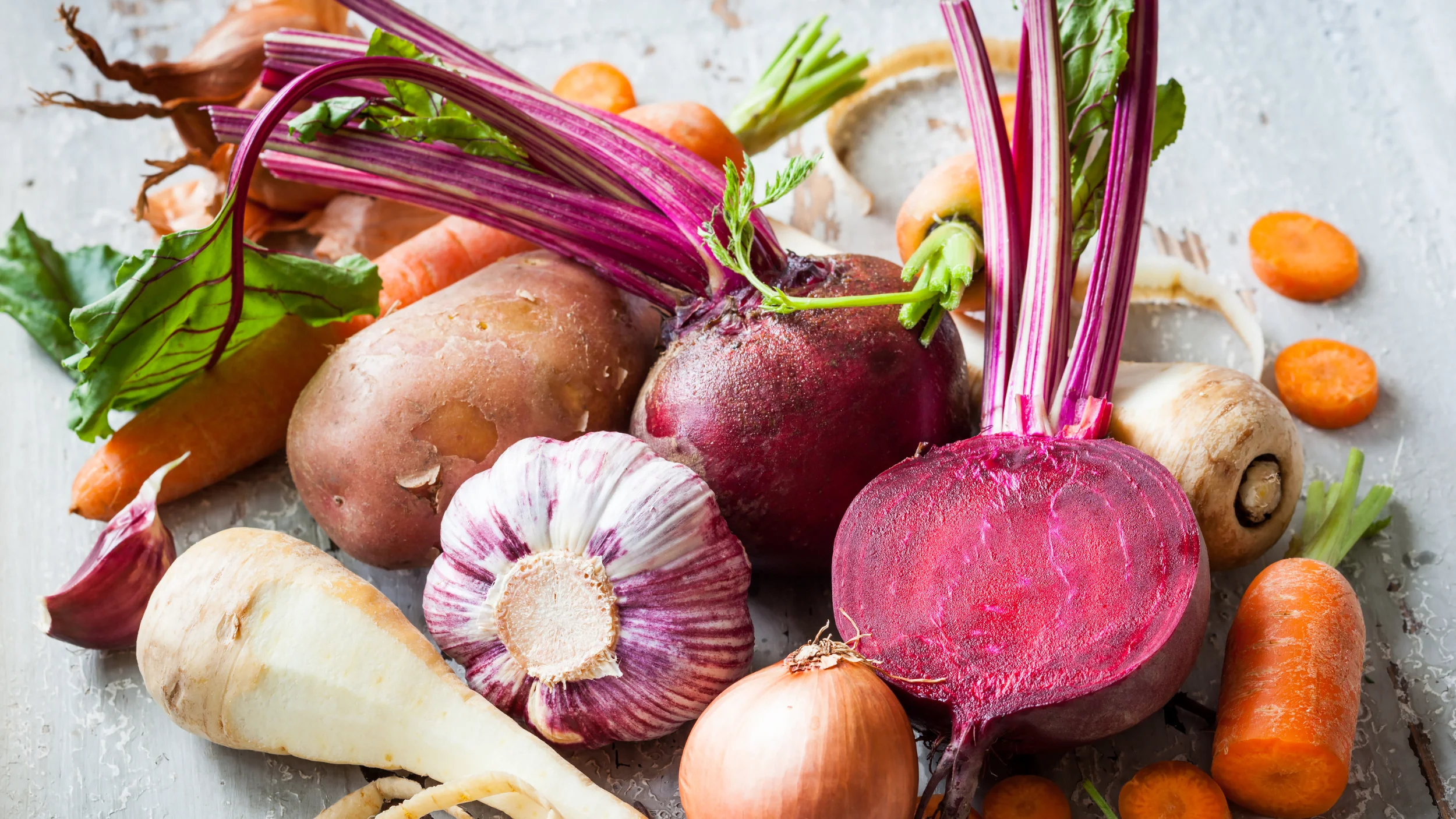
- Fresh fruits and vegetables
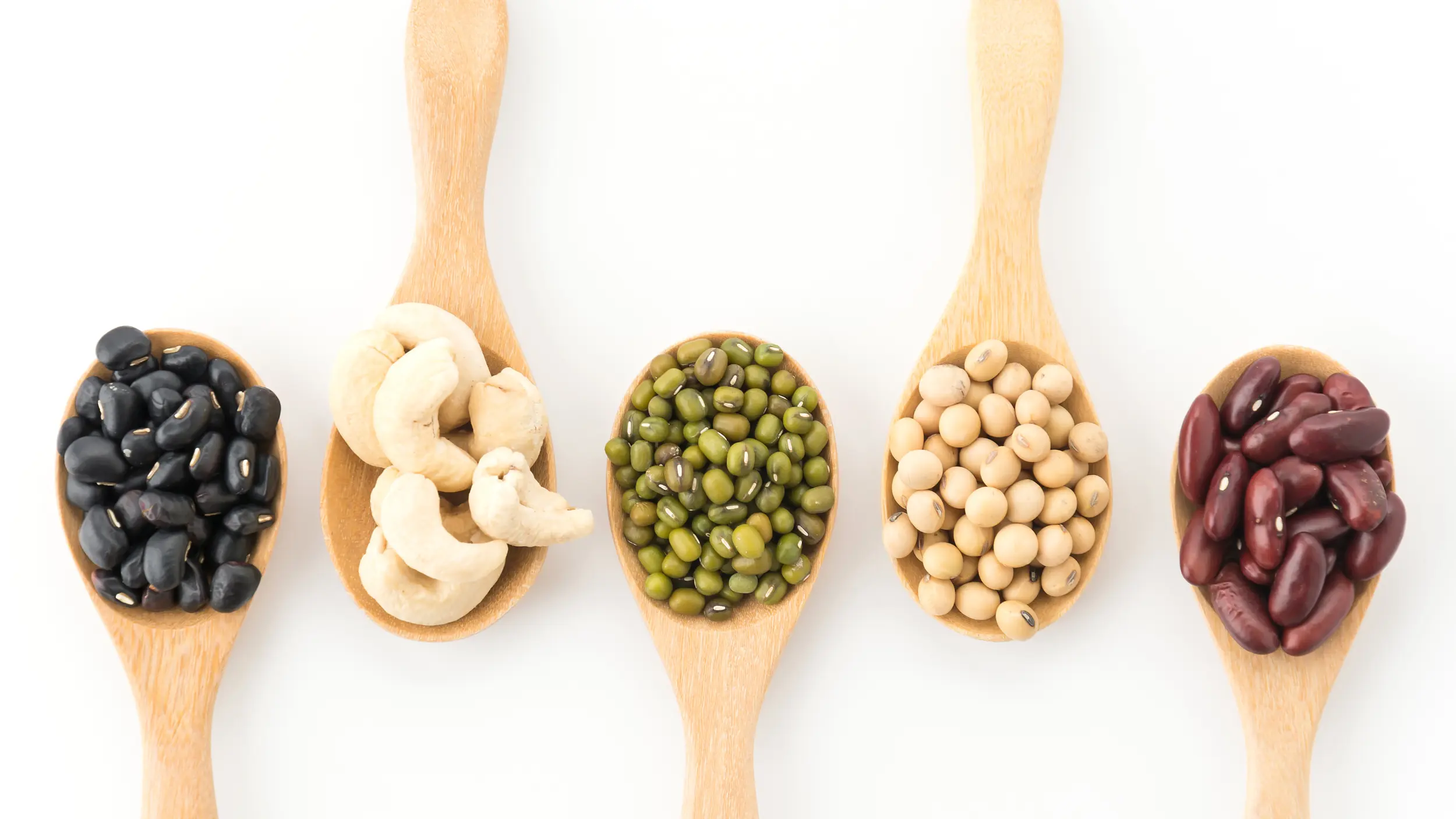
- Dried legumes and beans
- Plain yogurt without added sugars
- Eggs, fresh meat, and fish
- Nuts and seeds
- Plain oats, rice, and other whole grains
- Fresh or frozen herbs
These foods provide the vitamins, minerals, fiber, and phytonutrients your body needs to thrive. They're also naturally aligned with hormone balance and women's wellness because they don't contain the additives and refined ingredients that can disrupt endocrine function.
Group 2: Processed Culinary Ingredients
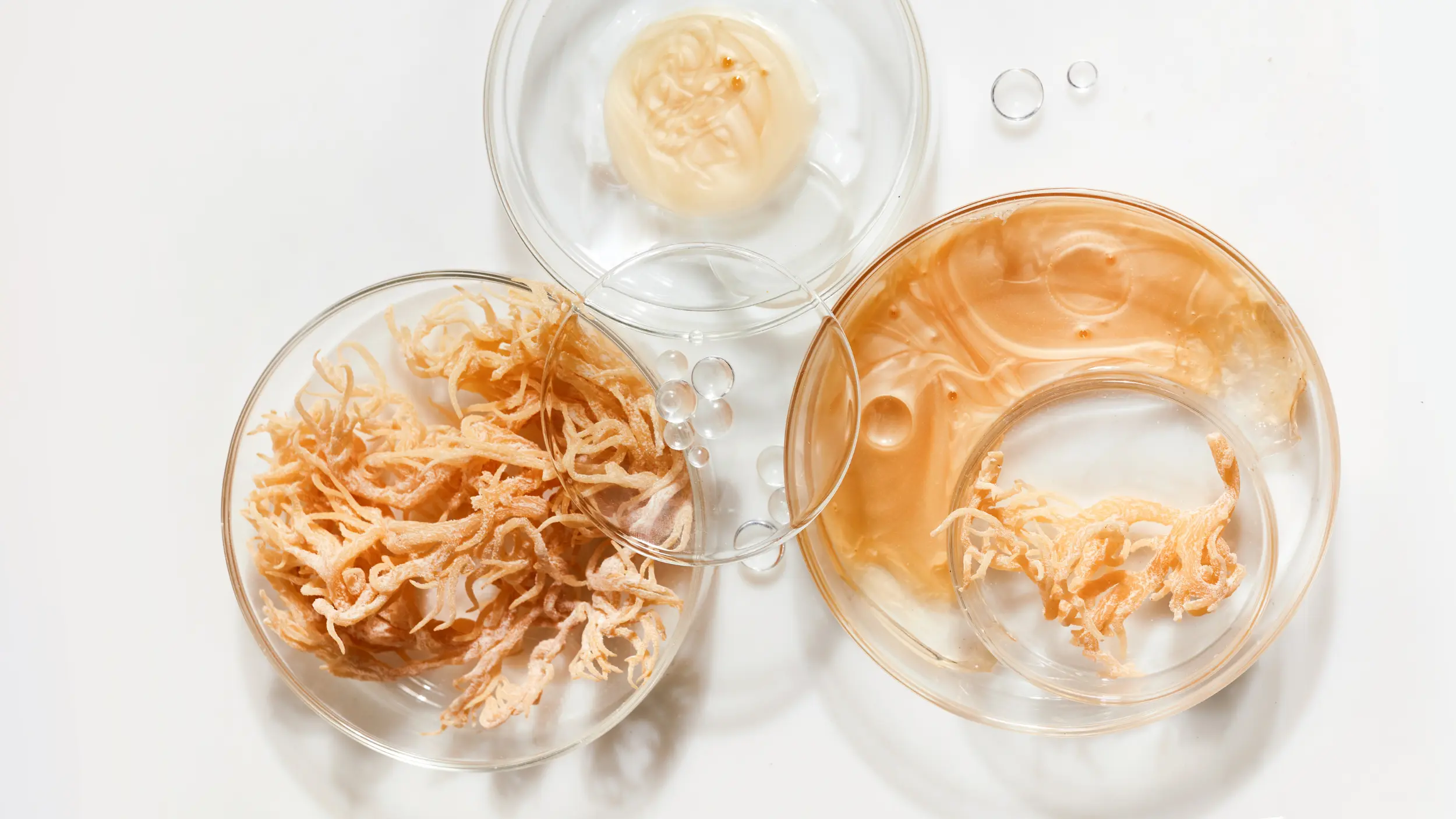
This group includes substances extracted from Group 1 foods or from nature, used in cooking to season and prepare dishes. Think olive oil, butter, salt, sugar, and honey. These aren't meant to be consumed alone but rather used to enhance whole foods during meal preparation.
The key here is moderation and context. A drizzle of olive oil on roasted vegetables? Perfect. But these ingredients become problematic when used in excessive amounts or as the foundation of your meals.
Group 3: Processed Foods
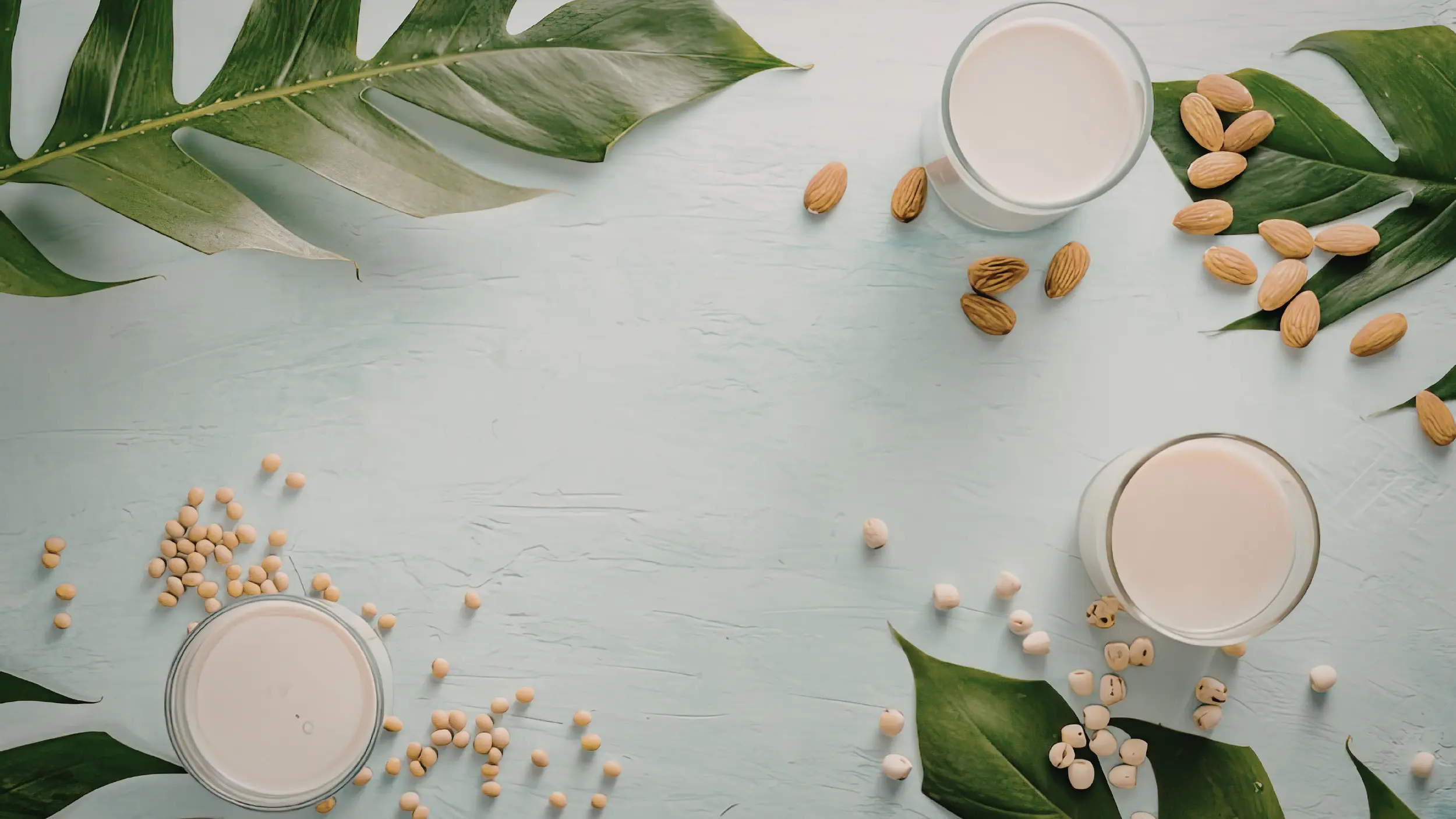
Processed foods are made by adding Group 2 ingredients to Group 1 foods, typically to increase their durability or modify their taste. The processing here is relatively simple [4].
Examples include:
- Canned vegetables with added salt
- Canned fish in oil
- Fresh bread made with flour, water, salt, and yeast
- Cheese
- Salted or sugared nuts
These foods can absolutely fit into a healthy eating pattern. The trick is reading labels carefully and choosing options with short ingredient lists that you recognize. Canned tomatoes with just tomatoes and salt? Great pantry staple. Canned soup with 30 ingredients you can't pronounce? That's crossing into Group 4 territory.
Group 4: Ultra-Processed Foods
Here's where things get tricky. Ultra-processed foods are industrial formulations typically containing five or more ingredients, including substances not commonly used in home cooking: hydrogenated oils, high-fructose corn syrup, flavor enhancers, emulsifiers, and various additives designed to make products hyper-palatable and shelf-stable [5].
Common examples:
- Packaged snack chips and crackers
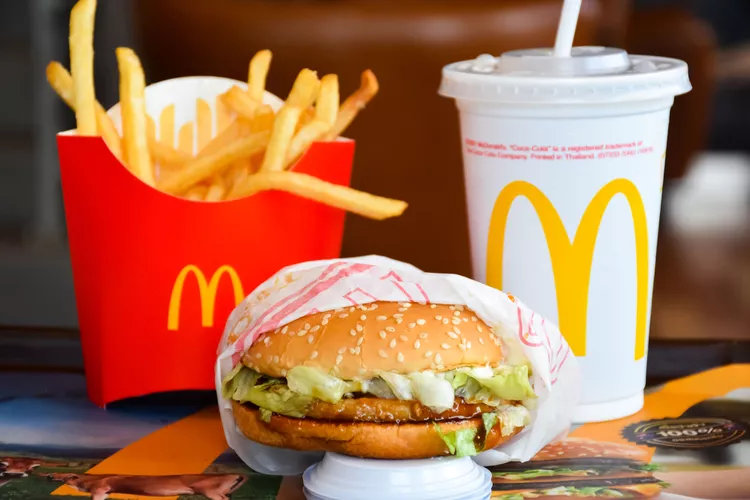
- Mass-produced breads and buns
- Breakfast cereals with added sugars and flavorings
- Sweetened yogurts with artificial colors
- Instant noodles and soups
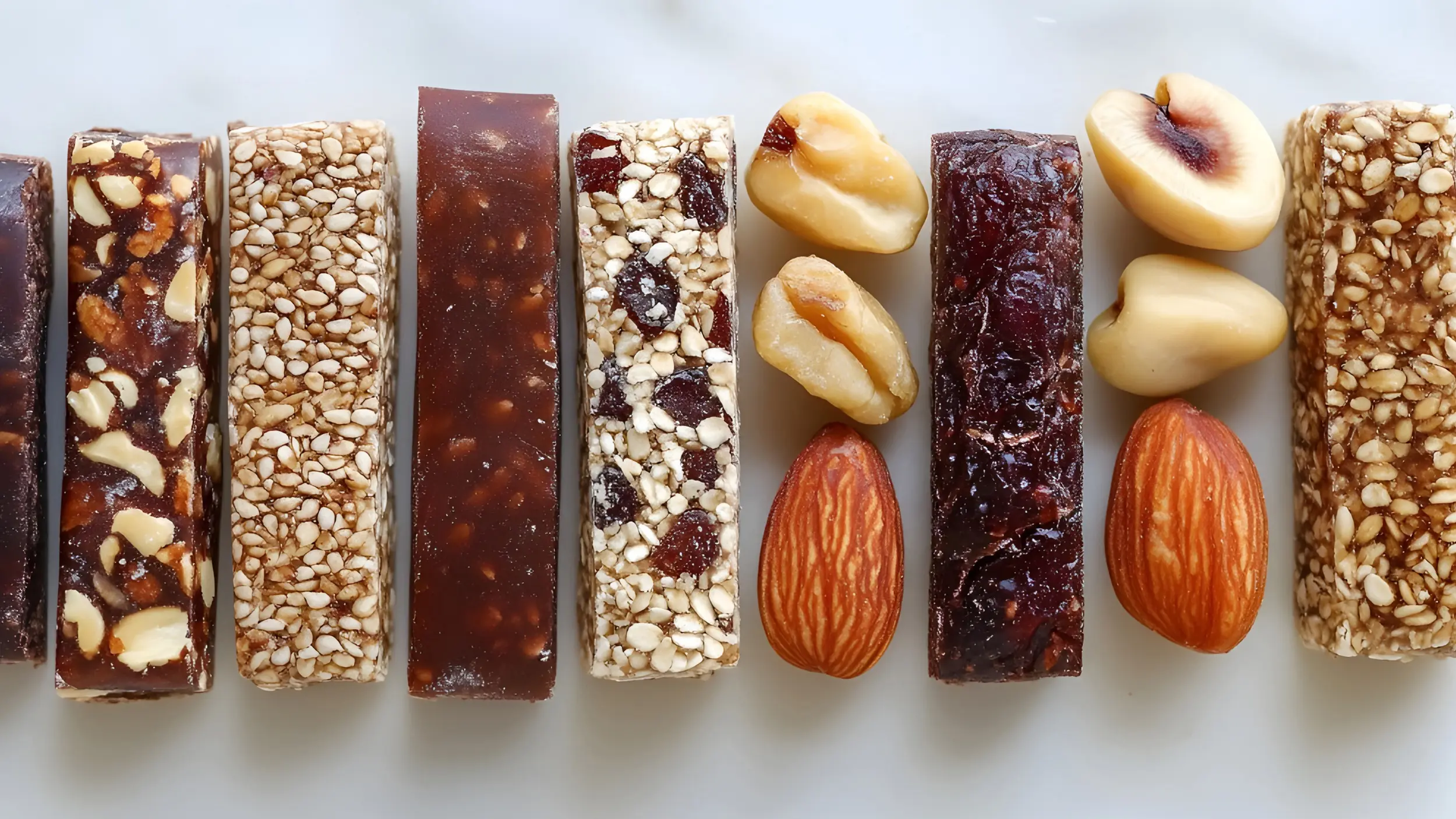
- Energy bars with long ingredient lists
- Sodas and sweetened beverages
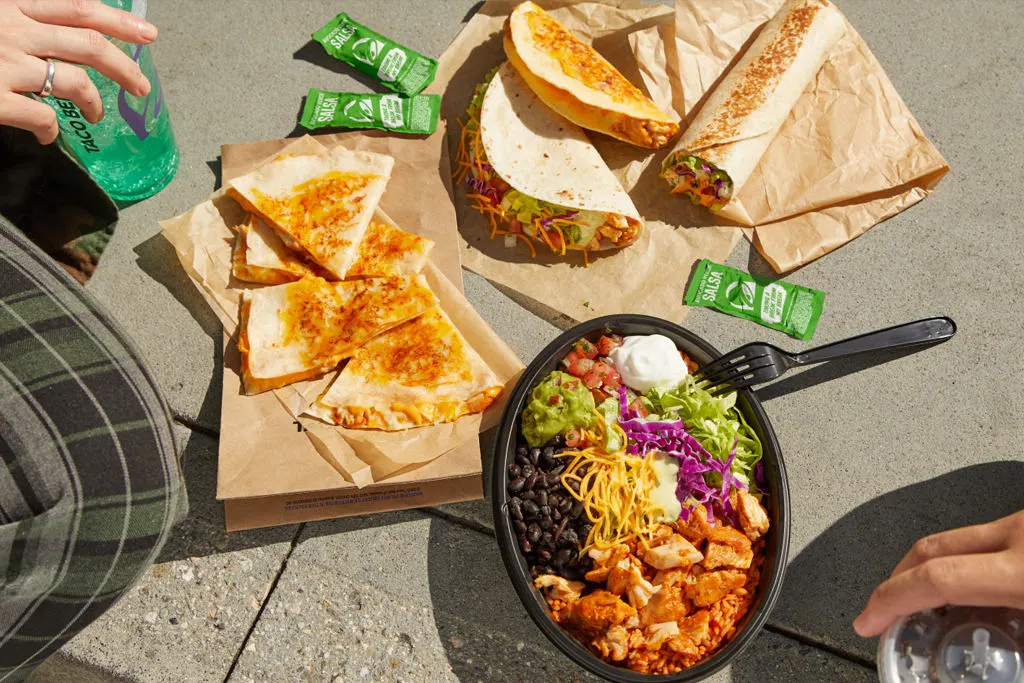
- Frozen meals and ready-to-heat dishes
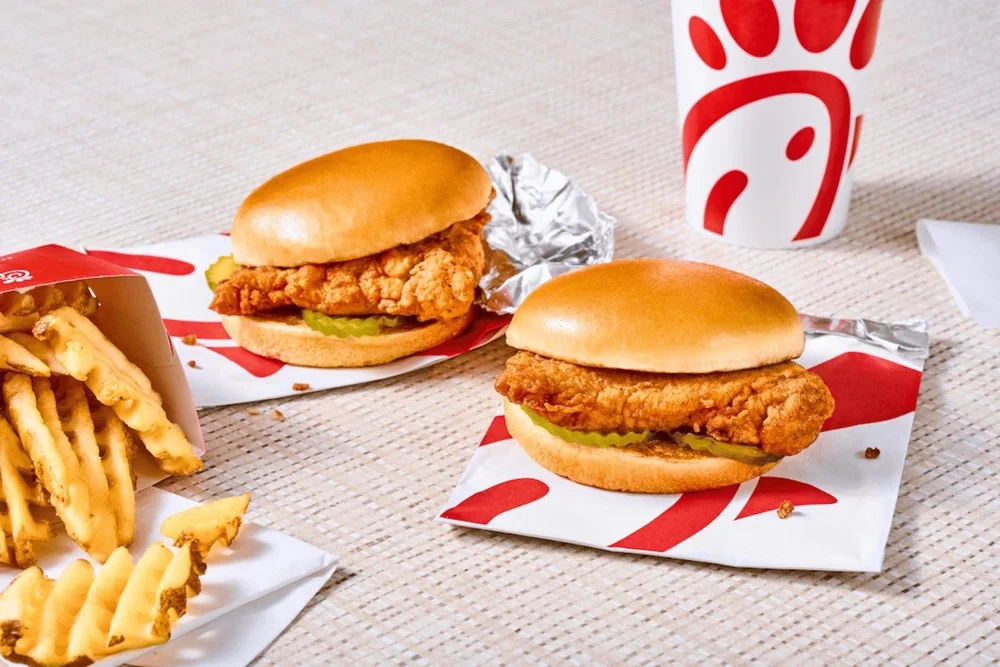
- Processed meats like hot dogs and chicken nuggets
Studies show that ultra-processed foods now comprise more than 50% of total caloric intake in many Western countries [6]. These products are engineered to override your natural satiety signals, making it incredibly easy to overconsume calories while under-consuming actual nutrients.
The impact on your gut health and microbiome is particularly concerning. Ultra-processed foods often lack the fiber and diversity that beneficial gut bacteria need to flourish, while introducing additives that can trigger inflammation and disrupt your intestinal barrier.
Putting the NOVA Scale into Practice for Real Life
Knowing the theory is great, but let's talk about implementation. Here's how to use the NOVA Scale to transform your eating habits without losing your mind or your social life.
Start with the 80/20 principle
Aim for 80% of your diet to come from Groups 1 and 2, with Groups 3 and 4 making up the remaining 20%. This approach is sustainable and realistic. You can enjoy that birthday cake or Friday night pizza without derailing your health goals.
Master the grocery store strategy
Shop the perimeter first. That's typically where whole foods live—produce, meat and seafood, dairy, and bulk sections. When you venture into the center aisles, become a label detective. If the ingredient list reads like a chemistry experiment or contains more than 5-7 items, it's likely ultra-processed.
Quick label reading tips:
- Ingredients are listed by weight, so what comes first matters most
- Look for words you'd actually use in your kitchen
- Be skeptical of health claims on the front of packages—they're marketing, not nutrition
Build meals around whole foods
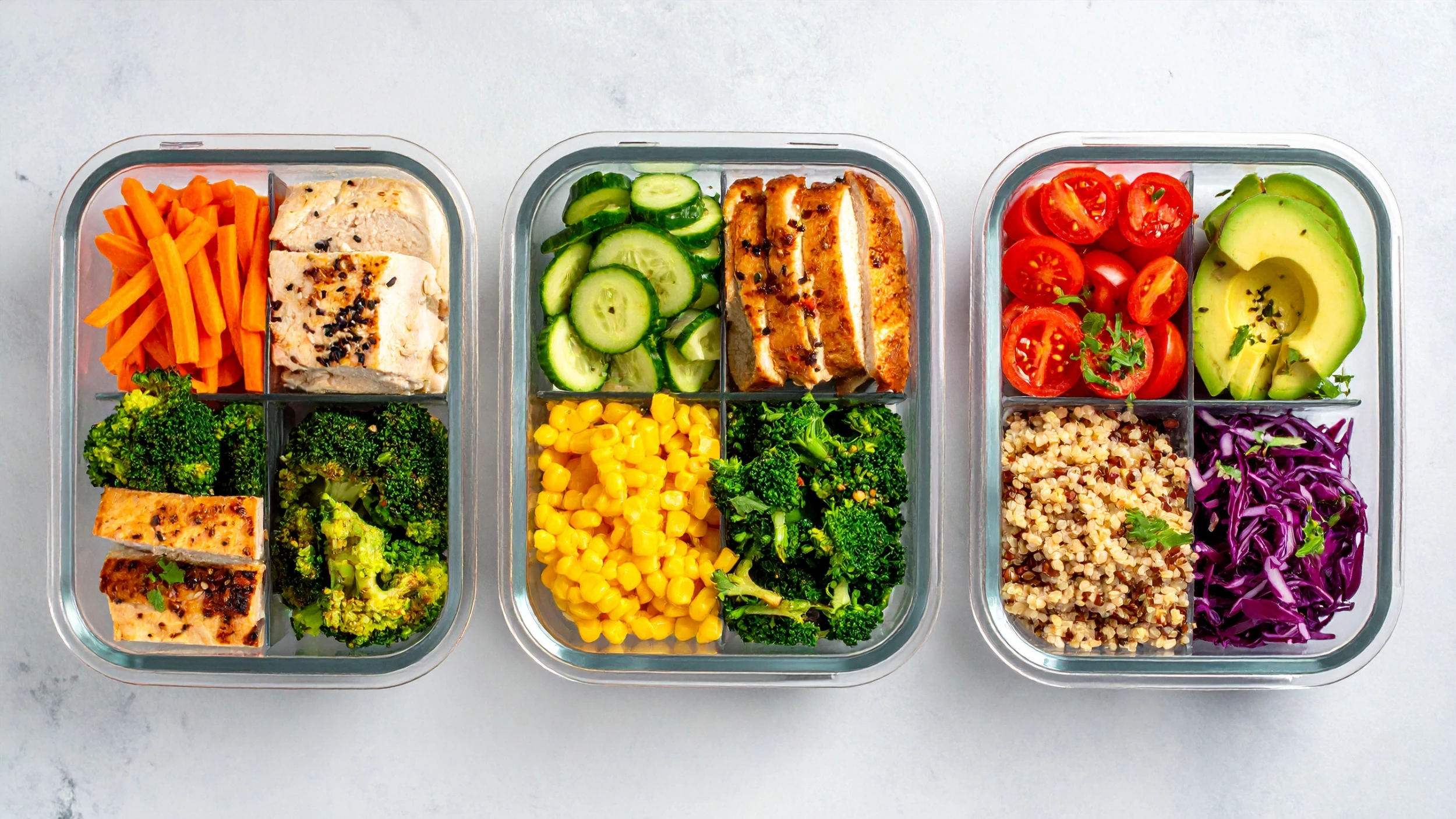
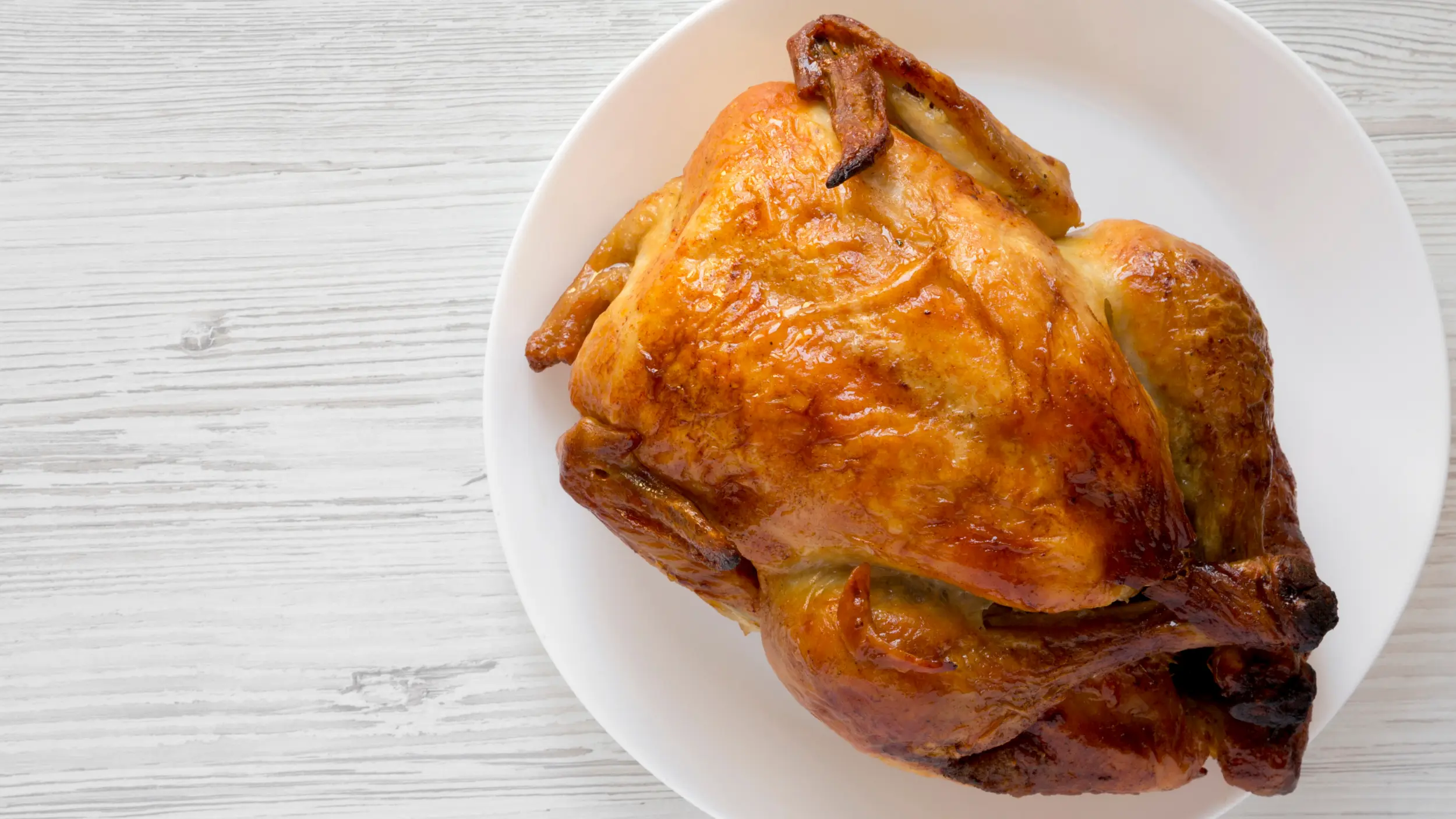
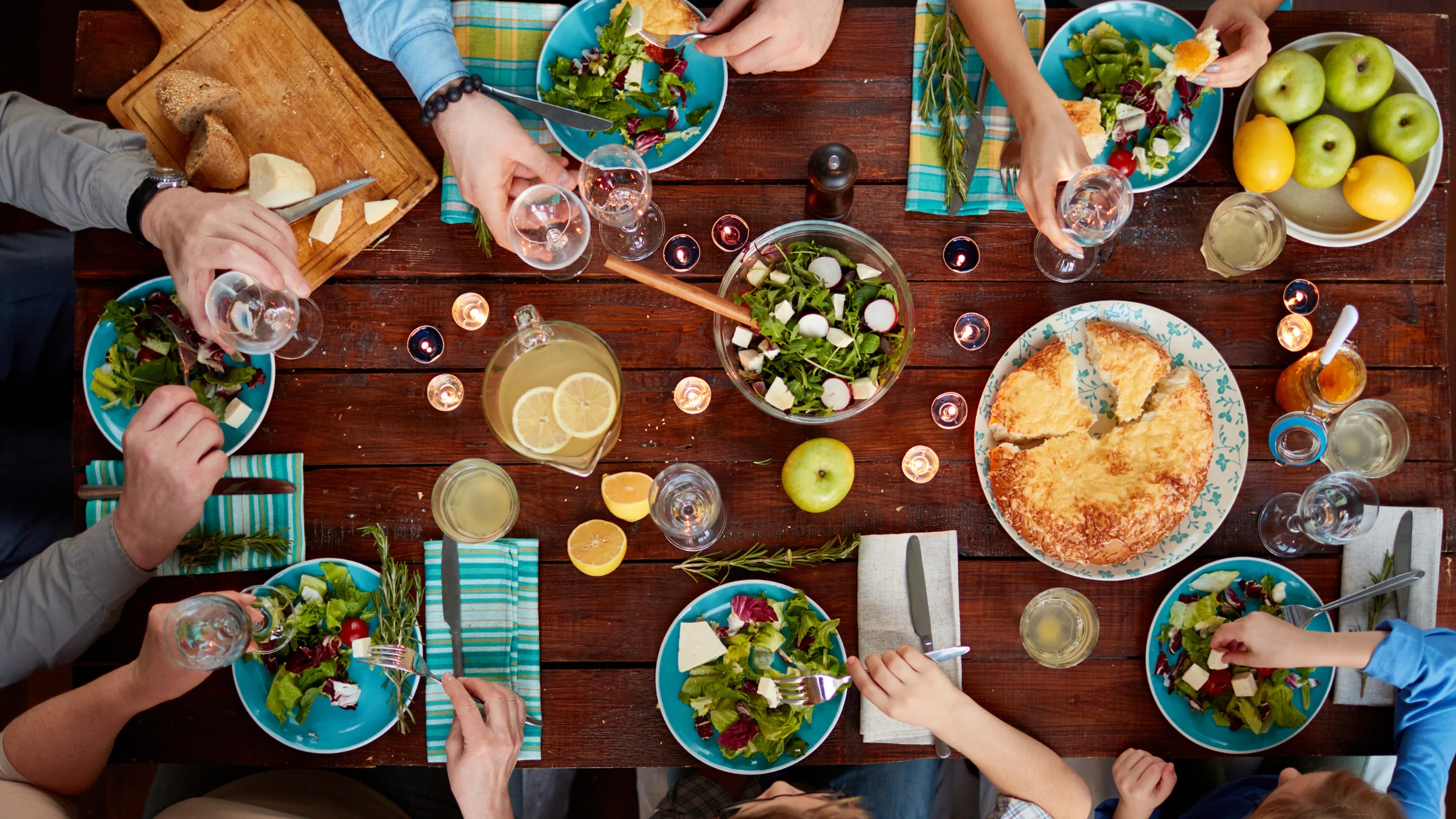
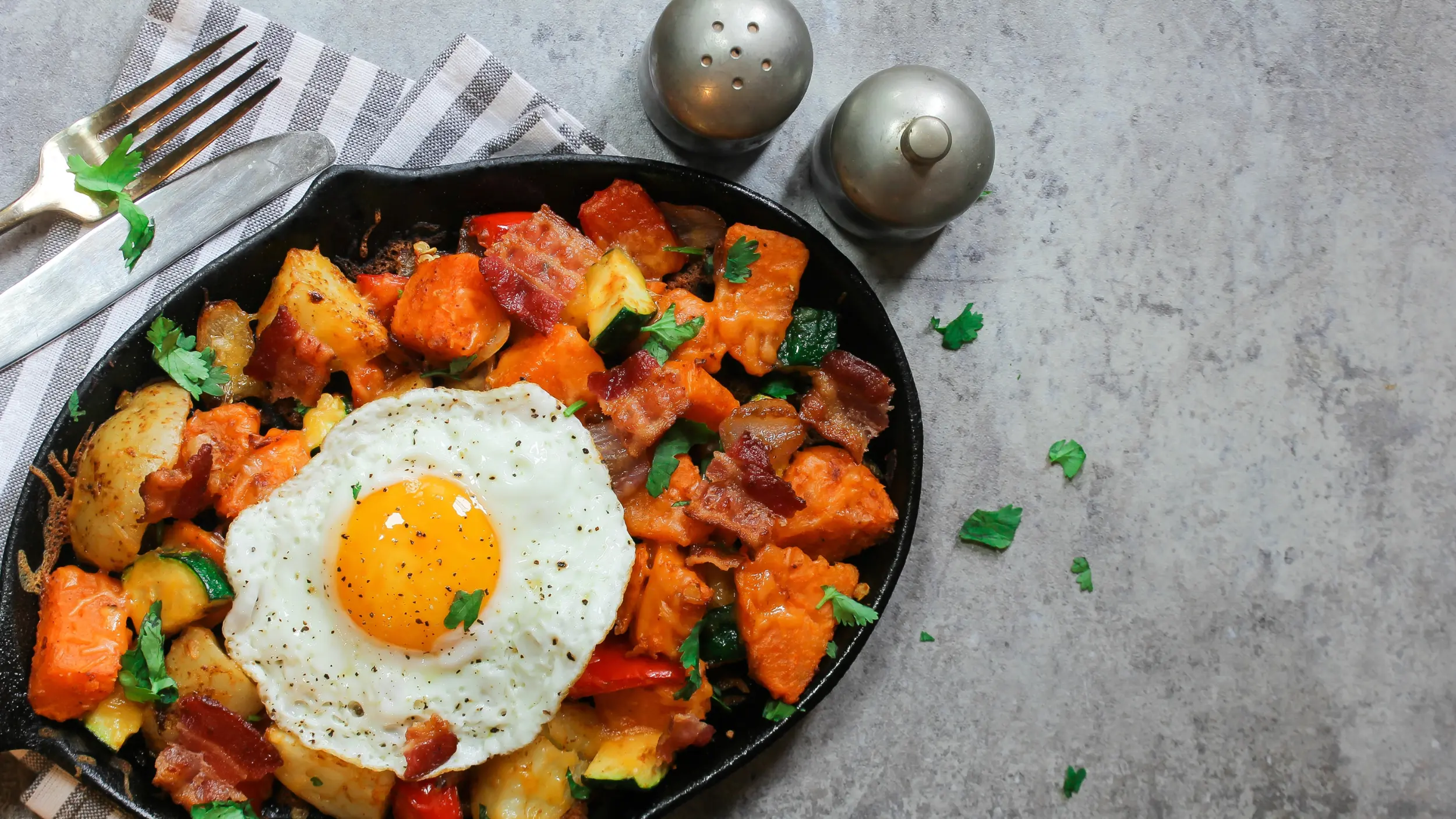
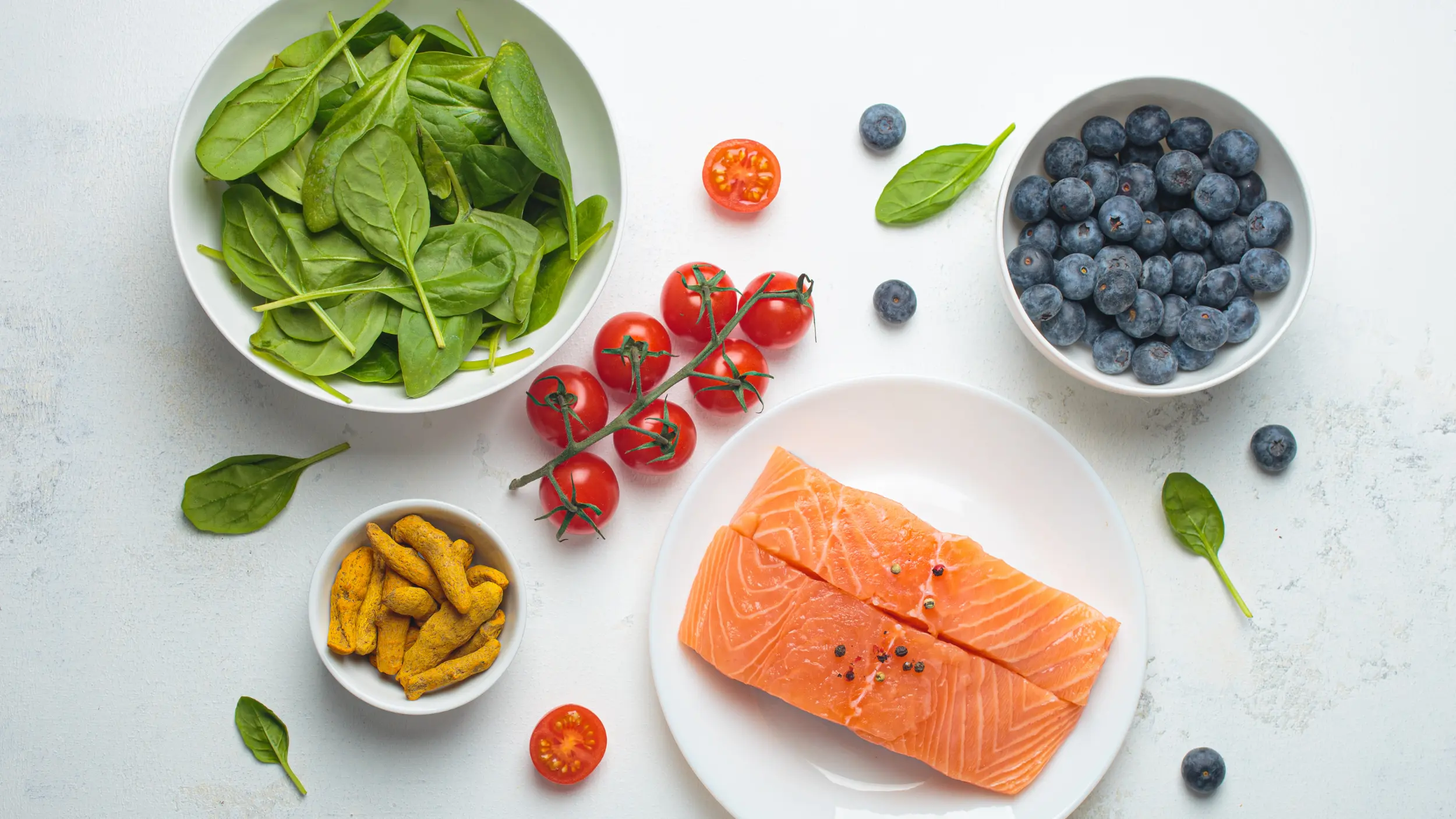
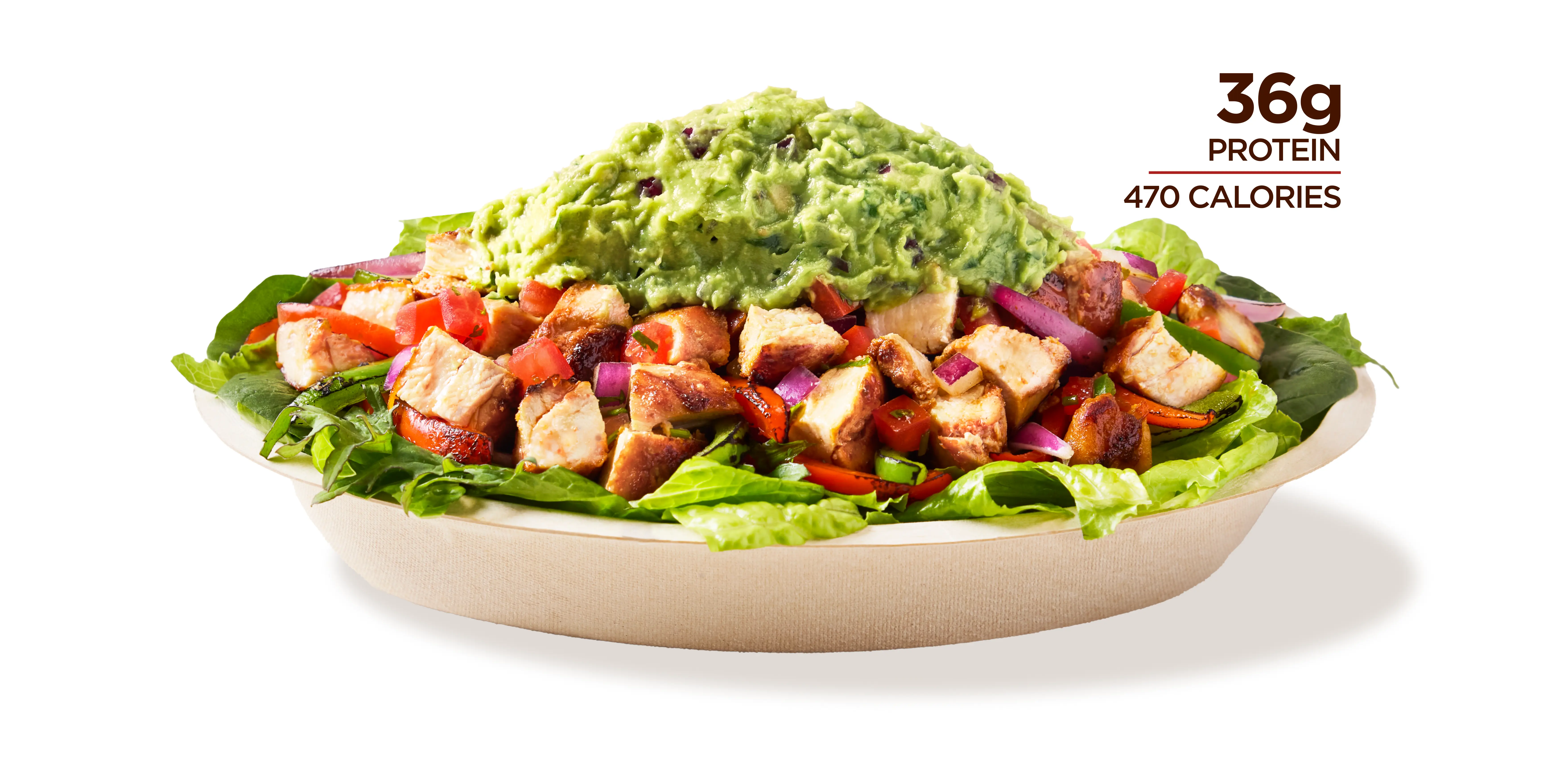
Instead of starting with a packaged meal and adding a vegetable as an afterthought, flip the script. Start with a protein source (chicken, fish, eggs, legumes), add colorful vegetables, include a whole grain or starchy vegetable, and finish with a healthy fat. Season with herbs, spices, and simple ingredients from Group 2.
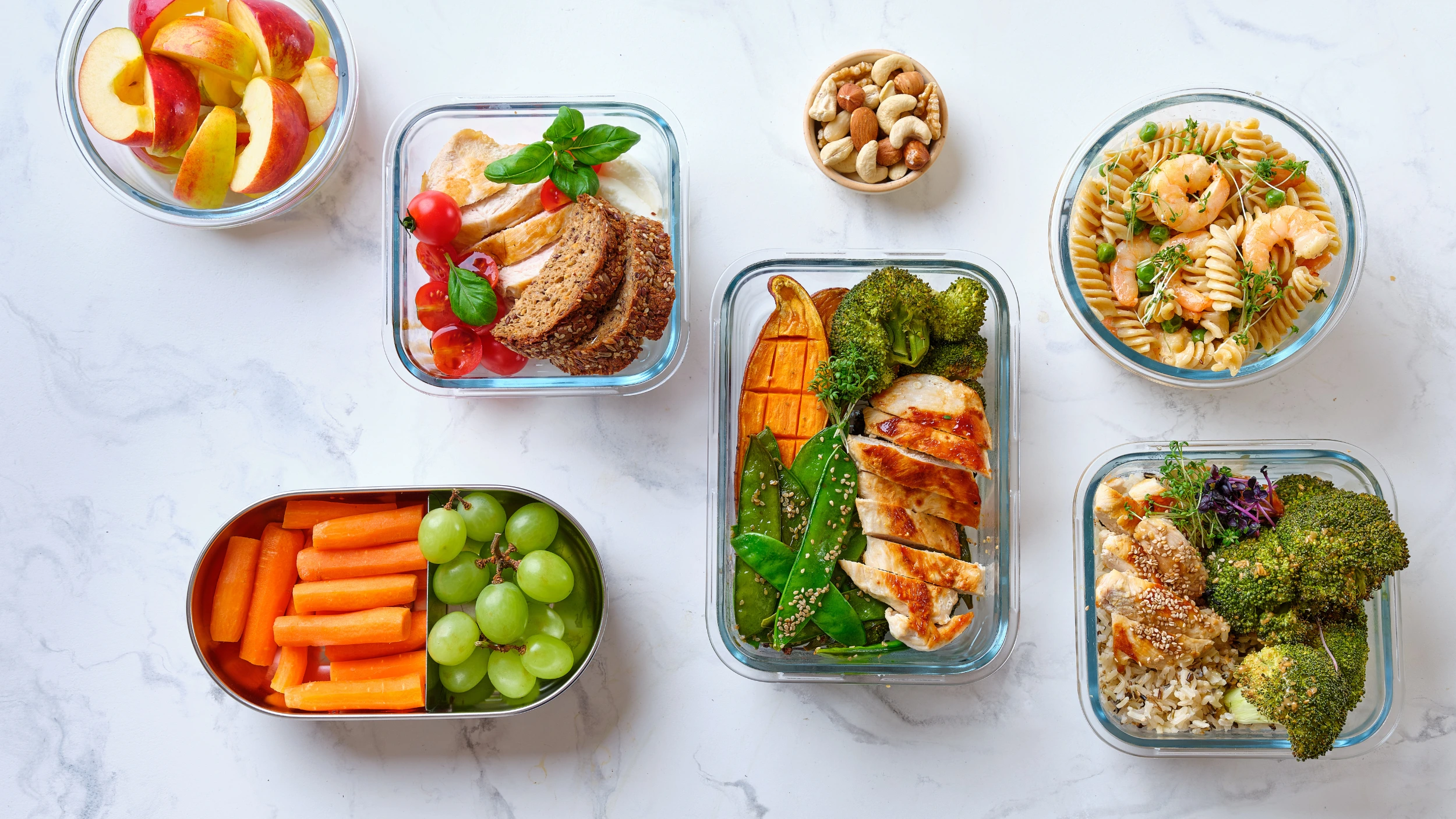
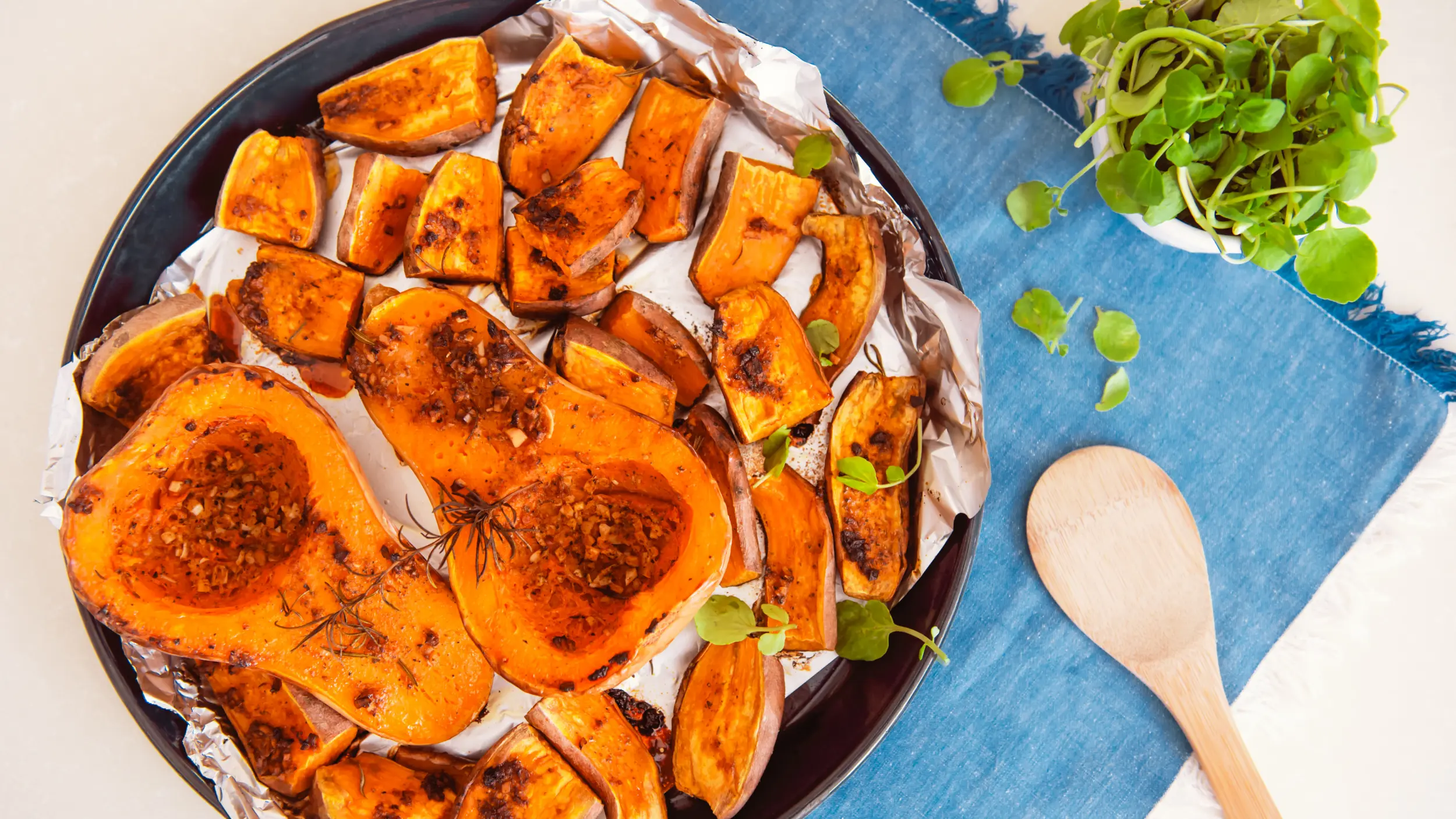
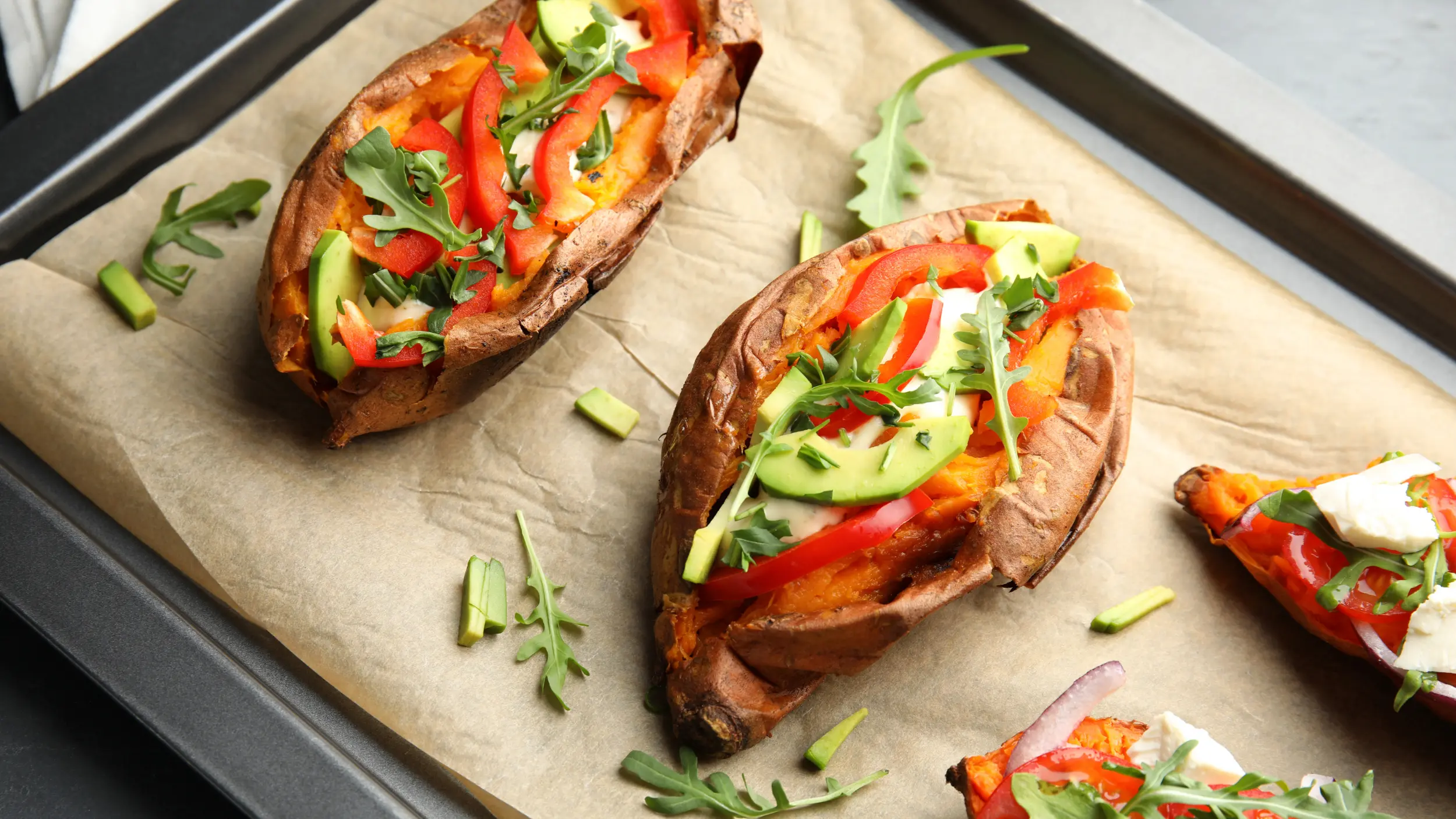
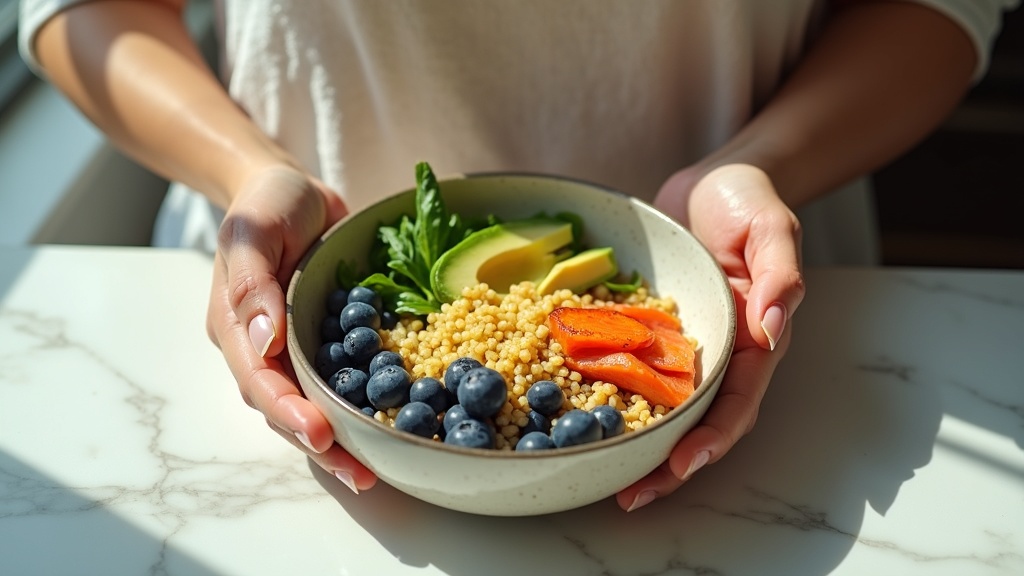
This doesn't mean spending hours in the kitchen. A sheet pan with salmon, sweet potatoes, and broccoli drizzled with olive oil takes 25 minutes and checks all the NOVA boxes.
Prep smarter, not harder
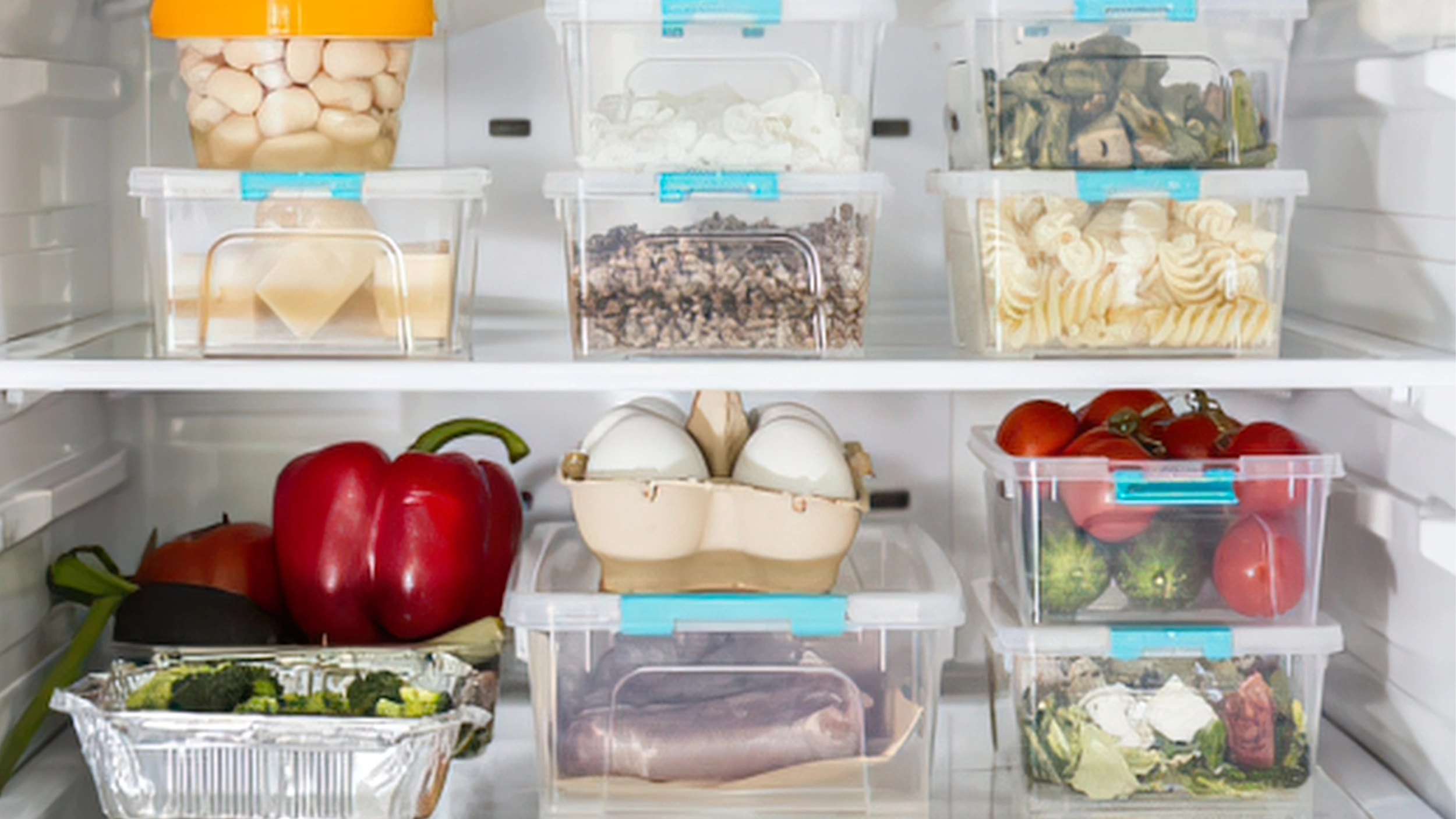
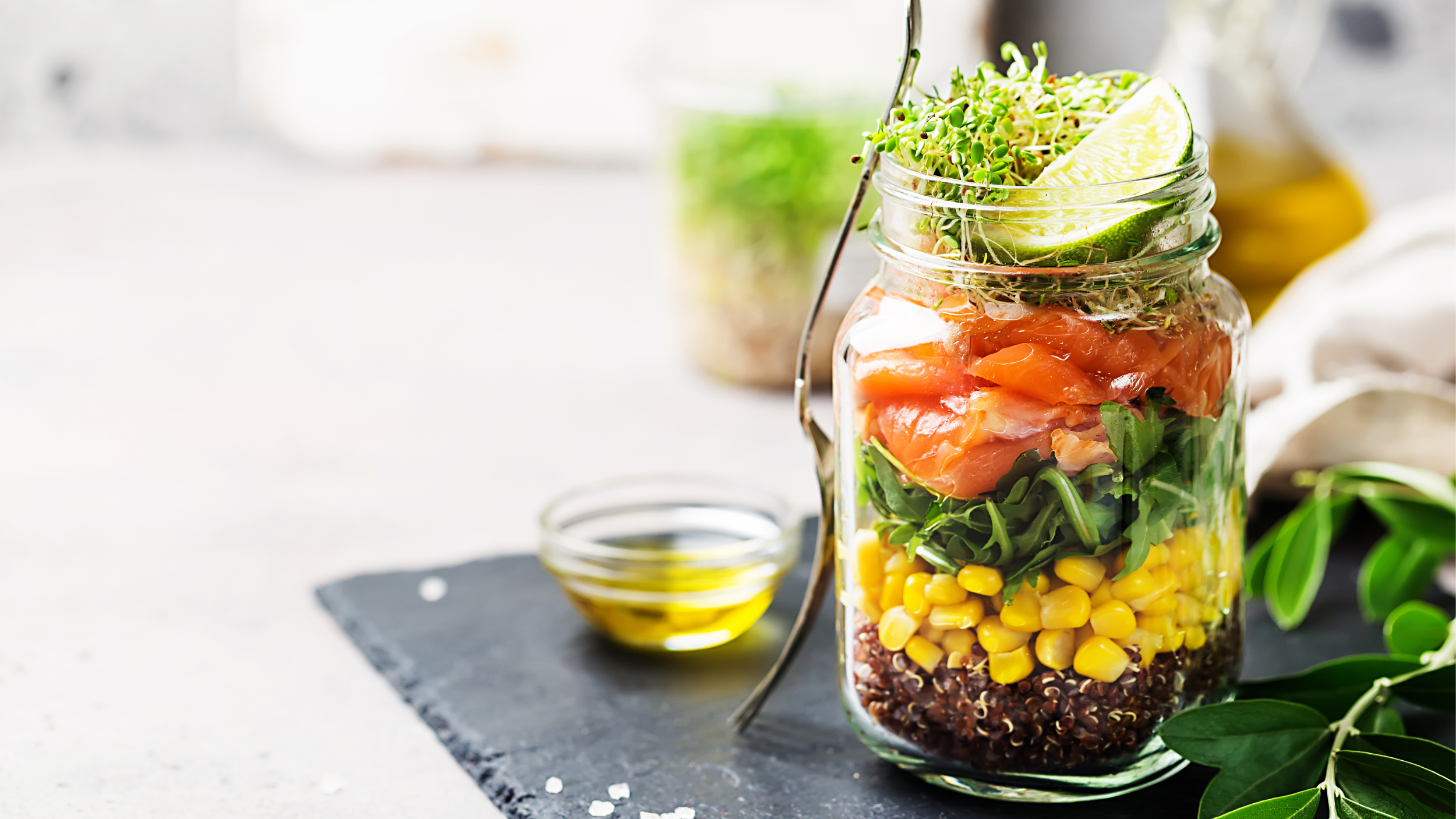
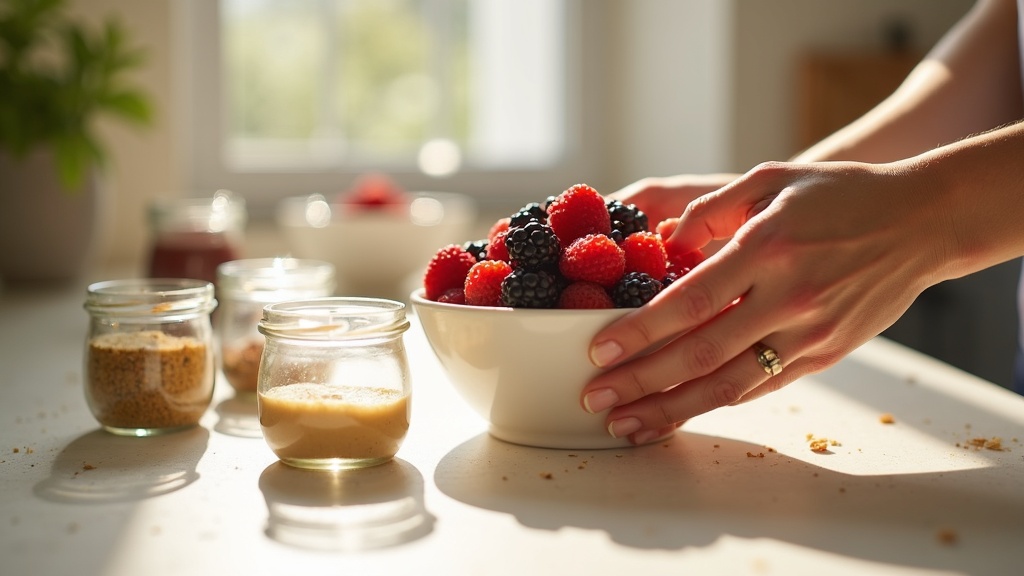
Batch-cook staples on Sunday: roast a tray of vegetables, cook a pot of quinoa or brown rice, hard-boil eggs, and prep some protein. When stress and low energy hit mid-week, you'll have building blocks ready to assemble rather than reaching for ultra-processed convenience foods.
Navigate dining out with confidence
Restaurants typically use more Group 2 ingredients (oils, salt, sugar) than you might at home, but that's fine occasionally. Focus on dishes centered around recognizable whole foods: grilled proteins, vegetable sides, salads with oil-based dressings. Skip the fried appetizers and sugary cocktails most of the time.
Upgrade your staples gradually
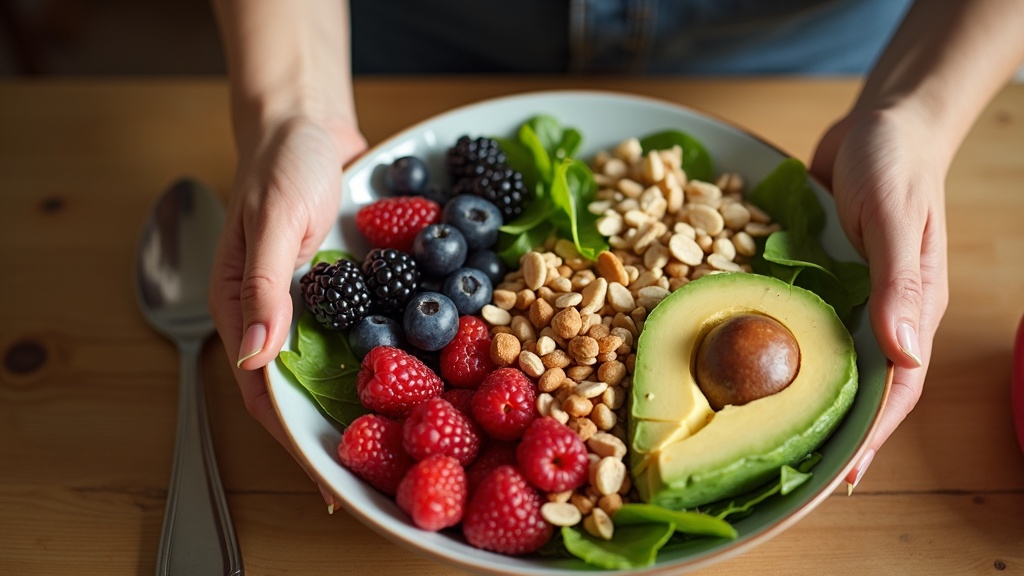
You don't need to overhaul your entire pantry overnight. Start with the foods you eat most frequently. Swap flavored yogurt for plain Greek yogurt with fresh berries. Replace sugary cereal with overnight oats. Choose sprouted grain bread instead of ultra-processed white bread. Small swaps compound over time.
Address the real barrier: taste adaptation
Here's something most nutrition advice skips: your taste buds have been conditioned by years of ultra-processed foods engineered to be hyper-palatable. When you first transition to whole foods, they might taste bland. This is temporary. Within 2-3 weeks, your palate recalibrates, and whole foods become genuinely satisfying [7]. Trust the process.
Frequently Asked Questions
How can I easily identify ultra-processed foods?
The fastest method is checking the ingredient list length and complexity. If it contains more than five ingredients, includes chemical-sounding additives, or lists substances you wouldn't cook with at home (like maltodextrin, modified starches, or hydrolyzed proteins), it's ultra-processed. Another clue: if it comes in crinkly plastic packaging with bold health claims, approach with skepticism.
What are some examples of minimally processed foods I can incorporate daily?
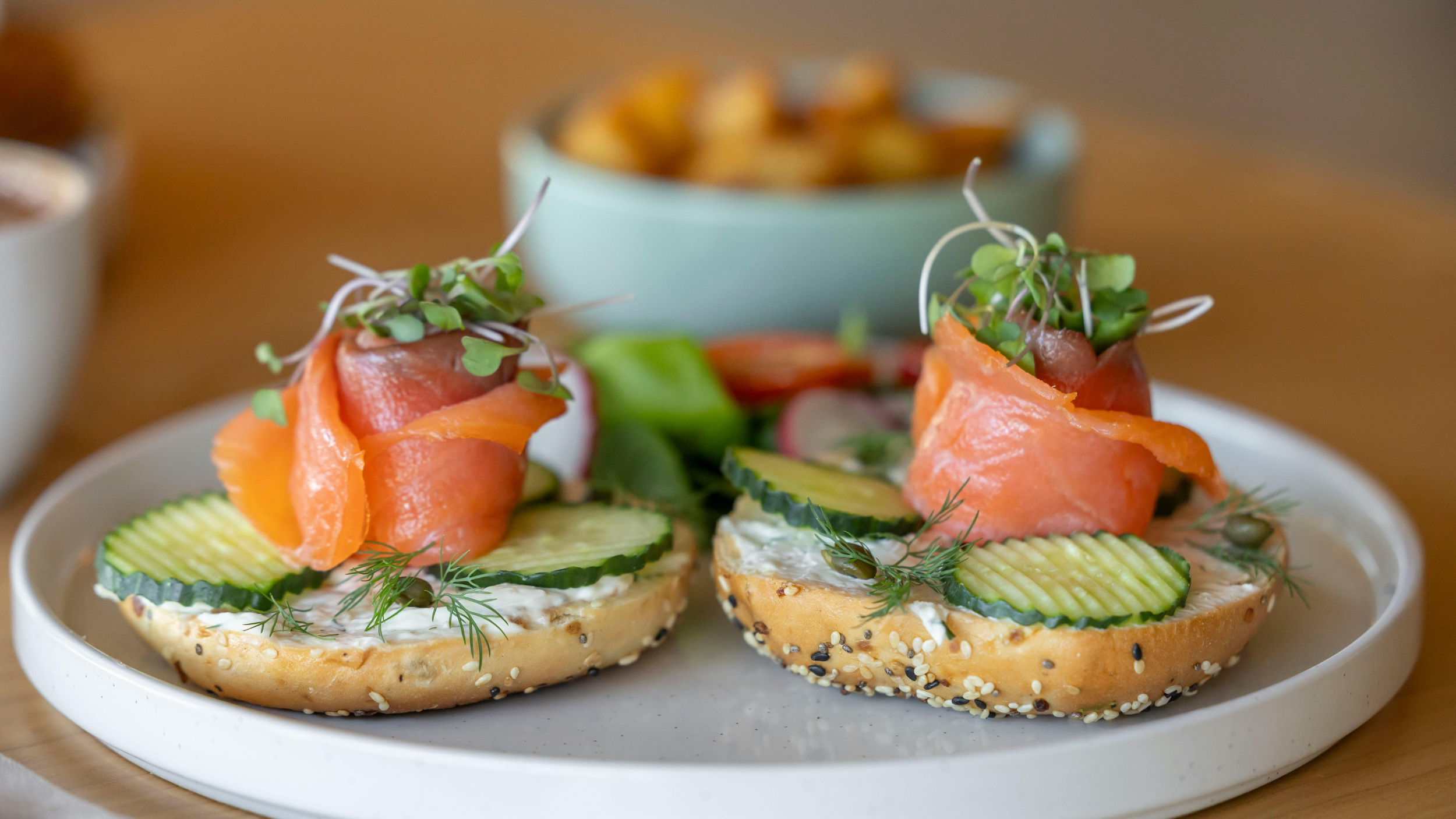
Think simple: a bowl of steel-cut oats with banana and almond butter for breakfast, a salad with mixed greens, chickpeas, cherry tomatoes, cucumber, and olive oil for lunch, and baked salmon with roasted Brussels sprouts and sweet potato for dinner. Snacks could include apple slices with peanut butter, a handful of raw almonds, or carrot sticks with hummus. The common thread is recognizable ingredients in forms close to how they grow.
Does adhering to the NOVA Scale guarantee weight loss?
Not automatically, but it significantly supports weight management. Studies show that people consuming ultra-processed diets eat approximately 500 more calories per day compared to those eating minimally processed diets, even when both groups have unrestricted access to food [8]. By focusing on Groups 1 and 2, you naturally increase satiety, reduce caloric density, and improve nutrient quality—all of which support healthy weight regulation. However, total caloric intake, individual metabolism, and other lifestyle factors still matter.
References
[1] Monteiro CA, Cannon G, Levy RB, et al. NOVA. The star shines bright. Food classification. Public health. World Nutrition, 2016.
[2] Pagliai G, Dinu M, Madarena MP, et al. Consumption of Ultra-Processed Foods and Health Status: A Systematic Review and Meta-Analysis. Nutrients, 2021.
[3] Monteiro CA, Cannon G, Lawrence M, et al. Ultra-processed foods, diet quality, and health using the NOVA classification system. Food and Agriculture Organization of the United Nations, 2019.
[4] Moubarac JC, Parra DC, Cannon G, Monteiro CA. Food Classification Systems Based on Food Processing: Significance and implications for policies and actions. Public Health Nutrition, 2014.
[5] Srour B, Fezeu LK, Kesse-Guyot E, et al. Ultra-processed food intake and risk of cardiovascular disease: prospective cohort study. BMJ, 2019.
[6] Baraldi LG, Martinez Steele E, Canella DS, Monteiro CA. Consumption of ultra-processed foods and associated sociodemographic factors in the USA between 2007 and 2012. Public Health Nutrition, 2018.
[7] Mennella JA, Bobowski NK. The sweetness and bitterness of childhood: Insights from basic research on taste preferences. Physiology & Behavior, 2015.
[8] Hall KD, Ayuketah A, Brychta R, et al. Ultra-Processed Diets Cause Excess Calorie Intake and Weight Gain: An Inpatient Randomized Controlled Trial of Ad Libitum Food Intake. Cell Metabolism, 2019.
Ready to take control of your nutrition with personalized guidance? Let's create a sustainable eating plan that fits your lifestyle, supports your goals, and makes you feel amazing. Book a consultation today at www.usevedic.com.
.svg)
.svg)


.jpg)
.jpg)







.webp)





















.webp)
.webp)
.webp)
.webp)
.webp)
.webp)
.webp)
.png)
.webp)
.webp)
.webp)
.png)
.webp)
.webp)
.webp)
.webp)
.webp)
.webp)
.webp)
.webp)
.webp)


.webp)
.png)