.webp)
%2B(7).webp)
.png)
At a Glance
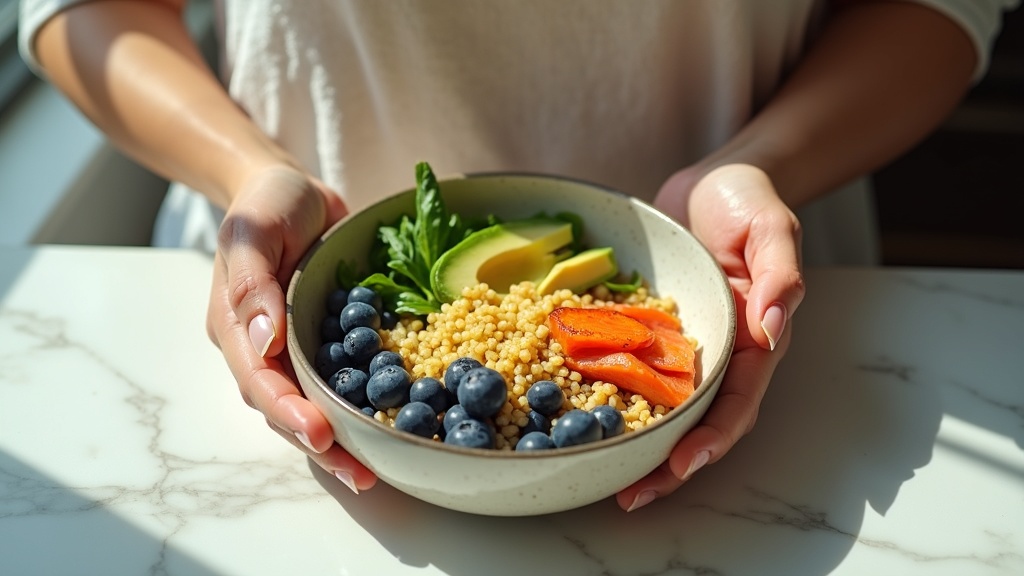
Chronic inflammation is linked to fatigue, bloating, and long-term health concerns—and what you snack on matters more than you think. These 10 dietitian-approved anti-inflammatory snacks combine convenience with serious nutritional power, using whole foods rich in omega-3s, antioxidants, and fiber. You'll walk away with practical recipes and shopping strategies that fit seamlessly into your busiest days.
Feeling Tired, Puffy, or Just 'Off'?
Let's be real: when you're running between meetings, errands, and life responsibilities, grabbing whatever's convenient becomes the default. But those ultra-processed chips, sugary granola bars, and refined-carb crackers? They're quietly fueling chronic inflammation in your body[1].
Chronic inflammation isn't just about temporary bloating or puffiness. It's been connected to everything from persistent fatigue and joint discomfort to more serious conditions like cardiovascular disease and autoimmune flare-ups[2]. The beautiful part? You absolutely can fight back with your fork—and it doesn't require complicated meal prep or obscure ingredients.
Think of anti-inflammatory foods as your daily insurance policy against feeling run-down. When you consistently choose snacks packed with antioxidants, healthy fats, and fiber, you're actively calming your immune system and supporting your gut microbiome[3]. And honestly, these snacks taste incredible.
Let's dig into 10 anti-inflammatory snacks that are as practical as they are powerful.
1. Antioxidant Powerhouses: Berry Parfaits & Dark Chocolate
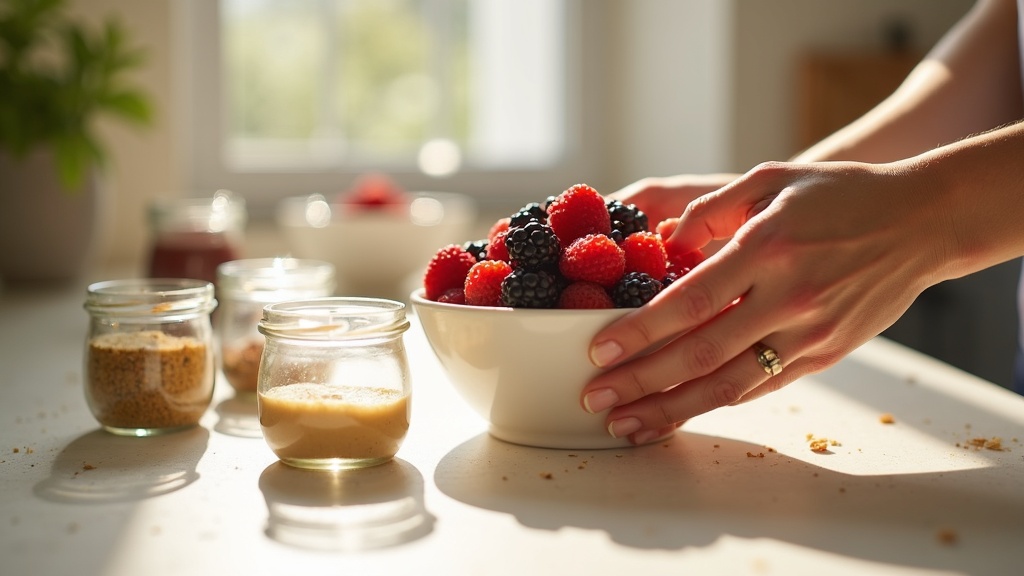
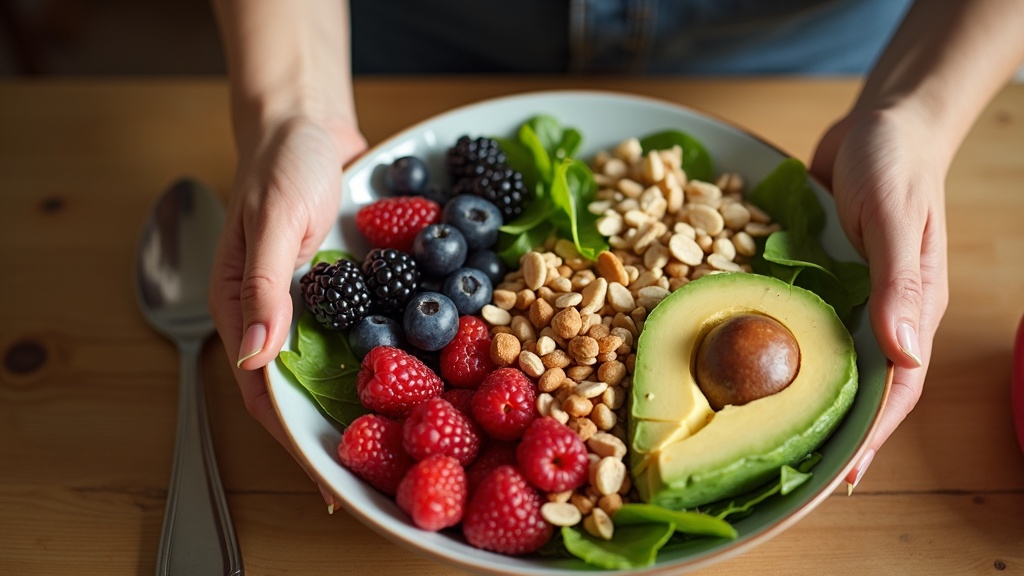
Your first line of defense against inflammation can absolutely be sweet. Berries—especially blueberries, strawberries, and raspberries—are loaded with anthocyanins and polyphenols that directly neutralize inflammatory molecules in your bloodstream[4].
Here's how to make this work on your busiest mornings:
- Quick Greek Yogurt Parfait: Layer ½ cup plain Greek yogurt (aim for 15+ grams of protein) with ½ cup mixed berries and a tablespoon of chia seeds. The probiotics in yogurt support gut health while the protein keeps you full for hours.
- Dark Chocolate (70% Cacao or Higher): Not all chocolate is created equal. Choose bars with minimal added sugar and pair 1-2 squares with a handful of fresh raspberries. The flavonoids in dark chocolate have been shown to reduce inflammatory markers[5].
- Frozen Berry Clusters: Freeze Greek yogurt-coated berries on parchment paper for a grab-and-go option that feels indulgent but delivers serious anti-inflammatory benefits.
Pro tip: Buy frozen organic berries in bulk. They're flash-frozen at peak ripeness, often more affordable than fresh, and eliminate the "wilted berry" problem entirely.
2. Healthy Fats for a Happy Body: Avocado & Nut Medleys
Omega-3 fatty acids and monounsaturated fats are non-negotiable for an anti-inflammatory diet. These healthy fats help regulate your body's inflammatory response and support hormone production—critical for women in their reproductive years[6].
Let's move beyond avocado toast (though I still love it):
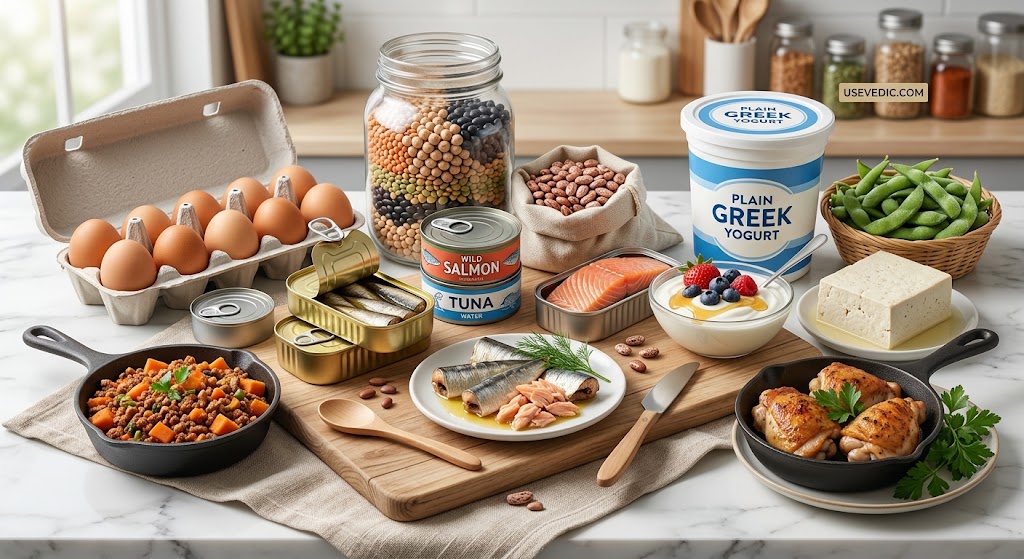
- Avocado Boats: Halve an avocado, remove the pit, and fill the center with canned wild-caught salmon or white beans, a squeeze of lemon, and everything bagel seasoning. You've got healthy fats, protein, and flavor in under 3 minutes.
- Anti-Inflammatory Trail Mix: Combine raw walnuts (the highest omega-3 nut), almonds, pumpkin seeds, unsweetened coconut flakes, and a small amount of dark chocolate chips. Portion into small containers for the week.
- Almond Butter Energy: Spread 2 tablespoons of almond butter on celery sticks or apple slices. The combination of healthy fats and fiber stabilizes blood sugar and prevents inflammatory spikes.
Walnuts deserve special mention here—they contain alpha-linolenic acid (ALA), a plant-based omega-3 that's been shown to lower C-reactive protein, a key inflammation marker[7]. If you're looking for more guidance on choosing anti-inflammatory foods for hormone balance, our comprehensive guide breaks down exactly how fats influence your endocrine system.
3. Fiber-Rich & Gut-Friendly: Roasted Chickpeas & Veggies with Hummus
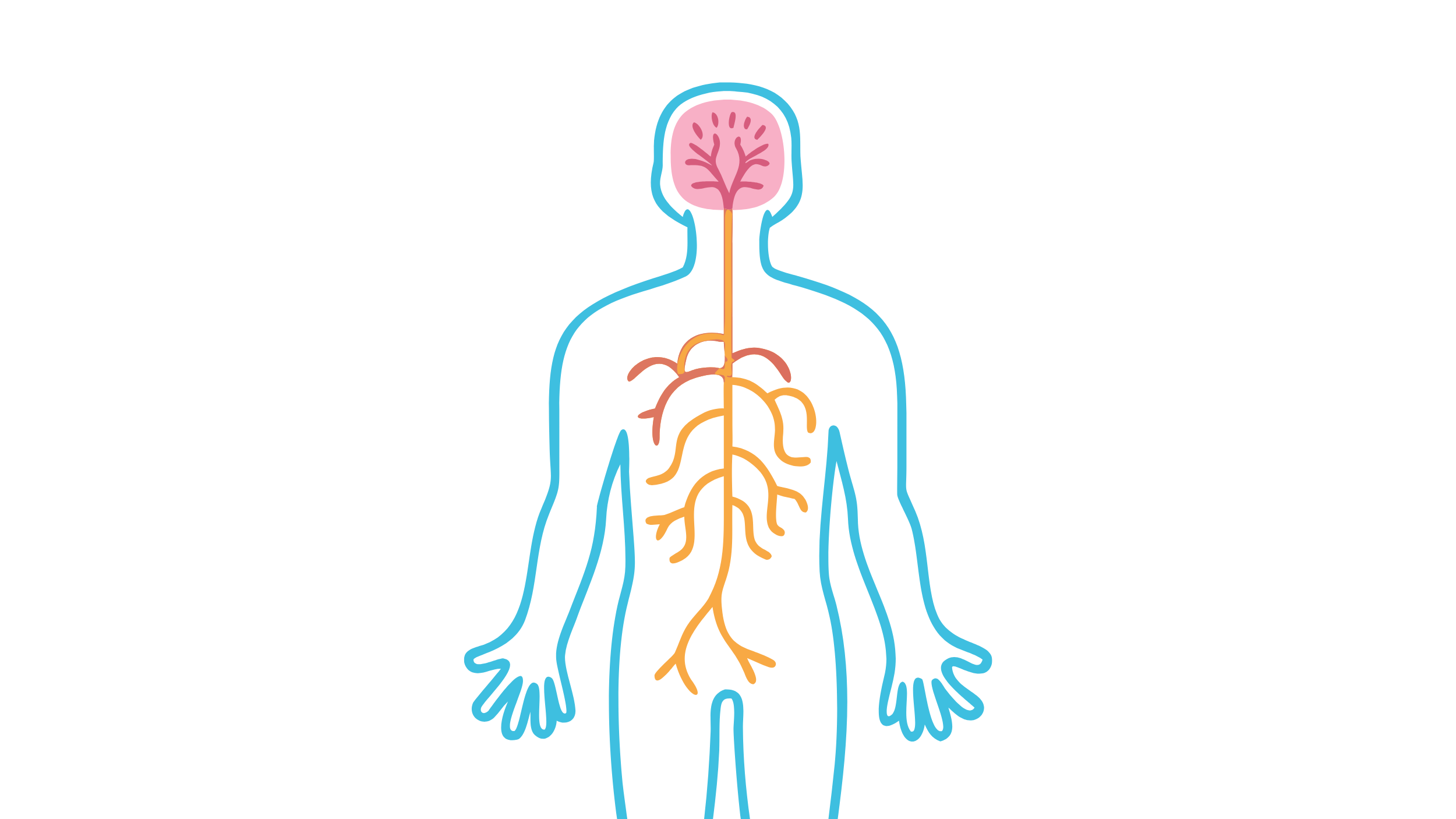
Your gut microbiome is command central for your immune system, and feeding it properly is one of the most powerful anti-inflammatory strategies you have[8]. Fiber from whole plant foods acts as fuel for beneficial bacteria that produce short-chain fatty acids—compounds that literally calm inflammation throughout your body.
Here's how to make fiber-rich snacking delicious:
- Crispy Roasted Chickpeas: Drain and rinse one can of chickpeas, pat completely dry, toss with 1 tablespoon olive oil and your choice of spices (smoked paprika, cumin, or garlic powder), and roast at 400°F for 25-30 minutes until golden. Store in an airtight container for up to 4 days.
- Rainbow Veggie Platter: Cut bell peppers, cucumber, carrots, and cherry tomatoes. Pair with 2-3 tablespoons of hummus. The combination delivers both soluble and insoluble fiber plus a spectrum of anti-inflammatory phytonutrients.
- Edamame with Sea Salt: Keep frozen edamame on hand. Microwave for 3 minutes, sprinkle with coarse sea salt, and you have a complete plant protein packed with fiber and isoflavones that reduce systemic inflammation.
I always tell my clients that snacks for gut health should include at least 3-5 grams of fiber per serving. These options easily clear that bar while tasting satisfying and crunchy—which matters when you're trying to avoid the vending machine.
4. Spice Up Your Health: Turmeric Golden Milk & Ginger Energy Bites
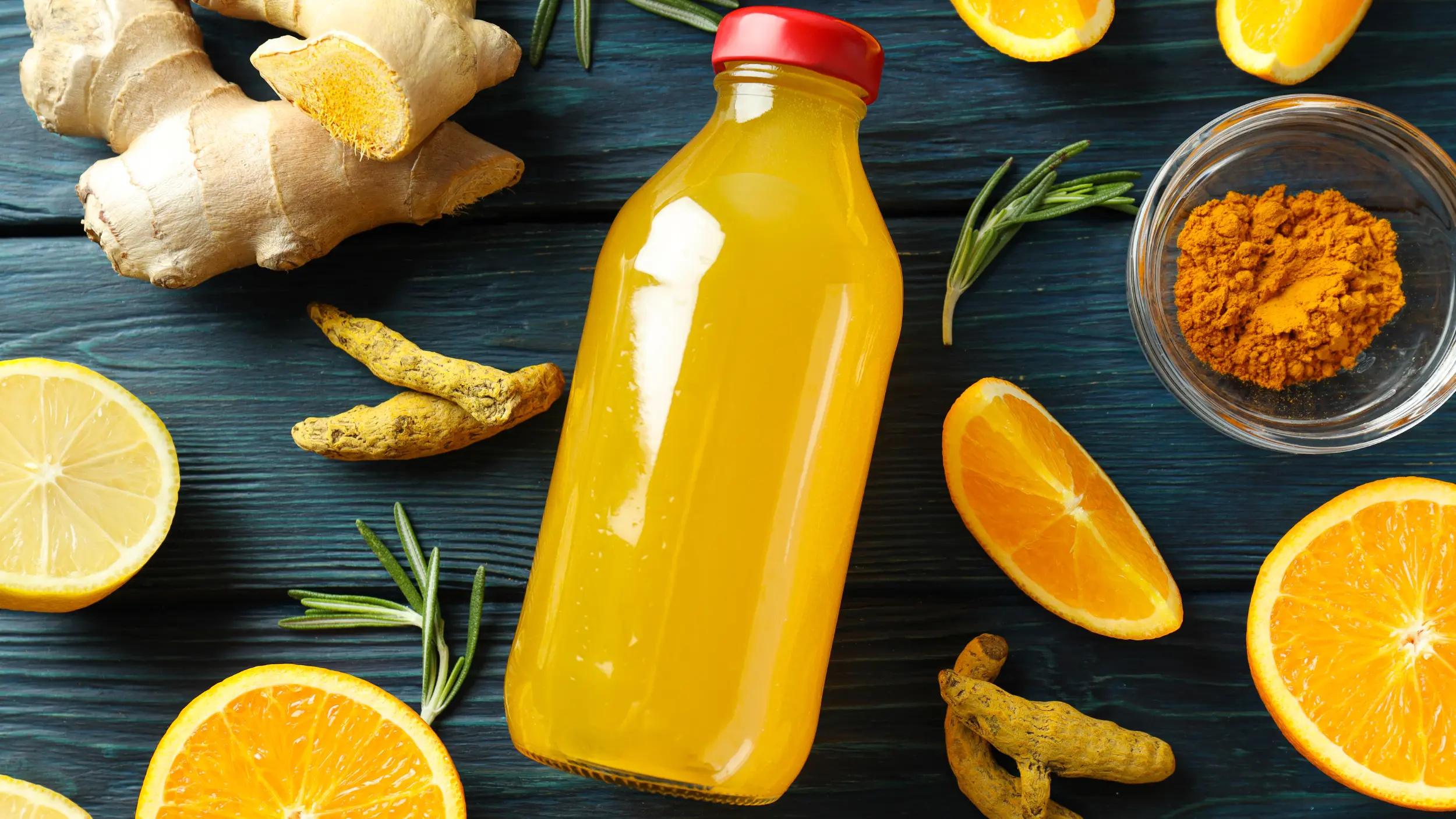
Your spice cabinet is an underutilized pharmacy. Turmeric and ginger contain bioactive compounds—curcumin and gingerol, respectively—that have been extensively studied for their ability to inhibit inflammatory pathways at the cellular level[9].
Let's put these spices to work in snack form:
- 5-Minute Golden Milk Latte: Heat 1 cup of unsweetened almond or oat milk, whisk in ½ teaspoon turmeric powder, ¼ teaspoon cinnamon, a pinch of black pepper (essential for curcumin absorption), and 1 teaspoon raw honey. This warming drink is perfect for afternoon slumps and provides concentrated anti-inflammatory compounds.
- No-Bake Ginger Energy Bites: In a food processor, combine 1 cup pitted dates, ½ cup raw cashews, 2 tablespoons almond butter, 1 tablespoon fresh grated ginger, and 1 tablespoon chia seeds. Roll into 12 balls and refrigerate. These are phenomenal pre-workout or mid-afternoon.
- Turmeric-Spiced Nuts: Toss mixed nuts with melted coconut oil, turmeric, a touch of maple syrup, and sea salt. Bake at 325°F for 12-15 minutes. The healthy fats help your body absorb the fat-soluble curcumin.
If you're dealing with autoimmune concerns, these autoimmune diet snacks can be particularly helpful. For more targeted support, check out our article on best foods for autoimmune disease management, which covers elimination strategies alongside healing protocols.
5. Omega-3 Rich Options: Smoked Salmon Rolls & Sardine Snack Packs
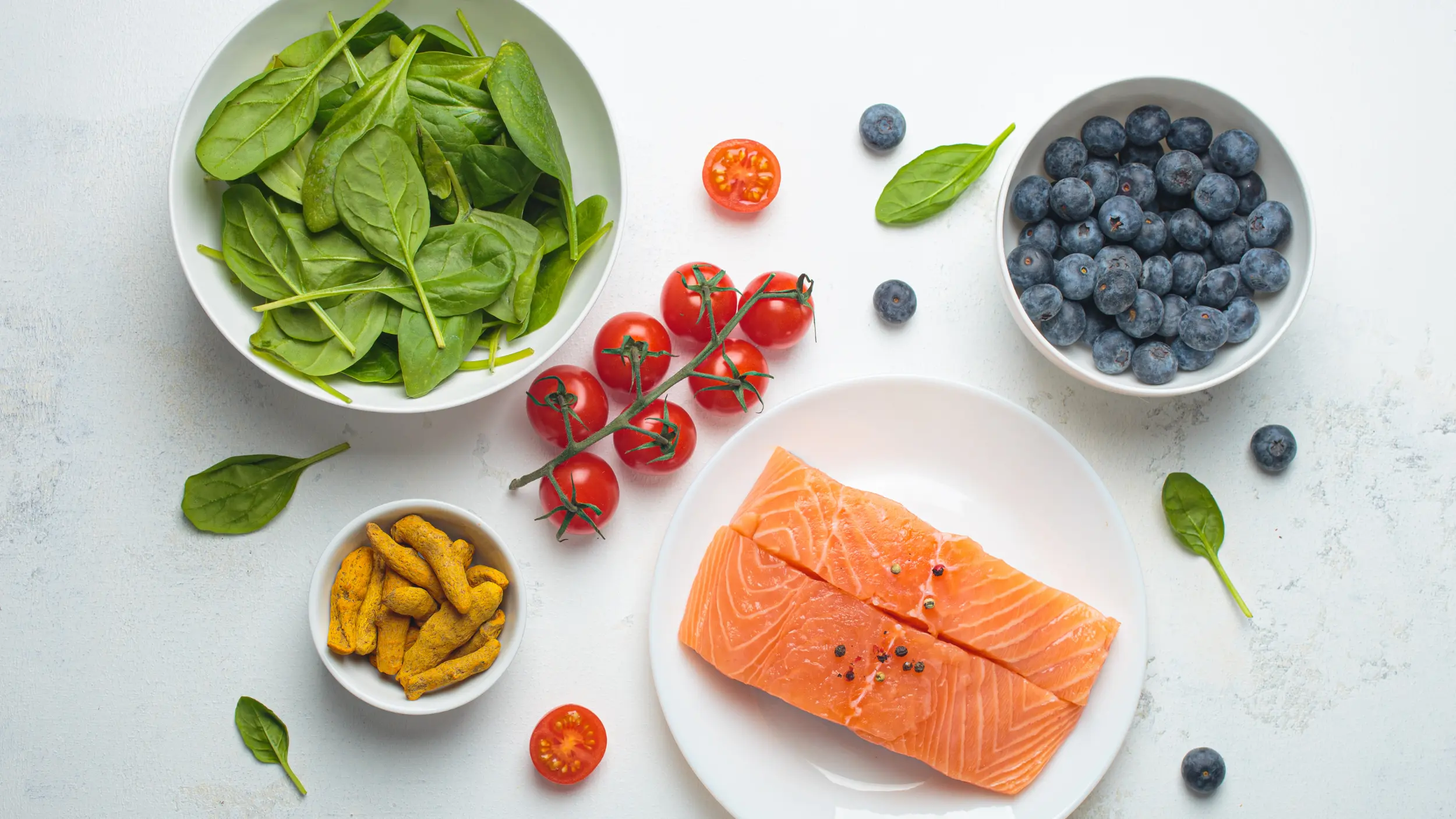
Fatty fish is one of the most potent anti-inflammatory foods available, thanks to its high concentration of EPA and DHA—omega-3 fatty acids that directly reduce pro-inflammatory cytokines[10].
Convenient ways to incorporate fish:
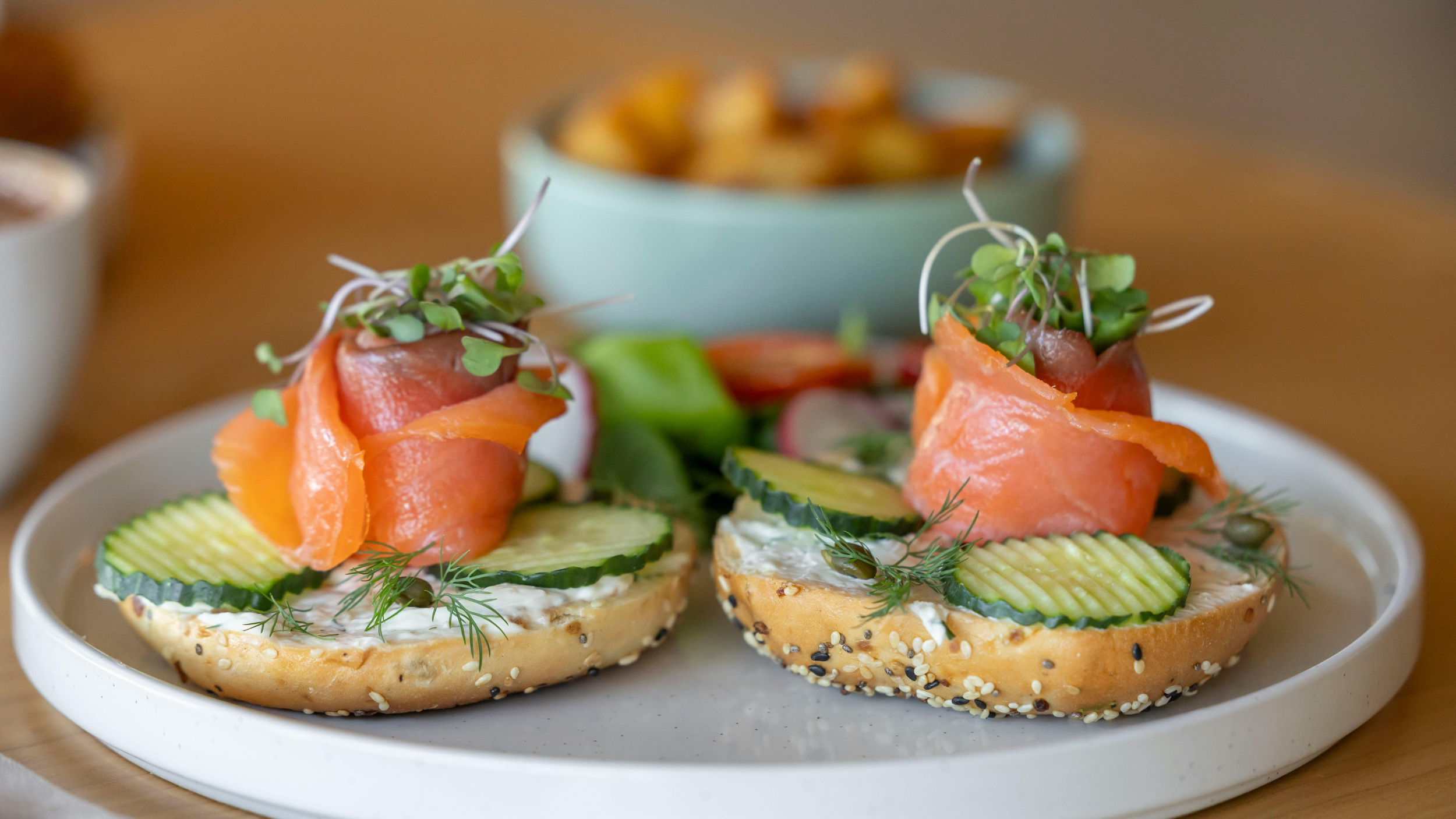
- Smoked Salmon Cucumber Rolls: Spread 1 tablespoon of dairy-free cream cheese or goat cheese on a slice of smoked wild-caught salmon, place a cucumber spear at one end, roll tightly, and secure with a toothpick. You get protein, omega-3s, and satisfying crunch.
- Sardine Snack Packs: Yes, really. Modern sardine tins come in innovative flavors (lemon, olive oil, tomato sauce). Pair with whole-grain crackers or eat straight from the tin. Sardines are also rich in vitamin D and calcium.
- Tuna Salad Lettuce Cups: Mix one can of wild-caught tuna with mashed avocado instead of mayo, add diced celery and a squeeze of lemon, and scoop into butter lettuce leaves.
I get it—fish isn't everyone's first choice for snacking. But when you're looking at what to eat to reduce inflammation from a pure efficacy standpoint, omega-3-rich seafood is unmatched.
6. Anti-Inflammatory Fruits: Apple Slices with Nut Butter & Tart Cherry Juice
Certain fruits have particularly impressive anti-inflammatory profiles beyond the berry family. Apples contain quercetin, a flavonoid that helps stabilize mast cells and reduce histamine release[11]. Tart cherries are rich in anthocyanins that have been shown to reduce muscle soreness and systemic inflammation.
Simple fruit-based snacks:
- Apple Slices with Cashew Butter: Core and slice one medium apple, pair with 2 tablespoons of cashew or almond butter, and sprinkle with cinnamon. The polyphenols in apples work synergistically with the healthy fats in nuts.
- Tart Cherry Juice Shot: Pour 2-3 ounces of pure tart cherry juice (no added sugar) as an afternoon ritual. Some clients love freezing it into ice cubes and adding to sparkling water.
- Frozen Grapes: Wash and freeze red or purple grapes. They contain resveratrol, the same anti-inflammatory compound found in red wine, but without the alcohol and added sugars.
These anti-inflammatory fruits are especially helpful if you're managing conditions like PCOS or endometriosis, where inflammation plays a central role in symptom severity.
7. Probiotic-Rich Choices: Kefir Smoothies & Fermented Vegetable Snacks
A healthy gut microbiome is your body's first line of defense against inflammation. Probiotic-rich foods introduce beneficial bacteria that strengthen your intestinal barrier and modulate immune responses[12].
Practical probiotic snacks:
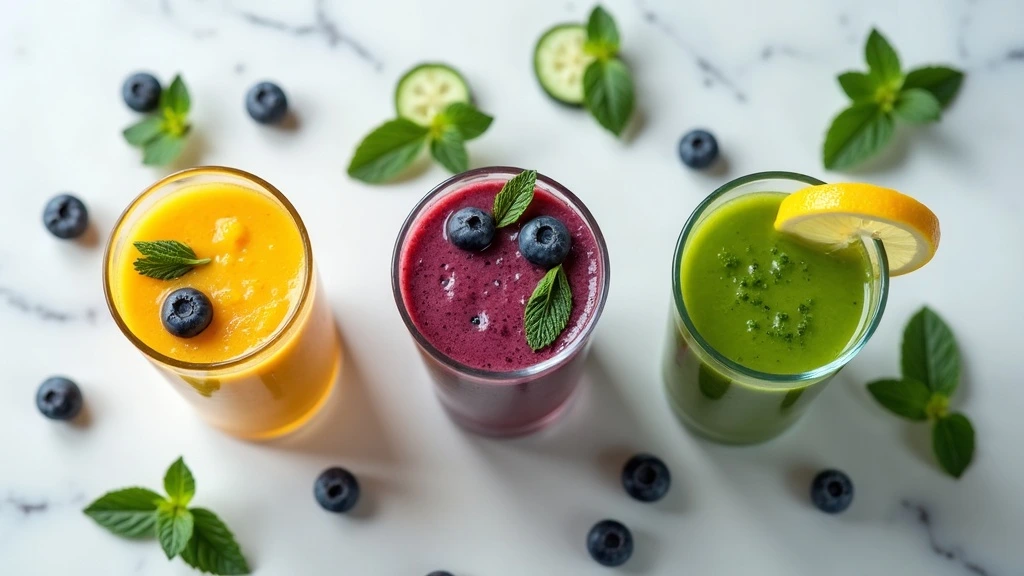
- Kefir Berry Smoothie: Blend 1 cup plain kefir with ½ cup frozen berries, 1 tablespoon ground flaxseed, and a handful of spinach. Kefir contains multiple probiotic strains and is often better tolerated than yogurt for those with lactose sensitivity.
- Fermented Vegetable Snack Pack: Portion sauerkraut, kimchi, or fermented pickles into small containers. Pair with a hard-boiled egg for a balanced, gut-supporting snack.
- Cottage Cheese with Cucumber: Choose brands with live active cultures. Top ½ cup with diced cucumber, fresh dill, and a drizzle of olive oil.
For a complete breakdown of how gut health influences whole-body inflammation, our guide to reducing inflammation through gut health offers research-backed protocols and meal timing strategies.
8. Seed-Based Snacks: Chia Pudding & Pumpkin Seed Clusters
Seeds are nutritional dynamos—packed with fiber, healthy fats, minerals, and anti-inflammatory lignans. They're also incredibly shelf-stable and portable.
Seed-powered snack ideas:
- Overnight Chia Pudding: Mix 3 tablespoons chia seeds with 1 cup unsweetened almond milk, ½ teaspoon vanilla extract, and a touch of maple syrup. Refrigerate overnight and top with fresh fruit in the morning. Each serving delivers 10+ grams of fiber.
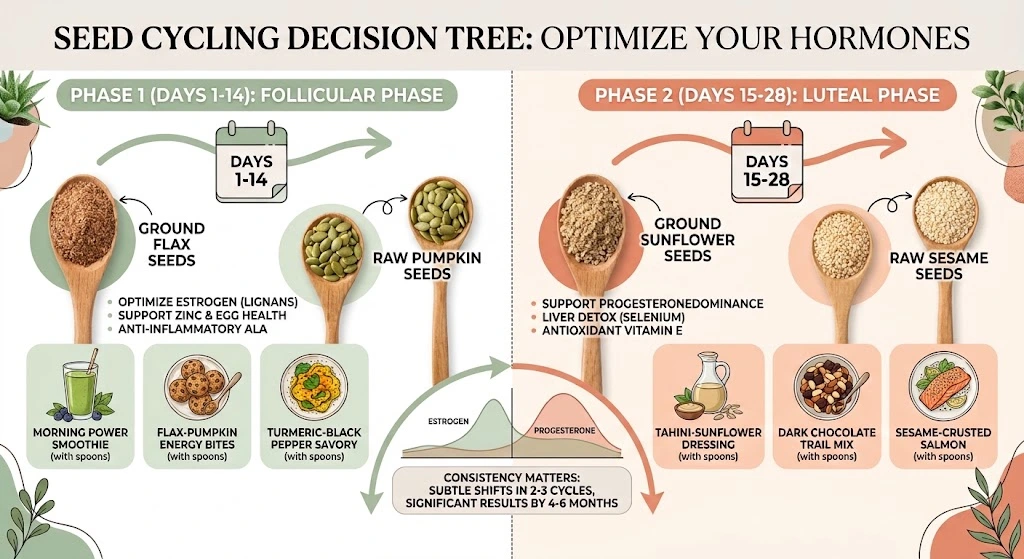
- Savory Pumpkin Seed Clusters: Toss pumpkin seeds with olive oil, nutritional yeast, garlic powder, and sea salt. Spread on a baking sheet and roast at 325°F for 15 minutes. These are addictively crunchy and rich in zinc, which supports immune regulation.
- Flax Crackers with Guacamole: Look for crackers made primarily from flaxseeds (or make your own). The omega-3 ALA content helps balance your omega-6 to omega-3 ratio, reducing inflammatory potential.
Seeds are particularly valuable for women approaching perimenopause, as their phytoestrogen content can help ease hormonal transitions while fighting inflammation.
9. Green Tea & Matcha-Based Treats
Green tea is loaded with epigallocatechin gallate (EGCG), a catechin with powerful anti-inflammatory and antioxidant properties[13]. Matcha—a concentrated powdered form of green tea—offers even higher levels.
Delicious green tea snacks:
- Iced Matcha Latte: Whisk 1 teaspoon matcha powder with 2 tablespoons hot water until smooth, add 1 cup unsweetened oat milk and ice. Sweeten lightly with honey if desired.
- Matcha Energy Balls: Blend 1 cup cashews, 1 cup pitted dates, 2 tablespoons matcha powder, and 1 tablespoon coconut oil in a food processor. Roll into balls and refrigerate.
- Cold-Brew Green Tea with Lemon: Steep green tea bags in cold water overnight in the fridge. Add fresh lemon juice before drinking to enhance catechin absorption.
Limit yourself to 1-2 servings before 2 PM to avoid sleep disruption, but these provide a sustained energy boost without the inflammatory crash of sugary coffee drinks.
10. Whole Food Bars & Convenient Packaged Options
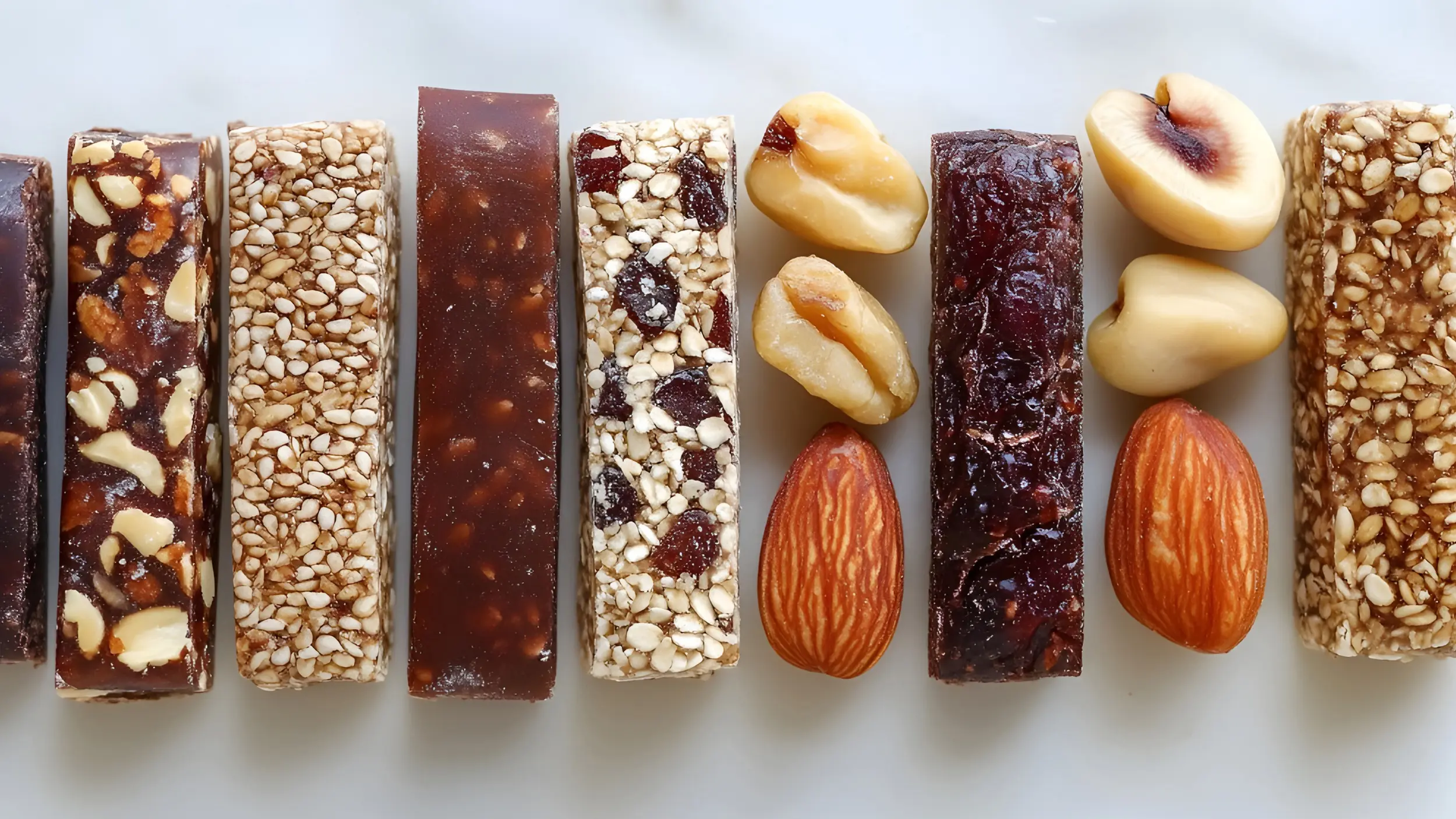
Let's be honest—sometimes you need grab-and-go options that don't require any prep. The key is choosing bars and packaged snacks with whole-food ingredients and minimal added sugars.
What to look for:
- Ingredient Count: Choose bars with 10 or fewer recognizable ingredients. Dates, nuts, seeds, and spices should dominate the list.
- Sugar Content: Aim for less than 8 grams of added sugar per serving. Natural sugars from dates or fruit are fine in moderation.
- Protein & Fiber: Target at least 3-5 grams of each to ensure the snack actually sustains you.
- Healthy Fats: Nuts, seeds, and nut butters should provide the fat content—not inflammatory vegetable oils.
Brands to consider: RXBAR, GoMacro, and Lara Bars all meet these criteria. Keep a few in your bag, car, or desk drawer for true emergency situations.
Frequently Asked Questions
Q1: What is the fastest way to reduce inflammation in the body?
While no single food is a magic bullet, consistently incorporating antioxidant-rich foods like berries, leafy greens, and fatty fish—while simultaneously reducing processed foods, refined sugars, and excessive omega-6 vegetable oils—is the most effective dietary strategy. Hydration, stress management, and quality sleep amplify these effects significantly.
Q2: Can anti-inflammatory snacks help with joint pain?
Absolutely. Many of my clients experience measurable relief from joint pain by adopting an anti-inflammatory diet. Foods rich in omega-3 fatty acids (like walnuts, salmon, and chia seeds) are particularly beneficial for reducing the inflammatory compounds that contribute to joint discomfort and stiffness[14].
Q3: How long does it take to feel the benefits of an anti-inflammatory diet?
This varies by individual, but here's what I typically see: some women notice improvements in energy levels and reduced bloating within 5-7 days. More significant changes—like reduced joint pain, clearer skin, or improved menstrual symptoms—usually require 3-6 weeks of consistent effort as your body recalibrates its inflammatory baseline.
Q4: Are there any anti-inflammatory snacks I should avoid if I have autoimmune disease?
If you're managing an autoimmune condition, you may benefit from temporarily eliminating common trigger foods like gluten, dairy, nightshades (tomatoes, peppers, eggplant), and certain nuts while you heal. Focus on AIP-compliant snacks like coconut yogurt with berries, sliced vegetables with guacamole, or homemade bone broth-based soups. Working with a specialized dietitian can help you navigate this process effectively.
Q5: Can I eat anti-inflammatory snacks if I'm trying to lose weight?
Definitely. In fact, reducing inflammation often makes weight loss easier because chronic inflammation disrupts hunger hormones and insulin sensitivity[15]. Focus on portion-appropriate servings—like ¼ cup nuts instead of handfuls, or one energy bite instead of four—and pair snacks with protein to maximize satiety.
Ready to Take Control of Your Health?
Here's what I want you to remember: inflammation isn't something that just happens to you. It's intimately connected to what you eat, how you move, and how you manage stress. These 10 anti-inflammatory snacks give you practical, delicious tools to take back control.
Start with just two or three that genuinely appeal to you. Prep them this weekend. Notice how you feel after a week of consistent anti-inflammatory snacking. Pay attention to your energy, your digestion, your skin, your mood.
Feeling overwhelmed by conflicting nutrition information or unsure which anti-inflammatory recipes will work best for your unique body? You don't have to figure it all out alone. A registered dietitian can help you create a personalized, simple, and genuinely enjoyable eating plan that addresses your specific inflammation triggers and health goals.
Book a consultation today to get started with a customized anti-inflammatory approach designed for your real life—not some idealized version of it.
References
[1] Christ A, Lauterbach M, Latz E. Western Diet and the Immune System: An Inflammatory Connection. Cell, 2019.
[2] Furman D, et al. Chronic Inflammation in the Etiology of Disease Across the Life Span. Nature Medicine, 2019.
[3] Hills RD Jr, et al. Gut Microbiome: Profound Implications for Diet and Disease. Nutrients, 2019.
[4] Joseph SV, et al. Berries: Anti-inflammatory Effects in Humans. Journal of Agricultural and Food Chemistry, 2014.
[5] Katz DL, et al. Cocoa and Chocolate in Human Health and Disease. Antioxidants & Redox Signaling, 2011.
[6] Calder PC. Omega-3 Fatty Acids and Inflammatory Processes. Nutrients, 2020.
[7] Ros E. Nuts and Novel Biomarkers of Cardiovascular Disease. American Journal of Clinical Nutrition, 2009.
[8] Sonnenburg ED, Sonnenburg JL. Starving Our Microbial Self: The Deleterious Consequences of a Diet Deficient in Microbiota-Accessible Carbohydrates. Cell Metabolism, 2014.
[9] Hewlings SJ, Kalman DS. Curcumin: A Review of Its Effects on Human Health. Foods, 2017.
[10] Calder PC. Marine Omega-3 Fatty Acids and Inflammatory Processes: Effects, Mechanisms and Clinical Relevance. Biochimica et Biophysica Acta, 2015.
[11] Mlcek J, et al. Quercetin and Its Anti-Allergic Immune Response. Molecules, 2016.
[12] Marco ML, et al. Health Benefits of Fermented Foods: Microbiota and Beyond. Nature Reviews Gastroenterology & Hepatology, 2017.
[13] Ohishi T, et al. Anti-inflammatory Action of Green Tea. Molecules, 2016.
[14] Proudman SM, et al. Fish Oil in Recent Onset Rheumatoid Arthritis: A Randomized, Double-Blind Controlled Trial. Annals of the Rheumatic Diseases, 2015.
[15] Ellulu MS, et al. Obesity and Inflammation: The Linking Mechanism and the Complications. Archives of Medical Science, 2017.
.svg)
.svg)


.jpg)
.jpg)





.webp)
























.webp)
.webp)
.webp)
.webp)
.webp)
.webp)
.webp)
.png)
.webp)
.webp)
.webp)
.png)
.webp)
.webp)
.webp)
.webp)
.webp)
.webp)
.webp)
.webp)
.webp)


.webp)
.png)