.webp)
.webp)
%2B(7).webp)
.png)
At a Glance
Chronic fatigue doesn't have to control your life—strategic nutrition can become your most powerful tool for rebuilding sustained energy. This evidence-based guide reveals exactly which foods support mitochondrial function, which nutrients your exhausted body is likely missing, and how to structure meals that stabilize blood sugar without restriction. You'll walk away with a practical framework designed specifically for women navigating persistent exhaustion.
Understanding the Link Between Food and Fatigue
Here's what most people don't realize: chronic fatigue isn't just about needing more sleep. Your cells are literally struggling to produce adequate ATP (adenosine triphosphate), the molecular currency your body uses for energy [1]. When your mitochondria—those tiny powerhouses inside every cell—aren't getting the raw materials they need, everything from brain fog to muscle weakness intensifies.
The connection between nutrition and chronic fatigue operates on multiple levels. First, micronutrient deficiencies directly impair energy metabolism [2]. Iron deficiency alone affects oxygen transport and cellular respiration, while inadequate B vitamins disrupt the citric acid cycle that generates ATP [3]. Second, inflammatory foods trigger cytokine release that exacerbates fatigue symptoms [4]. Third, blood sugar instability from poor meal composition creates the exhausting rollercoaster of energy spikes and crashes.
What makes this particularly relevant for women? Menstrual cycles increase iron losses, hormonal fluctuations affect nutrient absorption, and many women enter this age range already depleted from years of restrictive dieting [5]. Understanding how hormone balance intersects with nutrition becomes essential when addressing the root causes of persistent fatigue.
Your gut health also plays a starring role. Approximately 70% of your immune system resides in your digestive tract, and emerging research shows that gut dysbiosis significantly correlates with chronic fatigue syndrome severity [6]. When your microbiome is out of balance, nutrient absorption suffers, inflammation increases, and your body's ability to generate energy tanks.
Building Your Energy-Boosting Diet
Let's get specific about what actually works. Your chronic fatigue diet plan needs to prioritize three non-negotiables:
Stabilizing blood sugar throughout the day
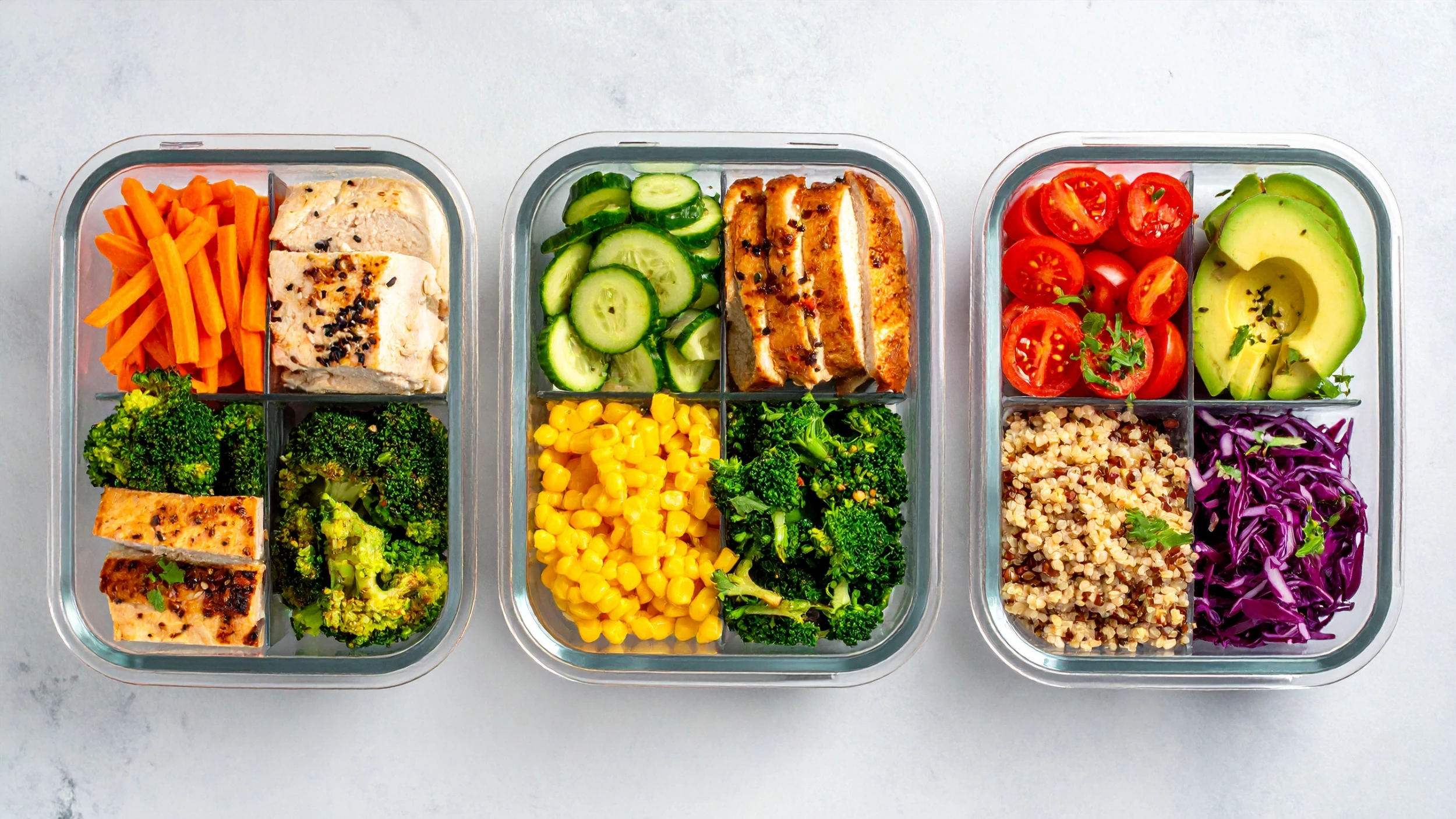
Every single meal should contain a balance of protein, fat, and fiber-rich carbohydrates. This trifecta slows glucose absorption and prevents the insulin spikes that leave you crashed on the couch by 2 PM [7]. Aim for 20-30 grams of protein at breakfast—this isn't optional when you're rebuilding energy systems.
- Start your morning with eggs, Greek yogurt, or a protein smoothie containing hemp seeds and nut butter
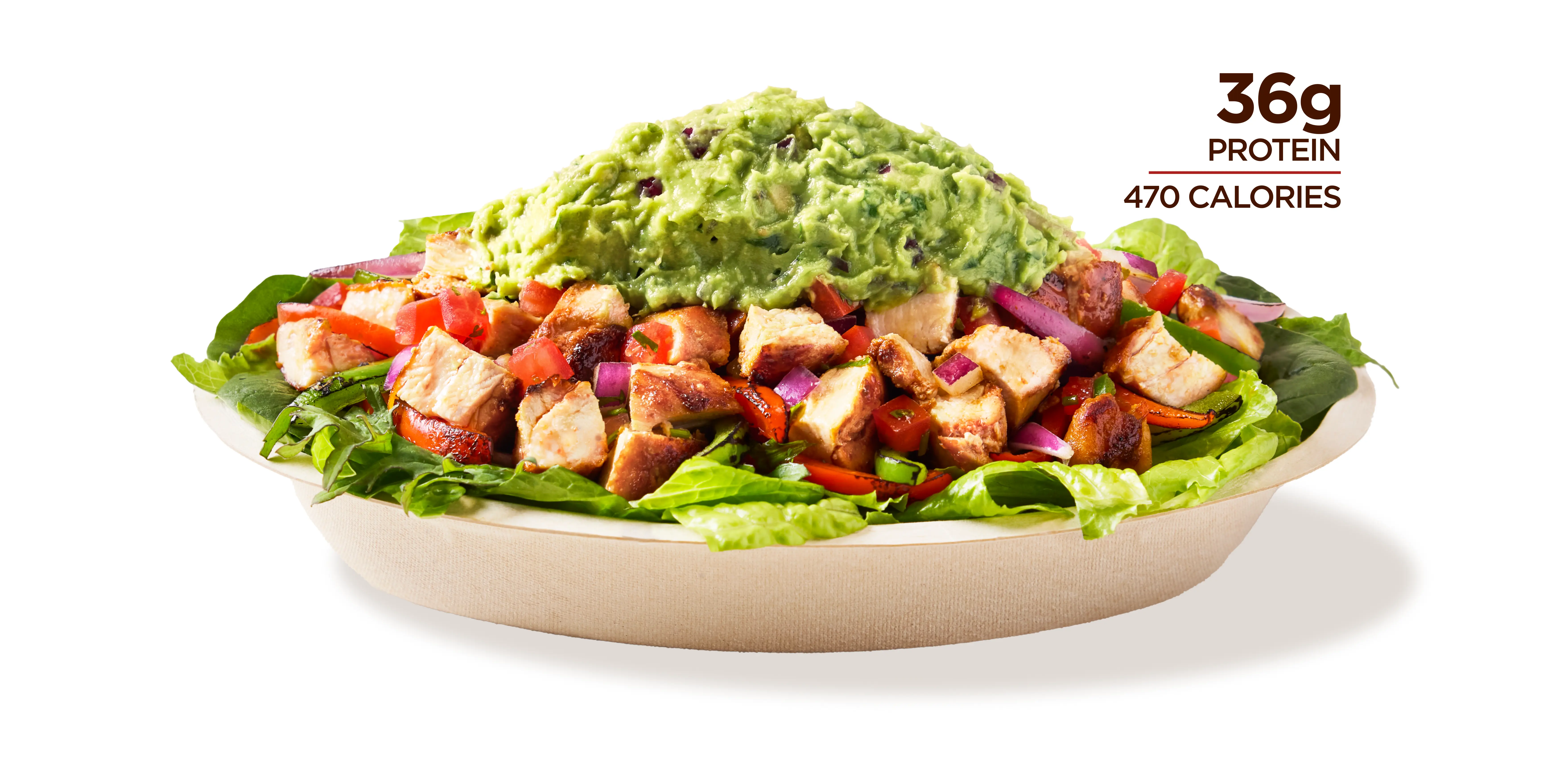
- Include healthy fats like avocado, olive oil, or fatty fish at lunch to sustain afternoon energy
- Build dinner around a palm-sized portion of quality protein with roasted vegetables and quinoa or sweet potato
Hydration deserves its own spotlight. Even mild dehydration (as little as 1-2% fluid loss) impairs cognitive performance and amplifies feelings of fatigue [8]. But here's the thing—chugging plain water all day isn't always the answer, especially if you're dealing with adrenal stress or electrolyte imbalances. Add a pinch of sea salt and fresh lemon to your water, or opt for coconut water and herbal teas throughout the day.
The micronutrients that matter most for energy production include:
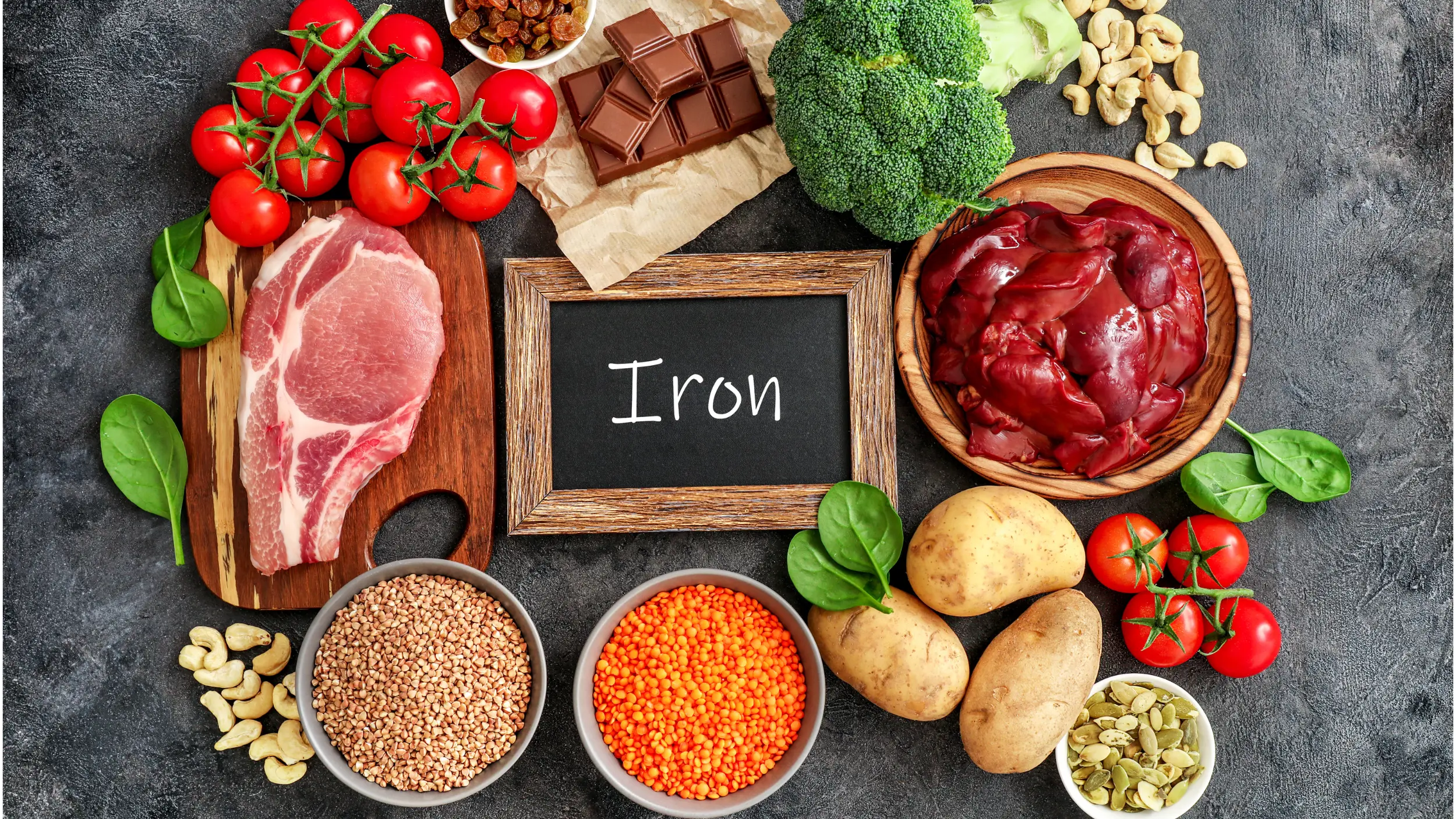
- Iron - Essential for hemoglobin production and oxygen delivery to tissues (women need 18mg daily pre-menopause)
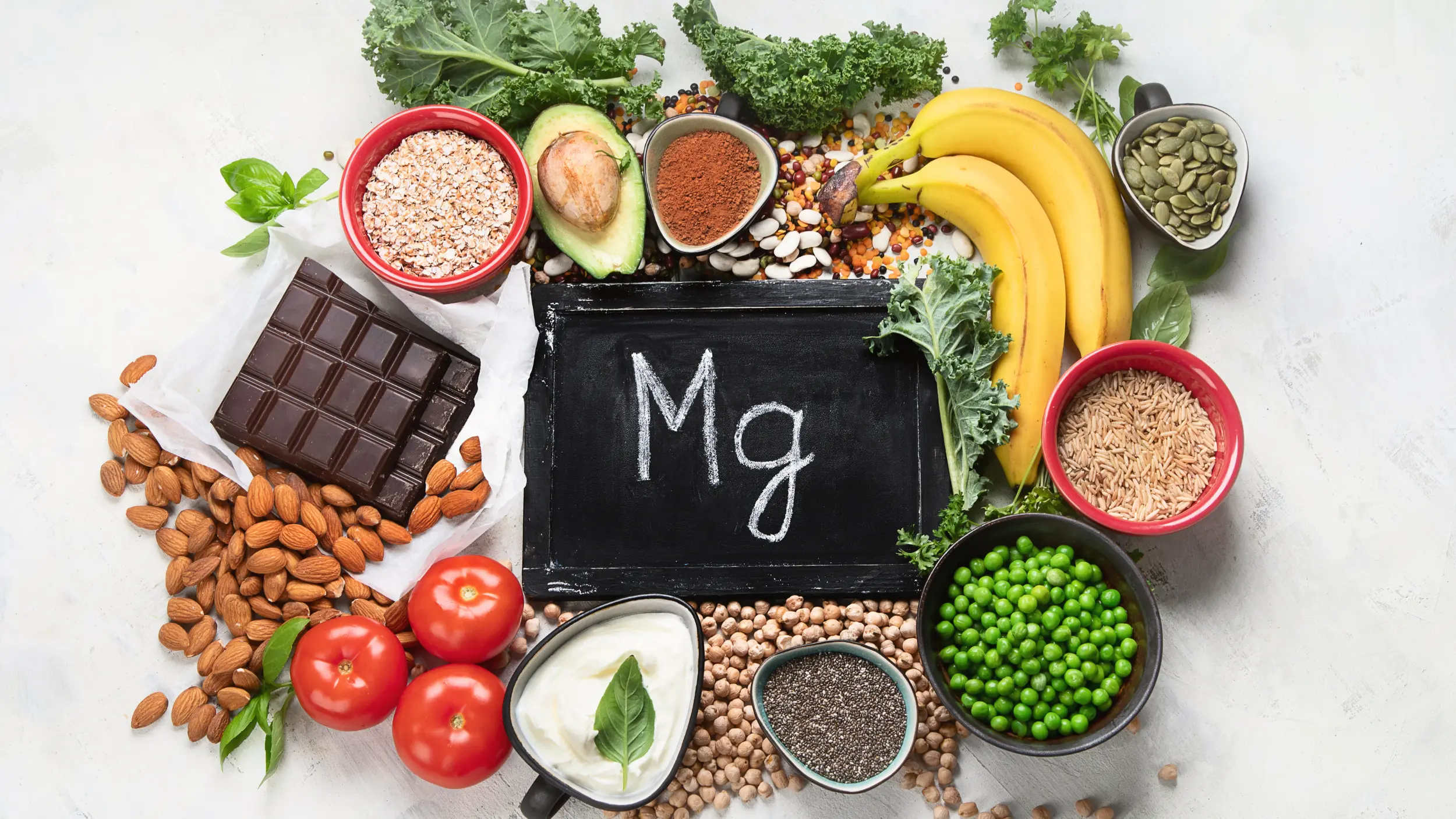
- Magnesium - Required for over 300 enzymatic reactions including ATP synthesis (aim for 320mg daily)
- B-complex vitamins - Particularly B12, folate, and B6 which directly support cellular energy pathways
- Coenzyme Q10 - Critical for mitochondrial function and often depleted in chronic fatigue patients
- Omega-3 fatty acids - Reduce inflammation and support cell membrane integrity
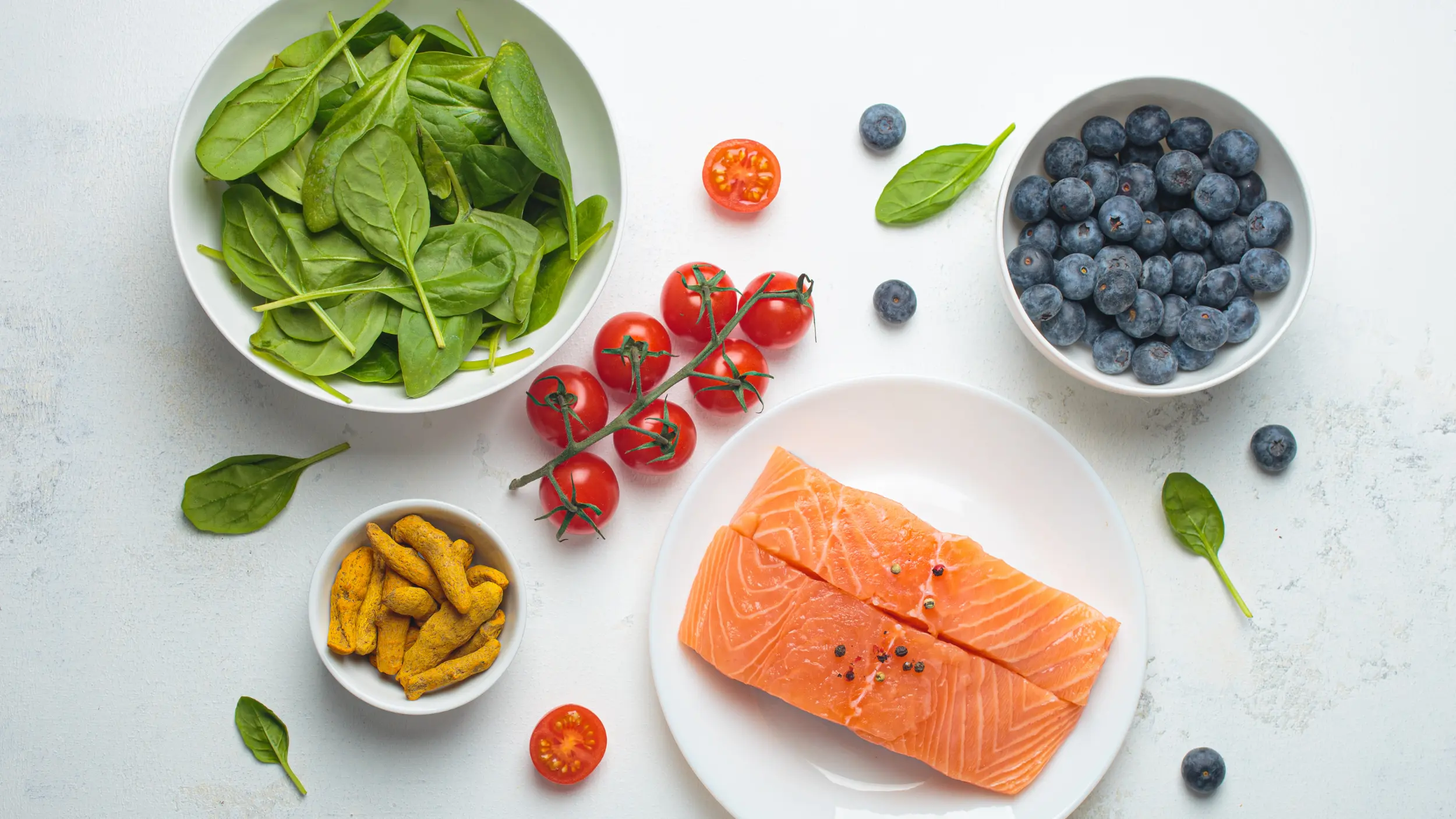
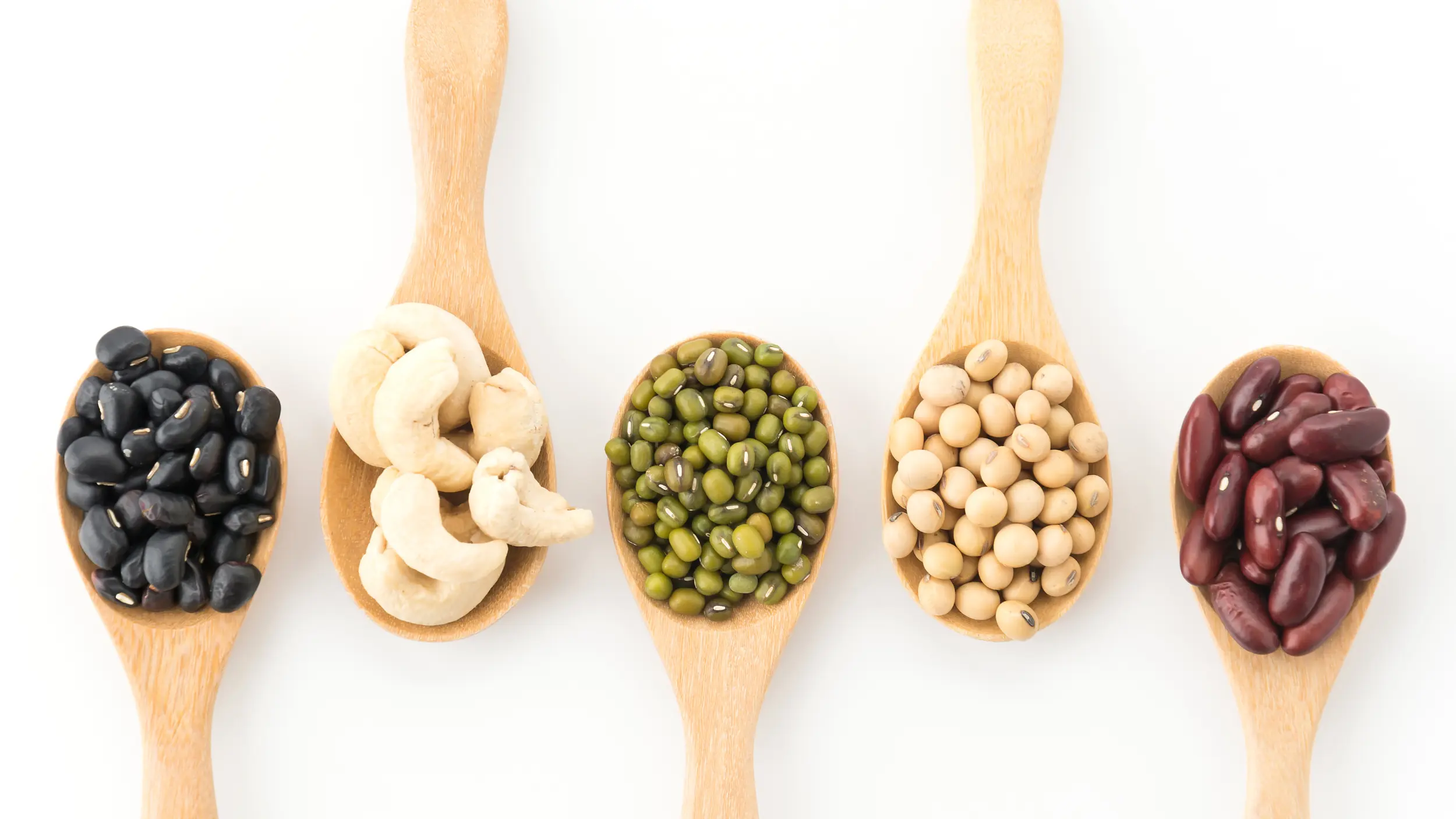
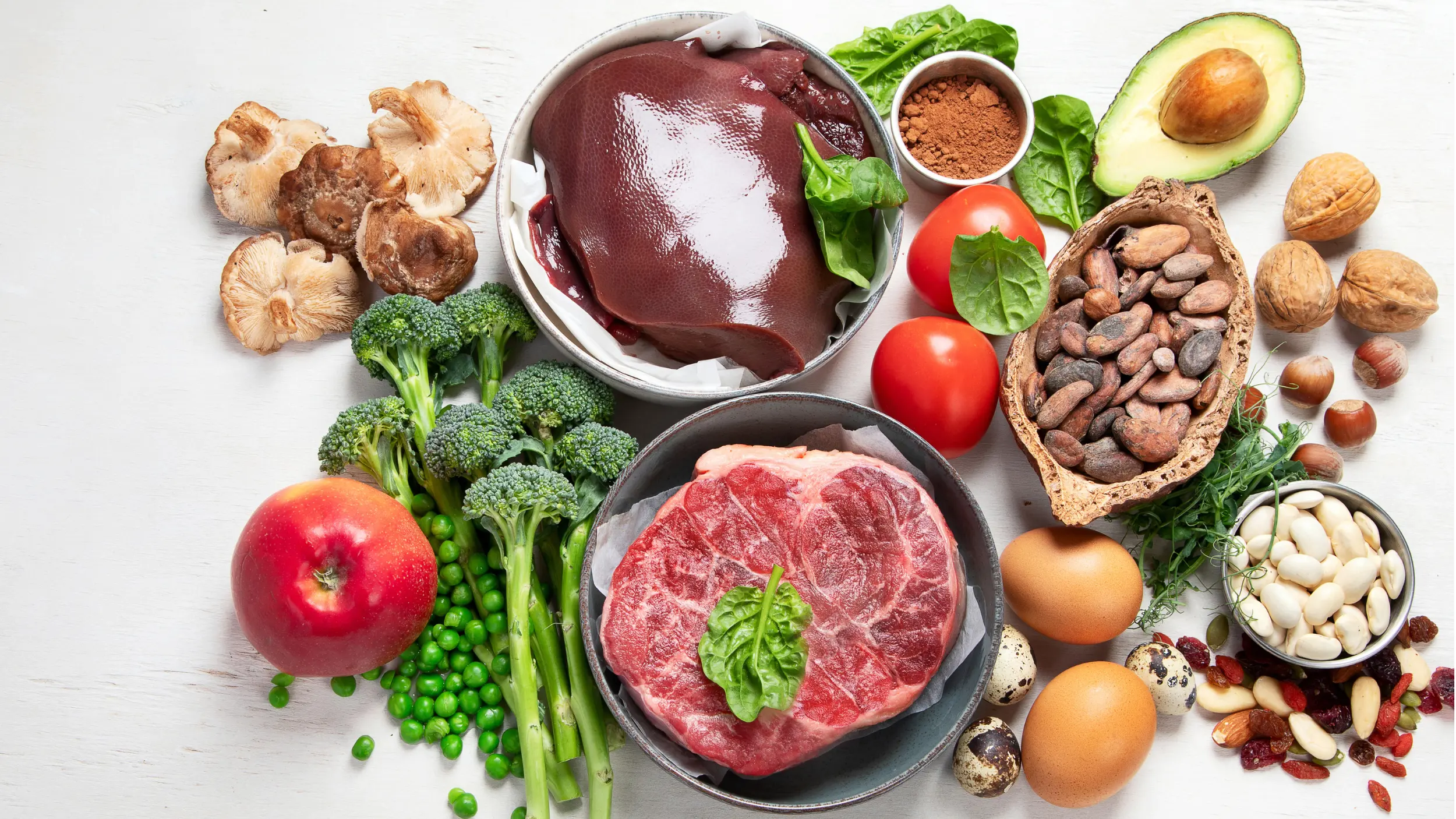
You can obtain these through food first: dark leafy greens, grass-fed beef, wild-caught salmon, pumpkin seeds, legumes, and nutritional yeast become your daily staples. Strategic supplementation may be necessary based on lab work—this is where working with a registered dietitian who understands chronic fatigue nutrition makes all the difference.
Timing matters almost as much as content. Eating every 3-4 hours maintains steady blood glucose and prevents the cortisol surge that happens when your body perceives starvation [14]. This doesn't mean constant snacking on crackers and fruit—it means structured, balanced mini-meals or substantial snacks that contain all three macronutrients.
Foods to Embrace and Foods to Reconsider
Fatty fish like wild salmon, sardines, and mackerel deliver omega-3s that calm systemic inflammation while providing high-quality protein. Research shows that omega-3 supplementation significantly reduces fatigue severity in chronic fatigue syndrome patients [15].
Leafy greens and cruciferous vegetables aren't just trendy—they're packed with folate, magnesium, and phytonutrients that support detoxification pathways. Your liver works overtime when you're chronically fatigued, processing inflammatory compounds and hormonal metabolites. Kale, spinach, broccoli, and Brussels sprouts give your body the tools it needs.
Complex carbohydrates like quinoa, oats, sweet potatoes, and brown rice provide sustained glucose release without the crash. They're also rich in B vitamins that your energy metabolism depends on [16]. Despite what diet culture might tell you, carbs aren't your enemy when you're exhausted—refined carbs and sugar are.
Bone broth and collagen-rich foods supply amino acids like glycine and proline that support gut healing and reduce inflammation [17]. Given the gut-fatigue connection we discussed earlier, this becomes particularly strategic.
Adaptogenic foods and herbs deserve a mention here. While not strictly "foods," incorporating ashwagandha, rhodiola, and medicinal mushrooms can support your HPA axis and improve stress resilience [18].
Consider reducing these foods:
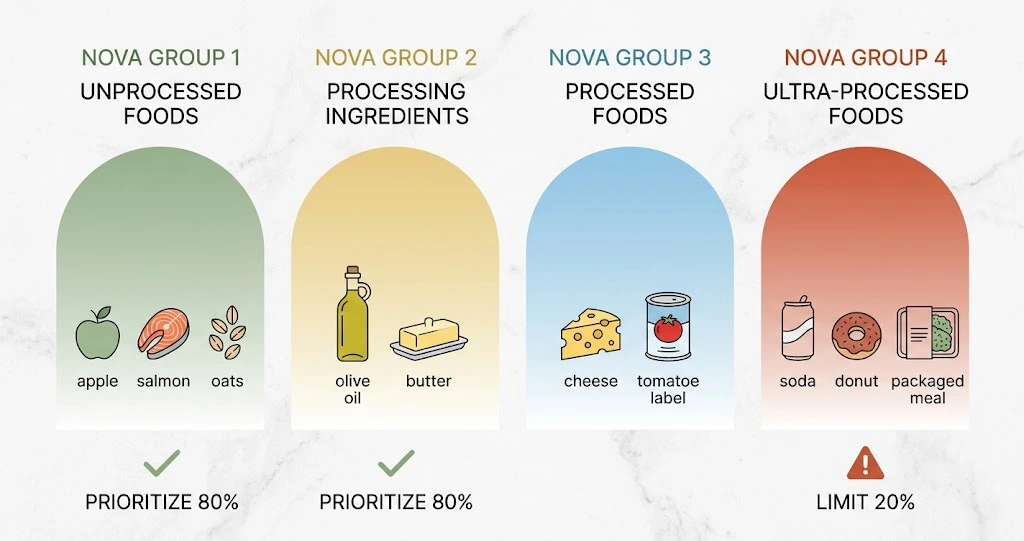
- Refined sugar and high-fructose corn syrup create blood sugar chaos and feed inflammatory gut bacteria
- Processed seed oils (canola, soybean, corn oil) are high in omega-6 fatty acids that promote inflammation
- Alcohol disrupts sleep architecture and impairs mitochondrial function—even moderate consumption affects energy levels
- Gluten and dairy for some individuals (not everyone, but food sensitivity testing can identify personal triggers)
- Excessive caffeine that masks fatigue rather than addressing it, ultimately depleting your adrenals further
Here's the nuance that matters: I'm not suggesting you eliminate entire food groups. What I am suggesting is a strategic elimination period (2-4 weeks) of the most common inflammatory triggers while you load up on nutrient-dense foods. Many of my clients discover that certain foods they ate daily were significantly contributing to their exhaustion.
The goal isn't perfection or restriction—it's awareness and optimization. You're gathering data about your unique body and what genuinely supports your energy versus what depletes it. This investigation becomes infinitely easier when you're working with someone who understands the biochemistry of chronic fatigue and can interpret your symptoms alongside your food choices.
Frequently Asked Questions
Q: What are the most important nutrients for managing chronic fatigue?
A: The heavy hitters include B vitamins (especially B12 and folate), iron, magnesium, coenzyme Q10, and omega-3 fatty acids [22]. These nutrients directly support mitochondrial function, oxygen transport, and cellular energy production. That said, the most important nutrients for you specifically depend on your individual deficiencies, which is why lab testing alongside dietary assessment provides the clearest roadmap forward.
Q: Can a specific diet plan cure chronic fatigue?
A: I'll be honest with you—nutrition alone typically won't "cure" chronic fatigue, especially if you're dealing with chronic fatigue syndrome or underlying conditions like autoimmune disease or thyroid dysfunction. However, a personalized nutrition plan can dramatically reduce symptom severity, improve daily functioning, and address nutritional deficiencies that exacerbate exhaustion [23]. Think of nutrition as a foundational pillar that makes every other intervention (sleep hygiene, stress management, appropriate exercise) more effective.
Q: How quickly can I expect to see results from dietary changes?
A: Most women notice initial improvements within 2-4 weeks of consistent dietary modifications—things like reduced afternoon crashes, improved mental clarity, and better sleep quality [24]. More substantial energy restoration typically unfolds over 2-3 months as nutrient stores replenish and inflammation decreases. The timeline varies based on how depleted you are initially, how consistently you implement changes, and whether you're addressing other contributing factors simultaneously. Early wins matter though—they build momentum and prove that your body is capable of healing.
Ready to stop guessing and start implementing a nutrition strategy designed specifically for your chronic fatigue? You don't have to figure this out alone. A personalized approach that considers your labs, symptoms, lifestyle, and food preferences makes all the difference between spinning your wheels and actually reclaiming your energy.
Book your dietitian consultation today and let's build your customized chronic fatigue nutrition plan.
References
[1] Myhill S, et al. Chronic fatigue syndrome and mitochondrial dysfunction. Int J Clin Exp Med. 2009.
[2] Maric D, et al. Micronutrient deficiencies and fatigue in women. Nutrients. 2020.
[3] Kennedy DO. B Vitamins and the Brain: Mechanisms, Dose and Efficacy. Nutrients. 2016.
[4] Morris G, Maes M. Oxidative and Nitrosative Stress and Immune-Inflammatory Pathways in Chronic Fatigue Syndrome. Curr Neuropharmacol. 2014.
[5] Beard JL, Tobin B. Iron status and exercise. Am J Clin Nutr. 2000.
[6] Giloteaux L, et al. Reduced diversity and altered composition of the gut microbiome in individuals with myalgic encephalomyelitis/chronic fatigue syndrome. Microbiome. 2016.
[7] Wylie-Rosett J, et al. Impact of glycemic index on energy balance. J Am Coll Nutr. 2013.
[8] Popkin BM, et al. Water, hydration, and health. Nutr Rev. 2010.
[9] Institute of Medicine. Dietary Reference Intakes for Vitamin A, Vitamin K, Arsenic, Boron, Chromium, Copper, Iodine, Iron, Manganese, Molybdenum, Nickel, Silicon, Vanadium, and Zinc. 2001.
[10] Workinger JL, et al. Challenges in the Diagnosis of Magnesium Status. Nutrients. 2018.
[11] Tardy AL, et al. Vitamins and Minerals for Energy, Fatigue and Cognition. Nutrients. 2020.
[12] Cordero MD, et al. Coenzyme Q10 distribution in blood is altered in patients with fibromyalgia. Clin Biochem. 2009.
[13] Bjørklund G, et al. Omega-3 fatty acids and fatigue. J Nutr Intermed Metab. 2016.
[14] Anderson OS. The role of cortisol in energy balance. Endocr Rev. 2017.
[15] Behan PO, et al. Effect of high doses of essential fatty acids on the postviral fatigue syndrome. Acta Neurol Scand. 1990.
[16] Depeint F, et al. Mitochondrial function and toxicity: role of B vitamins. Chem Biol Interact. 2006.
[17] Samonina G, et al. Protection of gastric mucosal integrity by gelatin and simple proline-containing peptides. Pathophysiology. 2000.
[18] Panossian A, Wikman G. Effects of Adaptogens on the Central Nervous System. Pharmaceuticals. 2010.
[19] Simopoulos AP. The importance of the ratio of omega-6/omega-3 essential fatty acids. Biomed Pharmacother. 2002.
[20] Thakkar MM, et al. Alcohol disrupts sleep homeostasis. Alcohol. 2015.
[21] Richards G, Smith A. Caffeine consumption and self-assessed stress, anxiety, and depression in secondary school children. J Psychopharmacol. 2015.
[22] Bjørklund G, et al. Chronic fatigue syndrome: Suggestions for a nutritional treatment. Biomed Pharmacother. 2019.
[23] Castro-Marrero J, et al. Effect of dietary coenzyme Q10 plus NADH supplementation on fatigue perception and health-related quality of life in individuals with myalgic encephalomyelitis/chronic fatigue syndrome. Nutrients. 2021.
[24] Bested AC, Logan AC. Hope and Help for Chronic Fatigue Syndrome and Fibromyalgia. Cumberland House. 2008.
.svg)
.svg)





.jpg)
.jpg)






















.webp)































.webp)
.webp)
.webp)
.webp)
.webp)
.webp)
.webp)
.png)
.webp)
.webp)

.webp)
.png)
.webp)
.webp)
.webp)
.webp)
.webp)
.webp)
.webp)
.webp)



.webp)
.png)