.webp)
.webp)
%2B(7).webp)
.png)
At a Glance
If you've noticed your libido isn't what it used to be, you're not alone—and your diet might hold more answers than you think. Strategic nutrition can support the hormonal balance, blood flow, and energy levels that directly influence sexual desire. This guide breaks down the specific foods and nutrients that can help you feel more like yourself again.
Understanding the Food-Libido Connection
Your sexual desire doesn't exist in a vacuum. It's intimately connected to your hormonal health, stress levels, inflammation, and even your gut microbiome [1]. When we talk about low libido nutrition, we're really talking about nourishing the biological systems that make you feel energized, balanced, and present in your body.
Here's what happens on a physiological level:
Testosterone (yes, women need it too) plays a significant role in sexual desire, and certain nutrients directly support its production [2]. Meanwhile, chronic inflammation and oxidative stress can suppress libido by disrupting endocrine function and reducing nitric oxide availability—a compound essential for healthy blood flow [3].
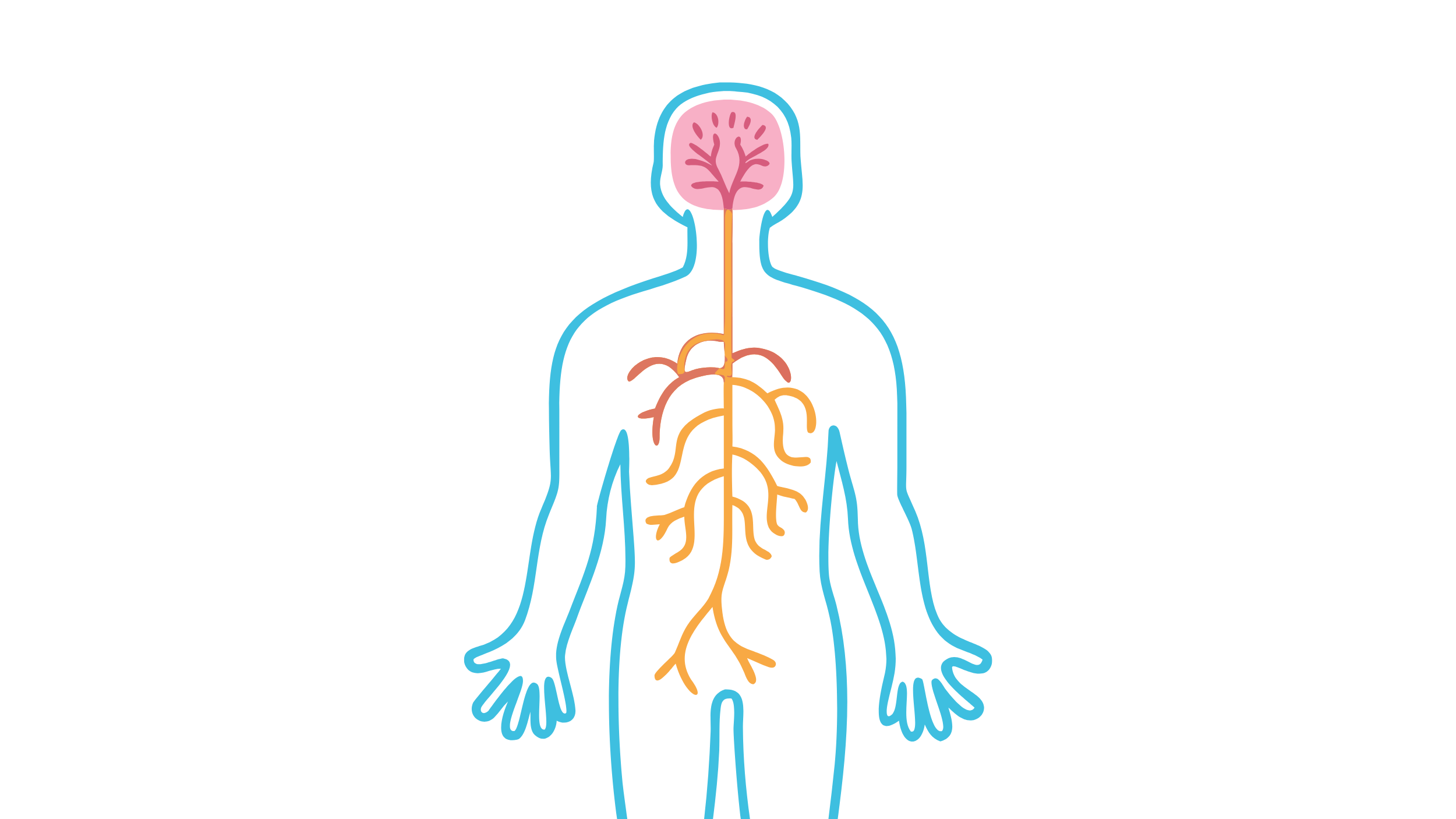
Your gut health also factors in heavily. An imbalanced microbiome can interfere with hormone metabolism and neurotransmitter production, including serotonin and dopamine, which influence mood and desire [4]. If you're dealing with digestive issues alongside low libido, addressing your gut health and microbiome might be a powerful first step.
The bottom line? What you eat influences everything from your sex hormone levels to your energy and mood—all critical players in sexual wellness.
Top Foods and Nutrients to Boost Your Libido
Let's get specific about what foods that increase libido actually look like on your plate. These aren't exotic superfoods you need to hunt down—they're accessible, delicious options backed by solid research.
Zinc-Rich Foods
Zinc is non-negotiable for testosterone production and reproductive health [5]. Low zinc status has been directly linked to reduced libido in women, particularly during perimenopause and postpartum periods.
- Oysters
- Pumpkin seeds
- Grass-fed beef
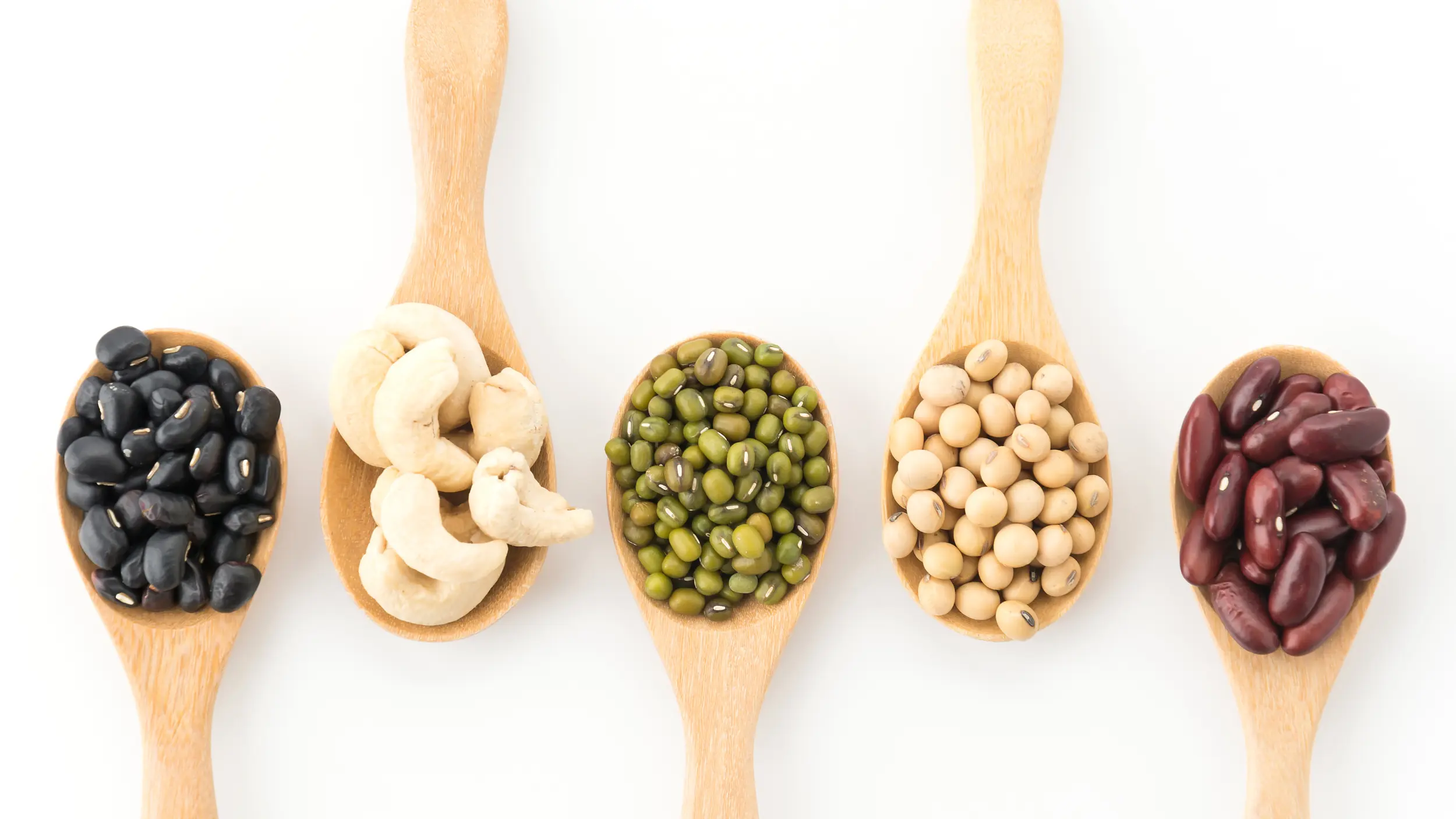
- Chickpeas and lentils
- Cashews
Aim for 8-11 mg of zinc daily through food sources. If you're plant-based, pairing zinc-rich foods with vitamin C can enhance absorption.
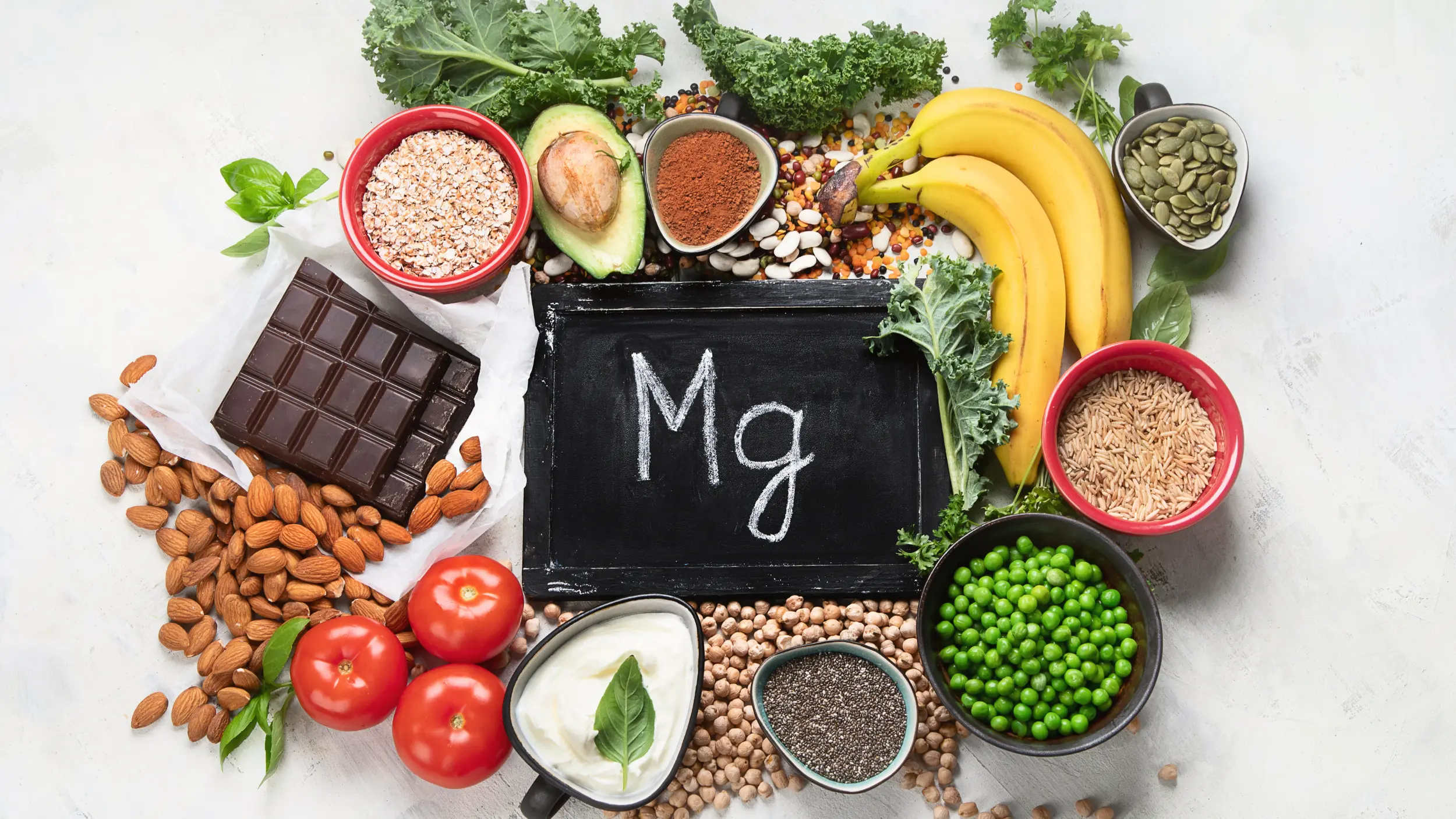
Magnesium-Packed Choices
Magnesium supports over 300 enzymatic reactions in your body, including those involved in sex hormone synthesis and stress regulation [6]. It also promotes healthy blood flow by supporting nitric oxide production.
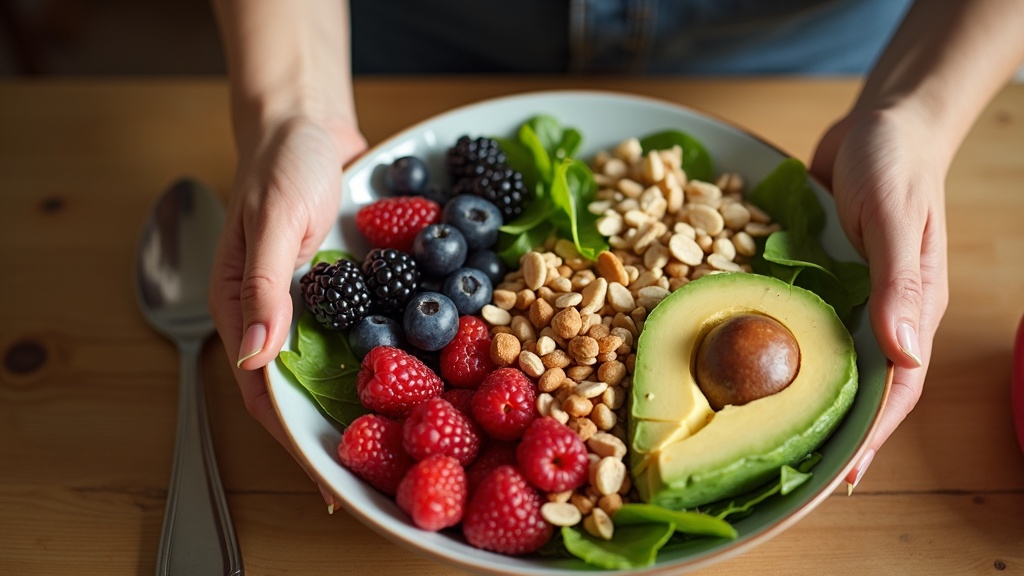
- Dark leafy greens like spinach and Swiss chard
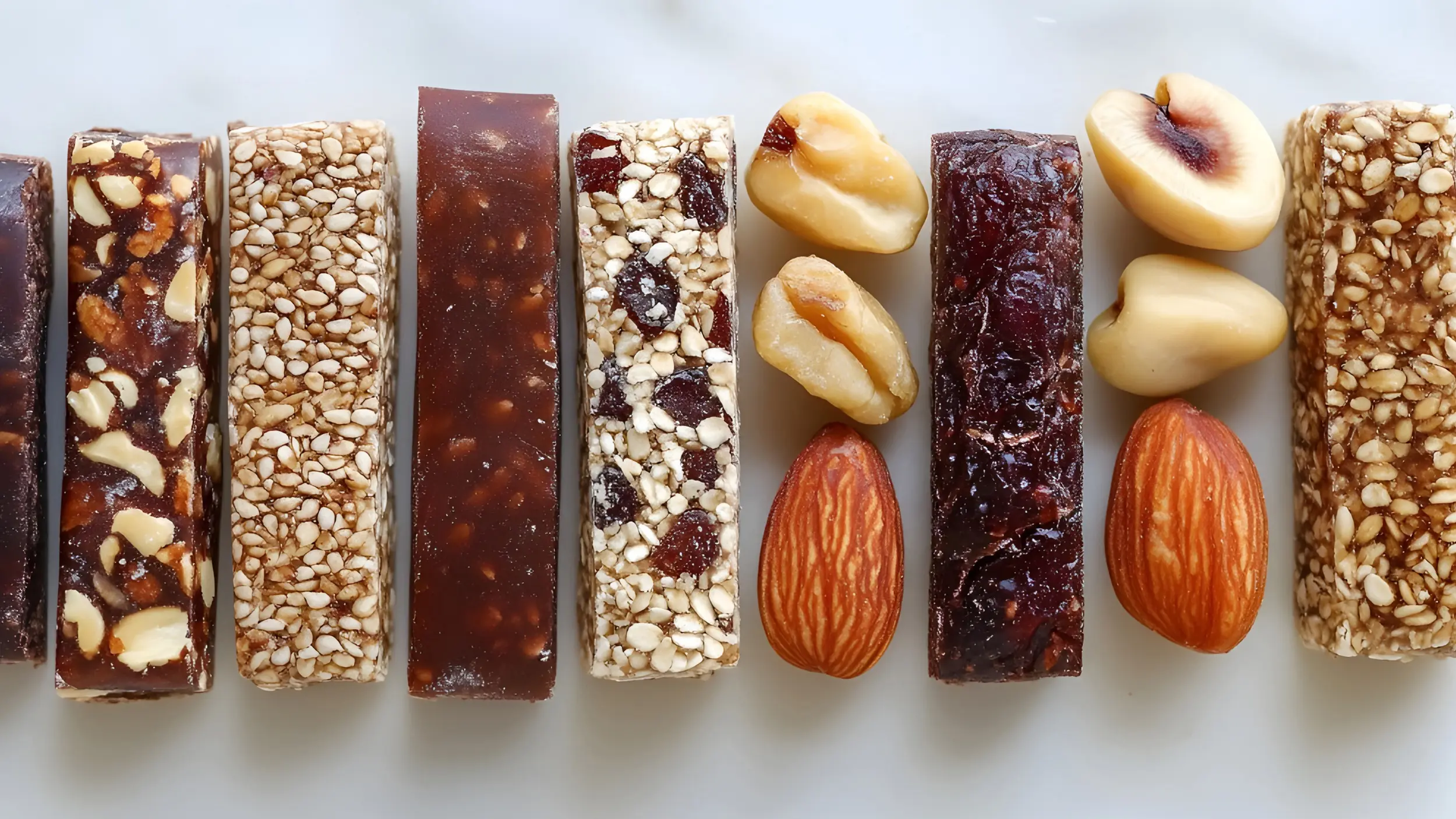
- Dark chocolate (70% cacao or higher)
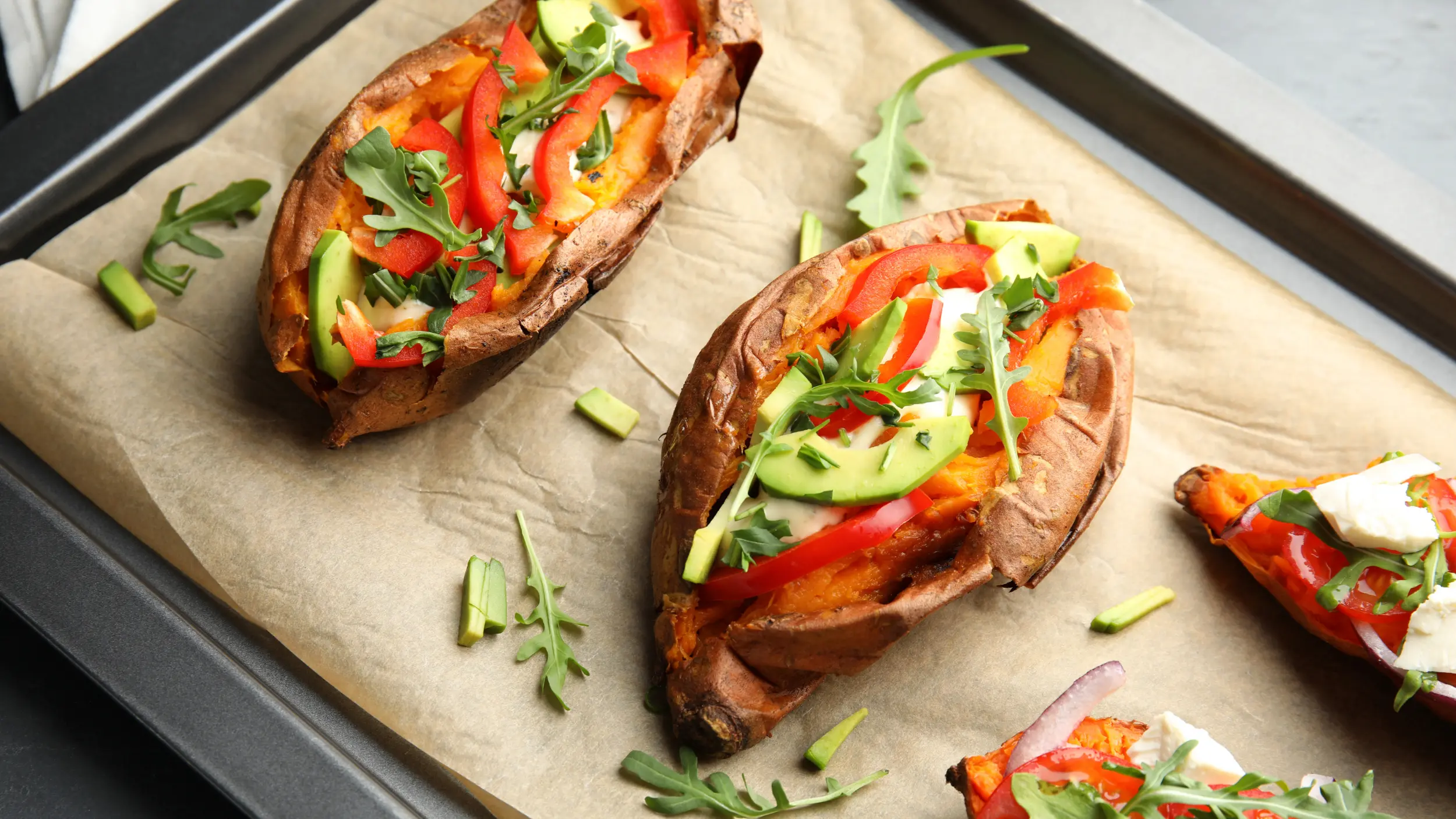
- Avocados
- Almonds and Brazil nuts
- Black beans
Women need around 310-320 mg daily, but most of us fall short. If you're managing stress and energy concerns alongside libido issues, magnesium becomes even more critical.
Omega-3 Fatty Acids
These anti-inflammatory fats support healthy circulation, mood regulation, and hormone production [7]. They're particularly helpful if you're experiencing libido changes related to hormonal shifts or inflammatory conditions.
Your best sources:
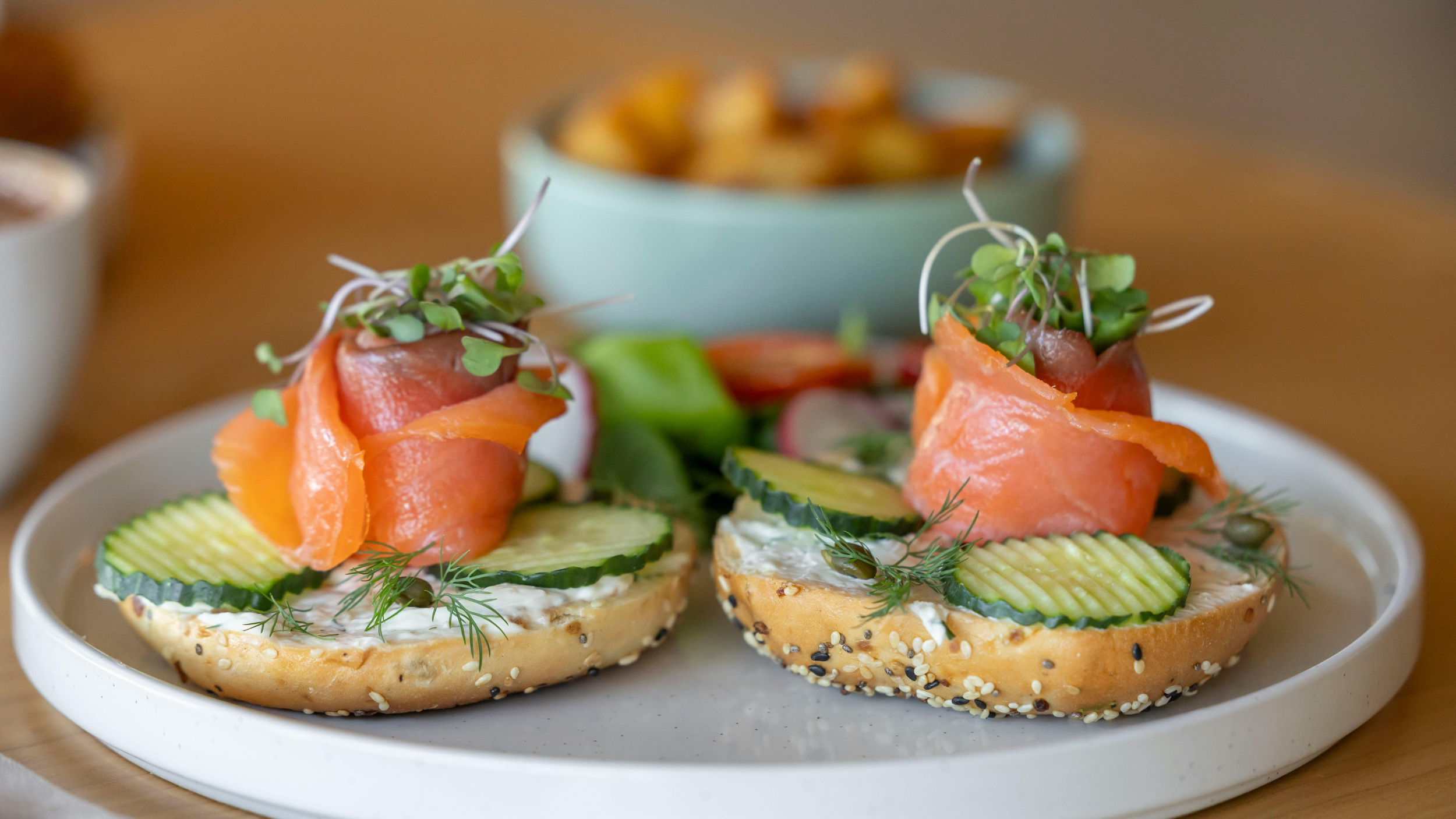
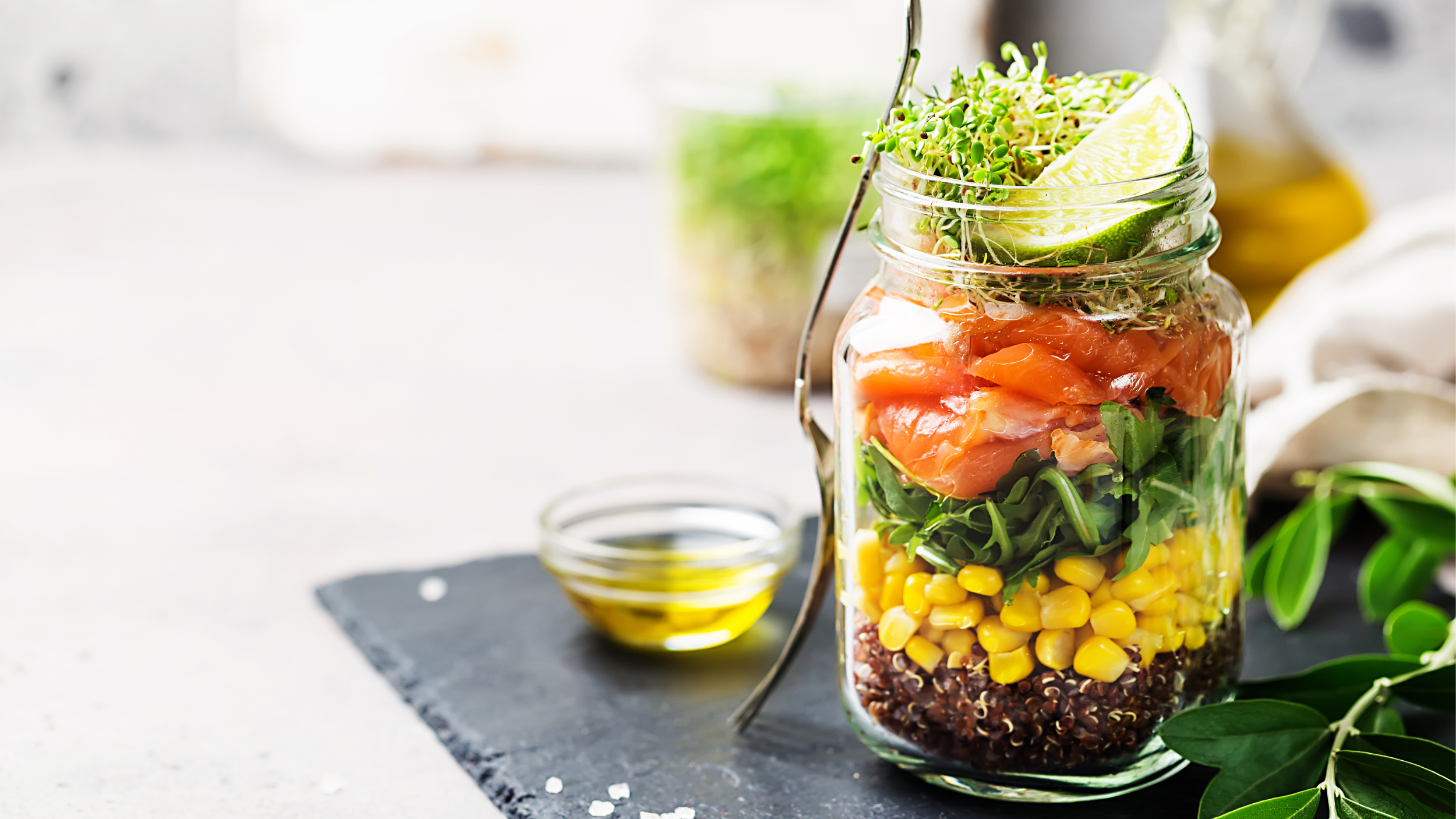
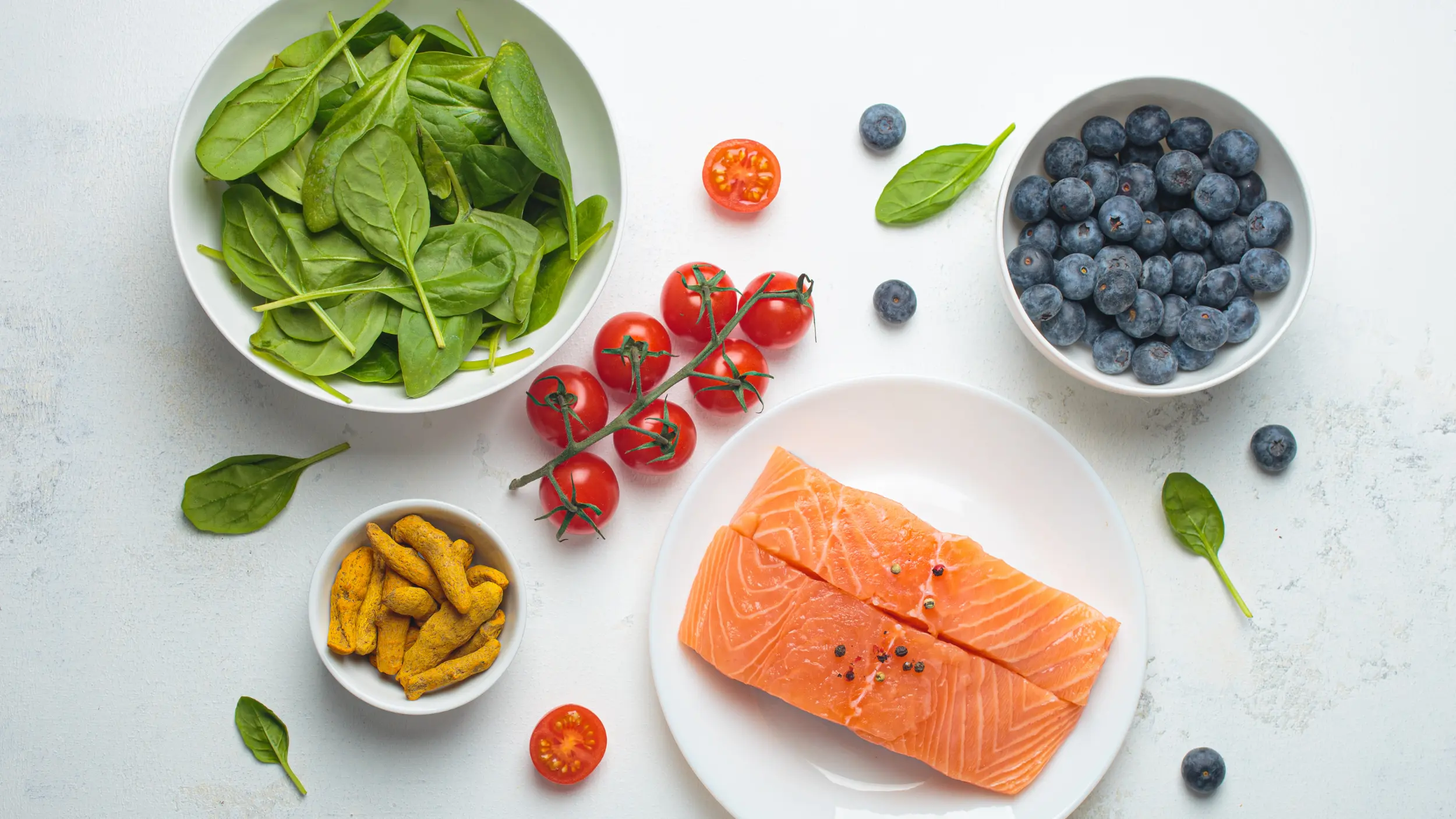
- Wild-caught fatty fish (salmon, sardines, mackerel)
- Chia seeds and flaxseeds
- Walnuts
- Algae-based supplements if you don't eat fish
B Vitamins for Energy and Hormones
B vitamins—especially B6, B12, and folate—are essential for energy metabolism, neurotransmitter synthesis, and estrogen metabolism [8]. Low energy and brain fog are libido killers, so supporting your mitochondrial function matters.
Include these regularly:
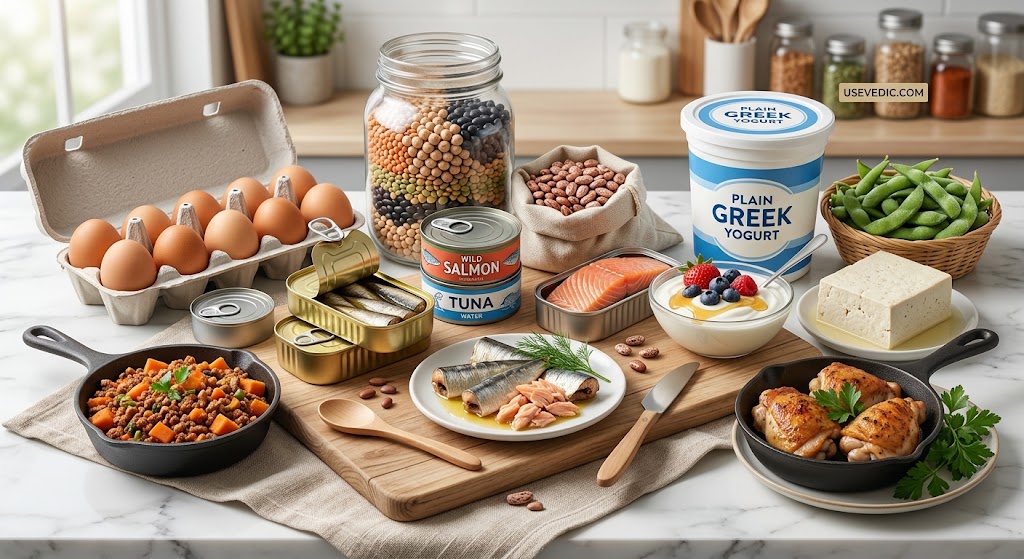
- Eggs (ideally pasture-raised for higher nutrient density)
- Nutritional yeast
- Leafy greens
- Legumes
- Organic poultry
L-Arginine and Nitric Oxide Boosters
L-arginine is an amino acid that converts to nitric oxide in the body, which dilates blood vessels and enhances circulation—including to sexual organs [9]. This is particularly relevant for arousal and physical sensation.
Foods high in L-arginine:
- Watermelon (also contains citrulline, which converts to arginine)
- Nuts and seeds
- Turkey and chicken
- Spirulina
Adaptogenic and Antioxidant-Rich Foods
Chronic stress is one of the most common libido suppressors I see in practice. Adaptogens and antioxidants help modulate your stress response and protect against oxidative damage [10].
Consider adding:
- Maca root powder (shown in some studies to support sexual desire in women)
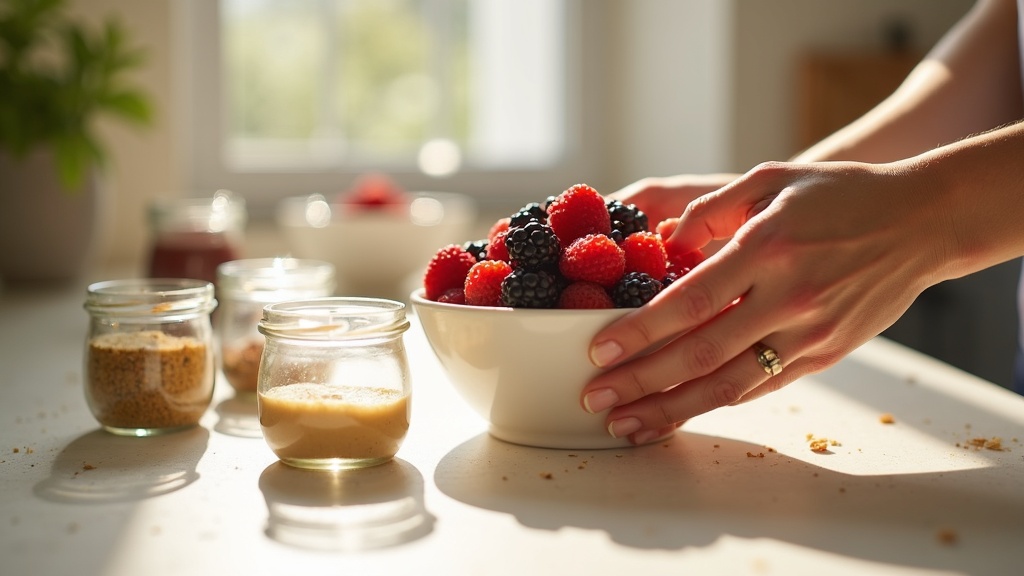
- Berries (blueberries, strawberries, goji berries)
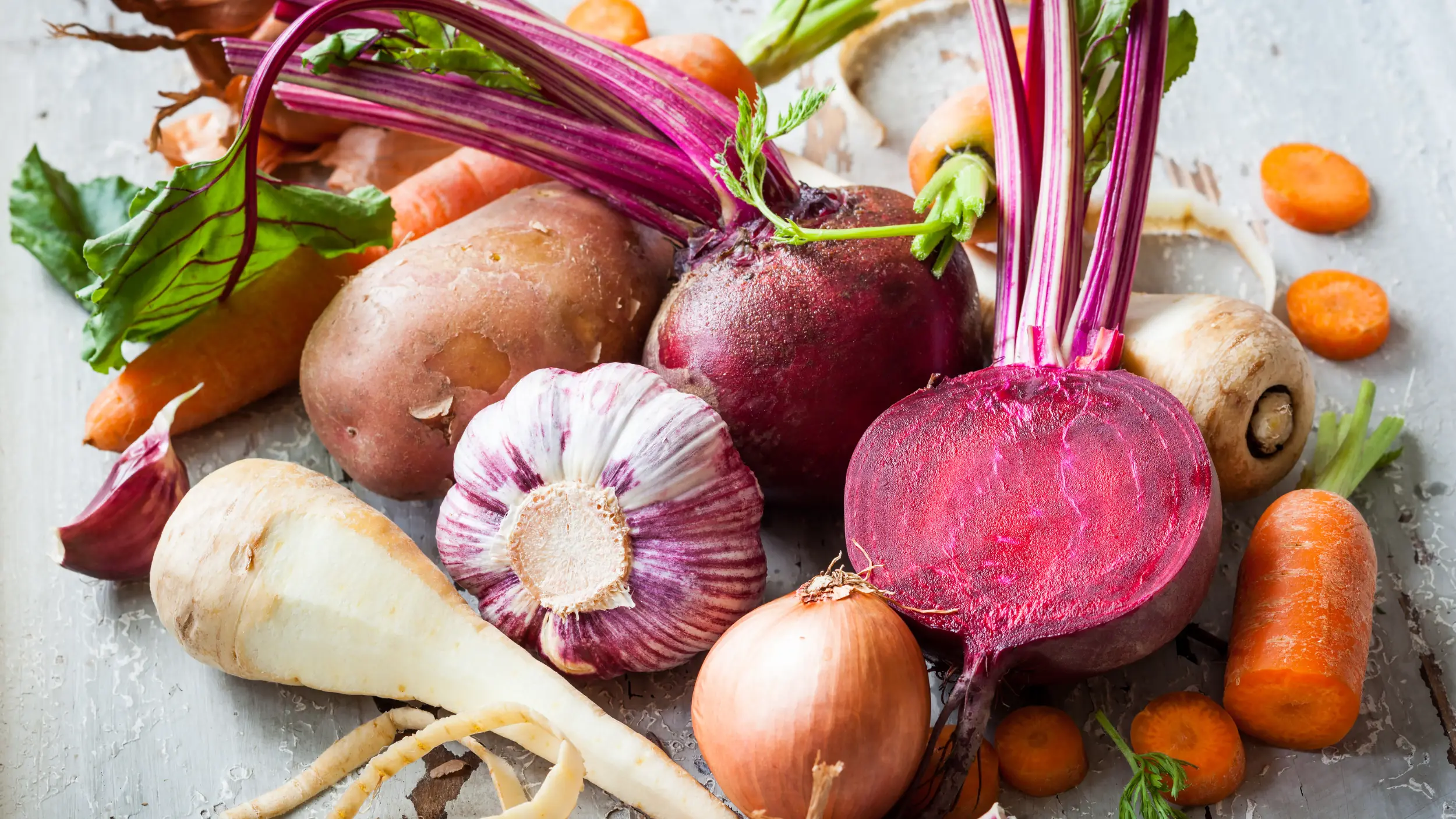
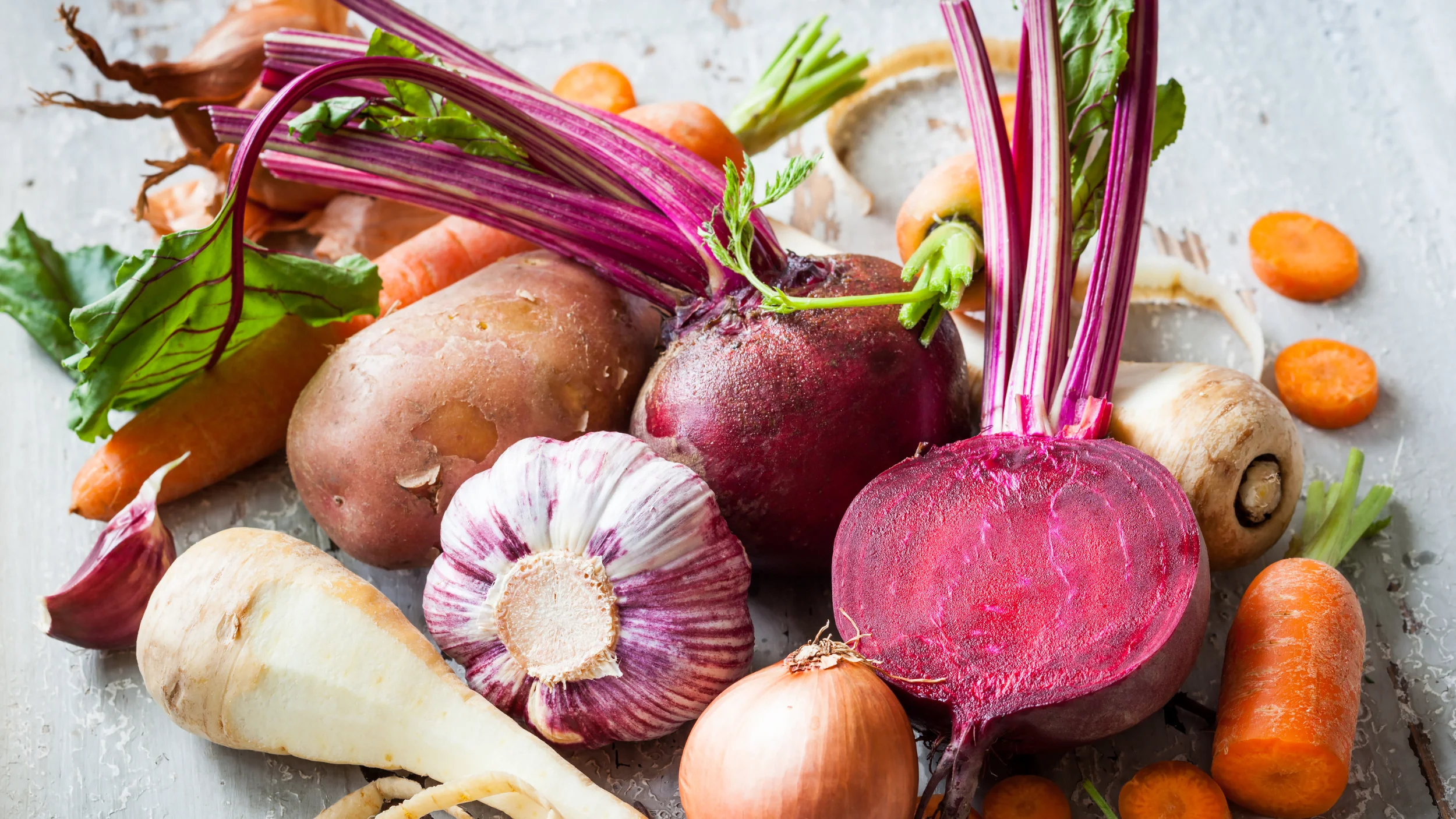
- Beets (rich in nitrates that support blood flow)
- Green tea
- Turmeric with black pepper
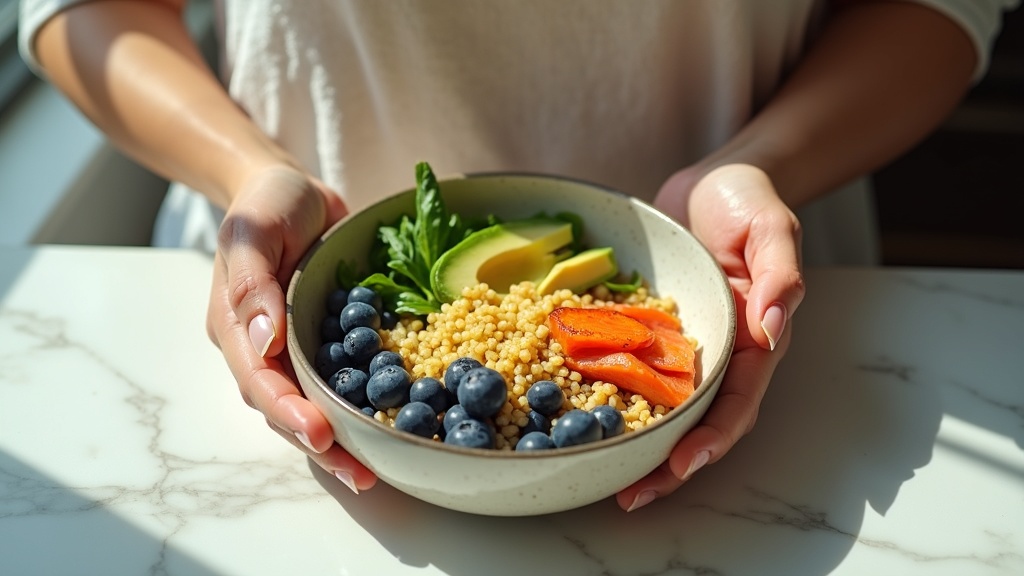
These libido boosting foods work synergistically when you eat them as part of a varied, colorful diet rather than relying on one "magic" ingredient.
Lifestyle Habits That Complement Libido-Boosting Nutrition
Nutrition is foundational, but it doesn't work in isolation. To truly increase libido naturally, you need to support your body holistically.
Stress Management Is Non-Negotiable
Chronic stress floods your system with cortisol, which directly suppresses testosterone and other sex hormones [12]. High cortisol also diverts resources away from "non-essential" functions like reproduction—your body literally prioritizes survival over desire.
What helps:
- Daily mindfulness or breathwork (even 5 minutes makes a difference)
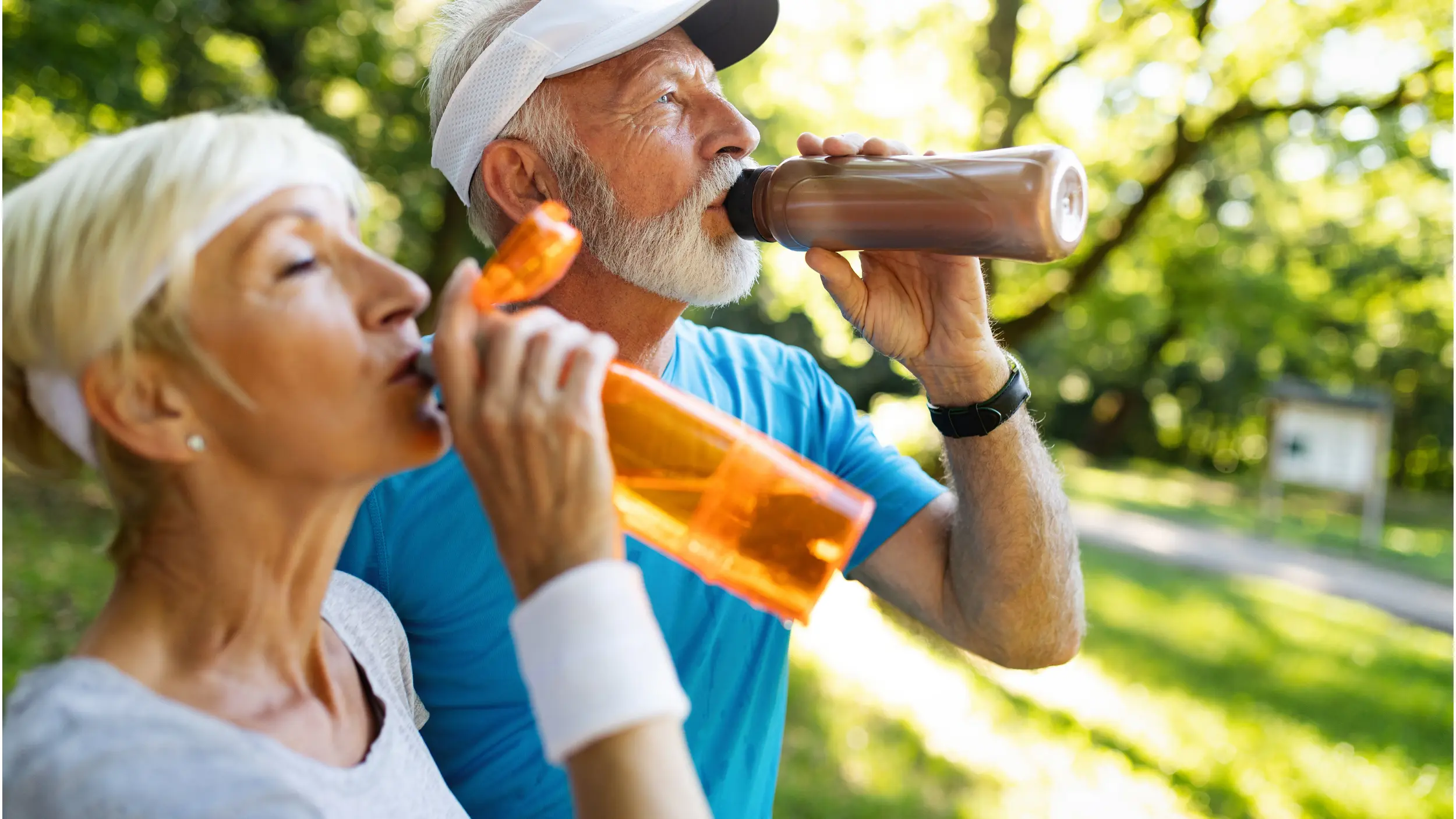
- Regular movement that feels good, not punishing
- Setting boundaries around work and digital consumption
- Nervous system regulation practices like yoga or gentle stretching
If you're experiencing hormone-related symptoms beyond low libido—like irregular cycles, mood swings, or energy crashes—exploring a comprehensive hormone balance diet approach can address multiple issues simultaneously.
Prioritize Sleep Quality
Sleep deprivation disrupts leptin and ghrelin (your hunger hormones), increases inflammation, and tanks testosterone production [13]. Most women need 7-9 hours of quality sleep to maintain optimal hormonal function.
Practical tips:
- Keep your bedroom cool (around 65-68°F)
- Limit blue light exposure 1-2 hours before bed
- Avoid large meals and alcohol close to bedtime
- Consider magnesium glycinate supplementation if you struggle with sleep onset
Move Your Body Regularly
Exercise improves circulation, reduces stress hormones, and boosts confidence—all of which support sexual wellness [14]. But more isn't always better. Overtraining can suppress libido just as much as being sedentary.
Aim for a balanced approach:
- Strength training 2-3 times weekly (supports testosterone)
- Moderate cardio that you enjoy
- Movement that connects you to your body (dance, yoga, hiking)
Blood Sugar Balance
This one flies under the radar, but blood sugar crashes and spikes directly impact your energy, mood, and hormone production [15]. If you're riding the blood sugar roller coaster all day, your libido will pay the price.
Stabilize blood sugar by:
- Pairing carbs with protein and healthy fats
- Eating within an hour of waking
- Avoiding long gaps between meals (4-5 hours max for most women)
- Choosing complex carbs over refined options
Frequently Asked Questions
What are the quickest foods to improve libido?
While no single food works overnight, dark chocolate, watermelon, and pumpkin seeds can support blood flow and nutrient status relatively quickly when eaten consistently. That said, sustainable improvements in libido come from overall dietary patterns rather than quick fixes. Focus on incorporating multiple libido-supporting nutrients daily for 4-6 weeks to see meaningful changes.
Can stress eating negatively impact my libido?
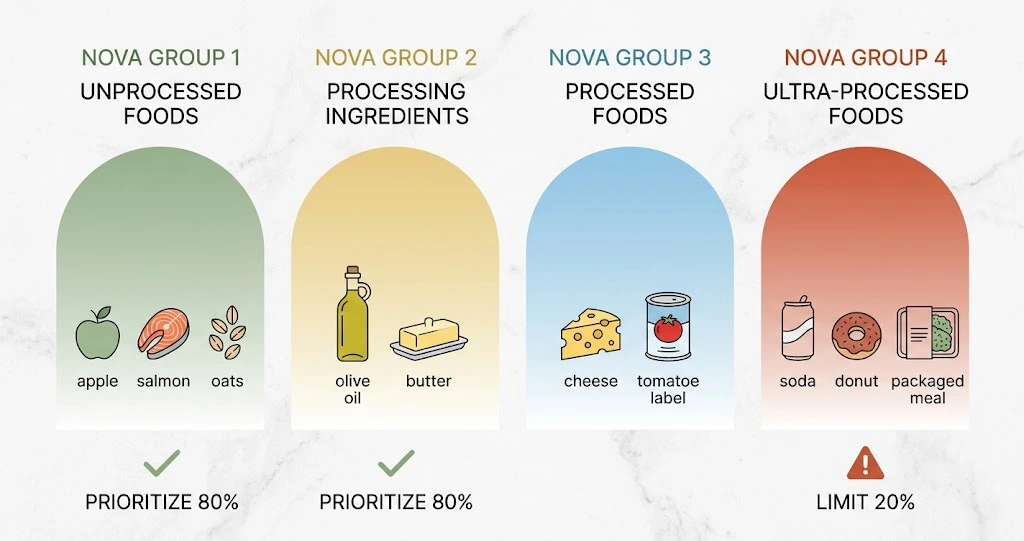
Absolutely. Stress eating typically involves high-sugar, high-processed-food choices that spike blood sugar, increase inflammation, and deplete key nutrients like B vitamins and magnesium [16]. This creates a vicious cycle: stress suppresses libido, stress eating worsens nutrient status and inflammation, which further impacts hormonal health and desire. Addressing the root cause of stress while nourishing your body with whole foods breaks this pattern.
Are there any specific supplements I should consider for low libido?
Supplements can be helpful, but they work best alongside dietary changes, not as replacements. Based on current research, consider:
- Magnesium glycinate (300-400 mg daily) for stress and hormone support
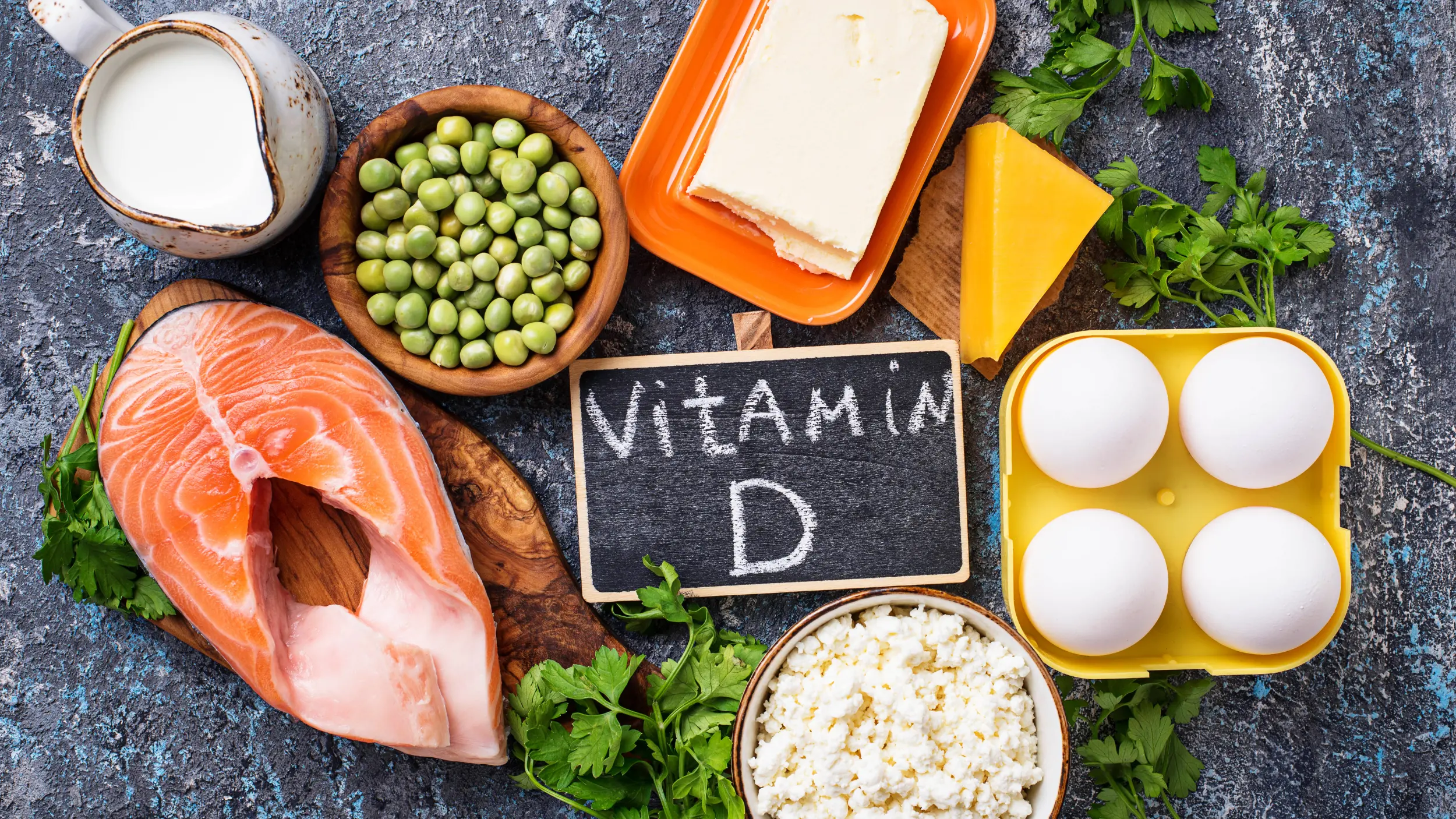
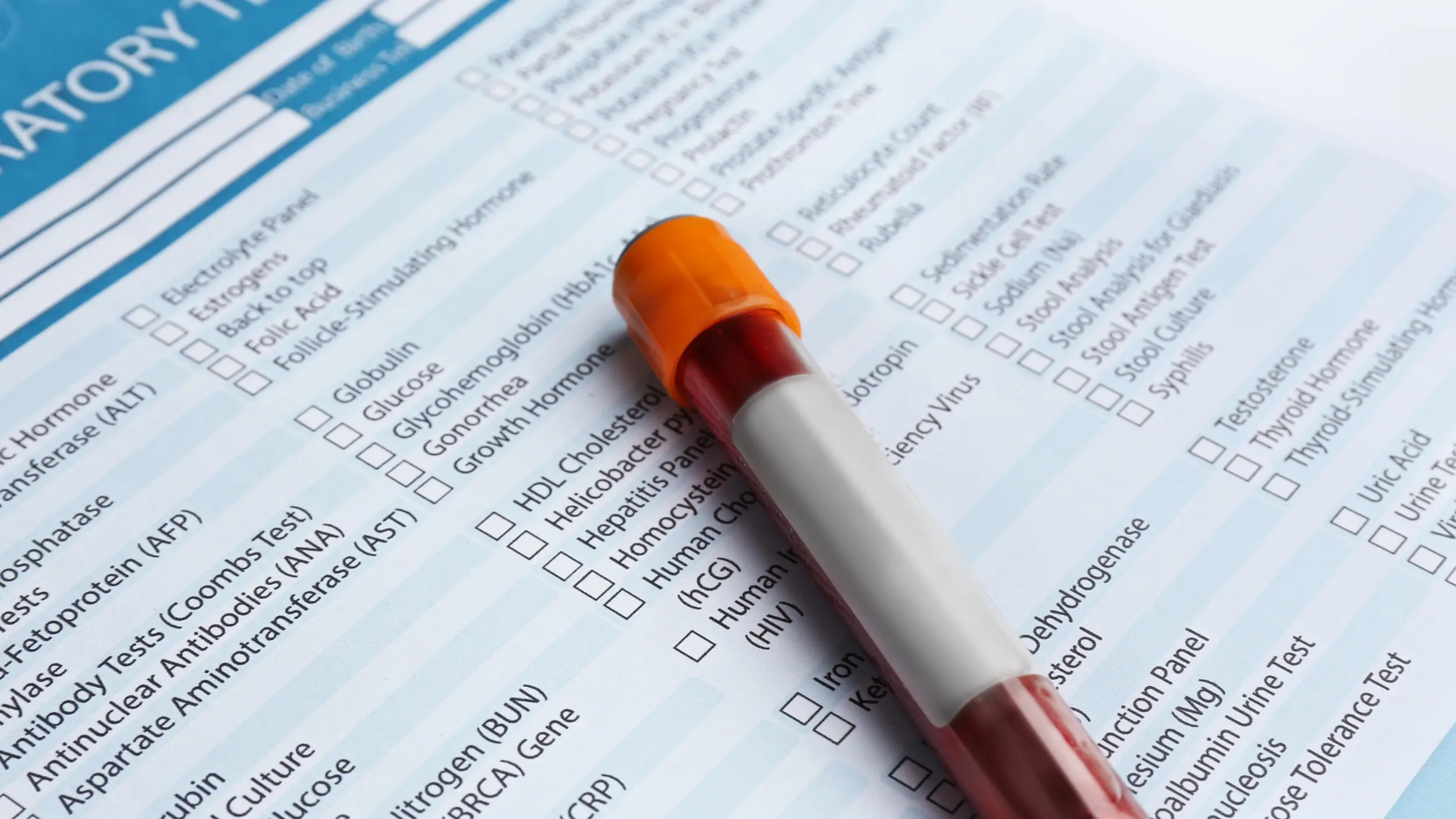
- Vitamin D3 (if levels are low; get tested first) for testosterone production
- Omega-3s (1-2g EPA/DHA daily) if you don't eat fatty fish regularly
- Maca root powder (1.5-3g daily) has some evidence for supporting desire
- Zinc (if dietary intake is low, particularly for plant-based eaters)
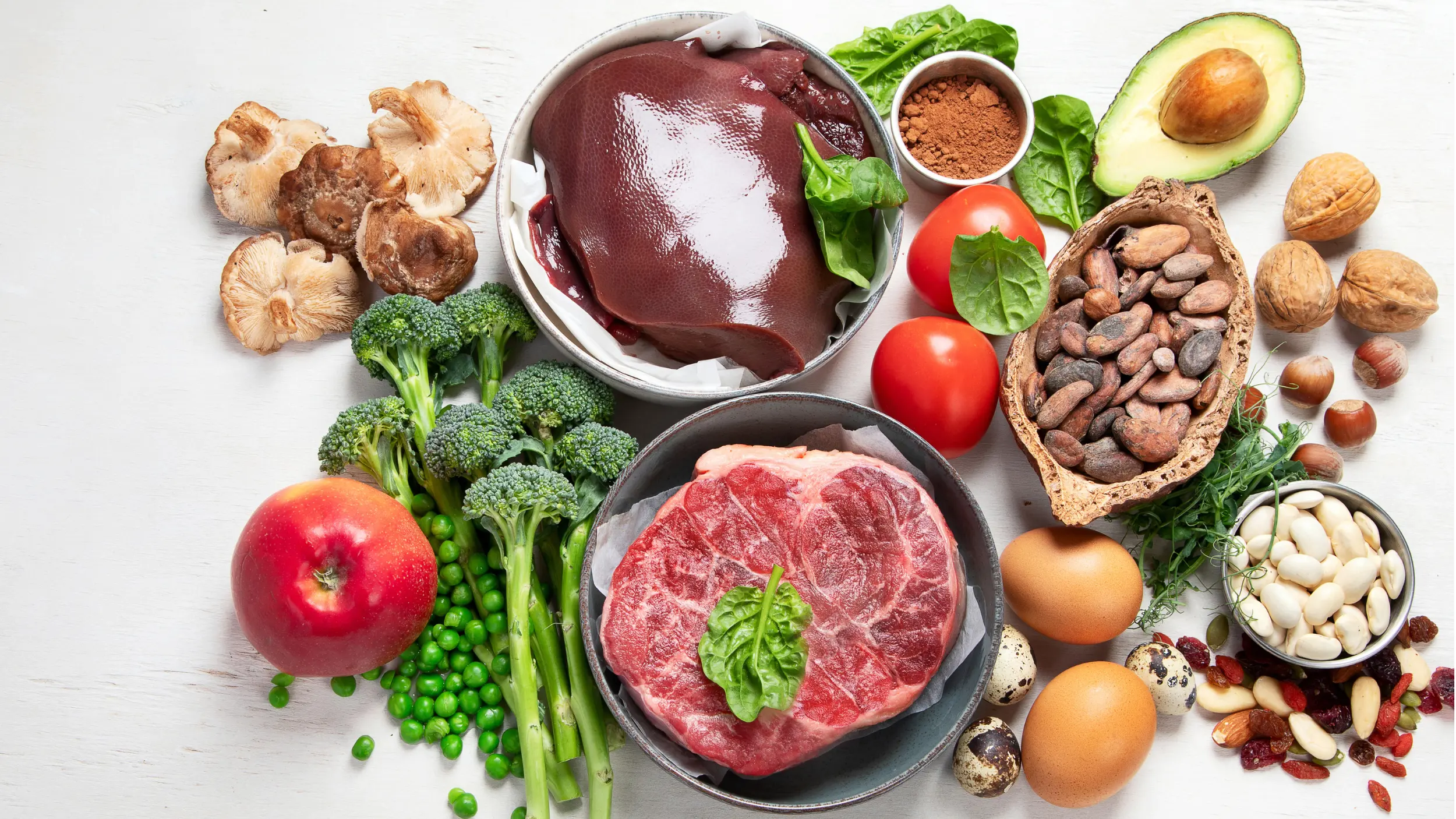
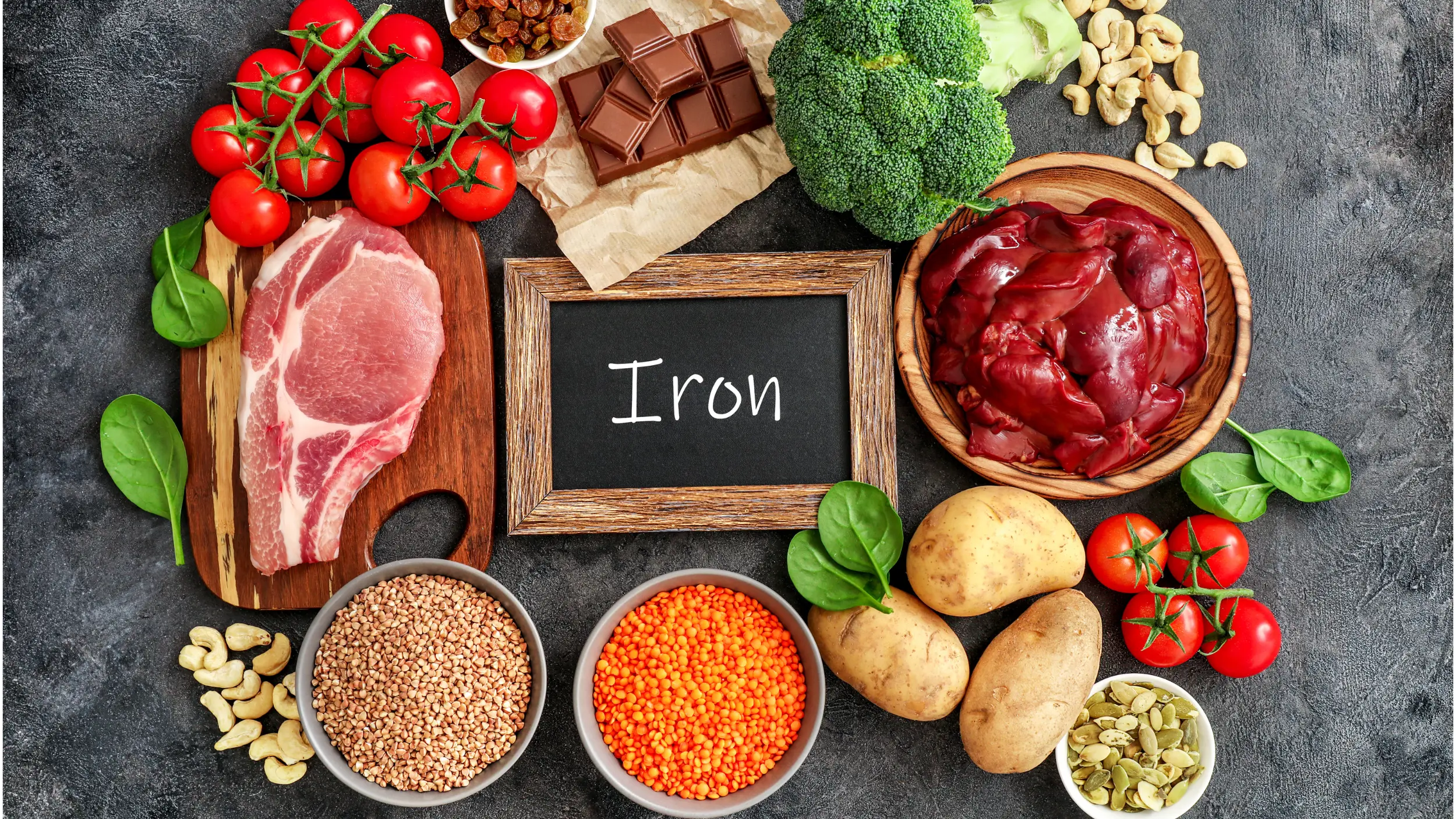
Always work with a qualified practitioner to determine what's right for your specific situation and to rule out underlying conditions like thyroid dysfunction or iron deficiency anemia.
Feeling like yourself again isn't about perfection—it's about consistently nourishing your body with the foods and habits that support your hormonal health, energy, and overall vitality. Small, sustainable changes in your nutrition for libido can create profound shifts over time.
Ready to take the next step towards feeling your best? Book a personalized consultation with our dietitian today to create a nutrition plan tailored just for you.
References
[1] Afrisham R, et al. The Role of Gut Microbiota in the Pathogenesis of Sexual Dysfunction. Journal of Clinical Medicine, 2019.
[2] Davis SR, et al. Testosterone for Low Libido in Postmenopausal Women Not Taking Estrogen. New England Journal of Medicine, 2008.
[3] Förstermann U, Sessa WC. Nitric Oxide Synthases: Regulation and Function. European Heart Journal, 2012.
[4] Carabotti M, et al. The Gut-Brain Axis: Interactions Between Enteric Microbiota, Central and Enteric Nervous Systems. Annals of Gastroenterology, 2015.
[5] Prasad AS, et al. Zinc Status and Serum Testosterone Levels of Healthy Adults. Nutrition, 1996.
[6] Barbagallo M, Dominguez LJ. Magnesium and Type 2 Diabetes. World Journal of Diabetes, 2015.
[7] Kiecolt-Glaser JK, et al. Omega-3 Supplementation Lowers Inflammation and Anxiety. Brain, Behavior, and Immunity, 2011.
[8] Kennedy DO. B Vitamins and the Brain: Mechanisms, Dose and Efficacy. Nutrients, 2016.
[9] Cormio L, et al. Oral L-Arginine Supplementation Improves Biochemical and Functional Outcomes in Female Sexual Dysfunction. European Urology, 2011.
[10] Panossian A, Wikman G. Effects of Adaptogens on the Central Nervous System. Pharmaceuticals, 2010.
[11] Shin BC, et al. Maca (L. meyenii) for Improving Sexual Function: A Systematic Review. BMC Complementary and Alternative Medicine, 2010.
[12] Ranabir S, Reetu K. Stress and Hormones. Indian Journal of Endocrinology and Metabolism, 2011.
[13] Leproult R, Van Cauter E. Effect of 1 Week of Sleep Restriction on Testosterone Levels in Young Healthy Men. JAMA, 2011.
[14] Lorenz TA, Meston CM. Exercise Improves Sexual Function in Women Taking Antidepressants. Annals of Behavioral Medicine, 2012.
[15] Wyckoff EP, et al. Hypoglycemia and the Hypothalamic-Pituitary-Adrenal Axis. Endocrinology and Metabolism Clinics of North America, 2013.
[16] Patel SR, Hu FB. Short Sleep Duration and Weight Gain: A Systematic Review. Obesity, 2008.
[17] Pilz S, et al. Effect of Vitamin D Supplementation on Testosterone Levels in Men. Hormone and Metabolic Research, 2011.
.svg)
.svg)


.jpg)
.jpg)





.webp)


















.webp)
.webp)
.webp)
.webp)
.webp)
.webp)
.png)
.webp)
.webp)
.webp)
.png)
.webp)
.webp)
.webp)
.webp)
.webp)
.webp)
.webp)
.webp)
.webp)


.webp)
.png)