.webp)
.webp)
%2B(7).webp)
.png)
At a Glance
AI nutrition apps are revolutionizing how women approach their health by delivering hyper-personalized diet recommendations based on individual metabolic profiles, food preferences, and lifestyle patterns. These precision nutrition platforms go far beyond simple calorie counting, using machine learning algorithms to adapt meal plans in real-time and provide insights that generic diet advice simply can't match. If you've ever felt frustrated by one-size-fits-all nutrition guidance, AI-powered tools might be the personalized support system you've been looking for.
How AI is Revolutionizing Personalized Nutrition
Here's the truth: your body processes nutrients differently than your best friend's, your sister's, or anyone else's. What works brilliantly for one woman might leave another feeling sluggish, hungry, or frustrated. That's where AI nutrition apps shine.
These platforms analyze multiple data points to create what researchers call a "precision nutrition" approach. Instead of relying on outdated population averages, an AI diet app examines your specific patterns: sleep quality, stress levels, menstrual cycle phases, activity levels, and even how your glucose responds to certain foods [1]. Some advanced platforms integrate with continuous glucose monitors to track your glycemic responses in real-time, revealing which meals keep your blood sugar stable and which send it on a rollercoaster [2].
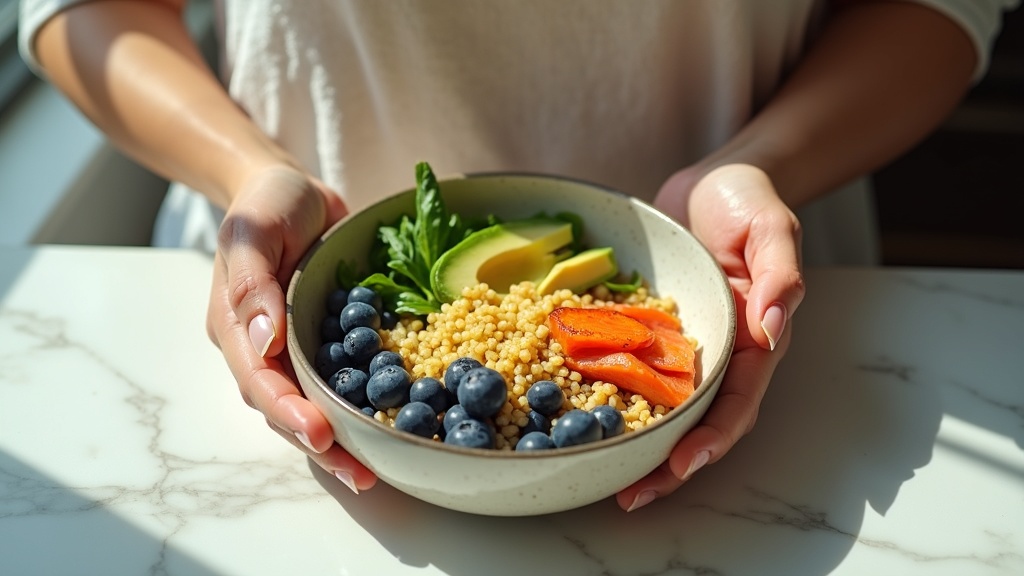
What makes this technology genuinely transformative is its adaptive learning capability. Traditional meal plans are static—they give you a week's worth of meals and hope for the best. A personalized nutrition AI, however, continuously learns from your input. Didn't enjoy that quinoa bowl? The algorithm notes it and adjusts future recommendations. Felt amazing after that salmon dinner? It recognizes the pattern and suggests similar nutrient combinations.
The clinical applications are remarkable. Research shows that AI-driven dietary interventions can improve adherence rates by up to 30% compared to standard nutrition counseling [3]. Why? Because the recommendations actually fit into your life. If you're juggling work meetings, childcare, and trying to maintain some semblance of balance, you need nutrition guidance that adapts to your reality—not a rigid meal plan that assumes you have hours for meal prep.
Many women I work with struggle with hormone balance through nutrition, and AI tools can be particularly helpful here. They can track how different foods affect your energy levels during various menstrual cycle phases, helping you identify patterns you might never notice on your own. Feeling ravenous in your luteal phase? Your AI nutritionist can preemptively suggest more protein-dense meals during that window.
Navigating the World of AI Diet Apps: Features & Benefits
Not all AI wellness apps are created equal, and honestly, the market can feel overwhelming. Here's what to look for when choosing a platform that'll actually support your goals:
Smart Food Tracking That Actually Works
Forget tediously searching databases and measuring every morsel. Modern AI food trackers use computer vision—you snap a photo of your plate, and the algorithm identifies the foods and estimates portions with impressive accuracy [4]. While not perfect, this technology has improved dramatically and removes one of the biggest friction points in nutrition tracking.
Personalized Meal Planning
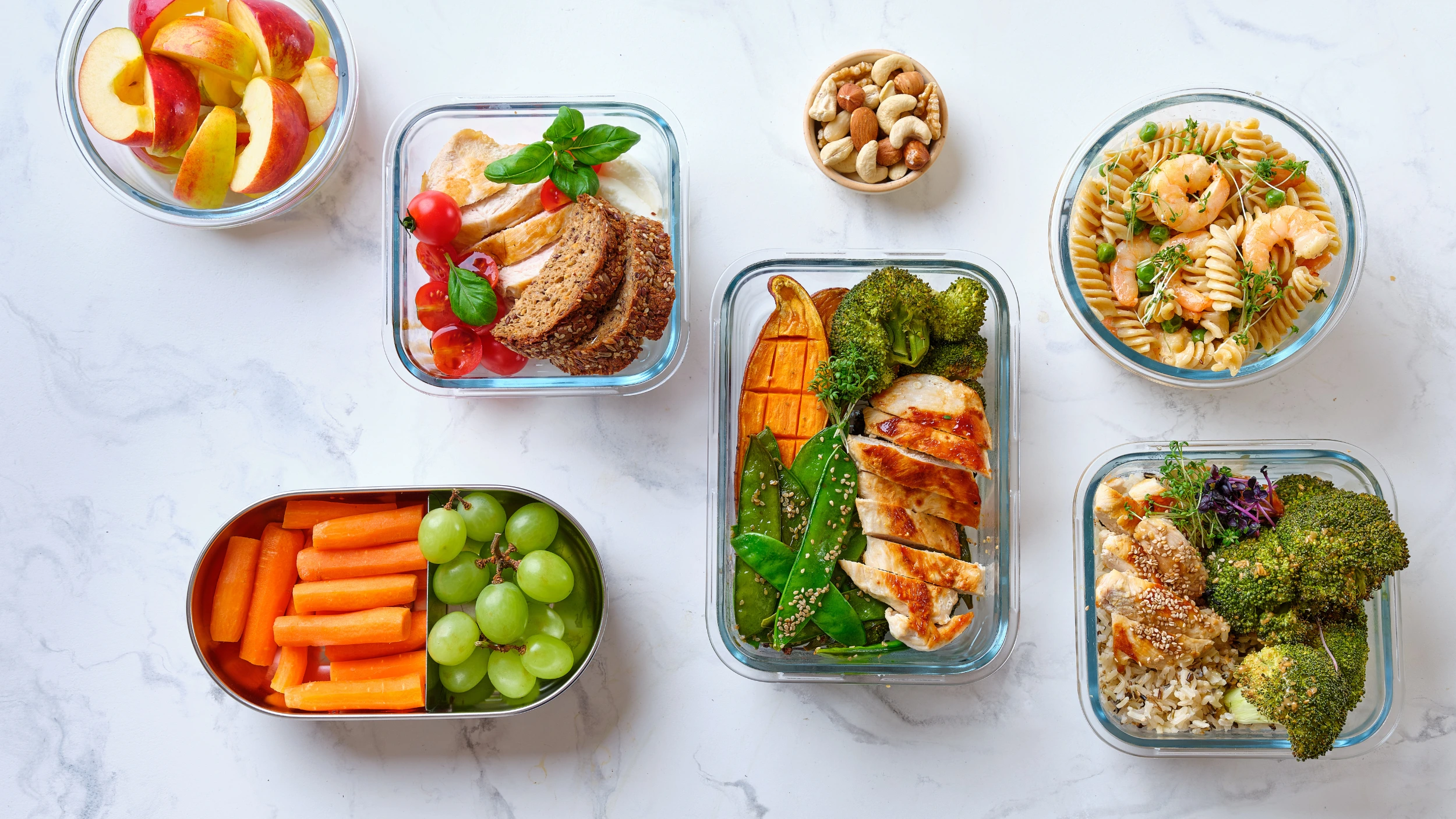
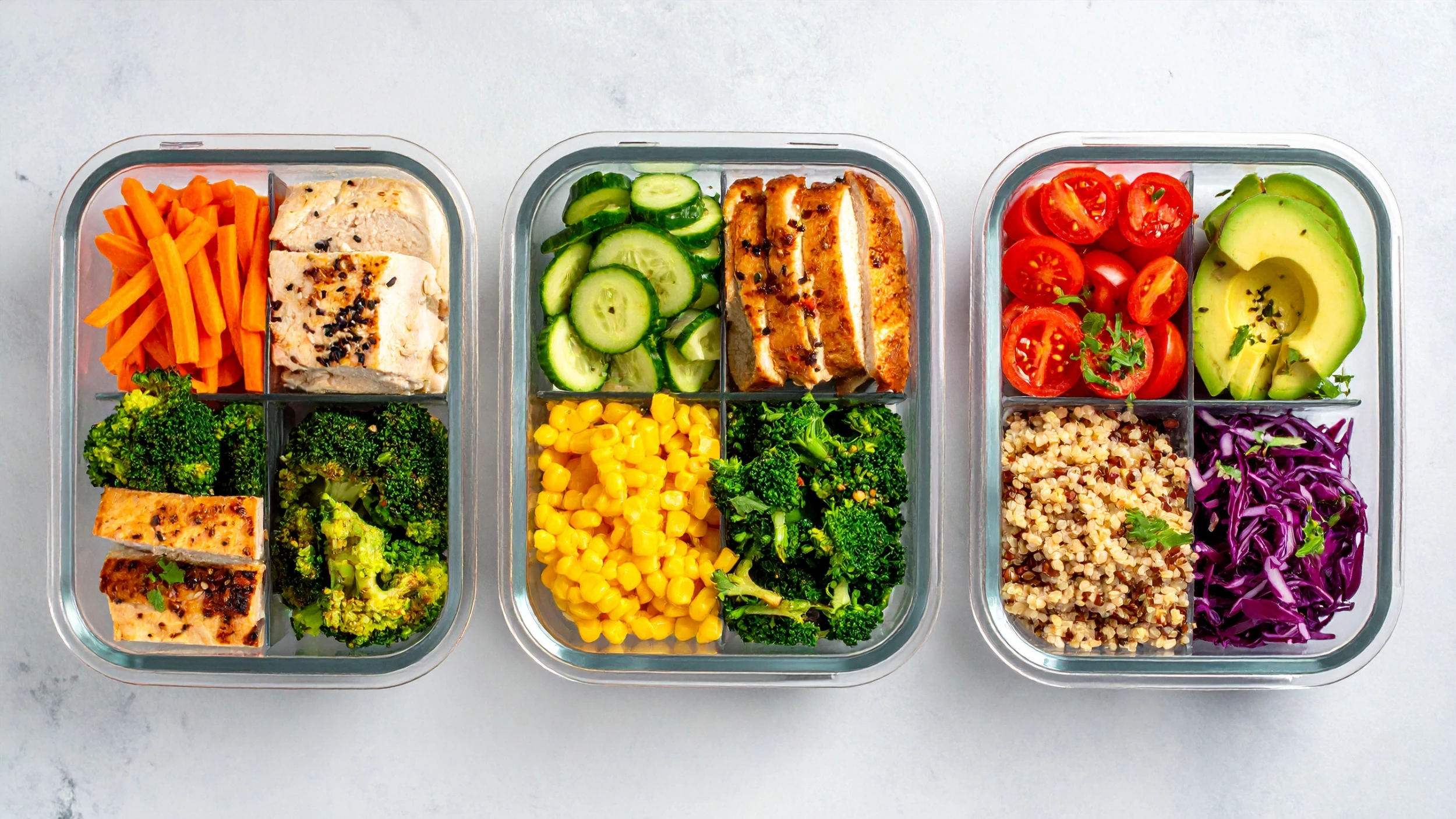
A quality AI meal planner doesn't just spit out random recipes. It considers:
- Your dietary preferences and restrictions (vegetarian, gluten-free, etc.)
- Cooking skill level and available time
- Seasonal ingredient availability
- Budget constraints
- Nutritional targets based on your health goals
The best platforms generate shopping lists automatically and even integrate with grocery delivery services. It's meal planning without the mental load.
Conversational AI Health Coaching
This is where things get interesting. AI health coach features now use natural language processing to provide real-time support. Craving something sweet at 3 PM? You can ask the app for suggestions, and it'll offer alternatives aligned with your goals while explaining why that craving might be happening. Maybe your lunch was low in protein, or you're due for a glass of water.
These conversational interfaces have improved significantly in 2026. They're not trying to replace human dietitians (nothing can substitute clinical expertise and the therapeutic relationship), but they offer support between appointments.
Metabolic Insights and Pattern Recognition
This is the feature that genuinely excites me from a clinical perspective. AI algorithms excel at spotting patterns humans might miss. Your app might notice that you consistently report low energy on days when you skip breakfast, or that your sleep quality drops when you eat later than 8 PM. These insights empower you to make informed adjustments.
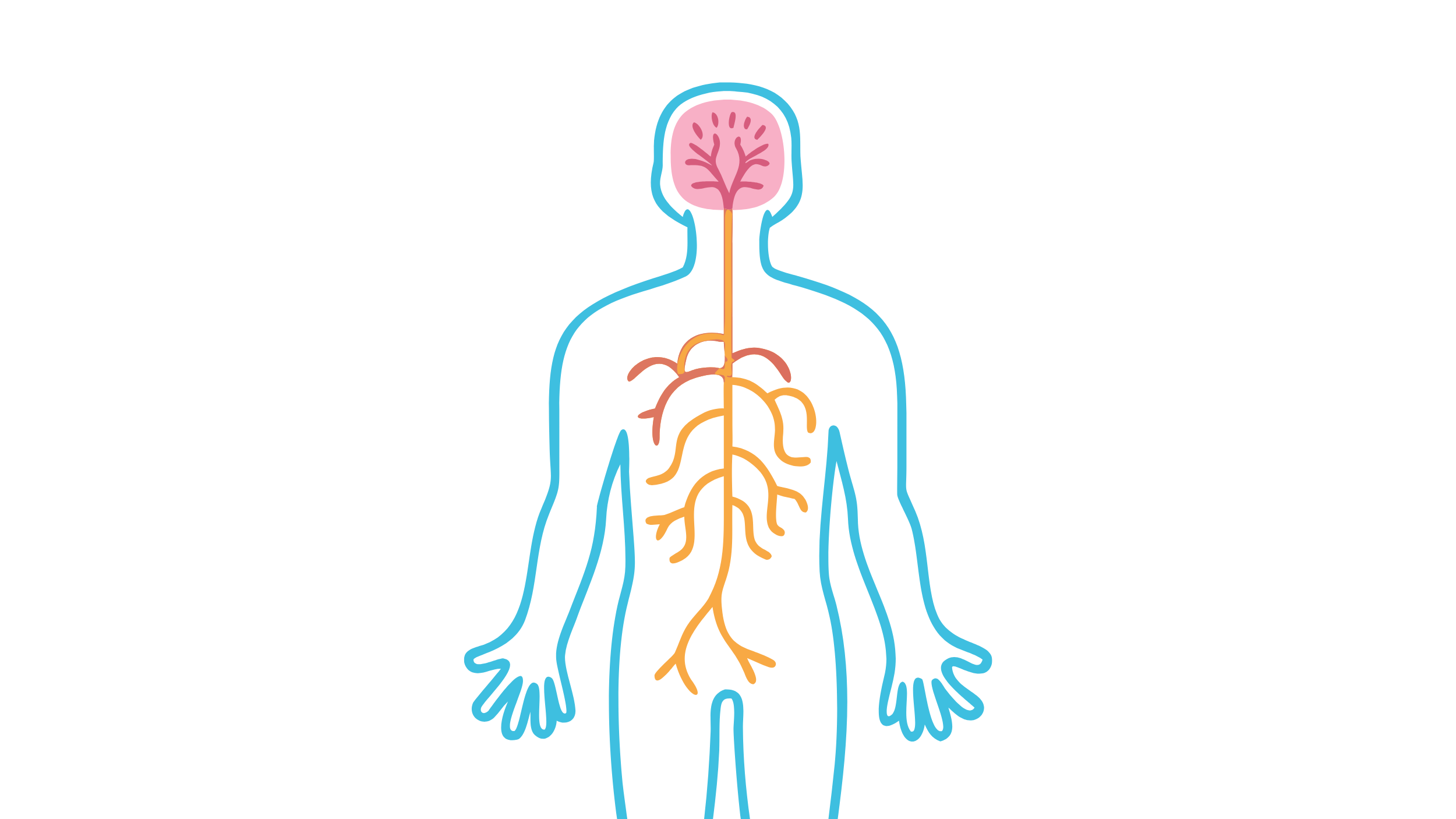
Some precision nutrition apps now integrate with wearables to correlate nutrition data with heart rate variability, sleep architecture, and activity levels [5]. This holistic view helps you understand how food choices ripple through your entire physiology.
Important caveat: While these tools are powerful, they work best alongside professional guidance. If you're managing a medical condition, pregnant, or dealing with disordered eating patterns, an app shouldn't be your sole source of nutrition advice. Think of AI tools as your daily support system, with a registered dietitian as your strategic partner.
My Specific Recommendations:
- Meal Lime: Excellent for simplified meal planning and grocery list generation.
- Jow: Great for streamlined shopping and meal planning.
- SnapCalorie: Highly effective for AI-powered food tracking using photos.
Beyond the App: Integrating AI into Your Wellness Lifestyle
Technology is only as useful as your ability to integrate it sustainably into your actual life. Here's how to make AI nutrition tools work for you, not become another source of stress:
Start with one feature at a time. Don't try to use every bell and whistle immediately. Maybe begin with the AI food tracker for two weeks, just to build awareness of your current patterns without judgment. Then layer in the meal planning feature once tracking feels automatic.
Use AI to reduce decision fatigue, not create more. The goal isn't to obsess over every metric. Instead, let your AI meal planner handle "what's for dinner" decisions on busy weeknights. This frees up mental energy for things that actually matter to you.
Combine AI fitness planner features with your nutrition data. Many platforms now sync with popular fitness apps to adjust your nutrition targets based on activity levels. Intense workout day? Your calorie counter automatically suggests additional protein and carbohydrates to support recovery. Rest day? It scales back accordingly. This dynamic adjustment prevents the common mistake of undereating on active days or overeating on sedentary ones.
For women specifically, syncing your AI wellness app with cycle tracking can be incredibly valuable. Your nutritional needs genuinely fluctuate throughout the month due to hormonal shifts [6]. An intelligent system can anticipate these changes and adjust recommendations accordingly—more iron-rich foods before menstruation, additional complex carbohydrates when progesterone peaks.
The relationship between nutrition and gut health deserves attention here too. If you're working on optimizing your microbiome, AI tools can help you track which foods support your digestive wellness. The ability to log symptoms alongside meals helps identify trigger foods you might not have connected otherwise.
Set boundaries with notifications. Yes, reminders can be helpful, but you don't need your phone buzzing every hour. Customize alerts to actually serve you—maybe a gentle reminder to log dinner, but skip the nagging push notifications that create anxiety.
Review your data weekly, not obsessively. Most AI nutritionist apps generate weekly summary reports showing trends. This is the sweet spot for reflection. Daily fluctuations don't mean much, but weekly patterns reveal actionable insights. Schedule 10 minutes every Sunday to review your week—what worked well? What felt challenging? What patterns does the AI highlight?
Remember that managing stress through functional nutrition requires a holistic approach. Your AI wellness app can track cortisol-supporting nutrients and suggest adaptogenic foods, but it can't replace adequate sleep, meaningful movement, and emotional support.
Frequently Asked Questions
How do AI nutrition apps personalize my diet?
These platforms use machine learning algorithms that analyze multiple inputs: your age, activity level, health conditions, food preferences, biometric data (if connected to wearables), and ongoing feedback about how you feel after meals. Advanced apps incorporate continuous glucose monitoring data to understand your individual metabolic responses [2]. The AI identifies patterns over time—which meals keep you satisfied longest, which foods correlate with better sleep or energy, and how your needs shift throughout your menstrual cycle. This creates a dynamic nutrition plan that evolves with you, rather than a static meal plan that ignores your body's changing needs.
Can AI help me with weight management goals?
Absolutely, and often more effectively than traditional approaches. AI calorie counter apps don't just track intake—they help you understand the "why" behind your eating patterns. Research demonstrates that AI-assisted weight management programs can improve outcomes by providing timely interventions when users deviate from goals [7]. The technology identifies behavioral patterns (stress eating, weekend overeating, insufficient protein intake) and offers personalized strategies to address them. More importantly, quality AI diet apps focus on sustainable habit formation rather than restrictive dieting, which leads to better long-term success. The key is choosing platforms that emphasize health markers beyond the scale—energy levels, how clothes fit, strength gains, and overall well-being.
Ready to experience nutrition that actually fits your unique needs? While AI tools offer incredible support, nothing replaces personalized guidance from a registered dietitian who understands your full health picture. Book a consultation with our dietitian today to discover how combining clinical expertise with AI technology can transform your approach to wellness. Let's create a sustainable nutrition strategy that works for your body, your life, and your goals.
References
[1] Berry SE, Valdes AM, Drew DA, et al. Human postprandial responses to food and potential for precision nutrition. Nature Medicine, 2020.
[2] Zeevi D, Korem T, Zmora N, et al. Personalized Nutrition by Prediction of Glycemic Responses. Cell, 2015.
[3] Ruan Y, Zheng X, Zhang K, et al. Artificial Intelligence-Assisted Dietary Assessment: A Systematic Review. Journal of Medical Internet Research, 2021.
[4] Mezgec S, Koroušić Seljak B. NutriNet: A Deep Learning Food and Drink Image Recognition System for Dietary Assessment. Nutrients, 2017.
[5] Ordovas JM, Ferguson LR, Tai ES, Mather KA. Personalised nutrition and health. BMJ, 2018.
[6] Draper CF, Duisters K, Weger B, et al. Menstrual cycle rhythmicity: metabolic patterns in healthy women. Frontiers in Nutrition, 2018.
[7] Garabedian LF, Ross-Degnan D, Wharam JF. Mobile Phone and Smartphone Technologies for Diabetes Care and Self-Management. American Journal of Preventive Medicine, 2015.
.svg)
.svg)


.jpg)
.jpg)







.webp)




















.webp)
.webp)
.webp)
.webp)
.webp)
.webp)
.webp)
.png)
.webp)
.webp)
.png)
.webp)
.webp)
.webp)
.webp)
.webp)
.webp)
.webp)
.webp)
.webp)


.webp)
.png)