.webp)
%2B(7).webp)
.png)
At a Glance
Air travel doesn't have to derail your health goals or leave you feeling depleted. This guide offers evidence-based airport travel tips to help you navigate security, pack nourishing snacks, and make smart food choices from departure to landing. With the right preparation, you can arrive at your destination feeling energized and ready to enjoy your trip.
Preparing for Your Journey: Smart Packing and Pre-Flight Fuel
Honestly? The secret to feeling good during air travel starts way before you get to the gate. I've watched so many clients stress about what they can bring through security or grab a sad airport muffin because they didn't plan ahead. Let's change that.
What to Pack (And What Actually Makes It Through Security)
The TSA's 3-1-1 liquids rule hasn't changed, but that doesn't mean you're stuck with overpriced airport snacks. Focus on whole food options that travel well and won't spike your blood sugar mid-flight.
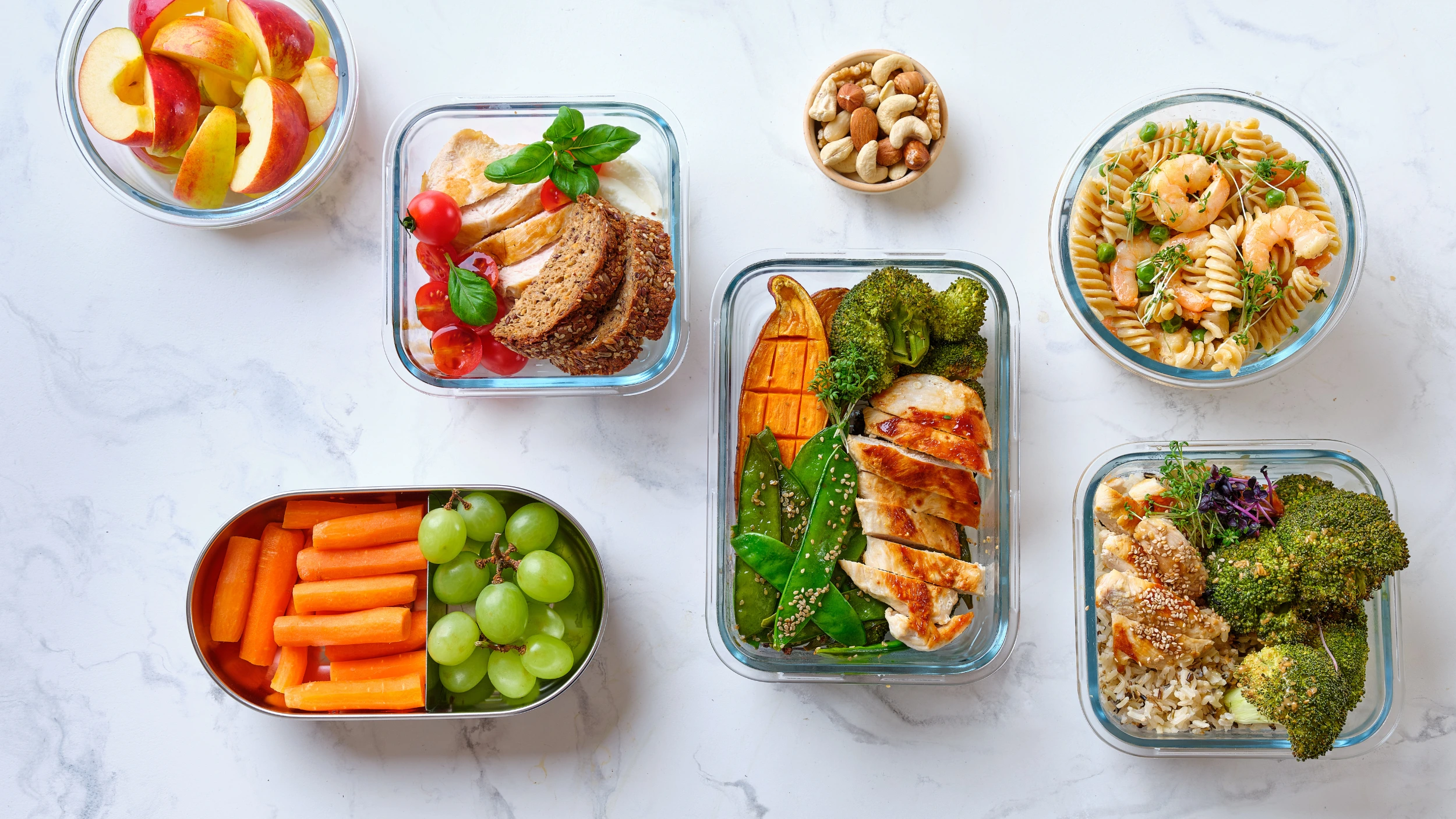
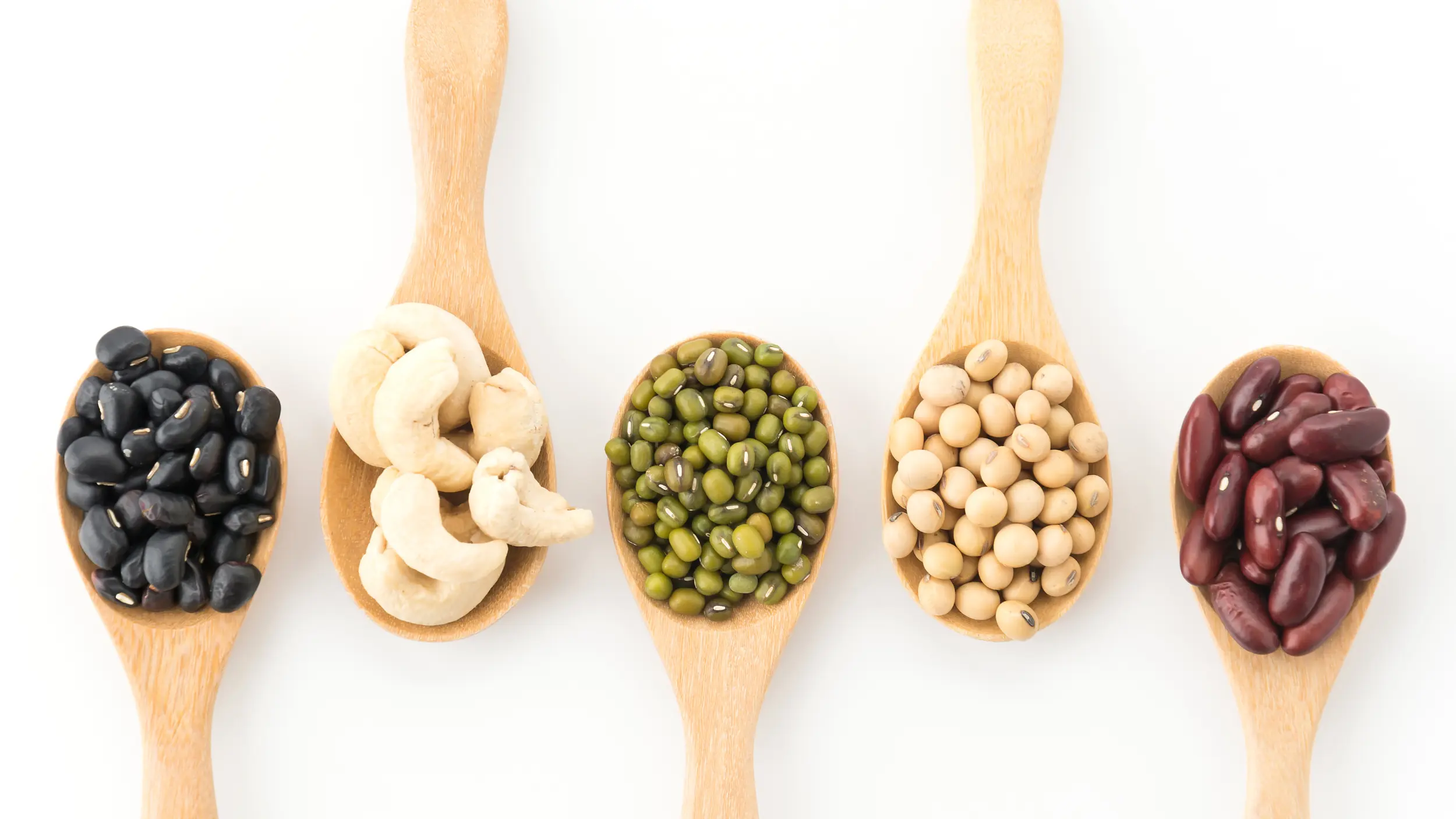
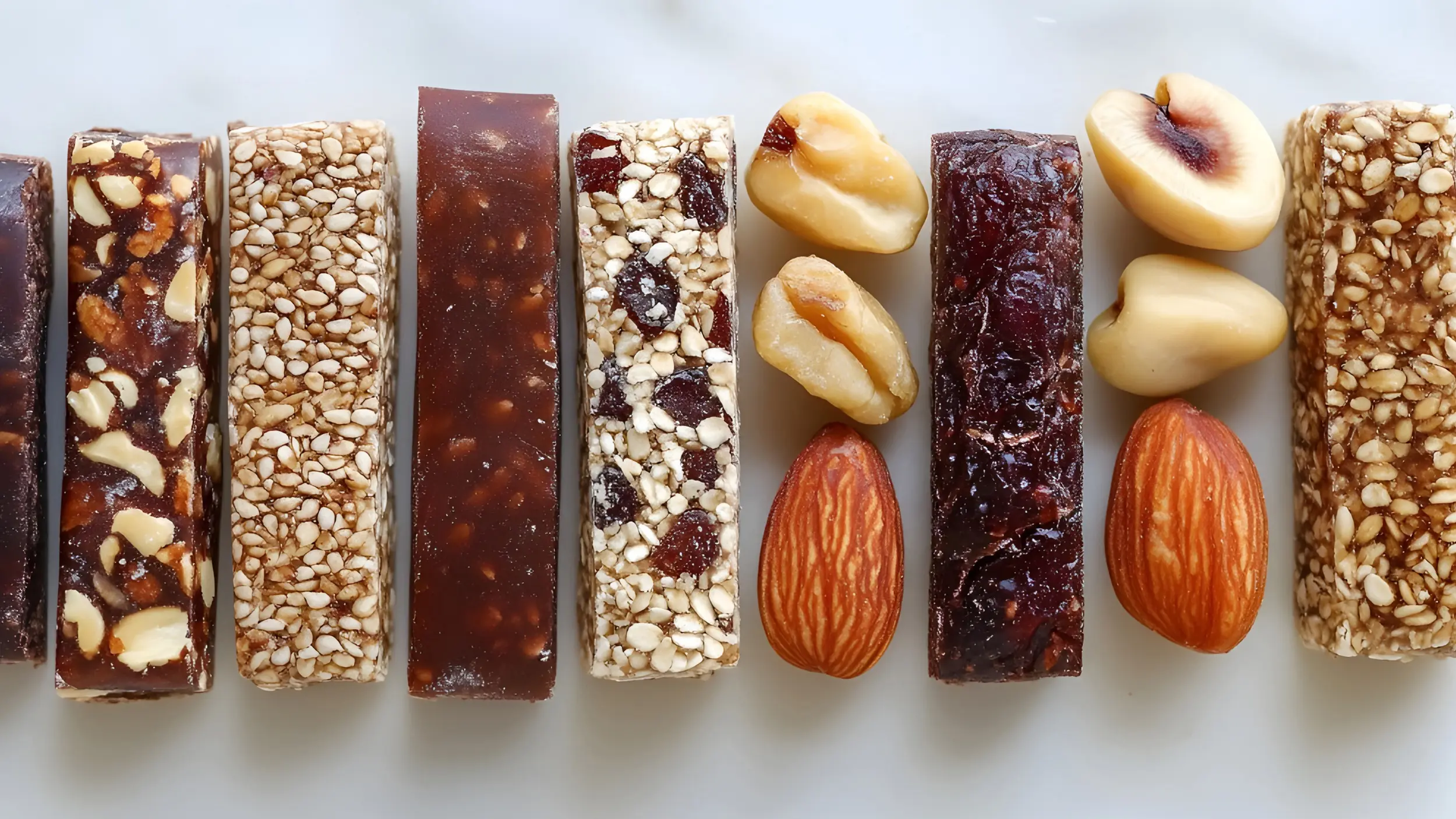
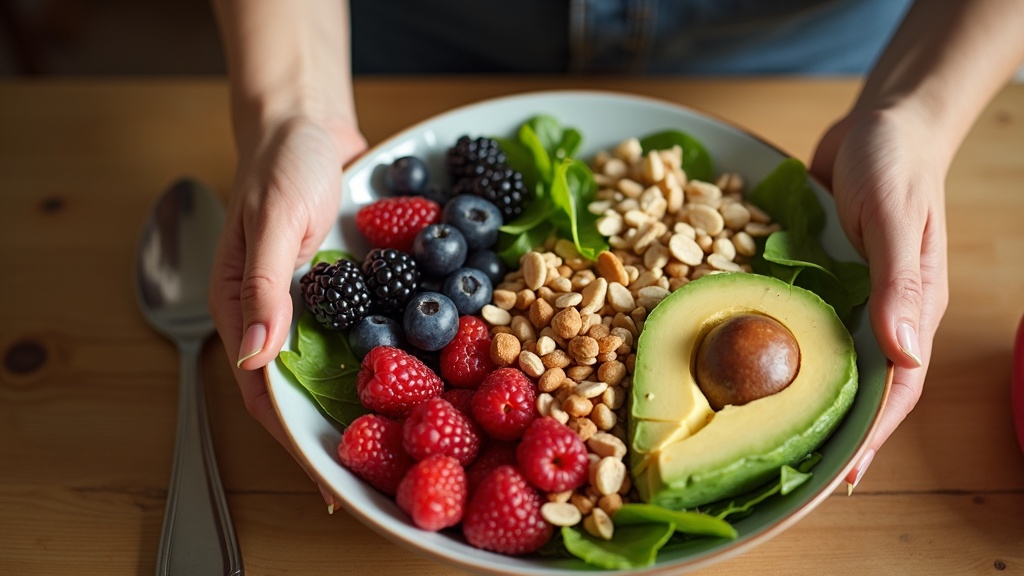
- Nuts and seeds – Almonds, walnuts, pumpkin seeds, or a trail mix without candy coating provide healthy fats and protein that keep you satisfied [1].
- Fresh whole fruit – Apples, oranges, and bananas are TSA-approved and packed with fiber to support steady energy.
- Protein bars – Look for options with at least 10g protein, minimal added sugars (under 8g), and recognizable ingredients.
- Hard-boiled eggs – If you're flying domestic and have a short trip to the airport, these are protein powerhouses.
- Veggie sticks with individual hummus cups – Carrots, bell peppers, and celery paired with those 2oz hummus containers (they're under the liquid limit!) make for a satisfying crunch.
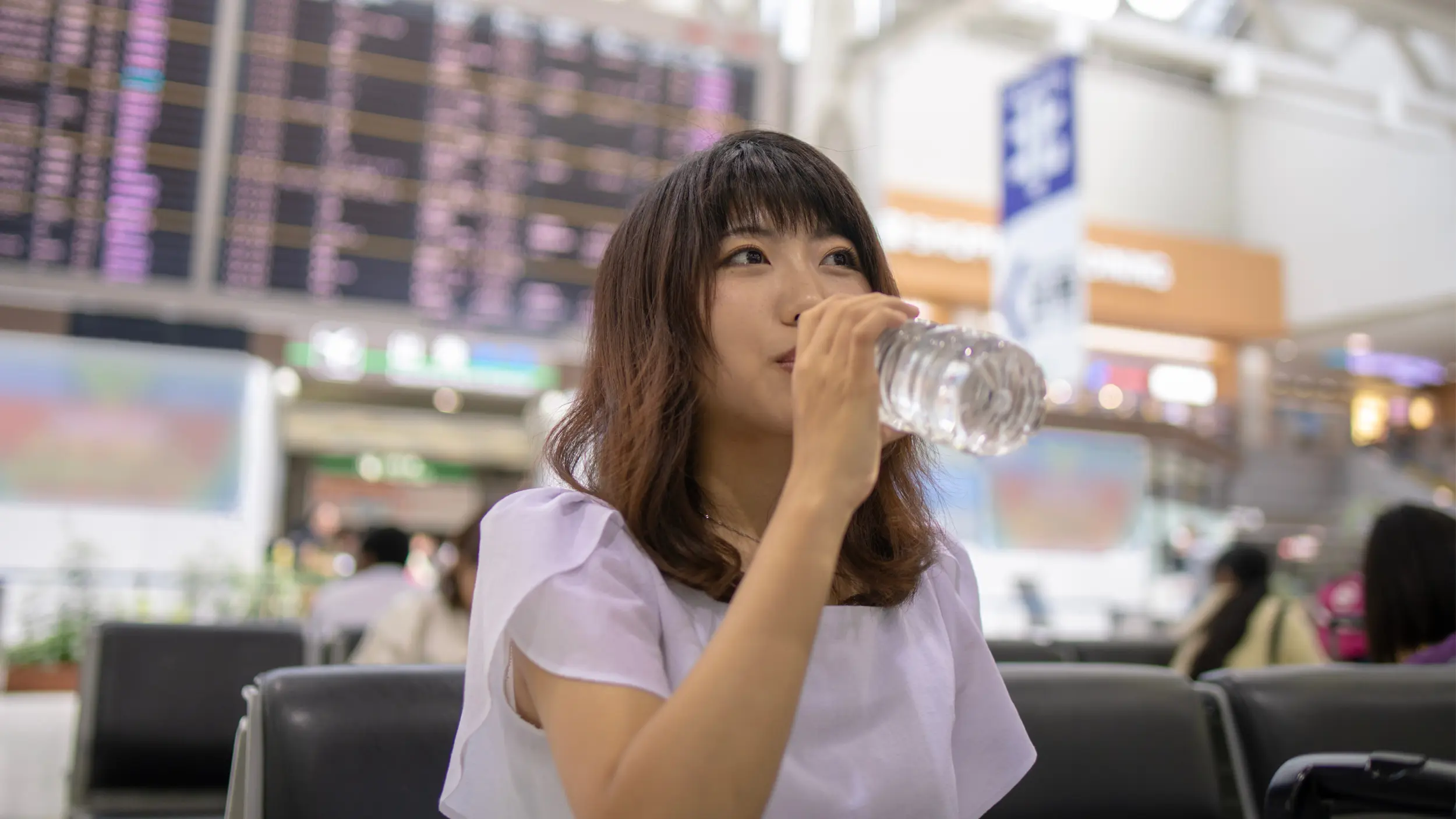
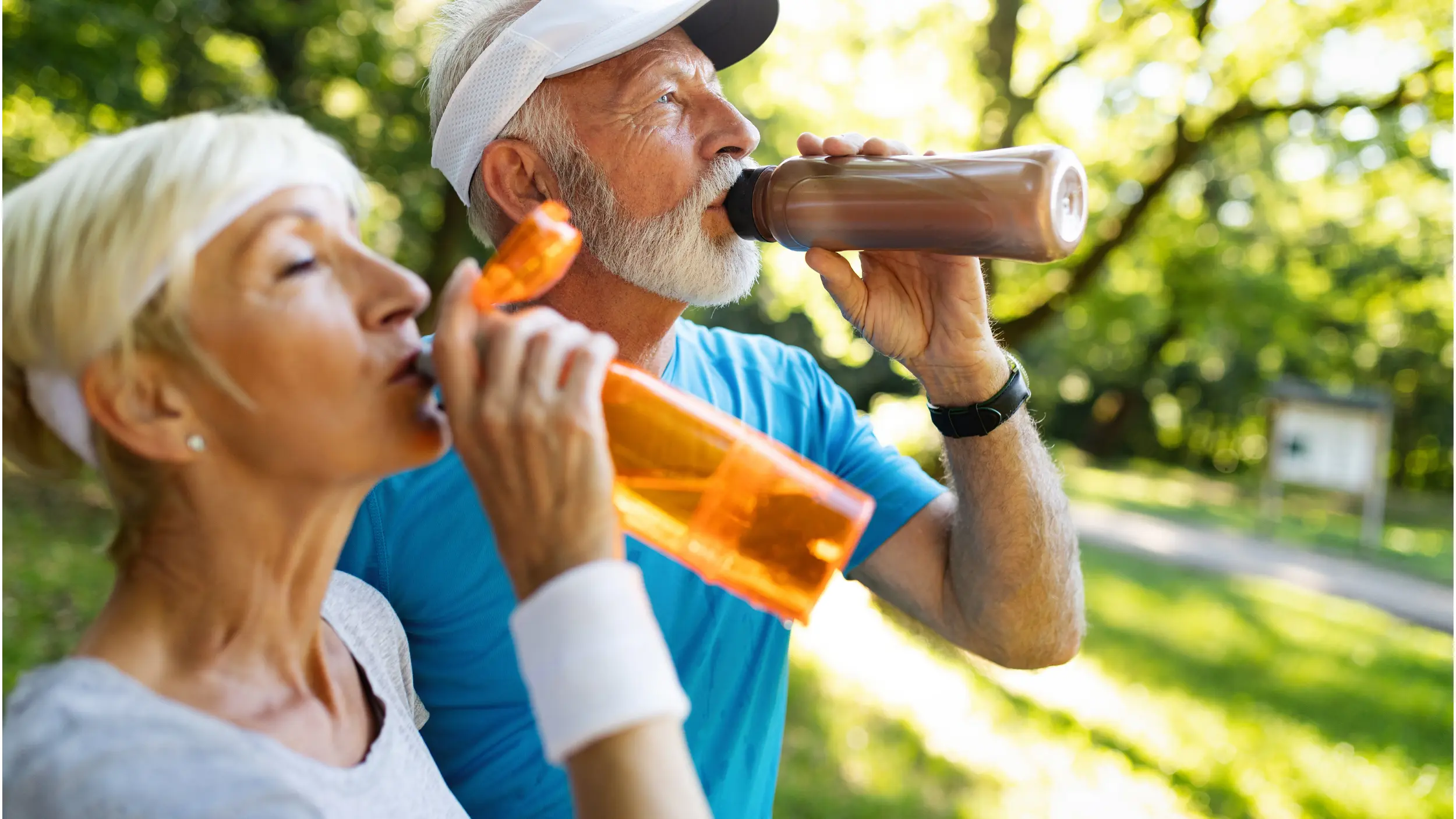
One of my favorite airport hacks? Pack an empty reusable water bottle. Once you're through security, fill it up at a water fountain or ask a coffee shop to fill it for you. Staying hydrated is non-negotiable for travel health, and airplane cabin humidity drops to around 10-20% [2], which is drier than most deserts.
Pre-Flight Eating Strategy
What you eat in the hours before your flight sets the tone for how you'll feel in the air. Skip the greasy food court temptations that can leave you bloated at altitude.
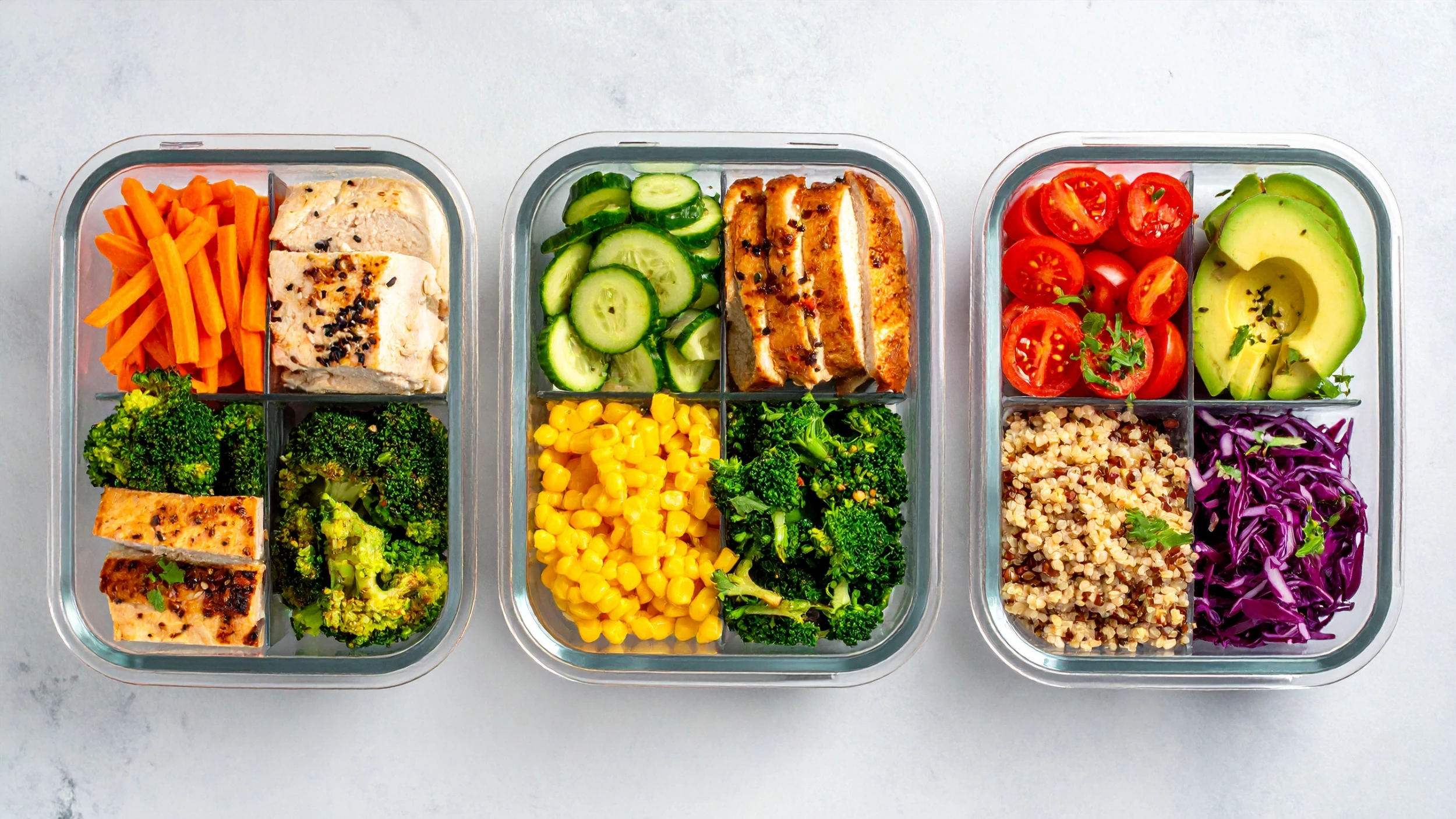
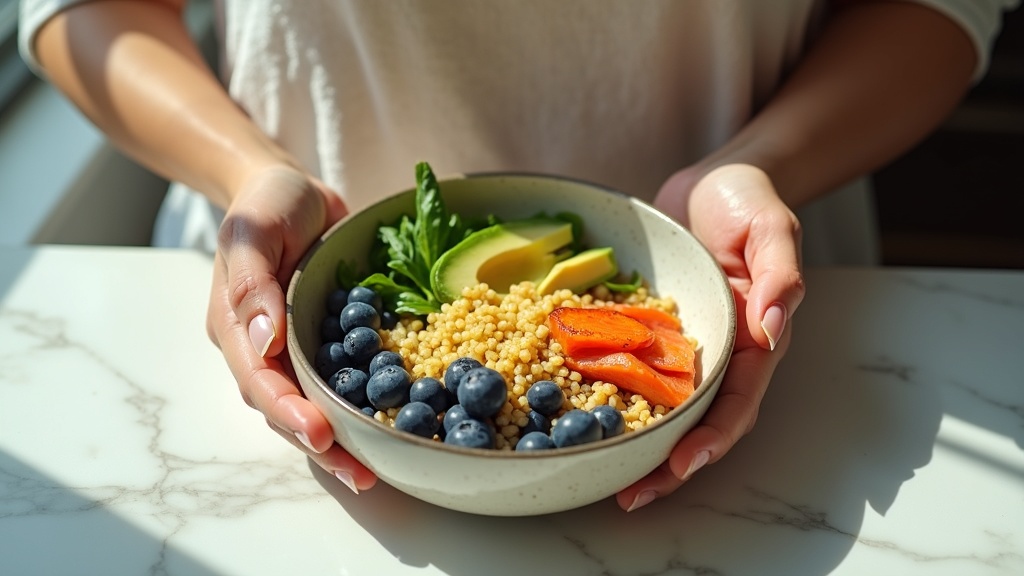
Instead, aim for a balanced meal 2-3 hours before departure that includes:
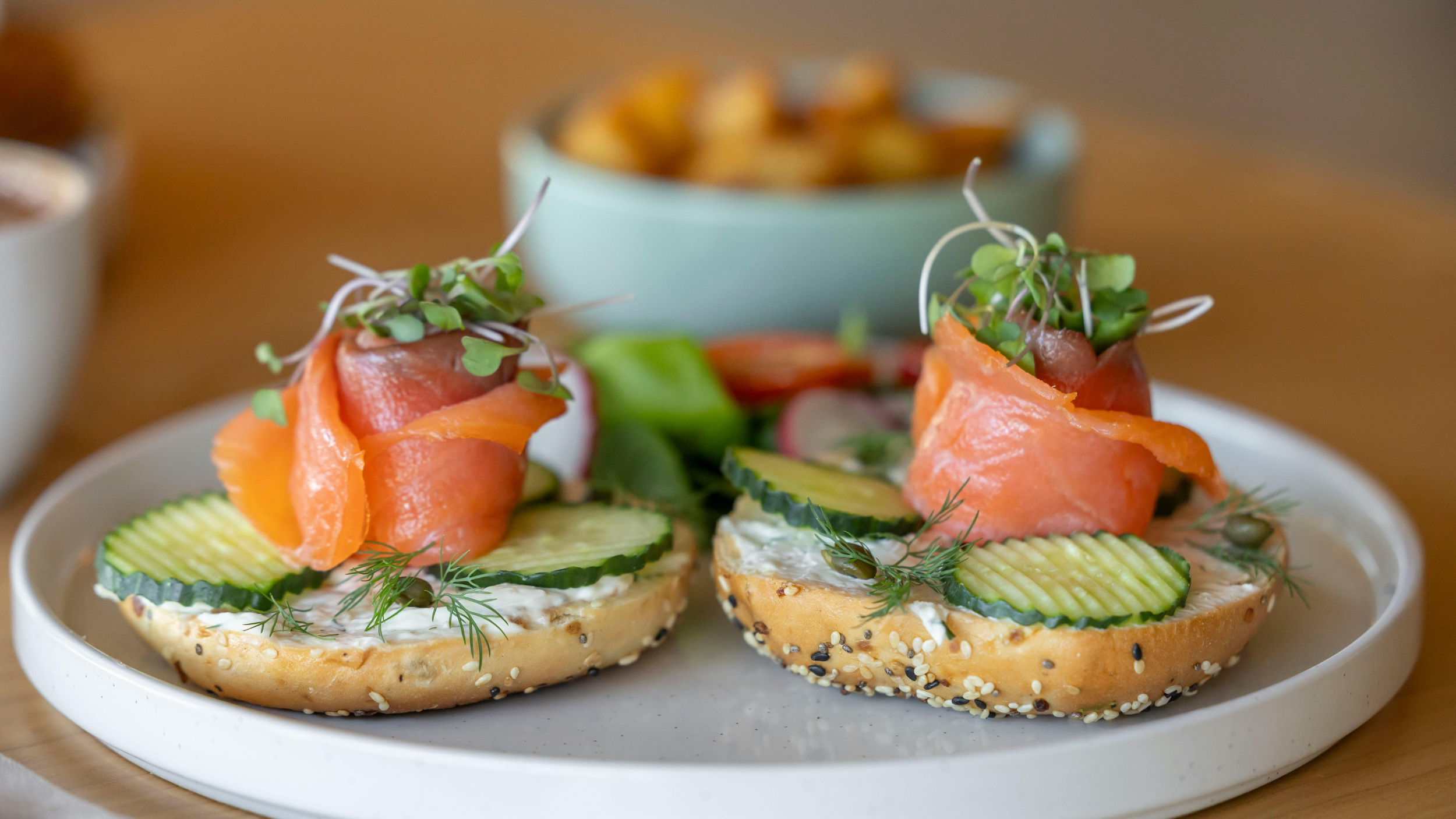
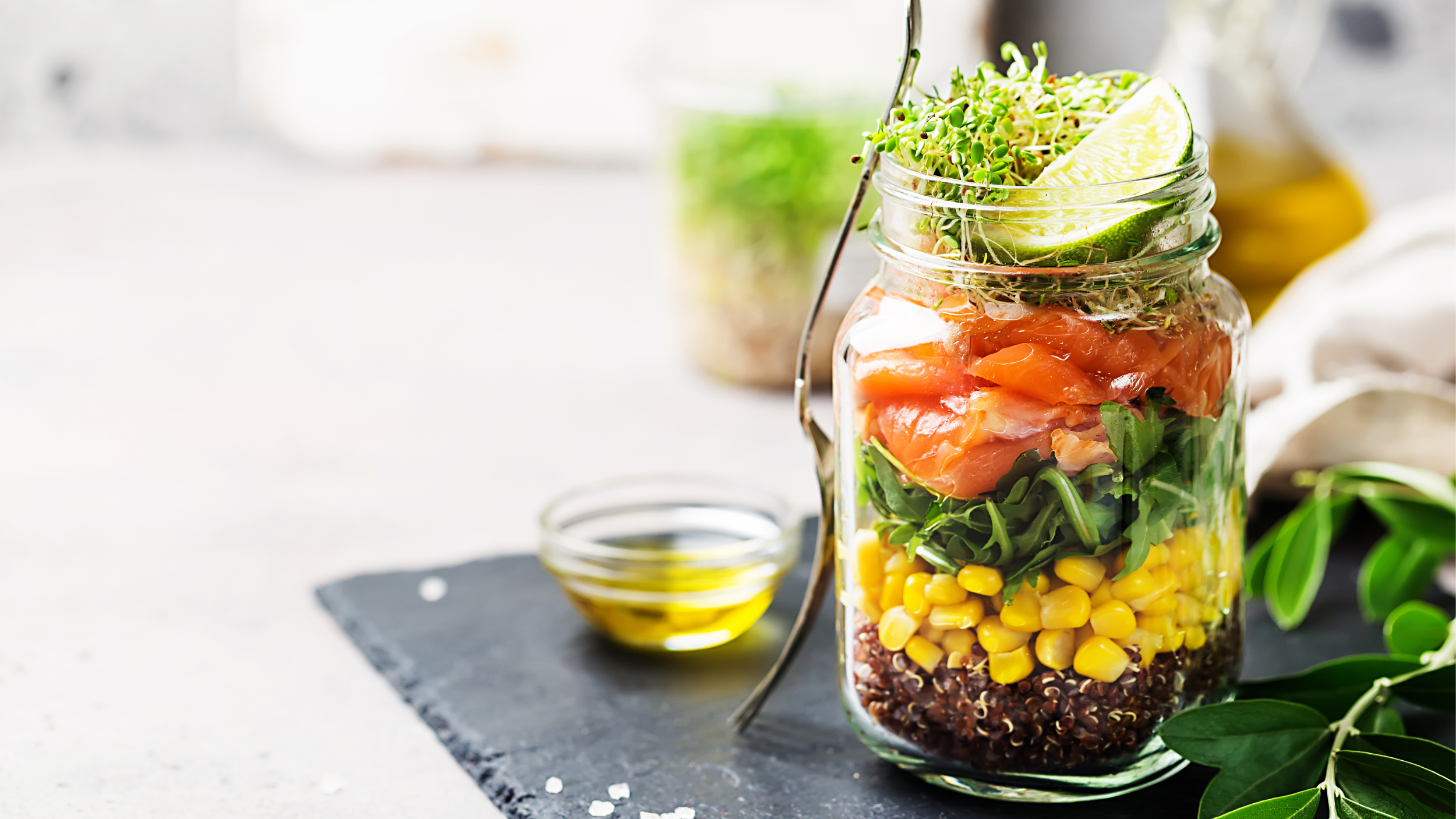
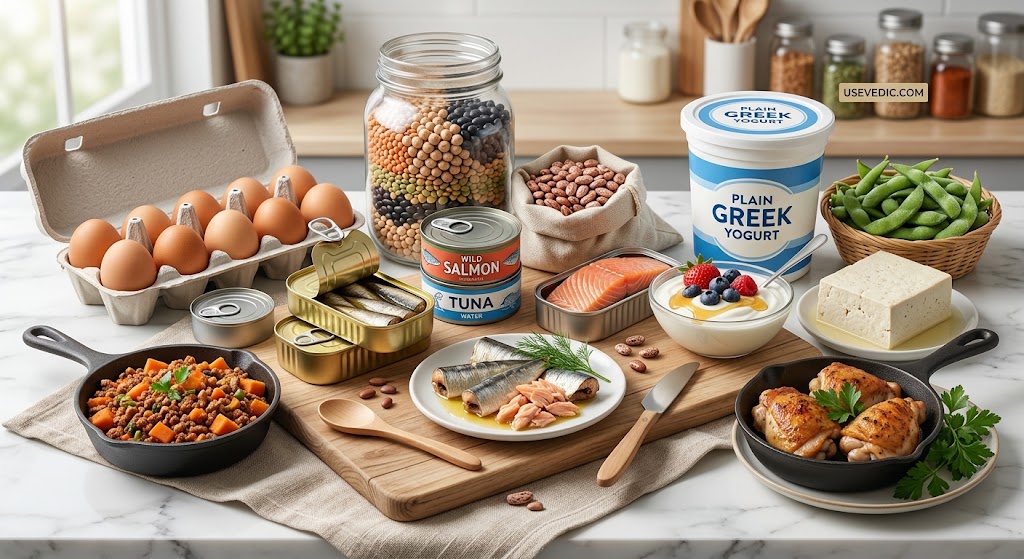
- Lean protein (grilled chicken, fish, tofu, or Greek yogurt)
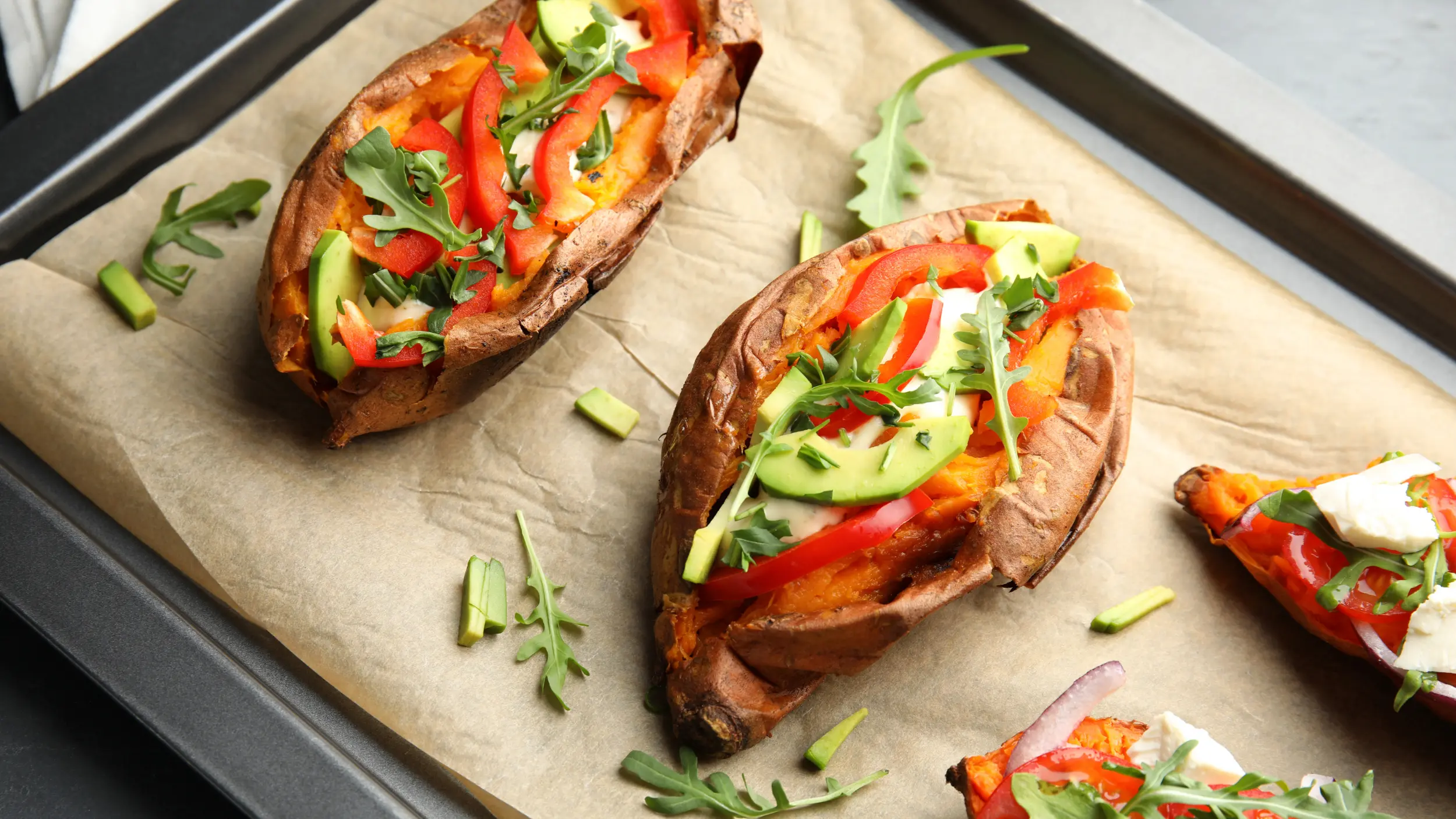
- Complex carbohydrates (quinoa, sweet potato, or whole grain bread)
- Healthy fats (avocado, olive oil, or nuts)
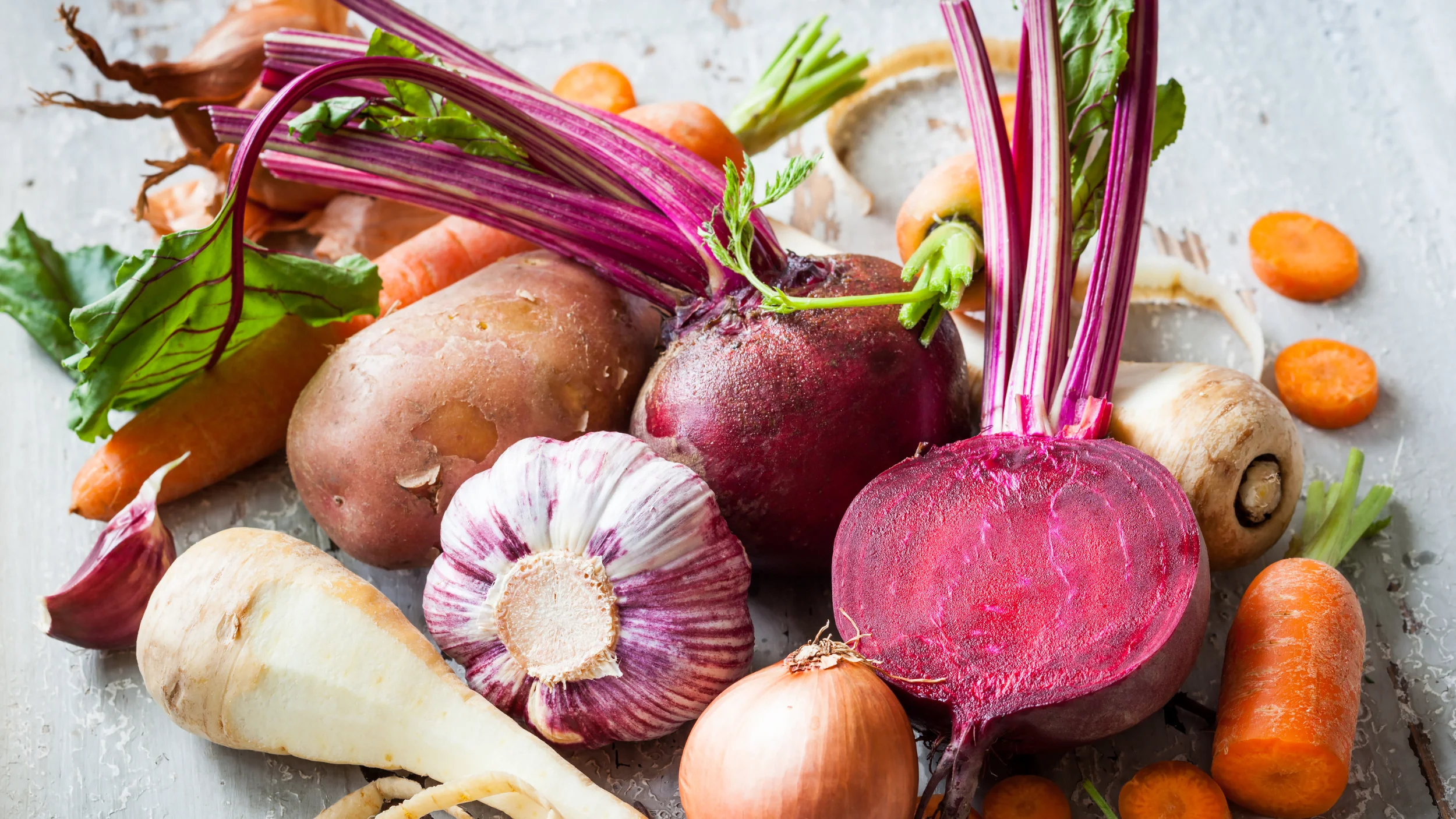
- Plenty of vegetables for fiber and micronutrients
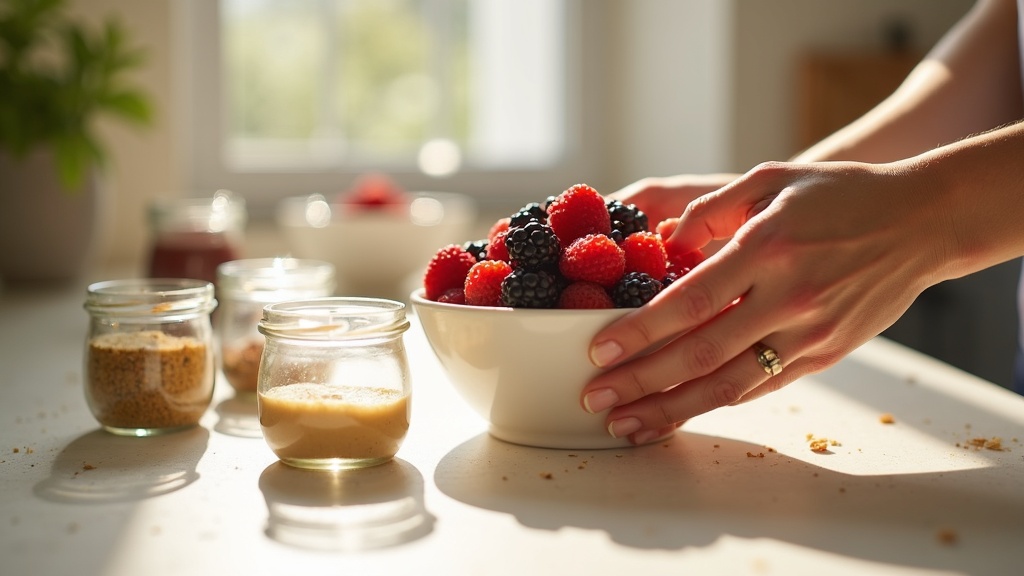
This combination supports stable blood glucose levels and provides sustained energy without the crash [3]. If you're dealing with pre-flight jitters that affect your appetite, a smoothie with protein powder, spinach, berries, and nut butter can be easier to get down while still providing solid nutrition.
For those of you working on hormone balance, maintaining regular meal timing even on travel days helps keep your endocrine system happy. Don't skip meals thinking you'll just eat on the plane—airline meal timing rarely aligns with your body's needs.
Airport Security and Beyond: Staying Healthy and Comfortable
Let's be real: airport security can feel like an obstacle course, especially when you're trying to get through with your carefully packed snacks and supplements. But with a few strategic flying tips, you can breeze through while protecting your wellness routine.
Supplements and Medications: Know the Rules
Vitamins, probiotics, and powdered supplements are allowed in both carry-on and checked bags. However, if you're bringing powder-like substances in containers larger than 12oz, they may require additional screening [4].
Pro tip: Transfer supplements into a weekly pill organizer labeled with the days of your trip. This makes them easier to access and less likely to raise questions during screening.
If you rely on specific supplements for gut health or energy, pack extras in your checked luggage as backup. Lost luggage is rare but not worth the risk when it comes to your daily routine.
Making the Most of Your Airport Wait Time
You've made it through security—now what? The airport experience between security and boarding is actually a golden opportunity to set yourself up for a comfortable flight.
Hydration checkpoint: This is when you should be actively drinking water. Aim for at least 16oz before boarding. Yes, you'll need to use the airplane bathroom, but that's vastly preferable to arriving dehydrated with a pounding headache.
Movement matters: Gate areas are notoriously sedentary, but sitting for extended periods before a long flight compounds circulation issues. Walk the terminal, do calf raises while waiting in line, or find a quiet corner for gentle stretches. This becomes even more important for women in their late 30s and 40s when venous return naturally becomes less efficient [5].
Airport lounge access: If you have it, use it strategically. Many lounges now offer fresh fruit, vegetable-based soups, salads, and other whole-food options alongside the typical cheese and crackers. A lounge can also provide a quieter space to actually relax before your flight, which matters more than most people realize for stress management.
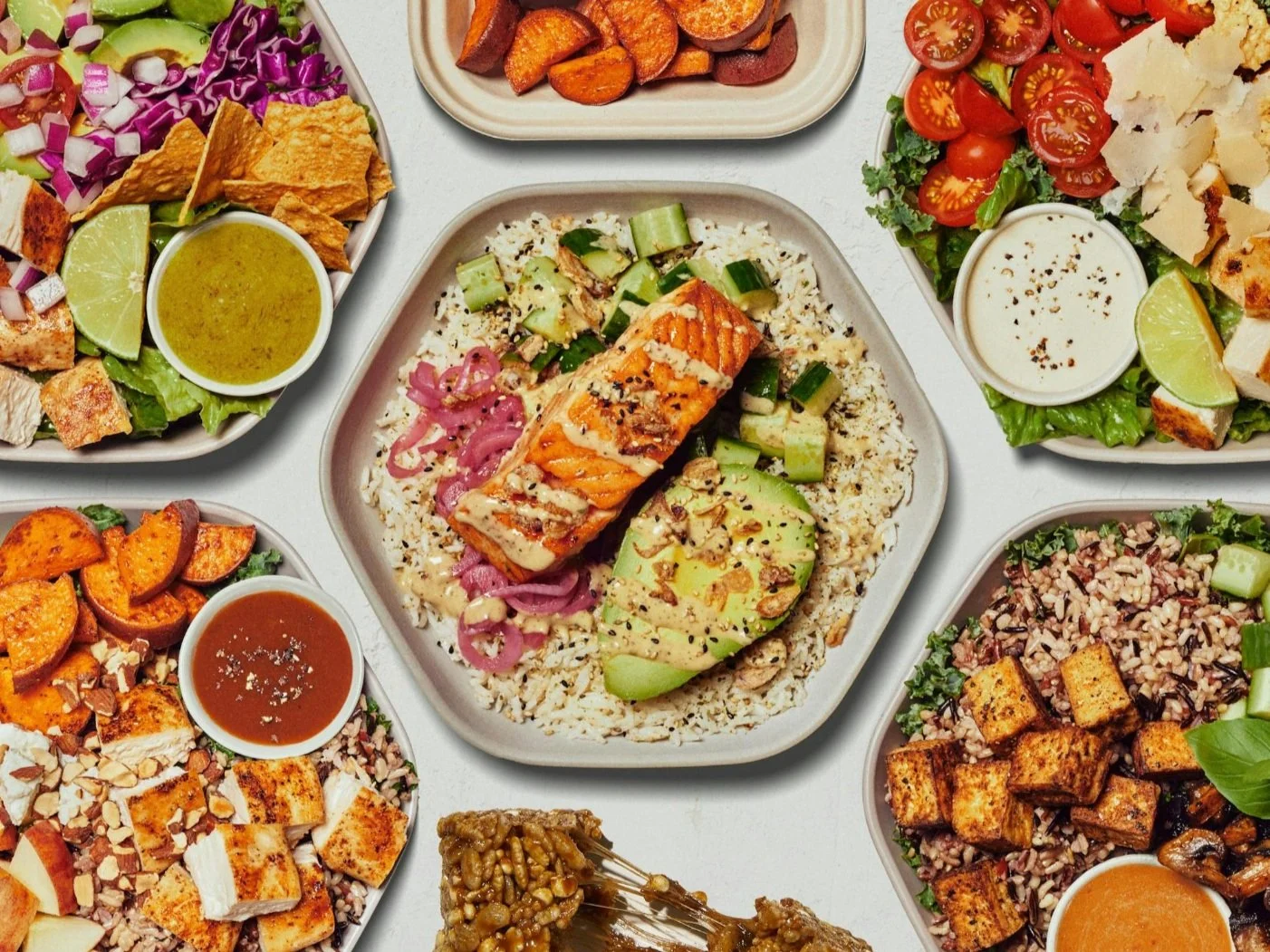
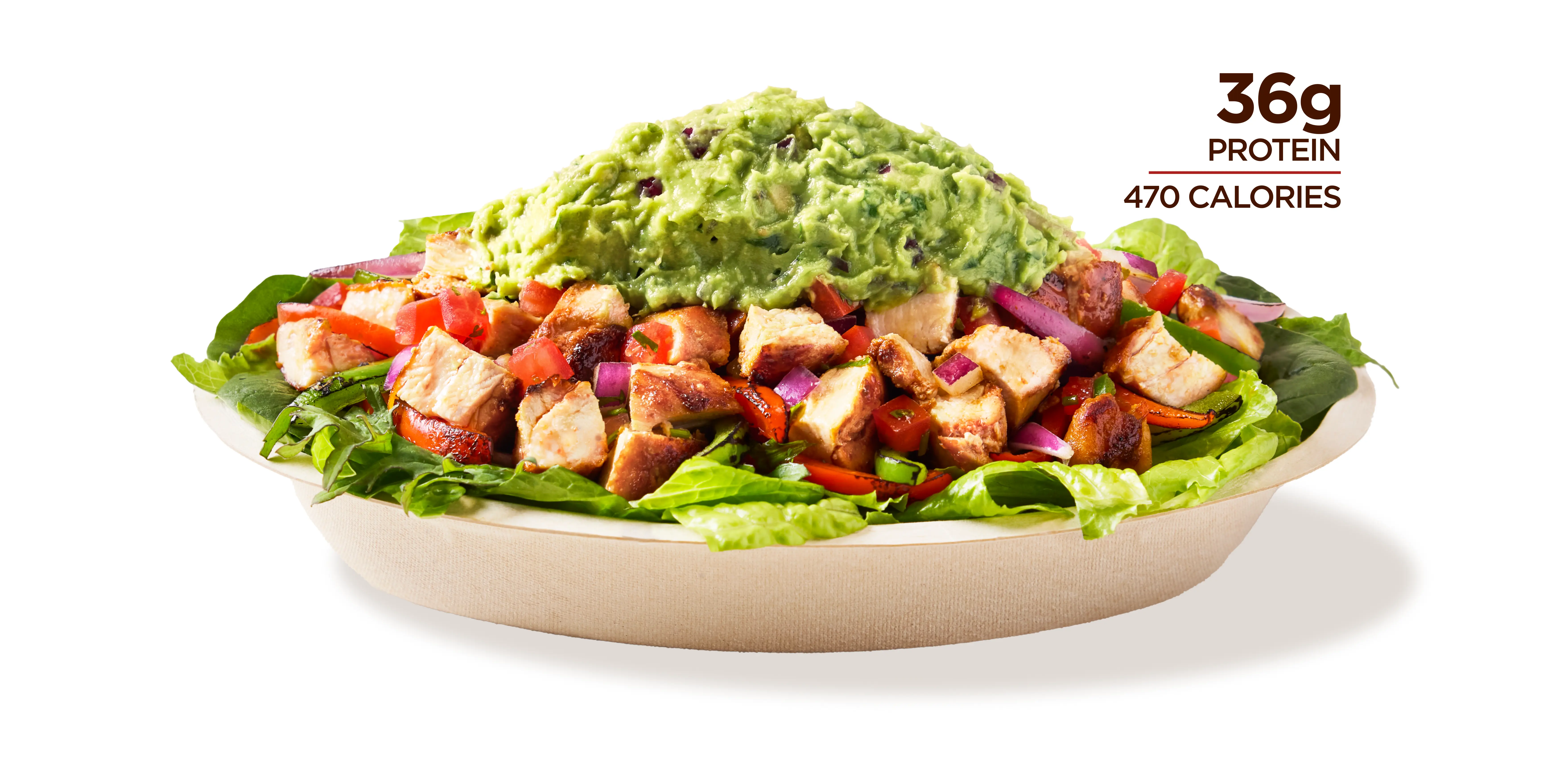
If you don't have lounge access, scope out your gate area for the best food options nearby. Most major airports in 2026 have at least a few health-conscious vendors—look for poke bowls, grain bowls, or made-to-order salads rather than defaulting to fast food.
The Reality of Airport Food
I'm not going to tell you that airport food is always terrible, because it's actually improved significantly over the past few years. But you do need to be selective.
When evaluating airport restaurant menus, look for:
- Grilled or baked proteins rather than fried
- Dishes built around vegetables and whole grains
- Options that list ingredients rather than hiding them in sauces
- Customizable meals where you can add or remove components
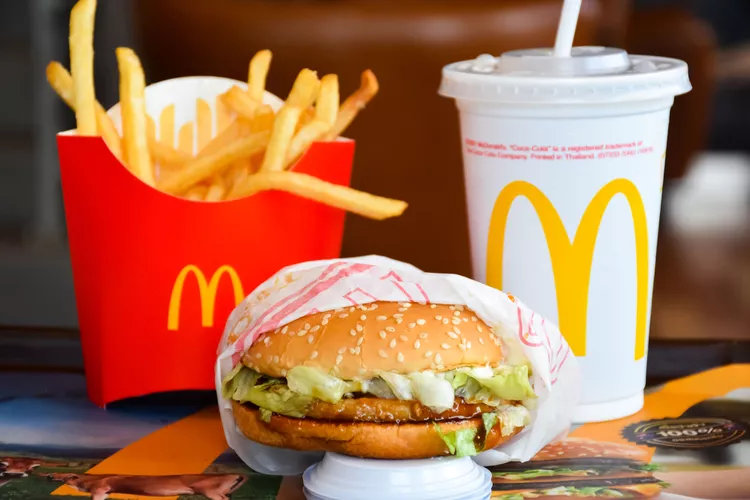
Avoid anything that's been sitting under a heat lamp (hello, food safety concerns) or loaded with cream-based sauces that'll sit heavy in your stomach during flight.
In-Flight Wellness: Nourishing Yourself While You Fly
Once you're settled in your seat, your focus shifts to maintaining comfort and wellness for the duration of the flight. Air travel creates unique physiological challenges that smart nutrition choices can help address.
Understanding What Happens to Your Body at Altitude
Cabin pressure is typically equivalent to an elevation of 6,000-8,000 feet [6]. This affects your body in several ways:
- Reduced oxygen availability means your body works slightly harder for every function
- Lower humidity accelerates fluid loss through respiration and skin
- Cabin pressure changes can cause gas expansion in your GI tract (yes, that's why you feel bloated)
- Circadian disruption begins even before you change time zones due to altered light exposure
Knowing this helps you make informed choices about what and when to eat during your flight.
Smart In-Flight Eating
Airline meals have come a long way, but they're still designed for shelf stability and mass appeal rather than optimal nutrition. If you're on a longer flight where a meal is served, here's how to navigate it:
Choose the protein-forward option when given a choice between meals. Fish, chicken, or legume-based dishes typically offer better macronutrient balance than pasta-heavy alternatives.
Eat the vegetables first—even if they're just okay. The fiber helps with satiety and supports healthy digestion despite the weird pressurization situation happening in your gut.
Skip or minimize the bread/roll unless you're genuinely hungry for it. These refined carbs contribute to blood sugar swings without offering much nutritional value.
Save the fruit cup for later if your meal already includes carbohydrates. Fruit makes an excellent mid-flight snack when you need an energy boost.
For shorter flights without meal service, rely on the snacks you packed. A strategic eating schedule helps: have a small protein-rich snack about 2 hours into your flight, then again 2 hours before landing if it's a long haul.
Hydration: Your Most Important In-Flight Job
I cannot stress this enough—dehydration is the number one preventable problem during air travel, and it contributes to headaches, fatigue, constipation, and even increased susceptibility to getting sick [7].
Here's what actually works:
- Drink 8oz of water before takeoff
- Continue with 8oz every hour during flight
- Avoid alcohol entirely or limit to one drink with equal water consumption
- Limit caffeine to one cup of coffee or tea, followed by extra water
Yes, this means bathroom trips. Flight attendants have seen it all—don't let bathroom anxiety keep you from proper hydration.
What About Alcohol on Flights?
Look, I get it. For some people, a glass of wine is part of the travel experience. I'm not here to be the fun police. But you should know that alcohol's dehydrating effects are amplified at altitude, and it can worsen jet lag by disrupting sleep architecture [8].
If you do choose to drink:
- Stick to one drink maximum
- Choose wine or spirits with water rather than sugary cocktails
- Follow immediately with 16oz of water
- Avoid alcohol entirely on red-eye flights if you're hoping to sleep
Managing Digestive Comfort
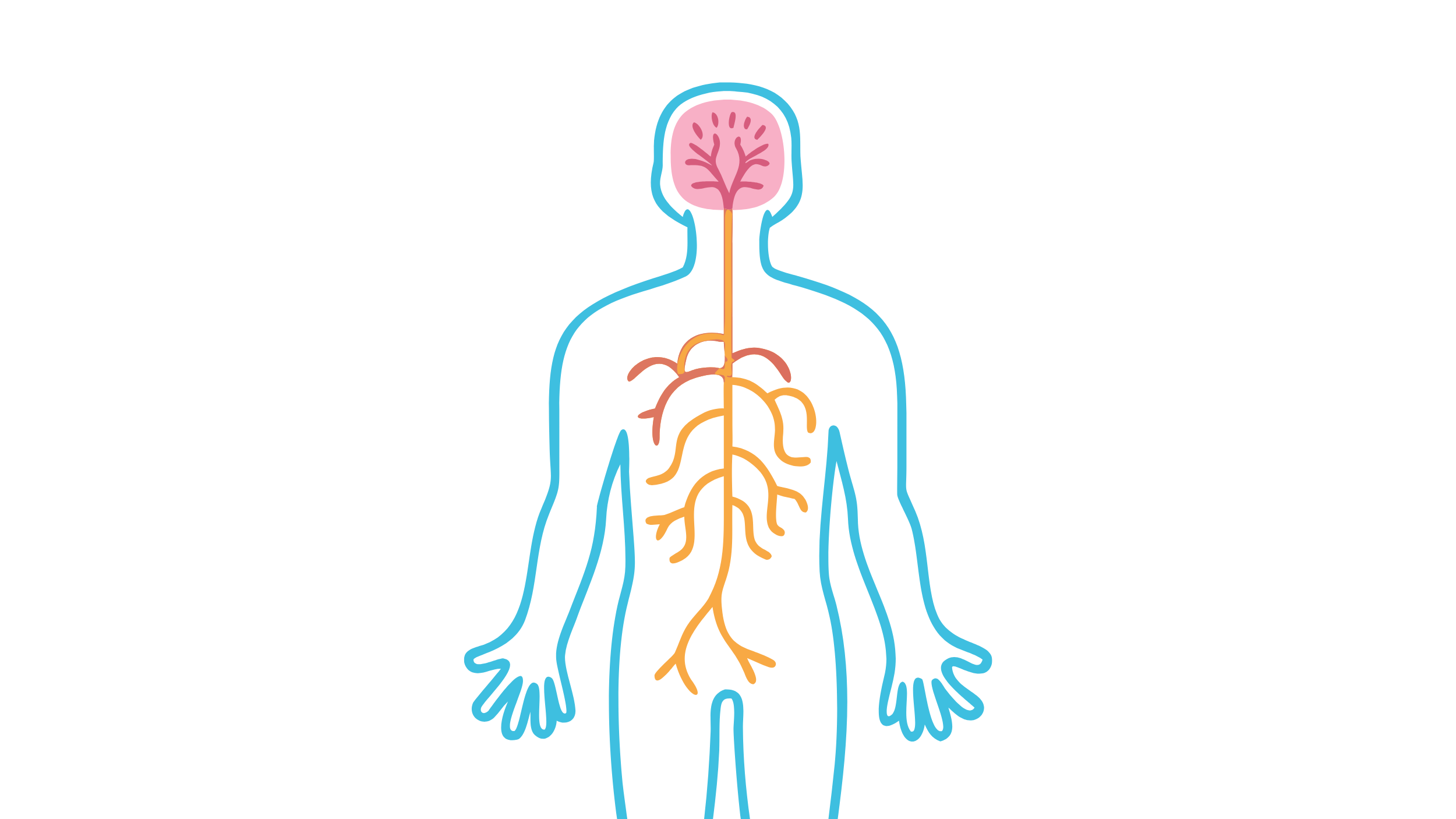
The combination of cabin pressure, dehydration, sitting still for hours, and schedule disruption creates a perfect storm for digestive issues. Nearly 25% of travelers experience constipation during trips [9].
Preventive strategies include:
- Prioritizing fiber-rich foods before and during travel
- Maintaining hydration (yes, again—it's that important)
- Moving regularly during flight—aisle walks every 60-90 minutes
- Considering a magnesium supplement before bed (but test this at home first)
- Packing ginger tea bags for nausea or digestive discomfort
Sleep on Long-Haul Flights
If you're flying overnight, your food choices significantly impact sleep quality. Avoid large meals within 2 hours of when you hope to sleep. If you need a snack, choose something with tryptophan and complex carbs—think a small portion of nuts with a piece of fruit or whole grain crackers with almond butter.
The timing of your meals can also help reset your circadian rhythm to your destination time zone. For eastward travel, eating according to destination time helps your body adjust faster [10].
Frequently Asked Questions
Q1: What are the best snacks to bring through airport security?
A: Non-liquid, whole food options work best. Pack individually portioned nuts, seeds, trail mix, protein bars, whole fruits like apples and oranges, hard-boiled eggs, and vegetable sticks. Small hummus containers (2oz or less) also comply with TSA liquid rules. Avoid anything that could be considered a gel, paste, or liquid consistency.
Q2: How can I stay hydrated on a flight?
A: Drink at least 8oz of water every hour during your flight, starting before takeoff. Bring an empty reusable water bottle through security and fill it before boarding. Request water regularly from flight attendants and minimize diuretic beverages like coffee and alcohol. Set a phone reminder if needed—it's easy to forget when you're watching movies or working.
Q3: What if I have dietary restrictions while traveling?
A: Most airlines allow you to request special meals (vegetarian, vegan, gluten-free, etc.) when booking, though you must do this at least 24-48 hours in advance. Always pack backup snacks that meet your dietary needs since special meals sometimes don't arrive as ordered. Research airport restaurant options ahead of time using airport websites or apps, and don't hesitate to ask about ingredients and preparation methods.
Your Travel Wellness Plan
Air travel in 2026 offers more healthy options than ever before, but the responsibility still falls on you to make choices that support your wellbeing. The strategies in this guide—smart packing, strategic eating, consistent hydration, and movement—work together to help you arrive feeling good rather than depleted.
Remember, healthy travel isn't about perfection. It's about making the best choice available in each moment and giving your body what it needs to handle the unique stresses of air travel.
Ready to make your next trip your healthiest yet? Whether you're preparing for frequent business travel or planning a major vacation, individualized guidance makes all the difference. Book a consultation today and let's create a personalized travel wellness plan that fits your specific needs, schedule, and health goals.
References
[1] Tan SY, Mattes RD. Appetitive, dietary and health effects of almonds consumed with meals or as snacks: a randomized, controlled trial. European Journal of Clinical Nutrition, 2013.
[2] Aerospace Medical Association. Cabin Air Quality and Relative Humidity in Commercial Aircraft. Aviation, Space, and Environmental Medicine, 2008.
[3] Ludwig DS, Ebbeling CB. The Carbohydrate-Insulin Model of Obesity: Beyond 'Calories In, Calories Out'. Nature Reviews Endocrinology, 2018.
[4] Transportation Security Administration. Powder-like Substances Security Screening Guidelines. TSA.gov, 2024.
[5] Clarke M, et al. Compression Stockings for Preventing Deep Vein Thrombosis in Airline Passengers. Circulation, 2016.
[6] Federal Aviation Administration. Cabin Pressure Altitude and Physiological Stress. FAA Civil Aerospace Medical Institute, 2008.
[7] Hampl JS, et al. Dehydration and physiological strain during air travel. Journal of Travel Medicine, 2003.
[8] Roehrs T, Roth T. Sleep, sleepiness, and alcohol use. Alcohol Research & Health, 2001.
[9] Frequency and Impact of Traveler's Constipation Study Group. Impact of constipation on quality of life in travelers. Journal of Travel Medicine, 2003.
[10] Sack RL. Clinical Practice: Jet Lag. New England Journal of Medicine, 2010.
.svg)
.svg)


.jpg)
.jpg)








.webp)



















.webp)
.webp)
.webp)
.webp)
.webp)
.webp)
.webp)
.png)
.webp)
.webp)

.webp)
.png)
.webp)
.webp)
.webp)
.webp)
.webp)
.webp)
.webp)
.webp)
.webp)


.webp)
.png)