.webp)
%2B(7).webp)
.png)
At a Glance
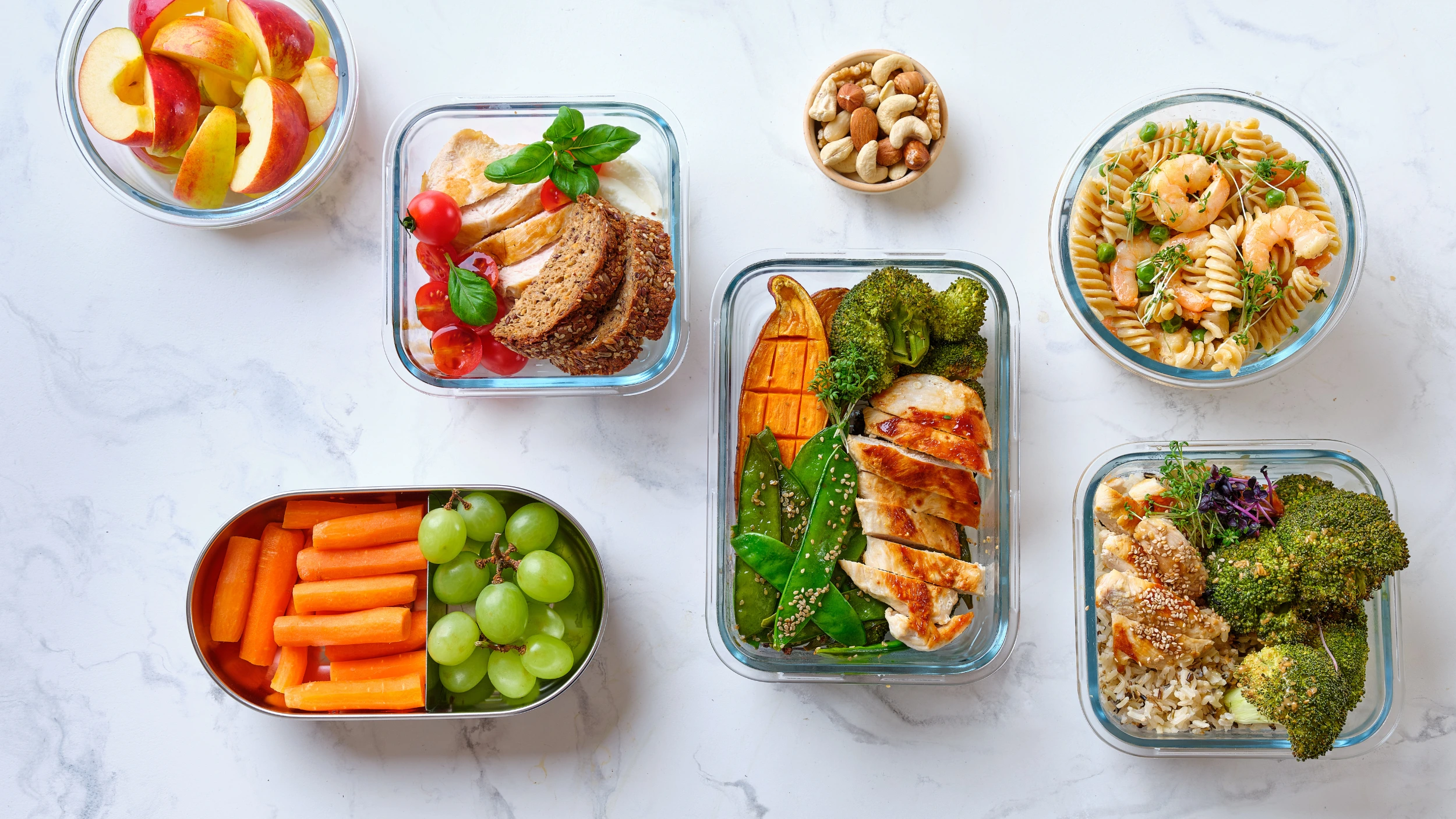
Packing a healthy lunch on a budget isn't about deprivation—it's about strategic resource allocation. Just like managing your finances, managing your daily calorie intake requires intentional planning, smart shopping, and a solid system that serves both your wellness and wealth goals. This guide will show you exactly how to build affordable, nutrient-dense packed lunches that fuel your body and your savings account.
The Mindset Shift: Why Your Calories and Your Finances Aren't So Different
Here's something that clicked for me while working with hundreds of women juggling careers, wellness goals, and tight budgets: your daily calorie goal and your monthly budget are essentially the same thing. They're both finite resources that require intentional allocation.
When you view your 1,400-2,000 daily calories (depending on your individual needs) as a budget to "spend," suddenly the choices become clearer. You wouldn't blow your entire grocery budget on a designer handbag, right? Similarly, spending 800 calories on a restaurant salad drenched in creamy dressing and croutons—while still feeling hungry two hours later—isn't a wise investment.
This dual-budget approach creates what I call "financial wellness nutrition." Research shows that individuals who meal plan and prep at home consume fewer calories overall and have better diet quality compared to those who frequently eat out [1]. The beautiful parallel? They also save an average of $1,500-$2,000 annually.
The psychological shift happens when you stop seeing packed lunches as restrictive and start viewing them as empowering. You're taking control of both resources—your nutritional intake and your hard-earned money. This isn't about being cheap or deprived; it's about being strategic and honoring your goals.
Think about it: when you pack your lunch, you're pre-deciding your calorie allocation during a calm, rational moment (Sunday afternoon), rather than making hunger-driven decisions at 12:47 PM when your blood sugar is crashing and the office cafeteria's pizza smells incredible. You're also protecting yourself from the "convenience tax"—that markup you pay for someone else to prepare your food.
Your 'Investment' Strategy: Smart Shopping for a Healthier, Wealthier You
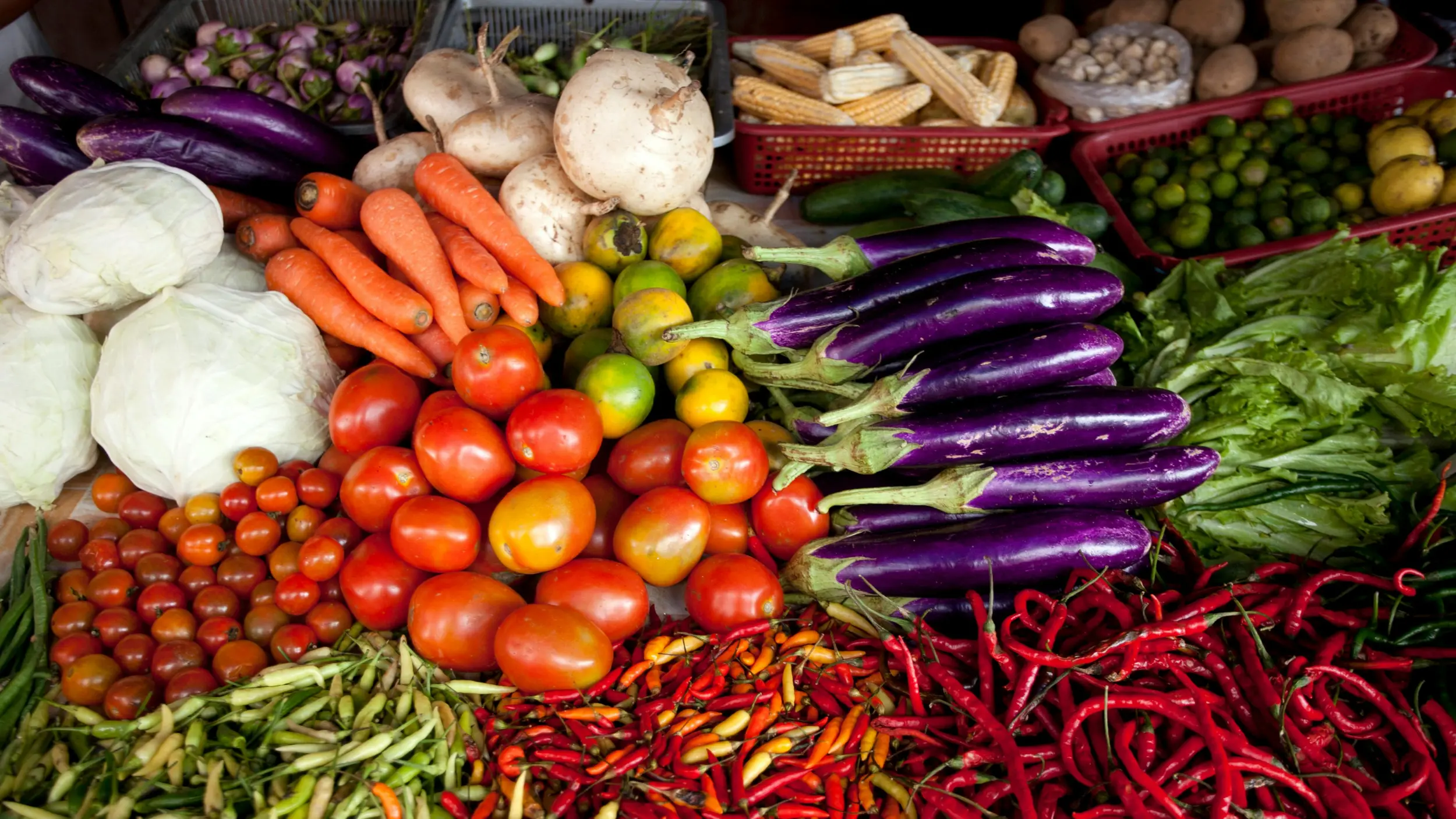
Your weekly lunch success is built at the grocery store, not in your kitchen. Let's talk about creating a strategic shopping blueprint that maximizes nutrition per dollar.
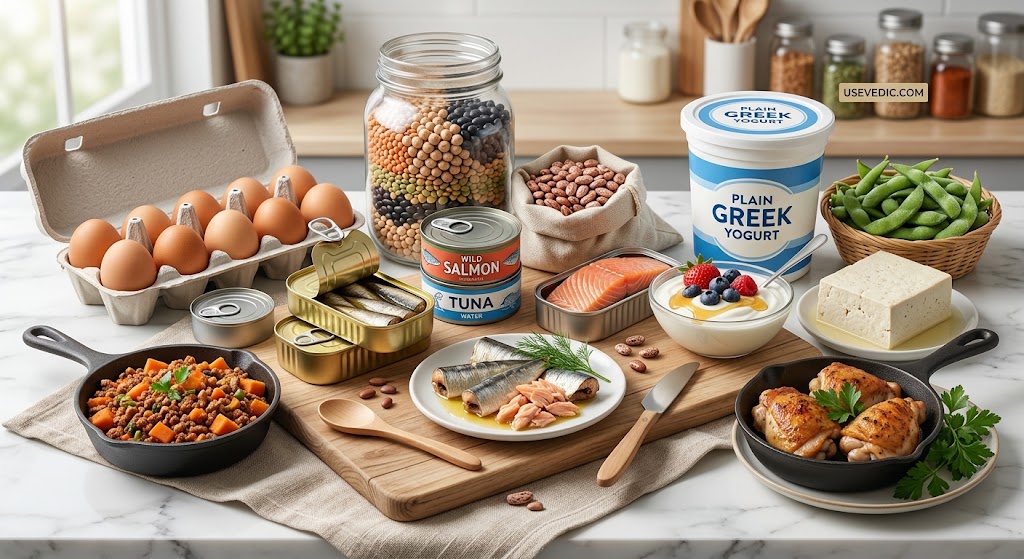
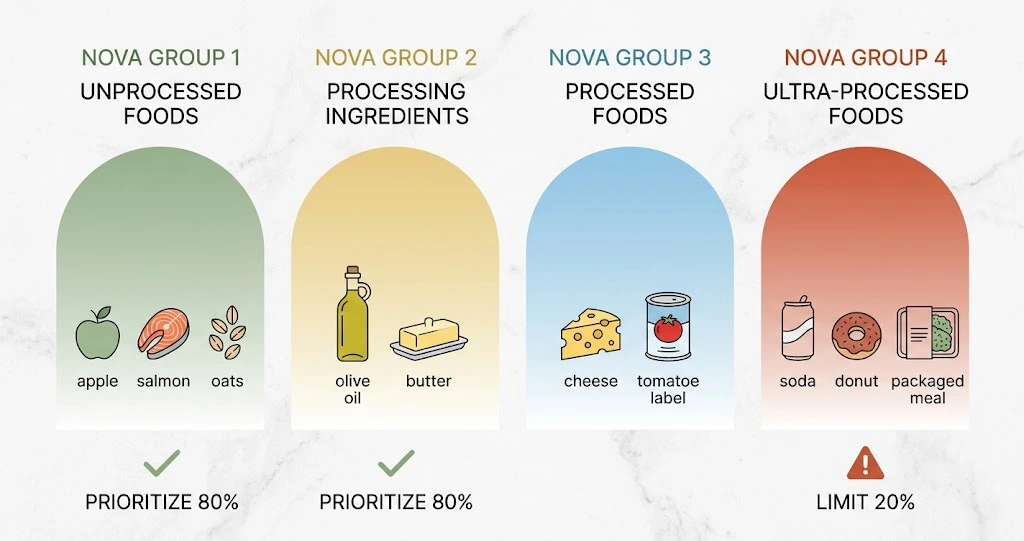
First, the foundational rule: shop the perimeter. This isn't just wellness advice—it's budget wisdom. Whole foods like eggs, chicken thighs, seasonal vegetables, and plain yogurt cost significantly less per serving than their processed, packaged counterparts in the center aisles.
Here's your budget meal prep shopping strategy broken down by category:
Protein Investments (Aim for $1.50-$3.00 per serving)
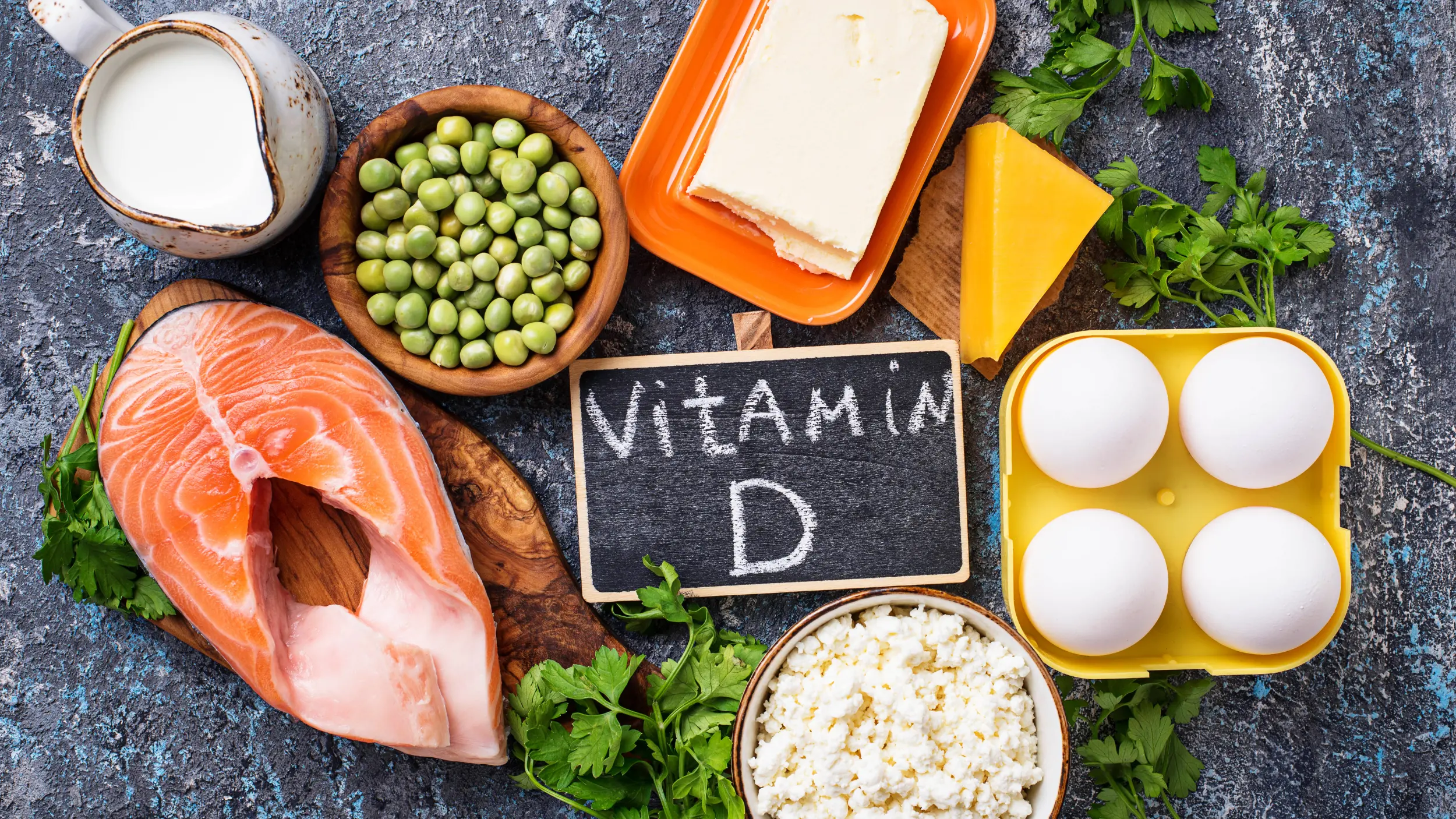
- Eggs: At roughly $3-$4 per dozen in 2026, eggs provide about 25 cents per serving of complete protein with all essential amino acids [2]. Hard-boil a batch on Sunday for grab-and-go protein all week.
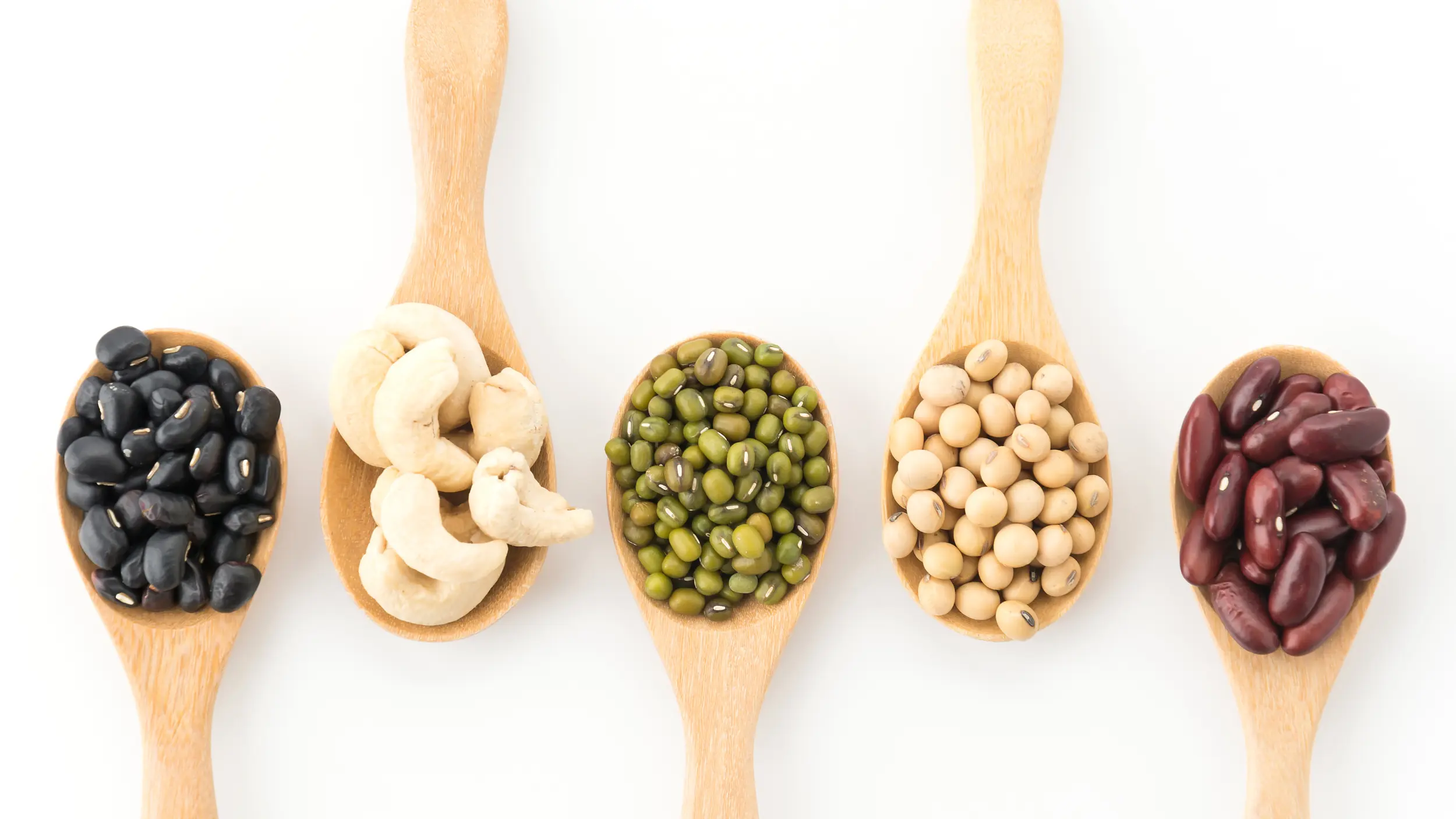
- Canned beans and lentils: Black beans, chickpeas, and lentils cost $1-$2 per can and provide both protein and fiber, which research links to increased satiety and better weight management [3].
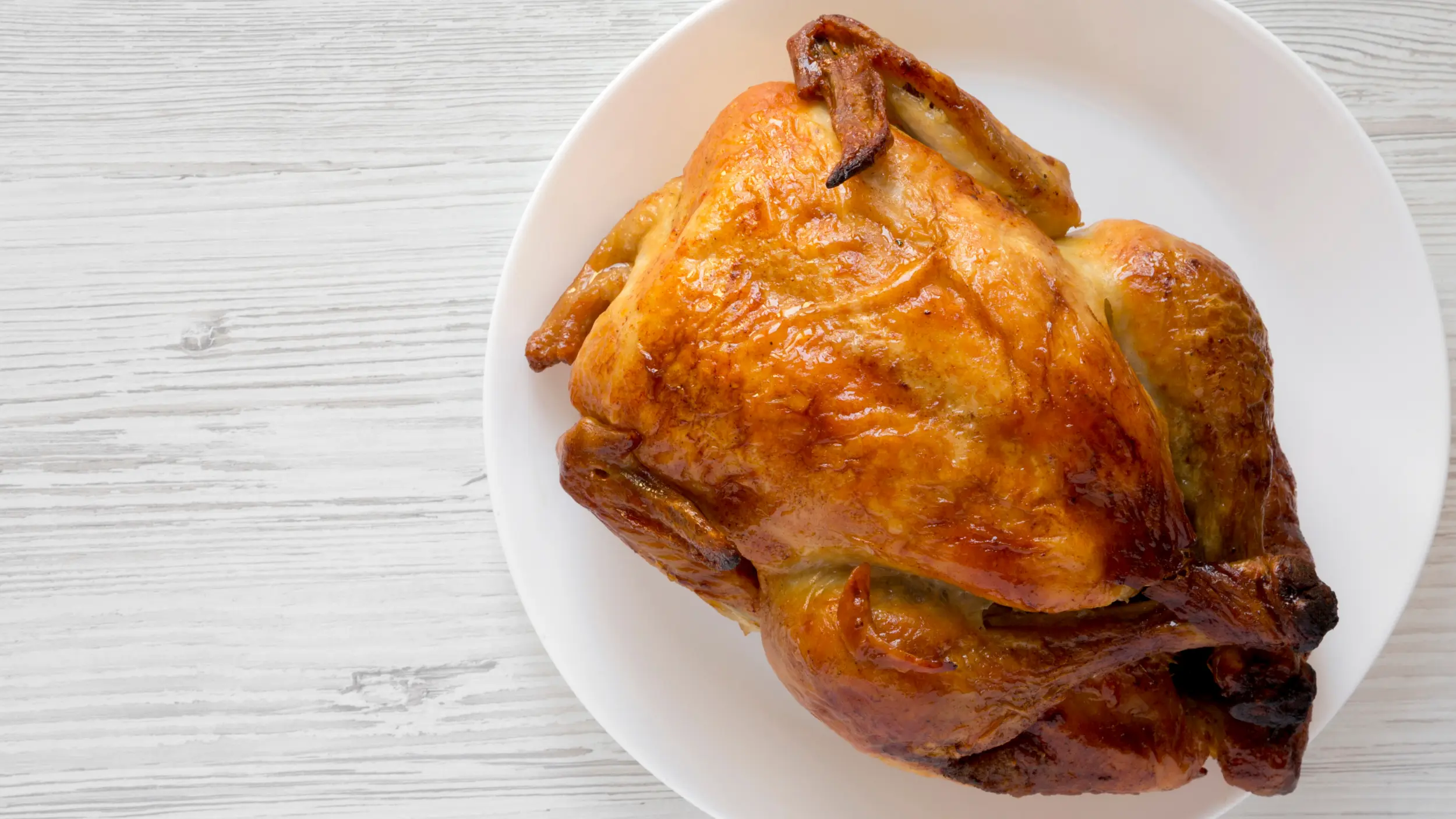
- Chicken thighs: Often 30-40% cheaper than breasts, dark meat is more forgiving when reheated and provides the same protein content.
- Greek yogurt (plain): Buy the large tub, not individual portions. You'll save money and avoid added sugars.
- Canned tuna or salmon: Wild-caught options are nutrition powerhouses at about $1.50-$2.50 per serving.
Complex Carbohydrate Foundations (Aim for under $1.00 per serving)
- Brown rice: Buy the 5-lb bag. It stores well and costs pennies per serving.
- Quinoa: Check bulk bins where available—significantly cheaper than boxed versions.
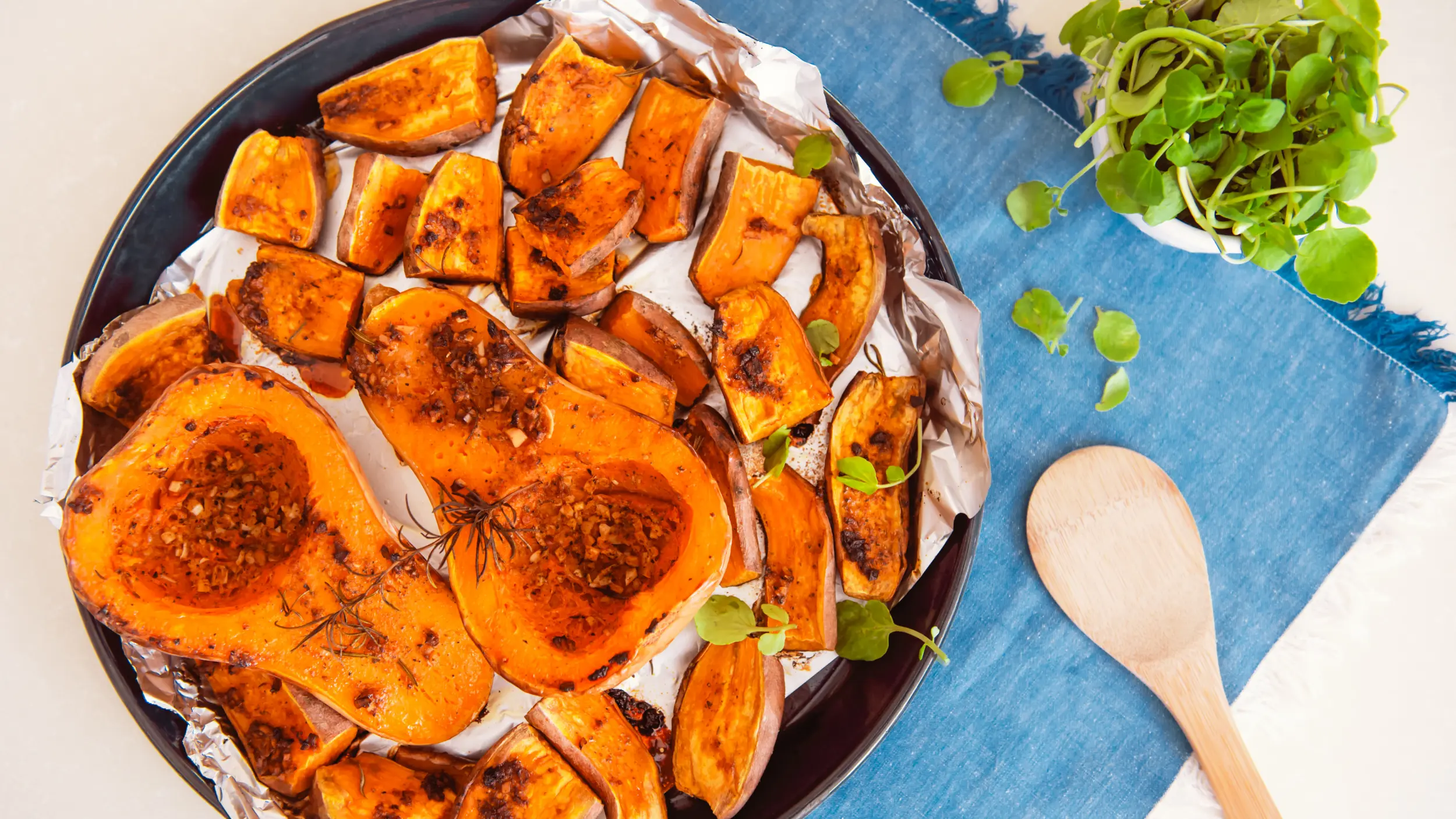
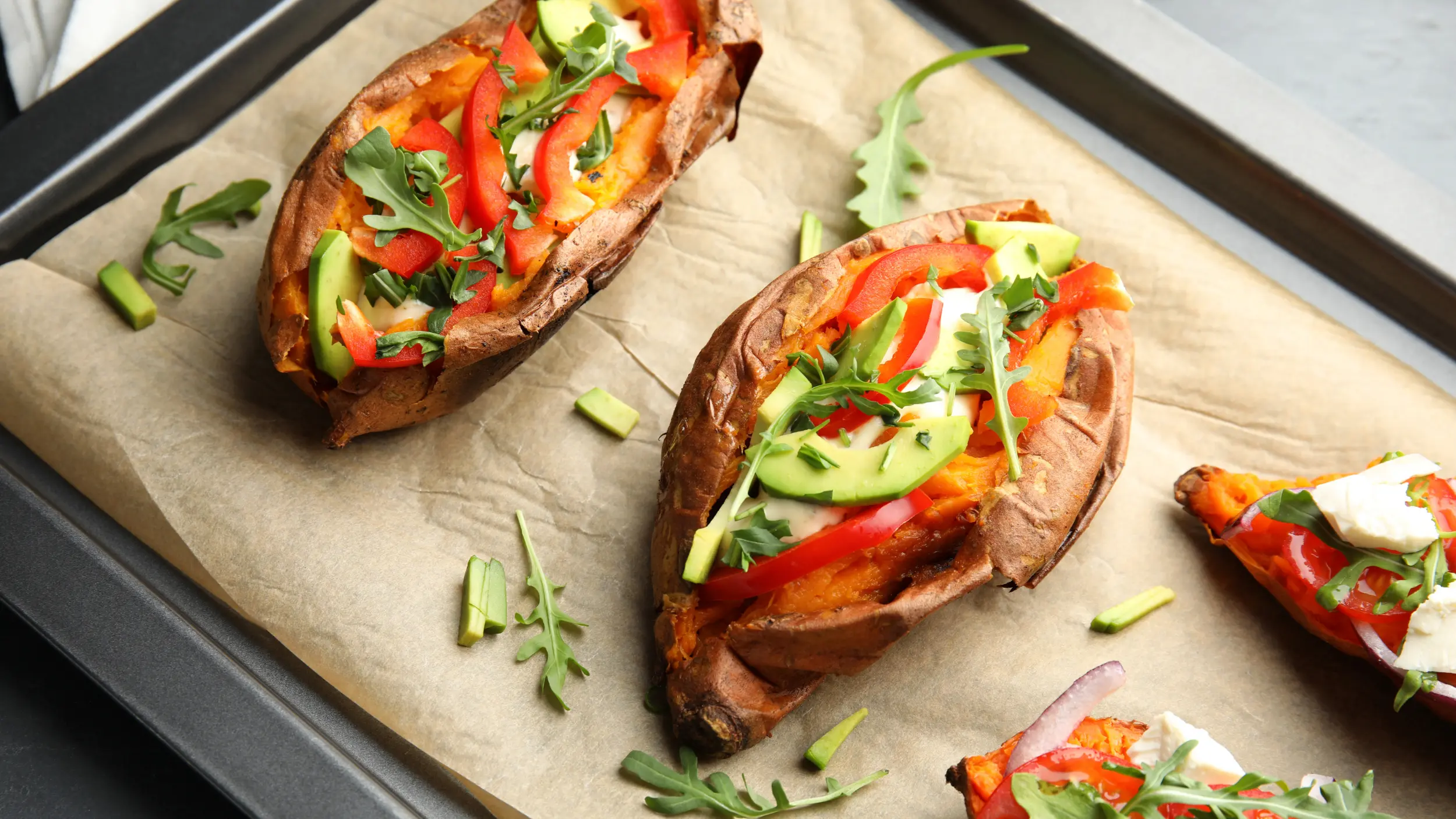
- Sweet potatoes: Nutrient-dense, filling, and typically $0.60-$1.00 per potato.
- Oats: Steel-cut or rolled oats aren't just for breakfast. They work beautifully in savory bowls.
- Whole wheat pasta: Stock up during sales. Properly portioned, this becomes an affordable base.
Vegetable Volume (Aim for $0.50-$1.50 per serving)
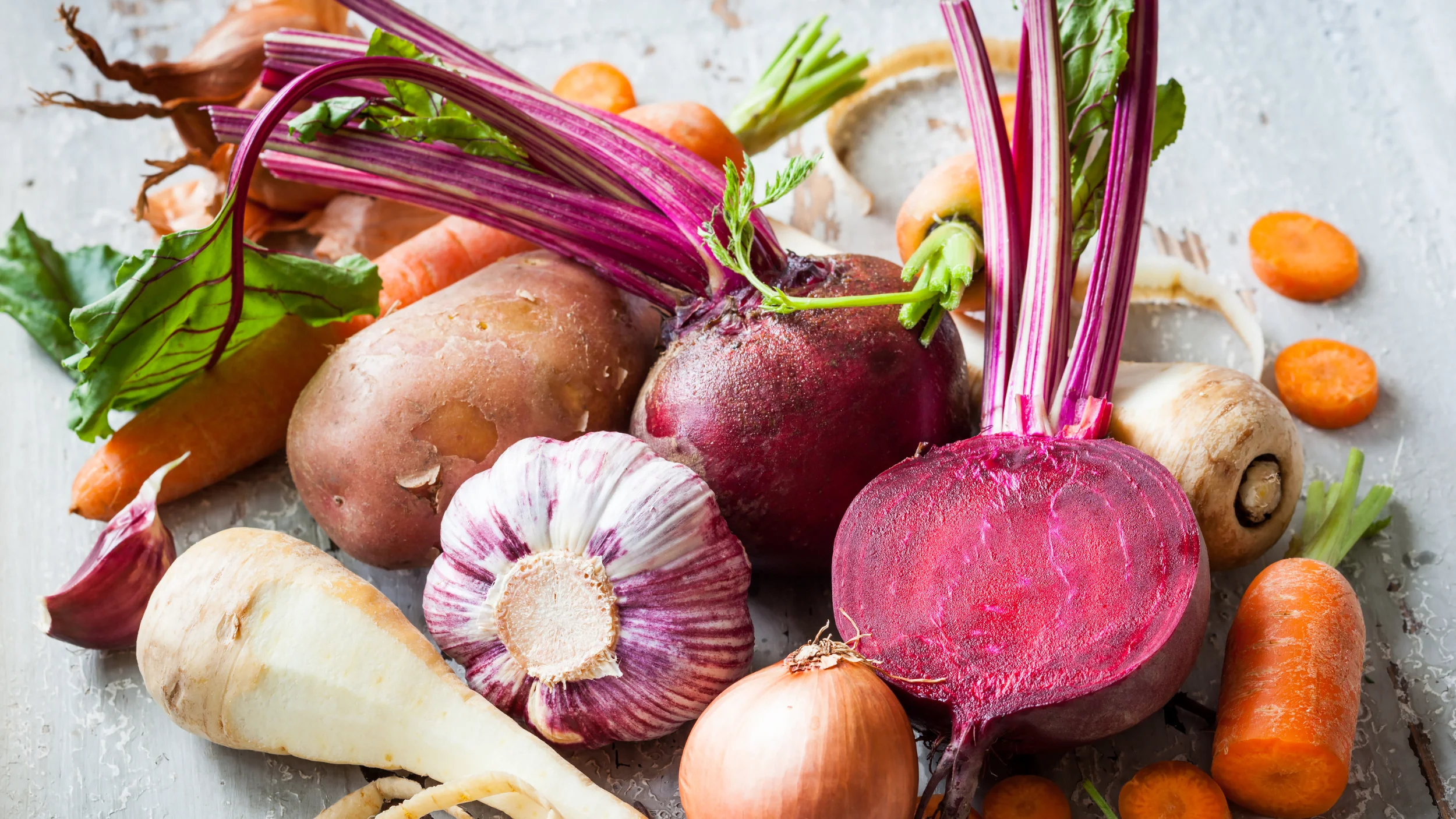
- Frozen vegetables: Nutritionally equivalent to fresh (sometimes superior, since they're frozen at peak ripeness), and they never spoil. Broccoli, spinach, and mixed vegetables are your friends.
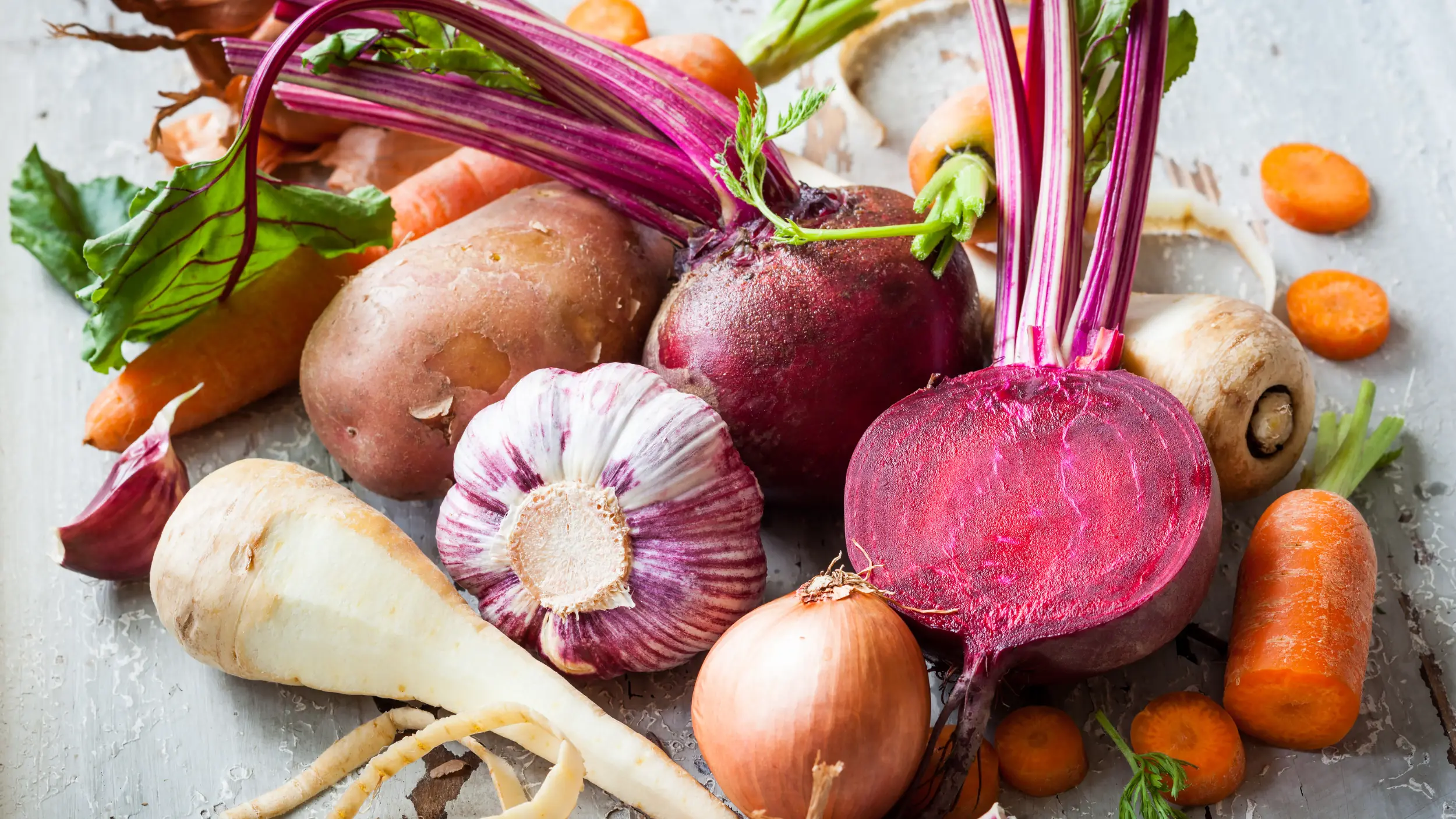
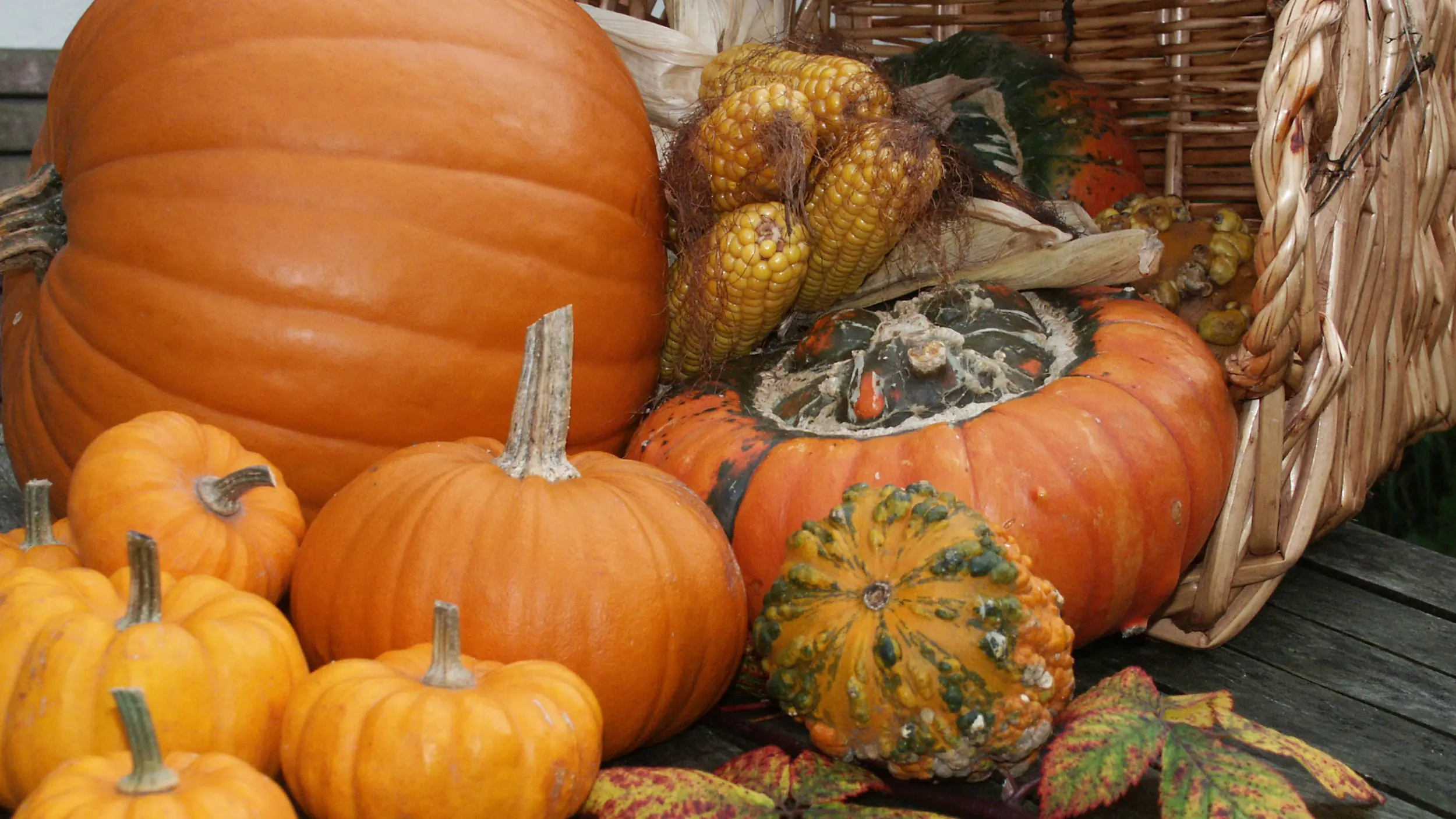
- Seasonal fresh produce: Whatever's on sale is what's in season. In spring, asparagus and snap peas; summer brings zucchini and tomatoes; fall offers Brussels sprouts and squash.
- Cabbage and carrots: Incredibly shelf-stable, dirt cheap, and packed with fiber and micronutrients.
- Leafy greens: Buy whole heads of romaine or green leaf lettuce rather than pre-washed containers. You'll pay for convenience otherwise.
Healthy Fats (Small amounts, big impact)
- Olive oil: Buy in larger bottles for better value.
- Natural peanut or almond butter: Check unit pricing; sometimes store brands are identical quality.
- Avocados: Buy firm and let them ripen at home. One-quarter to one-half per lunch is sufficient.
- Seeds: Sunflower and pumpkin seeds in bulk bins offer crunch, healthy fats, and minerals.
Pro shopping tip that changed everything for my clients: dedicate $40-$50 once monthly to "pantry staples" (oils, vinegars, spices, grains), then use your weekly $50-$70 for proteins and fresh produce. This prevents the sticker shock of buying everything at once.
Understanding your metabolic needs can also help you determine the right macronutrient balance for your individual goals, making your grocery investments even more strategic.
Balancing the 'Portfolio': Building a Week of Calorie-Wise, Cost-Effective Lunches
Now for the practical magic: turning those affordable ingredients into satisfying, calorie-controlled cheap healthy lunches that you'll actually look forward to eating.
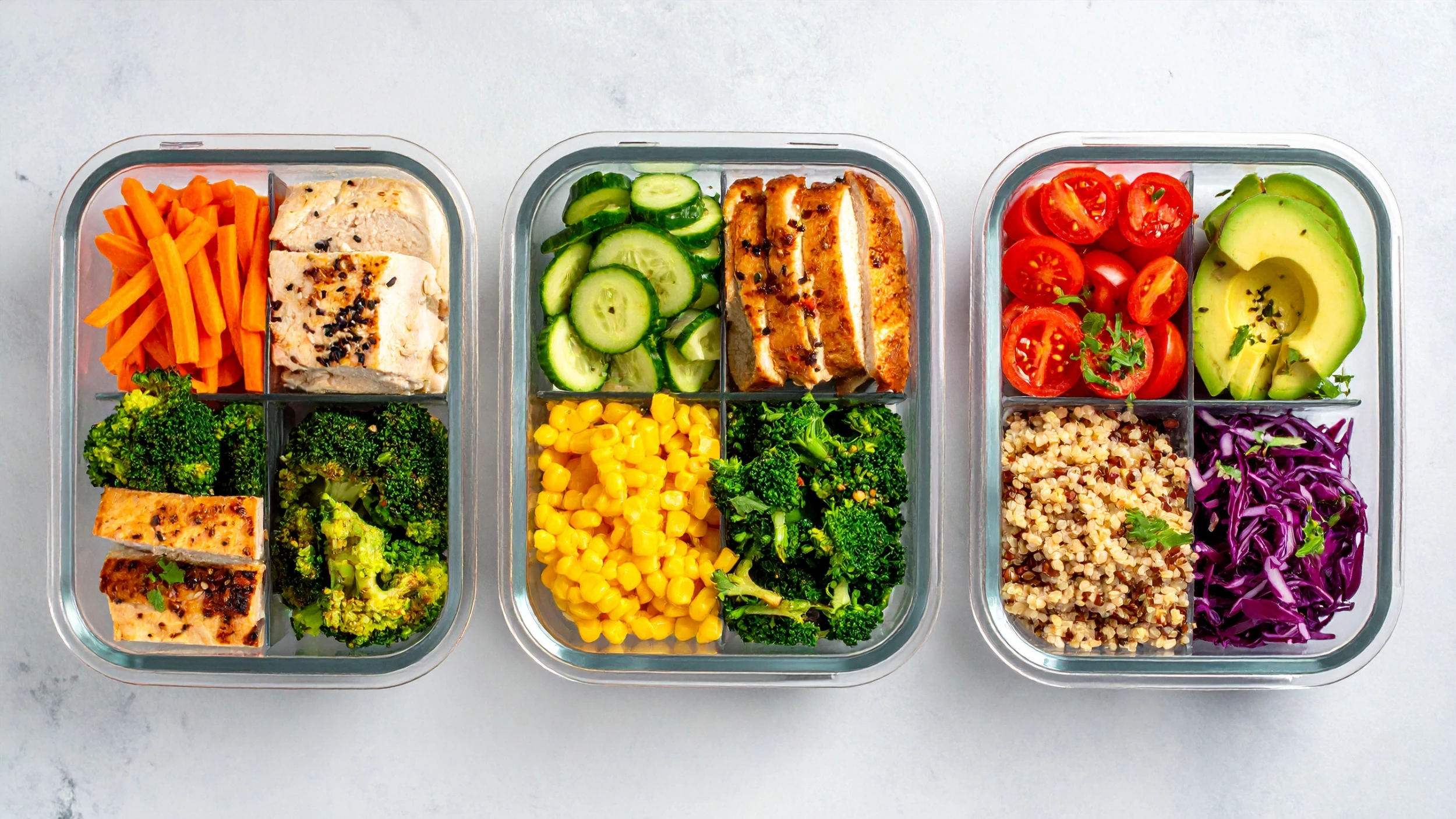
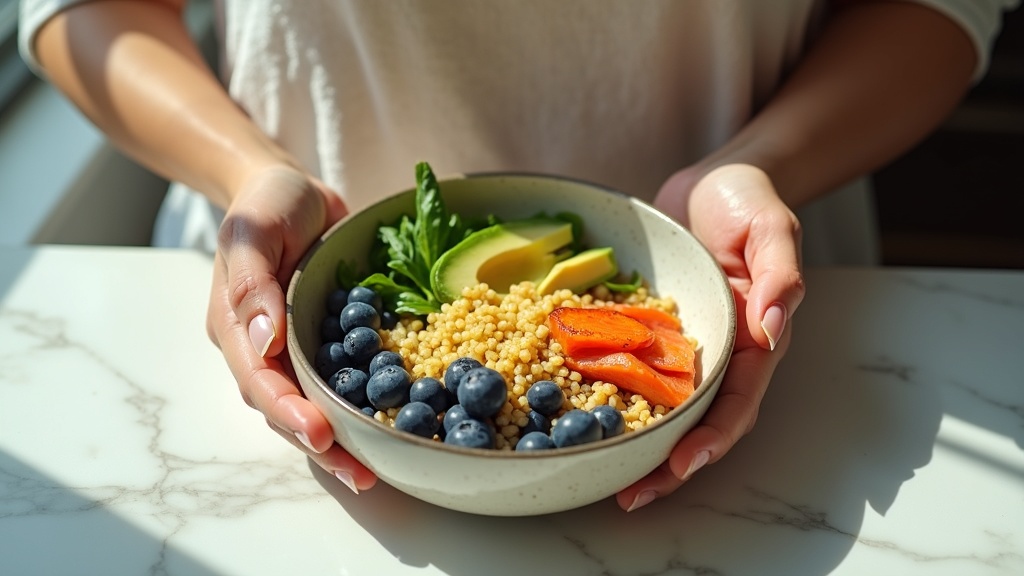
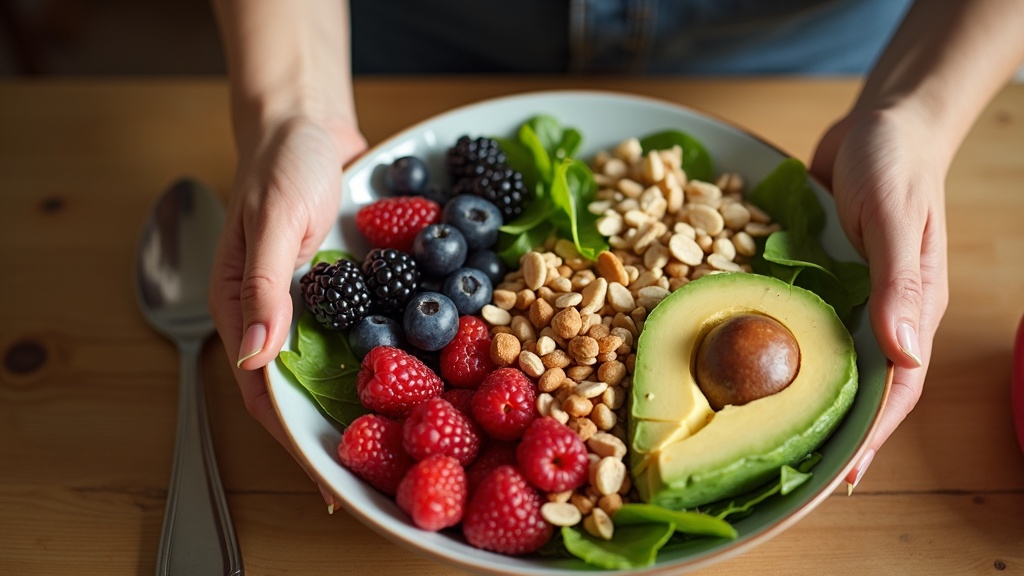
The formula I teach is simple: Protein + Complex Carb + 2 Vegetables + Healthy Fat + Flavor. This combination keeps you satiated for 4-5 hours while typically landing between 350-500 calories—the sweet spot for most women's lunch needs.
The Build-Your-Lunch Framework
Start with a base portion:
- Protein (25-35g): 4-5 oz cooked chicken, 1 cup beans, 2 hard-boiled eggs, 5 oz fish, or 1 cup Greek yogurt
- Complex carbohydrate (25-35g): ¾ cup cooked grains, 1 medium sweet potato, 1 cup roasted squash, or 1 slice whole-grain bread
- Vegetables (unlimited non-starchy): At least 2 cups raw or 1 cup cooked
- Healthy fat (1 serving): 1 tablespoon olive oil, ¼ avocado, 1 tablespoon nut butter, or 1 tablespoon seeds
- Flavor agents (minimal calories): Herbs, spices, vinegar, mustard, salsa, hot sauce
Five Days of Low Calorie Lunch Ideas (Each Under $4 and 450 Calories)
Monday: Mediterranean Chickpea Bowl
- 1 cup chickpeas (rinsed canned)
- ¾ cup cooked quinoa
- 1 cup cucumber and tomato
- 1 cup baby spinach
- 1 tablespoon olive oil + lemon juice + oregano
- Approximate cost: $3.20 | Calories: 420
Tuesday: Asian-Inspired Chicken & Veggie Stir-Fry
- 4 oz grilled chicken thigh (meal-prepped Sunday)
- ¾ cup brown rice
- 2 cups frozen stir-fry vegetables
- 1 teaspoon sesame oil + ginger + low-sodium soy sauce
- Approximate cost: $3.80 | Calories: 435
Wednesday: Tuna Power Salad
- 1 can (5 oz) tuna in water
- 2 cups mixed greens
- 1 medium sweet potato, cubed and roasted
- ½ cup shredded carrots
- 1 tablespoon olive oil + vinegar
- Approximate cost: $3.50 | Calories: 380
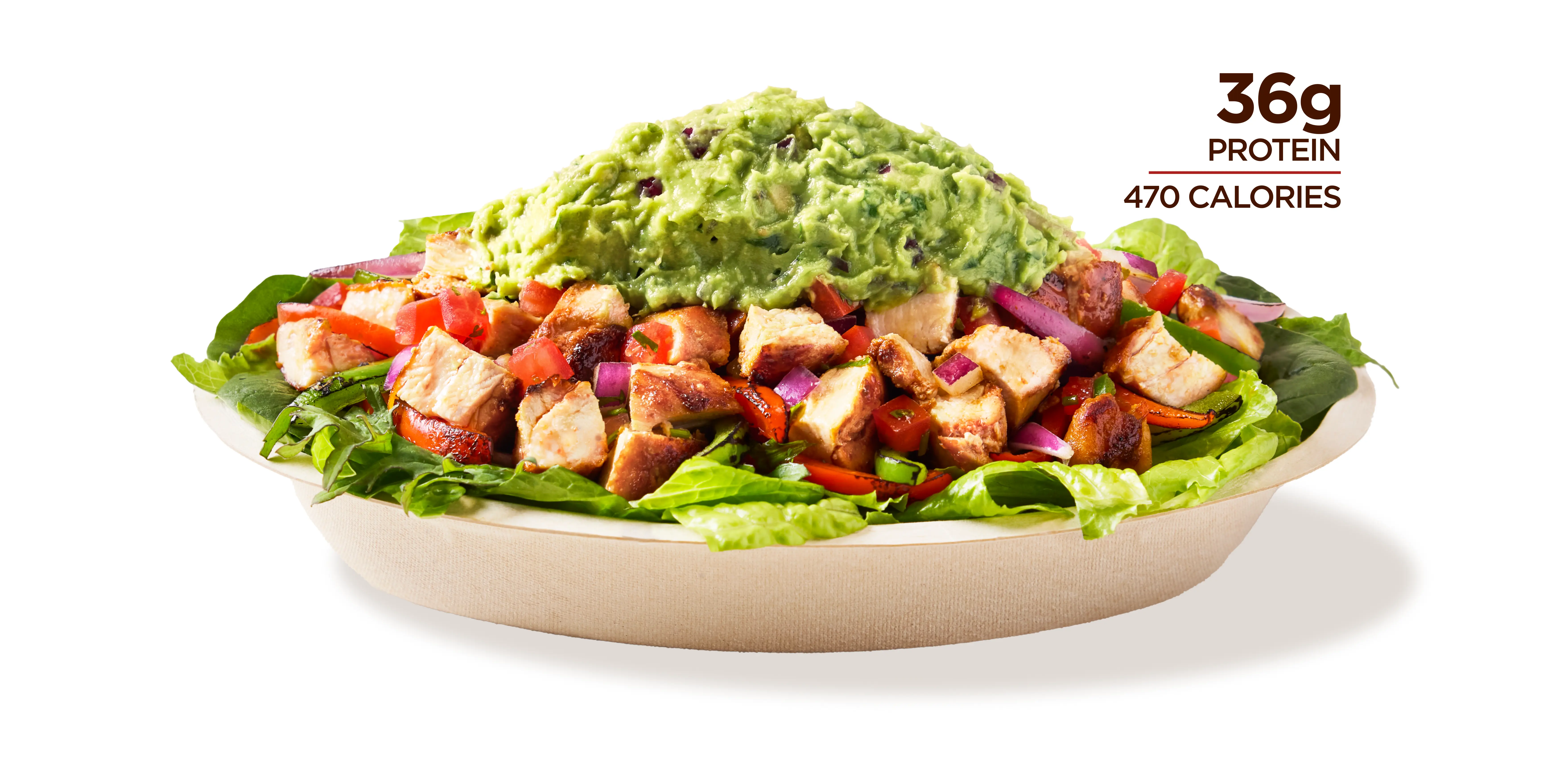
Thursday: Mexican-Style Burrito Bowl
- ¾ cup black beans
- ¾ cup brown rice
- 1 cup bell peppers and onions (sautéed batch)
- ¼ avocado
- Salsa and cilantro
- Approximate cost: $2.90 | Calories: 415
Friday: Greek Yogurt Power Bowl
- 1 cup plain Greek yogurt
- ½ cup cooked oats (savory preparation)
- 1 hard-boiled egg, chopped
- 1 cup roasted Brussels sprouts or broccoli
- 1 tablespoon sunflower seeds
- Everything bagel seasoning
- Approximate cost: $3.40 | Calories: 395
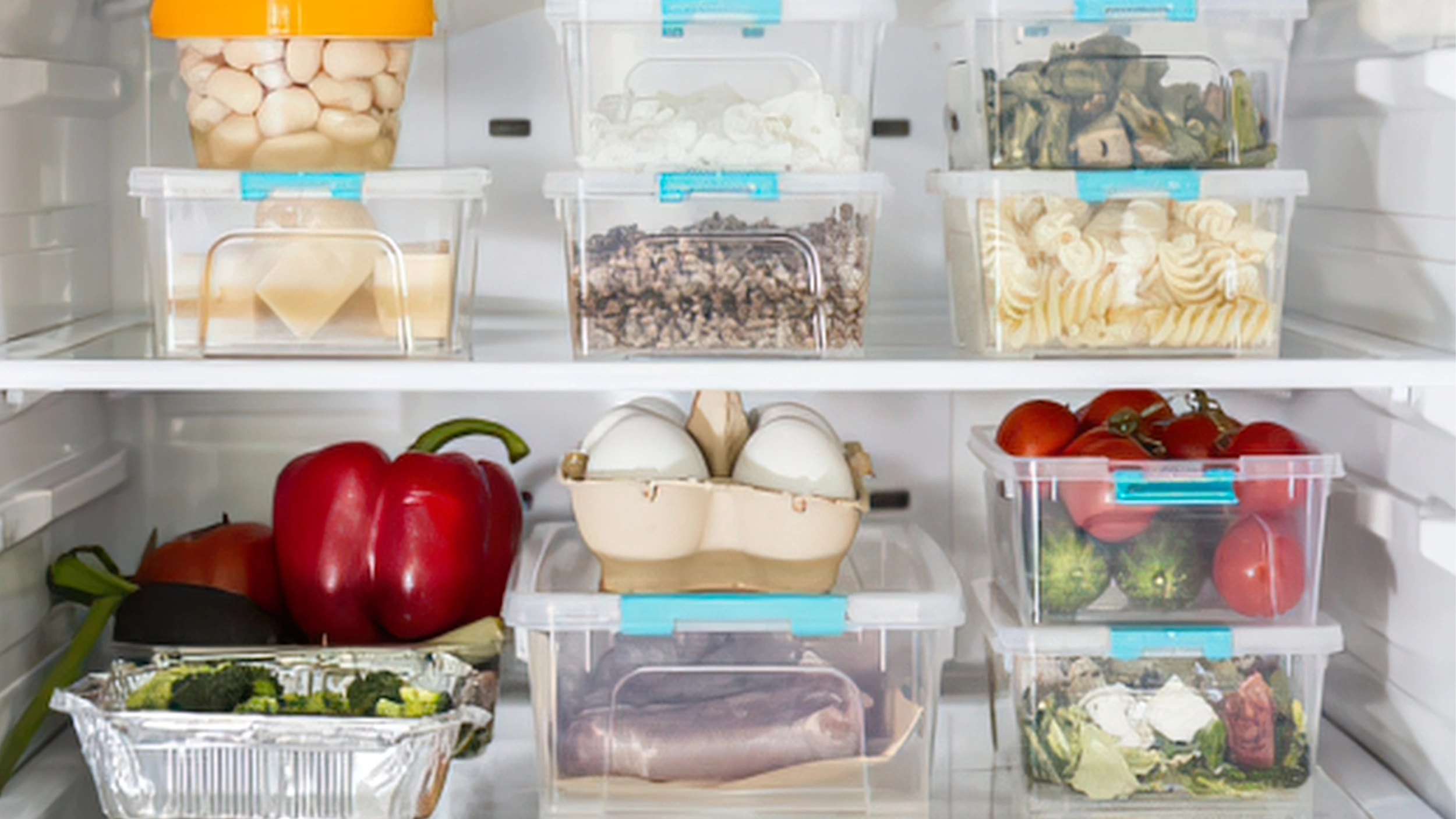
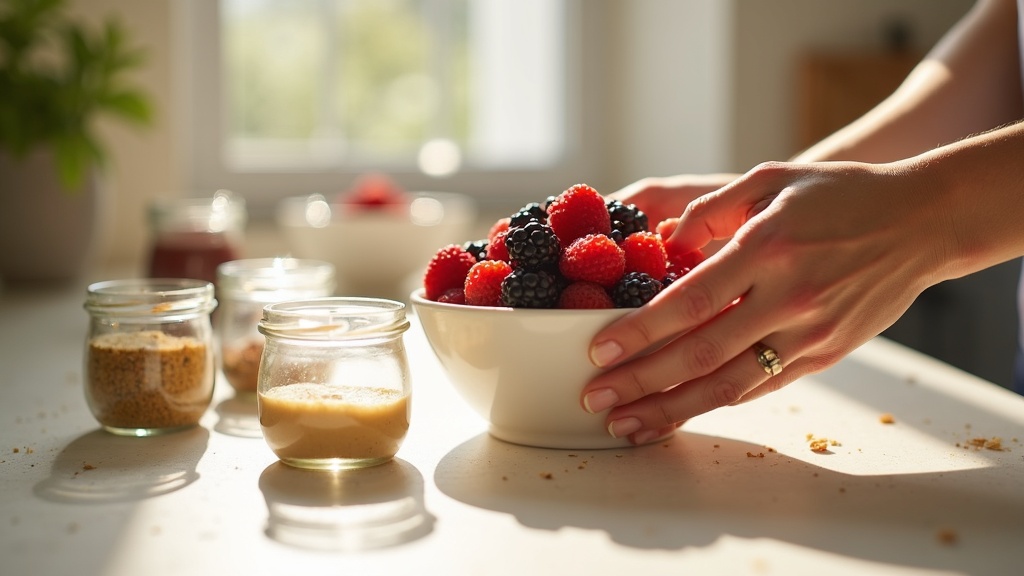
Notice the pattern? You're cooking base ingredients in bulk (grains, proteins, roasted vegetables) on Sunday, then assembling different combinations throughout the week. This meal prep for weight loss approach prevents both boredom and decision fatigue.
For women specifically managing hormonal fluctuations, supporting your gut health through strategic nutrition choices can make a significant difference in how satisfied you feel after meals and how effectively your body processes nutrients.
The Sunday Power Hour: Your Meal Prep Blueprint
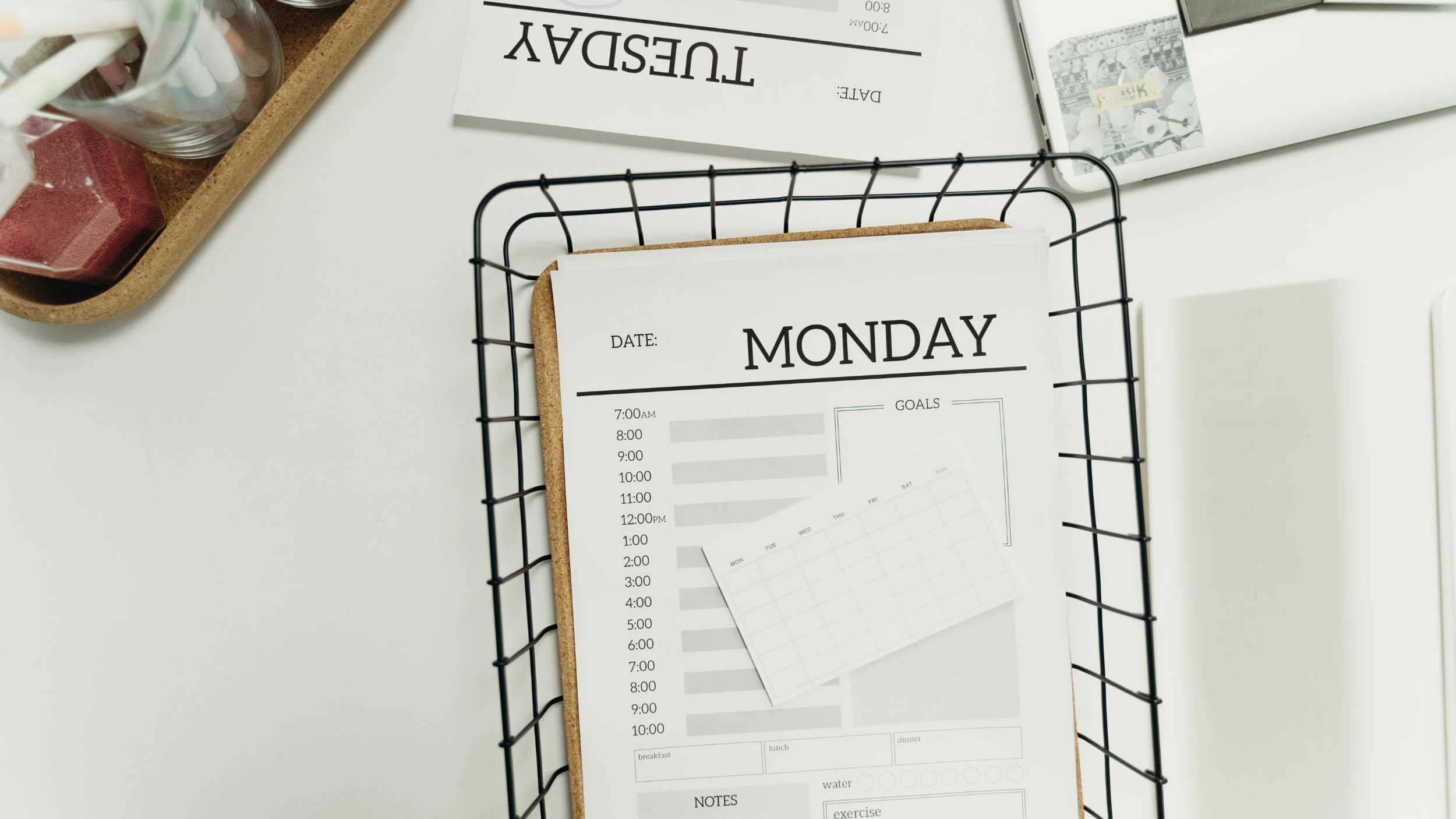
Here's the realistic timeline I give clients who swear they "don't have time" for packing healthy lunch for work:
Total time investment: 90 minutes for an entire week of lunches
- Minutes 0-15: Prep and start cooking grains (rice cooker or Instant Pot)
- Minutes 15-30: Season and start cooking proteins (oven-roasted chicken thighs, hard-boil eggs)
- Minutes 30-50: Chop raw vegetables for the week; prep any roasted vegetables
- Minutes 50-70: Continue cooking, drain and portion grains
- Minutes 70-90: Cool, portion into containers, clean up
Invest in 5-7 quality glass containers with divided sections. Being able to see your beautiful, colorful lunch in the fridge makes you far more likely to grab it on rushed mornings.
The Real Math: What You're Actually Saving
Let's get specific about save money on lunch calculations, because seeing the numbers might be the motivation you need:
- Average purchased lunch (2026): $12-$16 (sandwich shop, fast-casual, cafeteria)
- Average packed lunch (using this system): $3.00-$4.00
- Daily savings: $9-$12
- Weekly savings (5 days): $45-$60
- Annual savings: $2,340-$3,120
That's a vacation. That's several months of rent. That's significant credit card debt paid off. And here's the wellness parallel: you're also likely saving 200-400 calories per day compared to typical restaurant portions, which could translate to 20-40 pounds of weight loss over a year [4].
The compound effect of small, consistent choices is powerful in both domains. Supporting your weight loss goals with a strategic calorie deficit becomes far more manageable when you control your food environment.
Frequently Asked Questions
Q: How can I eat healthy for lunch if I have a very tight budget?
A: Focus on plant-based proteins like beans and lentils, buy frozen fruits and vegetables, and cook grains like brown rice or quinoa in bulk. These are incredibly cost-effective and nutritious. A bean and rice bowl with frozen vegetables costs under $2 per serving and provides complete protein, fiber, and essential nutrients.
Q: Does packing your lunch actually save a significant amount of money?
A: Absolutely. The average bought lunch can cost $10-$15, while a home-packed lunch can easily be made for $2-$4. Over a year, that can add up to thousands of dollars in savings—money you can redirect toward other financial goals or wellness investments like a gym membership or nutrition coaching.
Q: What's the easiest way to stick with packing lunch?
A: Dedicate one or two hours on a Sunday to batch cook your main components—grill chicken, cook grains, chop veggies. This makes assembling your lunch each morning take less than five minutes. Also, invest in quality containers and keep your formula simple. You don't need Instagram-worthy bento boxes; you need functional, delicious food.
Ready to Create a Personalized Plan?
Feeling inspired but not sure where to start with your specific calorie needs, dietary preferences, or weight loss goals? Let's work together to build a personalized nutrition and budget plan that fits your unique lifestyle and goals.
Whether you're managing PCOS, thyroid issues, or simply want to lose weight sustainably while building financial wellness, individualized guidance makes all the difference.
Book a 1-on-1 Consultation Today
Your future self—both healthier and wealthier—will thank you for the investment you make today. Because at the end of the day, packing affordable healthy meals isn't just about saving money or cutting calories. It's about reclaiming control, honoring your goals, and proving to yourself that you're worth the effort.
References
[1] Wolfson JA, Bleich SN. Is cooking at home associated with better diet quality or weight-loss intention? Public Health Nutrition, 2015.
[2] Réhault-Godbert S, et al. The Golden Egg: Nutritional Value, Bioactivities, and Emerging Benefits for Human Health. Nutrients, 2019.
[3] Rebello CJ, et al. A review of the nutritional value of legumes and their effects on obesity and its related co-morbidities. Obesity Reviews, 2014.
[4] Hall KD, et al. Quantification of the effect of energy imbalance on bodyweight. The Lancet, 2011.
.svg)
.svg)


.jpg)
.jpg)











.webp)




















.webp)
.webp)
.webp)
.webp)
.webp)
.webp)
.webp)
.png)
.webp)
.webp)

.webp)
.png)
.webp)
.webp)
.webp)
.webp)
.webp)
.webp)
.webp)
.webp)
.webp)


.webp)
.png)