.webp)
.webp)
%2B(7).webp)
.png)
At a Glance
Metabolic flexibility is your body's ability to efficiently switch between burning carbs and fats for fuel based on what's available. When this system works smoothly, you experience stable energy, better weight management, and improved overall health. This guide breaks down the science behind metabolic flexibility and gives you practical nutrition strategies to optimize your body's fuel-switching capabilities.
What Exactly is Metabolic Flexibility and Why Should You Care?
Okay, let's get real about what metabolic flexibility actually means. Your body runs on two primary fuel sources: glucose (from carbs) and fatty acids (from fats). When you're metabolically flexible, your cells can seamlessly toggle between these fuels depending on what you've eaten, how long it's been since your last meal, and what you're doing physically [1].
Think of it like having a hybrid car that can run on either electricity or gas, choosing whichever is most efficient for the situation. A metabolically flexible body burns carbs when they're available (like after a meal), then smoothly transitions to burning stored fat when glucose runs low (like between meals or during sleep) [2].
Why does this matter for you? Because metabolic inflexibility—when your body gets "stuck" preferring one fuel source—is linked to a cascade of issues that probably sound familiar: stubborn weight that won't budge, energy crashes that hit like a freight train around 3 PM, constant cravings, and even increased risk for insulin resistance and type 2 diabetes [3].
Some common metabolic flexibility symptoms that suggest your fuel-switching might be impaired include:
- Feeling absolutely ravenous if you skip a meal or go more than a few hours without eating
- Brain fog or irritability when you haven't eaten recently
- Hitting an energy wall during workouts, especially if you haven't eaten beforehand
- Difficulty losing weight even when you're eating well and exercising
- Feeling tired shortly after eating, particularly after carb-heavy meals
The good news? Your metabolic flexibility isn't fixed. Research shows that targeted nutrition and lifestyle changes can significantly improve metabolic flexibility, sometimes in as little as a few weeks [4]. If you're wondering whether there's a definitive metabolic flexibility test, the gold standard involves clinical measurements like respiratory exchange ratio during exercise, but honestly, tuning into how your body feels between meals and during physical activity gives you plenty of actionable information.
Understanding your body's hormonal balance is also crucial here, since hormones like insulin, cortisol, and thyroid hormones directly influence how well you switch between fuel sources.
Fueling Your Body for Optimal Energy: Foods That Boost Metabolic Flexibility
Alright, let's talk about building a metabolic flexibility diet that actually works with your life. The goal isn't to demonize any particular macronutrient—it's about strategic variety and timing that trains your body to efficiently use whatever fuel is available.
Prioritize these metabolic flexibility foods:
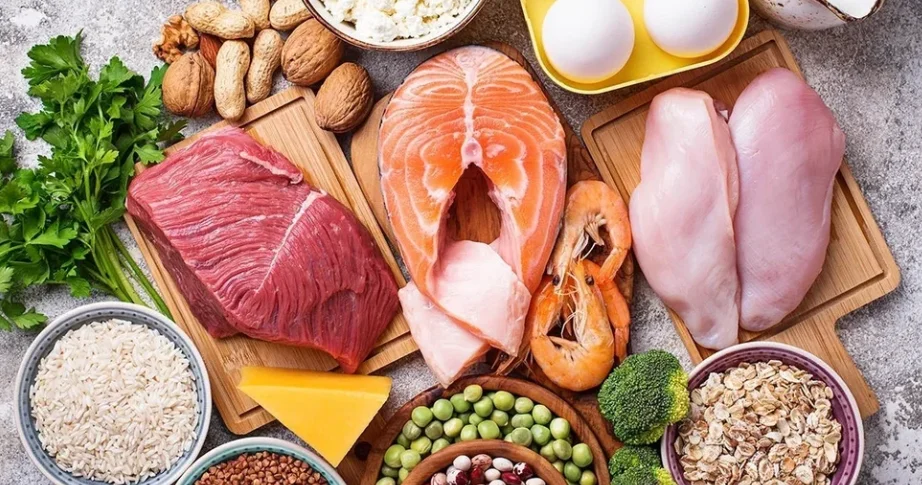
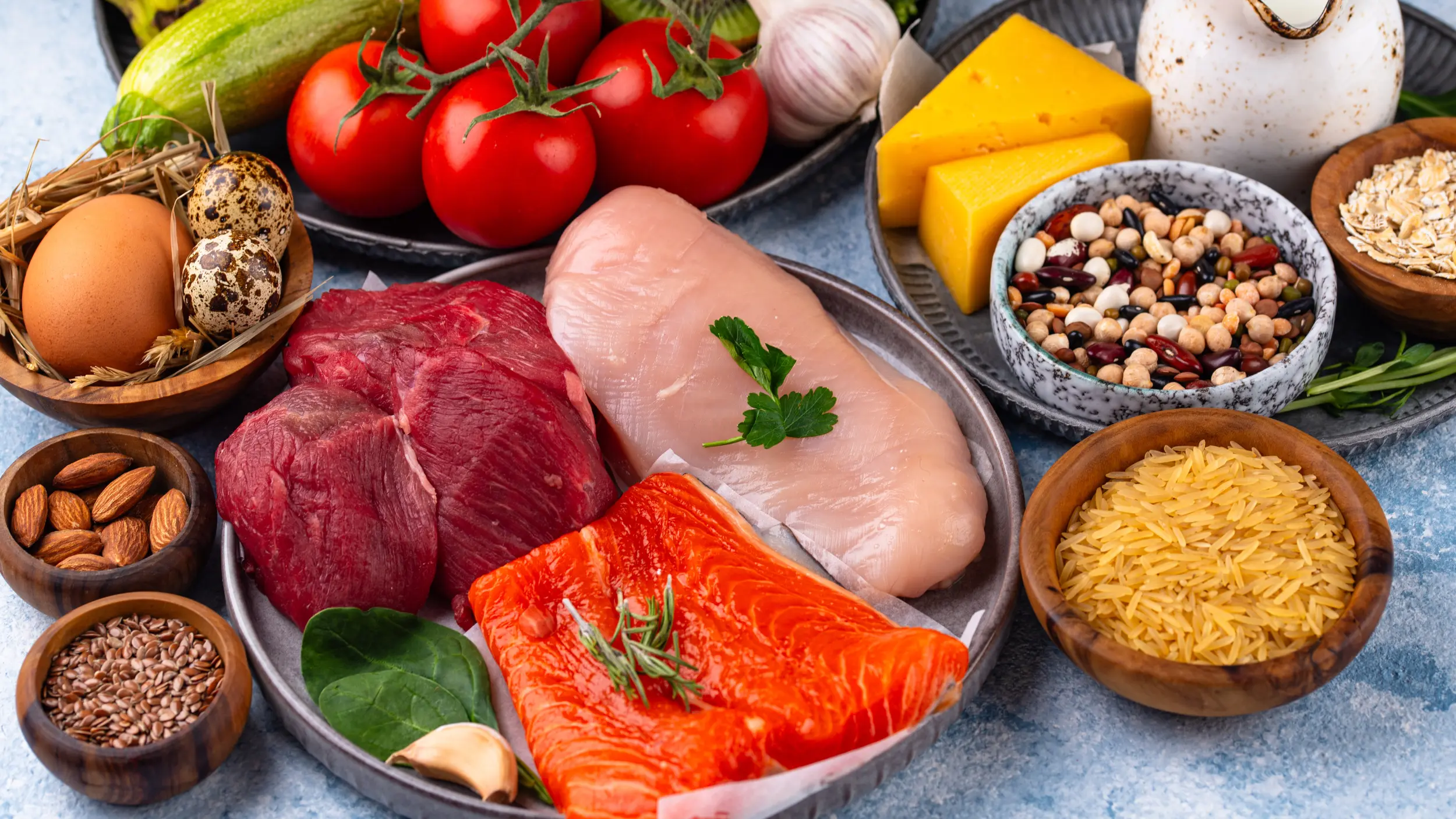
- Quality proteins at every meal. Aim for 25-35 grams of protein per meal from sources like wild-caught fish, pasture-raised eggs, grass-fed beef, or plant-based options like tempeh and lentils. Protein helps stabilize blood sugar while providing amino acids your mitochondria (your cells' energy factories) need to function optimally.
- Healthy fats that support cellular function. Your cell membranes need quality fats to maintain insulin sensitivity. Focus on omega-3-rich options like salmon, sardines, and walnuts, plus monounsaturated fats from avocados, olive oil, and almonds. These fats also help you stay satisfied between meals, which reduces the constant snacking that can impair metabolic flexibility.
- Strategic carbohydrate choices. Here's where it gets interesting: you don't need to go low-carb forever to improve metabolic flexibility (though short-term carb reduction can help reverse metabolic inflexibility). Instead, emphasize complex carbs like sweet potatoes, quinoa, berries, and non-starchy vegetables. These provide glucose without causing the dramatic insulin spikes that can lock your body into sugar-burning mode.
- Fiber-rich foods that slow glucose absorption. Aim for at least 30 grams of fiber daily from vegetables, legumes, nuts, and seeds. Fiber slows carbohydrate absorption, preventing blood sugar roller coasters that impair fuel switching. Your gut microbiome also ferments fiber into short-chain fatty acids that directly enhance metabolic flexibility.
What a day of metabolic flexibility eating might look like:
- Breakfast: Three-egg veggie scramble with spinach, mushrooms, and avocado, plus a small serving of berries. This combo provides protein, healthy fats, and minimal carbs to extend your overnight fat-burning.
- Lunch: Grilled salmon over a large mixed green salad with olive oil dressing, roasted vegetables, and a modest portion of quinoa. You're getting omega-3s, fiber, and enough carbs to refuel without overdoing it.
- Dinner: Grass-fed beef stir-fry with broccoli, bell peppers, and cauliflower rice, cooked in coconut oil. This meal is lower in carbs, which helps your body transition back to fat-burning overnight.
- Strategic snack (if needed): A small handful of almonds with a few apple slices, or full-fat Greek yogurt with chia seeds.
Notice the pattern? Each meal combines protein and healthy fats, with carbohydrate amounts that taper as the day progresses. This eating pattern supports natural circadian rhythms and encourages your body to practice switching between fuel sources [9].
The connection between metabolic flexibility and weight loss is straightforward: when your body can efficiently access stored fat for fuel, you're literally better equipped to burn body fat between meals and during exercise. You're not constantly signaling for more glucose, which means fewer cravings and more stable hunger hormones [10].
Simple Steps to Enhance Your Metabolic Flexibility
Ready for the practical stuff? Here are evidence-based strategies to improve metabolic flexibility that you can start implementing today.
Experiment with meal timing. One of the most powerful metabolic flexibility training tools is extending the time between dinner and breakfast. When you give your body a solid 12-14 hour overnight window without food, you force it to practice fat-burning [11]. Start with 12 hours (say, finishing dinner by 7 PM and eating breakfast at 7 AM) and see how you feel. If you're waking up ravenous and shaky, that's actually feedback that your metabolic flexibility needs work—stick with it, and it typically improves within 1-2 weeks.
Incorporate movement strategically. Exercise is brilliant for metabolic flexibility because it depletes glucose stores, forcing your body to tap into fat [12]. Try these approaches:
- Morning walks before breakfast (when glucose is naturally lower) train fat-burning pathways
- Mix high-intensity interval training with steady-state cardio to challenge different energy systems
- Strength training 2-3 times weekly builds muscle, which improves insulin sensitivity and glucose disposal
Manage your stress response. Chronic stress keeps cortisol elevated, which promotes insulin resistance and impairs fuel switching [13]. The irony? Many high-achieving women are stressed about their health and weight, which makes the problem worse. Managing stress through functional nutrition supports your metabolic flexibility goals.
Practical stress management that supports metabolic health includes regular sleep (7-8 hours nightly), stress-reduction practices like breathwork or yoga, and frankly, giving yourself permission to not be perfect with your nutrition.
Consider targeted supplementation. While food should always be your foundation, certain supplements show promise for supporting metabolic flexibility:
- Omega-3 fatty acids (EPA/DHA) improve cellular insulin sensitivity [14]
- Magnesium supports glucose metabolism and mitochondrial function [15]
- Alpha-lipoic acid may enhance insulin signaling and fat oxidation [16]
Be patient and track the right metrics. If you're wondering "how quickly can I improve my metabolic flexibility?" the answer is: some people notice energy improvements within 2-3 weeks, but meaningful metabolic changes typically take 6-12 weeks of consistent effort [17]. Instead of obsessing over the scale, pay attention to these wins:
- Can you comfortably go 4-5 hours between meals without getting hangry?
- Is your energy more stable throughout the day?
- Are you waking up with decent energy (not ravenous)?
- Can you exercise effectively even if you haven't eaten recently?
These functional improvements often show up before significant weight changes, and they're actually better indicators that you're successfully building metabolic flexibility.
FAQ
What are the signs I might have poor metabolic flexibility?
The most telling signs include getting intensely hungry or experiencing energy crashes if you go more than a few hours without eating, difficulty losing weight despite reasonable calorie intake, afternoon energy slumps, strong sugar cravings, and poor exercise performance when training in a fasted or low-carb state. You might also notice you feel better eating frequent small meals rather than larger, spaced-out meals—which actually reinforces metabolic inflexibility over time.
How quickly can I improve my metabolic flexibility?
Most women start noticing subjective improvements—like more stable energy and reduced cravings—within 2-4 weeks of implementing dietary changes and meal timing strategies. However, deeper metabolic adaptations, including improved insulin sensitivity and enhanced fat oxidation capacity, typically develop over 8-12 weeks [18]. The timeline varies based on your starting point, consistency, and whether you're addressing underlying issues like chronic stress or inadequate sleep.
Can diet alone fix metabolic inflexibility?
Diet is absolutely the foundation, but truly optimizing metabolic flexibility requires a more comprehensive approach. While nutrition changes can drive significant improvements, combining dietary strategies with regular physical activity (especially strength training and moderate cardio), adequate sleep, and stress management produces the best results [19]. Think of it this way: nutrition provides the building blocks and signals, but movement, sleep, and stress management create the environment where those signals can work properly. That said, if you can only focus on one thing right now, start with your food—it typically provides the biggest initial impact.
References
[1] Smith RL, et al. Metabolic Flexibility as an Adaptation to Energy Resources and Requirements in Health and Disease. Endocrine Reviews. 2018.
[2] Goodpaster BH, Sparks LM. Metabolic Flexibility in Health and Disease. Cell Metabolism. 2017.
[3] Civitarese AE, Ravussin E. Mitochondrial Energetics and Insulin Resistance. Endocrinology. 2008.
[4] Galgani JE, et al. Metabolic Flexibility and Insulin Resistance. American Journal of Physiology. 2008.
[5] Layman DK, et al. Dietary Protein and Exercise Have Additive Effects on Body Composition. Journal of Nutrition. 2005.
[6] Piers LS, et al. The Influence of the Type of Dietary Fat on Postprandial Fat Oxidation Rates. British Journal of Nutrition. 2002.
[7] Volek JS, et al. Carbohydrate Restriction has a More Favorable Impact on the Metabolic Syndrome than a Low Fat Diet. Lipids. 2009.
[8] Weickert MO, Pfeiffer AF. Impact of Dietary Fiber Consumption on Insulin Resistance. Journal of Nutrition. 2018.
[9] Johnston JD. Physiological Links Between Circadian Rhythms and Metabolism. Experimental Physiology. 2014.
[10] Corpeleijn E, et al. Metabolic Flexibility in the Development of Insulin Resistance and Type 2 Diabetes. Obesity Reviews. 2009.
[11] Sutton EF, et al. Early Time-Restricted Feeding Improves Insulin Sensitivity. Cell Metabolism. 2018.
[12] San-Millán I, Brooks GA. Assessment of Metabolic Flexibility by Means of Measuring Blood Lactate. Sports Medicine. 2018.
[13] Boden G, et al. Excessive Caloric Intake Acutely Causes Oxidative Stress and Insulin Resistance. Journal of Clinical Investigation. 2015.
[14] Storlien LH, et al. Fish Oil Prevents Insulin Resistance Induced by High-Fat Feeding. Science. 1987.
[15] Barbagallo M, Dominguez LJ. Magnesium and Type 2 Diabetes. World Journal of Diabetes. 2015.
[16] Rochette L, et al. Alpha-Lipoic Acid: Molecular Mechanisms and Therapeutic Potential in Diabetes. Canadian Journal of Physiology and Pharmacology. 2015.
[17] Kelley DE, Mandarino LJ. Fuel Selection in Human Skeletal Muscle in Insulin Resistance. Diabetes. 2000.
[18] Bergman BC, et al. Increased Intramuscular Lipid Synthesis and Low Saturation Relate to Insulin Sensitivity in Endurance-Trained Athletes. Journal of Applied Physiology. 2010.
[19] Hawley JA, et al. Integrative Biology of Exercise. Cell. 2014.
Ready to feel more energized and in control of your health? Book a personalized consultation at www.usevedic.com to create a nutrition plan tailored just for you.
.svg)
.svg)



















.webp)
.webp)
.webp)

.webp)

.webp)
.webp)
.webp)

.webp)

.webp)
.webp)
.webp)

.webp)

.webp)