.webp)
.webp)
%2B(7).webp)
.png)
Overeating isn’t a willpower problem. It’s driven by biology: low protein intake, blood sugar crashes, sleep deprivation, stress hormones, and ultra-processed foods engineered to override your satiety signals. This article explains the root causes most people miss, then walks through 15 evidence-based strategies recommended by registered dietitians to stop overeating for good. If self-help isn’t enough, working with a dietitian can help identify and address the specific metabolic patterns driving your habits.
At-a-Glance: 15 Strategies to Stop Overeating
| # | Strategy | Why It Works | Effort Level |
|---|---|---|---|
| 1 | Front-load protein | Satisfies your body’s protein appetite so you stop eating sooner | Medium |
| 2 | Cut back on ultra-processed foods | Removes engineered foods that override satiety | Medium |
| 3 | Eat on a consistent schedule | Prevents ghrelin surges that trigger overeating | Low |
| 4 | Use the hunger-fullness scale | Builds awareness of internal cues | Low |
| 5 | Slow down at meals | Gives your brain 20 minutes to register fullness | Low |
| 6 | Eat without screens | Removes distraction that increases intake | Low |
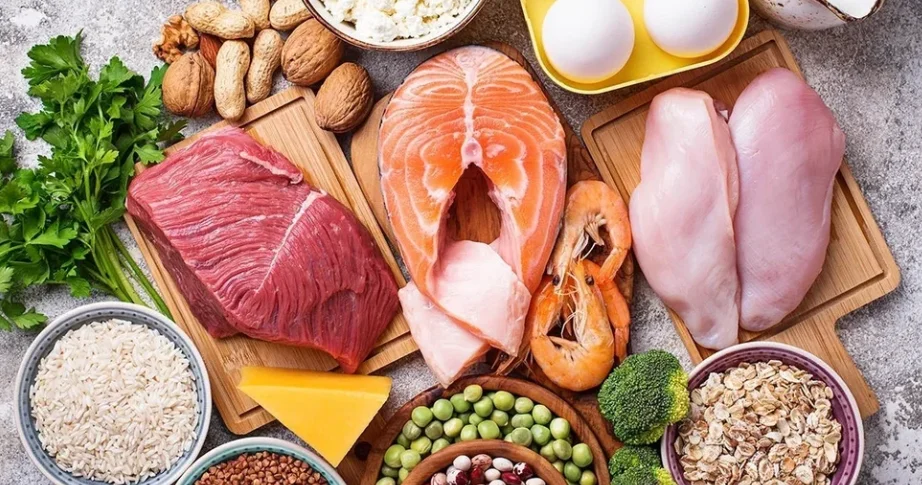
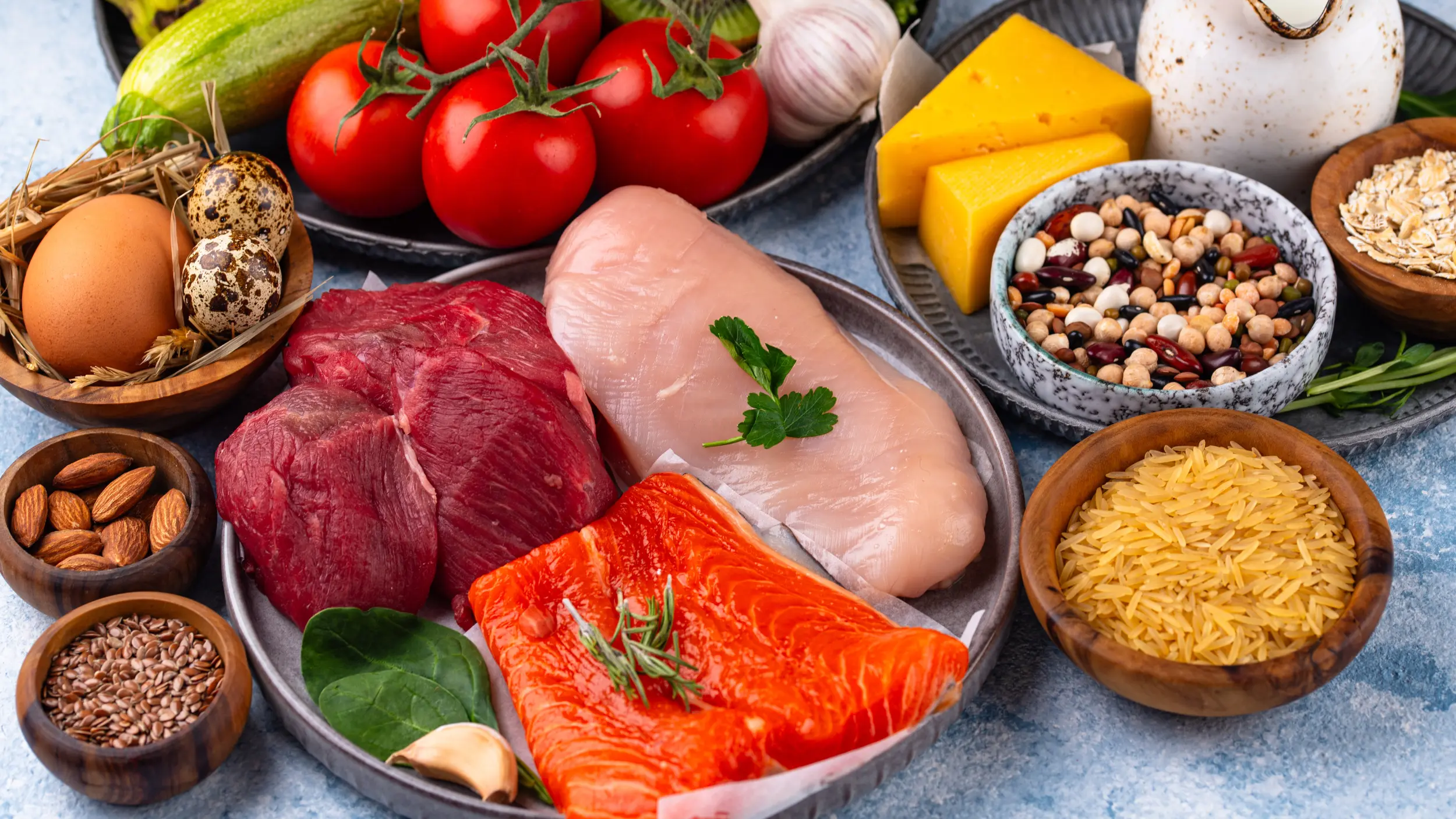
| 7 | Stabilize blood sugar | Prevents spike-Introduction: Overeating Is Not a Character FlawEveryone overeats sometimes. A holiday meal that leaves you unbuttoning your pants, a movie night where the popcorn disappears without your noticing, a stressful Tuesday that ends in takeout you didn’t really need. That’s normal. But when overeating becomes a pattern, when you consistently eat past the point of fullness and feel frustrated or confused about why you can’t stop, something deeper is going on. And it’s almost certainly not about willpower. Nearly three in four adults in the U.S. are now considered overweight or have obesity, according to a 2024 study published in The Lancet. That number alone tells you this isn’t an individual failing. It’s a systemic problem rooted in biology, food environments, and metabolic patterns that most “just eat less” advice completely ignores. This article, informed by registered dietitian expertise, explains the science behind why you overeat and offers 15 strategies grounded in research. Understanding the “why” makes the “what to do” far more effective. If you’re curious about what dietitians actually do beyond meal plans, this guide explains their role in treating conditions like chronic overeating. Why You Overeat: The Root Causes Most People MissBefore jumping to tips, it’s worth understanding the biological forces working against you. Most articles on how to stop overeating skip this entirely, which is why their advice feels hollow. Here are five root causes that actually drive the behavior. The Protein Leverage HypothesisYour body regulates protein intake more tightly than it regulates calories from fat or carbohydrates. When your diet is low in protein, your body compensates by driving you to eat more food overall, searching for the protein it needs. Researchers David Raubenheimer and Stephen Simpson call this the protein leverage hypothesis, and studies confirm it: when people ate diets with only 10% protein, they consumed significantly more total calories than when protein was set at 25%. The problem gets worse with modern processed foods. What Raubenheimer calls “protein decoys,” things like barbecue-flavored chips that taste savory but contain almost no protein, attract your appetite without satisfying it. You keep eating. For a deeper look at how this mechanism works, read about the protein leverage hypothesis. Blood Sugar Spike-and-Crash CyclesRefined carbohydrates cause a rapid spike in blood glucose. Your pancreas responds with a large burst of insulin. Glucose gets cleared quickly, sometimes overshooting to below your baseline, and the resulting crash triggers renewed hunger, cravings, and fatigue. As one endocrinologist put it, “Elevation in insulin levels increases your hunger sensation, so after an episode of sugar spike, you will crave more sugar or food.” This cycle can repeat multiple times a day without you ever realizing it’s the architecture of your meals causing the problem, not your lack of discipline. Understanding how blood sugar affects mood and appetite can be a game changer. Sleep Deprivation Rewires Your Hunger HormonesResearchers at the University of Chicago found that sleeping only four hours a night for two nights caused an 18% decrease in leptin (the hormone that tells you you’re full) and a 28% increase in ghrelin (the hormone that tells you you’re hungry). Subjects also reported markedly stronger feelings of hunger and preference for calorie-dense, high-carbohydrate foods. Consistent short sleep, anything under seven hours per night, is linked to a 38% increase in obesity risk. If you’re trying to figure out how to stop overeating while running on five hours of sleep, you’re fighting your own hormones. Chronic Stress and the Cortisol LoopWhen you’re stressed, your adrenal glands release cortisol, which increases appetite and ramps up motivation to eat, particularly foods high in sugar and fat. This isn’t emotional weakness. It’s a hormonal response. The American Psychological Association found that almost 40% of adults reported overeating or consuming junk food in response to stress during the prior month. If stress is a constant in your life, cortisol is likely a constant driver of your overeating. Learn more about how cortisol affects appetite and fat storage. Ultra-Processed Foods Are Engineered to Override SatietyA landmark NIH study compared people eating ultra-processed diets versus minimally processed diets with matched calories, sugar, fat, and fiber available. The result: people on the ultra-processed diet ate about 500 more calories per day and gained nearly a kilogram in just two weeks. They also ate faster. Ultra-processed foods now account for over half of caloric intake in the U.S., and the slight differences in protein content between the two diets in this study could explain as much as half the calorie difference, circling back to protein leverage. A registered dietitian can help identify which of these root causes are driving your overeating and build a personalized plan around them. Check if your insurance covers a dietitian visit The 15 Strategies1. Front-Load Protein at Every MealBest for: People who graze all day or never feel satisfied after meals. Aim for 25 to 30 grams of protein per meal. This satisfies your body’s protein appetite and naturally reduces total calorie intake without counting or restricting. Practical examples: three eggs and a side of cottage cheese at breakfast, Greek yogurt with nuts as a snack, a palm-sized portion of chicken or fish at dinner. Practitioners on Reddit frequently note that adding protein to breakfast is the single change that reduced their snacking the most. One user described going from cereal to eggs and sausage and losing the “bottomless pit” feeling by noon. Try this week: Track your protein at one meal per day. If it’s under 20 grams, add a protein source. For structured ideas, try this protein-forward meal plan. 2. Cut Back on Ultra-Processed FoodsBest for: People who eat “healthy” packaged foods but still overeat. The NIH study showed 500 extra daily calories on an ultra-processed diet, and that included foods most people consider reasonable: flavored yogurts, granola bars, and packaged cereals. The issue isn’t just junk food. It’s any food engineered to be hyperpalatable. Try this week: Replace one ultra-processed food per day with a whole-food swap. Swap a protein bar for hard-boiled eggs. Swap flavored oatmeal packets for plain oats with berries and nuts. 3. Don’t Skip Meals, Eat on a Consistent ScheduleBest for: Busy people who skip breakfast or lunch, then binge at dinner. Skipping meals causes ghrelin (your hunger hormone) to surge, making you far more likely to overeat at your next meal. Research shows that eating one large meal daily increased blood sugar swings and ghrelin levels compared to eating three meals. Dietitians typically recommend eating every three to six hours. Try this week: Set phone alarms for meal times if you tend to forget. Even a small snack is better than nothing. For meal plan ideas that prevent skipping, start with simple structures you can prep on Sunday. 4. Use the Hunger-Fullness ScaleBest for: People who eat on autopilot and don’t recognize fullness until they’re stuffed. Rate your hunger on a scale of 1 to 10 before and after eating. A 1 means starving, 10 means painfully full. The goal: start eating around a 3 or 4 (hungry but not desperate) and stop at a 6 or 7 (comfortably satisfied, not stuffed). This takes practice. Most adults have lost touch with these internal cues after years of eating by the clock, eating by emotion, or eating by whatever’s in front of them. Try this week: Before your next three meals, pause and assign a number. Write it down. Do the same 20 minutes after you finish. The awareness alone shifts behavior. 5. Slow Down, Your Brain Needs 20 MinutesBest for: Fast eaters who finish meals in under 10 minutes. It takes approximately 20 minutes for your stomach to send satiety signals to your brain. If you eat a full meal in seven minutes, you’ve consumed far more than your body needed before it could tell you to stop. One study found that more chewing led to less total food consumed, a simple mechanical intervention with real results. Try this week: Put your fork down between bites. Chew each bite 15 to 20 times. Set a timer for 20 minutes and try to make your meal last. 6. Eat Without ScreensBest for: People who eat at their desk or in front of the TV. A 2022 systematic review of 27 studies found that using screens during meals is associated with greater food intake. When your attention is on a show or your phone, your brain doesn’t fully register what you’re eating, how much, or how full you’re getting. Try this week: Designate one meal per day as screen-free. Eat at a table. Notice the food. 7. Stabilize Your Blood SugarBest for: People who get “hangry,” experience afternoon energy crashes, or crave sweets after meals. The spike-crash cycle described earlier is one of the biggest hidden drivers of overeating. You can blunt it by pairing carbohydrates with protein, fat, and fiber at every meal. Another technique gaining traction among practitioners: eat your meal components in order, vegetables first, then protein, then carbohydrates last. This slows glucose absorption. Try this week: At your next meal, eat your salad or vegetables before touching the bread or rice. Add a fat source (olive oil, avocado, nuts) to meals that are carb-heavy. 8. Prioritize 7+ Hours of SleepBest for: Anyone sleeping under seven hours and struggling with cravings. The data is stark. Just two nights of four-hour sleep caused an 18% drop in leptin and a 28% spike in ghrelin. Subjects preferred calorie-dense, carb-heavy foods. Sleeping under seven hours consistently is linked to a 38% increased obesity risk. No amount of willpower overcomes disrupted hunger hormones. Try this week: Set a non-negotiable bedtime that gives you at least seven hours. Remove your phone from the bedroom. If you fall asleep fine but wake at 3 a.m., that’s a cortisol pattern worth investigating with a professional. 9. Manage Stress Before It Manages Your AppetiteBest for: People who reach for food when anxious, overwhelmed, or bored. With 40% of adults reporting stress-driven overeating, this is one of the most common patterns. Cortisol doesn’t just make you hungry, it specifically drives cravings for calorie-dense comfort foods. The solution isn’t to eliminate stress (impossible) but to insert a pause between the stress trigger and the eating response. Try this week: When you feel the urge to eat outside of meal times, try a five-minute walk, three rounds of box breathing, or write down what you’re feeling. If you still want the food after that, eat it mindfully. Often, the urge passes. 10. Add More Fiber to Your MealsBest for: People whose meals don’t hold them for more than two hours. Fiber slows digestion and increases satiety. Research shows that high-fiber oatmeal for breakfast led to feeling fuller and eating less at lunch compared to low-fiber alternatives. The target is 25 to 30 grams per day, but most Americans get around 15. Beans, lentils, oats, vegetables, and berries are the most concentrated sources. Try this week: Add one serving of beans or lentils to a meal you already eat. Swap white rice for a mix of white and brown. Add berries to your breakfast. For more on how fiber intersects with gut health and cortisol, that connection matters more than most people realize. 11. Plate Your Food (Never Eat From the Package)Best for: Snackers who eat chips, crackers, or nuts straight from the bag. Your brain uses visual cues to track how much you’ve eaten. Eating from a package removes those cues entirely. Pouring chips into a bowl and putting the bag away gives your brain something to reference. Try this week: Use a 9-inch plate instead of a 12-inch dinner plate. Serve yourself a single portion and put the container away. Use this simple guide: protein the size of a deck of cards, fruit the size of a tennis ball, grains about the size of your fist. 12. Identify Your Personal Trigger FoodsBest for: People who can eat most things in moderation but lose control with specific foods. This isn’t about labeling foods as “good” or “bad.” It’s about recognizing patterns. For many people, there are one or two foods (often chips, ice cream, bread, or chocolate) that consistently lead to eating past fullness. Practitioners on online forums often describe trigger foods as having a “switch-flipping” quality, where once they start, stopping feels nearly impossible. Try this week: Keep a simple log for five days: what you ate, when, and your mood. Look for patterns. You’ll likely spot one or two foods or situations that reliably lead to overeating. 13. Stay HydratedBest for: People who confuse thirst with hunger. Thirst signals and hunger signals overlap in the brain. One study found that drinking 500 milliliters (about two cups) of water before a meal reduced calorie intake by 13%. It’s a small intervention with consistent results. Try this week: Drink a full glass of water before every meal. Carry a water bottle. If you feel hungry between meals, drink water first and wait 15 minutes before deciding if you’re actually hungry. 14. Drop the Restrictive Diet MindsetBest for: Chronic dieters who cycle between restriction and overeating. Restriction creates deprivation, and deprivation creates binge episodes. A 2010 study found that fasting was associated with higher risk of binge eating in adolescent girls. This pattern doesn’t improve with age. The “I’ll be good on Monday” mentality, where weekdays are strict and weekends spiral, is a textbook restrict-binge cycle. A sustainable approach means no forbidden foods. Instead, build awareness around frequency and portions. Eat the cookie. Just plate one and sit down to eat it. If your metabolism has adapted to undereating from years of yo-yo dieting, a registered dietitian can help reverse that pattern safely. 15. Know When to Get Professional HelpBest for: Anyone who has tried self-help strategies and still struggles. If you’ve implemented several of the strategies above and still feel stuck, the root cause may require professional assessment. A registered dietitian can review your labs, identify metabolic factors like insulin resistance or hormonal imbalances, and create a plan tailored to your body’s specific needs. See Vedic’s team of registered dietitians Overeating vs. Binge Eating Disorder: Know the DifferenceOvereating and binge eating disorder (BED) are not the same thing, and it’s important to know where the line is. Overeating means eating past fullness occasionally, often triggered by emotions, social settings, or simply having delicious food in front of you. It’s uncomfortable but generally doesn’t cause lasting distress. Binge eating disorder involves recurring episodes of eating large amounts of food in a short period while feeling completely out of control. It’s accompanied by significant distress, shame, or guilt. To meet clinical criteria, these episodes typically occur at least once a week for three months. BED is more common than most people think. It affects an estimated 3.5% of women and 2% of men in the United States and is the most common eating disorder among U.S. adults. Approximately 9% of the population will struggle with an eating disorder at some point in their lives, amounting to nearly 28.8 million people. If you recognize yourself in the BED description, meaning you feel out of control during episodes, eat in secret, or experience intense shame afterward, please seek help from a healthcare provider. BED responds well to treatment, typically a combination of therapy and nutrition counseling, but self-help strategies alone are rarely sufficient. When Self-Help Isn’t Enough: How a Dietitian Can HelpA registered dietitian does more than hand you a meal plan. For overeating specifically, an RD can review your bloodwork, identify metabolic patterns like insulin resistance or cortisol dysregulation, assess your current diet for protein adequacy and blood sugar stability, and build a plan that addresses the specific biological drivers behind your eating patterns. Many people don’t realize that nutrition counseling (called medical nutrition therapy) is covered by most major insurance plans. You don’t need to white-knuckle this alone, and you don’t need to pay hundreds out of pocket to get expert help. If you’re in Texas and want to work with a registered dietitian who takes a root-cause, lab-informed approach to overeating, Vedic Nutrition’s RDs are in-network with over 1,200 insurance plans, and 95% of clients pay $0 out of pocket. Check if your insurance covers it Frequently Asked QuestionsWhat is the fastest way to stop overeating?The fastest single change is adding more protein to your meals. Research on the protein leverage hypothesis shows that when meals contain adequate protein (25 to 30 grams), total calorie intake drops naturally because your body’s protein appetite is satisfied. Combine this with removing screens during meals and eating more slowly, and most people notice a difference within days. Why do I overeat even when I’m not hungry?Eating when you’re not physically hungry is usually driven by emotions (stress, boredom, sadness), habits (always eating while watching TV), or blood sugar instability (a crash triggers cravings even though your stomach isn’t empty). Keeping a simple food-mood log for a week can help you identify which of these patterns applies to you. Is overeating the same as binge eating disorder?No. Overeating is common and occasional. Binge eating disorder (BED) involves recurring episodes of uncontrolled eating accompanied by significant distress, occurring at least weekly for three months. BED affects roughly 3.5% of women and 2% of men and requires professional treatment, typically therapy combined with nutrition counseling. How does sleep affect overeating?Poor sleep directly disrupts the hormones that regulate hunger. Just two nights of four-hour sleep can decrease leptin (your fullness hormone) by 18% and increase ghrelin (your hunger hormone) by 28%. This makes you hungrier, crave carb-heavy foods, and eat more the next day. Sleeping at least seven hours is one of the most underrated strategies for controlling overeating. Can a dietitian help with overeating?Yes. A registered dietitian can identify root causes of overeating that go beyond surface-level tips, including metabolic factors like insulin resistance, hormonal imbalances, inadequate protein intake, and blood sugar instability. They create personalized plans based on your labs, medical history, and food preferences rather than generic advice. Do ultra-processed foods cause overeating?The evidence is strong. An NIH-funded study found that people eating an ultra-processed diet consumed about 500 more calories per day compared to a minimally processed diet, even when both diets had similar available calories, sugar, fat, and fiber. Ultra-processed foods are engineered to be eaten quickly and in large quantities, making it harder for your brain to register fullness. Should I count calories to stop overeating?Calorie counting can work for some people short-term, but it often backfires by creating a restrictive mindset that leads to binge-restrict cycles. A more sustainable approach focuses on food quality (protein, fiber, whole foods), consistent meal timing, and internal hunger cues rather than external numerical targets. When should I see a doctor about overeating?See a healthcare provider if you feel out of control during eating episodes, hide your eating from others, eat until you’re physically uncomfortable on a regular basis, or experience significant shame or distress about your eating patterns. These could indicate binge eating disorder or another condition that benefits from professional treatment. .svg) Meet Your DietitianBrowse our directory of experts to find a dietitian who specializes in your unique goals. View ProvidersFrom our dietitians |
.svg)










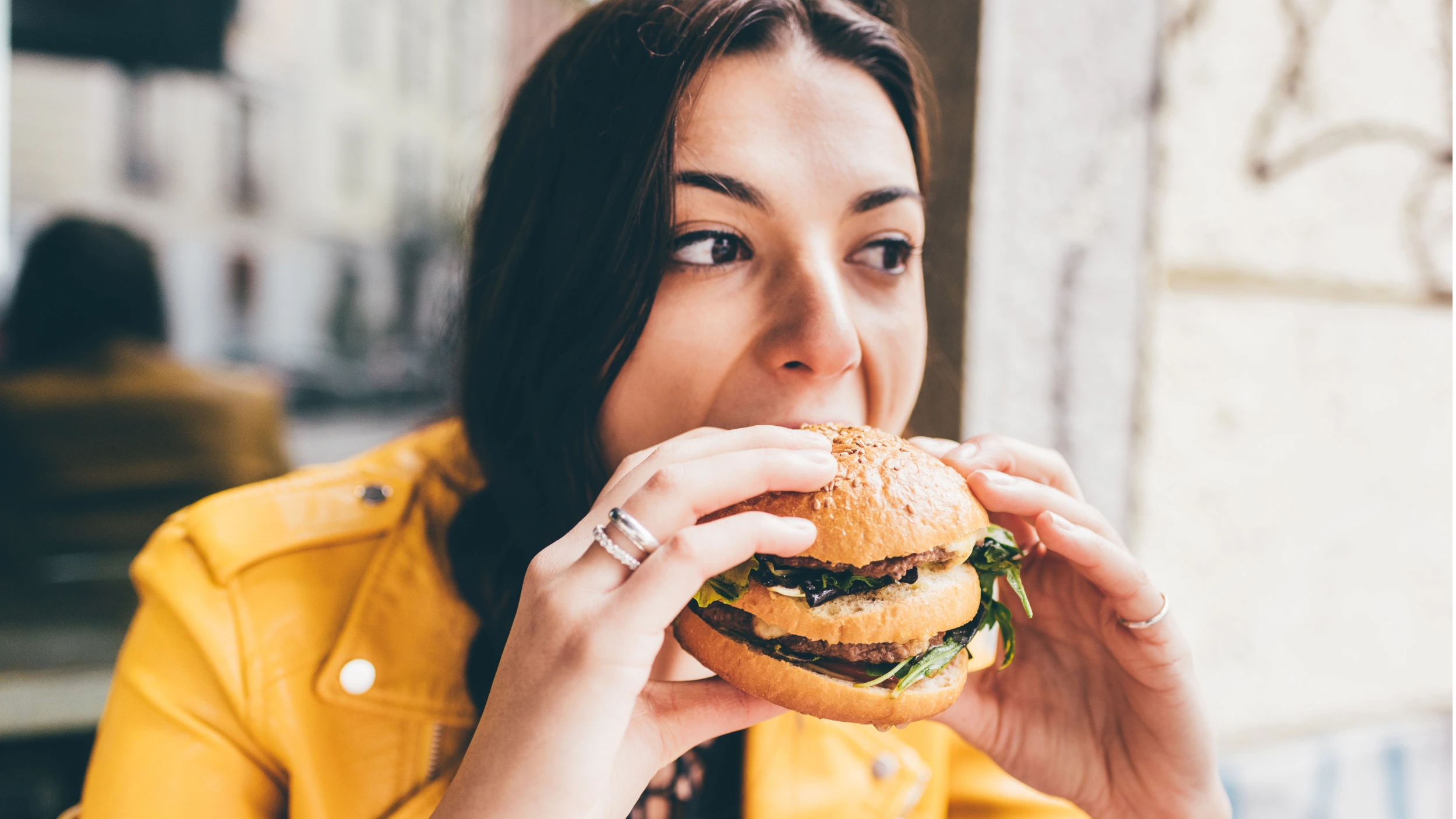






.webp)
.webp)
.webp)
.webp)

.webp)

.webp)
.webp)

.webp)

.webp)
.webp)
.webp)
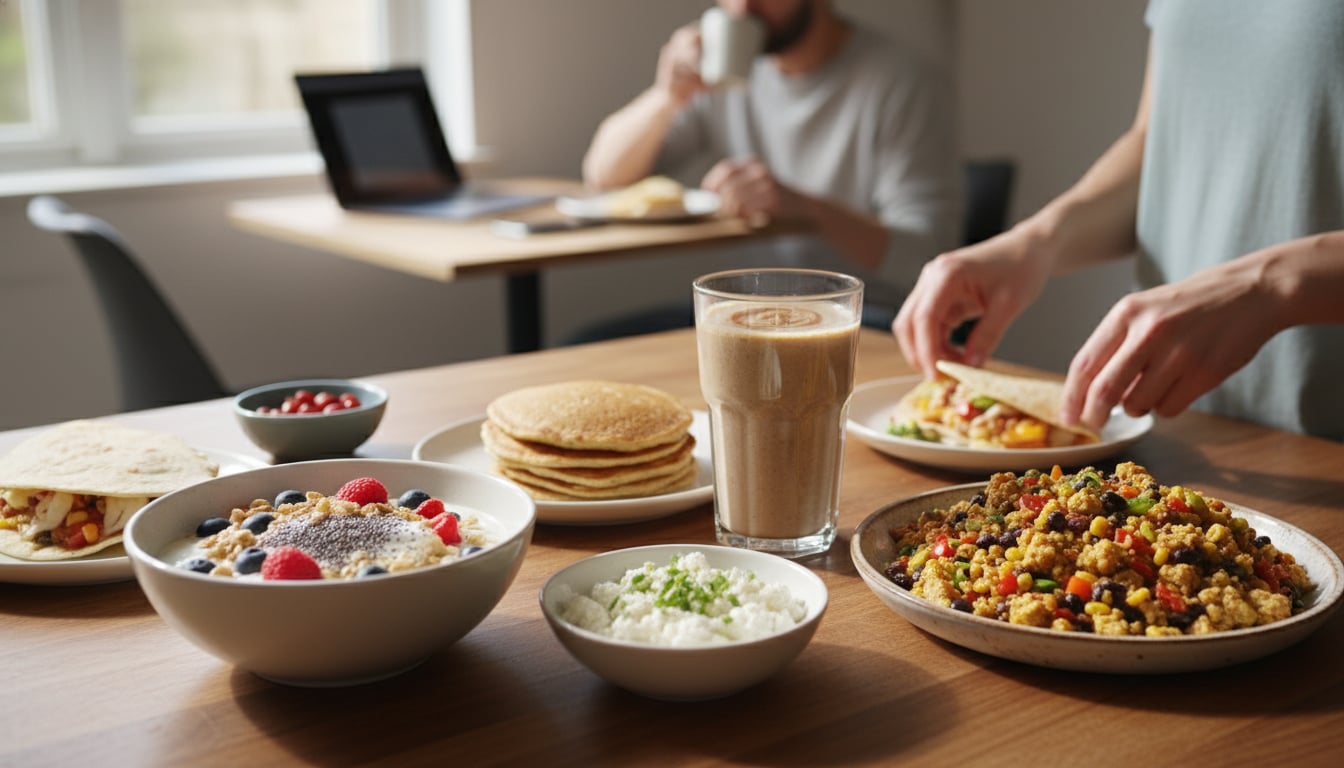
.webp)

.webp)