.webp)

%2B(7).webp)
.png)
At a Glance
Protein requirements shift dramatically during perimenopause as fluctuating estrogen levels accelerate muscle loss and alter metabolism [1]. Strategic protein intake—typically 1.2-1.6 grams per kilogram of body weight—combined with resistance training can preserve lean muscle mass, stabilize energy levels, and support healthy weight management [2]. Understanding how to optimize protein timing and sources empowers you to navigate hormonal changes with strength and vitality.
Understanding Protein's Role During Perimenopause
Here's what's happening behind the scenes: as estrogen begins its characteristic fluctuation pattern during perimenopause, your body experiences a measurable decline in muscle protein synthesis [3]. This isn't just about aesthetics—it directly affects your metabolic rate, glucose regulation, and bone density.
Estrogen has historically acted as a protective factor for muscle tissue, enhancing your body's ability to build and maintain lean mass. When those levels start their unpredictable dance, typically beginning in your early to mid-40s, you're working against a biological headwind [4]. Many women notice they can't maintain muscle definition the way they once did, even when their exercise routine hasn't changed.
The metabolism connection matters here: muscle tissue is metabolically active, meaning it burns calories even at rest. As muscle mass decreases, your basal metabolic rate drops, making weight management perimenopause increasingly challenging [5]. This creates a compounding effect where hormonal changes muscle loss leads to metabolic slowdown, which can contribute to unwanted fat accumulation, particularly around the midsection.
Protein becomes your strategic ally because it provides the essential amino acids necessary for muscle protein synthesis, helps regulate appetite through satiety hormones, and has a higher thermic effect than carbohydrates or fats—meaning your body burns more calories digesting it [6].
Beyond muscle retention perimenopause, adequate protein intake supports:
- Stable blood sugar levels, reducing energy crashes and mood swings
- Collagen production for skin elasticity and joint health
- Immune function during a time of physiological stress
- Neurotransmitter production affecting mood and cognitive clarity [7]
The catch? Research shows that as we age, we develop what's called "anabolic resistance"—our muscles become less responsive to the same protein stimulus that worked in our 20s and 30s [8]. This means protein for women over 40 isn't just about quantity; it's about strategic optimization.
Optimizing Your Protein Intake for Muscle Retention
Let's get practical. The general recommendation for sedentary adults is 0.8 grams of protein per kilogram of body weight, but that baseline doesn't account for the metabolic realities of perimenopause. Current evidence supports a range of 1.2-1.6 g/kg for women navigating this transition, with higher intakes warranted for those engaging in regular resistance training [9].
For a 150-pound woman, that translates to roughly 82-109 grams of protein daily—significantly more than the outdated 54-gram recommendation you might have followed previously.
Distribution matters as much as total intake. Your body can only utilize approximately 25-40 grams of protein per meal for muscle protein synthesis [10]. Consuming 80 grams at dinner after eating minimal protein all day won't give you the same metabolic benefits as spreading that intake across three to four meals.
- Aim for 25-35 grams at breakfast to kickstart muscle protein synthesis after the overnight fast
- Include 20-30 grams at lunch to maintain steady amino acid availability
- Consume 25-35 grams at dinner, paired with vegetables and complex carbohydrates
- Add a 15-20 gram snack post-workout or between meals if needed
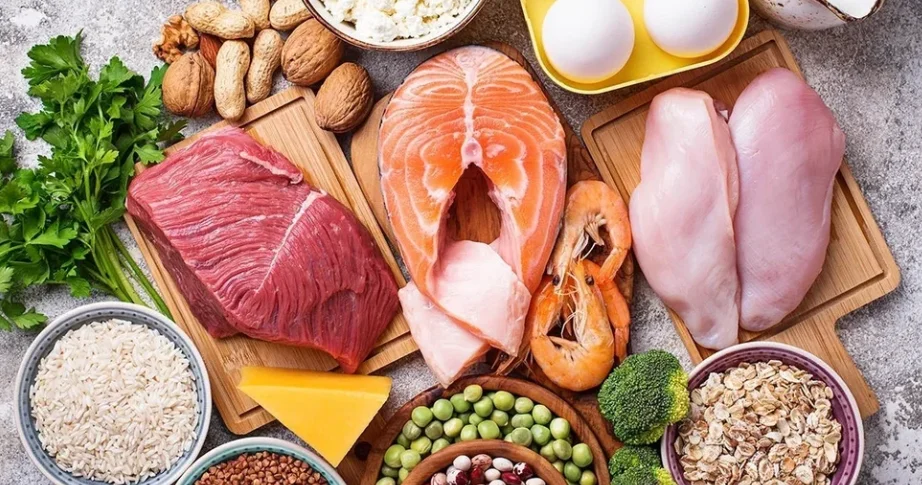
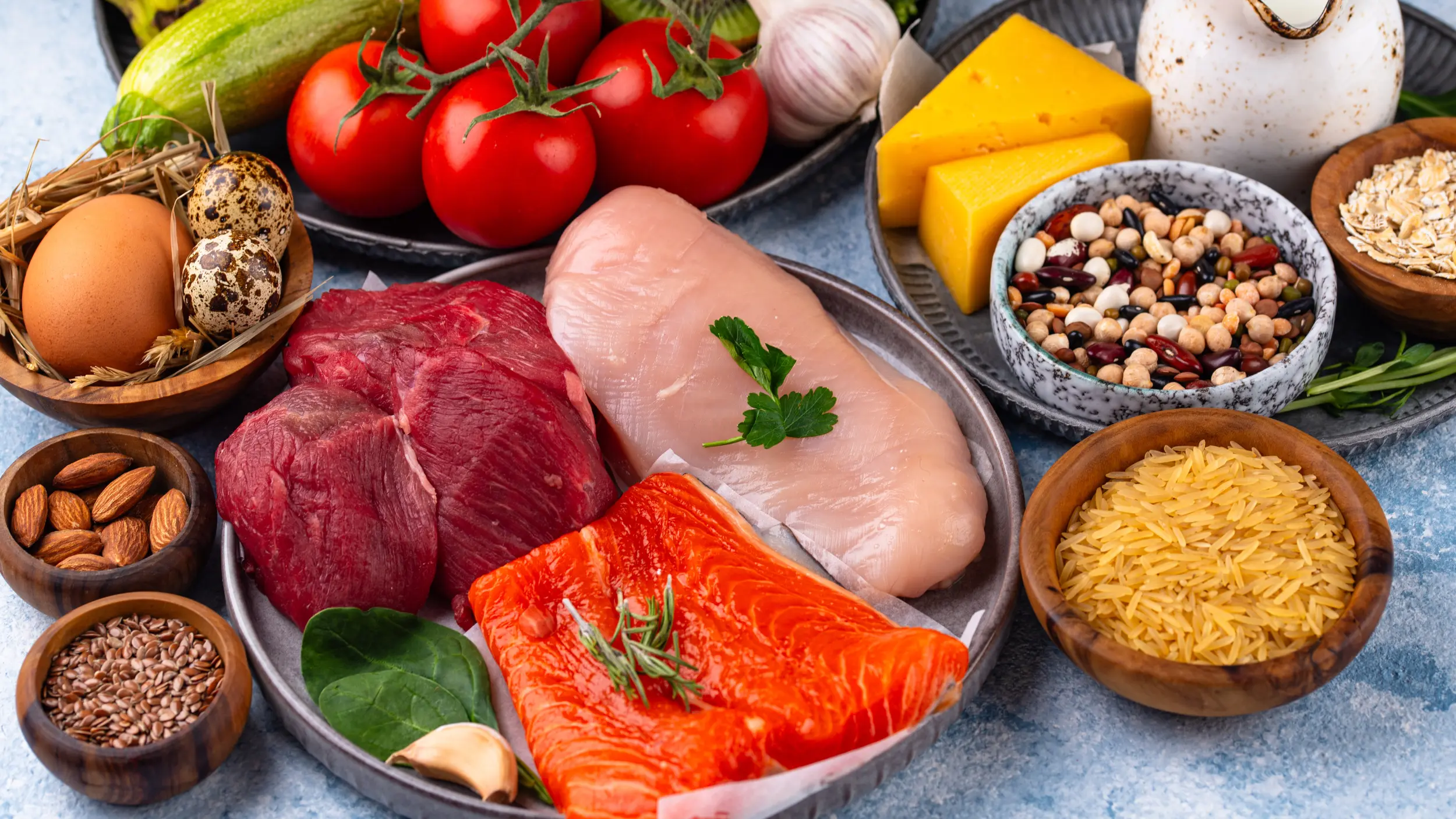
The best protein sources perimenopause include both animal and plant options, each offering unique benefits:
Animal proteins provide complete amino acid profiles with high bioavailability. Greek yogurt delivers 20 grams per cup plus bone-supporting calcium. Wild-caught salmon offers 25 grams per 4-ounce serving alongside anti-inflammatory omega-3 fatty acids. Eggs provide 6 grams each with choline for cognitive health.
Plant proteins bring fiber, antioxidants, and phytonutrients to the table. A cup of cooked lentils provides 18 grams of protein plus resistant starch that supports your gut microbiome. Tempeh delivers 31 grams per cup with added benefits from fermentation. Hemp seeds offer 10 grams per 3 tablespoons with a favorable omega-3 to omega-6 ratio.
Here's what a protein-optimized day might look like:
- Morning: Three-egg vegetable scramble with ½ cup cottage cheese and berries (28g protein)
- Midday: Grilled chicken salad with chickpeas, mixed greens, olive oil, and pumpkin seeds (35g protein)
- Afternoon: Plain Greek yogurt with chia seeds and a small handful of almonds (22g protein)
- Evening: Baked wild salmon with quinoa and roasted Brussels sprouts (32g protein)
Total: 117 grams strategically distributed throughout the day.
Timing around exercise for muscle mass perimenopause amplifies results. Consuming 20-25 grams of protein within two hours post-resistance training maximizes the muscle-building window when your tissues are most receptive to amino acids [11]. If you train fasted in the morning, prioritizing protein immediately afterward becomes even more critical.
Quality protein powders can bridge gaps on busy days, but whole food sources should form your foundation. Whey protein isolate is rapidly absorbed and rich in leucine, the amino acid most responsible for triggering muscle protein synthesis [12]. Plant-based blends combining pea and rice proteins offer comparable amino acid profiles for those avoiding dairy.
Nourishing Your Body Through Hormonal Shifts
Protein and hormones perimenopause interact in ways that extend far beyond muscle tissue. Adequate protein intake helps stabilize the hypothalamic-pituitary-adrenal axis, which governs your stress response and influences estrogen metabolism [13]. When you're chronically under-eating protein, your body perceives nutritional stress, potentially exacerbating cortisol dysregulation already challenged by fluctuating reproductive hormones.
Energy levels perimenopause often feel like a rollercoaster, but protein provides sustained fuel. Unlike refined carbohydrates that spike blood glucose and trigger insulin surges followed by crashes, protein promotes gradual glucose release and enhanced satiety [14]. This metabolic stability translates to fewer energy dips, reduced cravings, and better cognitive focus throughout your day.
The connection between hormone balance and diet becomes particularly evident when examining how protein influences key metabolic hormones. Adequate intake supports leptin sensitivity—the hormone signaling fullness—which can become impaired during perimenopause, contributing to increased appetite and fat storage [15].
Weight management perimenopause requires a recalibrated approach. The calorie-restriction strategies that worked in your 30s often backfire now, causing muscle loss, metabolic slowdown, and rebound weight gain. Prioritizing protein while maintaining a modest calorie deficit (if needed) preserves metabolically active muscle tissue while promoting fat loss [16].
Resistance training forms the non-negotiable partner to optimized protein intake. Studies demonstrate that protein supplementation without resistance exercise provides minimal benefit for muscle retention in perimenopausal women, but the combination produces significant improvements in lean body mass and strength [17].
Your weekly movement template should include:
- 2-3 sessions of full-body resistance training using progressive overload principles
- 2-3 sessions of moderate cardiovascular activity for metabolic and cardiovascular health
- Daily movement like walking to support insulin sensitivity and stress management
- Adequate recovery, including 7-9 hours of sleep to facilitate muscle repair [18]
Nutrition for perimenopause extends beyond protein alone. Pairing your optimized intake with:
- Colorful vegetables providing antioxidants to combat oxidative stress from hormonal fluctuations
- Complex carbohydrates timed around workouts to fuel performance and recovery
- Healthy fats supporting hormone production and reducing inflammation
- Adequate hydration, as even mild dehydration impairs muscle protein synthesis
The synergy between stress management and nutrition cannot be overstated. Chronic stress elevates cortisol, which directly antagonizes muscle protein synthesis and promotes muscle breakdown [20]. Your protein optimization strategy works best within a lifestyle framework that includes nervous system regulation, restorative sleep, and meaningful stress reduction practices.
Frequently Asked Questions
How much protein do I really need during perimenopause?
Research supports 1.2-1.6 grams per kilogram of body weight daily for women in perimenopause, particularly those engaging in regular resistance training [21]. For a 140-pound woman, that's approximately 76-102 grams daily. Individual needs vary based on activity level, muscle mass goals, and overall health status. Working with a registered dietitian ensures your target accounts for your unique metabolic profile and lifestyle factors.
What are the easiest ways to increase protein intake?
Start by assessing your current baseline through three days of food tracking, then identify the meals where you're falling short. Simple additions make significant differences: add two eggs to breakfast, include Greek yogurt as an afternoon snack, double your typical portion of fish or poultry at dinner, or blend protein powder into a morning smoothie. Preparing protein sources in advance—like hard-boiling eggs, batch-cooking chicken breasts, or portioning cottage cheese—removes decision fatigue and creates effortless access throughout your week.
Can protein help with perimenopause symptoms like fatigue?
Absolutely. Protein stabilizes blood sugar levels, preventing the energy crashes associated with glucose fluctuations [22]. It provides amino acids necessary for neurotransmitter production, including dopamine and serotonin, which influence energy, motivation, and mood. Additionally, maintaining muscle mass through adequate protein preserves your metabolic rate, supporting overall vitality. While protein alone won't resolve severe fatigue—which may signal thyroid dysfunction, anemia, or sleep disorders requiring medical evaluation—it forms a foundational element of sustained energy during this transition.
Ready to create a personalized plan to optimize your nutrition for perimenopause? The right protein strategy, tailored to your unique physiology and lifestyle, can transform how you experience this transition. Book a consultation at www.usevedic.com to discuss your specific needs and goals with a registered dietitian specializing in women's metabolic health.
References
[1] Maltais ML, Desroches J, Dionne IJ. Changes in muscle mass and strength after menopause. Journal of Musculoskeletal and Neuronal Interactions, 2009.
[2] Bauer J, Biolo G, Cederholm T, et al. Evidence-based recommendations for optimal dietary protein intake in older people: a position paper from the PROT-AGE Study Group. Journal of the American Medical Directors Association, 2013.
[3] Smith GI, Atherton P, Reeds DN, et al. Dietary omega-3 fatty acid supplementation increases the rate of muscle protein synthesis in older adults: a randomized controlled trial. American Journal of Clinical Nutrition, 2011.
[4] Messier V, Rabasa-Lhoret R, Barbat-Artigas S, et al. Menopause and sarcopenia: a potential role for sex hormones. Maturitas, 2011.
[5] Lovejoy JC, Champagne CM, de Jonge L, et al. Increased visceral fat and decreased energy expenditure during the menopausal transition. International Journal of Obesity, 2008.
[6] Westerterp-Plantenga MS, Lemmens SG, Westerterp KR. Dietary protein - its role in satiety, energetics, weight loss and health. British Journal of Nutrition, 2012.
[7] Fernstrom JD. Large neutral amino acids: dietary effects on brain neurochemistry and function. Amino Acids, 2013.
[8] Burd NA, Gorissen SH, van Loon LJ. Anabolic resistance of muscle protein synthesis with aging. Exercise and Sport Sciences Reviews, 2013.
[9] Phillips SM, Chevalier S, Leidy HJ. Protein "requirements" beyond the RDA: implications for optimizing health. Applied Physiology, Nutrition, and Metabolism, 2016.
[10] Moore DR, Churchward-Venne TA, Witard O, et al. Protein ingestion to stimulate myofibrillar protein synthesis requires greater relative protein intakes in healthy older versus younger men. The Journals of Gerontology, 2015.
[11] Kerksick CM, Arent S, Schoenfeld BJ, et al. International society of sports nutrition position stand: nutrient timing. Journal of the International Society of Sports Nutrition, 2017.
[12] Churchward-Venne TA, Burd NA, Phillips SM. Nutritional regulation of muscle protein synthesis with resistance exercise: strategies to enhance anabolism. Nutrition & Metabolism, 2012.
[13] Michalsen A, Li C. Fasting therapy for treating and preventing disease - current state of evidence. Forschende Komplementärmedizin, 2013.
[14] Leidy HJ, Clifton PM, Astrup A, et al. The role of protein in weight loss and maintenance. American Journal of Clinical Nutrition, 2015.
[15] Gorissen SH, Witard OC. Characterising the muscle anabolic potential of dairy, meat and plant-based protein sources in older adults. Proceedings of the Nutrition Society, 2018.
[16] Longland TM, Oikawa SY, Mitchell CJ, et al. Higher compared with lower dietary protein during an energy deficit combined with intense exercise promotes greater lean mass gain and fat mass loss: a randomized trial. American Journal of Clinical Nutrition, 2016.
[17] Ribeiro AS, Schoenfeld BJ, Souza MF, et al. Resistance training prescription with different load-management methods improves phase angle in older women. European Journal of Sport Science, 2020.
[18] Dattilo M, Antunes HK, Medeiros A, et al. Sleep and muscle recovery: endocrinological and molecular basis for a new and promising hypothesis. Medical Hypotheses, 2011.
[19] Pasiakos SM, Lieberman HR, McLellan TM. Effects of protein supplements on muscle damage, soreness and recovery of muscle function and physical performance: a systematic review. Sports Medicine, 2014.
[20] Melby CL, Paris HL, Sayer RD, et al. Increasing energy flux to maintain diet-induced weight loss. Nutrients, 2019.
[21] Morton RW, Murphy KT, McKellar SR, et al. A systematic review, meta-analysis and meta-regression of the effect of protein supplementation on resistance training-induced gains in muscle mass and strength in healthy adults. British Journal of Sports Medicine, 2018.
[22] Paddon-Jones D, Westman E, Mattes RD, et al. Protein, weight management, and satiety. American Journal of Clinical Nutrition, 2008.
.svg)
.svg)


















.webp)
.webp)
.webp)
.webp)
%20(1).webp)
.webp)
.webp)


.webp)

.webp)
.webp)
.webp)

.webp)

.webp)
.webp)
.webp)

.webp)

.webp)