.webp)
.webp)
%2B(7).webp)
.png)
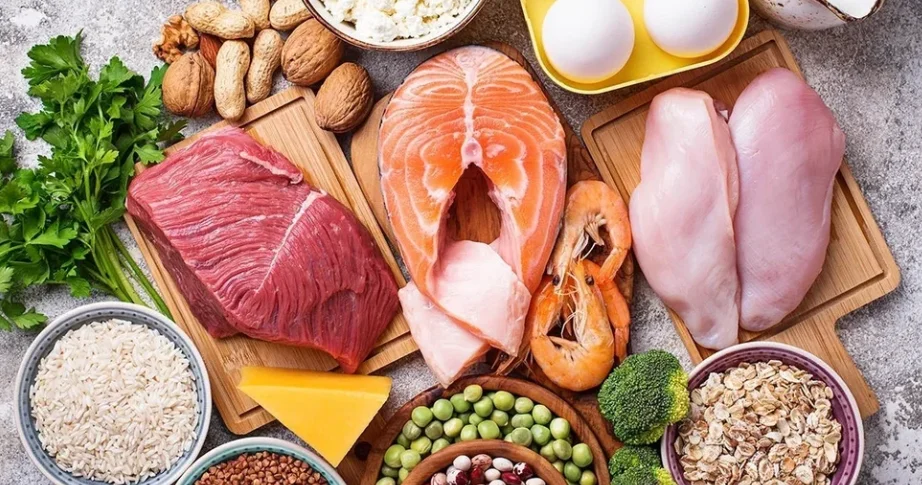
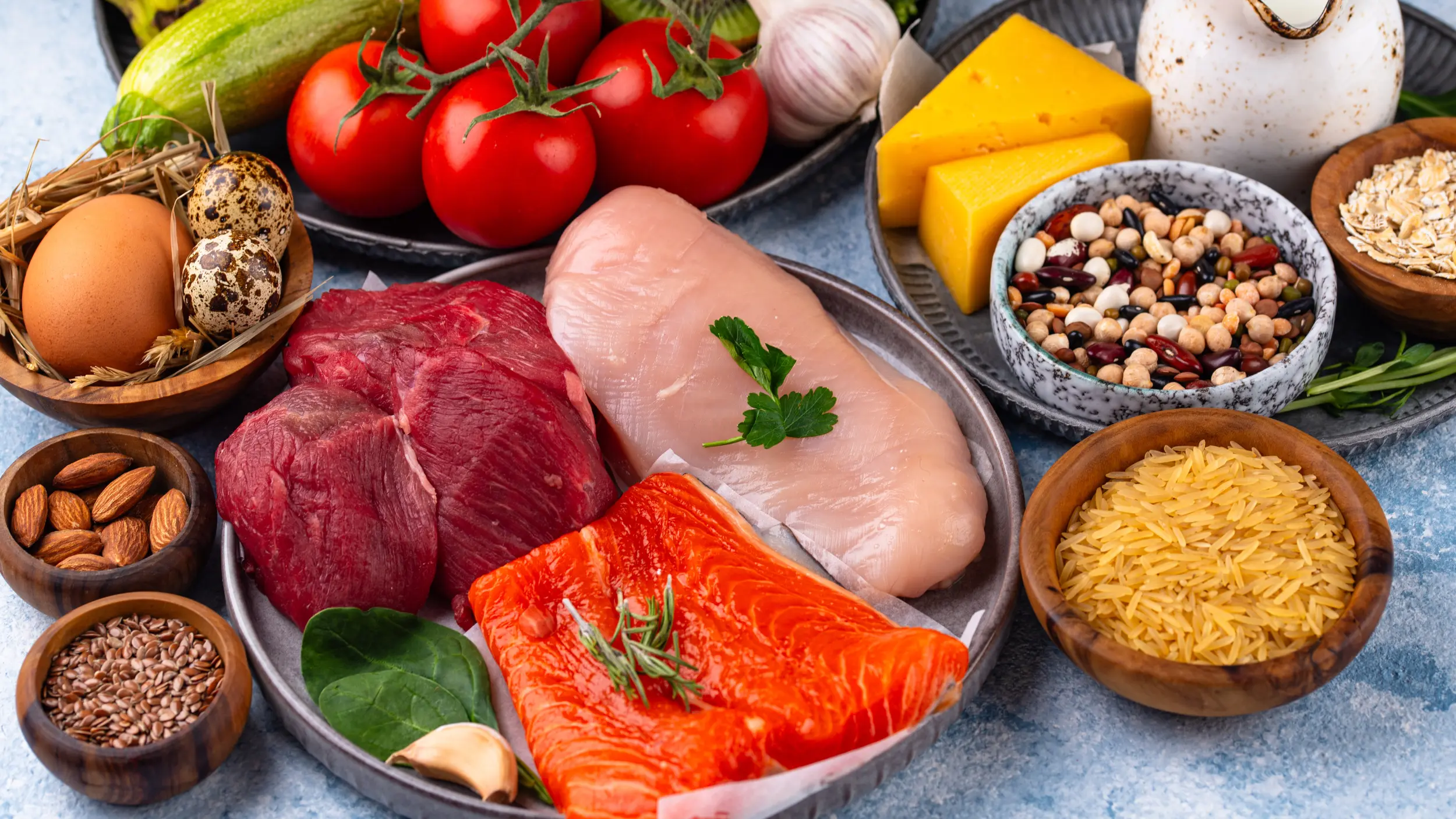
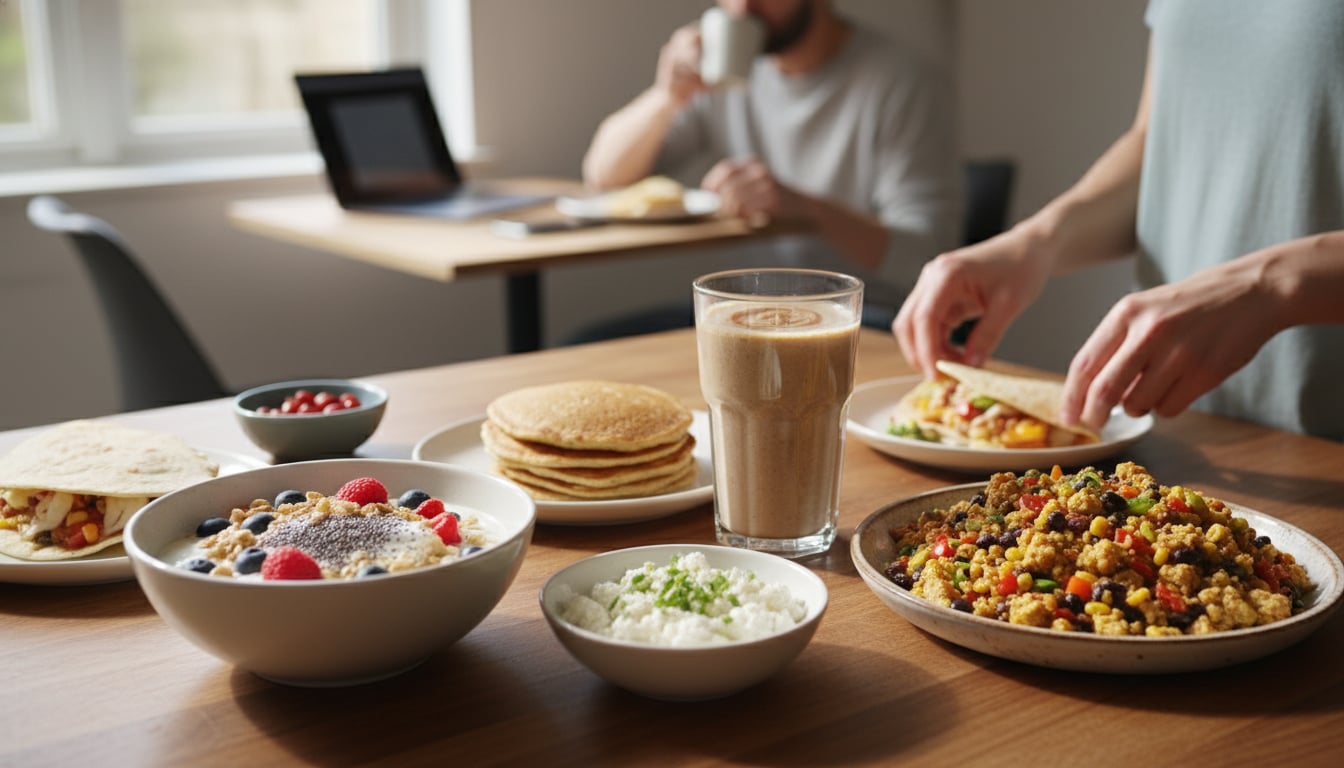
The best protein sources for preserving lean mass during weight loss are high-leucine, highly digestible foods like chicken breast, whey protein, cottage cheese, eggs, Greek yogurt, and fish. Aim for 1.2 to 1.6 grams of protein per kilogram of body weight daily, spread across three to four meals of 30 to 40 grams each. Per-meal protein distribution matters as much as daily totals because your muscles need to cross a leucine threshold (about 2.5 to 3 grams per meal) to fully activate muscle protein synthesis.
Losing weight is supposed to make you healthier. But somewhere between 25 and 40 percent of the weight people lose, especially on GLP-1 medications like Ozempic, Wegovy, and Zepbound, comes from lean body mass rather than fat. Clinical trial data shows that semaglutide users lost roughly 6.9 kilograms (about 15 pounds) of lean mass over 68 weeks. That is the equivalent of about 20 years of natural age-related muscle loss compressed into a little over a year.
The fix is not complicated in theory: eat enough of the right protein, at the right times, while doing resistance training. In practice, though, especially when appetite suppression makes food unappealing, it takes real strategy. This glossary breaks down every term you need to understand to choose the best protein sources for preserving lean mass and actually use them effectively.
If you’re on a GLP-1 medication or planning to start one, a registered dietitian can help you build a plan that protects your muscle while you lose fat.
Core Definitions: Understanding What You’re Protecting
Lean Mass (Lean Body Mass / LBM)
Everything in your body that is not fat. That includes muscle, bone, water, connective tissue, and organs. When people say they want to “preserve lean mass,” they primarily mean skeletal muscle, the tissue you can build through exercise and protein intake.
Why it matters: Muscle is metabolically active. It burns calories even at rest. Losing muscle during weight loss drops your metabolic rate, which makes regaining weight easier once you stop dieting or stop a medication. The goal of any weight loss plan should be maximizing fat loss while minimizing lean mass loss.
What to do about it: Track more than the scale. Body composition measurements (DEXA scans, bioimpedance scales) tell you whether you’re losing fat, muscle, or both.
Muscle Protein Synthesis (MPS)
The process by which your body builds new muscle protein. Think of it as the “on switch” for muscle repair and growth. MPS is triggered by two things: eating protein (specifically, amino acids like leucine) and mechanical stress from resistance training.
Why it matters: When MPS exceeds muscle protein breakdown, you maintain or gain muscle. When breakdown exceeds synthesis, which happens during aggressive calorie deficits, you lose muscle. The best protein sources for preserving lean mass are the ones that most effectively stimulate MPS per serving.
What to do about it: Eat protein at every meal and pair your nutrition plan with strength training. Neither works nearly as well alone.
Sarcopenia
The progressive loss of muscle mass and strength that comes with aging. It typically accelerates after age 50, but rapid weight loss at any age can trigger similar effects.
Why it matters: GLP-1 medications can accelerate a sarcopenia-like process. If you’re over 40 and losing weight quickly, you face a double threat: age-related muscle loss plus diet-induced muscle loss. A 2026 analysis in Scientific American noted that researchers consider the lean mass lost during GLP-1 treatment equivalent to roughly two decades of normal aging.
What to do about it: Higher protein intake (more on specific targets below) combined with resistance training two to three times per week. These remain the most evidence-backed interventions for protecting muscle during weight loss.
Metabolic Adaptation
Your metabolism slows down when you lose weight. This is a normal survival response. But losing muscle makes it significantly worse because muscle tissue burns more calories at rest than fat tissue does.
Why it matters: People who lose a lot of muscle during weight loss often hit stubborn plateaus and regain weight more easily. Practitioners on health forums frequently report that clients eating only 800 to 1,000 calories per day on GLP-1s, thinking less is always better, experience the worst metabolic slowdowns and fatigue.
What to do about it: Avoid extreme calorie restriction. Prioritize protein to preserve the metabolically active tissue that keeps your resting burn rate higher. For a deeper look at how to counter this process, our metabolic reset guide walks through the science and strategies.
Protein Quality and Scoring Terms: Not All Protein Is Equal
Complete Protein
A protein source that contains all nine essential amino acids (the ones your body cannot make on its own) in adequate amounts. Animal proteins, soy, and quinoa are complete. Most other plant proteins are not.
Why it matters: Complete proteins give your muscles the full toolkit they need for repair and growth in a single food. If a protein is missing even one essential amino acid, MPS cannot proceed at full capacity from that food alone.
Incomplete Protein
A protein source that is low in or missing one or more essential amino acids. Most plant proteins fall into this category: beans are low in methionine, while grains are low in lysine.
Why it matters: Incomplete proteins are not useless. They just require strategy. You need to eat a variety of plant proteins throughout the day so your body’s amino acid pool stays topped up. The classic rice-and-beans combination covers each food’s weak spot.
Limiting Amino Acid
The essential amino acid present in the shortest supply in a given protein source. It determines how much of that food’s protein your body can actually use for muscle building.
Why it matters: If you eat a food where lysine is the limiting amino acid, the rest of the amino acids cannot fully participate in MPS until you supply more lysine from another source. This is the reason protein quality scoring exists, and it is why someone following a high-protein diet needs to think beyond just grams.
Leucine Threshold
This is the single most important concept in choosing the best protein sources for preserving lean mass, and most weight-loss articles skip it entirely.
The leucine threshold is the minimum dose of the amino acid leucine needed in a single meal to maximally stimulate muscle protein synthesis. For younger adults, it is approximately 2.5 grams. For older adults (roughly 50 and up), it rises to about 3 grams.
Why it matters: Below this threshold, MPS activates only partially, no matter how much total protein is in the meal. A breakfast with 10 grams of protein might contain only 0.8 grams of leucine, which barely nudges MPS at all. A meal with 30 grams of chicken breast provides about 2.1 grams of leucine, getting much closer. A scoop of whey protein delivers 2.7 to 3.3 grams, clearing the threshold comfortably.
What to do about it: Structure every meal around 25 to 40 grams of protein from high-leucine sources. For plant-based eaters, this means larger serving sizes, typically 35 to 45 grams of plant protein per meal, since plant proteins contain less leucine per gram.
DIAAS (Digestible Indispensable Amino Acid Score)
The current gold-standard method for measuring protein quality, replacing the older PDCAAS system. DIAAS measures amino acid absorption in the small intestine (where absorption actually happens), while PDCAAS measured it in the large intestine and tended to overestimate the quality of some plant proteins.
Why it matters: High-quality proteins like eggs, meat, dairy, and soy score 95 to 100+ on DIAAS. Lower-quality proteins like wheat, rice, or beans alone score 40 to 75. A study comparing omnivorous versus vegetarian athletes found that omnivorous participants had 14% higher lean body mass, partly attributable to higher DIAAS scores and 43% more bioavailable protein. Vegetarian athletes needed an additional 10 grams of protein per day just to match the effective protein intake of their omnivorous peers.
Protein Complementation
The practice of combining two or more incomplete plant proteins so that the limiting amino acid in one is supplied by the other. Rice and beans are the textbook example.
Why it matters: You do not need to eat complementary proteins at the same meal. Your body maintains a pool of free amino acids throughout the day. But you do need variety across your daily intake. Eating only one plant protein source all day leaves gaps.
Best Protein Sources for Preserving Lean Mass, Ranked by Category
The table below organizes protein sources by their practical utility for muscle preservation. It accounts for protein content, leucine levels, DIAAS quality, and a factor that almost no competing guide includes: tolerability for people dealing with the nausea and reduced appetite common on GLP-1 medications.
Tier 1: High-Leucine, High-Bioavailability Sources
These are the most efficient choices for someone trying to cross the leucine threshold in every meal.
Whey protein stands alone at the top. It contains 10 to 11% leucine by weight, the highest of any common protein source. One scoop gets you past the leucine threshold with room to spare. For anyone whose appetite is crushed by medication, a whey shake is often the most practical path to adequate protein. Practitioners on Reddit and health forums consistently recommend keeping protein powder on hand as a “minimum viable meal” on low-appetite days.
Chicken breast and turkey breast are the workhorses of lean-mass preservation diets. At 26 grams of protein per 4-ounce serving, they deliver substantial amino acids with minimal fat. Their mild flavor also makes them easier to eat when nausea is present.
Cottage cheese deserves special attention. Cup for cup, it delivers 22 to 28 grams of protein, and roughly 80% of that protein is casein, a slow-digesting protein that provides a sustained release of amino acids. This makes it a strong choice before bed or during long gaps between meals.
Eggs are the reference standard for protein quality in nutrition science. Three large eggs provide 18 grams of protein and about 1.6 grams of leucine. To comfortably cross the leucine threshold with eggs alone, you would need four eggs (24 grams of protein, roughly 2.1 grams of leucine), but pairing two or three eggs with Greek yogurt or a glass of milk closes the gap easily.
For a full day of meals built around these sources, see our protein-forward meal plan designed for weight loss.
Tier 2: Complete Protein, Moderate Leucine
Greek yogurt is incredibly convenient and tolerated well by most people, including those with medication-related nausea. At 16 to 18 grams per 6-ounce serving, it does not cross the leucine threshold on its own, but combine it with a handful of nuts or a scoop of protein powder and you are there.
Fish (salmon, cod, tuna) brings 20 to 25 grams of protein per serving along with omega-3 fatty acids that support inflammation management. Salmon is the standout for overall health benefits, though fattier fish can sometimes aggravate nausea.
Soy-based foods (tofu, tempeh, edamame) are the highest-quality plant proteins available, with DIAAS scores approaching animal sources. Firm tofu provides about 10 grams per half cup. You will need to eat more of it or combine it with another protein source to hit per-meal targets.
Tier 3: Incomplete but Valuable
Lentils, beans, and pea protein contribute meaningful protein but fall short on one or more essential amino acids. Pea protein isolate (20 to 25 grams per scoop, about 1.7 grams of leucine) comes closest to animal proteins in the plant category. Lentils at 18 grams per cooked cup are respectable, but their high fiber content can cause GI distress for people on GLP-1 medications who are already dealing with slowed gastric emptying.
The fix for plant-based eaters: aim for 35 to 45 grams of plant protein per meal instead of the 25 to 30 grams that works with animal sources. Combine protein sources throughout the day, and consider adding a leucine supplement or blending pea protein with a leucine-rich source.
Intake and Timing: The Numbers That Actually Matter
Protein Targets for Lean Mass Preservation
Multiple systematic reviews and clinical studies converge on the same range. During weight loss, consuming 1.2 to 1.6 grams of protein per kilogram of body weight daily preserves lean mass significantly better than the standard 0.8 g/kg recommendation. For active individuals or those doing regular resistance training, the range extends to 1.6 to 2.2 g/kg, roughly 0.7 to 1.0 grams per pound of body weight.
Practical example: A 180-pound person with approximately 140 pounds of lean body mass should aim for 112 to 168 grams of protein per day. That is not a trivial amount, especially when your appetite says “no thanks.”
Per-Meal Protein Threshold
Most adults need 20 to 40 grams of protein per meal (approximately 0.25 to 0.4 g/kg body weight) to maximally stimulate MPS. Going below 20 grams in a meal means you likely did not cross the leucine threshold. Going above 40 grams in a single sitting provides diminishing returns for MPS (though the extra protein still counts toward your daily total for other functions).
Protein Distribution: Why Meal Timing Changes Outcomes
This is where most advice about the best protein sources for preserving lean mass falls short. Guides tell you to eat 120 grams of protein per day but say nothing about how to distribute it. The distribution matters enormously.
A person eating 120 grams of protein as 15 grams at breakfast, 20 grams at lunch, and 85 grams at dinner crosses the leucine threshold fully only once (at dinner). That same 120 grams spread as 30-30-30-30 across four meals activates MPS four separate times throughout the day.
The research is clear: distributing protein across three to four meals of 30 to 40 grams each is more effective for muscle preservation than consuming the same total amount concentrated in one or two meals.
A practical framework: the 30-30-30 approach. Aim for at least 30 grams of protein at breakfast, lunch, and dinner, with additional protein from snacks if your daily target demands it. This structure ensures you cross the leucine threshold at every major meal.
Understanding how protein interacts with your calorie deficit is also critical, because the size of your deficit directly affects how much muscle you risk losing.
Thermic Effect of Food (TEF)
Your body burns energy just digesting and processing the food you eat. Protein has the highest thermic effect of any macronutrient: roughly 20 to 30% of protein calories are burned during digestion. By comparison, carbohydrates burn 5 to 10%, and fats burn only 0 to 3%.
Why it matters for lean mass: Eating more protein not only builds muscle but also slightly boosts your total daily energy expenditure. Combined with the metabolic advantage of maintaining muscle mass, a high-protein diet creates a compounding effect that works in your favor during weight loss.
Special Considerations
GLP-1 Companion Nutrition: Eating Enough When You Don’t Want to Eat
The central challenge for anyone on semaglutide, tirzepatide, or similar medications is simple: the drugs suppress appetite so effectively that many patients end up in a severe protein deficit without realizing it. A 2026 study from UCL and Cambridge, published in Obesity Reviews, found that people taking GLP-1 medications often receive inadequate nutritional guidance from their prescribers.
Clinical practitioners who work with GLP-1 patients consistently report that the biggest nutritional risk is not what people eat but how little they eat. When total calories drop to 800 or 1,000 per day, it becomes nearly impossible to get enough protein from food alone.
Strategies that work:
- Protein first. At every meal, eat the protein portion before anything else. If you can only manage a few bites, at least those bites count.
- Liquid calories when solids fail. A protein shake with 30 grams of whey is 150 calories and takes 60 seconds to drink. On days when nausea makes solid food impossible, this can be the difference between muscle preservation and muscle loss.
- Three small meals minimum. Even if portions are tiny, spreading food across at least three eating occasions helps maintain MPS activation throughout the day.
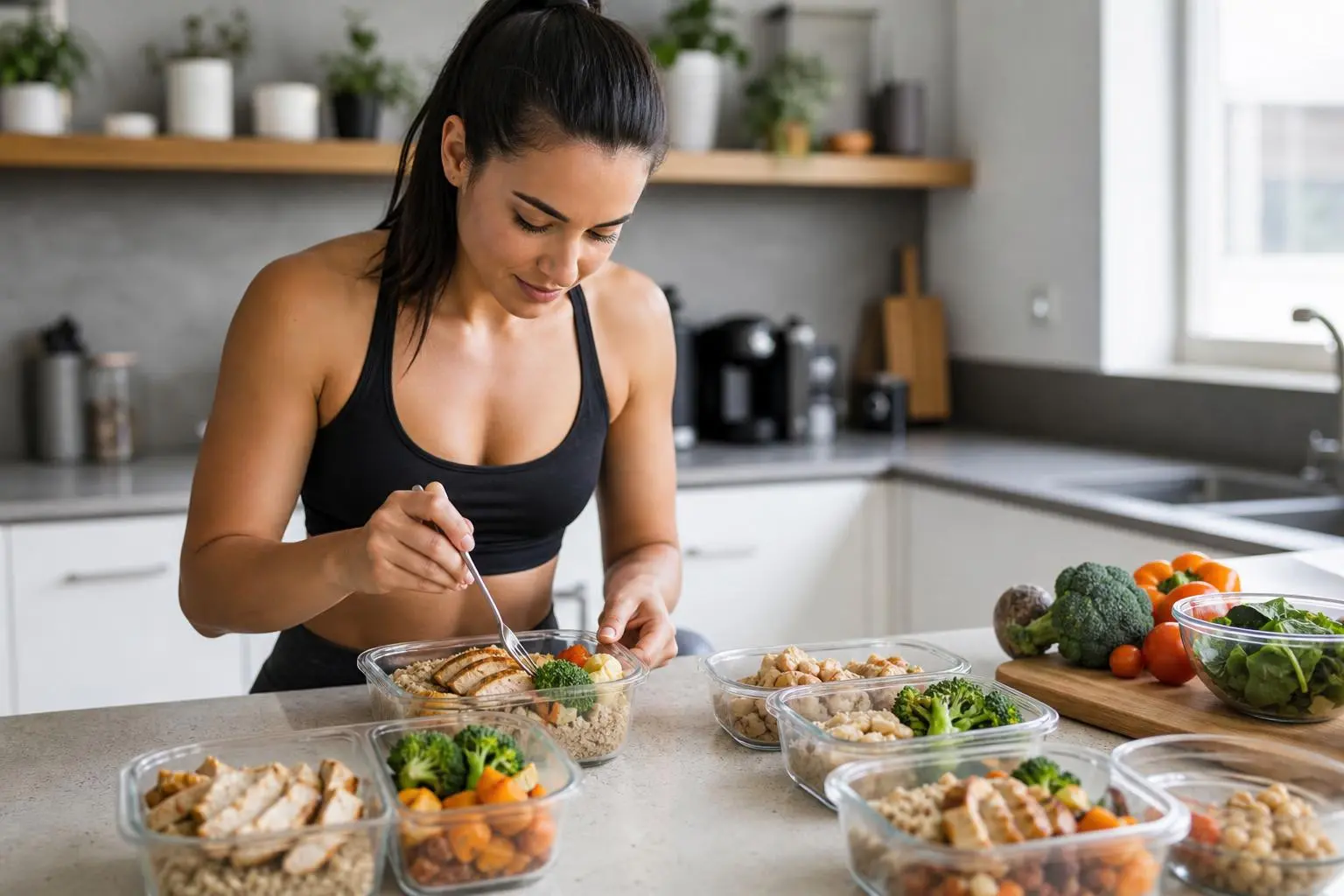
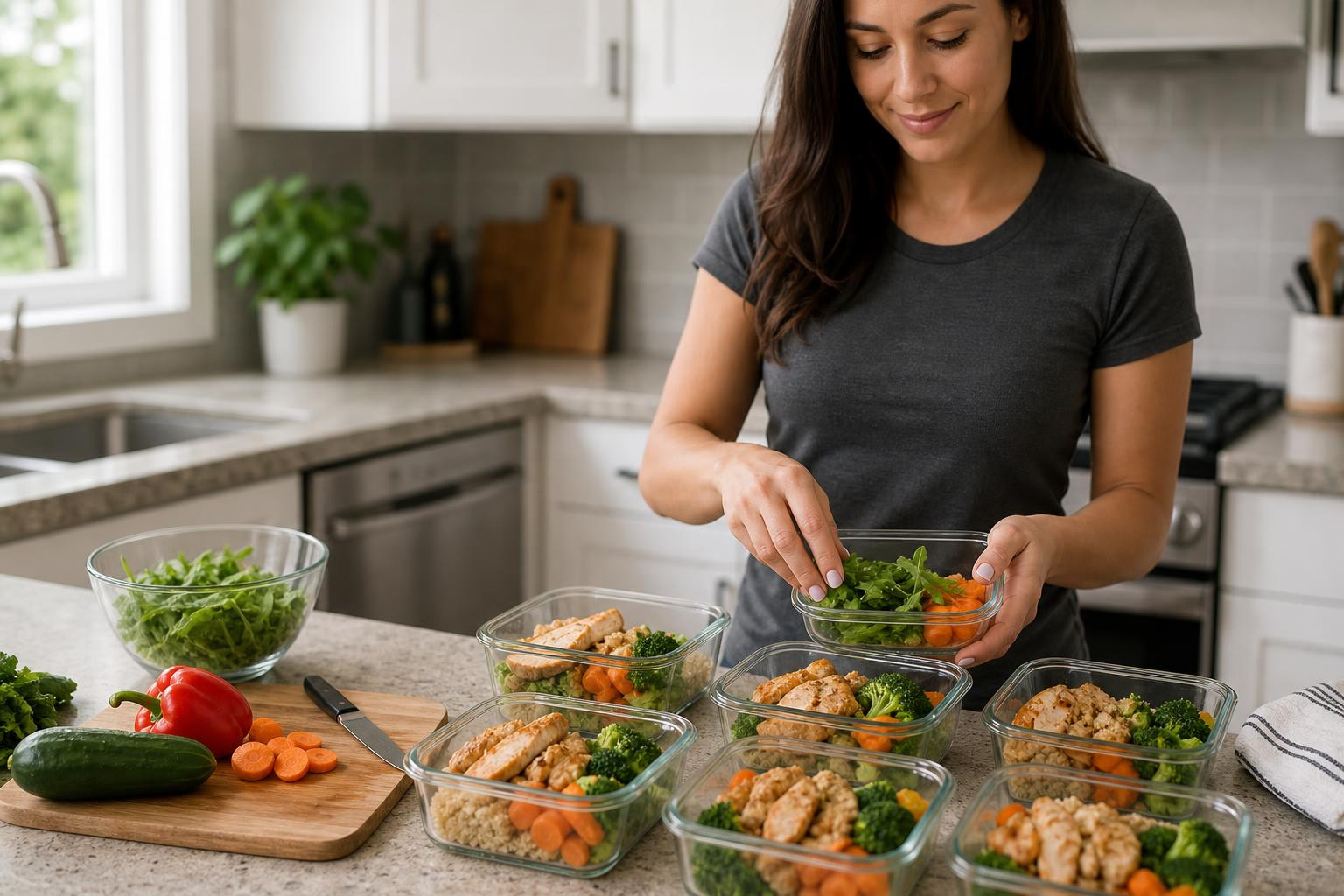
- Plan proactively. Batch-prep protein portions on higher-appetite days so food is ready when you have a brief window of hunger.
For more detailed guidance on foods that pair well with GLP-1s, including options that minimize common side effects, we have a full breakdown.
Anabolic Resistance in Older Adults
After about age 50, the body becomes less responsive to protein’s MPS-stimulating signal. This phenomenon, called anabolic resistance, means older adults need more protein per meal to achieve the same muscle-building response as a 30-year-old.
What this changes: Instead of 25 to 30 grams per meal, adults over 50 should aim for 35 to 40 grams per meal and prioritize leucine-rich sources. The leucine threshold for this group is closer to 3 grams per meal rather than 2.5.
For a structured daily approach, our meal plans for preventing muscle loss during weight loss break this down into actionable templates.
Protein-Forward Eating
A practical strategy where you prioritize protein at the beginning of each meal and build the rest of the plate around it. This is especially useful when total food volume is reduced (as on GLP-1 medications or any calorie-restricted diet).
Rather than starting with salad, bread, or rice and hoping to “get to” the chicken, protein-forward eating flips the order. You eat the chicken first. If appetite fades halfway through the meal, you have already consumed the most critical macronutrient.
This approach connects to the protein leverage hypothesis, which proposes that the body continues to drive hunger until its protein needs are met, even if calorie needs have been exceeded.
Resistance Training: The Non-Negotiable Partner
No discussion of the best protein sources for preserving lean mass is complete without this: protein alone is not enough. You need mechanical stress on muscles to stimulate MPS and signal your body that muscle tissue is worth keeping.
A cardiologist quoted in Scientific American in May 2026 put it bluntly: resistance exercise and proper protein intake remain the most evidence-backed ways to protect muscle during weight loss. New pharmaceutical approaches are being researched, but none have replaced the barbell and the plate.
Starting with strength training two to three times per week is the standard recommendation. Compound movements (squats, deadlifts, rows, presses) are the most efficient for preserving overall lean mass.
Putting It All Together
Choosing the best protein sources for preserving lean mass is not about finding a single magic food. It is about building a system: high-quality protein sources at every meal, enough leucine to cross the threshold three to four times per day, total daily intake of 1.2 to 1.6 g/kg (or higher if active), and resistance training to give your body a reason to keep the muscle.
The people who lose the most muscle during weight loss are those who wing it, eating whatever is convenient, skipping meals when appetite is low, and ignoring protein targets. The people who preserve muscle treat protein intake with the same intentionality they bring to their medication regimen or workout schedule.
A registered dietitian who understands GLP-1 side effects, protein quality scoring, and per-meal distribution can personalize these targets based on your labs, your medications, and the foods you actually enjoy eating. Vedic Nutrition’s team of registered dietitians specializes in exactly this kind of companion care, and 95% of clients pay $0 out of pocket through insurance.
Book a session with a Vedic dietitian to build a protein plan that protects your lean mass while you lose weight.
Frequently Asked Questions
How much protein per day do I need to preserve lean mass during weight loss?
Research consistently supports 1.2 to 1.6 grams per kilogram of body weight daily as the minimum for lean mass preservation during calorie restriction. Active individuals or those doing regular resistance training may benefit from up to 2.2 g/kg. For a 180-pound person, that translates to roughly 112 to 168 grams per day.
What is the single best protein source for preserving muscle?
Whey protein has the highest leucine concentration of any common food (10 to 11% of total protein), making it the most efficient choice for stimulating muscle protein synthesis per gram. However, no single food should carry your entire intake. A combination of whey, chicken breast, eggs, Greek yogurt, cottage cheese, and fish gives you the variety, nutrients, and practical flexibility to hit targets consistently.
Does it matter when I eat protein, or just how much per day?
Both matter, but distribution is often the overlooked factor. Spreading your daily protein across three to four meals of 30 to 40 grams each triggers muscle protein synthesis more effectively than eating the same amount in one or two large meals. Each meal needs to cross the leucine threshold (about 2.5 grams of leucine) to fully activate MPS.
Can I preserve lean mass on a plant-based diet?
Yes, but it requires more planning. Plant proteins generally contain less leucine per gram and score lower on DIAAS (the protein quality scale) than animal proteins. Research shows plant-based athletes need about 10 additional grams of protein per day compared to omnivores, and 35 to 45 grams of plant protein per meal to match the leucine content of 30 grams of animal protein. Soy-based foods (tofu, tempeh, edamame) and pea protein are the strongest plant-based options.
What is the leucine threshold, and why does it matter?
The leucine threshold is the minimum amount of the amino acid leucine needed in a single meal to maximally stimulate muscle protein synthesis: approximately 2.5 grams for younger adults and 3 grams for older adults. Below this threshold, MPS only partially activates regardless of how much total protein the meal contains. This is why protein quality and per-meal quantity matter so much for preserving lean mass.
How do I get enough protein on GLP-1 medications when I have no appetite?
Prioritize protein-dense foods first at every meal. Use liquid protein (whey shakes, protein smoothies) on days when solid food is unappealing. Aim for at least three small eating occasions per day even if portions are tiny. Batch-prepare protein portions when appetite is better. And consider working with a dietitian experienced in GLP-1 support who can help you hit targets within your comfort zone.
Is resistance training really necessary, or can protein alone prevent muscle loss?
Protein alone is not enough. Resistance training provides the mechanical signal that tells your body to preserve and build muscle tissue. Without it, even high protein intake cannot fully prevent lean mass loss during a calorie deficit. The standard recommendation is strength training two to three times per week, focusing on compound movements.
What is DIAAS, and should I pay attention to it?
DIAAS (Digestible Indispensable Amino Acid Score) is the current gold-standard measure of protein quality, adopted by the FAO to replace the older PDCAAS method. It measures how well amino acids are absorbed in the small intestine. Scores above 100 indicate excellent quality (eggs, dairy, most meats). Scores of 40 to 75 are typical for individual plant proteins. If you eat mostly plant-based, paying attention to DIAAS helps you choose the most effective protein sources and plan complementary combinations.
.svg)
.svg)












.webp)
.webp)
.webp)
.webp)

.webp)
.webp)
.webp)
.webp)

.webp)
.webp)
.webp)
.webp)

.webp)