.webp)
.webp)
%2B(7).webp)
.png)
At a Glance
Sustainable weight wellness is a holistic approach that prioritizes your physical health, mental well-being, and relationship with food over rapid results. This evidence-based guide provides personalized strategies for long-term weight loss through mindful eating, metabolic support, and body-positive practices. You'll learn how to build a balanced lifestyle that adapts to your unique needs without restriction or deprivation.
Understanding Sustainable Weight Wellness: More Than Just a Number
Here's what I want you to know right up front: sustainable weight wellness isn't another diet program. It's a fundamental shift in how you think about your health, your body, and what "success" actually means.
When we talk about sustainable weight loss, we're referring to gradual changes that your body can maintain without triggering adaptive thermogenesis—the metabolic slowdown that happens when your body thinks it's starving [1]. Research shows that individuals who lose weight slowly (about 0.5-1% of body weight per week) are significantly more likely to maintain that loss five years later compared to those using rapid weight loss methods [2].
A holistic weight approach means we're looking at the whole picture. Your sleep quality, stress hormones, gut microbiome, thyroid function, insulin sensitivity, and even your social connections all play roles in your body composition. In fact, chronic stress alone can increase cortisol levels, which directly impacts fat storage patterns, particularly around your midsection [3].
The concept of personalized wellness recognizes what the research has been screaming for years: cookie-cutter plans fail because your genetics, lifestyle, medical history, and even your taste preferences create a unique metabolic fingerprint. What works brilliantly for your coworker might be completely wrong for your body. A 2025 study examining metabolic responses to identical meals found that glucose responses varied by up to 400% between individuals [4].
Let me be clear about body positivity in this context. This isn't about ignoring health markers or pretending that body composition doesn't matter. It's about approaching your health from a place of respect rather than punishment. Research consistently demonstrates that weight stigma and negative body image actually worsen metabolic outcomes and increase disordered eating behaviors [5]. You cannot hate yourself into sustainable health.
What Makes Weight Wellness Actually Sustainable?
- It works with your metabolism, not against it. You're eating enough to support your thyroid function, reproductive hormones, and energy needs.
- It includes foods you actually enjoy. Restriction breeds obsession. A balanced lifestyle means pizza at your best friend's birthday doesn't derail anything.
- It adapts as your life changes. Your needs during a stressful work project differ from your needs on vacation, and your plan should flex accordingly.
If you're dealing with hormonal imbalances that affect your weight, understanding the connection between hormone balance and nutrition can provide crucial context for your wellness goals.
Building Healthy Habits for Long-Term Success
Let's get practical. The habits that create lasting change aren't the dramatic overhauls you see on social media. They're the small, consistent practices that compound over time.
Mindful Eating: Your Secret Weapon
Mindful eating isn't just a buzzword—it's a scientifically validated approach that improves satiety signaling and reduces binge eating episodes [6]. Here's what it actually looks like in practice:
- Eat without distractions at least once daily. No phone, no laptop, no TV. Just you and your food.
- Before reaching for seconds, pause for 20 minutes. That's how long it takes for leptin (your fullness hormone) to signal your brain [7].
- Rate your hunger on a scale of 1-10 before eating. Aim to start meals around a 6 or 7, not a 9 or 10 when you're ravenous.
I tell my clients to think of hunger cues like a fuel gauge. You wouldn't wait until your car is completely empty to fill up, right? The same principle applies to your body.
The Metabolic Foundation: Nutrition That Nourishes
Your body needs adequate protein to preserve lean muscle mass during weight loss. Research indicates that consuming 1.2-1.6 grams of protein per kilogram of body weight supports muscle retention while promoting satiety [8]. For a 150-pound woman, that's roughly 80-110 grams daily.
But here's what matters more than hitting exact macros: building a plate that stabilizes your blood sugar. When you eat a high-carb meal without adequate protein, fat, or fiber, your glucose spikes, then crashes, triggering intense cravings within 2-3 hours [9]. A balanced lifestyle includes pairing your carbohydrates with protein and healthy fats at every meal.
Your gut health also plays a massive role in weight regulation. The composition of your gut microbiome influences everything from how many calories you extract from food to your production of appetite-regulating hormones [10].
Movement That Feels Good
Exercise for sustainable health looks different than exercise for rapid weight loss. We're prioritizing:
- Resistance training 2-3 times weekly to maintain metabolic rate
- Daily movement that you genuinely enjoy (dancing, walking, swimming, cycling)
- Rest days that actually allow recovery
One 2024 meta-analysis found that individuals who chose physical activities based on enjoyment rather than calorie burn had 73% better adherence rates after one year [11].
The Stress-Sleep-Weight Connection
You can have perfect nutrition and movement, but if you're sleeping five hours a night, your weight loss efforts will stall. Sleep deprivation increases ghrelin (hunger hormone) by 15% and decreases leptin (fullness hormone) by 15%, creating a perfect storm for overeating [12].
Chronic stress affects your weight through multiple mechanisms: elevated cortisol, increased inflammation, disrupted hunger cues, and often, stress eating. Learning to manage stress isn't optional—it's foundational. If stress is significantly impacting your eating patterns and energy, exploring functional nutrition approaches can help address the root causes.
Your Personalized Path to Sustainable Health
Here's where we bring everything together into a plan that actually fits your life.
Step 1: Get Clear on Your "Why"
What do you want to feel like six months from now? Not what number do you want to see on the scale—what do you want to experience? More energy to play with your kids? Confidence in your clothes? Better sleep? Stable moods throughout the day? Your "why" needs to be compelling enough to sustain you when motivation wanes.
Step 2: Assess Your Current Reality
Before changing anything, spend one week tracking (not to restrict, but to observe):
- Your actual hunger and fullness levels
- Your energy patterns throughout the day
- Your sleep quality and duration
- Your stress levels
- What and when you're eating
This data is gold. It shows you where the real opportunities are.
Step 3: Choose One Habit to Master
Not five. Not ten. One. Research on behavior change shows that focusing on a single habit increases your success rate by 80% compared to attempting multiple simultaneous changes [13].
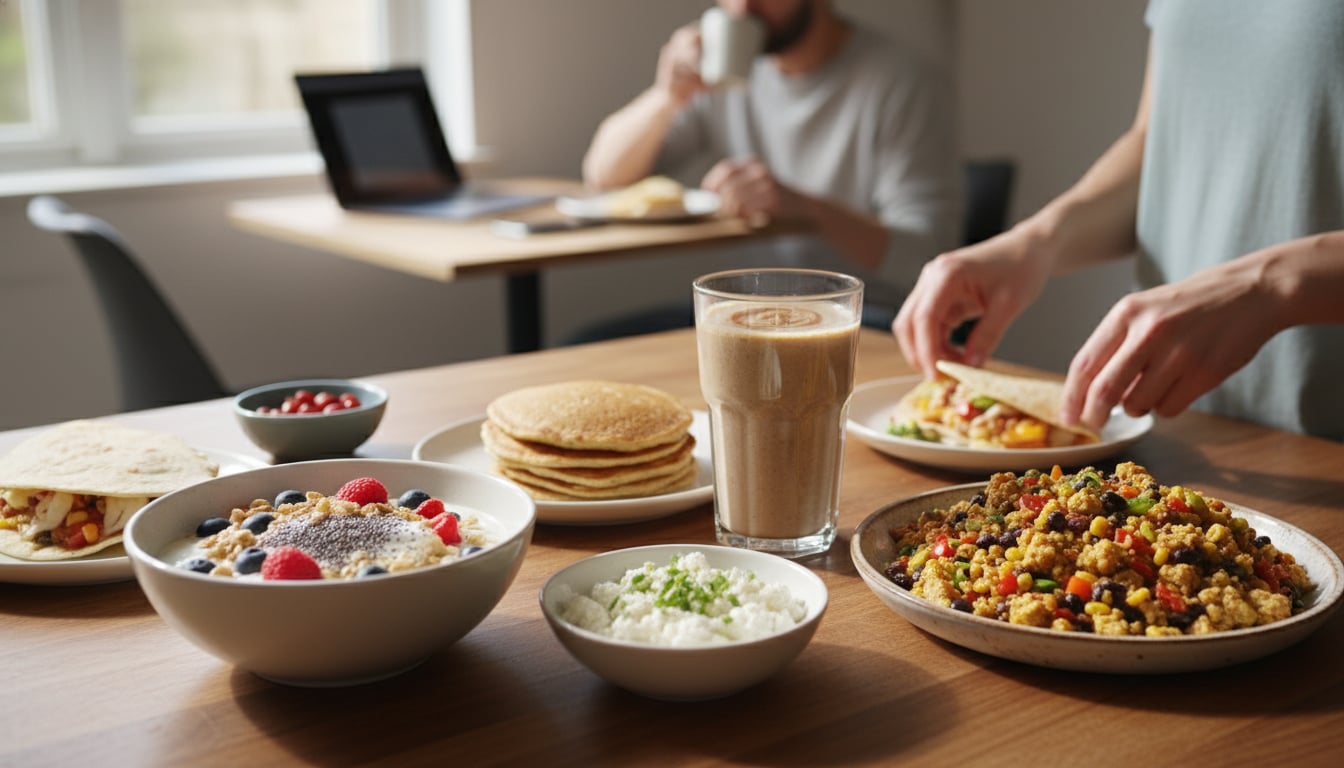
Maybe it's eating a protein-rich breakfast within an hour of waking. Maybe it's taking a 15-minute walk after lunch. Maybe it's going to bed 30 minutes earlier. Pick the one that feels most doable and most impactful for you right now.
Step 4: Build Your Support System
Sustainable weight wellness rarely happens in isolation. The women in my practice who succeed long-term have support—whether that's a dietitian, a workout buddy, an online community, or a partner who understands their goals.
You also need to set boundaries. If Sunday brunch with friends always derails you because of peer pressure to overindulge, it's okay to suggest a different activity. If your mom comments on your food choices, you're allowed to change the subject or leave the room.
Step 5: Monitor What Matters
The scale is just one data point, and often not the most useful one. Track:
- How your clothes fit
- Your energy levels
- Your mood stability
- Your strength gains in the gym
- Your lab markers (blood sugar, lipids, inflammatory markers)
- How you feel in your body
Your weight might not change for weeks while your body composition improves, your insulin sensitivity increases, and your inflammation decreases. Those changes matter more than the number.
When to Seek Professional Support
You might benefit from working with a registered dietitian if:
- You've tried multiple approaches without lasting results
- You have a medical condition affecting your metabolism (PCOS, hypothyroidism, diabetes)
- You're experiencing disordered eating patterns
- You need help interpreting your lab work or symptoms
- You want accountability and personalized guidance
A qualified professional can run functional testing, identify nutritional deficiencies, address hormonal imbalances, and create a truly personalized protocol based on your unique needs.
Frequently Asked Questions
Q: What's the difference between sustainable weight loss and regular dieting?
Traditional dieting typically involves significant calorie restriction, elimination of food groups, and rigid rules that are impossible to maintain long-term. These approaches often trigger metabolic adaptation, muscle loss, and rebound weight gain. Sustainable weight loss focuses on moderate calorie deficits (if any), nutrient density, flexibility, and building habits you can maintain for years. It prioritizes metabolic health over rapid results, which paradoxically often leads to better long-term outcomes. Research shows that 95% of traditional diets fail within five years, while habit-based approaches have success rates closer to 60-70% [14].
Q: How can I practice mindful eating to support my wellness goals?
Start small. Choose one meal per day to eat without distractions—put your phone in another room, turn off the TV, and focus entirely on your food. Notice the colors, textures, aromas, and flavors. Chew slowly, putting your fork down between bites. Check in with your hunger levels halfway through the meal. This practice helps you reconnect with your body's natural satiety signals, which often leads to eating appropriate portions without counting or measuring. Studies show that mindful eating reduces calorie intake by an average of 300-400 calories daily without any sense of deprivation [15].
Q: What are the first steps to creating a personalized sustainable weight wellness plan?
Begin with assessment rather than action. Spend 1-2 weeks observing your current patterns: sleep duration and quality, stress levels, hunger and fullness cues, energy fluctuations, and eating habits. This gives you baseline data to identify your biggest opportunities. Next, get clear on your goals beyond weight loss—what do you want to feel and experience? Then choose one foundational habit to implement (like eating adequate protein at breakfast or walking 10 minutes after meals). Master that single habit for 2-4 weeks before adding anything else. This approach builds sustainable momentum rather than overwhelming your system with too many changes at once.
Your Next Step
Sustainable weight wellness isn't about perfection. It's about progress, patience, and finding what works for your unique body and life. The strategies in this guide are evidence-based starting points, but the real magic happens when you personalize them to fit your needs.
If you're ready to stop spinning your wheels with approaches that don't last and create a truly sustainable health plan tailored to your body, your hormones, and your lifestyle, I'd love to work with you. Let's build something that actually sticks. Book your consultation at www.usevedic.com and we'll create your personalized roadmap to lasting wellness.
References
[1] https://pubmed.ncbi.nlm.nih.gov/31089947/
[2] https://pubmed.ncbi.nlm.nih.gov/29086496/
[3] https://pubmed.ncbi.nlm.nih.gov/30428895/
[4] https://pubmed.ncbi.nlm.nih.gov/33767583/
[5] https://pubmed.ncbi.nlm.nih.gov/32092512/
[6] https://pubmed.ncbi.nlm.nih.gov/31905460/
[7] https://pubmed.ncbi.nlm.nih.gov/28847470/
[8] https://pubmed.ncbi.nlm.nih.gov/32300244/
[9] https://pubmed.ncbi.nlm.nih.gov/31291644/
[10] https://pubmed.ncbi.nlm.nih.gov/33234248/
[11] https://pubmed.ncbi.nlm.nih.gov/35624523/
[12] https://pubmed.ncbi.nlm.nih.gov/30288922/
[13] https://pubmed.ncbi.nlm.nih.gov/31256029/
.svg)
.svg)




















.webp)
.webp)
.webp)

.webp)

.webp)
.webp)
.webp)

.webp)

.webp)
.webp)
.webp)
.webp)

.webp)