.webp)

%2B(7).webp)
.png)
At a Glance
Reverse dieting is a strategic, gradual increase in calories after prolonged restriction that helps restore metabolic function and prevent rapid weight regain. This evidence-based approach allows your body to adapt hormonally and physiologically while supporting sustainable health outcomes. If you've been stuck in a cycle of dieting and restriction, this method offers a compassionate pathway forward.
Introduction: Embracing a Healthier Relationship with Food After Restriction
I get it—you've finished your diet, hit your goal weight (or close to it), and now you're terrified of what happens next. The fear of eating more and watching the scale climb back up is real, and honestly? It's one of the most common concerns I hear from clients in 2026.
But here's what most people don't realize: your body has been adapting to restriction this whole time. Your metabolism has downregulated, your hunger hormones are screaming, and your thyroid function may have shifted to conserve energy [1]. Simply jumping back to your old eating patterns can trigger rapid regain, but staying in restriction forever isn't the answer either.
Reverse dieting offers a third option—a methodical, science-backed approach to gradually increase your food intake while giving your metabolism time to recover. This isn't about perfection or rigid rules. It's about rebuilding trust with your body and creating a sustainable foundation for long-term health.
Understanding Reverse Dieting: What It Is and Why It Matters
What is reverse dieting?
Reverse dieting is the systematic, incremental increase of caloric intake following a period of caloric restriction or dieting. Instead of immediately returning to maintenance calories, you add small amounts of food (typically 50-150 calories) each week, allowing your body to adapt metabolically and hormonally [2].
Think of it as the opposite of a diet. While traditional dieting focuses on progressively reducing intake, reverse dieting focuses on progressively increasing it—strategically and mindfully.
The science behind it: How your metabolism adapts to dieting
Your body is incredibly smart. When you diet, especially for extended periods, it doesn't just sit back and let you burn through your fat stores without consequence. Instead, it activates several adaptive mechanisms:
- Metabolic adaptation: Also called adaptive thermogenesis, this is your body's way of reducing energy expenditure in response to caloric deficit [3]. Your resting metabolic rate decreases, non-exercise activity thermogenesis (NEAT) drops, and even the thermic effect of food diminishes.
- Hormonal shifts: Leptin (your satiety hormone) plummets, while ghrelin (your hunger hormone) rises, creating that insatiable hunger many dieters experience [4]. Thyroid hormones like T3 can also decrease, further slowing metabolism.
- Muscle protein breakdown: Extended deficits can lead to loss of lean muscle mass, which directly impacts your metabolic rate since muscle tissue is metabolically active [5].
Reverse dieting helps counteract these adaptations. By slowly reintroducing calories, you signal to your body that the "famine" is over, allowing metabolic rate to increase, hormones to rebalance, and lean tissue to recover. If you've struggled with a sluggish metabolism, you might benefit from understanding how to fix your broken metabolism without medication.
Signs you might benefit from a reverse diet approach
You don't need to have competed in a physique show or followed an extreme diet to benefit from reverse dieting. Here are some signs this approach might be right for you:
- You've been eating very low calories (under 1200-1400 for most women) for months or years.
- Your weight loss has completely stalled despite maintaining a deficit.
- You experience constant hunger, poor sleep, or mood swings.
- You've noticed hair thinning, cold intolerance, or menstrual irregularities—signs of metabolic suppression [6].
- You're terrified of eating more because past attempts led to rapid weight gain.
- You feel mentally and physically exhausted from restriction.
If any of these resonate, reverse dieting could help you rebuild metabolic resilience while supporting your overall well-being.
Building Your Personalized Reverse Diet Plan
Creating a sustainable reverse diet plan tailored to you
There's no one-size-fits-all reverse diet protocol, which is exactly why personalization matters. Your starting point depends on how long you've been dieting, how aggressive your deficit was, your current activity level, and your individual metabolic health. To ensure your approach is safe and effective, we recommend working with one of our dietitians, who will create a personalized diet plan tailored to your specific goals and history.
Rather than following generic advice, our team helps you:
- Incorporate a variety of nutrient-dense foods to support metabolic recovery.
- Prioritize protein to help preserve lean muscle and support recovery.
- Monitor biofeedback over the scale, paying attention to energy levels, hunger cues, sleep quality, digestion, and mood.
Foods to focus on: Fueling your body nutritiously
While there's no strict "reverse diet food list," focusing on nutrient-dense, whole foods helps optimize metabolic recovery. Here's what I recommend prioritizing:
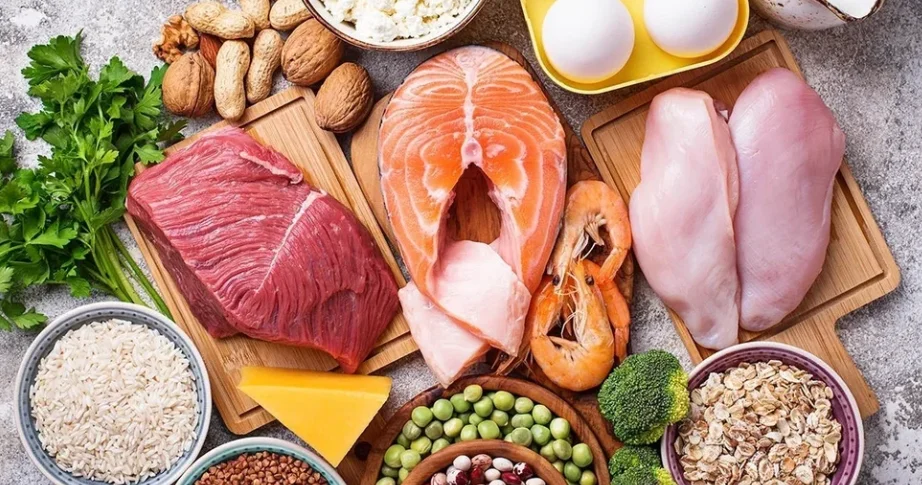
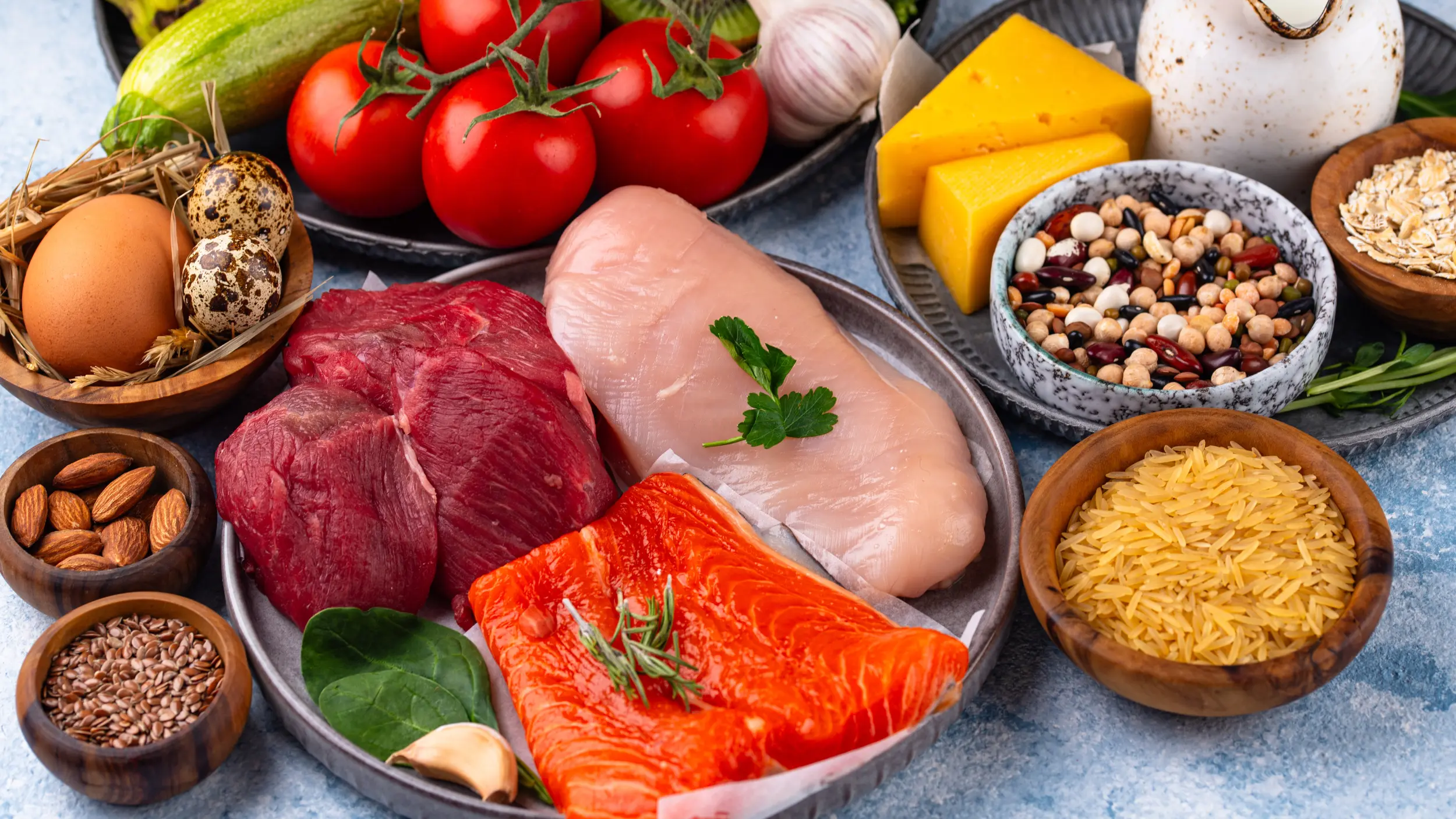
Protein sources: Greek yogurt, eggs, chicken, fish, lean beef, tofu, tempeh, legumes
Complex carbohydrates: Sweet potatoes, quinoa, oats, brown rice, whole grain bread, fruits
Healthy fats: Avocado, nuts, seeds, olive oil, fatty fish, nut butters
Fiber-rich vegetables: Leafy greens, broccoli, cauliflower, Brussels sprouts, peppers, zucchini
The goal isn't restriction or elimination—it's addition. You're adding food back in, so focus on options that provide satiety, support hormone production, and fuel your daily activities.
Navigating calorie increases and macronutrient adjustments
Most successful reverse diets involve strategic macronutrient manipulation, not just random calorie increases. Here's how to reverse diet effectively:
- Weeks 1-4: Add primarily carbohydrates. Since carbs have the most direct impact on leptin and thyroid function, increasing them first often yields the best metabolic response [8]. Add 25-50g of carbs weekly.
- Weeks 5-8: Incorporate fats. Once carbs are at a moderate level, begin adding 5-10g of fat per week to support hormone production and satiety.
- Throughout: Maintain protein. Keep protein consistent or slightly increase it to preserve lean mass and maximize the thermic effect of food.
Some women benefit from using a reverse diet calculator to estimate starting points, but remember—these are estimates. Your body's response matters more than any calculator's prediction.
Tracking your progress and understanding the process
Reverse diet examples from real clients show tremendous variation. Some women increase from 1200 to 2000 calories over 12 weeks with minimal weight change. Others may see 3-5 pounds of initial gain (often glycogen and water weight, not fat) before stabilizing [9].
Track these metrics beyond the scale:
- Body measurements (waist, hips, thighs)
- Progress photos every 2-4 weeks
- Energy and mood ratings
- Gym performance and recovery
- Menstrual cycle regularity
- Sleep quality and stress levels
If you're dealing with cortisol belly from chronic stress, reverse dieting combined with stress management can be particularly powerful for metabolic recovery.
Realistic Expectations & Celebrating Your Progress
What to expect: Understanding reverse diet results and timelines
Let's be honest about reverse diet results: this process requires patience. Most women need 8-16 weeks to see meaningful metabolic improvements, and some may need longer if they've been in deficit for years.
You might experience:
- Initial water weight gain: Adding carbs replenishes glycogen stores, which bind to water. This 2-4 pound increase is normal and not fat gain.
- Improved energy and mood: Many women notice these benefits within the first few weeks as hormones begin to rebalance.
- Gradual metabolic increase: Your body will slowly increase energy expenditure through higher NEAT, improved thermic effect of food, and normalized hormone levels [10].
- Stabilized hunger: As leptin rises, those constant cravings should diminish.
The goal isn't to stay at your lowest weight forever—it's to find a sustainable intake that supports your health, fitness, and life.
The psychological benefits: Moving beyond the scale
Some of the most powerful reverse diet before and after transformations aren't visible in photos—they're internal. Clients consistently report:
- Freedom from food obsession and the mental exhaustion of constant restriction
- Improved relationship with food and reduced guilt around eating
- Better body image and self-compassion
- Enhanced social life without anxiety around meals
- Increased trust in their body's signals
These psychological shifts matter just as much (if not more) than the metabolic ones. Healing your relationship with food is part of the process, not separate from it.
Frequently Asked Questions
How long does a reverse diet typically take?
Most reverse diets last 8-20 weeks, depending on your starting point and goals. If you've been in an aggressive deficit for years, you may need a longer, slower progression. The process isn't about reaching a specific timeline—it's about allowing your metabolism to adapt at a pace your body can handle.
Will I gain weight during a reverse diet?
Some weight gain is normal and expected, particularly in the first few weeks as glycogen stores replenish. However, the goal is to minimize fat gain while maximizing metabolic recovery. Many women gain 2-5 pounds initially but then stabilize or even lose weight as their metabolism increases and hormones normalize [11]. Remember: your lowest weight isn't necessarily your healthiest or most sustainable weight.
Can I reverse diet if I've never dieted before?
Technically, reverse dieting is designed for those recovering from caloric restriction. However, if you've been chronically undereating (even unintentionally), gradually increasing your intake can still benefit your metabolic health, hormone production, and energy levels. The principles of slow, strategic increases apply regardless of whether your low intake came from formal dieting or other factors.
Interested in complementary metabolic strategies? Explore how brown fat activation through cold exposure can support your metabolic health.
Ready to explore if reverse dieting is the right path for you? Book a consultation with us today to create a personalized plan that supports your metabolism and well-being. Start your metabolic recovery here.
References
[1] Trexler ET, Smith-Ryan AE, Norton LE. Metabolic adaptation to weight loss: implications for the athlete. Journal of the International Society of Sports Nutrition, 2014.
[2] Escalante G, Campbell BI, Norton L. Effectiveness of diet refeeds and diet breaks as a precontest strategy. Journal of the International Society of Sports Nutrition, 2020.
[3] Rosenbaum M, Leibel RL. Adaptive thermogenesis in humans. International Journal of Obesity, 2010.
[4] Sumithran P, Prendergast LA, Delbridge E, et al. Long-term persistence of hormonal adaptations to weight loss. New England Journal of Medicine, 2011.
[5] Heymsfield SB, Gonzalez MC, Shen W, Redman L, Thomas D. Weight loss composition is one-fourth fat-free mass: a critical review and critique of this widely cited rule. Obesity Reviews, 2014.
[6] Mountjoy M, Sundgot-Borgen JK, Burke LM, et al. IOC consensus statement on relative energy deficiency in sport (RED-S): 2018 update. British Journal of Sports Medicine, 2018.
[7] Longland TM, Oikawa SY, Mitchell CJ, Devries MC, Phillips SM. Higher compared with lower dietary protein during an energy deficit combined with intense exercise promotes greater lean mass gain and fat mass loss. American Journal of Physiology-Endocrinology and Metabolism, 2016.
[8] Dirlewanger M, di Vetta V, Guenat E, et al. Effects of short-term carbohydrate or fat overfeeding on energy expenditure and plasma leptin concentrations in healthy female subjects. American Journal of Clinical Nutrition, 2000.
[9] Camps SG, Verhoef SP, Westerterp KR. Weight loss, weight maintenance, and adaptive thermogenesis. American Journal of Clinical Nutrition, 2013.
[10] Müller MJ, Enderle J, Bosy-Westphal A. Changes in energy expenditure with weight gain and weight loss in humans. Current Obesity Reports, 2016.
[11] Weyer C, Walford RL, Harper IT, et al. Energy metabolism after 2 y of energy restriction: the biosphere 2 experiment. Journal of Clinical Endocrinology & Metabolism, 2000.
.svg)
.svg)


















.webp)
.webp)
.webp)
.webp)

.webp)

.webp)
.webp)
.webp)

.webp)

.webp)
.webp)
.webp)

.webp)

.webp)