.webp)

%2B(7).webp)
.png)
At a Glance
Losing weight doesn't mean sacrificing muscle. By optimizing your protein intake, timing meals strategically, and incorporating strength training on a calorie deficit, you can successfully lose fat not muscle. This evidence-based guide provides the exact strategies dietitians use to help women safeguard muscle mass while achieving their weight loss goals.
Introduction
It's the number one fear when you start a diet: Will the number on the scale go down because you're losing hard-earned muscle instead of fat? I hear this concern almost daily from clients, and honestly, it's completely valid. When you restrict calories without the right strategy, your body doesn't automatically choose to burn fat—it might break down muscle tissue for energy, especially if you're not sending the right signals[1].
But here's the good news: it is entirely possible to lose weight while safeguarding your strength and metabolism. The difference between someone who loses fat and someone who loses muscle comes down to three core strategies: eating enough protein, timing it correctly, and using your muscles regularly. This isn't about perfection or spending hours meal prepping. It's about understanding the biology and making smart, sustainable choices that work with your lifestyle.
This guide will walk you through the practical, daily strategies we use with clients to ensure you're losing what you want to lose and keeping what you want to keep. Let's get into it.
First Things First: Nailing Your Personal Protein Number
Before we talk about what to eat, we need to figure out how much protein your unique body needs to protect muscle tissue while in a calorie deficit. This is where most women fall short—not because they're not trying, but because the standard recommendations simply aren't enough when you're actively trying to lose fat not muscle.
Research shows that during weight loss, your protein needs actually increase compared to maintenance phases[2]. While sedentary adults might get by on 0.8 grams per kilogram of body weight, women eating in a calorie deficit without losing muscle need significantly more—typically between 1.6 to 2.4 grams per kilogram of body weight, or roughly 0.7 to 1.0 grams per pound[3].
Let me break down what this looks like practically:
- If you weigh 150 pounds: Aim for 105-150 grams of protein daily
- If you weigh 170 pounds: Target 119-170 grams of protein daily
- If you weigh 200 pounds: Shoot for 140-200 grams of protein daily
Your exact protein goal for weight loss depends on several factors: your current body composition, how aggressive your calorie deficit is, and your activity level. Women who strength train regularly or have a larger calorie deficit typically benefit from the higher end of this range.
Here's what many don't realize: protein has the highest thermic effect of all macronutrients, meaning your body burns more calories just digesting it[4]. Plus, adequate protein intake helps preserve metabolic rate during weight loss, which is exactly what you want when trying to maintain muscle while losing weight.
If you're struggling with hormonal symptoms that affect your weight loss efforts, understanding how hormones impact your metabolism can provide additional insight into optimizing your approach.
Beyond the Number: Smart Protein Timing for All-Day Muscle Support
Once you have your protein target, the next step is timing. It's not just about hitting your number by the end of the day; it's about distributing it strategically to keep your body in a muscle-protective state. This concept is called "muscle protein synthesis," and it's the biological process your body uses to repair and build muscle tissue[5].
Think of muscle protein synthesis like a light switch that turns on when you eat enough protein at one time. Research suggests that consuming 25-40 grams of high-quality protein per meal effectively stimulates this process[6]. Eating smaller amounts more frequently (like 10 grams here and there) doesn't flip that switch as effectively.
Here's your practical framework:
- Breakfast: 30-40 grams of protein within 1-2 hours of waking
- Lunch: 30-40 grams of protein at midday
- Dinner: 30-40 grams of protein in the evening
- Optional snack: 15-25 grams if needed to hit your daily target
This distribution matters especially when strength training on a calorie deficit. Your post-workout window (within 2-3 hours after exercise) is a particularly important time to prioritize protein, as your muscles are primed to use those amino acids for repair[7].
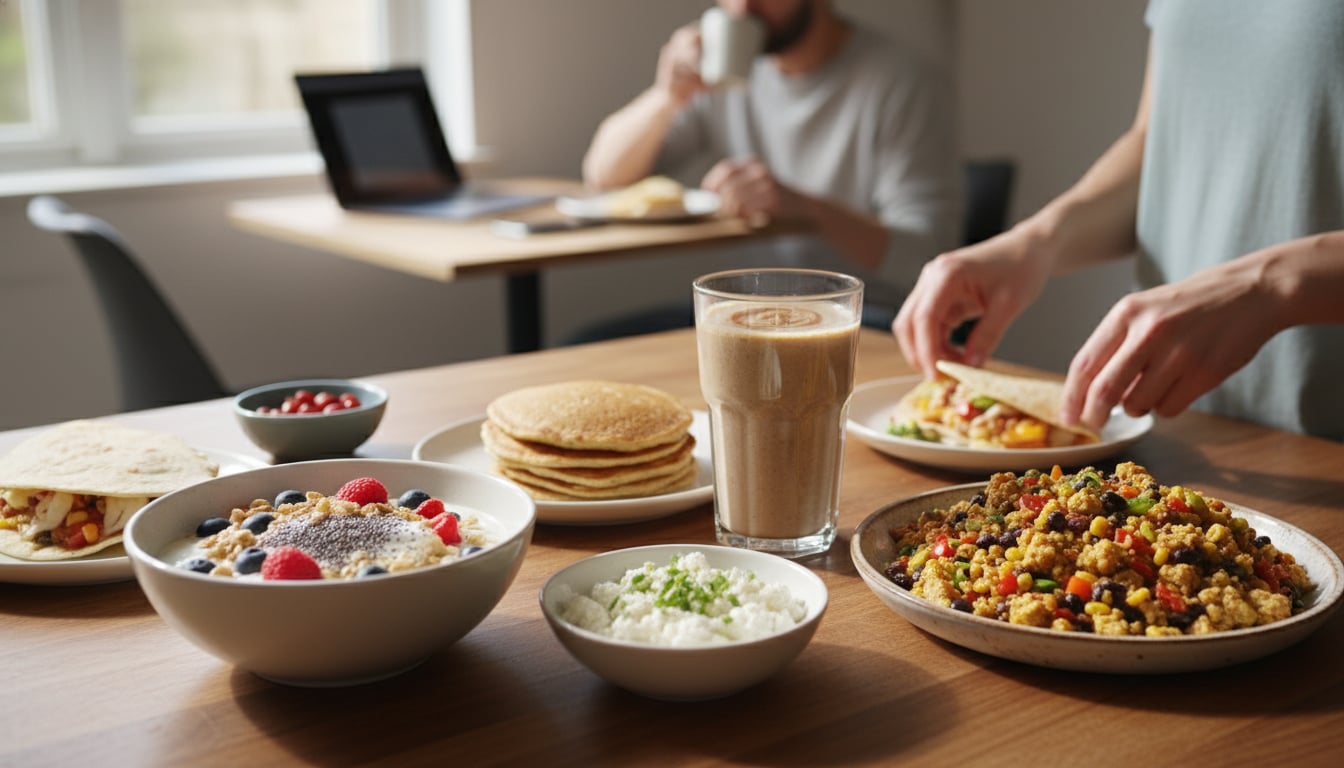
Let me share some high protein low calorie meals that make this easy:
- Greek yogurt bowl: 1 cup nonfat Greek yogurt (25g protein) with berries and 1 tbsp almond butter (~28g protein total, 250 calories)
- Grilled chicken salad: 5 oz chicken breast (40g protein) over mixed greens with balsamic vinegar (220 calories)
- Egg white scramble: 1 whole egg + 4 egg whites (26g protein) with vegetables and salsa (180 calories)
- Protein-packed wrap: 4 oz turkey breast (28g protein), lettuce, tomato, mustard in a low-carb tortilla (200 calories)
- Cottage cheese plate: 1 cup low-fat cottage cheese (24g protein) with cucumber slices and everything bagel seasoning (160 calories)
- Baked white fish: 6 oz cod or tilapia (40g protein) with roasted broccoli and lemon (210 calories)
These meals prove you don't need to eat boring chicken and broccoli every day. The best protein for fat loss and muscle gain is the protein you'll actually eat consistently. If you're plant-based, tofu, tempeh, legumes, and high-quality protein powders absolutely work—you just need to be more strategic about combining sources to get complete amino acid profiles.
Your Workout's Role: Why Movement is Non-Negotiable
Diet is only half the equation. To truly signal to your body to "keep the muscle, burn the fat," you need to use those muscles. This is where strength training becomes your secret weapon for how to maintain muscle while losing weight.
Here's the biological reality: when you eat in a calorie deficit, your body needs to make choices about where to pull energy from. Without a clear signal that your muscles are essential and actively being used, your body has no reason to prioritize keeping them[8]. Strength training sends an unmistakable message that those muscles are needed.
You don't need to become a powerlifter or spend two hours in the gym daily. Research shows that even 2-3 sessions per week of resistance training can effectively safeguard muscle mass during weight loss[9]. What matters most is progressive overload—gradually challenging your muscles with increasing resistance over time.
Here's what an effective muscle-preserving workout plan looks like:
- Frequency: 2-4 strength sessions per week
- Duration: 30-60 minutes per session
- Focus: Compound movements that work multiple muscle groups (squats, deadlifts, rows, presses)
- Intensity: Lift weights that feel challenging for 8-12 repetitions
- Progression: Aim to increase weight, reps, or sets every 1-2 weeks
Can you do cardio? Absolutely. Walking, cycling, and swimming all support overall health and can increase your calorie deficit. But cardio alone won't preserve muscle the way resistance training does. If you're going to prioritize one type of exercise for eating in a calorie deficit without losing muscle, make it strength training.
For women dealing with PCOS who are working on weight loss, understanding how nutrition impacts PCOS symptoms can complement your muscle-preserving strategies.
One more thing: don't be afraid to lift heavy. The myth that lifting heavy weights will make women "bulky" is outdated nonsense. When you're in a calorie deficit, building significant muscle mass is extremely difficult. What you're doing is preserving what you already have—and that's exactly what keeps your metabolism healthy and your body strong.
Tracking Progress Beyond the Scale
The scale can be deceptive when you're focused on losing fat not muscle. You might maintain the same weight for weeks while your body composition dramatically improves—losing fat and maintaining or even building muscle. This is why we need better metrics.
Look for these positive signs:
- Strength maintenance or improvement: You're lifting the same or heavier weights over time
- Visual changes: Your clothes fit differently, you see more muscle definition
- Energy levels: You feel strong and capable during workouts
- Recovery: You're bouncing back well between training sessions
- Body measurements: Your waist circumference is decreasing even if weight stays stable
Conversely, watch for signs of muscle loss during weight loss:
- Strength decline: Significant drops in how much weight you can lift
- Increased fatigue: Feeling weak or exhausted despite adequate sleep
- Softer appearance: Losing definition even as the scale drops
- Slower metabolism: Feeling excessively cold or experiencing hair loss
- Prolonged soreness: Taking much longer to recover from workouts
If you notice these warning signs, it's time to reassess. You might need to increase your low calorie diet protein intake, reduce your calorie deficit slightly, or adjust your training program. Working with a dietitian who understands body composition can be invaluable here—we can help you interpret these signals and make strategic adjustments before you lose meaningful muscle mass.
For a deeper understanding of how metabolism functions during weight loss, check out this comprehensive guide on metabolic adaptation.
The Bottom Line
Losing fat while preserving muscle isn't complicated, but it does require intention. Hit your personalized protein target (0.7-1.0 grams per pound of body weight), distribute it across 3-4 meals daily, prioritize strength training 2-4 times weekly, and track progress through multiple metrics—not just the scale.
Your body is incredibly adaptive. Give it the right inputs, and it will respond exactly how you want: burning stored fat for fuel while maintaining the metabolically active, strong muscle tissue that keeps you healthy and capable. This isn't about restriction or punishment. It's about working with your biology, not against it.
The women who succeed with how much protein to eat to not lose muscle are the ones who treat this as a sustainable lifestyle shift, not a 30-day challenge. You're building habits that will serve you for decades, protecting your metabolic health, bone density, and functional strength as you age.
FAQ Section
What are the signs I'm losing muscle instead of fat?
Look for a noticeable decrease in strength during your workouts, increased fatigue that doesn't improve with rest, or a "softer" appearance even as the scale drops. You might also notice that you're losing weight very rapidly (more than 1-2 pounds per week consistently), which often indicates muscle loss alongside fat loss. Changes in how your clothes fit can be telling too—if you're losing weight but not seeing changes in how your jeans fit around your waist and hips, muscle loss might be the culprit. A dietitian or qualified trainer can help you track body composition more accurately using methods like DEXA scans, bioelectrical impedance, or regular progress photos and measurements.
Can I eat in a calorie deficit without losing muscle if I don't exercise?
It's significantly more challenging. Without the stimulus of resistance training, your body is more likely to break down muscle tissue for energy when calories are restricted[10]. Think of it this way: your body is constantly asking, "Do I need this muscle?" If you're not actively using it, the answer becomes "no," and it becomes fair game for energy. Even light bodyweight exercises like squats, push-ups, and lunges performed at home 2-3 times weekly can make a huge difference in preserving muscle mass. If traditional strength training isn't accessible, activities like yoga, Pilates, or resistance band work can provide enough stimulus to signal your body to maintain muscle tissue.
What are the best protein sources for fat loss?
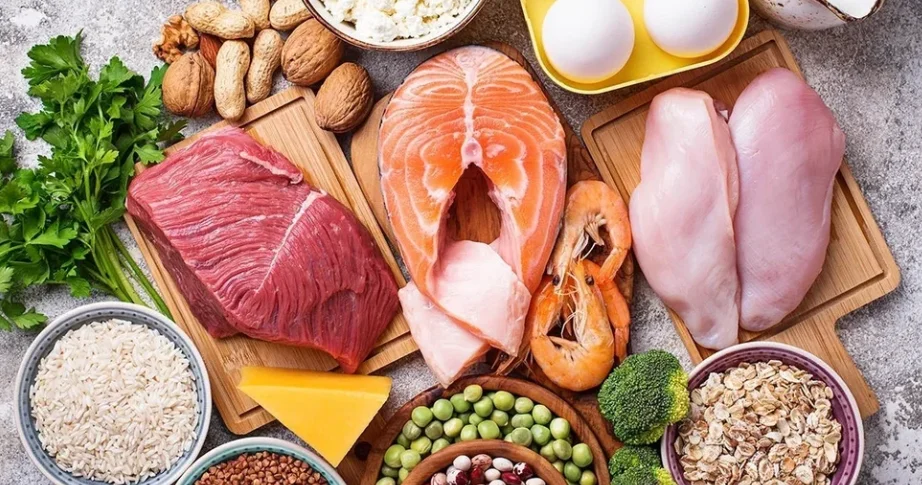
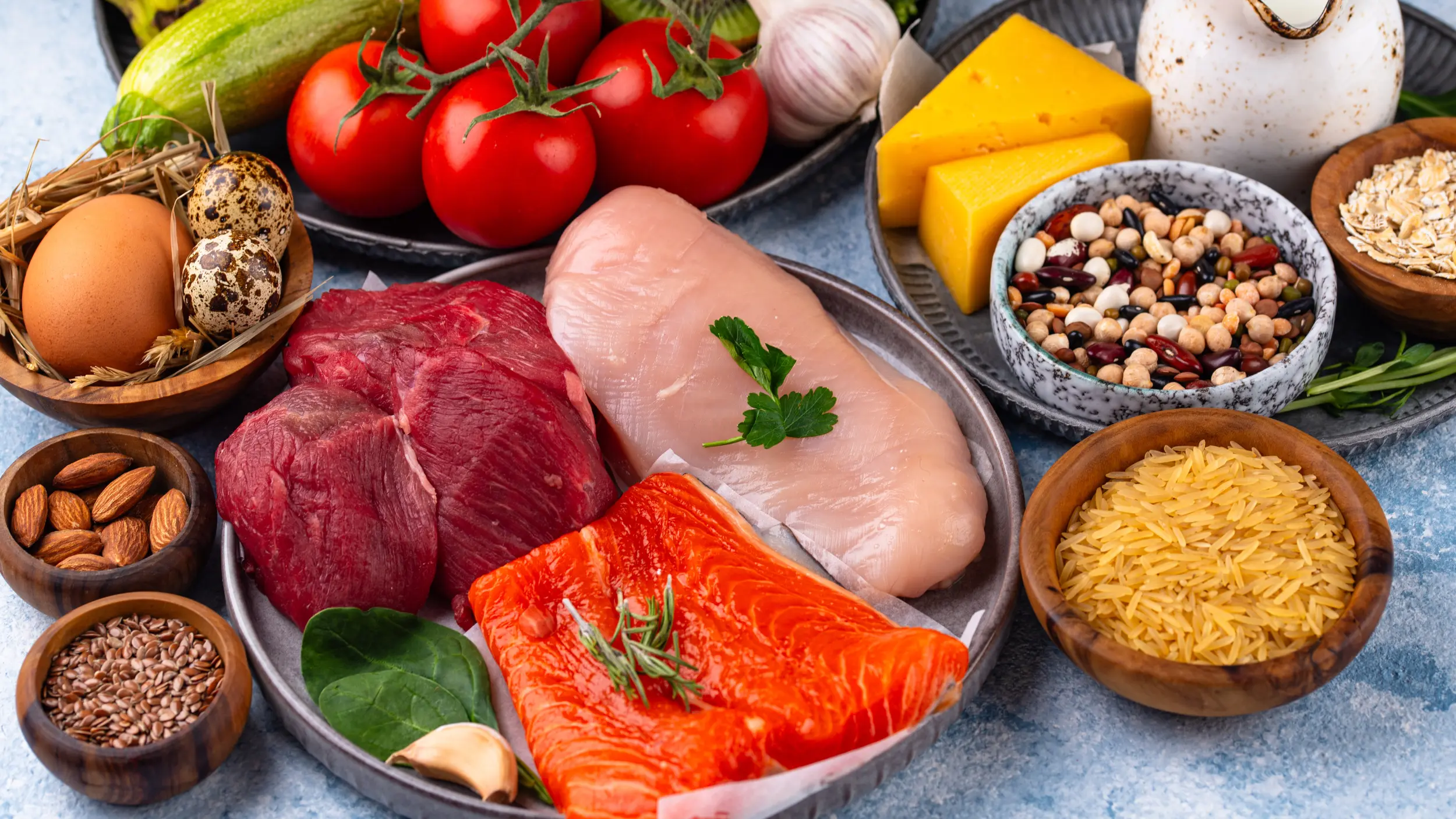
Focus on lean sources that provide high-quality protein without excessive calories. Animal-based options include chicken breast, turkey, white fish (cod, tilapia, halibut), salmon, shrimp, egg whites, nonfat Greek yogurt, cottage cheese, and lean cuts of beef or pork. Plant-based options include tofu, tempeh, edamame, lentils, chickpeas, black beans, and quinoa. Protein powders like whey, casein, or plant-based blends (pea, rice, hemp) can be convenient tools to meet your goals without adding significant calories. The "best" protein is ultimately the one you enjoy and will eat consistently—adherence matters more than perfection.
Ready to Create Your Personalized Plan?
Understanding the principles is one thing. Implementing them in your real life—with your schedule, preferences, and unique body—is another. If you're ready to create a personalized plan that protects your muscle and helps you reach your goals the right way, our dietitians are here to help.
We'll calculate your exact protein needs, design meal templates that fit your lifestyle, and create a sustainable approach that works with your body, not against it. Book a one-on-one consultation with our dietitians today and start losing fat the smart way.
References
[1] Weinheimer EM, Sands LP, Campbell WW. A systematic review of the separate and combined effects of energy restriction and exercise on fat-free mass in middle-aged and older adults: implications for sarcopenic obesity. Nutrition Reviews, 2010.
[2] Longland TM, Oikawa SY, Mitchell CJ, Devries MC, Phillips SM. Higher compared with lower dietary protein during an energy deficit combined with intense exercise promotes greater lean mass gain and fat mass loss: a randomized trial. American Journal of Clinical Nutrition, 2016.
[3] Helms ER, Zinn C, Rowlands DS, Brown SR. A systematic review of dietary protein during caloric restriction in resistance trained lean athletes: a case for higher intakes. International Journal of Sport Nutrition and Exercise Metabolism, 2014.
[4] Westerterp KR. Diet induced thermogenesis. Nutrition & Metabolism, 2004.
[5] Moore DR, Churchward-Venne TA, Witard O, et al. Protein ingestion to stimulate myofibrillar protein synthesis requires greater relative protein intakes in healthy older versus younger men. Journals of Gerontology Series A: Biological Sciences and Medical Sciences, 2015.
[6] Schoenfeld BJ, Aragon AA. How much protein can the body use in a single meal for muscle-building? Implications for daily protein distribution. Journal of the International Society of Sports Nutrition, 2018.
[7] Kerksick CM, Arent S, Schoenfeld BJ, et al. International society of sports nutrition position stand: nutrient timing. Journal of the International Society of Sports Nutrition, 2017.
[8] Donnelly JE, Blair SN, Jakicic JM, et al. American College of Sports Medicine Position Stand. Appropriate physical activity intervention strategies for weight loss and prevention of weight regain for adults. Medicine & Science in Sports & Exercise, 2009.
[9] Strasser B, Schobersberger W. Evidence for resistance training as a treatment therapy in obesity. Journal of Obesity, 2011.
[10] Miller T, Mull S, Aragon AA, Krieger J, Schoenfeld BJ. Resistance training combined with diet decreases body fat while preserving lean mass independent of resting metabolic rate: a randomized trial. International Journal of Sport Nutrition and Exercise Metabolism, 2018.
.svg)
.svg)












.webp)
.webp)
.webp)
.webp)
.webp)

.webp)
.webp)
.webp)

.webp)

.webp)
.webp)
.webp)
.webp)

.webp)