.webp)

%2B(7).webp)
.png)
At a Glance
Sustainable weight loss isn't about punishing yourself with restrictive diets or exhausting workouts. The most effective weight loss strategies combine intentional nutrition, environmental design, joyful movement, and a compassionate mindset. These science-backed approaches help women achieve long-term weight loss without the deprivation cycle.
Why Most Weight Loss Advice Fails You
I see it constantly in my practice: women who've tried everything, followed every trend, and still feel stuck. Here's the truth—most weight loss advice is designed for short-term results, not sustainable change. When you're restricting entire food groups, counting every calorie obsessively, or forcing yourself through workouts you hate, you're setting yourself up for burnout.
The research backs this up. Studies show that approximately 80-95% of people who lose weight through restrictive dieting regain it within five years [1]. That's not a personal failure—that's a system failure. Your body is brilliantly designed to protect you from perceived starvation, which is exactly what extreme restriction triggers.
As a dietitian who works exclusively with women, I've developed an approach that actually works for real life. These strategies honor your body's biological needs while fitting into your busy schedule. No gimmicks, no deprivation—just science-backed weight loss tips that create lasting change.
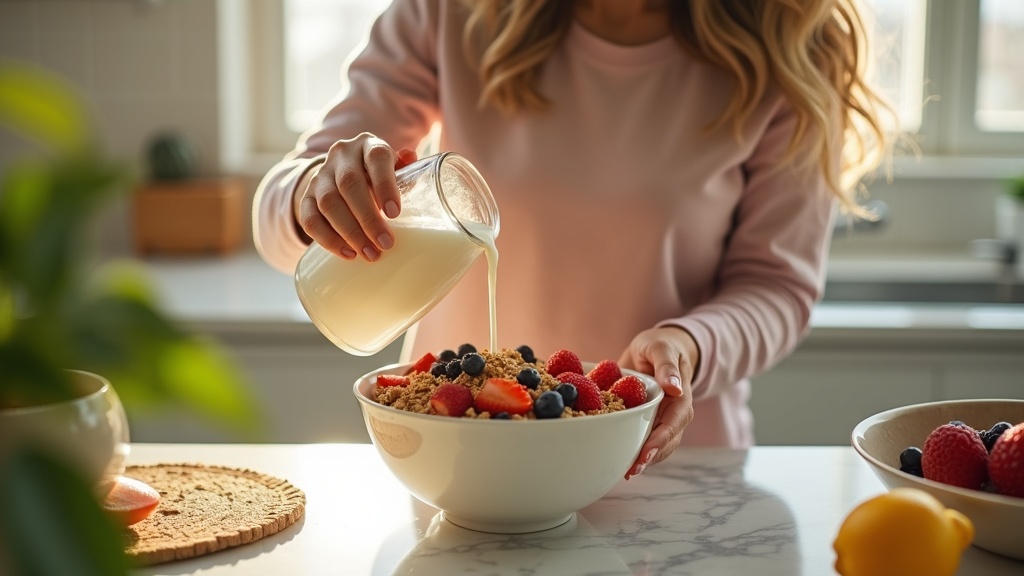
1. Build Your Plate with Intention, Not Restriction
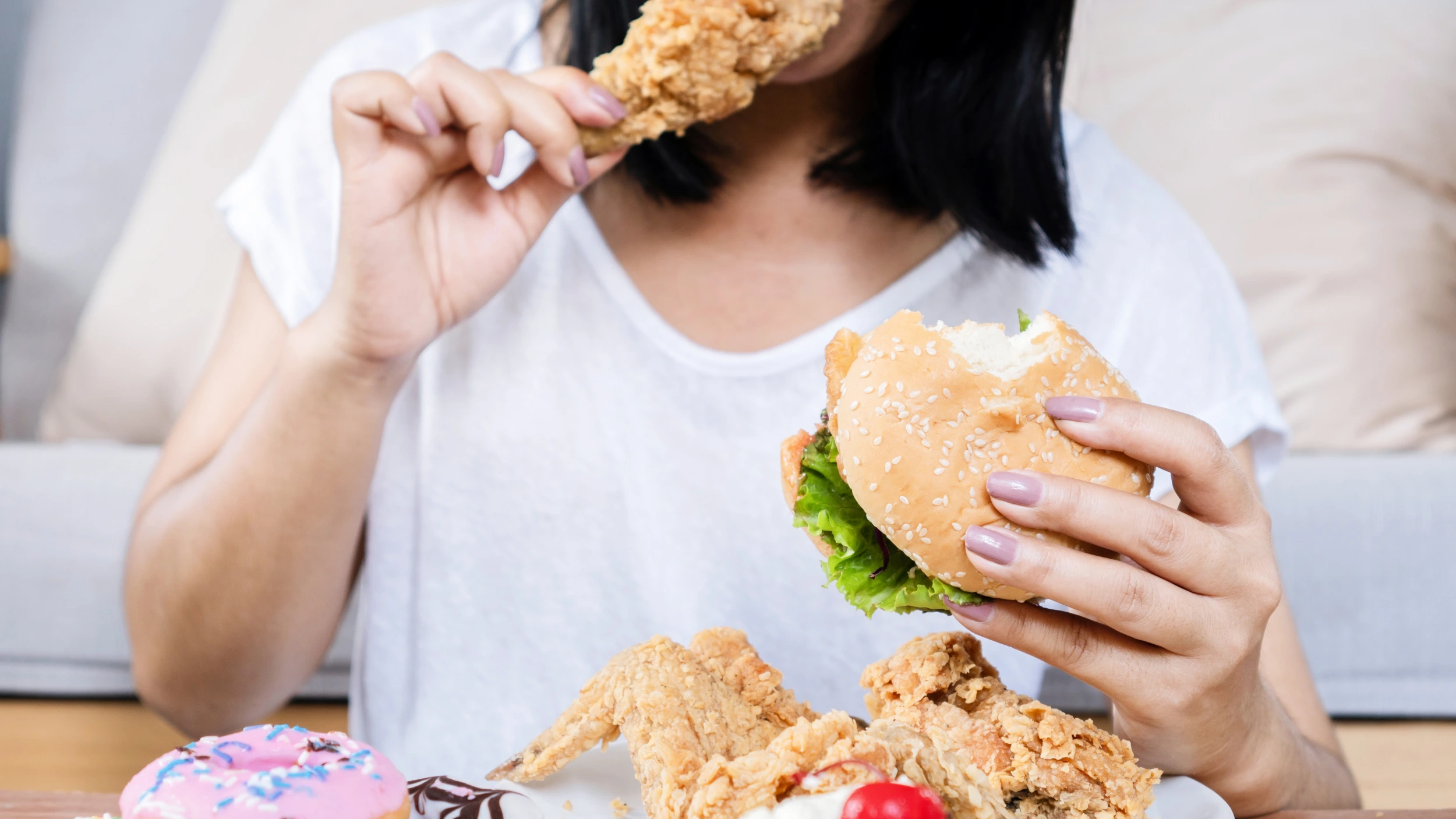
Let's flip the script on traditional dieting. Instead of obsessing over what you can't eat, let's talk about what you should add to your plate. This is called "crowding out," and it's one of the most powerful sustainable weight loss strategies I teach.
When you focus on adding nutrient-dense foods, something magical happens: you naturally have less room (and less desire) for the ultra-processed stuff that doesn't serve your goals. This is how to lose weight without dieting in the traditional sense.
The Protein-Forward Foundation
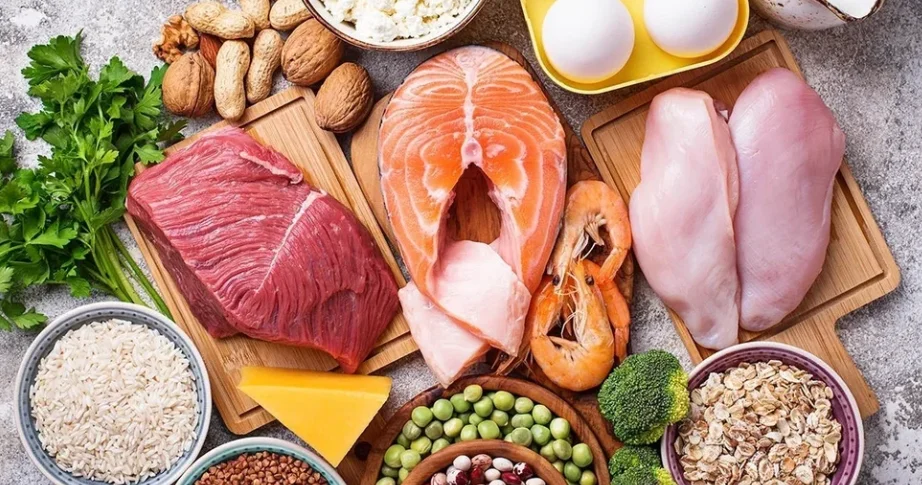
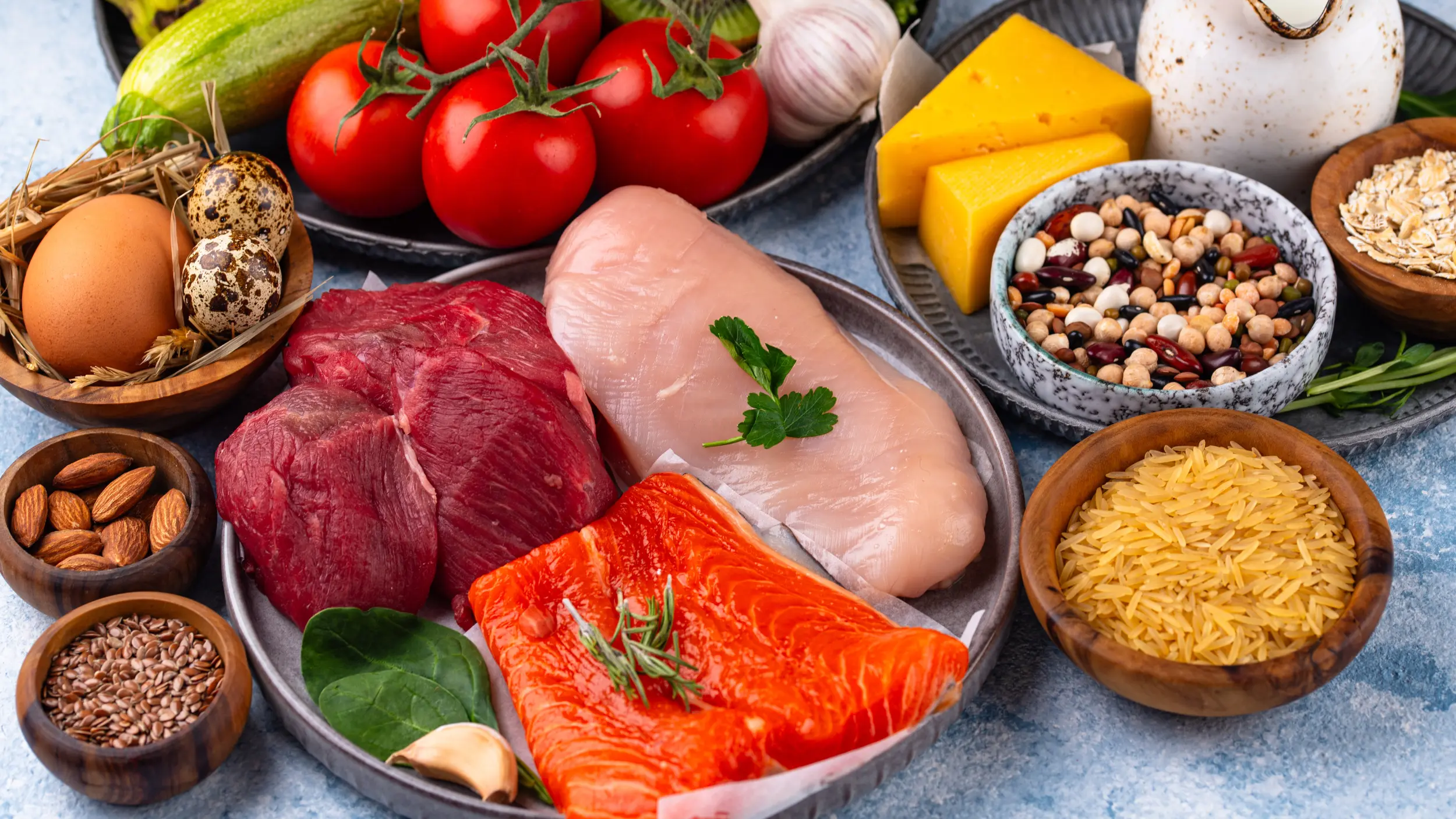
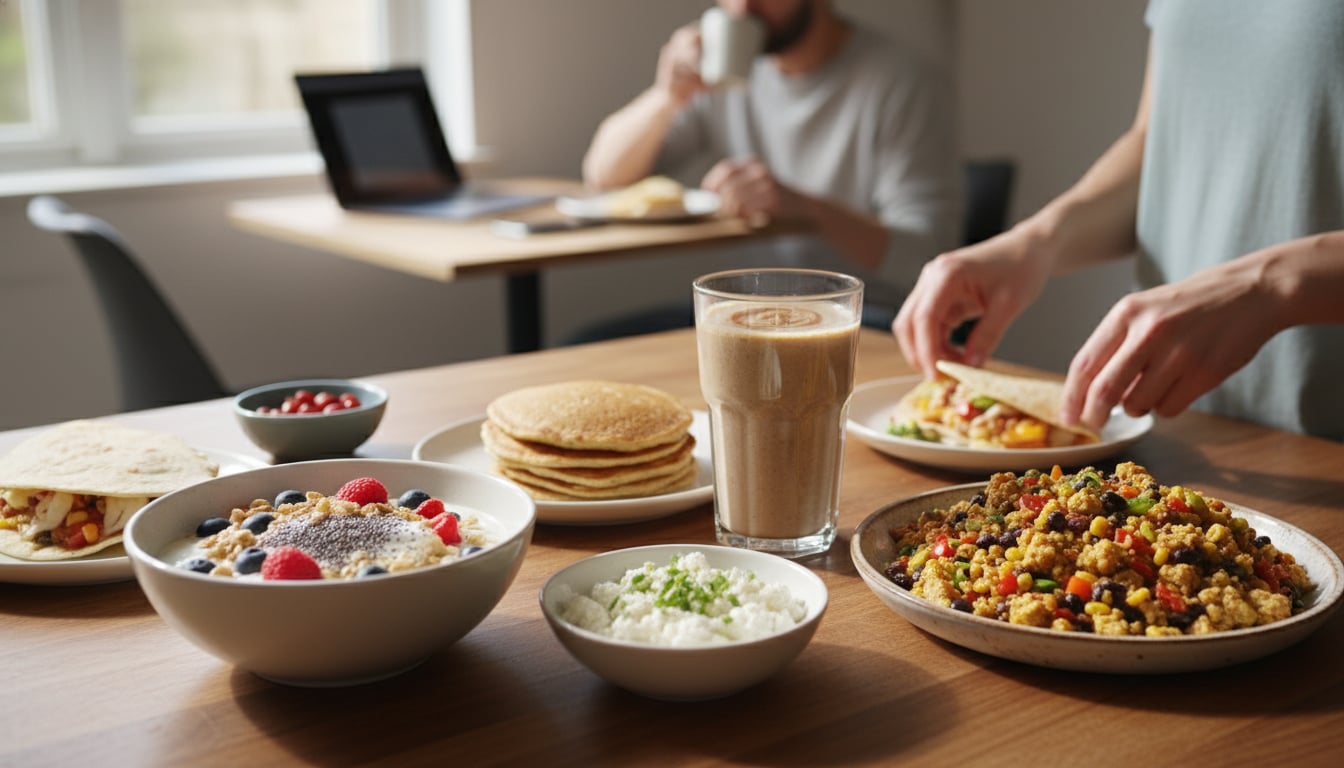
Protein is your secret weapon for healthy eating for weight loss. It keeps you full longer, preserves muscle mass during weight loss, and has the highest thermic effect of all macronutrients—meaning your body burns more calories just digesting it [2].
Aim for 25-30 grams of protein at each meal. Here's what that looks like:
- Greek yogurt (1 cup): 20g protein, pairs beautifully with berries and a tablespoon of almond butter
- Chicken breast (4 oz): 35g protein, perfect over a big salad with olive oil dressing
- Salmon (4 oz): 25g protein plus anti-inflammatory omega-3s that support metabolic health
- Lentils (1 cup cooked): 18g protein, excellent fiber source that supports your gut microbiome and weight management
- Eggs (3 large): 18g protein, incredibly versatile and budget-friendly
Fiber: The Unsung Hero
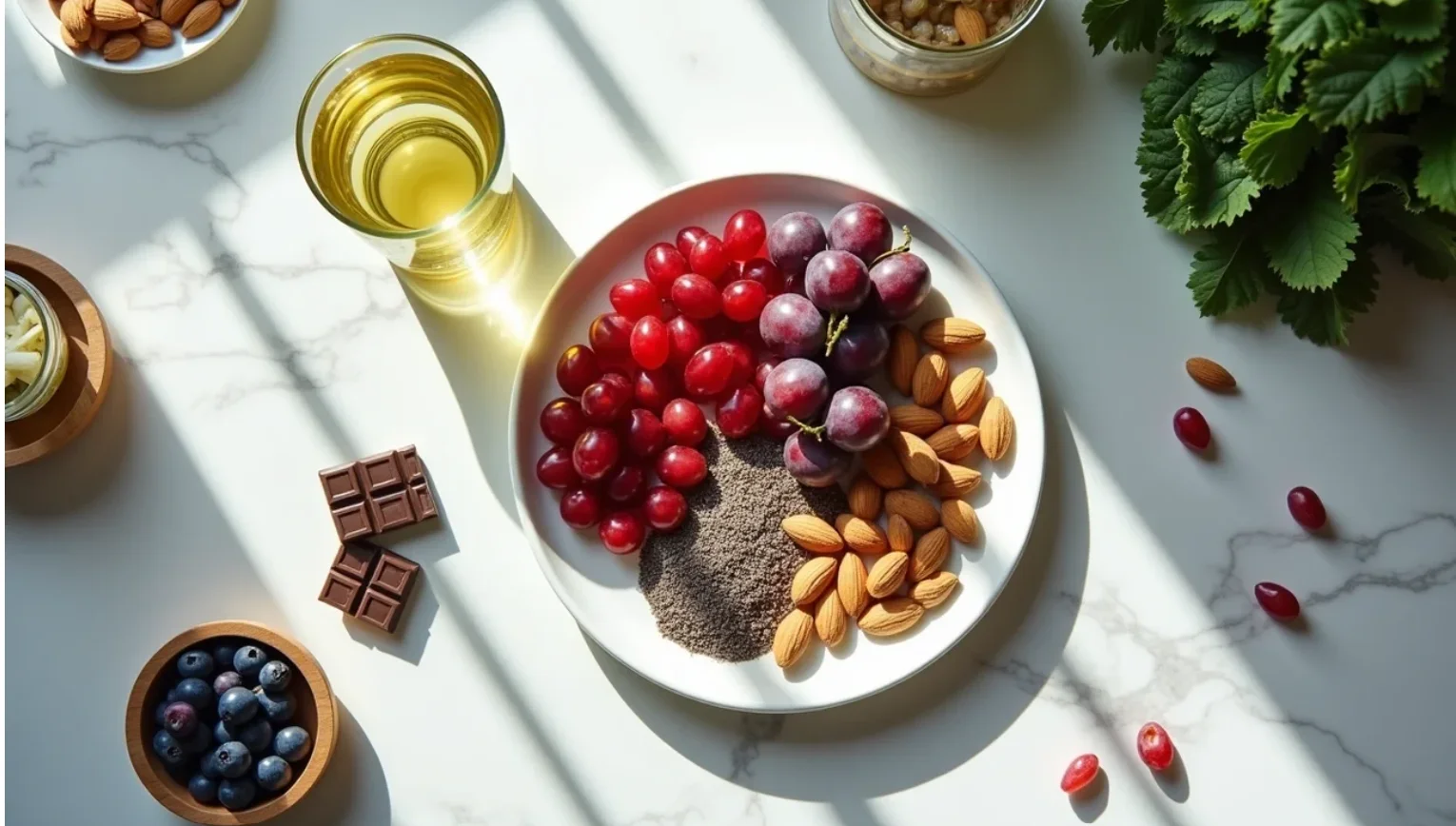
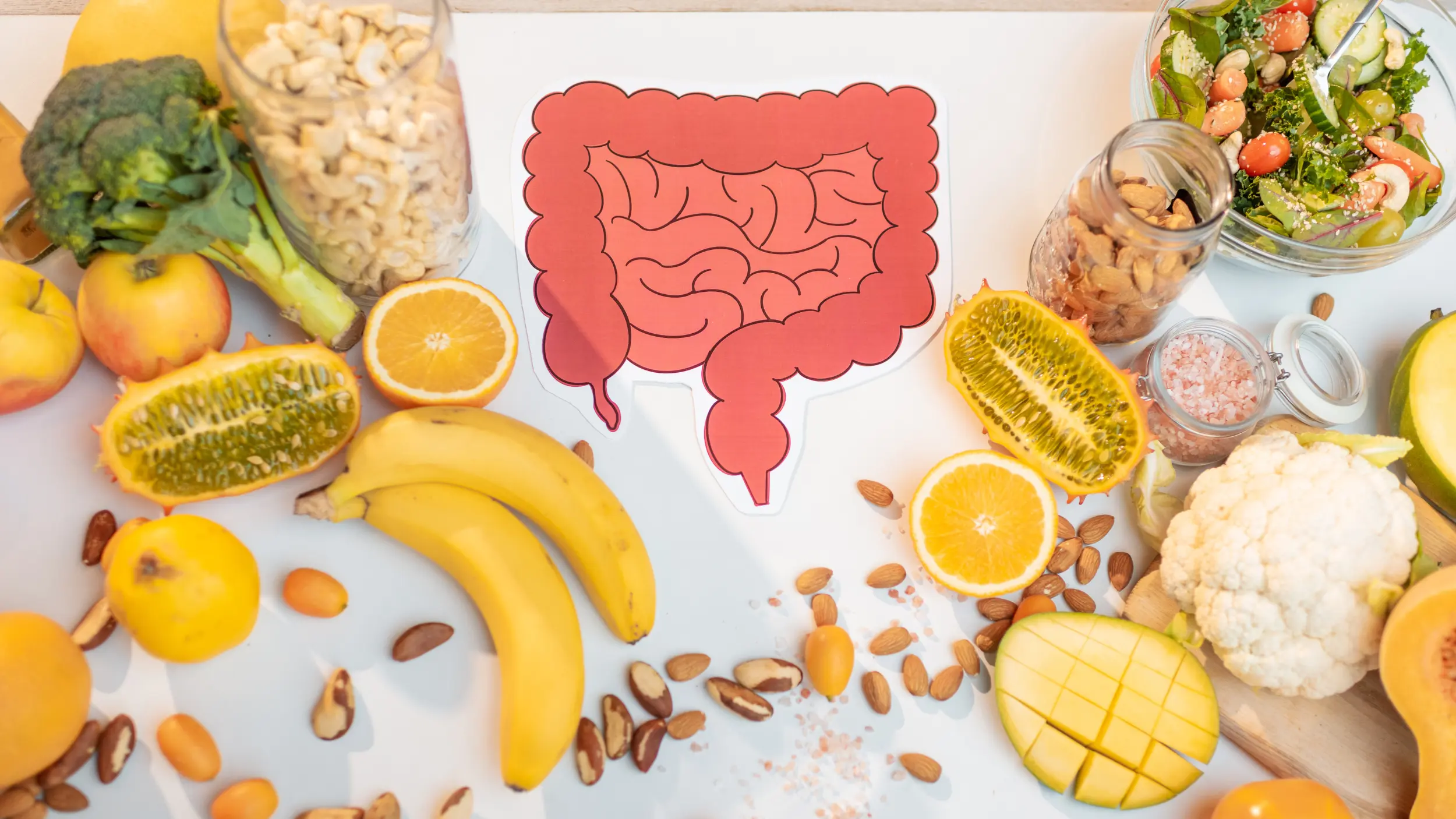
Most women consume only 15 grams of fiber daily, when we actually need 25-30 grams for optimal health and weight management [3]. Fiber slows digestion, stabilizes blood sugar, feeds beneficial gut bacteria, and keeps you satisfied between meals.
Priority fiber sources include:
- Raspberries and blackberries: 8g per cup, lowest sugar berries with maximum fiber
- Chia seeds: 10g per 2 tablespoons, creates a gel that promotes fullness
- Broccoli: 5g per cup, also provides sulforaphane for cellular health
- Black beans: 15g per cup, combines protein and fiber perfectly
- Oats: 4g per half cup dry, beta-glucan fiber supports heart health
Smart Carb Selection
Carbs aren't the enemy—refined carbs that spike your blood sugar are. Choose complex carbohydrates that provide sustained energy:
- Sweet potatoes: Rich in resistant starch that feeds beneficial gut bacteria
- Quinoa: Complete protein source with 5g fiber per cup
- Wild rice: Higher in antioxidants than white rice, nutty flavor
- Sprouted whole grain bread: Easier to digest, more bioavailable nutrients
2. Master Your Environment for Effortless Healthy Habits
Here's something most people don't realize: willpower is a finite resource. Research shows that we make over 200 food-related decisions every single day [4]. Relying on willpower for all of them is exhausting and unsustainable.
Instead, let's redesign your environment to make healthy choices automatic. This is one of the most underrated weight loss habits that actually determines long-term success.
Kitchen Architecture Matters
Your kitchen setup directly influences what you eat. Small tweaks create massive results:
- Visibility strategy: Keep a fruit bowl on the counter and pre-cut vegetables at eye level in the fridge. Studies show you're 3 times more likely to eat the first food you see [5]
- Strategic storage: Store less nutritious foods in opaque containers on high shelves, reducing mindless snacking
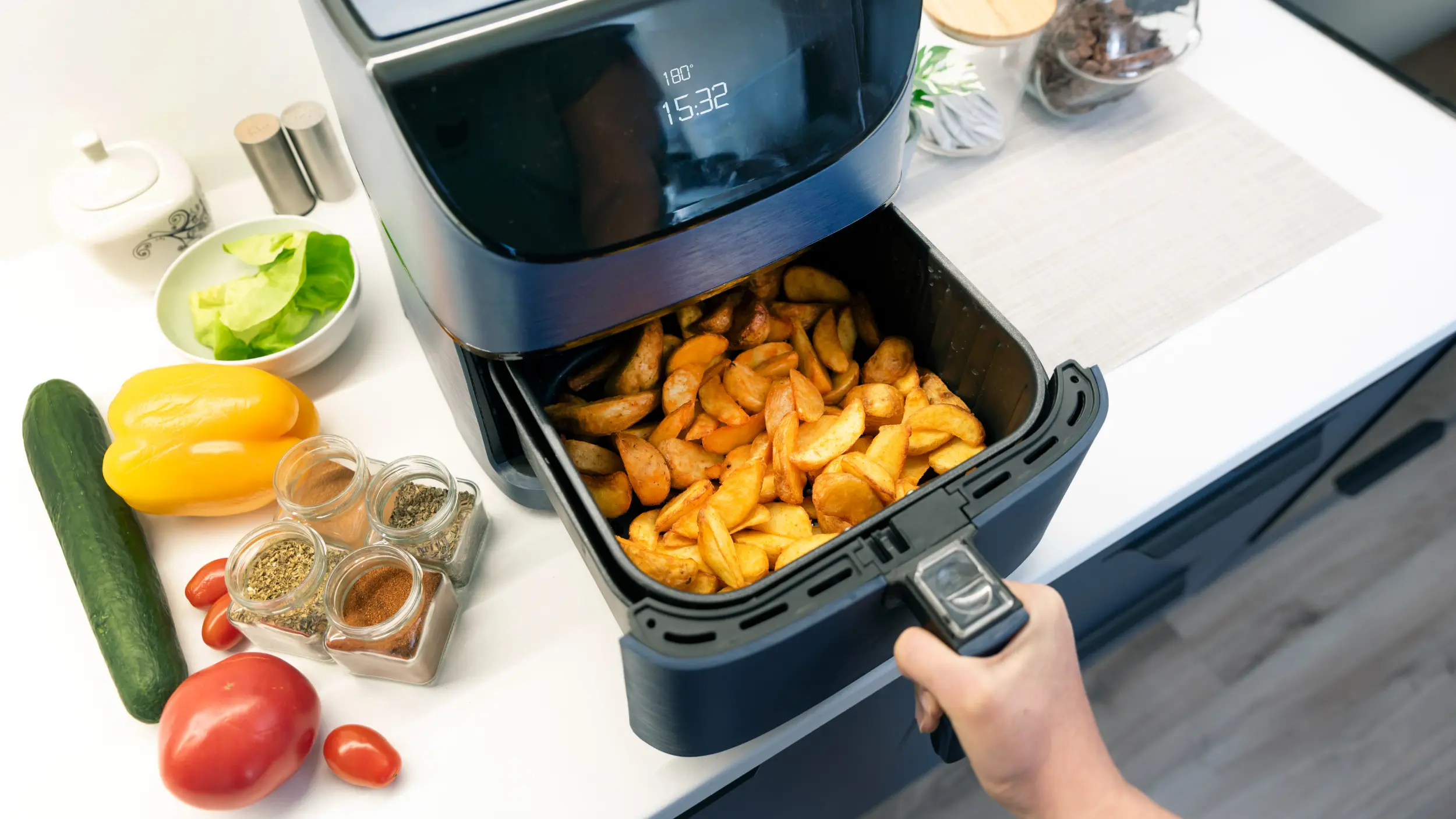
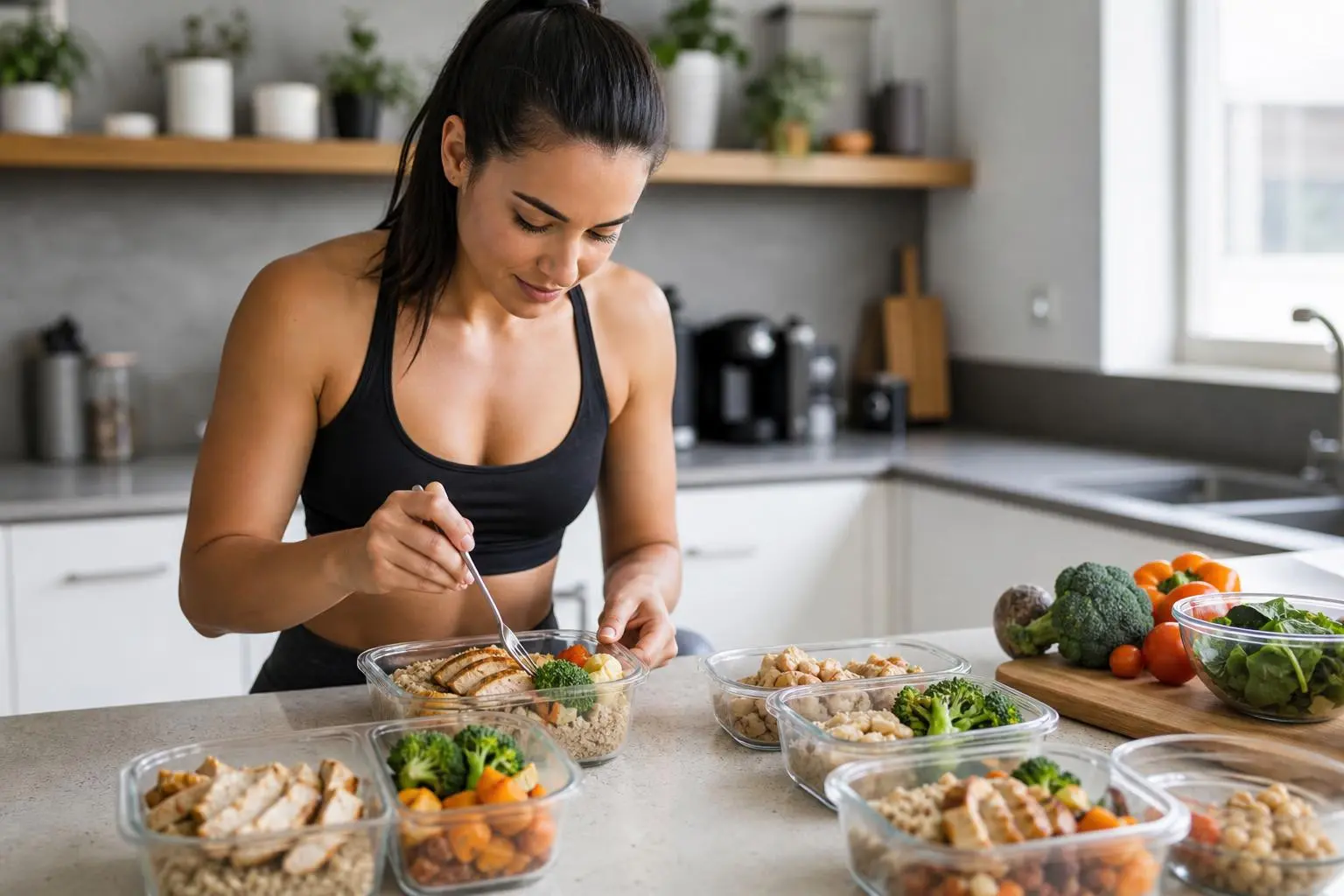
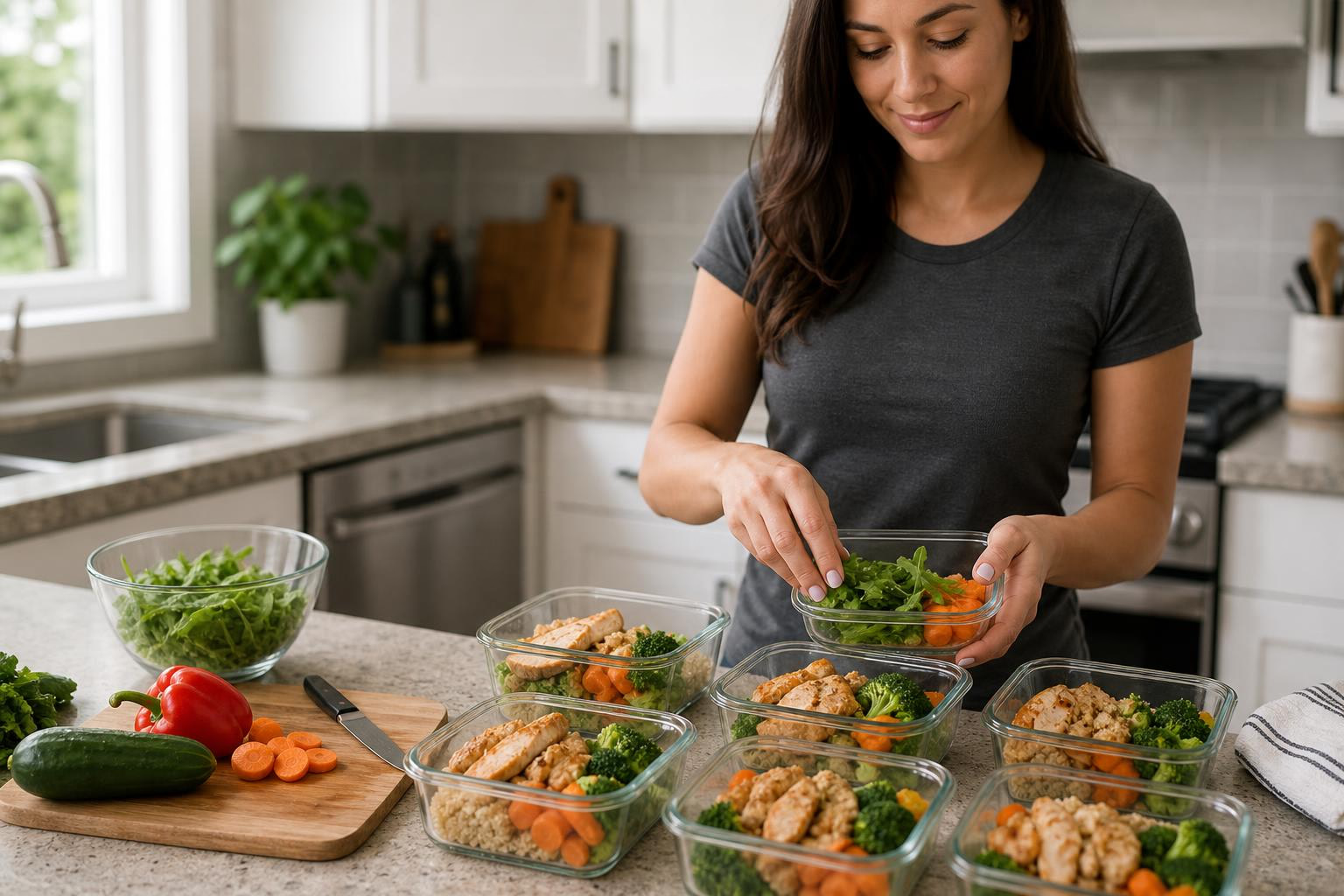
- Prep station: Dedicate one area for meal prep with cutting boards, quality knives, and storage containers ready to go
- Hydration hub: Keep a large water bottle filled and visible as a constant reminder
Meal Planning for Weight Loss That Actually Works
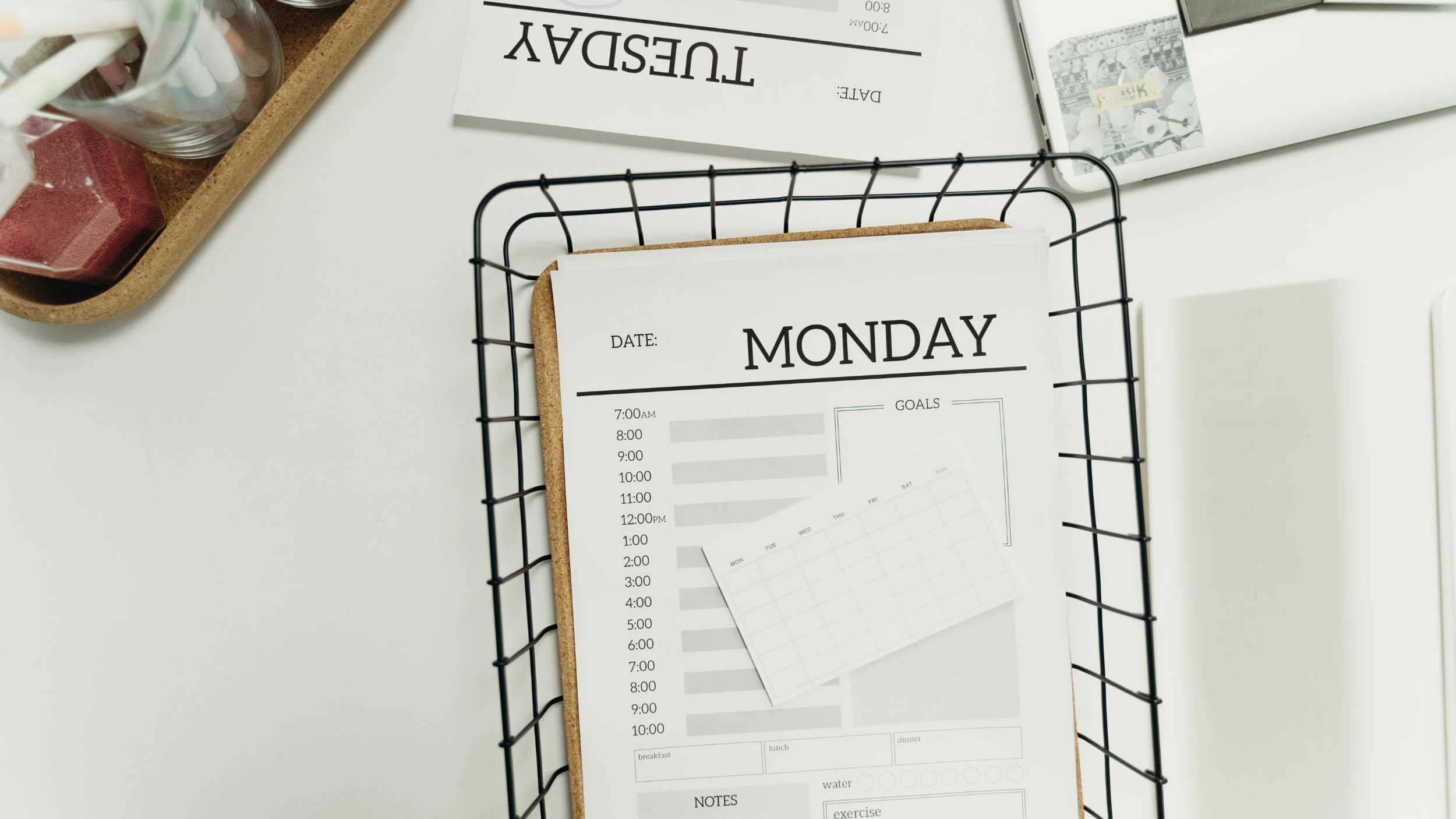
I'm not talking about military-level meal prep that takes your entire Sunday. Effective meal planning for weight loss can be simple:
- Choose 3 dinner proteins for the week (maybe salmon, ground turkey, and tofu)
- Prep 2 vegetable varieties on Sunday (roasted broccoli and cauliflower, raw bell peppers and cucumbers)
- Cook 1 complex carb in bulk (quinoa, sweet potatoes, or brown rice)
- Mix and match throughout the week with different seasonings and sauces
This flexible framework prevents decision fatigue while allowing variety. You're not eating the exact same thing daily, but you're also not starting from scratch at 6 PM when you're exhausted.
The Sleep-Stress-Weight Connection
You cannot out-eat poor sleep or chronic stress. This is non-negotiable for losing weight for women, especially as we navigate hormonal fluctuations.
Poor sleep (less than 7 hours) disrupts hunger hormones ghrelin and leptin, increasing appetite by up to 24% the next day [6]. Chronic stress elevates cortisol, which promotes fat storage particularly around the midsection.
Non-negotiable practices:
- 7-9 hours sleep nightly: Set a bedtime alarm, not just a wake-up alarm
- Morning sunlight: 10 minutes outside within an hour of waking regulates circadian rhythm
- Stress management ritual: Whether it's breathwork, meditation, or simply sitting quietly with tea, find 10 minutes daily
- Blood sugar stability: Eating protein with every meal prevents the blood sugar crashes that trigger cortisol spikes
3. Find Joyful Movement That Fits Your Life
Let me be clear: the best exercises for weight loss are the ones you'll actually do consistently. The workout that sits perfectly on paper but you dread? That's not serving you.
Exercise contributes about 20-30% to weight loss efforts, while nutrition handles the remaining 70-80% [7]. But movement is absolutely essential for maintaining weight loss, building muscle that boosts metabolism, and supporting mental health throughout the process.
Strength Training Is Non-Negotiable
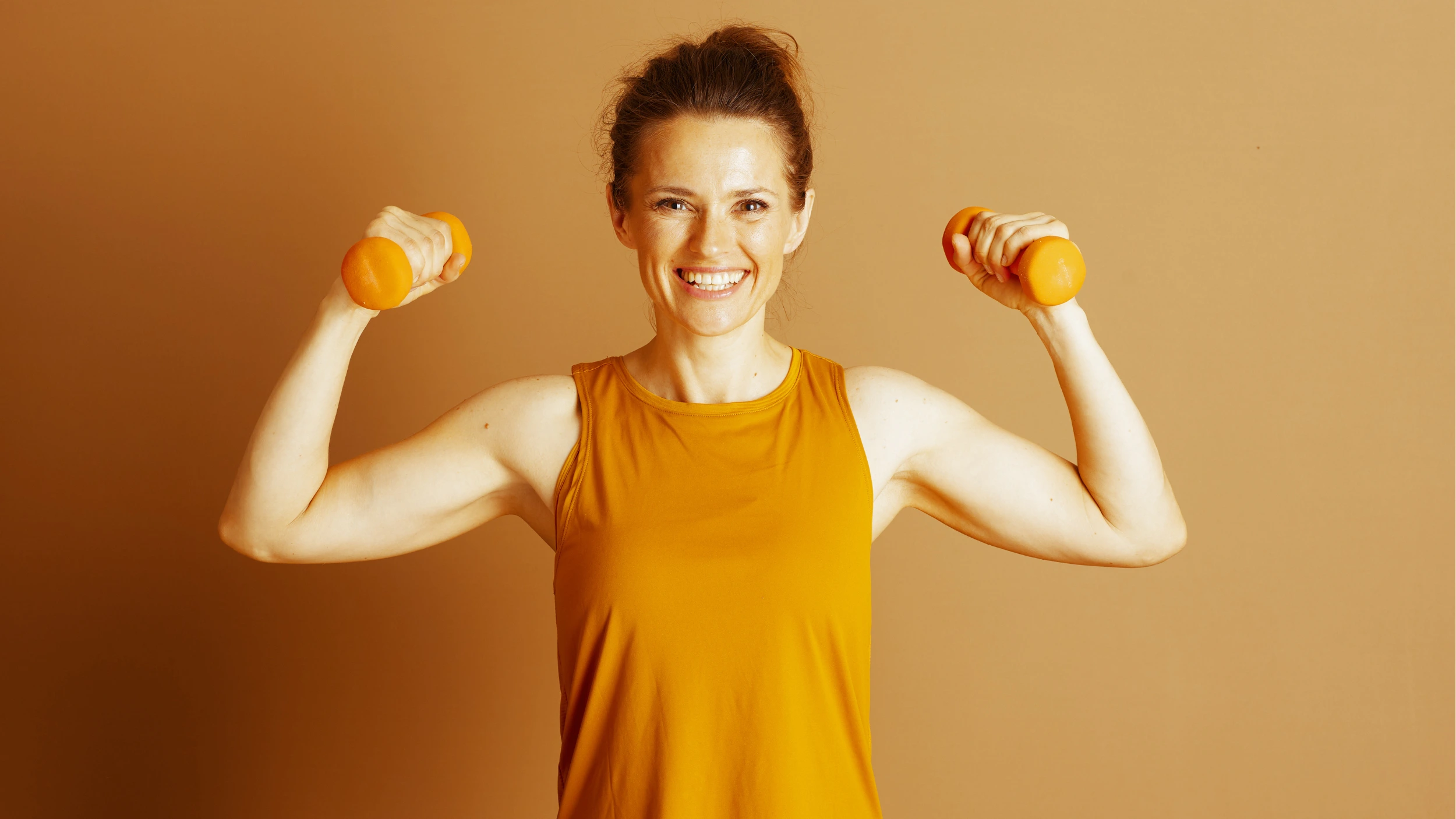
Cardio burns calories during the workout. Strength training burns calories during AND after, plus builds metabolically active muscle tissue. As women, especially as we age, preserving muscle mass is critical for long-term metabolic health.
You don't need a gym membership. Bodyweight exercises, resistance bands, or a set of dumbbells work beautifully:
- Start with 2-3 sessions weekly: 20-30 minutes is plenty when you're beginning
- Focus on compound movements: Squats, lunges, push-ups, rows—exercises that work multiple muscle groups
- Progressive overload: Gradually increase weight, reps, or difficulty to continue seeing results
- Recovery matters: Muscle is built during rest, not during the workout itself
Movement Snacking Throughout the Day
NEAT (Non-Exercise Activity Thermogenesis) can account for 15-30% of your daily calorie burn [8]. These are all the movements outside of formal exercise—and they add up significantly.
Incorporate movement naturally:
- Walking meetings: Take phone calls while walking around your neighborhood
- Commercial break circuits: 10 squats, 10 push-ups during TV ads
- Parking lot distance: Choose the far spot instead of circling for the closest
- Dance breaks: 5 minutes of dancing to your favorite song counts
- Stretch sessions: While coffee brews or dinner cooks
Find Your Thing
The form of movement matters less than your consistency with it. I've had clients lose significant weight through:
- Dance classes: Zumba, hip-hop, ballroom—joyful and social
- Hiking: Nature exposure provides mental health benefits beyond calorie burn
- Swimming: Low-impact, full-body workout excellent for joint issues
- Cycling: Commute to work and get your workout simultaneously
- Yoga: Builds strength, flexibility, and mindfulness
- Martial arts: Empowering and skill-building
Experiment. Give each activity at least 3-4 sessions before deciding. Your preferences may surprise you, and hormonal changes throughout your cycle might mean you prefer different activities at different times of the month.
4. Adopt a Mindset of Consistency Over Perfection
This is where most dietitian weight loss plans fall short—they focus exclusively on what to eat and how to move, completely ignoring the psychological component. But your mindset determines whether these strategies become lifelong habits or another failed attempt.
The All-or-Nothing Trap
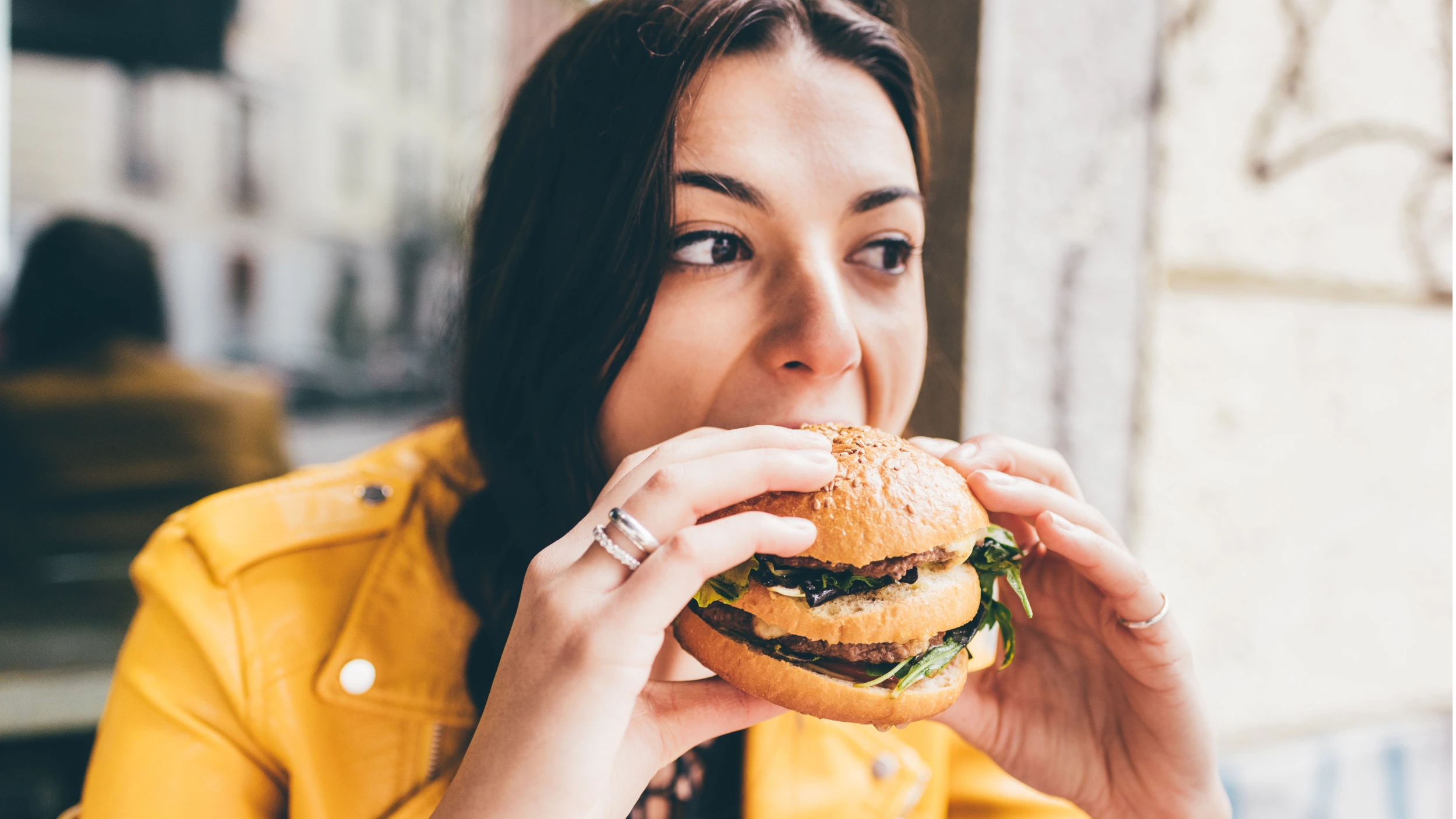
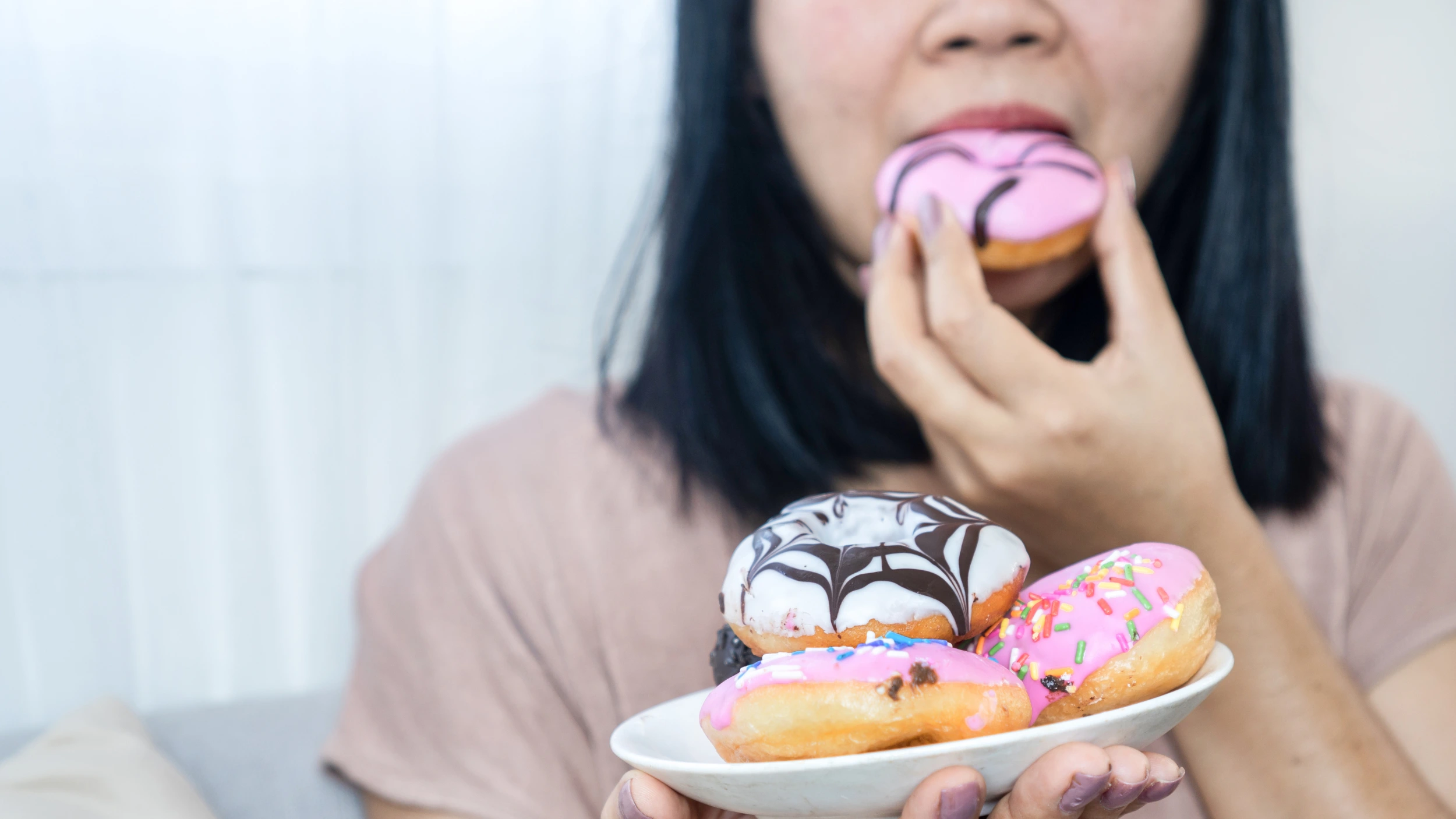
That voice that says, "I already had two cookies, might as well finish the box"? That's all-or-nothing thinking, and it's sabotaging your progress. One less-than-ideal food choice doesn't erase all your good work. Your body doesn't operate on a 24-hour reset; it responds to patterns over time.
Reframe this way:
- Instead of: "I blew it, the day is ruined"
- Try: "That was one meal out of 20+ this week. What can I learn from this, and how do I want to feel at my next meal?"
Your next choice is always an opportunity to take care of yourself, regardless of what came before.
The 80/20 Guideline
Aim for 80% of your meals to align with your health goals, leaving 20% for flexibility, social occasions, and foods you simply enjoy. This isn't a "cheat meal" mentality—it's acknowledging that sustainable weight loss includes permission and pleasure.
When that 20% happens:
- Eat slowly and mindfully: Actually taste and enjoy the food
- Skip guilt entirely: It's a planned part of your strategy, not a failure
- Return to your routine: No compensating, restricting, or over-exercising needed
Progress Tracking Beyond the Scale
The scale is one data point, but it's an incomplete picture. Weight fluctuates 2-5 pounds daily based on hydration, sodium intake, menstrual cycle, and bowel movements. Obsessing over it creates unnecessary stress.
Track what actually matters:
- Energy levels: Are you waking up refreshed? Sustaining energy through the afternoon?
- Strength gains: Lifting heavier weights, doing more reps, holding plank longer
- Clothing fit: How your jeans feel is often more telling than the number
- Lab markers: Blood sugar, cholesterol, blood pressure improvements
- Mental clarity: Reduced brain fog, better focus
- Mood stability: Fewer energy crashes, more emotional resilience
- Hunger cues: Better connection to true physical hunger versus emotional eating
These non-scale victories indicate you're building genuine health, which is the true foundation of sustainable weight loss.
Self-Compassion Isn't Optional
Research clearly shows that self-compassion (not self-criticism) predicts long-term weight loss success [9]. When you speak to yourself with kindness after a setback, you're more likely to return to helpful behaviors quickly.
Practice talking to yourself like you would your best friend. You wouldn't berate her for being human—don't do it to yourself either. Building healthy lifestyle habits requires patience and grace.
Creating Your Personalized Plan
These four effective weight loss strategies work synergistically. You don't need to implement everything perfectly starting tomorrow. That's exactly the all-or-nothing thinking we're moving away from.
Start here:
- This week: Focus on adding protein to every meal and getting 7+ hours of sleep
- Week two: Reorganize your kitchen and plan 3 dinners
- Week three: Experiment with 2-3 different movement activities
- Week four: Practice one instance of self-compassion daily
Layer these strategies gradually. Sustainable change happens through small, consistent actions that compound over time—not through dramatic overhauls that burn you out.
Remember, this is about building a life you don't need to escape from or "cheat" on. These science-backed weight loss tips create a foundation where health feels natural, not forced.
FAQs About Sustainable Weight Loss
What is the most effective weight loss strategy for women?
There's no single "best" strategy, as women's bodies are unique and have different needs based on age, hormones, and lifestyle. However, an effective approach always combines balanced nutrition with consistent movement, stress management, and adequate sleep, tailored to your individual needs. The most sustainable weight loss happens when you address all these components together rather than focusing on nutrition or exercise alone.
How can I speed up weight loss?
While it's tempting to seek quick results, rapid weight loss is often unsustainable and can be unhealthy. Focusing on a steady, gradual loss of 1-2 pounds per week through sustainable habit change is far more effective for keeping the weight off long-term. Faster weight loss typically means you're losing water and muscle, not just fat—and that damaged metabolism makes regain almost inevitable.
Is it better to focus on diet or exercise for weight loss?
Both are incredibly important, but nutrition typically has a greater impact on weight loss itself. As the saying goes, "you can't outrun a bad diet." Exercise is crucial for overall health, muscle building (which boosts metabolism), and maintaining weight loss. The most effective approach combines both: nutrition for creating the calorie deficit, and movement for preserving muscle, supporting mental health, and enhancing metabolic function.
Ready to Create a Strategy That Works for You?
If you're tired of the guesswork and ready for a personalized, science-backed plan, let's talk. These sustainable weight loss strategies are even more powerful when customized to your unique body, lifestyle, and goals.
Book a one-on-one consultation with me today, and we can build your roadmap to long-term weight loss together. You deserve support from someone who understands the science and actually cares about your success.
References
[1] Mann T, Tomiyama AJ, Westling E, et al. Medicare's search for effective obesity treatments: diets are not the answer. American Psychologist, 2007.
[2] Westerterp-Plantenga MS, Lemmens SG, Westerterp KR. Dietary protein - its role in satiety, energetics, weight loss and health. British Journal of Nutrition, 2012.
[3] Quagliani D, Felt-Gunderson P. Closing America's Fiber Intake Gap: Communication Strategies From a Food and Fiber Summit. American Journal of Lifestyle Medicine, 2017.
[4] Wansink B, Sobal J. Mindless eating: The 200 daily food decisions we overlook. Environment and Behavior, 2007.
[5] Bucher T, Collins C, Rollo ME, et al. Nudging consumers towards healthier choices: a systematic review of positional influences on food choice. British Journal of Nutrition, 2016.
[6] Greer SM, Goldstein AN, Walker MP. The impact of sleep deprivation on food desire in the human brain. Nature Communications, 2013.
[7] Swift DL, McGee JE, Earnest CP, et al. The Effects of Exercise and Physical Activity on Weight Loss and Maintenance. Progress in Cardiovascular Diseases, 2018.
[8] Chung N, Park MY, Kim J, et al. Non-exercise activity thermogenesis (NEAT): a component of total daily energy expenditure. Journal of Exercise Nutrition & Biochemistry, 2018.
[9] Mantzios M, Wilson JC. Exploring Mindfulness and Mindful Eating in Relation to Weight Loss. Appetite, 2015.
.svg)
.svg)









.webp)
.webp)
.webp)
.webp)
.webp)

.webp)
.webp)
.webp)
.webp)

.webp)
.webp)
.webp)
.webp)

.webp)