.webp)

%2B(7).webp)
.png)
At a Glance
Food noise—that relentless mental chatter about what you'll eat next—isn't a character flaw or lack of willpower. It's often your body's biological response to restriction, inadequate nourishment, or the psychological weight of diet culture. This guide breaks down exactly why you can't stop thinking about your next meal and gives you science-backed strategies to find real peace with food.
Tired of Food Noise? How to Stop Thinking About Your Next Meal
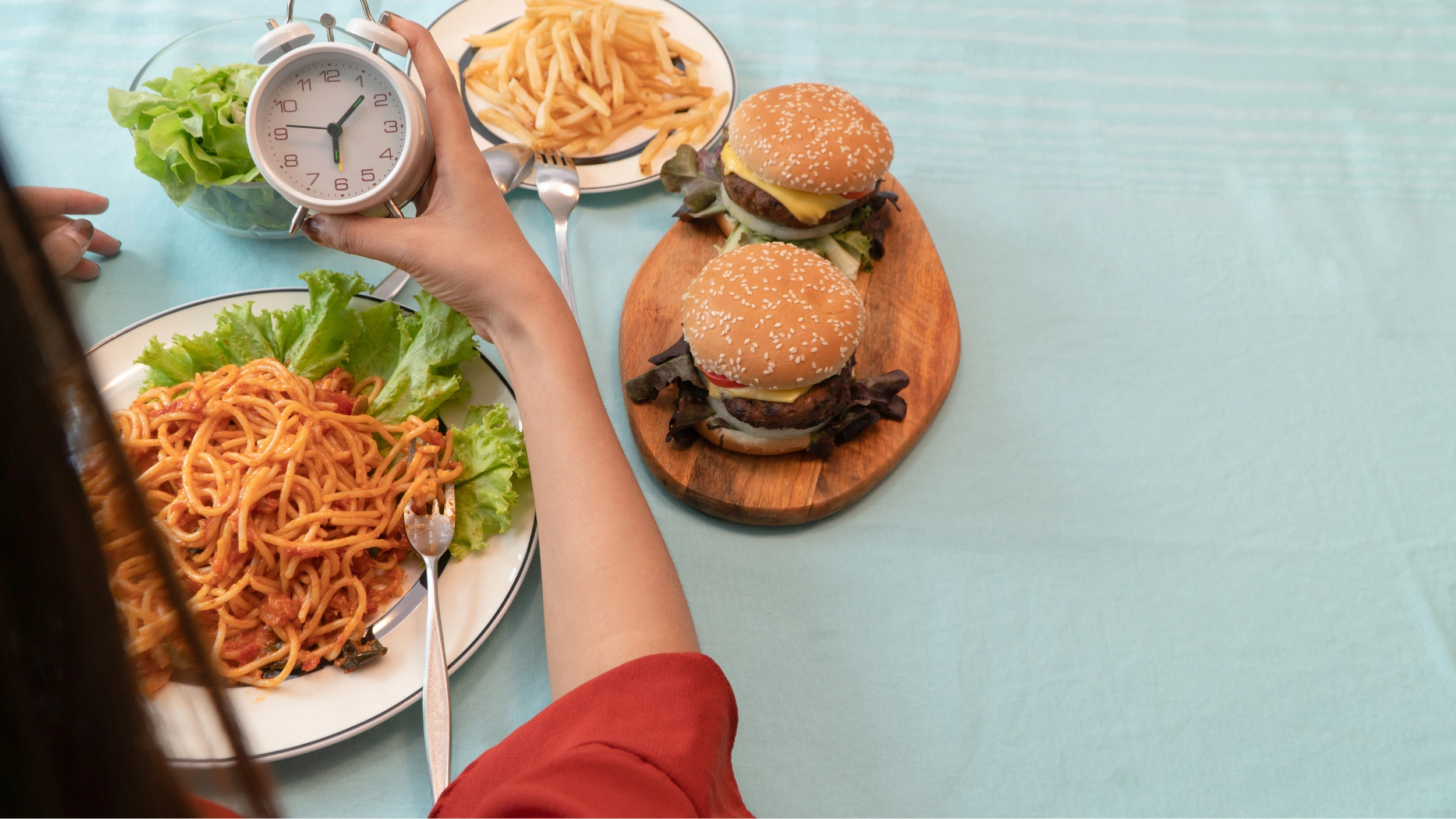
Do you find yourself constantly thinking about food, planning your next meal before you've even finished your current one, or feeling preoccupied with what you "should" eat? This persistent mental chatter about food, often called "food noise," can be exhausting and disruptive. If you're struggling with chronic food noise, you're not alone. As a dietitian, I understand how much this can impact your life, and I'm here to help you find peace with food.
What Exactly IS Food Noise and Why is it So Loud?
Let's get clinical for a second: food noise refers to the intrusive, persistent thoughts about eating that occupy significant mental bandwidth throughout your day. We're talking about the constant internal dialogue—"What am I eating next? Should I have eaten that? When can I eat again? What's for dinner?"—that loops endlessly.
This isn't the same as normal hunger cues or occasional meal planning. Food obsession becomes problematic when it interferes with your concentration, social interactions, sleep quality, or emotional well-being.
So why does this happen? The food noise meaning runs deeper than simple hunger:
- Biological starvation response. When you restrict calories or specific macronutrients—even subtly—your brain interprets this as a survival threat. Your body cranks up neuropeptide Y and ghrelin production, hormones that literally increase food-seeking thoughts and behaviors. This is evolution protecting you from famine, not a personal failure.
- Blood sugar volatility. Inadequate protein and fiber at meals causes rapid glucose spikes followed by crashes. These dips trigger compensatory hunger hormones and can amplify food preoccupation between meals. Your brain runs on glucose—when levels drop, thinking about food becomes biochemically urgent.
- Psychological restriction. Here's where it gets sneaky: you don't have to be on an official diet to experience diet culture food noise. Simply labeling foods as "good" or "bad," following rigid food rules, or mentally restricting certain items creates what researchers call the "forbidden fruit effect". The more you tell yourself you can't have something, the louder your brain screams about it.
- Dopamine dysregulation. Chronic dieting can actually alter your brain's reward pathways. When you repeatedly deny yourself pleasure from food, your mesolimbic system becomes hypervigilant, constantly scanning for the next opportunity to experience food-related reward.
Diet culture has normalized this exhausting mental state. We've been conditioned to believe that not thinking about food constantly means we're "out of control" or lack discipline. That's backwards. Chronic food noise is often a red flag that your current eating pattern isn't meeting your physiological or psychological needs.
The connection between stress and food thoughts is also significant. When your body is in a state of chronic stress—whether from under-eating, over-exercising, or life circumstances—cortisol levels remain elevated [5]. High cortisol directly increases appetite and food-seeking behavior, particularly for energy-dense foods. If you're curious about how functional nutrition approaches can address stress and energy, there are targeted strategies that work beautifully alongside what we'll cover here.
Breaking Free: Strategies to Quiet Food Noise
Now for the practical stuff—the strategies that actually work to reduce intrusive thoughts about food. These aren't quick fixes or willpower hacks. They're evidence-based interventions that address the root causes of why you can't stop thinking about your next meal.
Eat enough, consistently, and without apology.
This is non-negotiable. If you're undereating—even by 200-300 calories daily—your body will keep the food noise volume cranked up. Most women I work with need substantially more food than they've been eating, especially if they have any exercise routine or stressful job.
- Aim for three substantial meals daily, with snacks as needed based on your hunger and schedule
- Each meal should contain adequate protein (25-35g), quality fats, fiber-rich carbohydrates, and produce
- Stop eating by the clock or according to arbitrary portion rules; eat until you feel satisfied, not just "no longer hungry"
Research consistently shows that energy sufficiency is the foundation for normalized eating thoughts [6]. When your body trusts that food is abundant and regular, the survival-driven food preoccupation naturally quiets.
Eliminate food categories from your mental "forbidden" list.
I know this sounds counterintuitive, especially if you've spent years believing that certain foods are off-limits. But psychological restriction is one of the loudest amplifiers of constant thoughts about food [7].
Start by intentionally incorporating previously restricted foods in a structured, shame-free way. If you've banned bread, buy the kind you actually love and have it with lunch a few times per week. Notice what happens to your thoughts about bread over the following weeks—for most people, the obsessive quality fades dramatically once the forbidden fruit effect dissolves.
Stabilize your blood glucose architecture.
The quality and composition of your meals directly impacts whether you experience food noise between eating occasions. Prioritizing protein and fiber at every meal creates a steady, sustained release of glucose that keeps your brain happily fueled [8].
Some tactical examples:
- Breakfast: Greek yogurt with berries, nuts, and a drizzle of honey—not just a banana or black coffee
- Lunch: A substantial grain bowl with chicken, roasted vegetables, avocado, and tahini dressing
- Snacks: Apple with almond butter, or crackers with cheese, rather than standalone carbohydrates
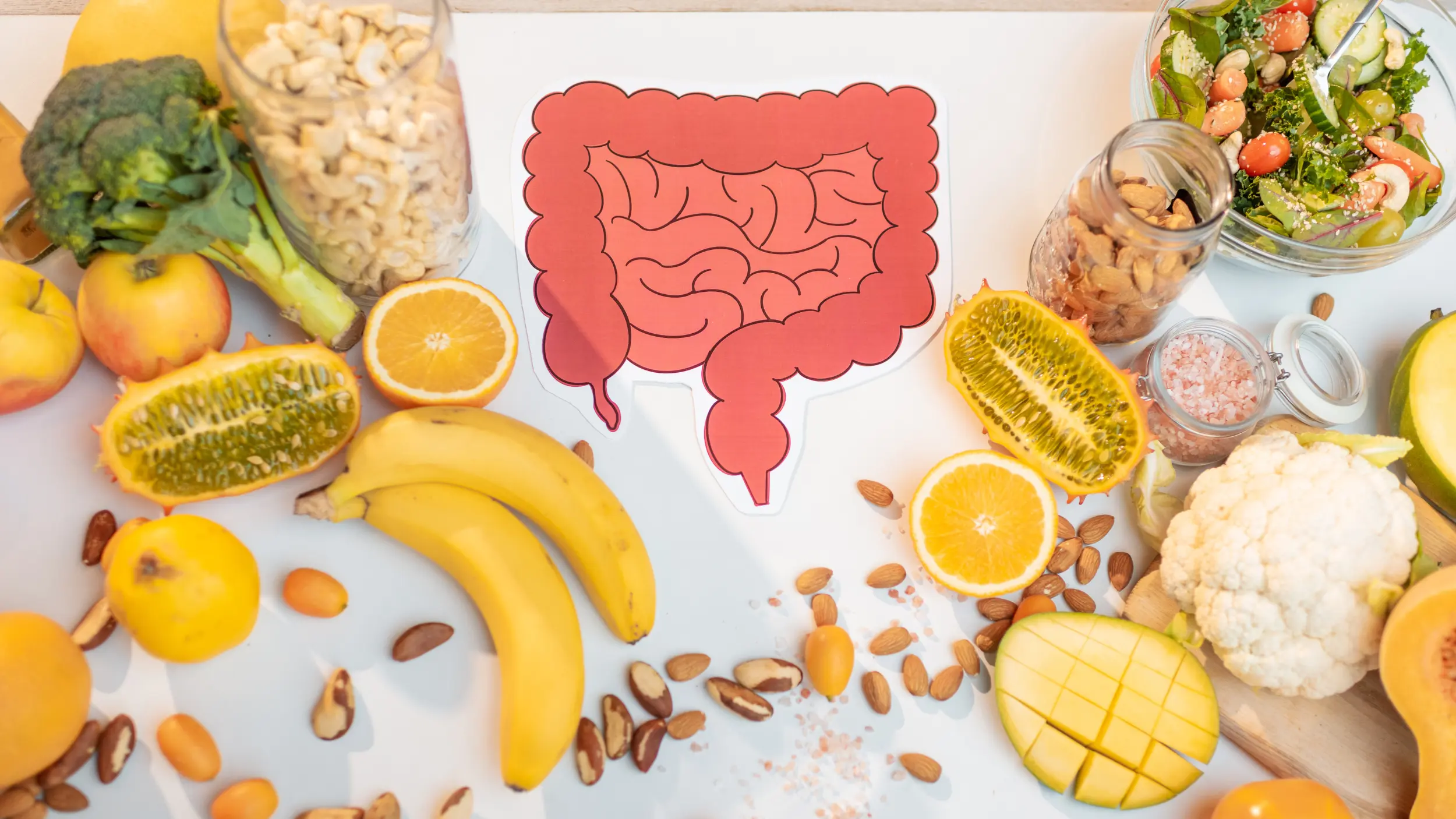
Your gut health and microbiome also play a role here. Emerging research shows that certain gut bacteria influence hunger signaling and food-related decision making, so supporting digestive health can have unexpected benefits for food noise reduction.
Address hormonal contributors.
For women specifically, hormonal fluctuations across your menstrual cycle significantly impact appetite, cravings, and food thoughts [9]. Progesterone rises in the luteal phase (post-ovulation) and increases metabolic rate by approximately 200-300 calories daily. If you're eating the same amount throughout your cycle, you're likely undereating during this phase—which triggers food noise.
Instead of fighting your body's increased needs, honor them. Eating slightly more in the week before your period isn't "giving in"—it's physiologically appropriate. Learning to work with your hormonal patterns rather than against them creates remarkable peace. If hormone balance is a bigger concern for you, exploring a comprehensive hormone balance diet approach can be transformative.
Create cognitive space for non-food experiences.
When food noise has occupied your mental real estate for years, your brain has literally carved well-worn neural pathways that default to food thoughts. Part of overcoming food preoccupation involves actively building alternative pathways.
This looks like:
- Engaging in absorbing activities that require full attention (reading, creative projects, meaningful conversations)
- Practicing present-moment awareness when food thoughts arise, without judgment
- Gradually expanding the aspects of your identity beyond "someone who thinks about food/diet/body"
I'm not suggesting you distract yourself from genuine hunger—that's different. This is about giving your brain other interesting things to do once your nutritional needs are actually met.
Work with a specialized dietitian.
Honestly? If you've been struggling with chronic food noise for months or years, professional support accelerates this process exponentially. A dietitian who specializes in intuitive eating and has training in the psychology of eating can help you identify your specific triggers, dismantle your particular restriction patterns, and create a personalized protocol that fits your life.
Reclaiming Your Peace: Beyond the Next Meal
The ultimate goal isn't just to reduce food noise—it's to build a genuinely peaceful, flexible, and joyful relationship with eating. One where food is pleasurable and nourishing, but doesn't dominate your mental landscape.
This transformation happens in stages. First, the volume of food noise decreases as you address the biological drivers (adequate intake, blood sugar stability, elimination of restriction). Then, as you consistently practice new patterns, the frequency of food thoughts decreases. Eventually, you reach a place where you think about food when it's relevant—when you're hungry, when you're planning meals, when you're enjoying a great restaurant—but it doesn't intrude during work meetings, conversations with friends, or when you're trying to fall asleep.
This is what food freedom actually feels like.
Intuitive eating—eating based on internal hunger and fullness cues rather than external diet rules—is the framework that best supports this peaceful state [10]. It's not about eating whatever you want whenever you want (that's actually a myth). It's about rebuilding trust between your mind and body so that eating becomes intuitive again, the way it was before diet culture got involved.
Some markers that you're moving toward food peace:
- You can keep previously "trigger" foods in your house without obsessing over them
- You go hours without thinking about food, then eat when you're genuinely hungry
- You can eat a satisfying meal and move on with your day without rehashing food choices
- Spontaneous eating situations (restaurant changes, travel, social events) don't create anxiety
- You have mental and emotional energy for pursuits completely unrelated to food or body
This isn't about achieving perfection. You'll still have days where food feels more present in your thoughts—that's human. But the relentless, exhausting quality of chronic food noise can absolutely be resolved.
Frequently Asked Questions
Q1: How can I tell if my thoughts about food are normal or a sign of "food noise"?
Normal food thoughts are proportional and situational—thinking about lunch when you're hungry at midday, planning dinner while grocery shopping, or anticipating a special meal. Food noise, by contrast, is disproportionate and intrusive. If thoughts about food are interfering with your ability to concentrate at work, enjoy social situations, or relax in the evening, or if you're thinking about your next meal before you've finished your current one, that's food noise. Another key distinction: normal food thoughts don't carry shame, anxiety, or moral judgment. If your food thoughts are accompanied by stress or guilt, that's a signal that something needs attention.
Q2: What are the first steps to take to reduce chronic food noise?
Start with the biological foundation: assess whether you're eating enough total food and whether your meals contain adequate protein, fat, and fiber. Most women experiencing food noise are undereating, even if they don't realize it. The second step is to identify any forms of restriction—either physical (actual calorie/macro restriction) or psychological (forbidden food lists, rigid rules). Begin systematically removing those restrictions. Third, stabilize your meal timing. Erratic eating patterns amplify food noise, while consistent meal spacing helps your body feel safe and regulated. If you implement these three foundations and still experience significant food noise after 4-6 weeks, that's when working with a dietitian becomes especially valuable.
Q3: Can a dietitian help me overcome food preoccupation?
Absolutely, and this is precisely what many of us specialize in. A dietitian trained in intuitive eating, Health at Every Size, or eating psychology can help you identify the specific drivers of your food noise—whether that's biological (inadequate intake, blood sugar issues, hormonal factors), psychological (restriction, diet trauma, perfectionism), or both. We create personalized nutrition protocols that meet your actual needs, help you rebuild hunger/fullness awareness, and guide you through the emotional components of changing your relationship with food. The advantage of working with a dietitian versus trying to figure this out alone is that we can spot patterns you might not recognize, troubleshoot when progress stalls, and provide accountability and support through what can be an emotionally challenging process. If food noise is significantly impacting your quality of life, professional support is genuinely worth it.
Ready to silence the food noise and find a more peaceful relationship with eating? Book a consultation with our dietitian today to create a personalized plan for you.
References
[1] Polivy J, Herman CP. Dieting and binging: A causal analysis. American Psychologist, 1985.
[2] Wyatt P, et al. Postprandial glycaemic dips predict appetite and energy intake in healthy individuals. Nature Metabolism, 2021.
[3] Stirling LJ, Yeomans MR. Effect of exposure to a forbidden food on eating in restrained and unrestrained women. International Journal of Eating Disorders, 2004.
[4] Burger KS, Stice E. Frequent ice cream consumption is associated with reduced striatal response to receipt of an ice cream-based milkshake. American Journal of Clinical Nutrition, 2012.
[5] Hewagalamulage SD, et al. Stress, cortisol, and obesity: a role for cortisol responsiveness in identifying individuals prone to obesity. Domestic Animal Endocrinology, 2016.
[6] Keys A, et al. The Biology of Human Starvation. University of Minnesota Press, 1950.
[7] Massey A, Hill AJ. Dieting and food craving. A descriptive, quasi-prospective study. Appetite, 2012.
[8] Paddon-Jones D, et al. Protein, weight management, and satiety. American Journal of Clinical Nutrition, 2008.
[9] Barr SI, et al. Consumption of breakfast and the type of breakfast consumed are associated with nutrient intakes and body mass index in Australian children. European Journal of Clinical Nutrition, 1995.
[10] Tribole E, Resch E. Intuitive Eating: A Revolutionary Program That Works. St. Martin's Press, 2012.
.svg)
.svg)




















.webp)
.webp)
.webp)
.webp)

.webp)

.webp)
.webp)
.webp)

.webp)

.webp)
.webp)
.webp)

.webp)

.webp)