.webp)
%2B(7).webp)
.png)
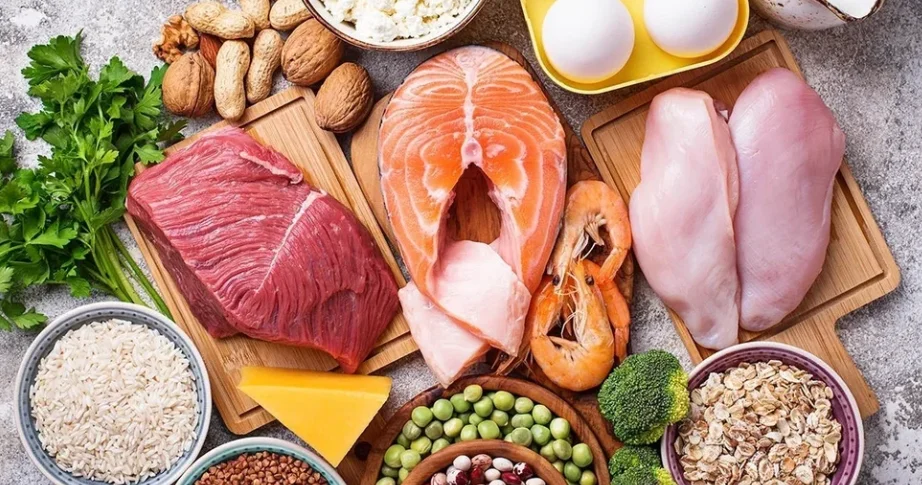
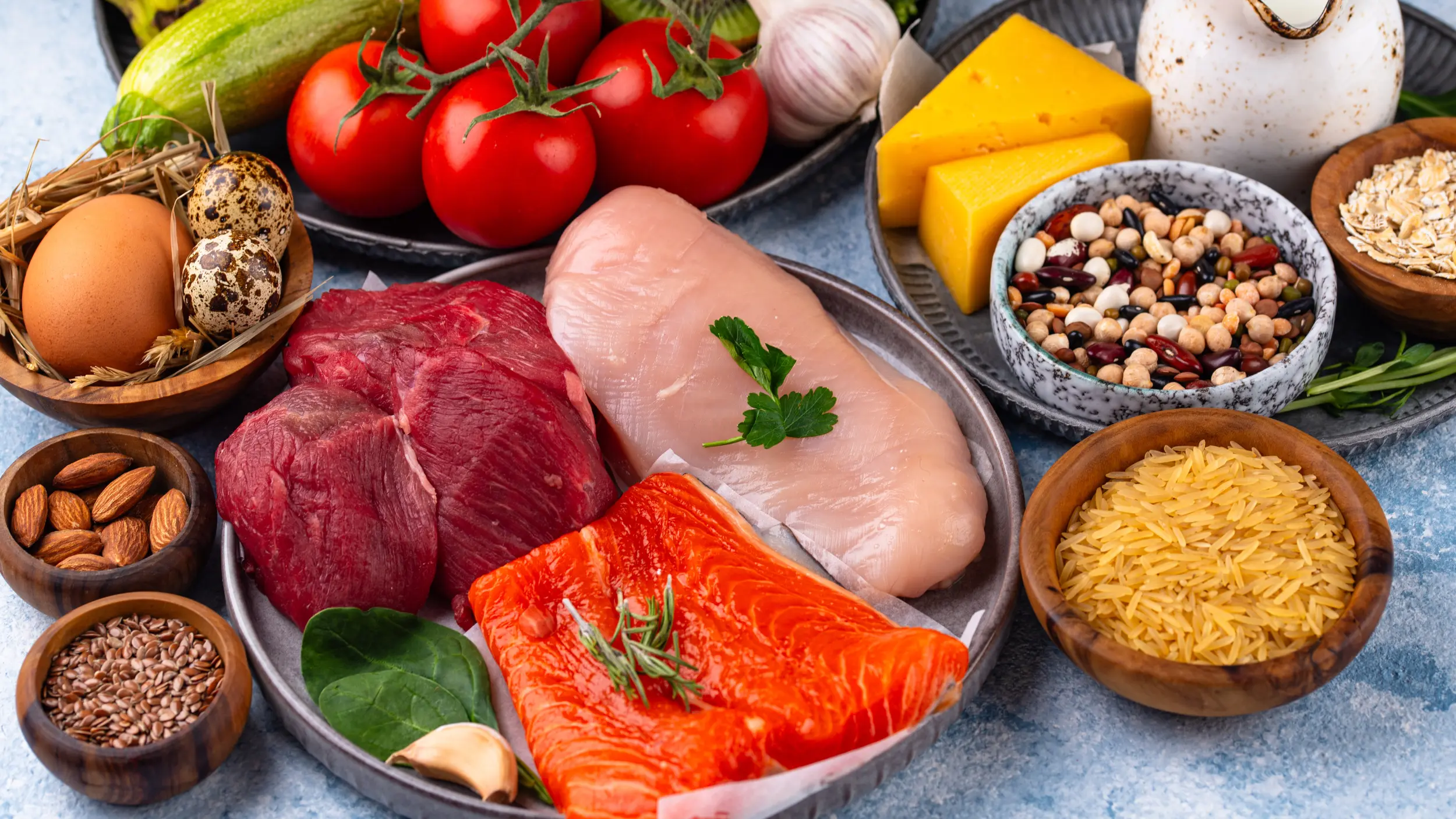
Stocking your kitchen with the right protein-focused pantry staples is the single most practical step you can take for weight loss. This guide covers 21 shelf-stable, fridge, and freezer essentials with exact protein-per-serving counts, calorie data, and protein-per-calorie ratios. You’ll also find quick meal assembly combos that hit 30g+ protein in under 10 minutes, plus special considerations for GLP-1 medication users and blood sugar management.
Why Protein Is the Weight Loss Nutrient That Matters Most
You already know protein matters. But the science behind why it matters specifically for fat loss is stronger than most people realize, and it explains why having the right pantry staples for protein-focused weight loss changes everything.
First, there’s the thermic effect. Your body burns 20 to 30% of protein calories just digesting them, compared to 5 to 10% for carbohydrates and 0 to 3% for fat. That means 100 calories of chicken breast costs your body roughly 25 calories to process, while 100 calories of butter costs almost nothing. Over a full day of eating, this adds up.
Second, protein controls hunger better than any other macronutrient. A landmark study found that when participants increased protein from 15% to 30% of total calories (keeping carbs constant), they spontaneously ate 441 fewer calories per day and lost nearly 5 kg of body weight without any other dietary changes. No calorie counting. No willpower. Just more protein.
This phenomenon is explained by the protein leverage hypothesis, which proposes that humans are biologically driven to eat until they get enough protein. When your diet is low in protein, you keep eating (and overeating fats and carbs) to satisfy that protein target. Stock your kitchen with high-protein staples, and you short-circuit this cycle before it starts.
Third, protein preserves lean muscle during a calorie deficit. Research shows that without adequate protein intake, up to 25 to 40% of weight lost can come from lean mass rather than fat. That’s not the kind of weight loss anyone wants.
Get a personalized protein plan from a registered dietitian, most clients pay $0 out of pocket with insurance.
How Much Protein Do You Actually Need?
The 2025-2030 Dietary Guidelines for Americans set protein targets at 1.2 to 1.6 grams per kilogram of body weight per day, a significant jump from the old 0.8 g/kg RDA that was really just a minimum to prevent deficiency.
Here’s what that looks like in practice:
- 130 lb woman (59 kg): 71 to 94g protein per day
- 150 lb woman (68 kg): 82 to 109g protein per day
- 180 lb woman (82 kg): 98 to 131g protein per day
For people using GLP-1 medications like Wegovy or Zepbound, these same targets apply but become harder to hit because of appetite suppression. When you’re eating less overall, every bite needs to deliver protein. More on this in the special considerations section below.
The 10:1 rule for evaluating any food: For every 10 calories in a food, you should get at least 1 gram of protein. A food with 200 calories should deliver at least 20 grams of protein. This quick mental math works at the grocery store, at restaurants, and when scanning your pantry. If you’re starting from scratch with a high-protein diet, this rule simplifies everything.
At-a-Glance Comparison: Protein Pantry Staples Ranked
This table ranks every staple in this guide by protein-per-calorie ratio, the metric that matters most during a calorie deficit.
Now let’s break these down by where they live in your kitchen.
Shelf-Stable Pantry Proteins: The Foundation
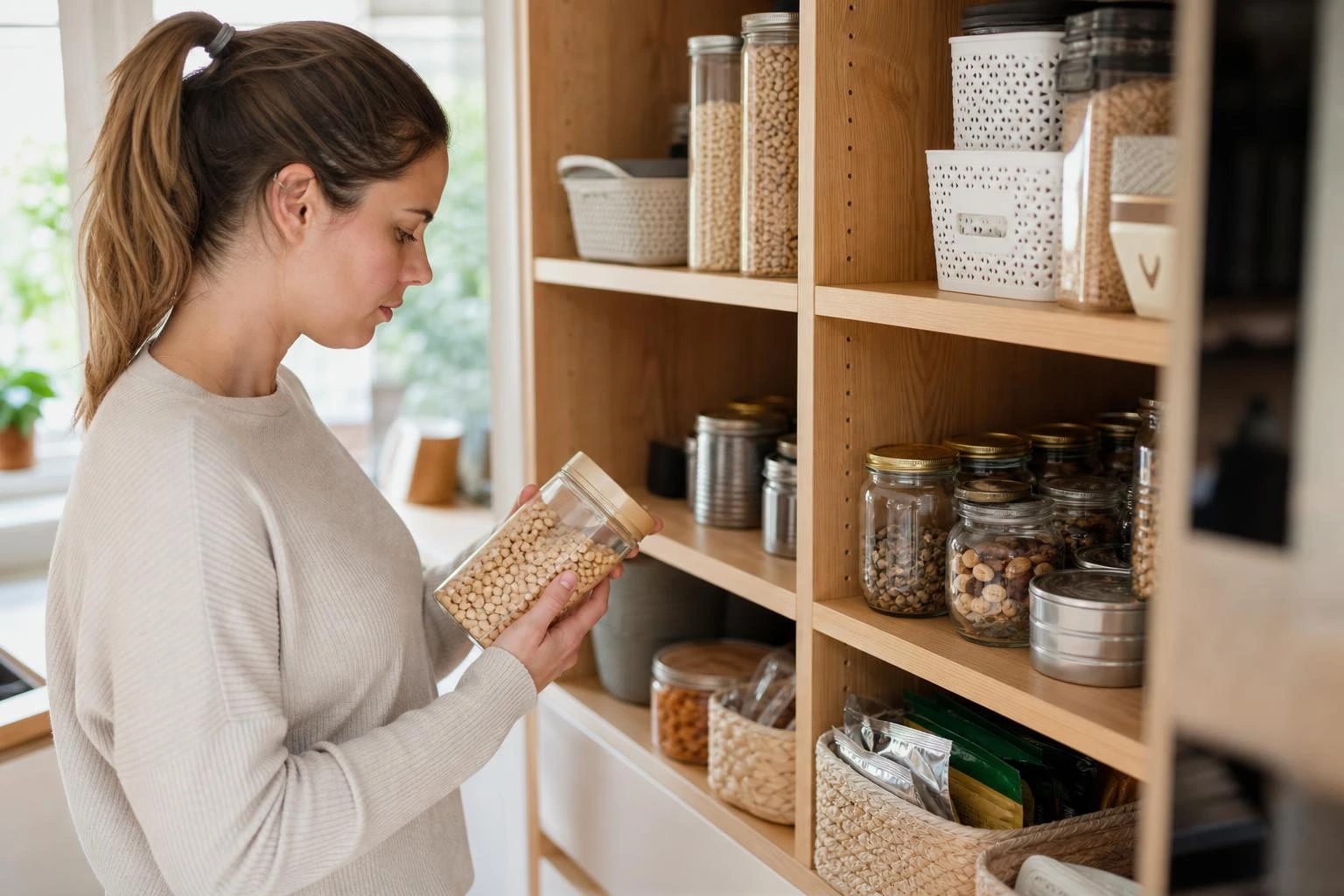
These are the items that sit on your shelf for months, ready when you need them. They form the backbone of any protein-focused weight loss pantry.
1. Canned Tuna (Water-Packed)
Best for: Highest budget value per gram of protein
- Protein: 20g per 3 oz can
- Calories: ~90
- Protein per 100 cal: 22g
Canned tuna is the undisputed budget champion of pantry protein. A 3-ounce serving delivers around 20 grams of protein for well under a dollar. Choose water-packed over oil-packed to keep calories low.
Practitioners on Reddit consistently name canned tuna as the single most recommended pantry staple for anyone starting a high-protein diet on a budget. The complaint is always taste fatigue, which is why variety matters.
Quick meal idea: Tuna + canned white beans + lemon juice + olive oil over greens = ~35g protein in 5 minutes.
2. Canned Salmon
Best for: Omega-3 fatty acids alongside high protein
- Protein: 20g per 3 oz
- Calories: ~118
- Protein per 100 cal: 17g
Canned salmon provides similar protein to tuna but with significantly more omega-3 fatty acids (about 1 to 2 grams per serving). The bones in canned salmon are soft and edible, adding a calcium boost. Wild-caught options are widely available and still cost a fraction of fresh salmon fillets.
Quick meal idea: Salmon patties using canned salmon + egg + breadcrumbs, pan-seared in 8 minutes.
3. Canned Sardines
Best for: Nutrient density per calorie (omega-3s, calcium, vitamin D)
- Protein: 20 to 22g per can
- Calories: ~191
- Protein per 100 cal: 12g
Sardines are a nutritional powerhouse that most people overlook. One can delivers 20 to 22 grams of protein plus omega-3 fatty acids and calcium from the bones. They require zero cooking and have a long shelf life.
Quick meal idea: Sardines mashed on whole grain toast with mustard and pickled onions.
4. Dried and Canned Lentils
Best for: Dual protein and fiber source at the lowest cost
- Protein: 18g per cup (cooked)
- Calories: ~230
- Protein per 100 cal: 8g
- Fiber bonus: 16g per cup
Lentils are the only protein source that simultaneously delivers significant fiber. One cup of cooked lentils provides 18g protein and 16g fiber, a combination no animal protein source can match. This makes them particularly valuable for blood sugar management and sustained fullness.
Dried lentils cost pennies per serving. Red lentils cook in 15 minutes without soaking. Canned lentils are ready in seconds. For people with PCOS or insulin resistance, the protein-plus-fiber combination helps blunt glucose spikes.
Quick meal idea: Red lentil soup with canned tomatoes, garlic, and cumin, ready in 20 minutes.
5. Chickpea or Lentil Pasta
Best for: Painless swap that doubles protein content of a familiar meal
- Protein: 11 to 18g per 2 oz dry serving
- Calories: ~190 to 220
- Protein per 100 cal: 9g
This is one of the most underrated pantry swaps. Both red lentil and chickpea pasta have nearly double the protein of regular semolina pasta per serving, plus significantly more fiber. One cup of cooked lentil pasta delivers about 18 grams of protein, 9 grams of fiber, and 220 calories.
A registered dietitian featured on Anytime Fitness noted that bean-based pastas are one of those changes clients barely notice taste-wise but that dramatically shift their macros.
Quick meal idea: Chickpea pasta + jarred marinara + canned chicken = ~38g protein.
6. Protein Powder (Whey or Plant Isolate)
Best for: Filling protein gaps with maximum efficiency
- Protein: 20 to 30g per scoop
- Calories: ~100 to 130
- Protein per 100 cal: 20 to 23g
Protein powder isn’t a replacement for whole food, but it’s a practical tool when you’re falling short of your daily target. Whey protein isolate and soy protein isolate deliver the highest protein-to-calorie ratios among supplements. Keep a container in your pantry for smoothies, oatmeal boosts, or quick shakes.
Quick meal idea: Protein powder blended into Greek yogurt with frozen berries = ~45g protein.
7. Quinoa
Best for: Complete plant protein base for grain bowls
- Protein: 8g per cup (cooked)
- Calories: ~222
- Protein per 100 cal: 4g
Quinoa is one of the few plant foods that provides all essential amino acids (making it a complete protein). It’s not a high-protein food on its own, but it’s a solid foundation. Pair it with a primary protein source for a complete meal.
Quick meal idea: Quinoa bowl with black beans, salsa, and a fried egg = ~30g protein.
8. Natural Nut Butters
Best for: Adding flavor and satiety, not as a primary protein source
- Protein: 7g per 2 tbsp (peanut butter)
- Calories: ~188
- Protein per 100 cal: 4g
Nut butters provide some protein but are calorie-dense. At 188 calories for 7 grams of protein, peanut butter fails the 10:1 rule badly. Use it as a complement (on toast with eggs, blended into a shake) rather than relying on it as your main protein source.
Quick meal idea: Apple slices with 1 tbsp peanut butter + a protein shake on the side.
Fridge and Freezer Protein Staples
These items need cold storage but are just as essential to keep stocked. Think of your fridge and freezer as extensions of your pantry.
1. Eggs
Best for: Fastest complete protein with zero planning required
- Protein: 6g per egg
- Calories: ~70
- Protein per 100 cal: 9g
Eggs are the fastest complete protein available. Two eggs provide all essential amino acids, cook in under 5 minutes, and require no planning. They’re cheap, versatile, and always available.
RD Sinan Ozyemisci, speaking in a YouTube segment, pointed out that egg whites specifically are a “secret ingredient” for boosting protein in recipes: “Protein is definitely the one that we struggle with the most in terms of being able to meet goals or targets. So secret ingredients like egg whites in certain recipes are good.” Egg whites alone deliver 11 grams of protein from just 47 calories per 100 grams, making them the most calorie-efficient whole food protein source available. If you need breakfast ideas beyond eggs, there are plenty of options.
Quick meal idea: 3-egg scramble with black beans and salsa = ~32g protein.
2. Plain Greek Yogurt (Nonfat)
Best for: Versatile protein that works in both sweet and savory applications
- Protein: 18g per 6 oz
- Calories: ~100
- Protein per 100 cal: 18g
Greek yogurt is a protein powerhouse hiding in plain sight. At 18 grams of protein per 6-ounce serving and only 100 calories, it passes the 10:1 rule with ease.
The real magic is versatility. As one RD noted in a practitioner walkthrough: “Plain yogurt gets used in so many savory dishes and toppings and sauces, that there’s just a huge spectrum of opportunities to use that. And before we even realize, we’re like, ‘Whoa, I didn’t realize that was 15 extra grams of protein on top of my dish.’” Use it as a sour cream substitute, a smoothie base, a marinade ingredient, or mixed with fruit.
Quick meal idea: Greek yogurt + hemp seeds + berries + drizzle of honey = ~30g protein.
3. Low-Fat Cottage Cheese
Best for: Slow-release casein protein, ideal for evening snacking
- Protein: 14g per 4 oz (half cup)
- Calories: ~92
- Protein per 100 cal: 15g
Cottage cheese is one of the most protein-dense foods you can eat. A half cup of low-fat cottage cheese has less than 100 calories but delivers almost as much protein as 2 whole eggs. Because it’s rich in casein (a slow-digesting protein), it’s particularly good as an evening snack or when you need sustained amino acid delivery.
The cottage cheese revival on social media is real. Practitioners on Reddit report that clients who struggled to hit protein targets often found cottage cheese to be the easiest addition, since it works in both sweet preparations (with fruit, cinnamon) and savory ones (with everything bagel seasoning, tomatoes).
Quick meal idea: Cottage cheese + pumpkin seeds + cinnamon = ~25g protein.
4. Frozen Chicken Breast
Best for: Highest protein per serving, meal prep anchor
- Protein: 31g per 100g (cooked)
- Calories: ~165
- Protein per 100 cal: 19g
According to USDA FoodData Central, a 100-gram serving of cooked, skinless chicken breast delivers 31 grams of protein. Buy in bulk, portion into individual bags, and freeze. Always having chicken breast available eliminates the most common excuse for skipping protein at dinner.
Quick meal idea: Baked chicken breast (from frozen, 25 min at 400°F) sliced over quinoa with steamed vegetables.
5. Frozen Shrimp
Best for: Fast-cooking lean protein straight from the freezer
- Protein: 24g per 100g (cooked)
- Calories: ~99
- Protein per 100 cal: 24g
Shrimp is an excellent lean protein source that cooks from frozen in minutes. Run frozen shrimp under cold water for 5 minutes, then sauté for 3 to 4 minutes. Done. With 24 grams of protein per 100g at only 99 calories, it’s one of the best protein-per-calorie options available.
Quick meal idea: Garlic shrimp over lentil pasta with olive oil and chili flakes = ~42g protein.
6. Frozen Edamame
Best for: Complete plant protein you can microwave in 3 minutes
- Protein: 9g per ½ cup
- Calories: ~95
- Protein per 100 cal: 9g
Soy is one of the rare plant sources of complete protein, meaning it contains all essential amino acids. A half cup of edamame delivers 9 grams of protein and microwaves in 3 minutes. Keep a bag in the freezer for quick snacking or adding to bowls.
Quick meal idea: Edamame + quinoa + sesame oil + soy sauce + sliced cucumber = ~17g protein (add shrimp for 40g+).
7. Tempeh
Best for: Fermented plant protein with gut health benefits
- Protein: 18g per 3 oz
- Calories: ~162
- Protein per 100 cal: 11g
Tempeh delivers 18 grams of protein per 3-ounce serving with a meat-like texture that takes on marinades well. Because it’s fermented, it supports gut health and is often better tolerated than other soy products by people with digestive sensitivities.
Quick meal idea: Crumbled tempeh sautéed with taco seasoning, served in lettuce wraps with salsa.
Protein Boosters and Flavor Builders: The Supporting Cast
These items aren’t your primary protein sources, but they add meaningful grams throughout the day. Think of them as protein multipliers.
1. Hemp Seeds
Best for: Easiest protein boost you can sprinkle on anything
- Protein: 10g per 3 tbsp
- Calories: ~170
Hemp seeds have a complete amino acid profile and a mild, nutty flavor. Sprinkle them on yogurt, salads, oatmeal, or smoothie bowls. Three tablespoons add 10 grams of protein with zero cooking.
2. Bone Broth
Best for: Sippable protein between meals
- Protein: 10g per cup
- Calories: ~40
Bone broth is one of the best pantry staples for protein-focused weight loss when you need something warm and filling between meals. At 10 grams of protein per cup and only 40 calories, it has an exceptional protein-per-calorie ratio. Keep shelf-stable cartons on hand.
3. Pumpkin Seeds
Best for: Crunchy snack and salad topper with mineral bonus
- Protein: 9g per oz
- Calories: ~158
Pumpkin seeds deliver 9 grams of protein per ounce plus magnesium and zinc. Toss them on salads, soups, or cottage cheese for added crunch and protein.
4. Nutritional Yeast
Best for: Cheesy flavor plus protein in bowls and popcorn
- Protein: 8g per 2 tbsp
- Calories: ~45
Nutritional yeast adds a savory, cheesy flavor to anything. At 8 grams of protein per 2 tablespoons and only 45 calories, it’s a surprisingly efficient protein booster. Sprinkle on popcorn, pasta, roasted vegetables, or grain bowls.
5. Turkey or Beef Jerky
Best for: Shelf-stable snack protein that travels anywhere
- Protein: 9 to 15g per oz
- Calories: ~70 to 116
Jerky is pure convenience. Toss a bag in your work bag, your car, or your gym bag. It delivers solid protein with minimal preparation. Watch sodium levels if that’s a concern, and choose options without added sugars.
6. Oats
Best for: Breakfast base that pairs with protein powder and yogurt
- Protein: 5g per ½ cup dry
- Calories: ~150
Oats aren’t a primary protein source, but they’re worth including because they serve as the perfect vehicle for higher-protein additions. Mix oats with protein powder, top with Greek yogurt, or stir in hemp seeds. A bowl of oats becomes a 25 to 30g protein breakfast with the right add-ins.
How to Build a 30g Protein Meal in 10 Minutes Using Pantry Staples
Having protein-focused pantry staples only works if you know how to combine them. Katherine Basbaum, RD at MyFitnessPal, puts it simply: high-protein pantry meals don’t require complicated recipes or fresh ingredients, just a strategic approach. Start with a canned or jarred protein, add fiber-rich foods for sustained fullness, and layer in fresh or acidic elements for flavor.
Here are five ready-to-go combinations:
Combo 1: Mediterranean Tuna Bowl
Canned tuna (20g) + canned white beans (8g) + lemon juice + olive oil + red onion
Total protein: ~28 to 30g | Time: 5 minutes
Combo 2: Protein Yogurt Parfait
Greek yogurt, 8 oz (24g) + hemp seeds (10g) + berries
Total protein: ~34g | Time: 3 minutes
Combo 3: Quick Protein Pasta
Lentil pasta (18g) + canned chicken (13g) + jarred marinara
Total protein: ~31g | Time: 12 minutes
Combo 4: Scrambled Egg and Bean Bowl
3 eggs (18g) + canned black beans (8g) + salsa + cheese
Total protein: ~30g | Time: 8 minutes
Combo 5: Savory Cottage Cheese Plate
Cottage cheese, 1 cup (28g) + pumpkin seeds (9g) + everything bagel seasoning
Total protein: ~37g | Time: 2 minutes
For a full week of meals built around these principles, check out this protein-forward meal plan for weight loss.
Distributing Protein Throughout the Day
Research on protein distribution shows that spreading protein intake evenly across meals produces greater overall muscle protein synthesis compared to loading most protein into one meal (usually dinner). Two studies found that even distribution beat the typical pattern where breakfast has 10g, lunch has 20g, and dinner has 60g.
That said, total daily protein intake matters more than distribution. The most important thing is hitting your daily target. If that means a protein-heavy dinner, that’s still better than falling short overall.
A practical framework: aim for at least 25 to 30g of protein at each of your three main meals, then use snacks (jerky, cottage cheese, bone broth, edamame) to fill gaps. The meal combos above make this straightforward.
This approach also supports maintaining muscle during weight loss, which is critical for long-term metabolic health.
Special Considerations
For GLP-1 Medication Users (Wegovy, Zepbound, Mounjaro)
When appetite is suppressed, the risk of undereating protein increases dramatically. Research suggests that during rapid weight loss, up to 25 to 40% of weight lost can come from lean mass without proper nutrition strategies. The target for GLP-1 users is typically 1.2 to 1.6 g/kg/day of protein, which works out to about 90 to 120g for many adults.
Practical tips:
- Start every meal with protein. Eat the chicken, eggs, or fish first.
- Protein shakes bridge gaps. When you can’t eat a full meal, a scoop of whey in water delivers 25g effortlessly.
- Prioritize protein-dense foods. Greek yogurt, cottage cheese, and canned fish give the most protein per calorie when every bite counts.
- Bone broth between meals. At 10g protein and 40 calories, it adds protein without overwhelming a suppressed appetite.
For more on this topic, read about preserving muscle while using GLP-1 medications and foods to eat with GLP-1 medications.
Work with our registered dietitians who specialize in protein-forward nutrition for GLP-1 users.
For Blood Sugar Management (PCOS, Prediabetes)
Pairing protein with fiber at every meal blunts glucose spikes. This is where lentils, black beans, and chickpeas shine because they deliver both simultaneously. Bean-based pastas are particularly useful here, offering a familiar meal format with better macros.
For a detailed guide, see this PCOS grocery list organized by aisle.
For Digestive Sensitivity (IBS)
Some high-protein legumes can trigger FODMAP symptoms. A few adjustments help:
- Canned lentils are generally better tolerated than dried because the canning process reduces FODMAP content.
- Tempeh is often tolerated better than other soy products due to fermentation.
- Eggs, chicken, fish, and Greek yogurt are naturally low-FODMAP protein sources.
- Start with small portions of beans and increase gradually.
Culturally Inclusive Protein Pantry Staples
A protein-focused pantry doesn’t have to look the same for everyone. Here are some culturally relevant additions that no other guide on this topic mentions:
- Dried black beans and pinto beans: Staples in Latin and Southern cooking, 15g protein per cup cooked. Make a big pot on Sunday.
- Queso fresco: 6g protein per oz with fewer calories than cheddar. Crumble over beans, eggs, or soups.
- Dried shrimp: Common in Asian and Latin cuisines, adds protein and umami to broths and stir-fries.
- Tofu (firm or extra-firm): 10g protein per three-quarters cup. Foundational in Asian cooking, absorbs any flavor profile.
- Canned chipotle peppers with beans: Adds smoky heat to bean dishes, making high-protein meals more satisfying without extra calories.
The best pantry is one you’ll actually cook from. Stock what matches how you eat.
The Bottom Line
Having the right pantry staples for protein-focused weight loss removes decision fatigue at the exact moment you’re most vulnerable: when you’re hungry and staring into your kitchen. Stock these 21 items, learn a few simple combinations, and hitting 80 to 130g of protein per day stops being a daily struggle.
The difference between people who consistently hit their protein targets and those who don’t usually isn’t knowledge or willpower. It’s what’s already in the kitchen.
A registered dietitian can personalize your protein targets based on your body composition, medications, lab results, and food preferences. At Vedic, 95% of clients pay $0 out of pocket with insurance coverage.
Book a session with a Vedic dietitian and get your personalized protein plan.
Frequently Asked Questions
What are the best shelf-stable pantry staples for protein-focused weight loss?
The top shelf-stable options ranked by protein-per-calorie efficiency are canned tuna (22g protein per 100 calories), protein powder (20 to 23g per 100 calories), canned chicken (19g per 100 calories), canned salmon (17g per 100 calories), and sardines (12g per 100 calories). Lentils and chickpea pasta are also excellent because they add fiber alongside protein.
How much protein should I eat per day to lose weight?
The 2025-2030 Dietary Guidelines recommend 1.2 to 1.6 grams of protein per kilogram of body weight per day. For a 150-pound person, that’s approximately 82 to 109 grams daily. If you’re on GLP-1 medications or doing resistance training, aim for the higher end of that range.
Can I get enough protein from pantry staples alone without fresh meat?
Yes. Between canned tuna (20g), canned salmon (20g), Greek yogurt (18g), eggs (6g each), lentils (18g per cup), and cottage cheese (14g per half cup), you can easily build 100g+ of protein per day without buying fresh meat. Frozen chicken breast and shrimp extend your options further.
What is the 10:1 protein ratio rule?
For every 10 calories in a food, it should provide at least 1 gram of protein. So a 200-calorie food should have at least 20 grams of protein. This quick rule helps you evaluate any food at the grocery store or in your pantry. Foods that pass: Greek yogurt, canned tuna, chicken breast, cottage cheese. Foods that fail: nut butters, granola, most cereals.
Are canned proteins as nutritious as fresh?
Canned fish (tuna, salmon, sardines) retains its protein content and most nutrients through the canning process. Canned salmon actually provides extra calcium from the softened bones. The main trade-off is sodium, which you can reduce by 40% simply by rinsing canned goods before eating.
What pantry staples should GLP-1 medication users prioritize?
Focus on the most protein-dense, low-volume options: Greek yogurt, cottage cheese, protein powder, canned fish, and eggs. These deliver maximum protein per bite, which matters when appetite is suppressed. Bone broth (10g protein, 40 calories) is also useful as a sippable protein source between meals.
Is chickpea or lentil pasta actually worth the swap?
Both chickpea and lentil pasta contain nearly double the protein of regular semolina pasta per serving. A 2-ounce dry serving of lentil pasta delivers about 18g protein and 9g fiber versus 7g protein and 2g fiber for traditional pasta. The texture is slightly different but close enough that most people adapt quickly.
How do I prevent muscle loss during weight loss?
Three things matter: adequate protein intake (1.2 to 1.6 g/kg/day), resistance training, and even protein distribution across meals. Stocking your pantry with protein-focused staples ensures you can hit your targets consistently, which is the foundation everything else builds on.
.svg)
.svg)











.webp)
.webp)
.webp)
.webp)
.webp)
.webp)
.webp)
.webp)
.webp)

.webp)
.webp)
.webp)
.webp)

.webp)