.webp)

%2B(7).webp)
.png)
At a Glance
Your body has a preferred weight range it defends fiercely through hormonal signals, metabolic adaptations, and neural pathways. Set point theory explains why restrictive dieting often backfires and why sustainable change requires working with your physiology rather than against it. Understanding your body's natural regulatory mechanisms empowers you to build a healthier relationship with food and your weight.
What Exactly is Set Point Theory?
Here's something wild: your body doesn't care about fitting into your favorite jeans. It cares about survival. The set point hypothesis suggests that your brain maintains a predetermined weight range—typically spanning about 10-20 pounds—through complex biological feedback loops [1].
Think of your body set point like a thermostat. When the temperature drops below your setting, the heat kicks on. When you lose weight below your set point range, your body activates powerful compensatory mechanisms to bring you back up.
This isn't a character flaw or lack of willpower. It's ancient biology doing exactly what it evolved to do: protect you from what your brain interprets as starvation [2].
The set point model emerged from decades of research showing that:
- Most people maintain a relatively stable weight over long periods despite daily fluctuations in food intake and activity
- When weight is intentionally altered through dieting, the body responds with metabolic and hormonal changes that resist the change
- Twins raised apart show remarkably similar body weights, suggesting strong genetic influence [3]
The set point regulation system operates primarily through your hypothalamus, which receives constant feedback from fat cells, your gut, and other tissues about your energy status. When these signals indicate you've dropped below your set point weight, your brain doesn't politely suggest you eat more—it demands it through increased hunger, food preoccupation, and decreased satiety.
How Your Body Maintains Its Set Point Range
Your weight set point operates through an intricate network of hormones, neurotransmitters, and metabolic adaptations that would make any engineering system look simple by comparison.
Leptin: Your Body's Weight Monitoring System
Fat tissue isn't just passive storage—it's an active endocrine organ that secretes leptin, a hormone that communicates your energy reserves to your brain [4]. When you lose weight, leptin levels drop dramatically, triggering a cascade of responses:
- Increased hunger and food-seeking behavior
- Decreased metabolic rate (your body literally burns fewer calories at rest)
- Reduced thyroid hormone production
- Increased cortisol output
- Enhanced food reward sensitivity in the brain
Here's the frustrating part: these adaptations persist long after weight loss, which explains why maintaining a lower weight requires eating significantly fewer calories than someone naturally at that weight [5].
Ghrelin and the Hunger Signal
Ghrelin, your primary hunger hormone, rises sharply before meals and drops after eating. But when you restrict calories to lose weight, ghrelin levels increase and stay elevated—making you feel ravenously hungry even when you're technically eating enough for your current weight [6].
This hormonal shift is particularly pronounced in women due to our higher estrogen levels, which interact with appetite regulation pathways. Hormone balance becomes absolutely critical when working with your set point.
Metabolic Adaptation: The Efficiency Problem
Your metabolism isn't fixed—it adapts to match your energy intake. This phenomenon, called adaptive thermogenesis, means your body becomes more efficient when calories drop [7].
Research on contestants from "The Biggest Loser" revealed that six years after dramatic weight loss, their metabolic rates remained suppressed by an average of 500 calories per day below what would be expected for their body size [8]. Their bodies were still fighting to restore the original set point.
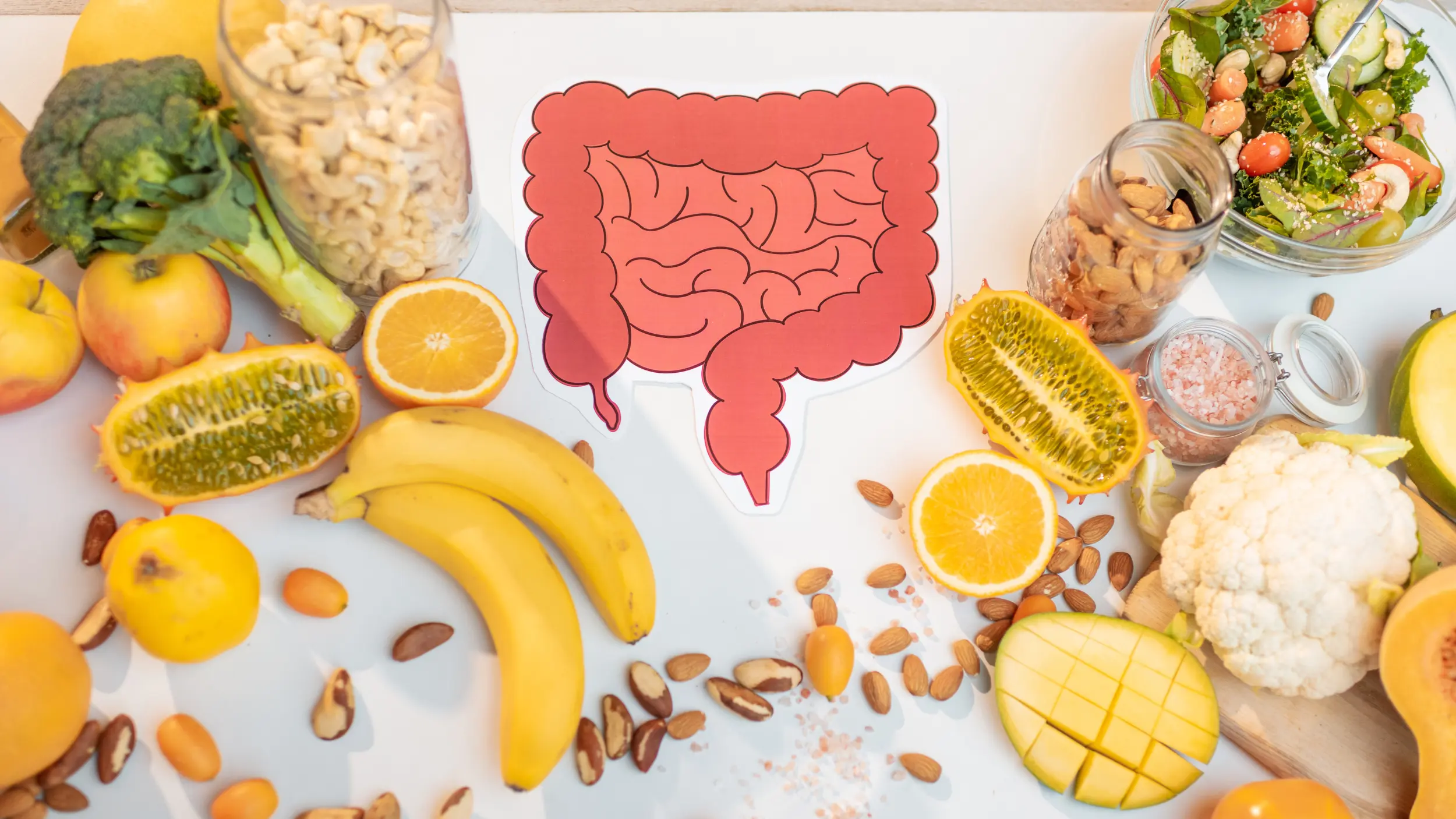
Your gut microbiome also plays a surprisingly significant role in set point regulation. Certain bacterial populations influence how efficiently you extract calories from food and affect hormonal signaling related to hunger and satiety. Optimizing your gut health can support more favorable metabolic responses.
Navigating Weight Loss with Set Point Theory in Mind
Okay, so if your body fights weight loss this hard, should you just accept whatever weight you're at? Not necessarily. The set point theory doesn't mean your weight is permanently fixed—it means you need smarter strategies than deprivation and restriction.
Focus on Set Point Range, Not a Single Number
Your body maintains a range, not a precise number. Most people naturally fluctuate 5-10 pounds within their set point range depending on stress, sleep, menstrual cycle, and recent eating patterns.
Instead of fighting to reach the absolute lowest number possible, aim for the lower end of your body's comfortable range. How do you find this? It's typically the weight you can maintain while:
- Eating until comfortably satisfied (not stuffed, not restricted)
- Moving your body regularly in ways you genuinely enjoy
- Sleeping 7-9 hours consistently
- Managing stress effectively
- Having regular, predictable menstrual cycles (if you're cycling)
If maintaining a certain weight requires constant hunger, obsessive food tracking, or excessive exercise, you're likely fighting below your set point range.
Gradual Change Respects Biology
Rapid weight loss triggers the most aggressive metabolic defense responses. Your body interprets sudden calorie restriction as a threat. In contrast, slow, gradual changes—think losing 1-2 pounds per month rather than per week—allow your set point to potentially shift downward without activating emergency survival mechanisms [9].
This approach requires patience that our culture absolutely doesn't celebrate. But it's the difference between short-term results that rebound and sustainable change that actually sticks.
Address the Factors That Elevate Set Point
While your genetic baseline matters, environmental and behavioral factors can push your set point upward over time. These include:
- Chronic stress and elevated cortisol, which promote fat storage and increase appetite for hyperpalatable foods [10]
- Sleep deprivation, which disrupts leptin and ghrelin signaling and increases cravings [11]
- Ultra-processed foods, which may override natural satiety signals and promote overeating [12]
- Yo-yo dieting, which can actually raise your set point over time through repeated metabolic adaptations [13]
Addressing these factors doesn't guarantee weight loss, but it creates conditions where your body might settle at a lower point within its natural range. Managing stress through functional nutrition becomes a foundational piece of this approach.
Build Metabolic Flexibility
Metabolic flexibility refers to your body's ability to efficiently switch between burning carbohydrates and fats for fuel. Improving this flexibility through balanced nutrition, regular movement, and adequate protein intake can help your body regulate energy more effectively without triggering defensive responses.
Strength training deserves special mention here. Building lean muscle mass increases your resting metabolic rate and can help counteract some of the metabolic suppression that occurs with weight loss [14].
Shift Your Success Metrics
What if weight isn't actually the most important outcome? I know that might sound radical when you picked this article specifically to learn about weight regulation. But hear me out.
Women who focus on health-promoting behaviors rather than scale numbers consistently show better outcomes in:
- Metabolic markers (blood sugar, lipids, blood pressure)
- Psychological well-being and body image
- Long-term weight stability
- Relationship with food and exercise [15]
Your set point theory understanding should ultimately lead to peace, not another set of rules to follow perfectly.
Frequently Asked Questions
Can I change my body's set point?
The research suggests your set point can shift, but typically upward more easily than downward. That said, addressing factors like chronic stress, sleep deprivation, and ultra-processed food intake while building muscle and improving metabolic flexibility may allow your body to settle at a lower point within its natural range. The key is gradual change and sustainable habits rather than aggressive restriction.
What factors affect my set point weight?
Your set point range is influenced by genetics (probably 60-70% of the equation), early life nutrition, gut microbiome composition, sleep quality, stress levels, medications, hormonal status, previous dieting history, and the food environment you regularly navigate. Some factors you can't control, but many are modifiable through lifestyle approaches.
How does set point theory relate to weight loss success?
Understanding set point theory helps explain why traditional calorie-restriction dieting has such poor long-term success rates (estimated at 5-10% after five years). It shifts the conversation from "What's wrong with me?" to "What does my body need to feel safe enough to release stored energy?" This reframe often leads to more sustainable approaches that work with your biology rather than against it.
Ready to Work With Your Body, Not Against It?
Your weight story is uniquely yours, influenced by genetics, life experiences, and a complex biological system that's just trying to keep you alive. If you're tired of fighting your body and ready for an approach grounded in science, compassion, and actual sustainability, I'd love to support you.
Let's create a personalized nutrition plan that honors your set point while optimizing your metabolic health, energy, and relationship with food. Book your consultation at www.usevedic.com and let's figure out what truly sustainable health looks like for your body.
References
[1] Müller MJ, Bosy-Westphal A, Heymsfield SB. Is there evidence for a set point that regulates human body weight? F1000 Medicine Reports, 2010.
[2] Schwartz MW, Seeley RJ, Zeltser LM, et al. Obesity Pathogenesis: An Endocrine Society Scientific Statement. Endocrine Reviews, 2017.
[3] Stunkard AJ, Harris JR, Pedersen NL, McClearn GE. The body-mass index of twins who have been reared apart. New England Journal of Medicine, 1990.
[4] Friedman JM. Leptin and the endocrine control of energy balance. Nature Metabolism, 2019.
[5] Rosenbaum M, Leibel RL. Adaptive thermogenesis in humans. International Journal of Obesity, 2010.
[6] Sumithran P, Prendergast LA, Delbridge E, et al. Long-term persistence of hormonal adaptations to weight loss. New England Journal of Medicine, 2011.
[7] Dulloo AG, Jacquet J, Montani JP, Schutz Y. How dieting makes the lean fatter: from a perspective of body composition autoregulation. Proceedings of the Nutrition Society, 2012.
[8] Fothergill E, Guo J, Howard L, et al. Persistent metabolic adaptation 6 years after "The Biggest Loser" competition. Obesity, 2016.
[9] Purcell K, Sumithran P, Prendergast LA, et al. The effect of rate of weight loss on long-term weight management. The Lancet Diabetes & Endocrinology, 2014.
[10] Hewagalamulage SD, Lee TK, Clarke IJ, Henry BA. Stress, cortisol, and obesity. Frontiers in Endocrinology, 2016.
[11] Spiegel K, Tasali E, Penev P, Van Cauter E. Brief communication: Sleep curtailment in healthy young men is associated with decreased leptin levels, elevated ghrelin levels, and increased hunger and appetite. Annals of Internal Medicine, 2004.
[12] Hall KD, Ayuketah A, Brychta R, et al. Ultra-Processed Diets Cause Excess Calorie Intake and Weight Gain. Cell Metabolism, 2019.
[13] Dulloo AG, Montani JP. Pathways from dieting to weight regain, to obesity and to the metabolic syndrome. International Journal of Obesity, 2015.
[14] Westcott WL. Resistance training is medicine: effects of strength training on health. Current Sports Medicine Reports, 2012.
[15] Bacon L, Aphramor L. Weight Science: Evaluating the Evidence for a Paradigm Shift. Nutrition Journal, 2011.
.svg)
.svg)


















.webp)
.webp)
.webp)
.webp)

.webp)

.webp)
.webp)
.webp)

.webp)

.webp)
.webp)
.webp)

.webp)

.webp)