.webp)

%2B(7).webp)
.png)
At a Glance
Wellness burnout happens when the pursuit of health becomes a source of stress and anxiety rather than vitality. This comprehensive guide helps you identify the signs of diet culture stress, understand the mental health toll of chronic dieting, and implement evidence-based strategies like intuitive eating to restore peace with food. You'll learn how to build sustainable self-care practices that nourish your whole self—not just your macros.
Recognizing the Signs of Diet Culture Stress
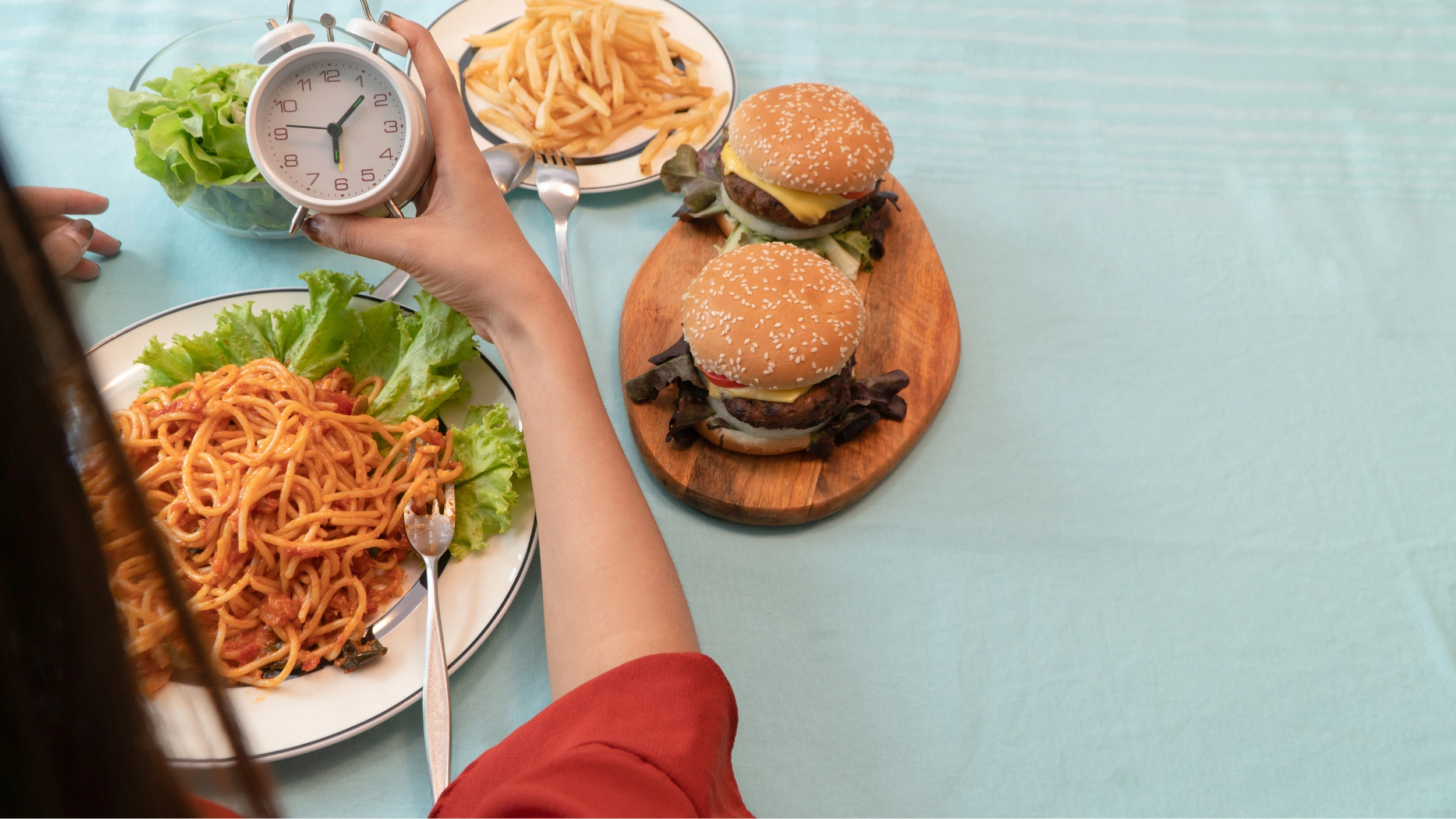
Let's get real: the wellness industry has created a monster. What started as a movement toward health has morphed into an anxiety-inducing maze of contradictory rules, "clean" eating mandates, and the nagging feeling that you're never doing enough. If you're reading this while mentally calculating whether your breakfast was "inflammatory" or if you "earned" your afternoon snack, you're experiencing wellness burnout firsthand.
The symptoms show up in ways you might not immediately recognize as problematic:
- Spending more than an hour daily researching food choices, ingredients, or nutrition information [1]
- Experiencing genuine panic or distress when your usual "safe" foods aren't available
- Declining social invitations because you can't control the food environment
- Feeling morally superior after eating "clean" or ashamed after eating "bad" foods
Here's what many women don't realize: this constant vigilance activates your stress response just as powerfully as any physical threat. Research shows that chronic dietary restraint elevates cortisol levels, which ironically can disrupt the very metabolic processes you're trying to optimize [2]. Your body can't distinguish between the stress of restriction and the stress of an actual crisis.
The mental load is exhausting. You're not just planning meals—you're running complex calculations about nutrient timing, food combining, inflammatory indices, and whether that salad dressing will "undo" your progress. This cognitive burden is a hallmark of disordered eating patterns, even when your behaviors don't meet clinical criteria for a full eating disorder [3].
Orthorexia symptoms deserve special attention here. While not yet officially recognized as a distinct diagnosis in the DSM-5, orthorexia nervosa describes an unhealthy fixation on eating only foods deemed "pure" or "healthy." You might:
- Cut out entire food groups without medical necessity
- Experience severe anxiety when eating foods you haven't prepared yourself
- Judge others based on their food choices
- Notice that your food rules are becoming increasingly restrictive over time
The line between "health-conscious" and "health-anxious" is thinner than most people think. When your hormone balance diet starts to feel like a full-time job rather than a form of nourishment, you've crossed into problematic territory.
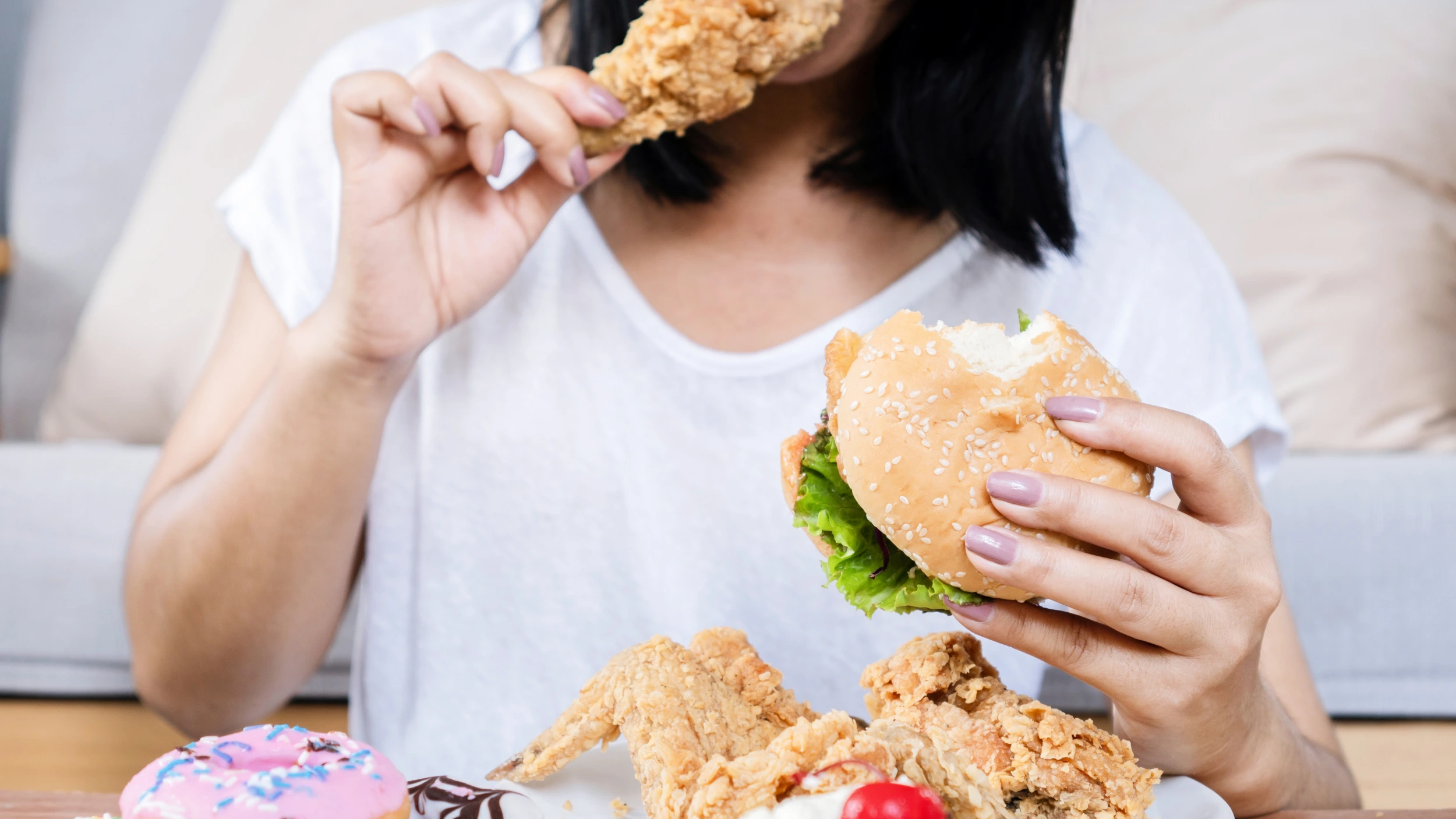
Food guilt is perhaps the most insidious aspect of wellness burnout. That sinking feeling after eating pizza, the mental gymnastics to "make up for" a indulgent meal, the constant internal narrative of "good" days versus "bad" days—none of this is normal, and none of it is necessary for actual health. Studies consistently show that guilt and shame around eating actually predict worse health outcomes, not better ones [4].
Reclaiming Your Relationship with Food and Your Body
Shifting away from rigid wellness rules doesn't mean abandoning your health—it means upgrading your approach to something actually sustainable. Intuitive eating, backed by over 125 studies, offers a framework that's both evidence-based and liberating [5].
The core principle? Your body is not your enemy. It's not trying to sabotage you with cravings or mislead you with hunger signals. When you've spent years overriding these signals with external rules, trusting them again takes practice—but it's absolutely possible.
Start with these foundational shifts:
Reject the diet mentality completely. This isn't about trying another approach that's secretly restriction in disguise. Intuitive eating means genuinely letting go of weight loss as a primary goal and focusing instead on how you actually feel. Research demonstrates that intuitive eaters have lower rates of disordered eating, better body image, and improved psychological well-being compared to chronic dieters [6].
Honor your hunger without negotiation. When you feel physical hunger, eat. Not in 30 minutes, not after you've "earned" it with movement, not only if it fits your meal plan. Biological hunger is your body's fuel gauge, and ignoring it triggers the same survival mechanisms that kept our ancestors alive during famine—which means increased obsession with food, slowed metabolism, and eventual binges [7].
Make peace with all foods. Yes, all of them. The moment you label a food as "off-limits," you give it psychological power. The research here is clear: when people give themselves unconditional permission to eat previously forbidden foods, the intense desire for those foods actually diminishes over time [8]. This isn't about eating cupcakes for every meal—it's about removing the scarcity mindset that drives overconsumption.
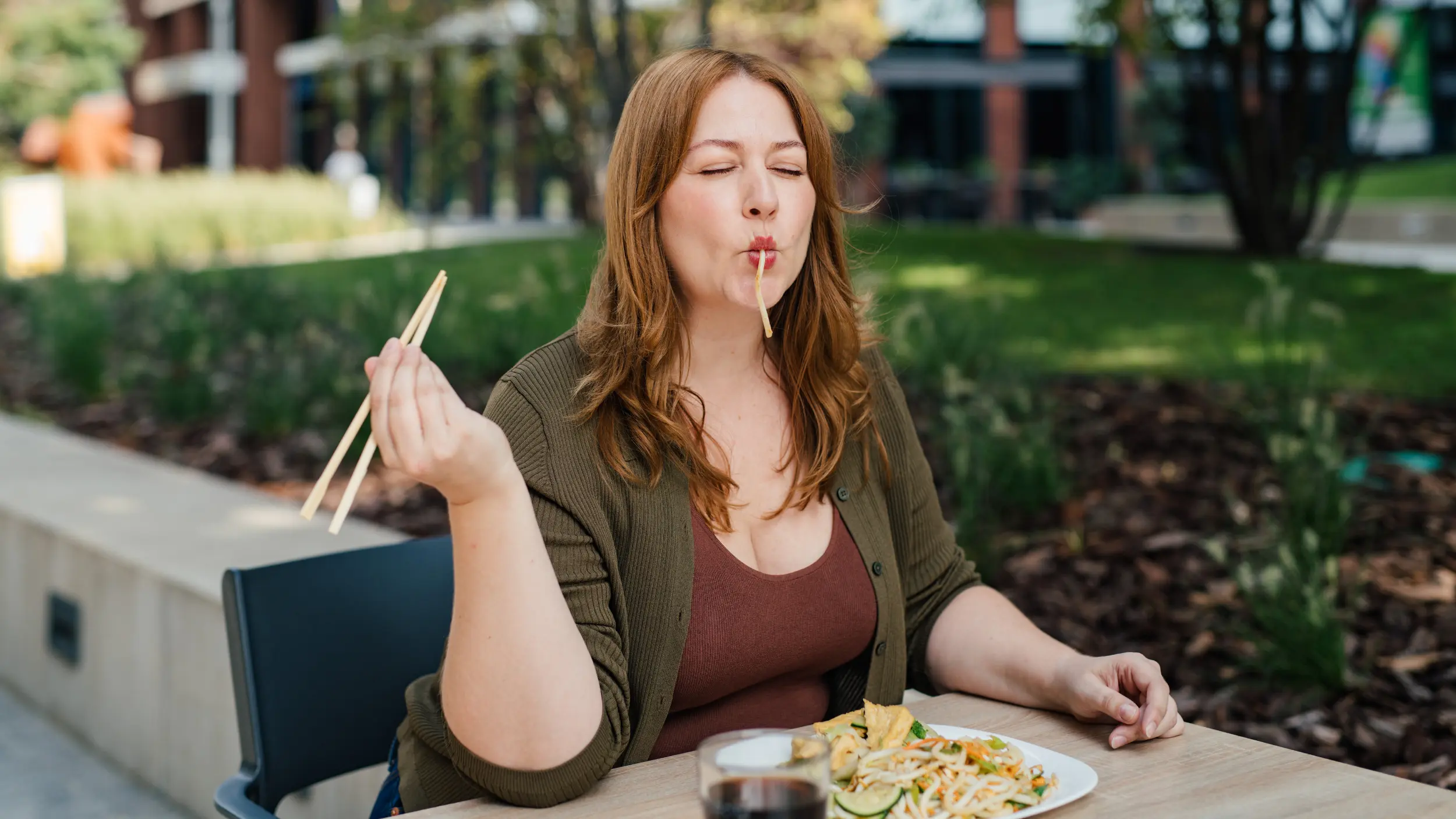
Mindful eating is a beautiful complement to this work, but let's clarify what it actually means. It's not about eating slowly while mentally cataloging every ingredient. It's about presence. Can you taste your food? Do you notice when you're satisfied versus when you're stuffed? Are you eating because you're hungry or because you're bored, anxious, or seeking comfort?
These distinctions matter, but they're observations—not judgments. There's no moral failure in eating for emotional reasons sometimes. In fact, food has always been intertwined with comfort, celebration, and connection. The goal is expanding your coping toolkit so food isn't your only strategy, not eliminating emotional eating entirely.
For those recognizing early orthorexia symptoms in themselves, professional support is crucial. A Registered Dietitian specializing in disordered eating can help you navigate the nuanced space between adequate nutrition and obsessive control. Unlike generic nutrition advice, this specialized care addresses both the practical (ensuring nutritional adequacy) and the psychological (healing your relationship with food).
Addressing food guilt requires active reprogramming. Every time that familiar shame spiral starts after eating something "unplanned," pause and ask: What rule did I supposedly break, and who made that rule? Usually, it's not a doctor or your actual body—it's diet culture, wellness influencers, or the internalized voice of restriction.
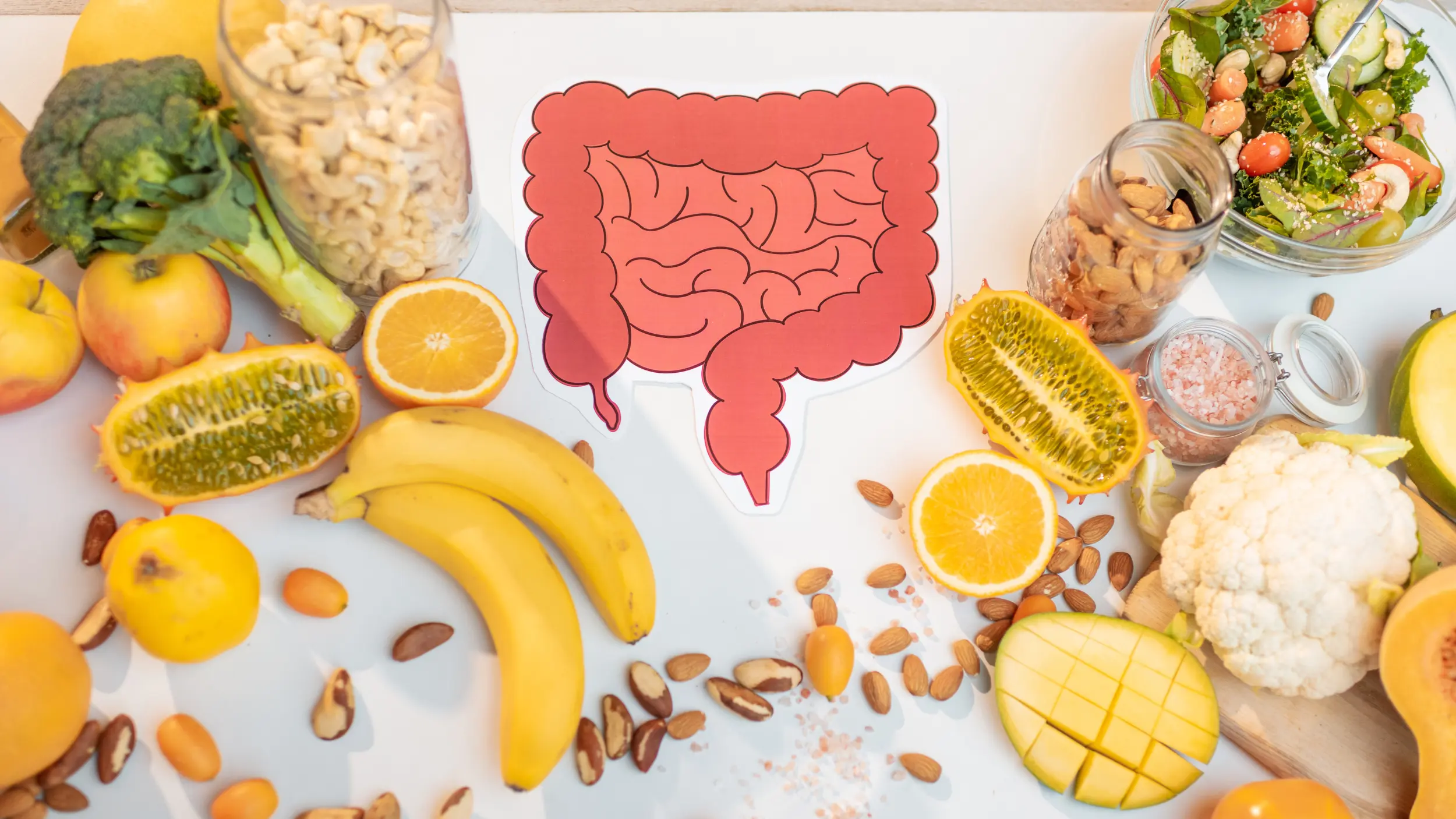
Your gut health actually benefits from food variety and reduced stress around eating. The microbiome thrives on dietary diversity, and chronic stress from dietary restriction can negatively impact gut barrier function [9]. So yes, having the sourdough bread can literally support your digestive wellness.
Finding Balance: Self-Care Beyond the Salad Bowl
Here's the truth bomb: kale salads and morning smoothies are not self-care if they're rooted in punishment or compensation. True self-care for busy women means building practices that genuinely restore you, not just check boxes on someone else's wellness checklist.
Sustainable wellness looks radically different from the highlight reel on social media. It includes:
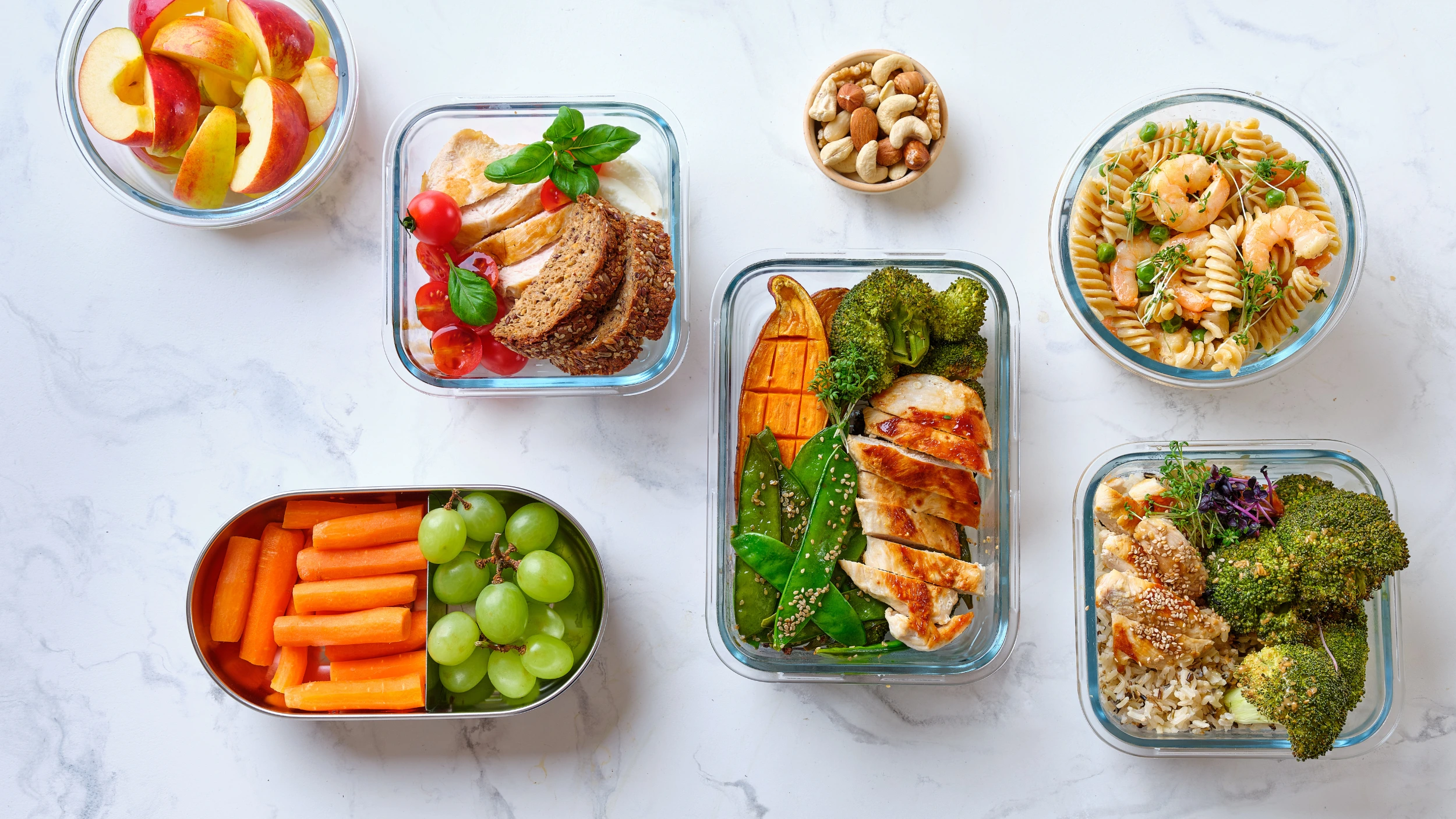
- Choosing the convenient option when you're exhausted rather than forcing an elaborate "clean" meal
- Moving your body in ways that feel good, not punishing workouts to "earn" food or "fix" your body
- Saying no to activities—even "healthy" ones—when you need rest
- Letting go of the optimization obsession and embracing "good enough"
The chronic dieting cycle keeps you stuck in an exhausting loop: restrict, crave, "fail," guilt, restrict harder. Breaking this requires acknowledging that diets have a 95% failure rate over five years—not because you lack willpower, but because your body has robust biological mechanisms designed to prevent starvation [10]. This isn't a character flaw; it's physiology.
Mental health and diet are inextricably linked, but not in the way wellness culture suggests. It's not that eating "clean" will cure your anxiety (if anything, orthorexic patterns increase it). Rather, the stress of chronic dieting, food restriction, and body dissatisfaction actively harms mental health [11]. When you release that burden, you free up enormous mental and emotional bandwidth.
Practical self-care strategies that actually work:
- Set boundaries around wellness content. Unfollow accounts that make you feel inadequate or anxious about food. Your social media feed should inspire you, not trigger comparison or shame.
- Prioritize sleep over early morning workouts. If you're sacrificing sleep to exercise, you're undermining your metabolic health, stress resilience, and appetite regulation [12]. Rest is productive.
- Build a support system that gets it. Surround yourself with people who don't comment on bodies, don't diet-talk at every meal, and understand that health is multidimensional.
- Invest in professional support. Working with a Registered Dietitian who specializes in functional nutrition for stress and energy can help you rebuild a nourishing relationship with food while actually addressing the root causes of fatigue and overwhelm.
Joy is not frivolous—it's a health metric. When's the last time you ate something purely because it brought you pleasure, without any mental justification about its nutritional value? When did you last move your body for fun rather than calorie burn? These experiences aren't indulgences to be "earned"; they're essential components of a life well-lived.
Your wellness practice should make your life bigger, not smaller. If your food rules are shrinking your world—fewer restaurants, declined invitations, reduced spontaneity—they're not serving you. Real health includes the ability to be flexible, to connect with others over shared meals, to travel without anxiety, and to trust yourself around all foods.
Frequently Asked Questions
What are the main signs of wellness burnout?
Wellness burnout manifests as constant anxiety around food choices, guilt after eating certain foods, spending excessive time researching nutrition, declining social events due to food concerns, and feeling that your wellness routine is controlling you rather than supporting you. Physical signs include fatigue, disrupted hunger cues, digestive issues from stress, and ironically, the health problems you were trying to prevent through rigid wellness practices.
How can I practice mindful eating when I'm stressed?
Start incredibly small—choose just one meal or snack per week to eat without distractions. Notice the temperature, texture, and flavors without judgment. When your mind wanders to your to-do list (it will), gently redirect attention to your senses. Remember that mindful eating isn't about eating slowly or perfectly; it's about presence. On particularly stressful days, simply acknowledging "I'm eating while stressed right now" is mindful awareness. That's enough.
Is it normal to feel anxious about healthy eating?
While common in our current culture, anxiety around food is not normal or necessary for health. Mild awareness about nutrition is different from the persistent worry, guilt, and obsessive thoughts that characterize wellness burnout. If food thoughts dominate your mental space, if you experience genuine distress around eating situations, or if your "healthy eating" efforts are impacting your quality of life, that anxiety warrants attention and support. You deserve to eat without emotional turmoil.
Ready to find peace with food and ditch the diet stress? You don't have to navigate this alone. I specialize in helping women break free from wellness burnout and build a truly sustainable, joyful approach to nourishment. Let's create a personalized plan that supports your well-being—not your anxiety. Book your consultation today and start your path toward food freedom.
References
[1] Dunn TM, Bratman S. On orthorexia nervosa: A review of the literature and proposed diagnostic criteria. Eating Behaviors, 2016.
[2] Tomiyama AJ, Mann T, Vinas D, et al. Low calorie dieting increases cortisol. Psychosomatic Medicine, 2010.
[3] Stice E, Gau JM, Rohde P, Shaw H. Risk factors that predict future onset of each DSM-5 eating disorder: Predictive specificity in high-risk adolescent females. Journal of Abnormal Psychology, 2017.
[4] Carbine KA, Duraccio KM, Kirwan CB, et al. A direct comparison between ERP and fMRI measurements of food-related inhibitory control: Implications for BMI status and dietary intake. NeuroImage, 2018.
[5] Tribole E, Resch E. Intuitive Eating: A Revolutionary Anti-Diet Approach. St. Martin's Press, 2020.
[6] Van Dyke N, Drinkwater EJ. Review of the relationships between intuitive eating and health indicators. Public Health Nutrition, 2014.
[7] Keys A, Brozek J, Henschel A, et al. The Biology of Human Starvation. University of Minnesota Press, 1950.
[8] Polivy J, Coleman J, Herman CP. The effect of deprivation on food cravings and eating behavior in restrained and unrestrained eaters. International Journal of Eating Disorders, 2005.
[9] Madison A, Kiecolt-Glaser JK. Stress, depression, diet, and the gut microbiota: human–bacteria interactions at the core of psychoneuroimmunology and nutrition. Current Opinion in Behavioral Sciences, 2019.
[10] Mann T, Tomiyama AJ, Westling E, et al. Medicare's search for effective obesity treatments: diets are not the answer. American Psychologist, 2007.
[11] Mitchison D, Mond J, Bussey K, et al. DSM-5 full syndrome, other specified, and unspecified eating disorders in Australian adolescents: prevalence and clinical significance. Psychological Medicine, 2020.
[12] Depner CM, Melanson EL, Eckel RH, et al. Ad libitum weekend recovery sleep fails to prevent metabolic dysregulation during a repeating pattern of insufficient sleep and weekend recovery sleep. Current Biology, 2019.
.svg)
.svg)





.jpg)
.jpg)








.webp)





























.webp)
.webp)
.webp)
.webp)
.webp)
.webp)
.webp)
.png)
.webp)