.webp)

%2B(7).webp)
.png)
At a Glance
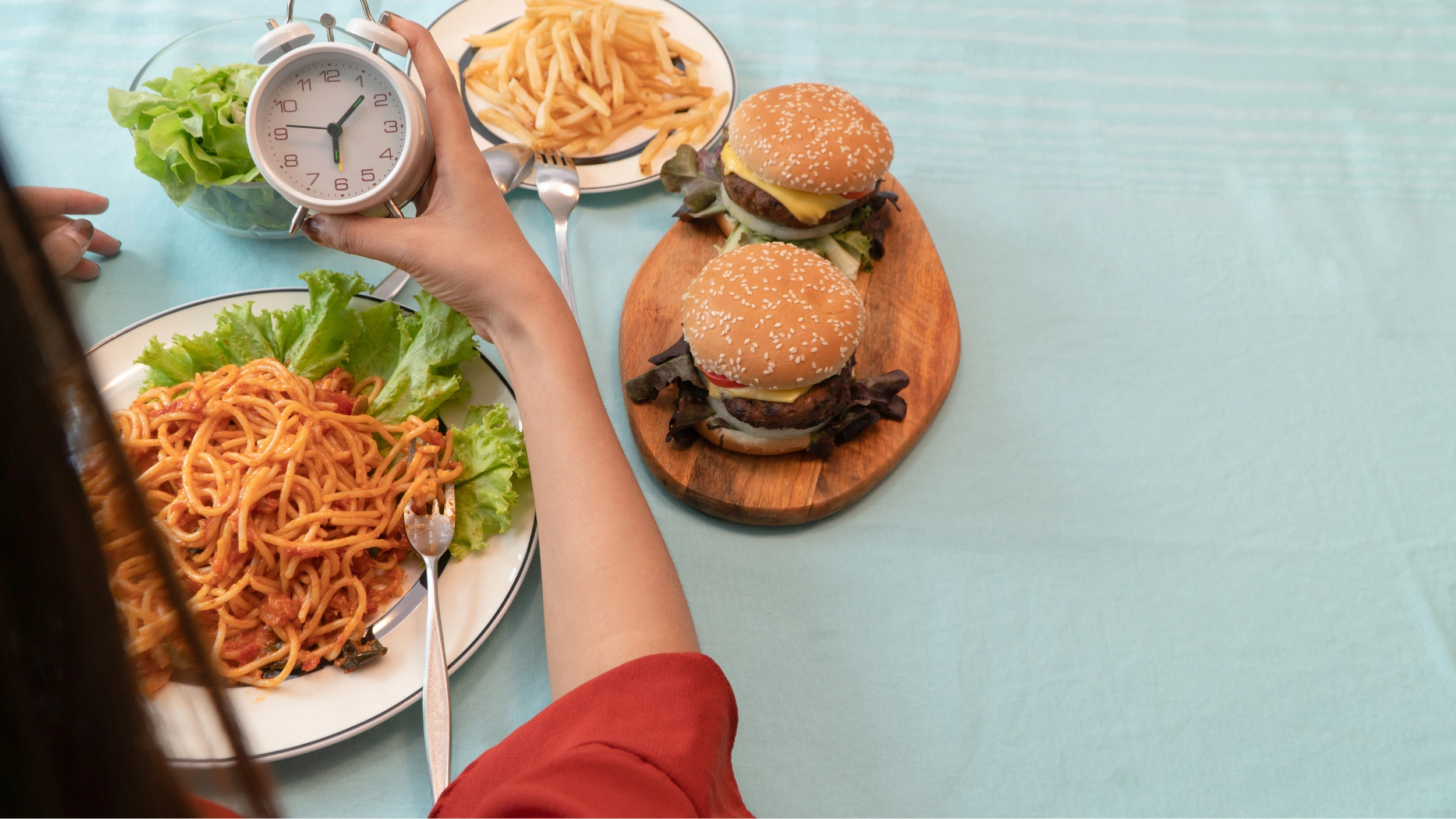
Emotional hunger and physical hunger send completely different signals, yet many of us confuse the two daily. This evidence-based guide breaks down the neurobiological differences between true hunger and emotional eating triggers, giving you practical tools to identify what's really happening in your body. You'll learn validated strategies to stop stress eating and boredom eating while rebuilding a nourishing relationship with food.
Understanding the Difference: Emotional Hunger vs. Physical Hunger
Here's the truth: your brain processes emotional hunger and physical hunger through entirely separate pathways. Physical hunger builds gradually as your blood glucose drops and ghrelin (your hunger hormone) rises [1]. It's patient, flexible about what you eat, and subsides once you're satisfied.
Emotional hunger? That's a completely different beast.
It arrives suddenly, often triggered by stress, loneliness, or even just scrolling through your phone when you're understimulated. Research shows that emotional eating activates the brain's reward centers—specifically the nucleus accumbens and ventral striatum—independent of actual caloric need [2]. This is why emotional hunger demands specific comfort foods (usually high in sugar, fat, or both) and doesn't respond to fullness cues the same way physical hunger does.
The Tell-Tale Signs
- Onset speed: Physical hunger develops over hours. Emotional hunger hits like a wave within minutes.
- Food specificity: True hunger is satisfied by various options—a chicken salad, an apple with almond butter, leftover pasta. Emotional hunger fixates on very particular foods, often those connected to memories or comfort.
- Location of sensation: Physical hunger creates tangible sensations in your stomach—growling, emptiness, even slight nausea if you've waited too long. Emotional hunger lives in your head and heart as an urgent craving.
- Post-eating feelings: Eating when physically hungry brings satisfaction and energy. Eating to soothe emotions often triggers guilt, shame, or physical discomfort because you've eaten past fullness [3].
Identifying your emotional eating triggers is the foundational step. Common triggers include work deadlines, relationship conflicts, social media comparison, hormonal fluctuations (hello, luteal phase), and yes—plain old boredom. When you understand what activates your stress eating patterns, you can interrupt the automatic response.
Strategies to Combat Stress & Boredom Eating
Let's get tactical. Knowing the difference intellectually won't change behavior unless you have solid replacement strategies when emotional hunger strikes.
The 10-Minute Pause Protocol
When a craving hits, commit to a 10-minute pause before eating. During this window:
- Rate your physical hunger on a scale of 1-10 (1 being completely stuffed, 10 being ravenous)
- Identify your current emotional state using specific words: anxious, lonely, frustrated, overwhelmed, bored
- Ask yourself: What do I actually need right now that food cannot provide?
This isn't about restriction or willpower. It's about creating space between stimulus and response. Studies on mindful eating interventions show that even brief pause practices significantly reduce binge eating episodes and improve interoceptive awareness—your ability to accurately read your body's signals [4].
Stress-Specific Interventions
Stress eating happens because cortisol genuinely increases appetite and cravings for energy-dense foods [5]. Your body isn't broken—it's responding to a perceived threat by seeking quick fuel. The solution isn't to override this response but to address the root stressor.
Effective alternatives include:
- Five minutes of box breathing (4 counts in, 4 hold, 4 out, 4 hold) to activate your parasympathetic nervous system
- A 10-minute walk outside, which reduces cortisol more effectively than remaining sedentary
- Texting or calling a friend—social connection is a primary stress buffer
- Engaging your hands with a non-food activity: gardening, painting, folding laundry, playing with a pet
For chronic stress patterns affecting your eating, exploring functional nutrition approaches to stress and energy can provide deeper metabolic support.
Boredom Eating Solutions
Boredom eating stems from understimulation, not hunger. Your brain craves novelty and dopamine, and food—especially hyperpalatable processed foods—delivers both quickly [6].
The fix requires increasing baseline stimulation:
- Structure your environment. Keep only foods that require preparation visible. Store snacks in opaque containers on higher shelves.
- Create a "boredom menu" of 10 engaging activities you can do in under 15 minutes: podcast episodes, craft projects, stretching routines, calling someone you've been meaning to catch up with.
- Assess if you're genuinely getting enough cognitive and social stimulation throughout your day. Chronic boredom often signals a need for life adjustments beyond food.
Mindful Eating as a Practice
Mindful eating isn't just eating slowly with your phone away (though that helps). It's systematically rebuilding your attention to sensory experience and satiety signals.
Try this at your next meal:
- Before eating, take three deep breaths and check in with your hunger level
- Eat the first three bites without distraction, noticing texture, temperature, flavor complexity
- Put your utensil down between bites
- Stop halfway through and reassess your fullness level
Research demonstrates that mindful eating interventions reduce emotional eating frequency by up to 30% over eight weeks [7]. The practice literally rewires the neural pathways between eating and awareness.
Rebuilding Your Relationship with Food
Here's what I need you to understand: emotional eating isn't a character flaw or lack of discipline. It's a learned coping mechanism that once served a purpose. Maybe food was the most reliable source of comfort in your childhood. Maybe restriction and bingeing have been locked in a cycle for years. Maybe you're navigating hormonal changes that genuinely amplify cravings.
The goal isn't perfection. It's progress toward eating that nourishes both your body and your emotional needs without relying on food as your primary coping tool.
Understanding Your Food Cravings
Not all cravings are emotional. Sometimes your body is communicating legitimate nutritional needs:
- Craving chocolate before your period? Magnesium needs genuinely increase during the luteal phase [8]. Choose dark chocolate with 70%+ cacao or supplement with magnesium glycinate.
- Constantly wanting salty, crunchy foods? Assess your mineral intake and stress levels—both deplete sodium.
- Sweet cravings throughout the day? Check your protein distribution. Inadequate protein at breakfast triggers blood sugar instability and subsequent sugar cravings [9].
Balancing your hormones through strategic nutrition can naturally reduce the intensity and frequency of cravings.
How to Stop Emotional Eating (The Real Answer)
You don't actually want to "stop" emotional eating entirely—you want to expand your emotional regulation toolkit so food isn't your only option.
This requires:
Building emotional capacity. Most of us weren't taught to sit with uncomfortable emotions. We learned to distract, numb, or fix them immediately. Developing tolerance for feelings like anxiety, sadness, or frustration without immediately reacting takes practice. Start with 60 seconds of simply noticing an emotion without acting on it.
Addressing the underlying need. If you're eating because you're lonely, the real solution is connection. If you're eating because you're exhausted, the solution is rest. If you're eating because you're unfulfilled, the solution is reconnecting with purpose. Food can't solve non-food problems, no matter how much we eat.
Removing moral labels from food. The guilt and shame cycle around eating actually increases emotional eating [10]. When you eat something and then mentally beat yourself up, you've created more negative emotion—which often triggers more eating to soothe that new discomfort.
Instead, practice neutral observation: "I ate past fullness tonight. I was stressed about the presentation tomorrow. Next time I feel that way, I'll try calling my sister first."
The Role of Gut Health
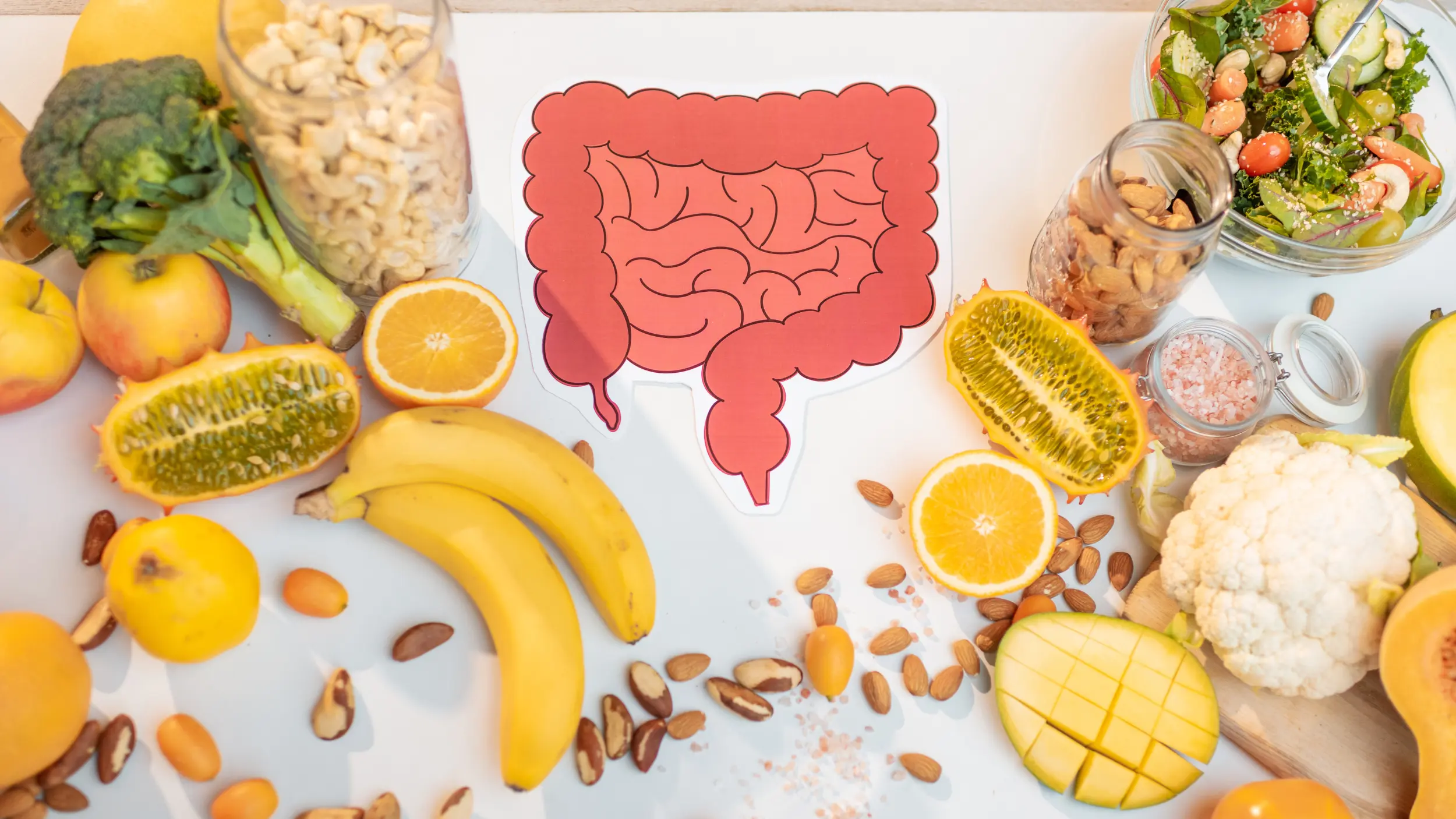
Emerging research shows that your gut microbiome directly influences mood, anxiety levels, and eating behavior through the gut-brain axis [11]. An imbalanced microbiome can intensify emotional eating patterns by affecting neurotransmitter production, particularly serotonin (95% of which is produced in your gut).
Supporting your gut health and microbiome with diverse fiber sources, fermented foods, and appropriate probiotic support can reduce the biological drivers of emotional eating.
Creating a Sustainable Framework
The most effective approach combines three elements:
- Consistent meal timing: Eating at roughly the same times daily stabilizes blood sugar and reduces false hunger signals caused by erratic eating patterns.
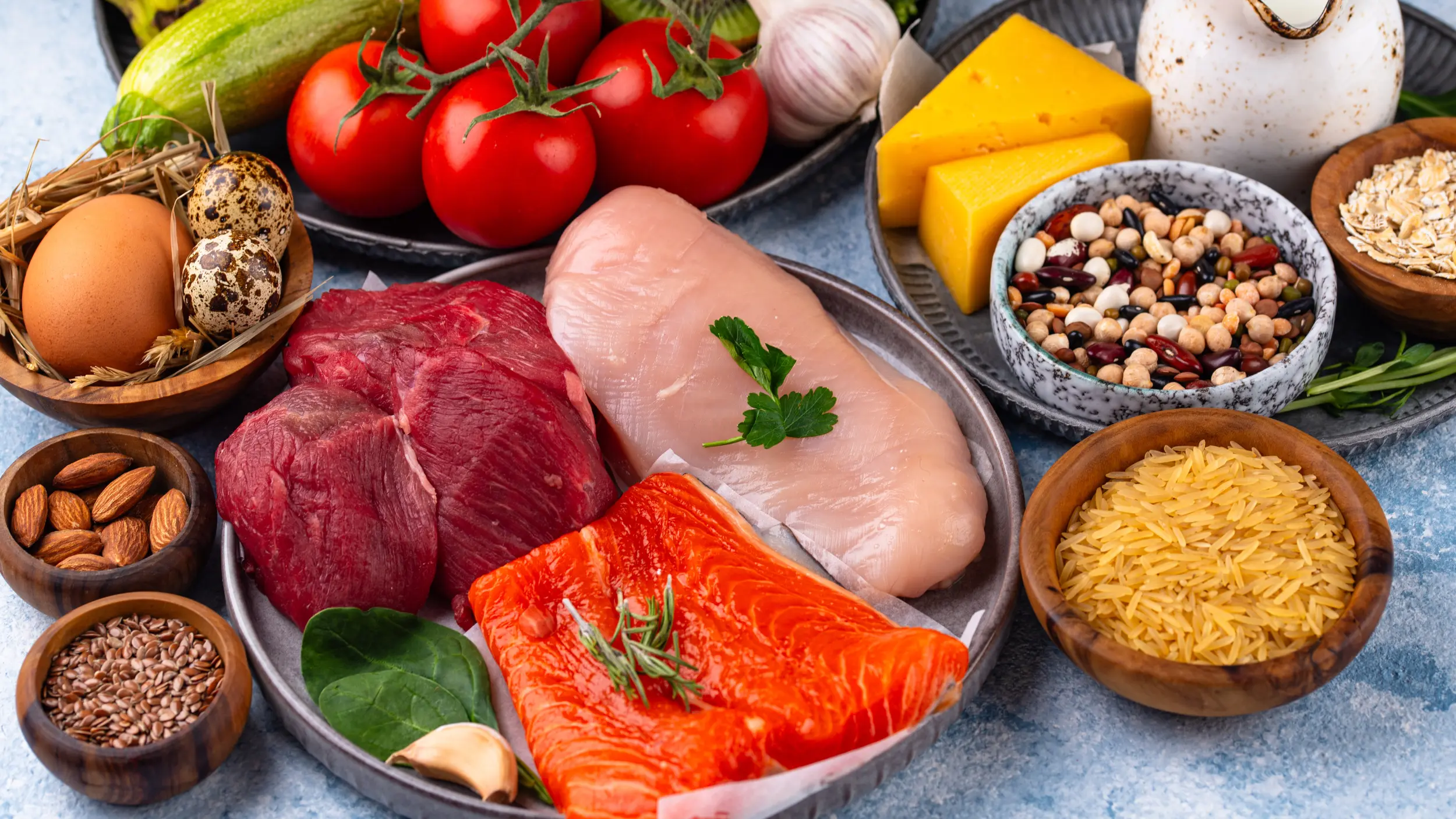
- Adequate nutrition: Restriction breeds preoccupation with food. Ensure you're eating enough overall calories, protein (aim for 25-30g per meal), and satisfying foods you actually enjoy.
- Alternative coping strategies: Develop a personalized menu of stress-relief and mood-regulation tools that don't involve food. The more options you have, the less you'll default to eating.
Frequently Asked Questions
What are the main signs of emotional hunger?
Emotional hunger comes on suddenly (versus the gradual build of physical hunger), demands specific comfort foods, originates in your mind rather than your stomach, and often leads to eating past the point of comfortable fullness. You'll typically feel guilt or regret afterward rather than satisfaction. The craving persists even after you've recently eaten a full meal.
How can I tell if I'm stress eating?
Stress eating usually occurs during or immediately after a stressful event—a difficult conversation, work deadline, or overwhelming task. You'll notice you're reaching for food while still physically full, often eating quickly and mindlessly. The eating provides temporary emotional relief but doesn't address the underlying stressor. Track your eating patterns against your stress levels for a week to identify clear correlations.
What's the best way to stop emotional eating?
The most effective approach isn't "stopping" but rather expanding your emotional regulation toolkit. Implement the 10-minute pause before eating to identify true hunger versus emotional needs. Develop 5-7 alternative coping strategies for stress, boredom, and difficult emotions. Address the root causes—whether that's chronic stress, inadequate sleep, hormonal imbalances, or unmet emotional needs. Work with a registered dietitian who specializes in the emotional and physiological aspects of eating behavior for personalized support.
Take the Next Step
Understanding the difference between emotional hunger and physical hunger is powerful, but personalized guidance makes all the difference. If you're ready to break free from stress eating patterns and build a truly peaceful relationship with food, I'm here to help.
Book a personalized consultation at www.usevedic.com and let's create a sustainable plan tailored specifically to your body, your life, and your goals.
References
[1] Blundell J, et al. Appetite control: methodological aspects of the evaluation of foods. Obesity Reviews, 2010.
[2] Bohon C. Brain response to food cues and satiation in adolescent girls with emotional eating. Appetite, 2014.
[3] Frayn M, Knäuper B. Emotional eating and weight in adults: a review. Current Psychology, 2018.
[4] Katterman SN, et al. Mindfulness meditation as an intervention for binge eating, emotional eating, and weight loss: a systematic review. Eating Behaviors, 2014.
[5] Hewagalamulage SD, et al. Stress, cortisol, and obesity: a role for cortisol responsiveness in identifying individuals prone to obesity. Domestic Animal Endocrinology, 2016.
[6] Moynihan AB, et al. Eaten up by boredom: consuming food to escape awareness of the bored self. Frontiers in Psychology, 2015.
[7] O'Reilly GA, et al. Mindfulness-based interventions for obesity-related eating behaviours: a literature review. Obesity Reviews, 2014.
[8] Dye L, Blundell JE. Menstrual cycle and appetite control: implications for weight regulation. Human Reproduction, 1997.
[9] Leidy HJ, et al. The role of protein in weight loss and maintenance. American Journal of Clinical Nutrition, 2015.
[10] Kuijer RG, Boyce JA. Chocolate cake. Guilt or celebration? Associations with healthy eating attitudes, perceived behavioural control, intentions and weight-loss. Appetite, 2014.
[11] Mayer EA, et al. Gut microbes and the brain: paradigm shift in neuroscience. Journal of Neuroscience, 2014.
.svg)
.svg)





















.webp)
.webp)
.webp)
.webp)

.webp)

.webp)
.webp)
.webp)

.webp)

.webp)
.webp)
.webp)

.webp)

.webp)