.webp)
.png)
%2B(7).webp)
.png)
At a Glance
The debate around seed oils vs tallow has gained serious traction, and for good reason—the fats you cook with directly impact inflammation, hormone balance, and metabolic health. Seed oils are heavily processed polyunsaturated fats prone to oxidation, while tallow is a stable, nutrient-dense saturated fat our ancestors thrived on for centuries. This guide breaks down the science, safety, and practical swaps so you can choose the best fats for your body.
Understanding the Basics: What Are Seed Oils and Tallow?
Seed oils refer to industrial vegetable oils extracted from seeds like soybean, corn, canola, sunflower, safflower, and cottonseed. These oils didn't exist in our food supply until the early 1900s, when chemical extraction processes made mass production possible [1].
The manufacturing process involves:
- Heating seeds to extremely high temperatures
- Using chemical solvents like hexane to extract the oil
- Degumming, bleaching, and deodorizing the final product
This intensive refining strips away any natural antioxidants and creates a product that's highly unstable when exposed to heat, light, or oxygen [2].
Tallow, on the other hand, is rendered fat from beef or lamb. It's been a culinary staple for thousands of years. The rendering process is remarkably simple: animal fat is gently heated until it melts, then strained. That's it. No chemicals, no industrial machinery, no deodorizers.
Tallow is composed primarily of saturated and monounsaturated fats, making it incredibly stable at high temperatures. It also contains fat-soluble vitamins like A, D, E, and K2, plus conjugated linoleic acid (CLA), which has been studied for its potential anti-inflammatory and metabolic benefits [3].
The composition difference:
- Seed oils contain 50-70% polyunsaturated fatty acids (PUFAs), primarily omega-6 linoleic acid
- Tallow contains roughly 50% saturated fat, 42% monounsaturated fat, and only 4% polyunsaturated fat [4]
This structural distinction is exactly why these fats behave so differently in your body—and in your skillet.
The Health Impact: Inflammation, Heart Health, and More
Here's where things get real. The conversation around inflammation and seed oils has exploded in scientific literature, and the findings are honestly eye-opening.
The Omega-6 Overload Problem
Our bodies need both omega-6 and omega-3 fatty acids, but the ratio matters immensely. Traditional diets maintained a ratio somewhere between 1:1 and 4:1. Today? The average American consumes a ratio closer to 20:1, largely due to the prevalence of seed oils in processed foods [5].
When omega-6 intake increases substantially, your body produces more pro-inflammatory compounds called eicosanoids. This chronic low-grade inflammation is linked to conditions like endometriosis, PCOS, autoimmune disorders, and metabolic syndrome—issues I see constantly in my practice with women in their prime reproductive years [6].
Oxidative Stress and Cellular Damage
PUFAs are chemically fragile. When seed oils are heated during cooking (or even during processing), they oxidize, creating harmful byproducts like aldehydes and lipid peroxides [7]. These compounds damage cell membranes, contribute to insulin resistance, and may accelerate aging at the cellular level.
One study found that heating sunflower and corn oil to frying temperatures produced aldehydes at levels 20 times higher than recommended safety limits [8].
What About Heart Health?
The "saturated fat causes heart disease" narrative has been thoroughly challenged in recent years. Multiple meta-analyses have found no significant association between saturated fat intake and cardiovascular disease risk [9]. In fact, some research suggests that replacing saturated fats with refined seed oils may actually increase cardiovascular risk, particularly when those oils are oxidized [10].
Tallow's saturated fat content supports hormone production (your sex hormones are literally made from cholesterol), provides stable energy, and doesn't contribute to the oxidative stress that seed oils create. For women managing hormonal balance, this stability is golden. If you're working on hormone balance through diet, the fats you choose play a starring role.
Benefits of Tallow for Metabolic Health
Tallow contains stearic acid, a unique saturated fat that's been shown to improve insulin sensitivity and may even support healthy weight management [11]. It also provides CLA, which has demonstrated anti-inflammatory properties in multiple studies [12].
Plus, because tallow is so satisfying and rich, you naturally use less of it. A tablespoon goes a long way, helping you feel fuller longer without the blood sugar roller coaster that comes from meals cooked in inflammatory oils.
The Gut Connection
Emerging research shows that a high omega-6 intake from seed oils may negatively impact your gut microbiome diversity and intestinal barrier function [13]. Given that gut health influences everything from immunity to mood to skin clarity, this connection matters. If you're focused on optimizing your gut health, swapping seed oils for more stable fats is a strategic move.
Making the Switch: Tallow Alternatives and Cooking Tips
Ready to make some practical changes? I'm here to make this as smooth as possible.
Best Seed Oil Alternatives
Beyond tallow, here are my top recommendations for healthy fats for cooking:
- Grass-fed butter or ghee – Rich in butyrate (gut-healing) and vitamin K2 (bone health), perfect for medium-heat cooking
- Coconut oil – High in medium-chain triglycerides (MCTs) that support energy and metabolism
- Avocado oil – High smoke point and primarily monounsaturated; choose cold-pressed, unrefined versions
- Extra virgin olive oil – Incredible for low-heat cooking and dressings; packed with polyphenols
- Duck fat or lard – Similar benefits to tallow with slightly different flavor profiles
How to Cook with Tallow
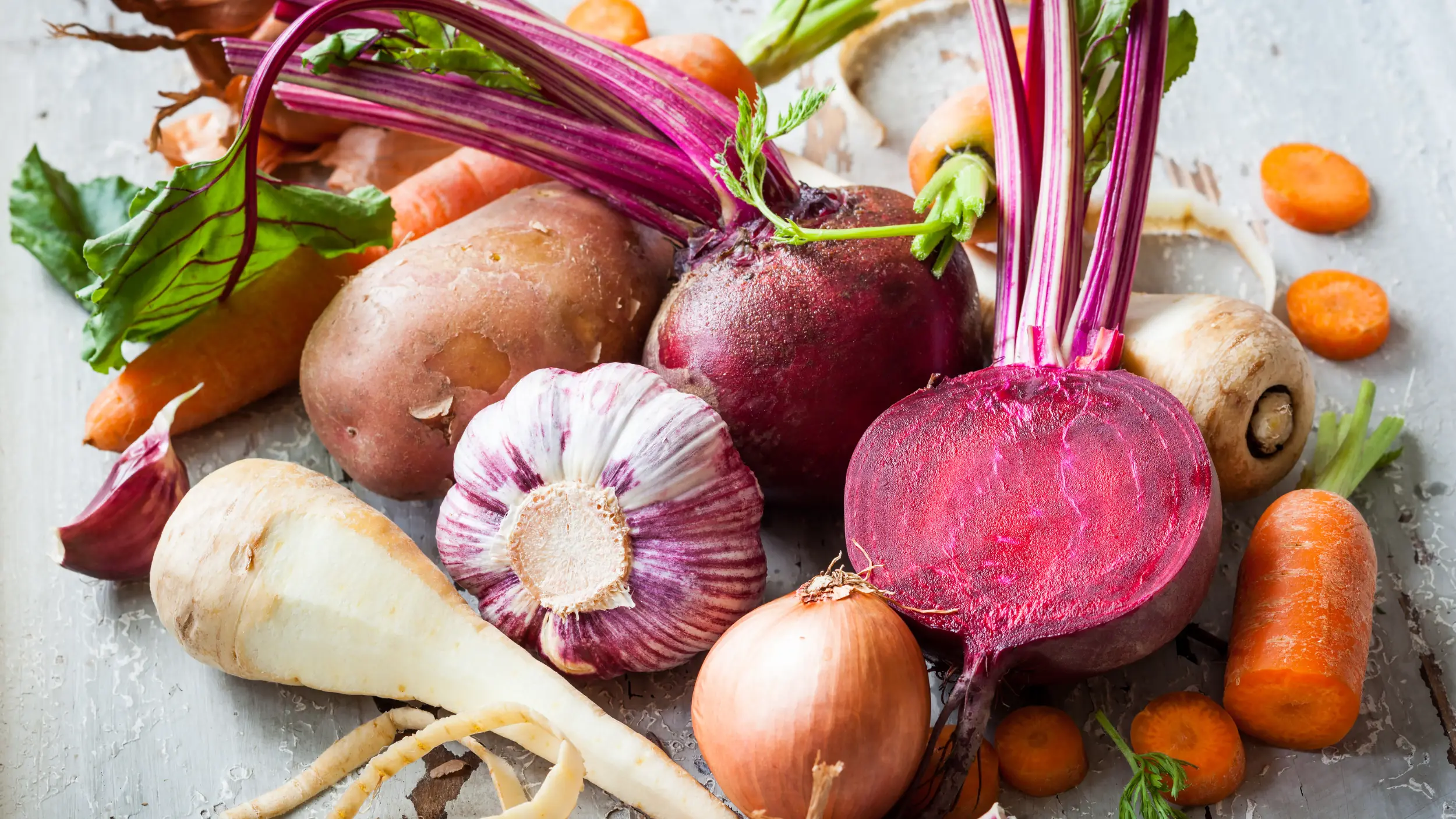
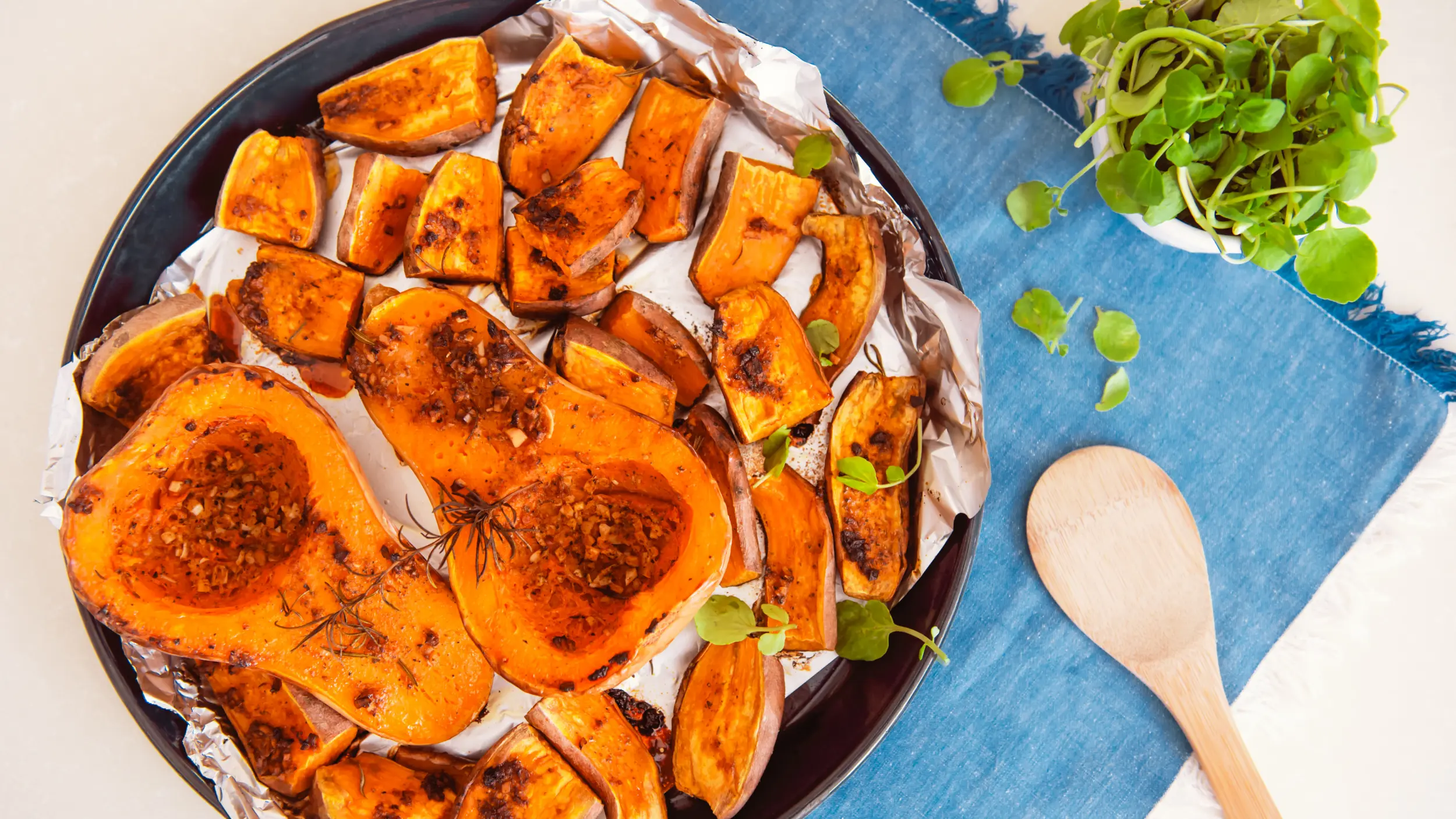
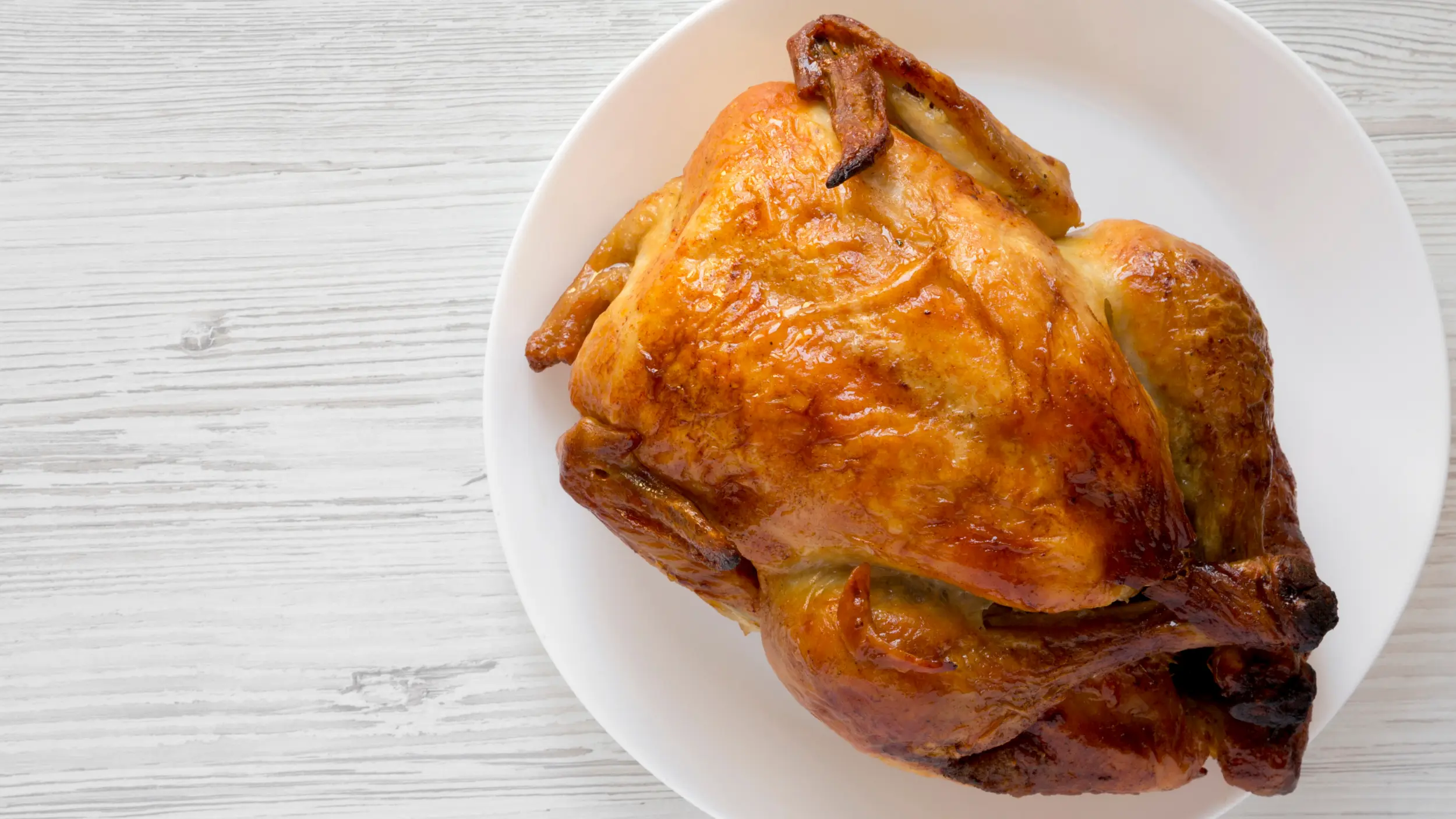
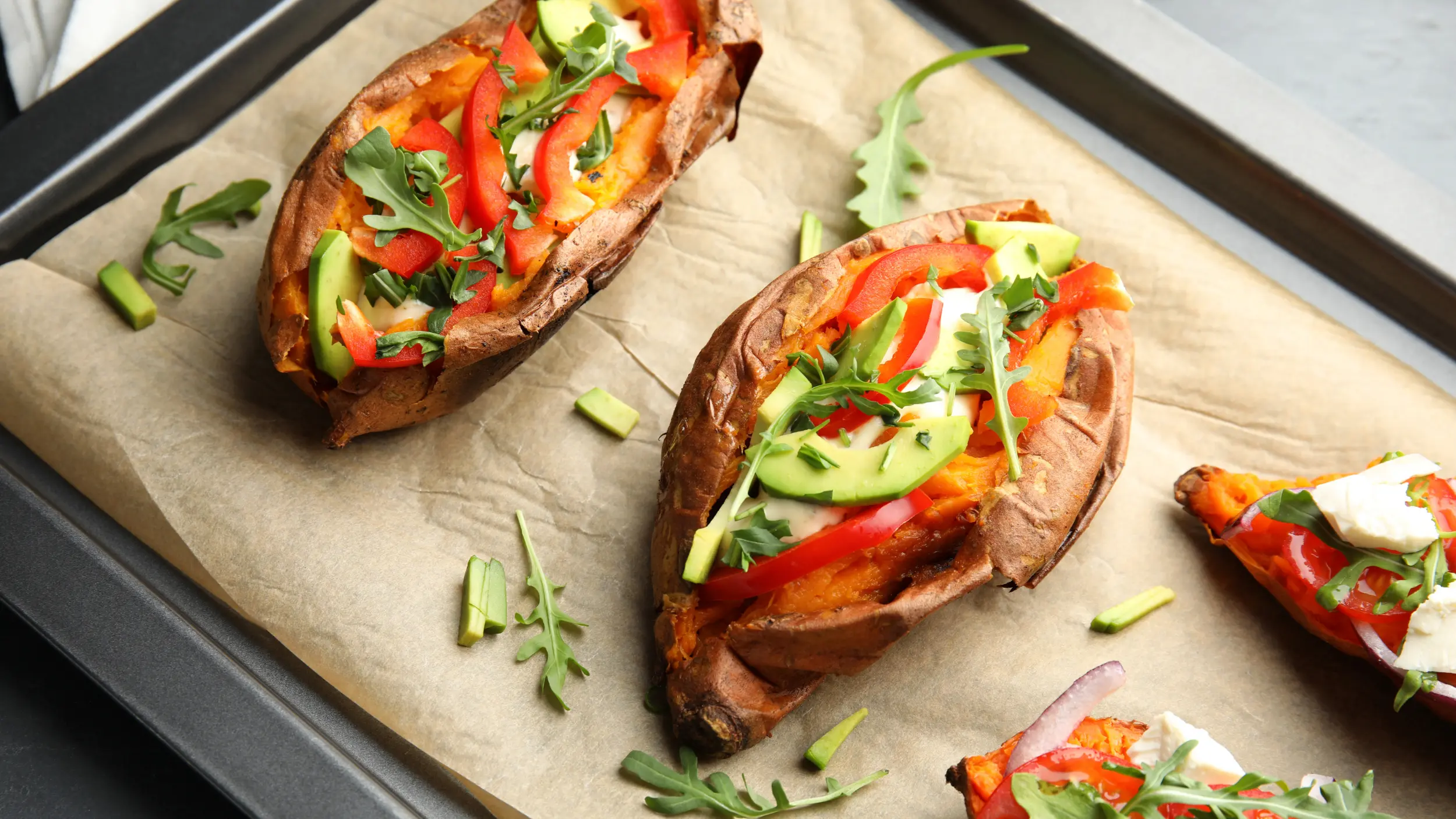
Tallow has a smoke point around 400°F, making it ideal for:
For baking, tallow works beautifully in savory recipes like biscuits or pie crusts. It creates a flaky texture similar to butter but with a subtle, savory richness.
Pro tip: Start with refined tallow if you're new to it—it has a milder flavor. Once you're comfortable, try grass-fed tallow for maximum nutrient density.
Where to Source Quality Tallow
Look for grass-fed, pasture-raised tallow from reputable sources. You can find it at:
- Local butcher shops or farmers markets
- Online retailers specializing in regenerative agriculture products
- Health food stores (check the refrigerated section)
Or render your own! Ask your butcher for grass-fed beef fat (suet), chop it into chunks, and slow-cook it in a crockpot on low for 6-8 hours. Strain, pour into jars, and store in the fridge for months.
Reading Labels Like a Pro
When eliminating seed oils, watch for these sneaky names on ingredient lists:
- Vegetable oil
- Soybean oil (in everything)
- Canola oil
- Corn oil
- Sunflower or safflower oil
- "Partially hydrogenated" anything
These oils hide in salad dressings, mayo, crackers, nut butters, and restaurant foods. Making your own dressings and sauces at home gives you total control.
Balancing Your Approach
Listen—I'm not here to create food fear or perfection pressure. If you're out with friends and the restaurant uses seed oils, enjoy your meal. The goal is to shift your baseline at home where you have the most control. Focus on progress, not perfection. If you're dealing with stress and energy management, the last thing you need is dietary rigidity adding more stress.
Frequently Asked Questions
Q1: Are all seed oils bad for you?
Not necessarily "bad" in small amounts, but the issue is volume and processing. Cold-pressed, unrefined versions of certain seed oils (like flaxseed oil used raw in dressings) can provide omega-3s. However, the refined, heavily processed seed oils used in most packaged foods and restaurants—soybean, corn, canola—contribute to excessive omega-6 intake and oxidative stress when heated. The dangers of seed oils primarily stem from their industrial processing, instability at high heat, and the sheer quantity most people consume unknowingly.
Q2: Can I use tallow for baking?
Absolutely! Tallow works wonderfully in savory baked goods like biscuits, scones, or pie crusts, creating a beautifully flaky texture. For sweet baking, I'd recommend sticking with butter or coconut oil since tallow has a subtle beefy flavor that doesn't pair well with desserts. The key tallow benefit here is its stability—it won't oxidize during baking like seed oils can.
Q3: What are the main dangers of consuming too many seed oils?
The primary concerns include chronic inflammation from omega-6 overload, oxidative stress from damaged PUFAs, potential impacts on insulin sensitivity and metabolic health, disruption of gut barrier function, and interference with hormone production [14]. For women in their reproductive years, this can manifest as irregular cycles, worsening PMS, stubborn weight gain around the midsection, fatigue, and skin issues. It's not about demonizing one food—it's about understanding that these oils have become ubiquitous in our food supply in a way that doesn't align with our biology.
Ready to create a personalized nutrition plan that feels right for you? Let's chat! Book a consultation today at www.usevedic.com to discuss your goals and how we can achieve them together.
References
[1] Blasbalg TL, Hibbeln JR, Ramsden CE, et al. Changes in consumption of omega-3 and omega-6 fatty acids in the United States during the 20th century. American Journal of Clinical Nutrition, 2011.
[2] Grootveld M, Silwood CJ, Addis P, et al. Health effects of oxidized heated oils. Foodservice Research International, 2001.
[3] Daley CA, Abbott A, Doyle PS, et al. A review of fatty acid profiles and antioxidant content in grass-fed and grain-fed beef. Nutrition Journal, 2010.
[4] United States Department of Agriculture. FoodData Central: Beef tallow. USDA FoodData Central, 2024.
[5] Simopoulos AP. The importance of the ratio of omega-6/omega-3 essential fatty acids. Biomedicine & Pharmacotherapy, 2002.
[6] Patterson E, Wall R, Fitzgerald GF, et al. Health implications of high dietary omega-6 polyunsaturated fatty acids. Journal of Nutrition and Metabolism, 2012.
[7] Kanner J. Dietary advanced lipid oxidation endproducts are risk factors to human health. Journal of Agricultural and Food Chemistry, 2017.
[8] Grootveld M, Percival BC, Leenders J, et al. Potential adverse public health effects afforded by the ingestion of dietary lipid oxidation product toxins. Food Chemistry, 2021.
[9] Siri-Tarino PW, Sun Q, Hu FB, Krauss RM. Meta-analysis of prospective cohort studies evaluating the association of saturated fat with cardiovascular disease. American Journal of Clinical Nutrition, 2010.
[10] Ramsden CE, Zamora D, Majchrzak-Hong S, et al. Re-evaluation of the traditional diet-heart hypothesis: analysis of recovered data from Minnesota Coronary Experiment. BMJ, 2016.
[11] Wang Y, Jacome-Sosa MM, Proctor SD. The role of ruminant trans fat as a potential nutraceutical in the prevention of cardiovascular disease. Food Research International, 2012.
[12] Lehnen TE, da Silva MR, Camacho A, et al. A review on effects of conjugated linoleic fatty acid (CLA) upon body composition and energetic metabolism. Journal of the International Society of Sports Nutrition, 2015.
[13] Ghosh S, DeCoffe D, Brown K, et al. Fish oil attenuates omega-6 polyunsaturated fatty acid-induced dysbiosis and infectious colitis. Journal of Immunology, 2013.
[14] DiNicolantonio JJ, O'Keefe JH. Omega-6 vegetable oils as a driver of coronary heart disease: the oxidized linoleic acid hypothesis. Open Heart, 2018.
.svg)
.svg)




.jpg)
.jpg)











.webp)





























.webp)
.webp)
.webp)
.webp)
.webp)
.webp)
.webp)
.png)
.webp)
.webp)
.webp)
.webp)
.webp)
.webp)
.webp)
.webp)
.webp)
.webp)
.webp)
.webp)


.webp)
.png)