.webp)
.webp)
%2B(7).webp)
.png)
At a Glance
The 30-30-30 morning routine is a structured 90-minute wellness practice that divides your early hours into three intentional segments: peaceful awakening, mindful nourishment, and purposeful movement. This evidence-based approach helps women aged 24-45 optimize energy levels, enhance mental clarity, and establish sustainable healthy habits. By dedicating just 30 minutes to each component, you'll create a powerful foundation that ripples positively throughout your entire day.
Welcome, Friend! Let's Transform Your Mornings
I'm going to be completely honest with you: the way you spend your first 90 minutes sets the biochemical and psychological tone for everything that follows. If you're waking up to blaring alarms, scrolling through your phone in bed, skipping breakfast, and rushing out the door with your cortisol levels already spiking—your body is starting from a deficit.
The 30-30-30 morning routine flips that script entirely. This isn't about adding more stress to your plate or waking up at 4 AM like some productivity guru. It's about strategically structuring your morning to support your hormonal health, metabolic function, and mental well-being. Research shows that consistent morning routines significantly reduce perceived stress and improve overall life satisfaction [1].
What I love most about this approach? It's adaptable. Whether you're a corporate professional, a busy mom, or someone navigating shift work, the principles remain the same. You're going to learn how to build a morning ritual that actually serves your unique physiology and lifestyle.
Setting the Stage: Your Peaceful Start (First 30 Minutes)
This initial window is sacred. Your cortisol naturally peaks within 30-45 minutes of waking—that's your body's built-in alarm system [2]. Instead of adding artificial stressors (hello, doomscrolling), we're going to work with your circadian rhythm to create a gentle transition from sleep to wakefulness.
Skip the Snooze Button
I know, I know. But hear me out. That fragmented, low-quality sleep you get between alarms actually makes you groggier. When you snooze repeatedly, you're disrupting your sleep architecture and confusing your internal clock [3]. Set one alarm and place your phone across the room. The physical act of getting up will activate your alertness systems naturally.
Hydrate Immediately
Before coffee, before checking anything—drink 16-20 ounces of room temperature water. After 6-8 hours of sleep, you're mildly dehydrated, which directly impairs cognitive function and energy metabolism [4]. I like to add a pinch of sea salt and a squeeze of lemon to support electrolyte balance and gently stimulate digestion.
Practice Intentional Stillness
This doesn't have to mean sitting cross-legged chanting mantras (unless that's your thing!). Spend 10-15 minutes in a practice that grounds you:
- Meditation or breathwork
- Gentle stretching or yoga
- Journaling three things you're grateful for
- Simply sitting with your coffee in silence
Studies consistently show that morning mindfulness practices reduce anxiety, improve emotional regulation, and enhance focus throughout the day [5]. The goal isn't perfection—it's presence.
Get Natural Light Exposure
Here's where the magic really happens. Within 30-60 minutes of waking, get yourself outside or near a bright window for at least 10 minutes. Natural light exposure in the morning anchors your circadian rhythm, improves nighttime sleep quality, and boosts serotonin production [6]. This single habit is one of the most powerful (and free!) wellness interventions available.
If you live somewhere with limited morning light during winter months, consider a 10,000 lux light therapy lamp. The research supporting this for mood and energy regulation is substantial [7].
Fueling Your Body & Mind: Nourishment for Success (Next 30 Minutes)
This is where we talk about one of my favorite topics: strategic nutrition that supports your goals instead of sabotaging them. What you eat in the morning directly influences your blood sugar stability, hunger hormones, and cognitive performance for hours afterward.
The Breakfast Non-Negotiables
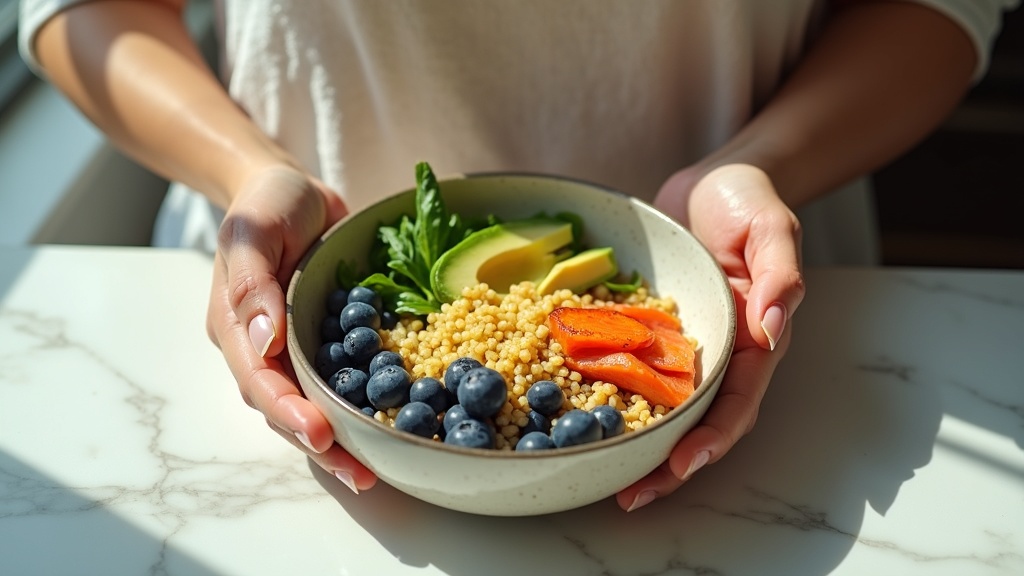
I want you to think of breakfast as an opportunity to send powerful metabolic signals. Your first meal should accomplish three things:
- Stabilize blood glucose to prevent the mid-morning crash
- Provide sustained energy without triggering inflammation
- Support neurotransmitter production for mental clarity
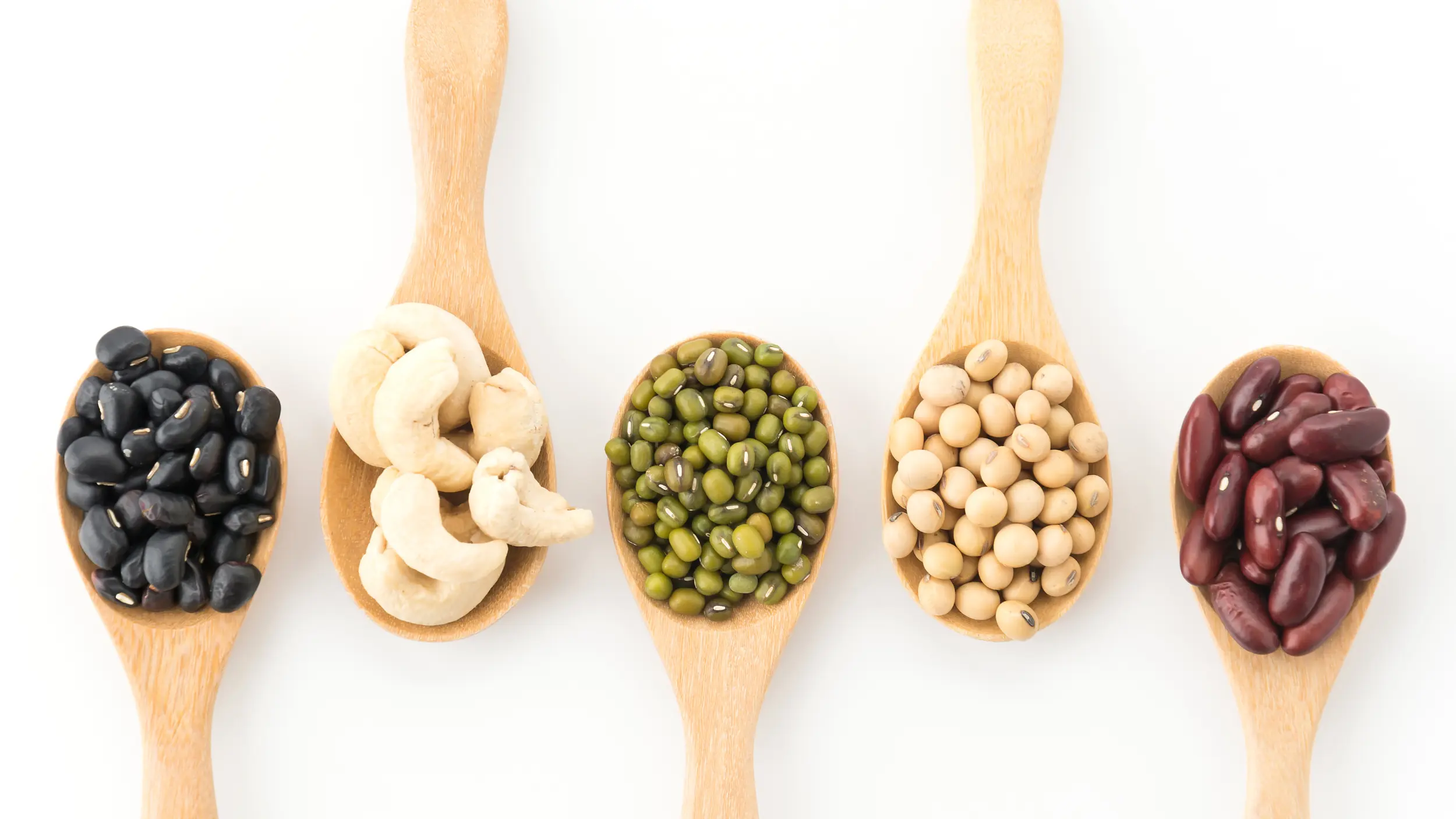
The winning formula? A balanced plate with protein, healthy fats, and fiber-rich carbohydrates. Research demonstrates that high-protein breakfasts (25-30g) significantly improve satiety, reduce cravings, and support lean muscle maintenance [8].
Quick, Nourishing Breakfast Ideas
Savory lovers:
- Veggie-packed omelet with avocado and a slice of whole grain sourdough
- Greek yogurt bowl with hemp seeds, berries, and almond butter
- Leftover salmon with roasted sweet potato and sauteed greens
Sweet tooth satisfaction:
- Protein smoothie with spinach, frozen berries, collagen peptides, and nut butter
- Overnight oats made with protein powder, chia seeds, and cinnamon
- Cottage cheese with sliced banana, walnuts, and a drizzle of honey
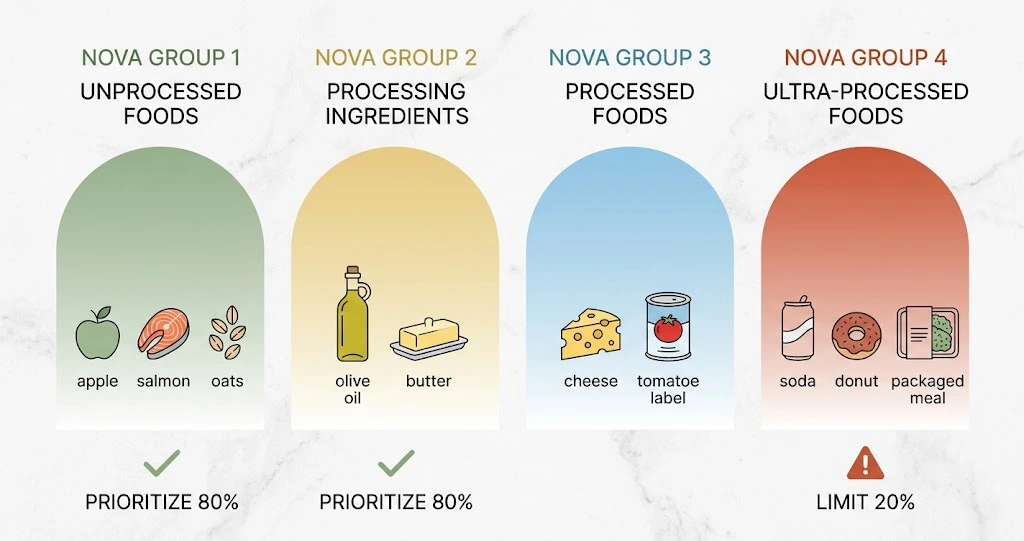
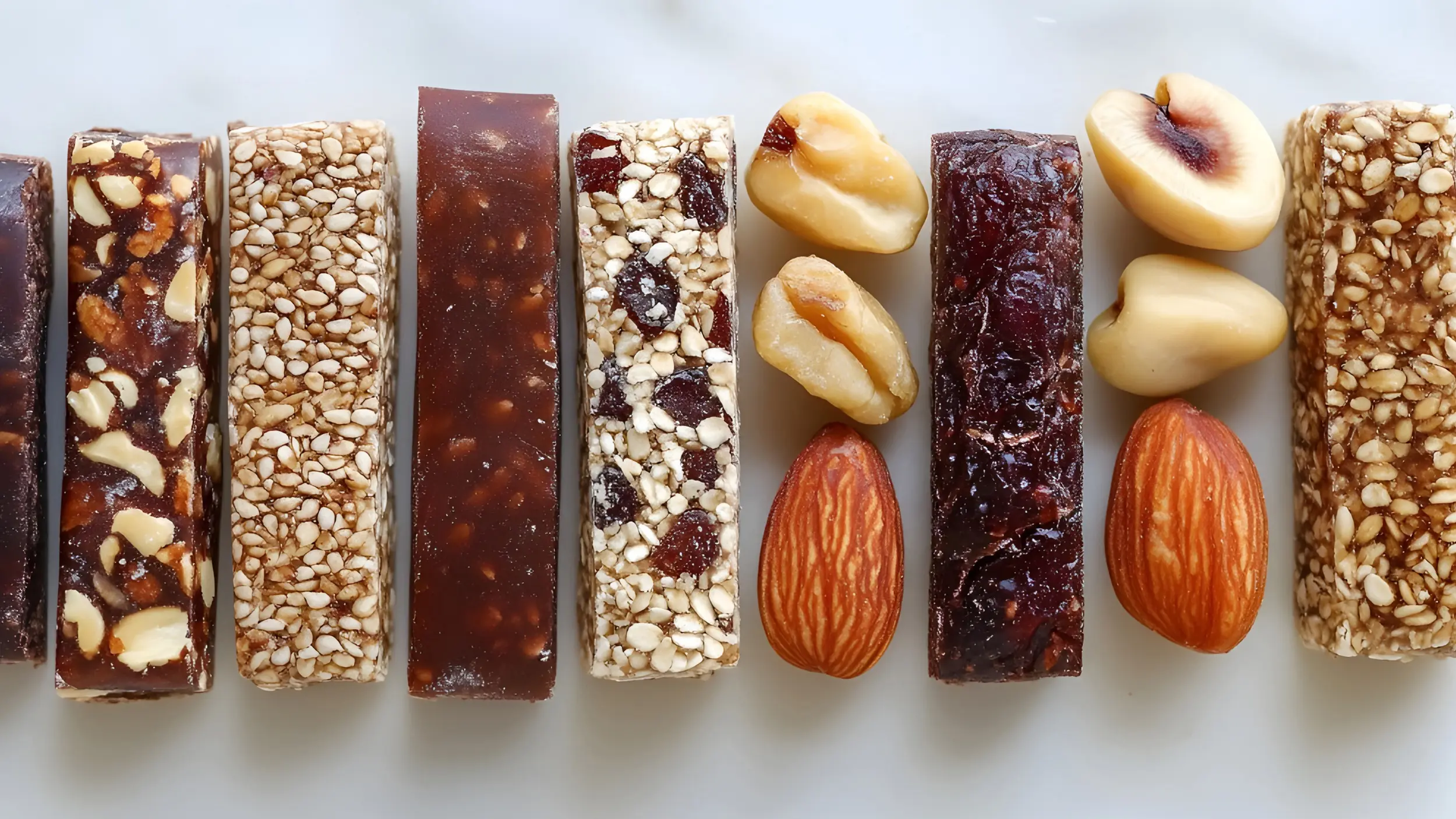
Avoid the blood sugar rollercoaster of refined carbs and sugary foods. That bagel or pastry might seem convenient, but it's setting you up for energy crashes and increased hunger later [9].
The Coffee Conversation
If you're a coffee drinker, timing matters. Consuming caffeine immediately upon waking can interfere with your natural cortisol awakening response [10]. Wait 60-90 minutes after waking for your first cup—you'll actually get better energy and focus benefits. And please, please eat something with it. Coffee on an empty stomach increases gastric acid production and can contribute to digestive discomfort.
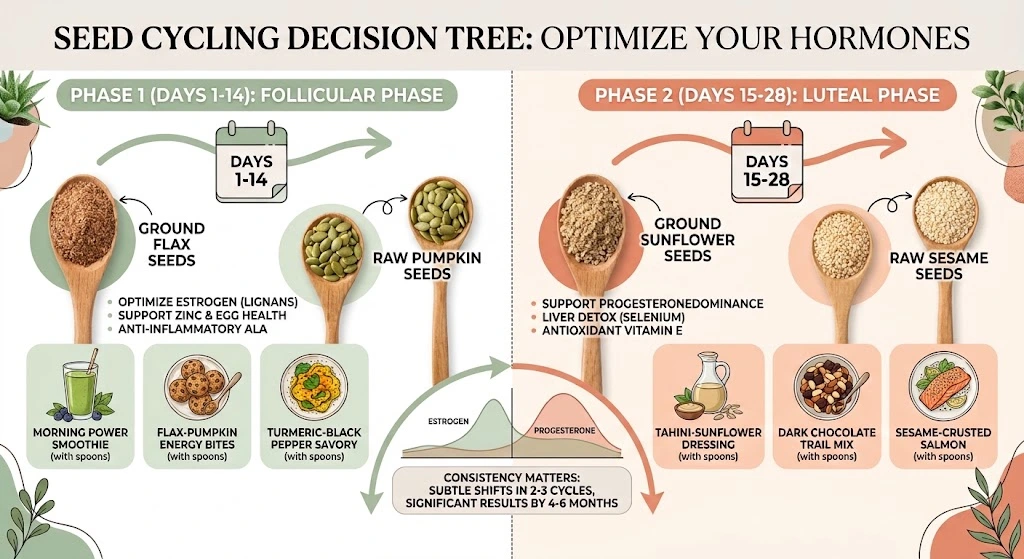
Want to optimize your overall hormonal health through nutrition? Check out my comprehensive guide on hormone balance through diet for deeper strategies.
Mindful Eating Practices
This 30-minute window isn't just about what you eat—it's about how. Put your phone in another room. Sit at an actual table. Chew thoroughly. Notice the flavors, textures, and how your body responds.
Mindful eating practices have been shown to improve digestion, enhance nutrient absorption, and reduce overeating later in the day [11]. Plus, it's a beautiful form of self-care that costs nothing and takes zero extra time.
Energizing Your Day: Movement and Purpose (Final 30 Minutes)
Alright, let's get you moving! This final segment is about activating your body and mind in a way that builds momentum. You're not training for a marathon here—you're creating sustainable energy and setting an empowered tone.
The Science of Morning Movement
Exercise in the morning offers distinct advantages. It enhances insulin sensitivity, improves glucose metabolism throughout the day, and elevates mood-boosting endorphins when you need them most [12]. Morning exercisers also show better workout consistency and adherence compared to evening exercisers [13].
For women specifically, morning movement can help regulate menstrual cycle symptoms, support healthy cortisol patterns, and improve sleep quality at night [14].
Your Movement Options (Choose Your Adventure)
The best morning workout routine is the one you'll actually do. Here are evidence-based options that deliver results in 30 minutes or less:
Strength-focused:
- Bodyweight circuit (squats, push-ups, lunges, planks)
- Resistance band routine targeting major muscle groups
- Kettlebell or dumbbell workout
Cardio-centered:
- Brisk walk or light jog outdoors
- Cycling or stationary bike intervals
- Dance workout or Zumba session
Mind-body integration:
- Vinyasa or power yoga flow
- Pilates mat class
- Barre workout
The intensity should match where you are in your menstrual cycle (if applicable) and your current stress load. High-intensity training every single morning can backfire if you're already dealing with elevated cortisol from work stress or poor sleep [15]. Listen to your body's signals.
Alternative Purpose-Driven Activities
Movement doesn't have to mean traditional exercise. This 30-minute block can also be:
- A creative practice (writing, painting, music)
- Professional development (reading, course work, skill-building)
- Meaningful connection (walking with a friend, calling a loved one)
The goal is engagement in something that energizes and fulfills you. When you start your day doing something purposeful, you're psychologically priming yourself for productivity and satisfaction [16].
Post-Movement Nutrition
If you've done moderate to intense exercise, consider a small protein-rich snack within an hour afterward to support muscle recovery and continued satiety. A protein shake, hard-boiled eggs, or Greek yogurt are all excellent choices.
Making the 30-30-30 Morning Routine Work for YOU
Let's be real: life happens. Some mornings will be absolutely perfect, and others will be beautifully imperfect. The framework is designed to be flexible, not rigid.
Start Small and Build
If 90 minutes feels overwhelming, begin with just one 30-minute segment. Master that, then add the next. Habit formation research shows that starting small and building gradually leads to better long-term adherence than trying to overhaul everything at once [17].
Prepare the Night Before
Your morning routine actually starts the evening prior. Set out your workout clothes, prep breakfast ingredients, and establish a consistent bedtime. Quality sleep is the foundation that makes everything else possible. Adults need 7-9 hours of sleep for optimal metabolic and cognitive function [18].
Track Without Obsessing
Consider keeping a simple morning routine journal for 2-3 weeks. Note how you feel, your energy levels, and any patterns you notice. This isn't about perfection—it's about awareness and refinement. Understanding your gut health and its connection to overall wellness can also provide insights into how your body responds to different morning habits.
Adjust for Your Season of Life
Your ideal morning routine will look different depending on whether you have young children, are navigating perimenopause, dealing with a demanding work project, or recovering from illness. Give yourself permission to adapt. The principles remain constant, but the execution should serve your current reality.
Frequently Asked Questions
What exactly is the 30-30-30 morning routine?
The 30-30-30 morning routine is a 90-minute structured wellness practice divided into three equal segments: 30 minutes of peaceful awakening activities (hydration, mindfulness, light exposure), 30 minutes dedicated to nourishing breakfast and mindful eating, and 30 minutes of physical movement or purposeful activity. This framework optimizes your circadian rhythm, metabolic function, and mental clarity.
Can I really see benefits with just 30 minutes of exercise?
Absolutely. Research consistently demonstrates that even short bouts of physical activity (20-30 minutes) provide significant health benefits, including improved cardiovascular function, enhanced mood, better glucose regulation, and reduced disease risk [19]. The key is consistency and appropriate intensity for your fitness level. Quality matters more than quantity.
What are some quick, healthy breakfast ideas for busy mornings?
Focus on protein-rich options that require minimal prep: Greek yogurt parfaits with nuts and berries, overnight oats made the night before, egg muffins you can grab and go, protein smoothies, or whole grain toast with nut butter and banana. The goal is 20-30 grams of protein, healthy fats, and fiber to keep you satisfied and energized until lunch.
What if I'm not a morning person?
Your chronotype (natural sleep-wake preference) is partially genetic, but it's also adaptable [20]. Start by shifting your wake time just 15 minutes earlier each week. Prioritize morning light exposure and consistent sleep-wake times, even on weekends. Most people find that their "morning person" capacity improves significantly with these evidence-based strategies. That said, if you're a true night owl, you can adapt these principles to whatever constitutes "morning" in your schedule.
How long does it take to establish this as a habit?
The old "21 days to form a habit" myth has been debunked. Research shows that habit formation typically takes anywhere from 18 to 254 days, with an average of 66 days [21]. Be patient with yourself. Focus on consistency over perfection, and know that every morning you practice this routine, you're strengthening those neural pathways.
Your Next Steps: Building Your Best Morning
Here's what I want you to do this week: pick just one element from each 30-minute segment and commit to it for seven days. Maybe it's drinking water immediately upon waking, eating a protein-rich breakfast, and taking a 15-minute walk. That's it. That's your starting point.
Notice how you feel. Pay attention to your energy, mood, and productivity. Then build from there.
The 30-30-30 morning routine isn't about perfection—it's about progress. It's about giving yourself the gift of intentional time before the world makes demands on you. It's about honoring your body's needs and setting yourself up for genuine success.
You deserve mornings that energize rather than deplete you. You deserve to feel in control of your day instead of constantly reacting. This routine can be that foundation.
Ready to create a completely personalized morning wellness plan that addresses your unique hormonal health, energy challenges, and lifestyle? I'd love to work with you one-on-one. Book a consultation at www.usevedic.com and let's build your best mornings together.
References
[1] Coulson JC, McKenna J, Field M. Exercising at work and self-reported work performance. International Journal of Workplace Health Management, 2008.
[2] Fries E, Dettenborn L, Kirschbaum C. The cortisol awakening response (CAR): facts and future directions. International Journal of Psychophysiology, 2009.
[3] Scullin MK, Bliwise DL. Sleep, cognition, and normal aging: integrating a half century of multidisciplinary research. Perspectives on Psychological Science, 2015.
[4] Popkin BM, D'Anci KE, Rosenberg IH. Water, hydration, and health. Nutrition Reviews, 2010.
[5] Keng SL, Smoski MJ, Robins CJ. Effects of mindfulness on psychological health: a review of empirical studies. Clinical Psychology Review, 2011.
[6] LeGates TA, Fernandez DC, Hattar S. Light as a central modulator of circadian rhythms, sleep and affect. Nature Reviews Neuroscience, 2014.
[7] Golden RN, Gaynes BN, Ekstrom RD, et al. The efficacy of light therapy in the treatment of mood disorders: a review and meta-analysis of the evidence. American Journal of Psychiatry, 2005.
[8] Leidy HJ, Ortinau LC, Douglas SM, Hoertel HA. Beneficial effects of a higher-protein breakfast on the appetitive, hormonal, and neural signals controlling energy intake regulation in overweight/obese adolescents. American Journal of Clinical Nutrition, 2013.
[9] Benton D, Parker PY. Breakfast, blood glucose, and cognition. American Journal of Clinical Nutrition, 1998.
[10] Lovallo WR, Whitsett TL, al'Absi M, et al. Caffeine stimulation of cortisol secretion across the waking hours in relation to caffeine intake levels. Psychosomatic Medicine, 2005.
[11] Robinson E, Aveyard P, Daley A, et al. Eating attentively: a systematic review and meta-analysis of the effect of food intake memory and awareness on eating. American Journal of Clinical Nutrition, 2013.
[12] Chtourou H, Souissi N. The effect of training at a specific time of day: a review. Journal of Strength and Conditioning Research, 2012.
[13] Schumacher LM, Thomas JG, Raynor HA, et al. Consistent morning exercise may be beneficial for individuals with obesity. Exercise and Sport Sciences Reviews, 2020.
[14] Daley A. Exercise and primary dysmenorrhoea: a comprehensive and critical review of the literature. Sports Medicine, 2008.
[15] Hackney AC, Kallman AL. Thyroid hormones and the interrelationship of cortisol and prolactin: influence of prolonged, exhaustive exercise. Polish Journal of Endocrinology, 2019.
[16] Claessens BJ, van Eerde W, Rutte CG, Roe RA. A review of the time management literature. Personnel Review, 2007.
[17] Lally P, van Jaarsveld CHM, Potts HWW, Wardle J. How are habits formed: Modelling habit formation in the real world. European Journal of Social Psychology, 2010.
[18] Watson NF, Badr MS, Belenky G, et al. Recommended amount of sleep for a healthy adult: a joint consensus statement of the American Academy of Sleep Medicine and Sleep Research Society. Journal of Clinical Sleep Medicine, 2015.
[19] Warburton DE, Bredin SS. Health benefits of physical activity: a systematic review of current systematic reviews. Current Opinion in Cardiology, 2017.
[20] Roenneberg T, Allebrandt KV, Merrow M, Vetter C. Social jetlag and obesity. Current Biology, 2012.
[21] Lally P, van Jaarsveld CHM, Potts HWW, Wardle J. How are habits formed: Modelling habit formation in the real world. European Journal of Social Psychology, 2010.
.svg)
.svg)






.jpg)
.jpg)






















.webp)

































.webp)
.webp)
.webp)
.webp)
.webp)
.webp)
.webp)
.png)
.webp)
.webp)

.webp)
.png)
.webp)
.webp)
.webp)
.webp)
.webp)
.webp)
.webp)
.webp)



.webp)
.png)