.webp)
.webp)
%2B(7).webp)
.png)
At a Glance
The viral boy kibble recipe is taking over social media, but is it actually nutritious? As a dietitian, I'm breaking down this minimalist meal trend with evidence-based insights, a wholesome homemade recipe, and exactly how to make it work for your body.
Why is 'Boy Kibble' so popular?
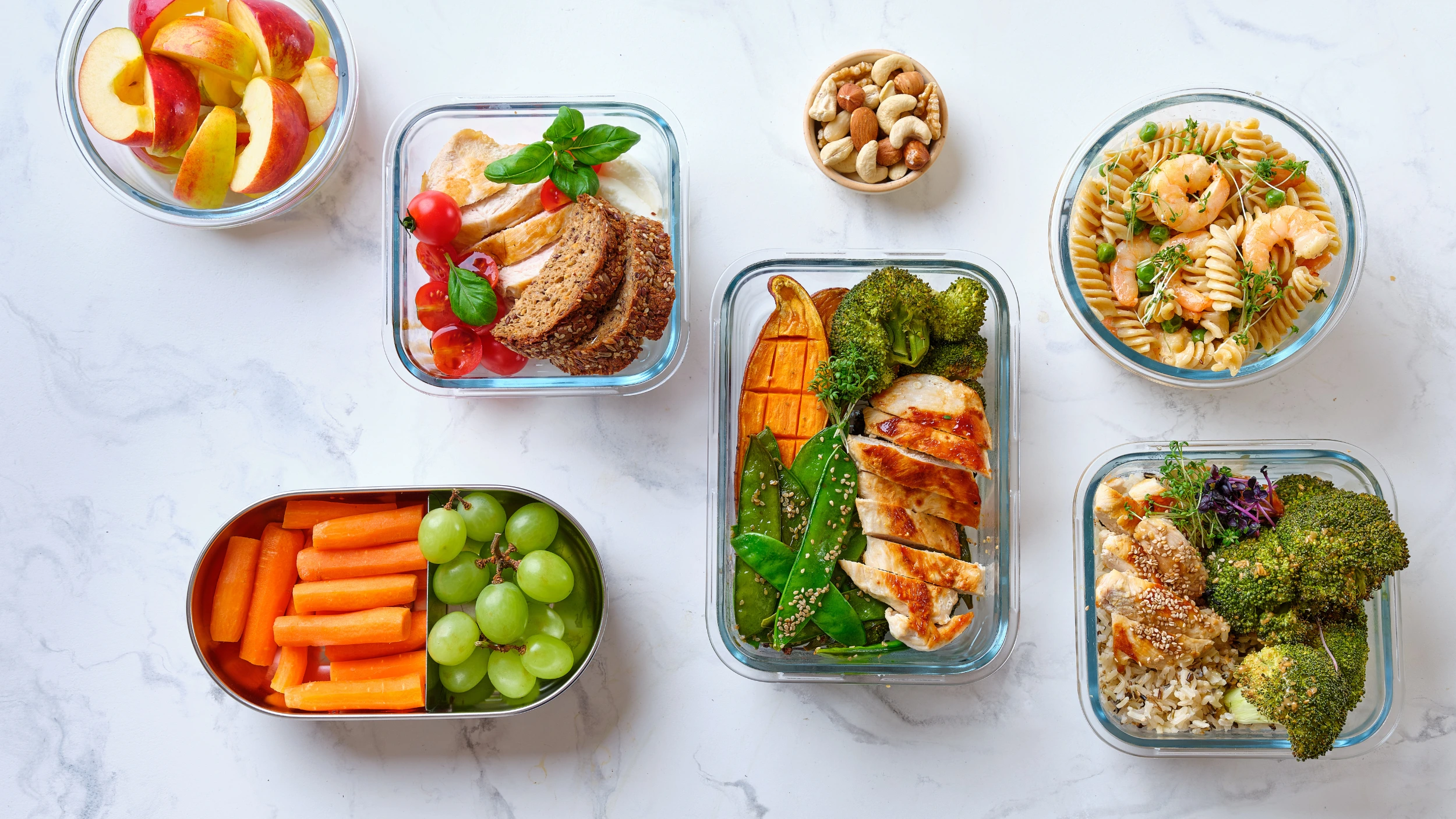
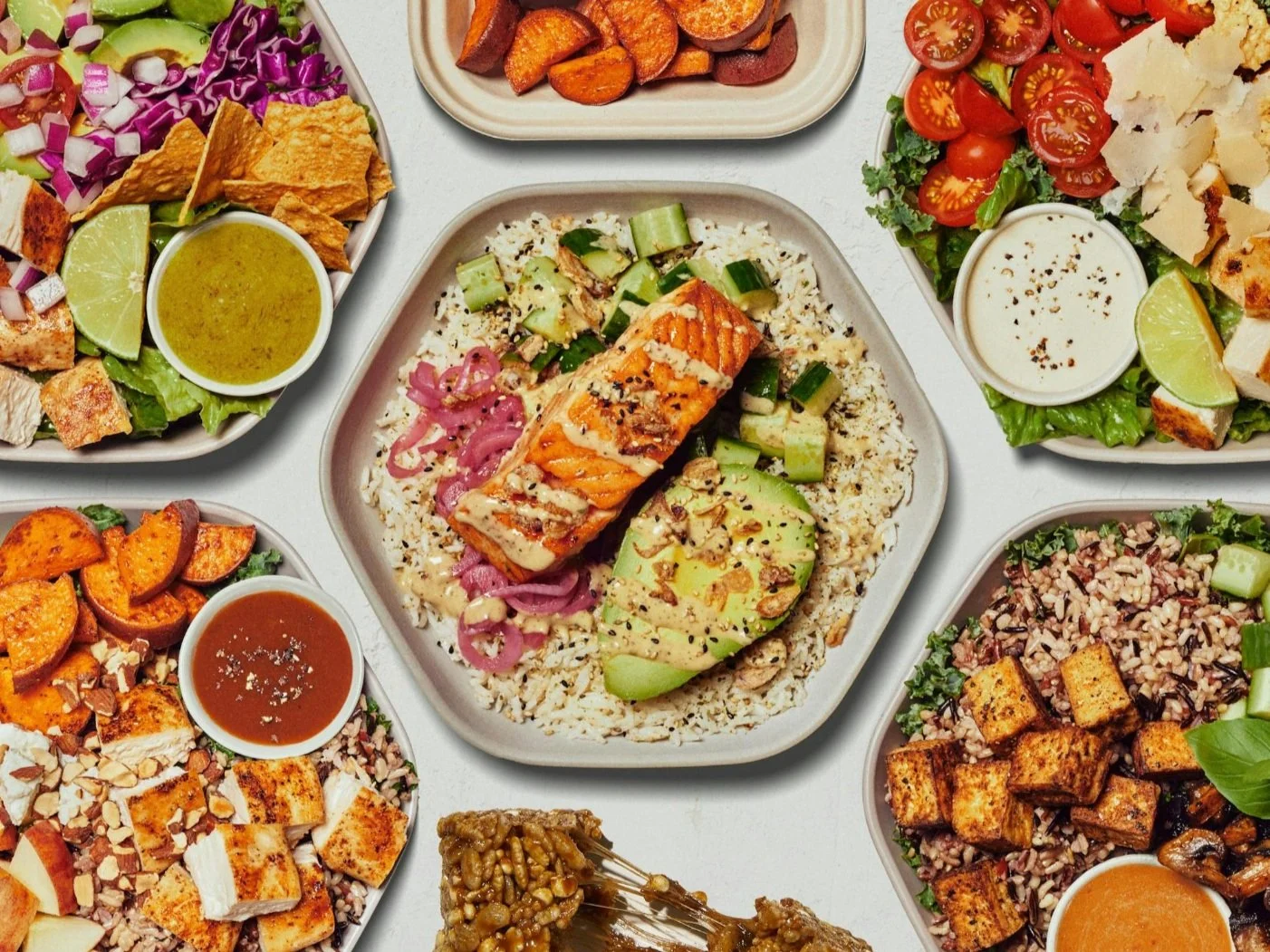
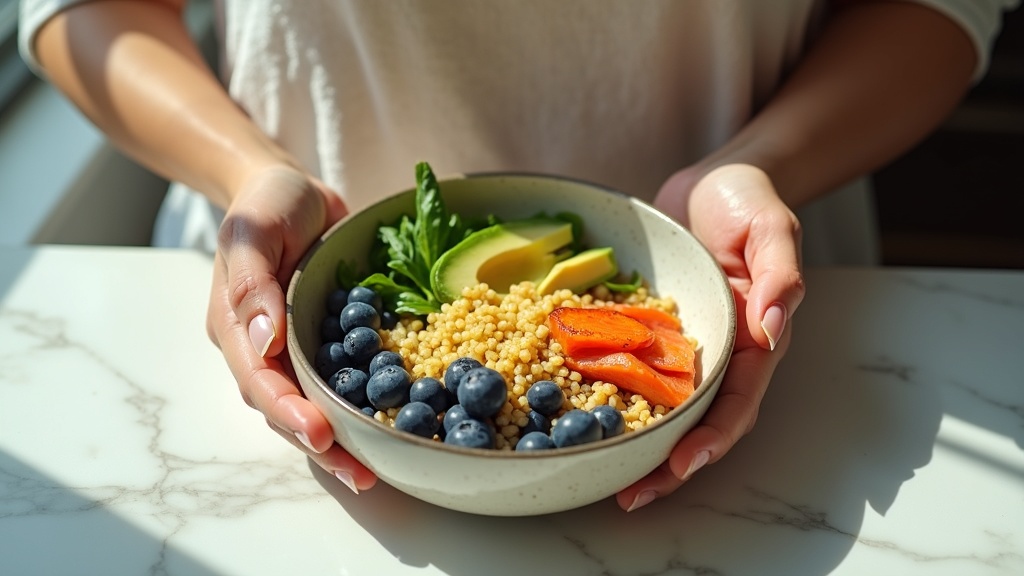
Okay, let's talk about what's actually happening here. The term "boy kibble" started as a tongue-in-cheek reference to ultra-simple, no-fuss meals that require minimal prep and even less cleanup. We're talking about the kind of food that prioritizes efficiency over aesthetics—think rice, protein, and vegetables all mixed together in one bowl.
The concept isn't entirely new. What we're seeing is essentially a rebranding of meal prep basics, but the viral boy kibble phenomenon has struck a chord because it acknowledges something real: not every meal needs to be Instagram-worthy, and sometimes you just need fuel that works.
Why It's Trending
Social media has amplified this trend because it speaks to our collective exhaustion with elaborate cooking. The boy kibble diet essentially normalizes eating for function, which resonates especially during busy weeks when decision fatigue is real [1].
From a nutritional standpoint, the best boy kibble recipes actually align with several evidence-based eating principles:
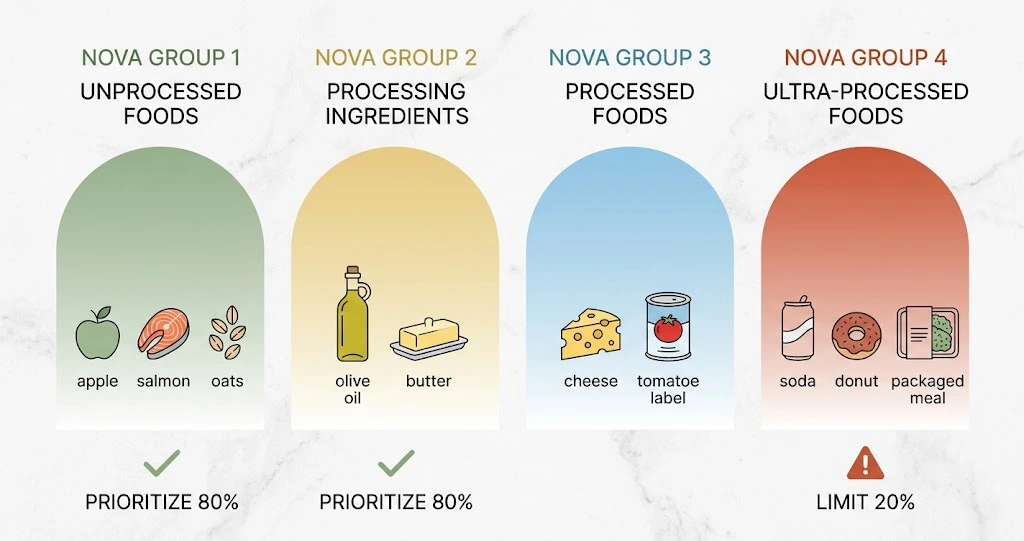
- They emphasize whole food ingredients over processed options
- The format naturally supports portion awareness without obsessive measuring
- Combining macronutrients (protein, carbs, and fats) in one bowl supports stable blood sugar levels [2]
But here's where I want you to pause: while the boy kibble food concept can absolutely be healthy, it's not inherently nutritious just because it's simple. The quality of your ingredients and the balance of your macros matter tremendously, especially for women navigating hormonal fluctuations, stress, and energy demands.
The Core Components
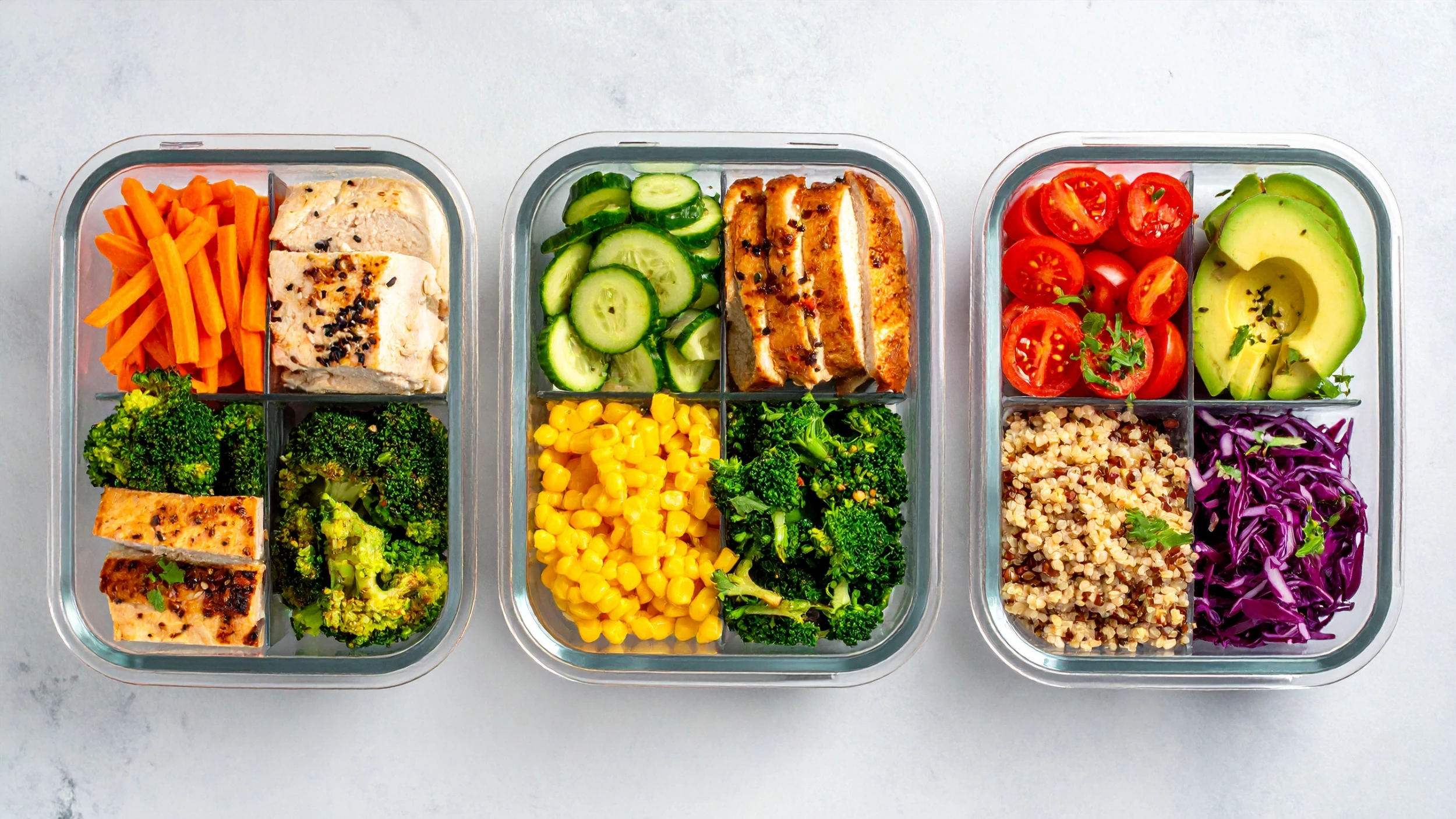
Most viral boy kibble recipes follow this basic template:
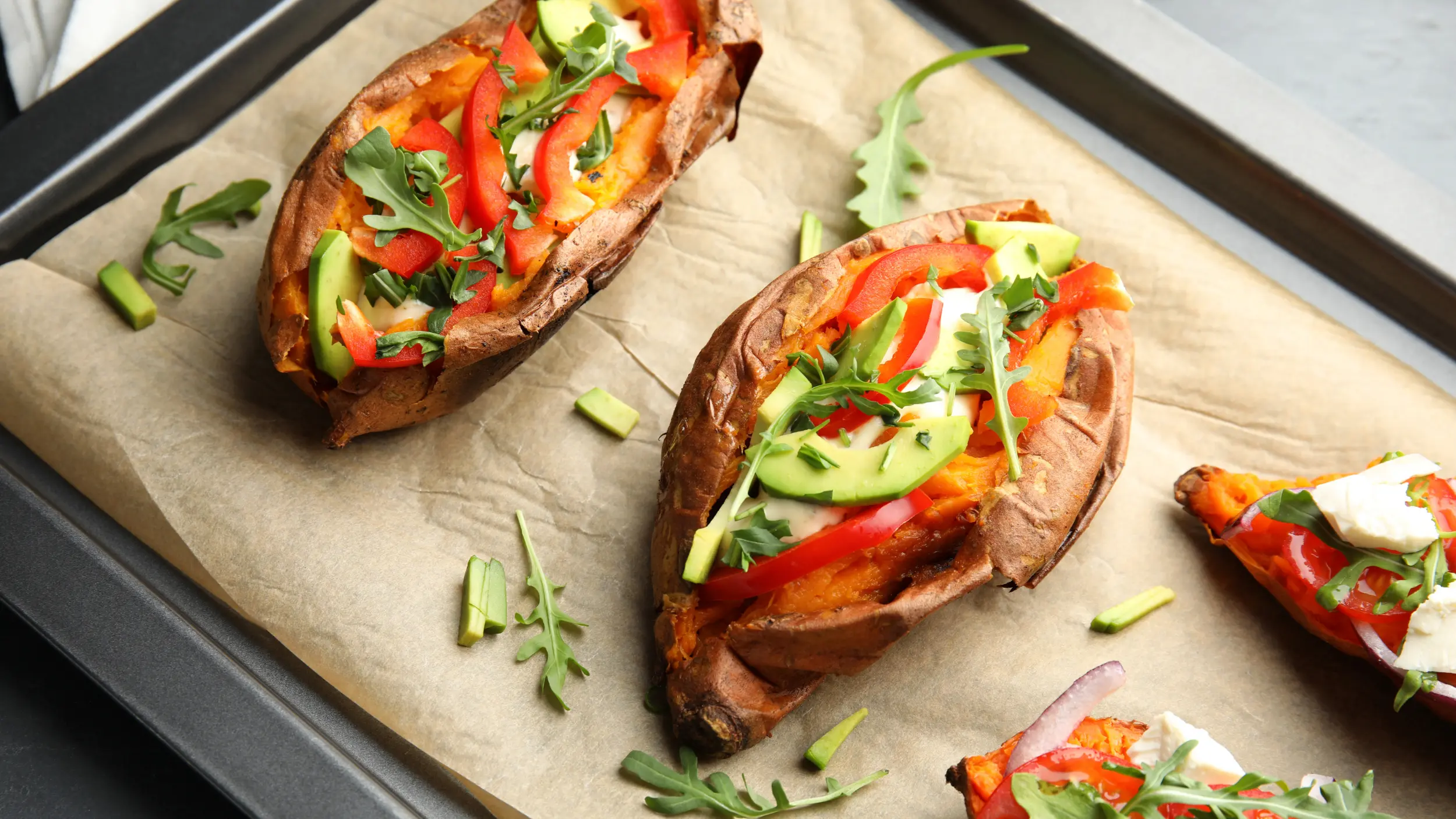
- A base grain or starchy carbohydrate – Brown rice, quinoa, sweet potato, or even cauliflower rice if you're going lower-carb
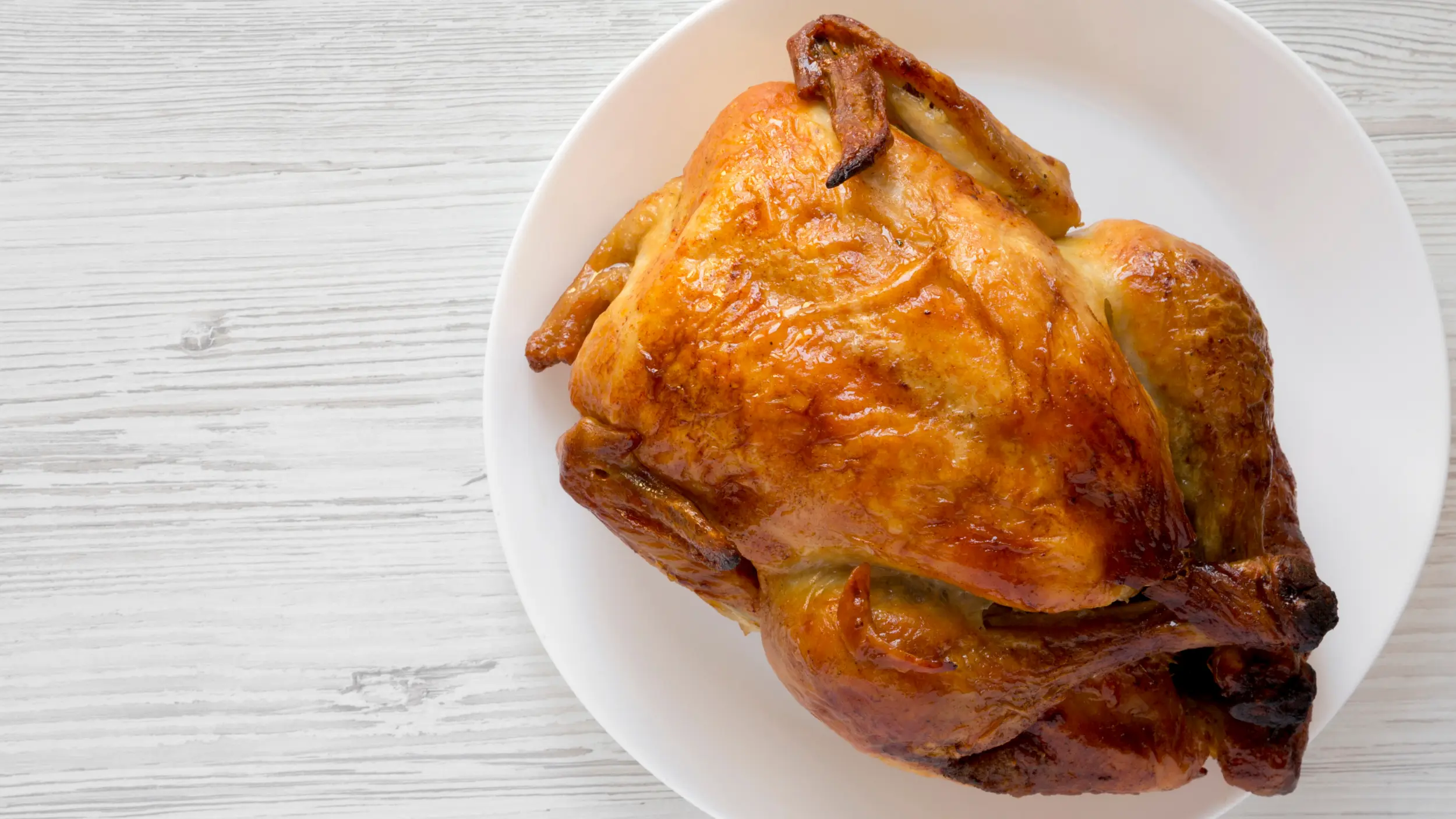
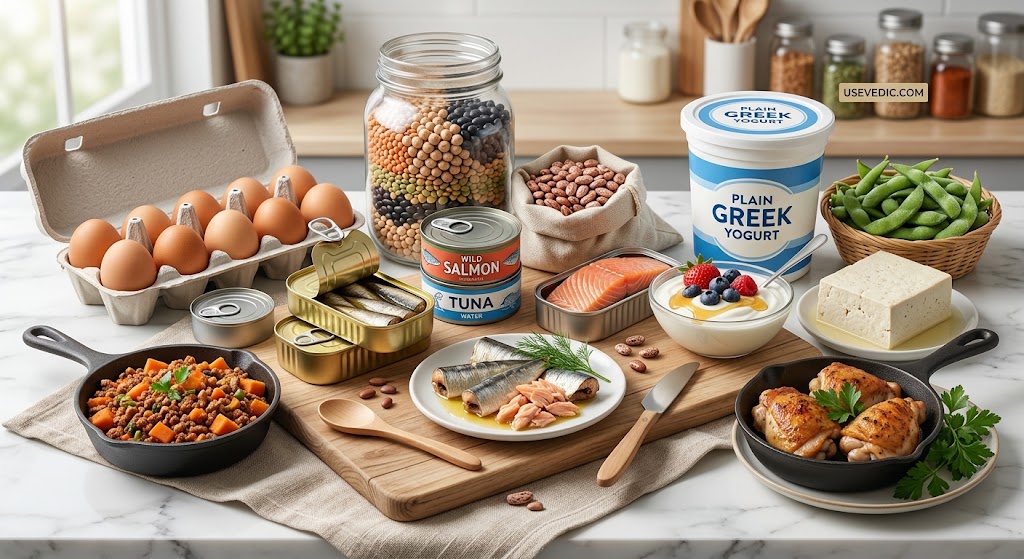
- A quality protein source – Chicken, ground turkey, tofu, tempeh, or legumes
- Non-starchy vegetables – Broccoli, spinach, bell peppers, or whatever's in your crisper drawer
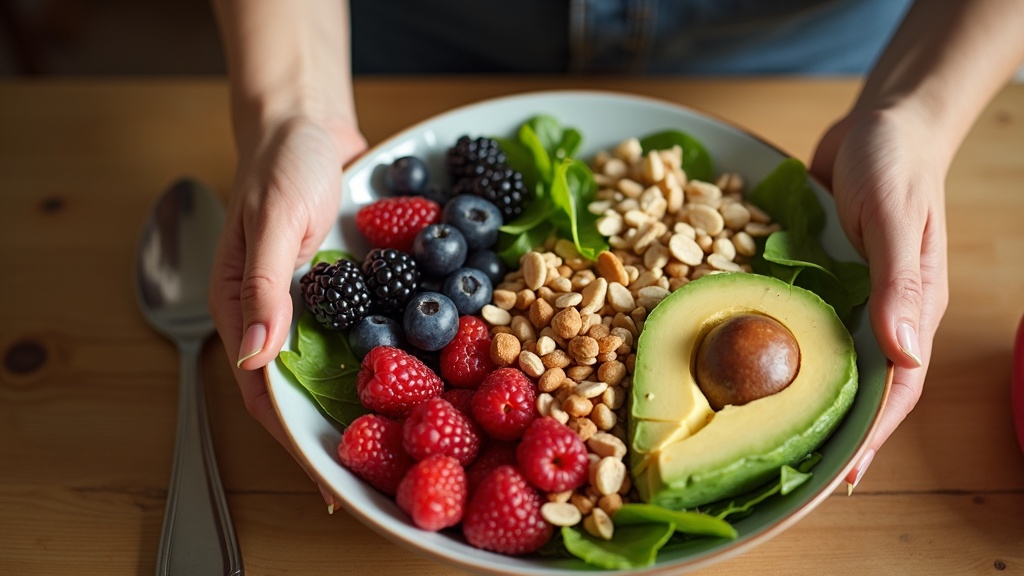
- Healthy fats and flavor enhancers – Olive oil, avocado, nuts, seeds, or a flavorful sauce
The genius lies in the simplicity, but the real magic happens when you intentionally choose nutrient-dense options within each category. This is where we can elevate boy kibble ingredients from basic to actually beneficial for your body.
If you're someone who struggles with hormone balance, this streamlined approach can actually help you maintain consistency with meals that support your cycle—no elaborate recipe hunting required when you're in your luteal phase and just need something nourishing.
Crafting Your Wholesome 'Boy Kibble' Creation
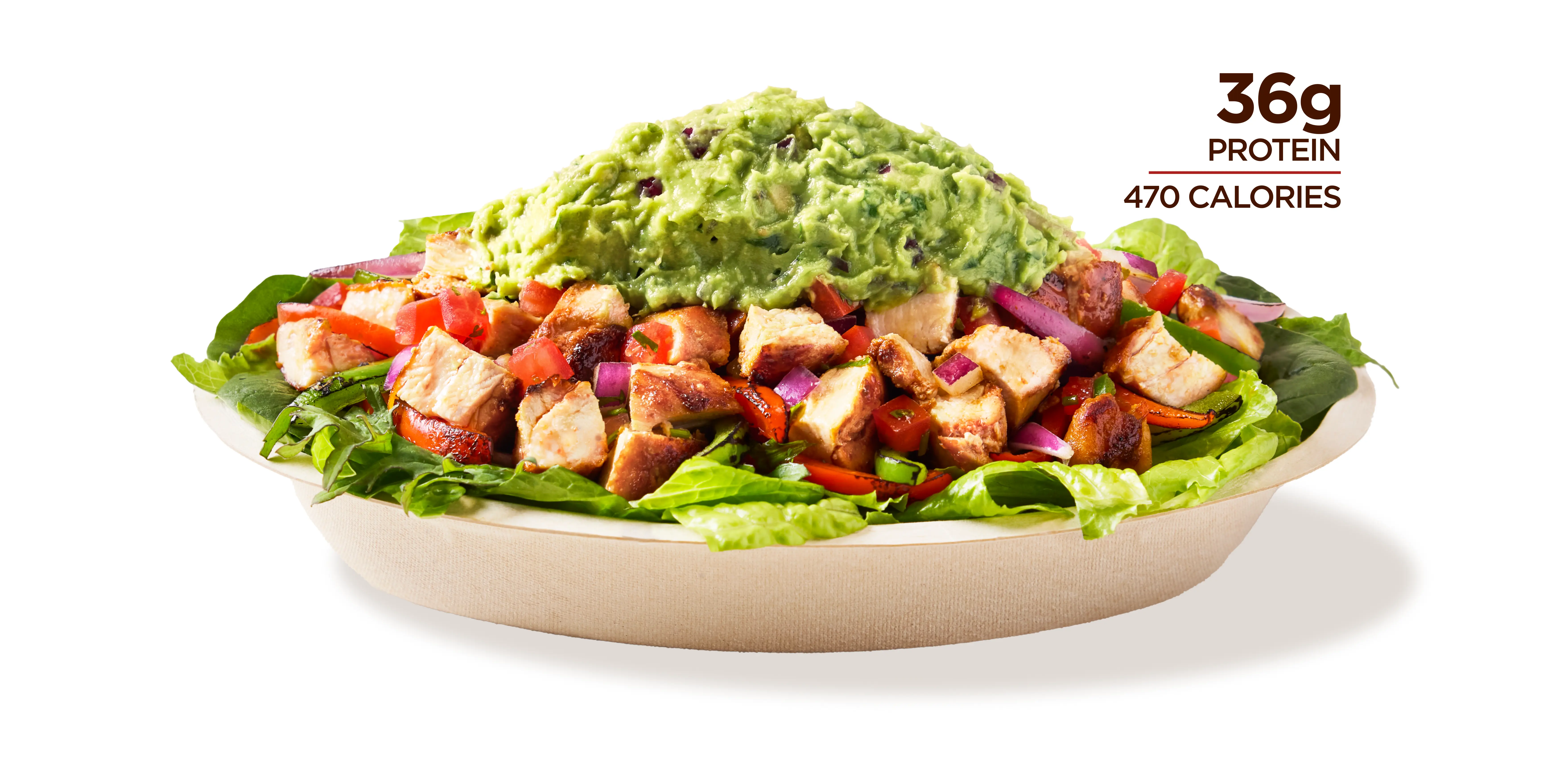
Alright, let's get practical. This homemade boy kibble recipe is designed to be flexible, nutrient-dense, and genuinely satisfying. I'm giving you a base formula that you can customize based on what you have available and what your body needs right now.
The Dietitian-Approved Base Recipe
Serves 4 meal prep portions
Carb base:
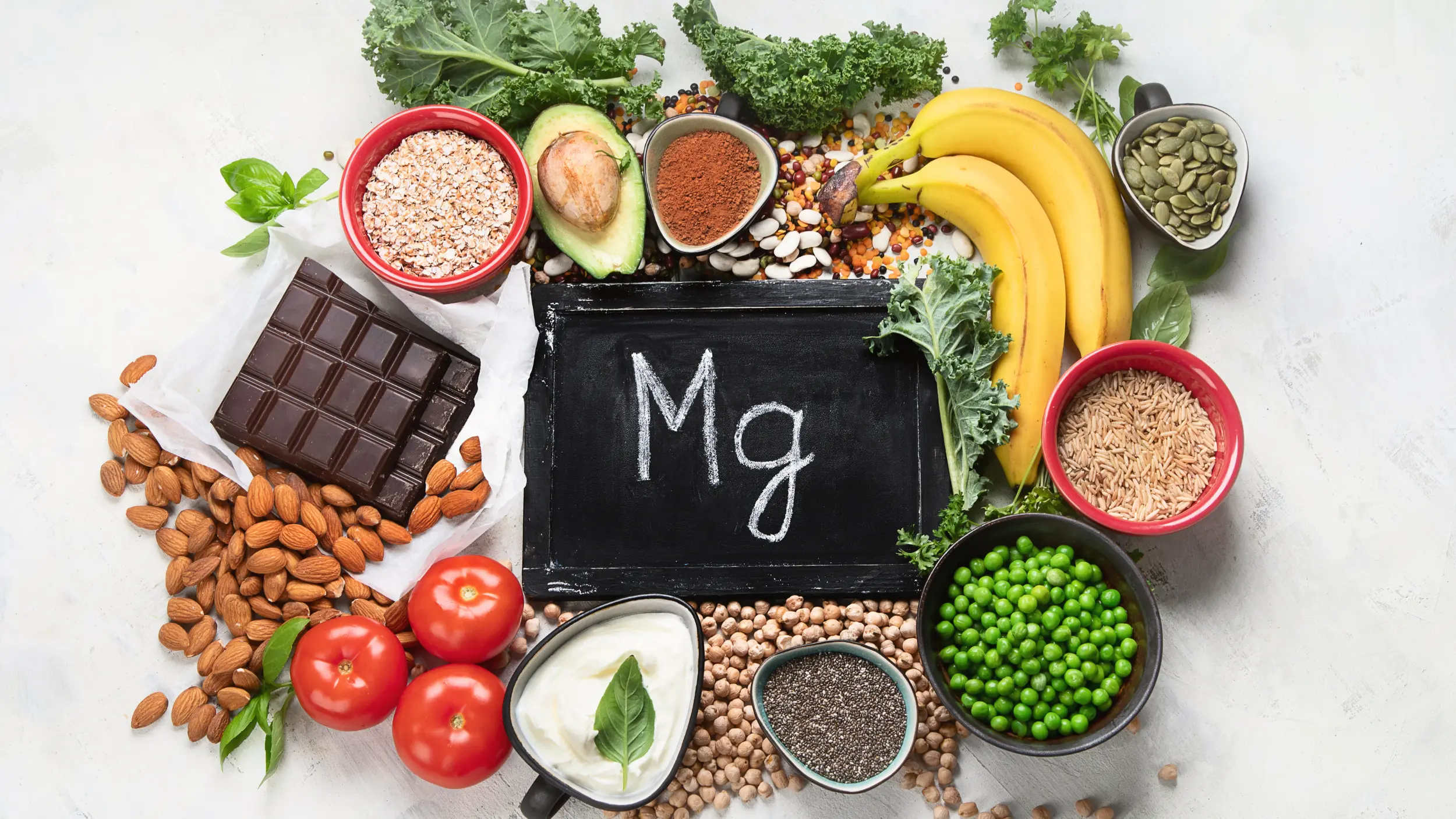
Start with 2 cups of cooked brown rice or quinoa. Both provide fiber and essential minerals like magnesium, which over 50% of women don't get enough of through diet alone [3]. I love quinoa because it's a complete protein, but honestly? Use whatever grain you'll actually eat consistently.
Protein:
Add 1.5 pounds of cooked protein. For this boy kibble recipe easy version, I recommend:
- Ground turkey (93% lean) seasoned with garlic powder, cumin, and paprika
- Baked chicken thighs, diced (more flavorful and forgiving than breasts)
- Crumbled tempeh sautéed with tamari for a plant-based option
Aim for about 25-30g of protein per serving to support muscle maintenance, satiety, and stable energy [4].
Veggies for volume and micronutrients:
This is where you add 4-6 cups of non-starchy vegetables. I'm talking:
- Roasted broccoli florets tossed in olive oil
- Sautéed spinach with minced garlic
- Diced bell peppers and zucchini
- Shredded carrots for crunch and color
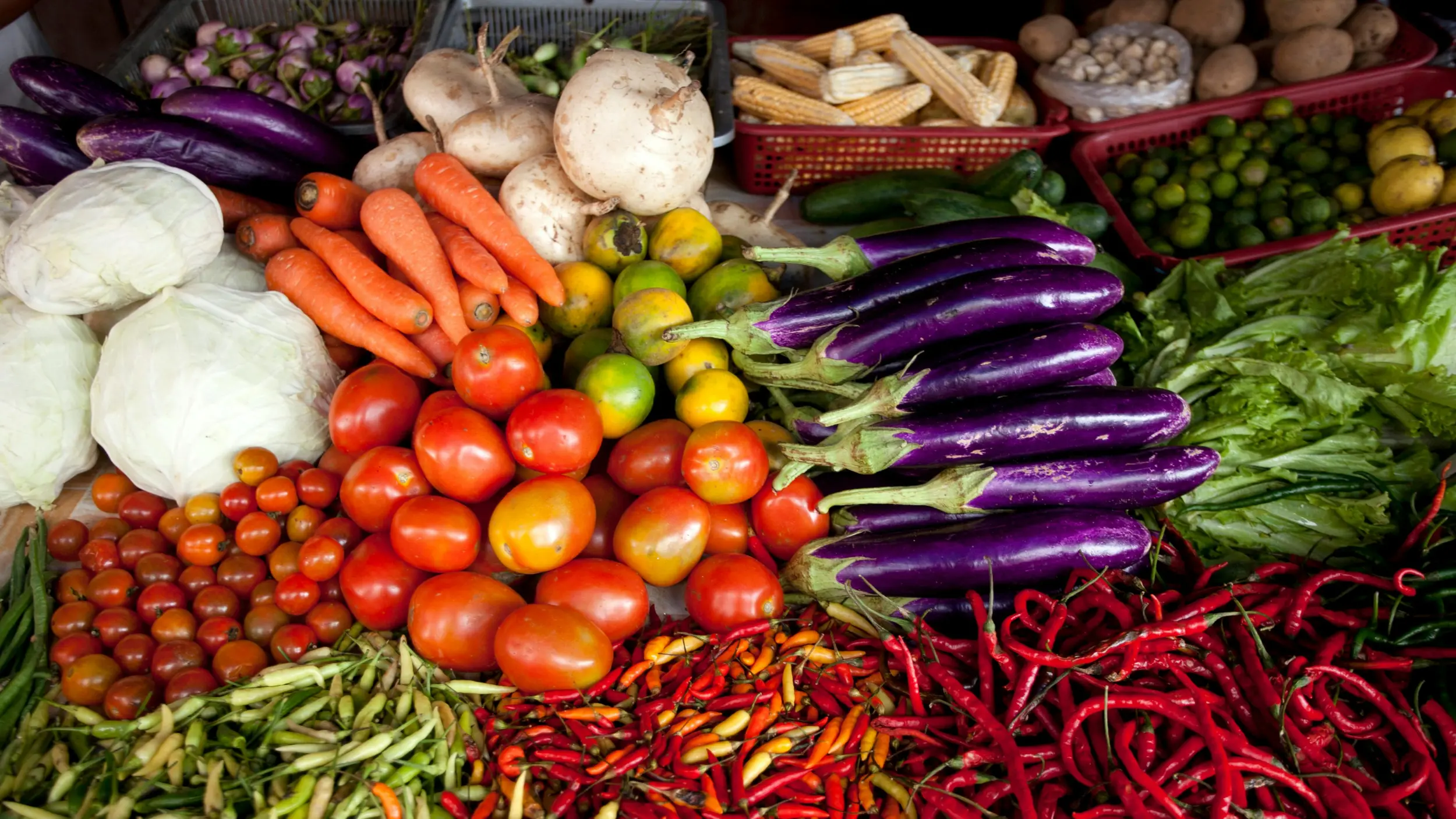
The more colorful your mix, the broader your phytonutrient profile. These plant compounds support everything from immune function to skin health [5].
Healthy Fats:
Don't skip this part.
- 1 tbsp Extra virgin olive oil drizzled over the top
- Sliced avocado (about 1/4 per serving)
- 2 tbsp Toasted pumpkin seeds or slivered almonds
Healthy fats are essential for hormone production and help you absorb fat-soluble vitamins from those veggies. If you've been struggling with gut health, the fiber from the veggies combined with quality fats creates an ideal environment for your microbiome.
Add flavor:
This is what transforms healthy boy kibble from boring to something you'll actually look forward to eating. Choose one:
- Tahini-lemon sauce: 3 tbsp tahini, juice of 1 lemon, 1 clove garlic, water to thin
- Chimichurri: Fresh parsley, cilantro, red wine vinegar, olive oil, garlic
- Simple Asian-inspired: Low-sodium tamari, rice vinegar, sesame oil, ginger
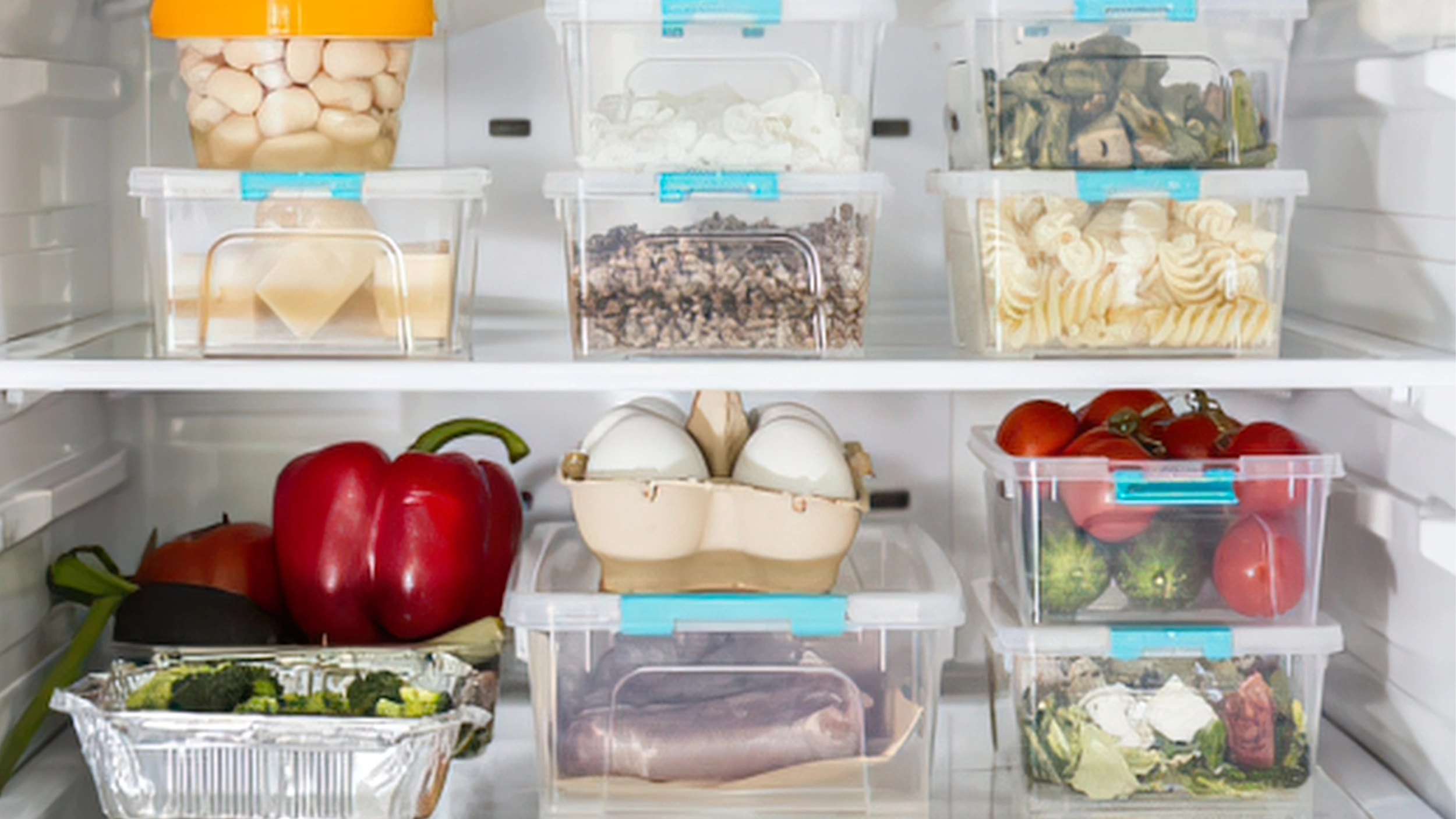
Store in the fridge for up to 4 days, or freeze individual portions for up to 3 months. Reheat with a splash of water or broth to keep everything moist.
Benefits and Considerations for Your Well-being
Let's talk about what this approach actually does for your body—and where you might need to adjust based on your individual needs.
The Real Benefits
Sustained Energy Without the Crash
When you combine complex carbohydrates with adequate protein and healthy fats, you're creating a macronutrient profile that supports stable blood glucose levels. This matters tremendously for women, especially if you experience afternoon energy crashes or find yourself reaching for sugar when stress hits [6].
The boy kibble for weight loss angle gets a lot of attention, but here's what's actually happening: you're eating whole foods in balanced proportions with minimal added sugars or processed ingredients. That naturally supports a healthy body composition without restrictive dieting.
Reduced Decision Fatigue
One of the boy kibble benefits that doesn't get enough credit is the mental energy you save. When you know exactly what you're eating and have it prepped, you eliminate dozens of daily food decisions. For women juggling careers, relationships, and self-care, this is genuinely valuable.
Research shows that decision fatigue can impair our ability to make health-supportive choices later in the day [7]. By simplifying meals, you're actually protecting your capacity for other important decisions.
Improved Nutrient Consistency
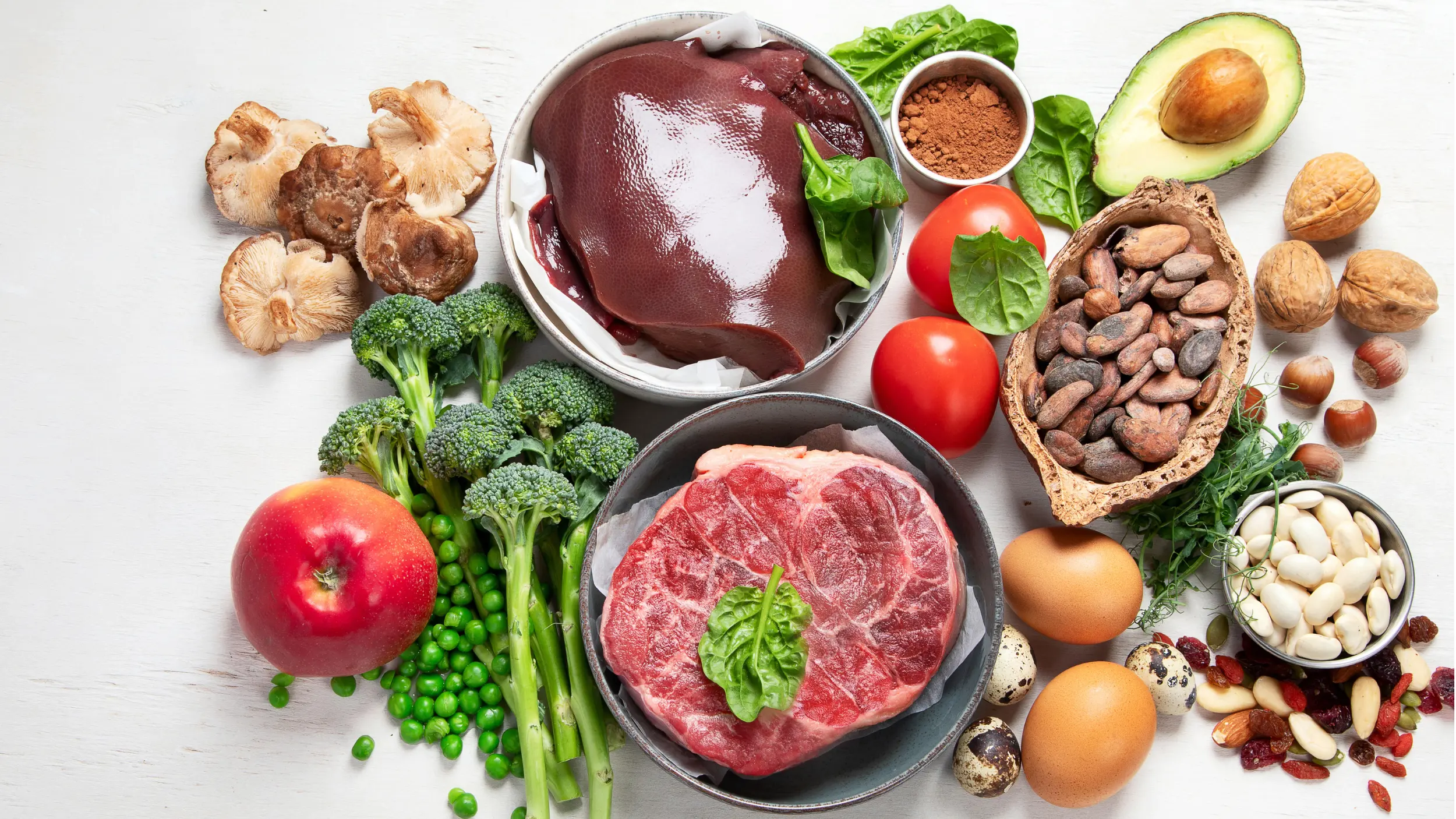
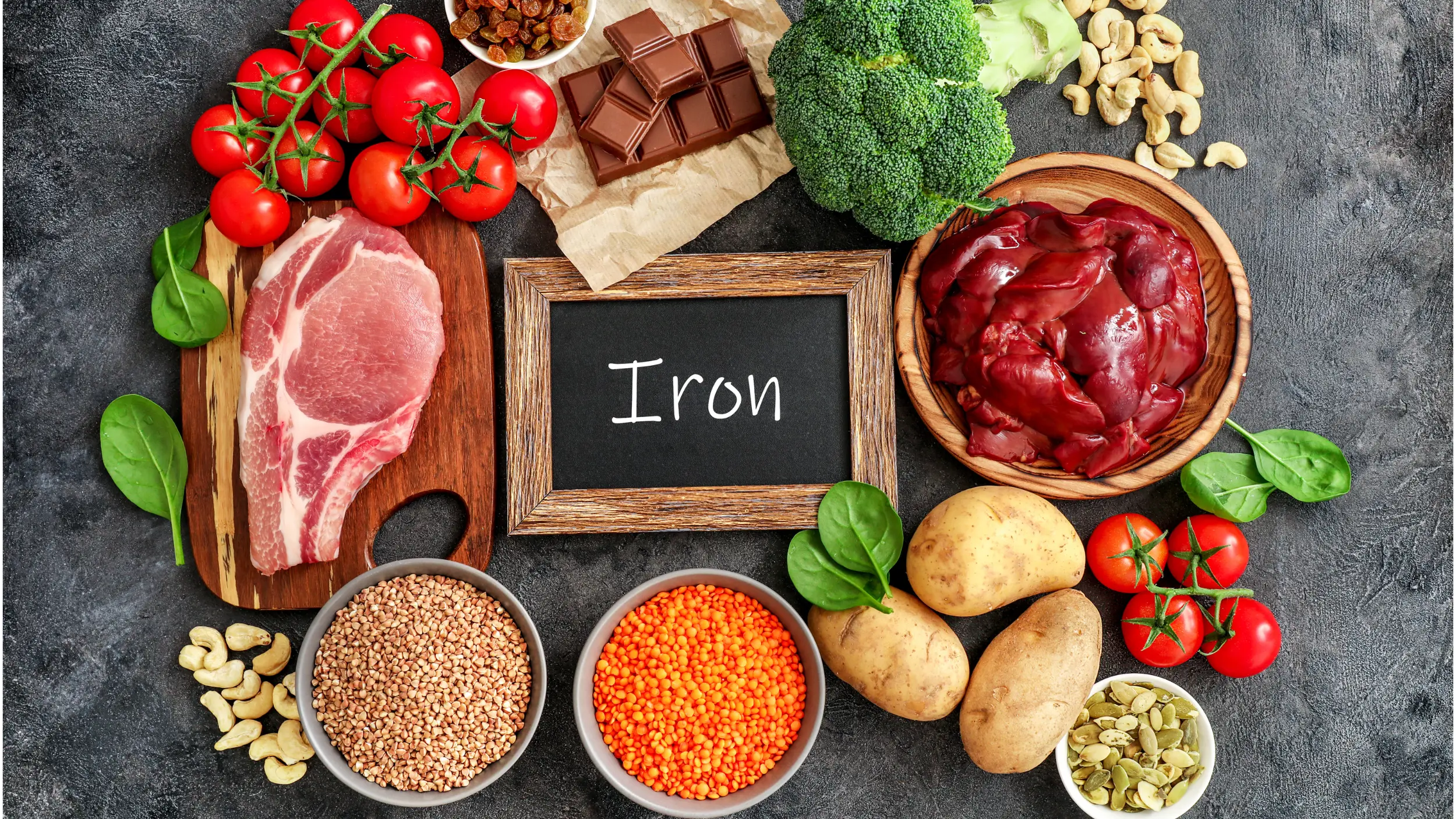
When you're winging meals throughout the week, your nutrient intake can swing wildly. Some days you're crushing it with vegetables, other days you realize at 9 PM that you've barely eaten any protein. A structured approach like this ensures you're meeting baseline nutritional needs consistently, which is especially important for women who need adequate iron, B vitamins, and magnesium to support everything from energy production to menstrual health [8].
Important Considerations
Now, let's keep it real. While this approach works beautifully for many women, it's not a one-size-fits-all solution.
If you have a history of disordered eating, the rigid structure of eating the same thing repeatedly might not feel supportive. Variety and food freedom might be more important for your relationship with eating right now.
If you're training intensely or in a particularly demanding phase of life, you may need to adjust portions upward significantly. The base recipe provides roughly 400-500 calories per serving, which might need to be supplemented depending on your activity level and metabolic needs.
If you're managing specific health conditions like PCOS, thyroid disorders, or insulin resistance, you'll want to customize your carbohydrate type and quantity. Working with someone who understands functional nutrition and stress can help you optimize your boy kibble ingredients for your unique physiology.
Frequently Asked Questions
What are the main health benefits of this 'Boy Kibble' recipe?
The primary benefits come from eating balanced, whole-food meals consistently. You'll likely experience more stable energy throughout the day, reduced cravings for sugar and processed foods, and easier weight management without calorie counting. The high fiber content from vegetables and whole grains also supports digestive health and helps maintain healthy cholesterol levels [9]. Many of my clients report feeling less bloated and more mentally clear when they eat this way regularly.
Is this recipe suitable for someone trying to lose weight?
Yes, with some important context. The boy kibble for weight loss approach works not because it's some magic formula, but because it naturally creates a nutrient-dense, portion-controlled eating pattern without requiring you to obsessively track calories. That said, weight loss is incredibly individual and depends on factors like your current intake, activity level, sleep quality, stress management, and hormonal health. If you've been undereating or over-restricting, this might actually help you maintain or gain weight in a healthy way. The recipe provides a solid foundation, but I always recommend working with a professional to ensure your calorie and nutrient needs are truly met for your goals.
How can I customize the 'Boy Kibble' recipe for my dietary needs?
The beauty of this formula is its flexibility. Here are some common modifications:
- For lower-carb needs: Replace half the grain with cauliflower rice or additional non-starchy vegetables
- For higher protein needs: Increase your protein portion to 35-40g per serving and consider adding Greek yogurt on the side
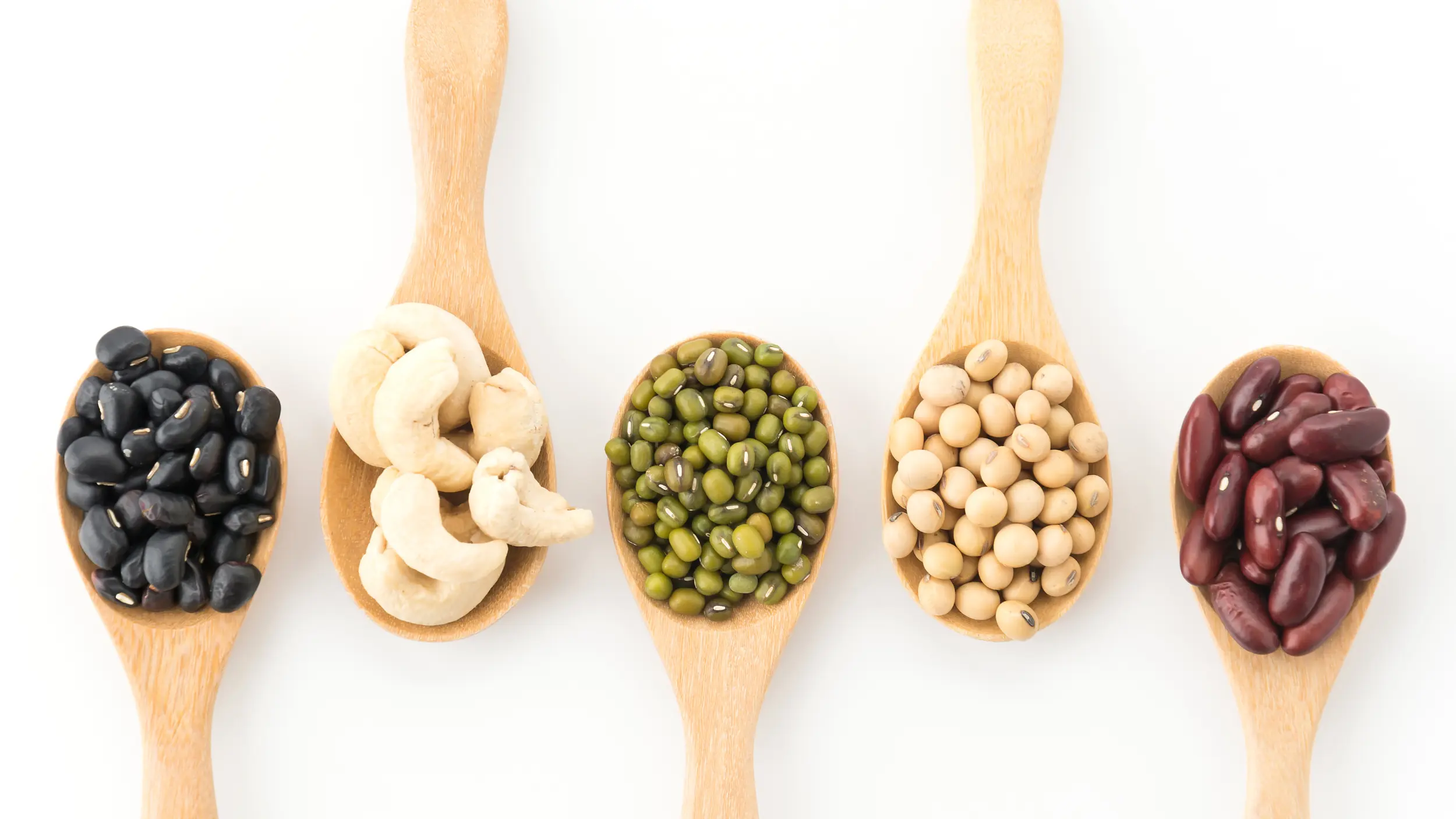
- For plant-based diets: Use legumes (chickpeas, black beans, lentils) or tofu/tempeh as your protein, and ensure you're including a variety throughout the week
- For food sensitivities: Swap out any ingredients that don't work for you—use white rice instead of brown if you have digestive issues, or eliminate nightshades if you're sensitive
- For more variety: Rotate your spice blends and sauces weekly. Monday might be Mediterranean-inspired, Wednesday could be Asian-influenced, and Friday might feature Mexican seasonings
The structure stays the same (protein + carb + veggies + healthy fat), but the specific ingredients can shift based on what your body needs and what sounds appealing to you.
Ready to take the next step towards personalized nutrition? If you're curious about how to customize your eating approach for your specific hormones, energy patterns, and health goals, I'd love to work with you. Book a consultation at www.usevedic.com to discuss how we can tailor healthy eating strategies that actually fit your life—no generic meal plans or restrictive rules, just evidence-based nutrition that feels sustainable and nourishing.
References
[1] Baumeister RF, Vohs KD. Strength Model of Self-Regulation as Limited Resource: Assessment, Controversies, Update. Annual Review of Psychology, 2016.
[2] American Diabetes Association. Glycemic Index, Glycemic Load, and Glycemic Response: An Evidence-Based Update. Diabetes Care, 2019.
[3] National Institutes of Health Office of Dietary Supplements. Magnesium: Fact Sheet for Health Professionals. NIH, 2024.
[4] Phillips SM, Chevalier S, Leidy HJ. Protein Requirements Beyond the RDA: Implications for Optimizing Health. British Journal of Nutrition, 2020.
[5] Liu RH. Health Benefits of Fruit and Vegetables Are from Additive and Synergistic Combinations of Phytochemicals. American Journal of Clinical Nutrition, 2003.
[6] Ludwig DS, Ebbeling CB. The Carbohydrate-Insulin Model of Obesity: Beyond Calories In, Calories Out. Nature Reviews Endocrinology, 2018.
[7] Danziger S, Levav J, Avnaim-Pesso L. Extraneous Factors in Judicial Decisions. Proceedings of the National Academy of Sciences, 2011.
[8] Office on Women's Health, U.S. Department of Health and Human Services. Nutrition and Women: Vitamins and Minerals for Women. WomensHealth.gov, 2023.
[9] Reynolds A, Mann J, Cummings J, et al. Carbohydrate Quality and Human Health: A Series of Systematic Reviews and Meta-analyses. The Lancet, 2019.
.svg)
.svg)


.jpg)
.jpg)







.webp)






















.webp)
.webp)
.webp)
.webp)
.webp)
.webp)
.webp)
.png)
.webp)
.webp)
.webp)
.png)
.webp)
.webp)
.webp)
.webp)
.webp)
.webp)
.webp)
.webp)


.webp)
.png)