.webp)
%2B(7).webp)
.png)
At a Glance
Antibiotics save lives, but they can wipe out beneficial gut bacteria alongside harmful pathogens. This guide provides evidence-based strategies to rebuild your microbiome after antibiotics through targeted nutrition, probiotic support, and lifestyle modifications. You'll learn exactly which foods nourish healthy gut bacteria and how long recovery typically takes.
Rebuild Your Microbiome After Antibiotics: A Dietitian's Guide to Gut Healing
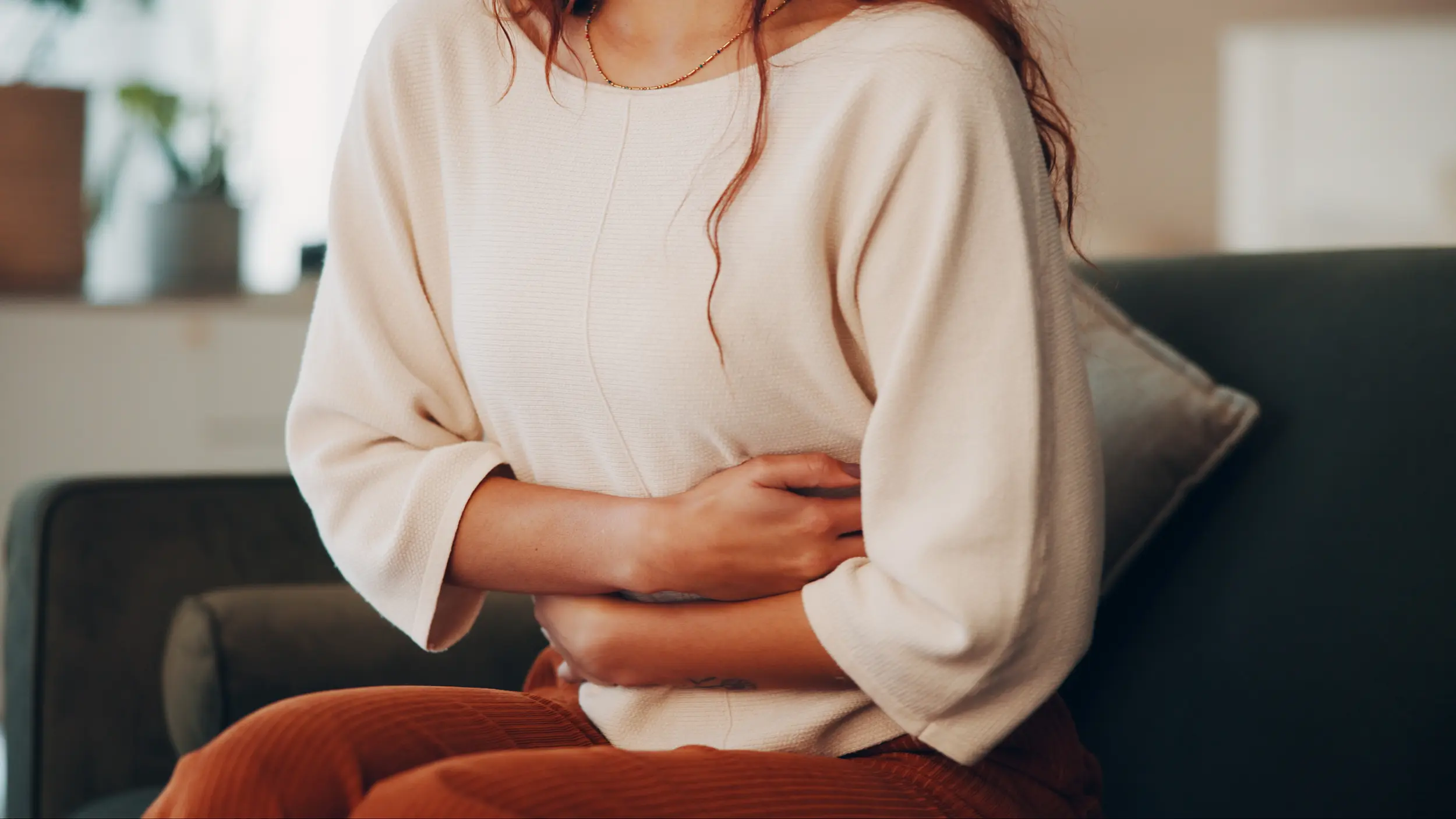
Antibiotics are powerful tools, but they can sometimes disrupt the delicate balance of your gut bacteria. If you're feeling off after a course of antibiotics—bloating, irregular bowel movements, fatigue, or even mood changes—you're not alone. Let's explore how we can gently guide your gut back to health together.
Understanding the Impact: What Happens to Your Gut Flora?
When you take antibiotics, they don't discriminate. While they're busy eliminating the harmful bacteria causing your infection, they're also taking down the beneficial microbes that keep your digestive system running smoothly. Research shows that even a single course of broad-spectrum antibiotics can reduce microbial diversity by up to 25%, with some species taking months to recover [1].
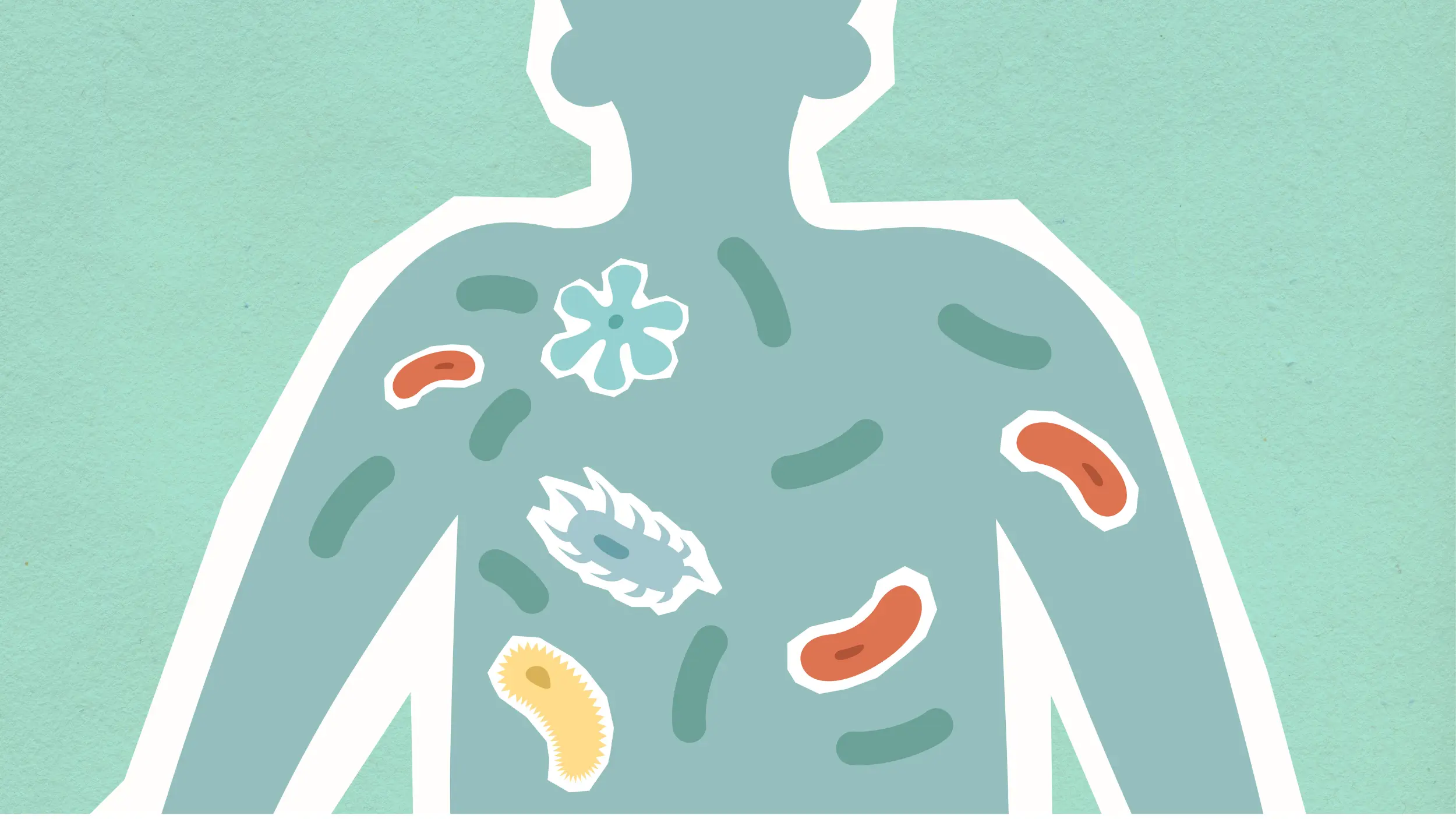
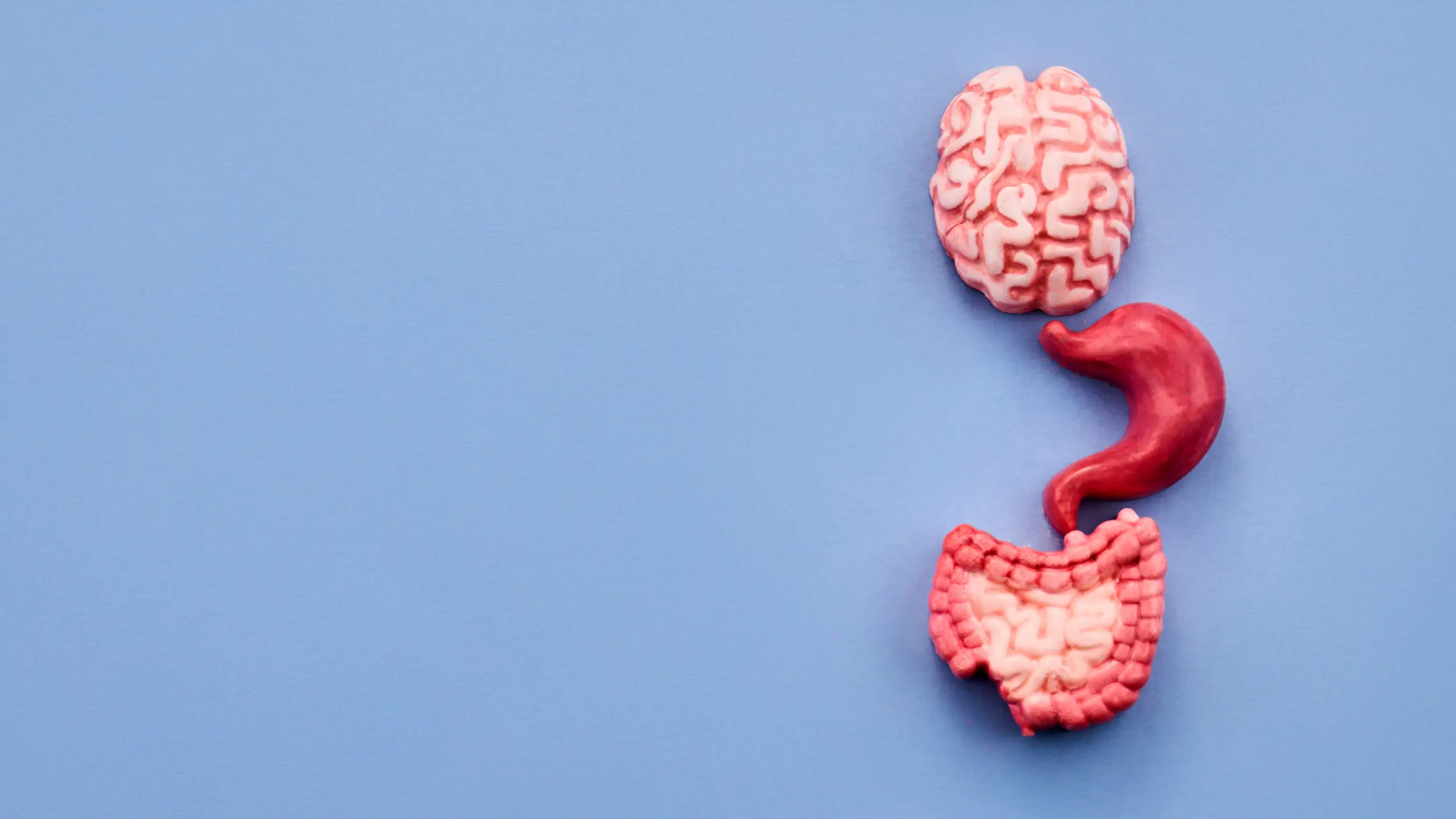
Your gut microbiome is home to trillions of bacteria that do far more than just digest food. These microscopic allies produce vitamins like B12 and K, regulate your immune function, manufacture neurotransmitters that influence mood, and even communicate with your brain through the gut-brain axis [2]. When antibiotics disrupt this ecosystem, the effects ripple throughout your entire body.
Signs your microbiome needs extra support after antibiotics:
- Persistent digestive issues like bloating, gas, diarrhea, or constipation
- Increased susceptibility to yeast infections or thrush
- Brain fog and difficulty concentrating
- Unexplained fatigue despite adequate sleep
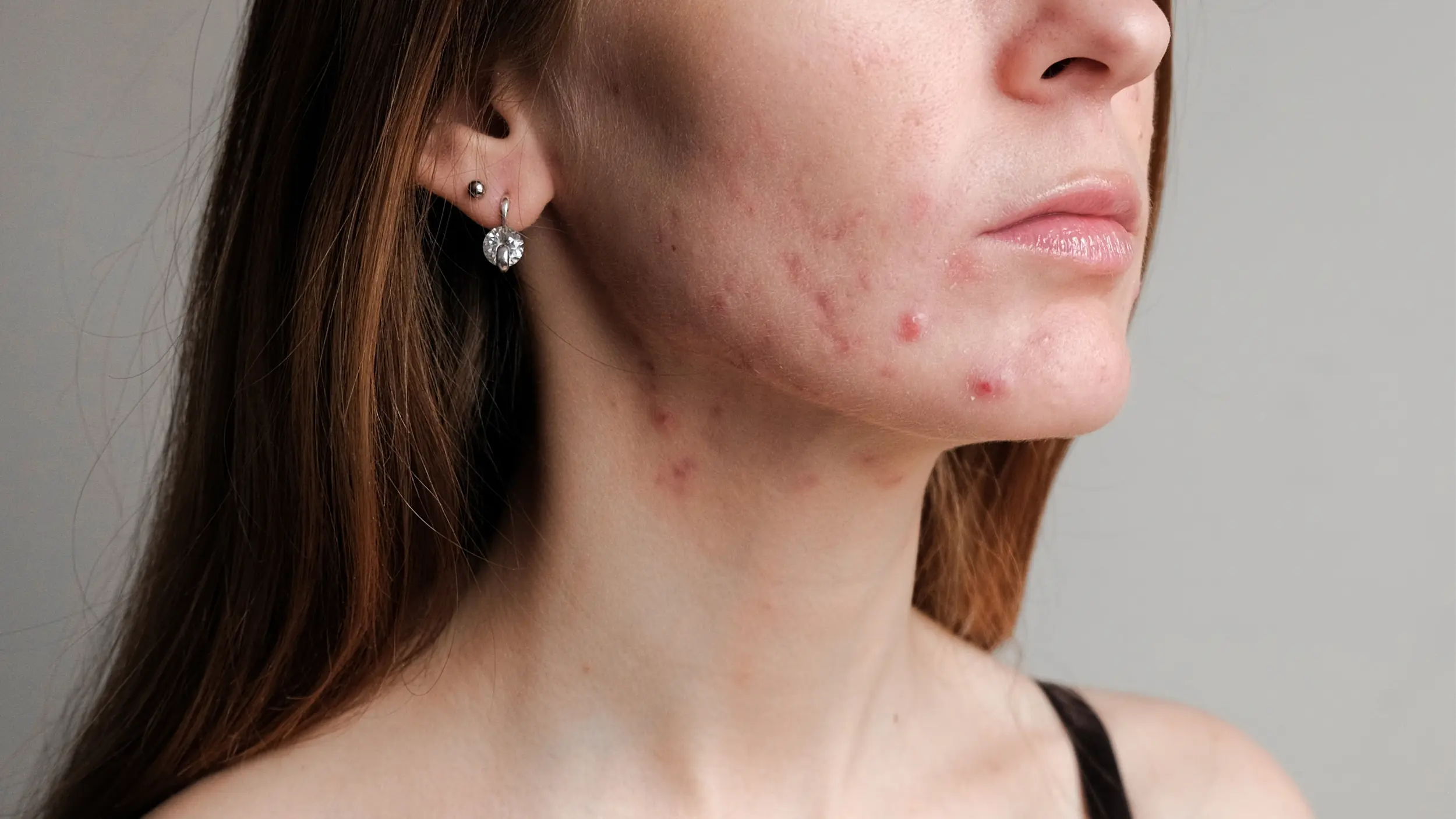
- Skin breakouts or inflammatory conditions
- Heightened anxiety or mood fluctuations
The good news? Your gut is remarkably resilient. Studies demonstrate that targeted dietary interventions can significantly accelerate microbiome rebuilding and restore bacterial diversity within weeks [3]. Prioritizing gut health after antibiotics isn't just about digestive comfort—it's about reclaiming your energy, immunity, and overall vitality.
Nourishing Your Gut: Foods to Embrace for Microbiome Rebuilding
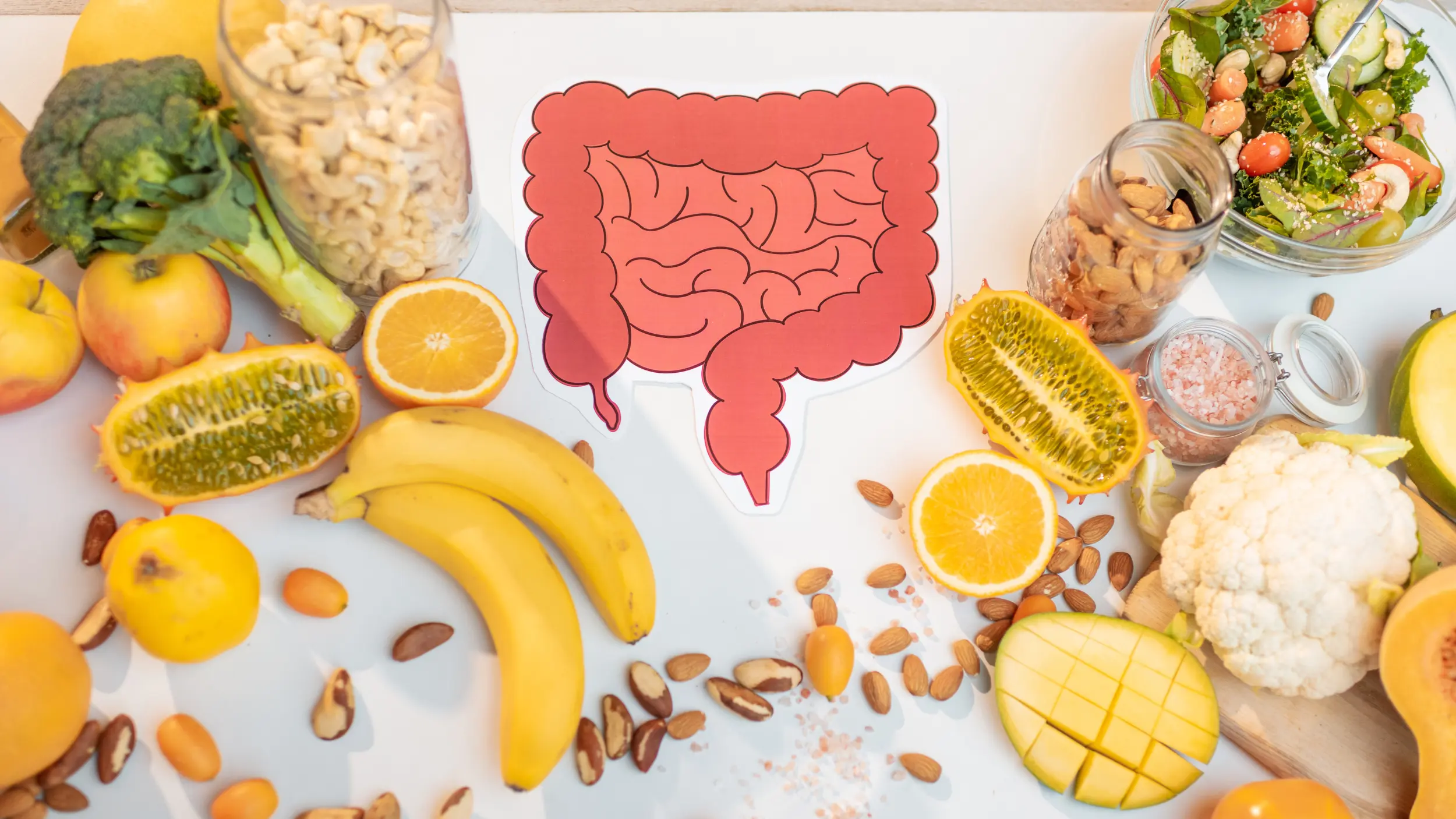
Restoring gut bacteria after antibiotics requires a strategic, food-first approach. Think of it as replanting a garden: you need both the seeds (probiotics) and the soil nutrients (prebiotics) for beneficial bacteria to flourish.
Prebiotic Powerhouses: Feeding Your Beneficial Bacteria
Prebiotics are specialized plant fibers that your human cells can't digest, but your gut bacteria absolutely thrive on. When you consume prebiotic-rich foods, you're essentially providing fuel for the good guys to multiply and dominate the microbial landscape.
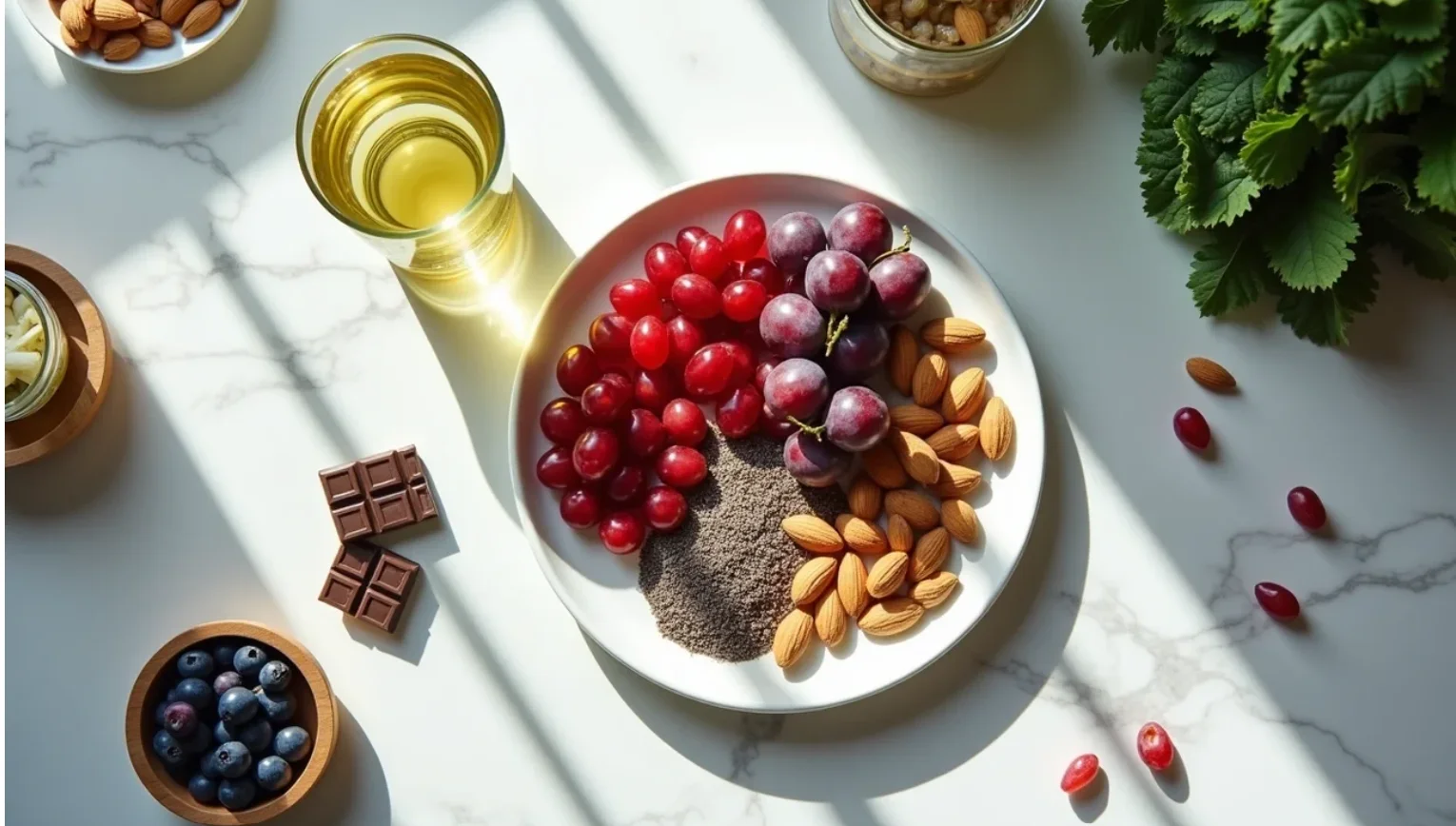
- Garlic and onions contain inulin and fructooligosaccharides (FOS) that selectively feed Bifidobacteria and Lactobacilli species. Start with cooked versions if raw feels too intense on your recovering gut.
- Jerusalem artichokes and asparagus pack impressive amounts of inulin. Try roasting asparagus with olive oil or pureeing Jerusalem artichokes into soup.
- Bananas (especially slightly green ones) deliver resistant starch, which ferments in your colon to produce beneficial short-chain fatty acids like butyrate.
- Oats and barley provide beta-glucan fiber that supports both microbial diversity and intestinal barrier function.
- Legumes like chickpeas, lentils, and black beans offer a trifecta of prebiotic fiber, resistant starch, and plant protein.
Aim for at least 25-30 grams of diverse fiber daily to optimize gut microbiome support. If you're not used to high-fiber eating, increase gradually to avoid temporary bloating. This is where optimizing your gut health with a comprehensive microbiome approach becomes essential.
Probiotic-Rich Foods: Introducing Beneficial Bacteria
While prebiotics feed existing bacteria, probiotics introduce live beneficial strains directly. The research on probiotics after antibiotics is compelling: a 2021 systematic review found that specific probiotic strains can reduce antibiotic-associated diarrhea by up to 60% [6].
Top fermented foods for restoring gut flora:
- Plain yogurt with live cultures (look for Lactobacillus acidophilus, Bifidobacterium lactis, and Lactobacillus casei on labels)
- Kefir, which contains 30-50 different bacterial strains compared to yogurt's 5-10
- Sauerkraut and kimchi (unpasteurized versions from the refrigerated section)
- Miso paste stirred into warm water or used as a savory flavor base
- Kombucha in moderation (watch sugar content)
- Tempeh as a protein-rich alternative to meat
For maximum benefit, consume fermented foods daily rather than sporadically. Think of it as regular deposits into your gut health savings account.
Strategic Eating for Post-Antibiotic Gut Healing
Beyond specific foods, how you eat matters tremendously during antibiotic recovery. Your gut lining may be temporarily compromised, making it more sensitive to inflammatory triggers.
Consider these dietary strategies:
- Space out probiotic supplements and antibiotic doses by at least 2-3 hours if you're still on medication
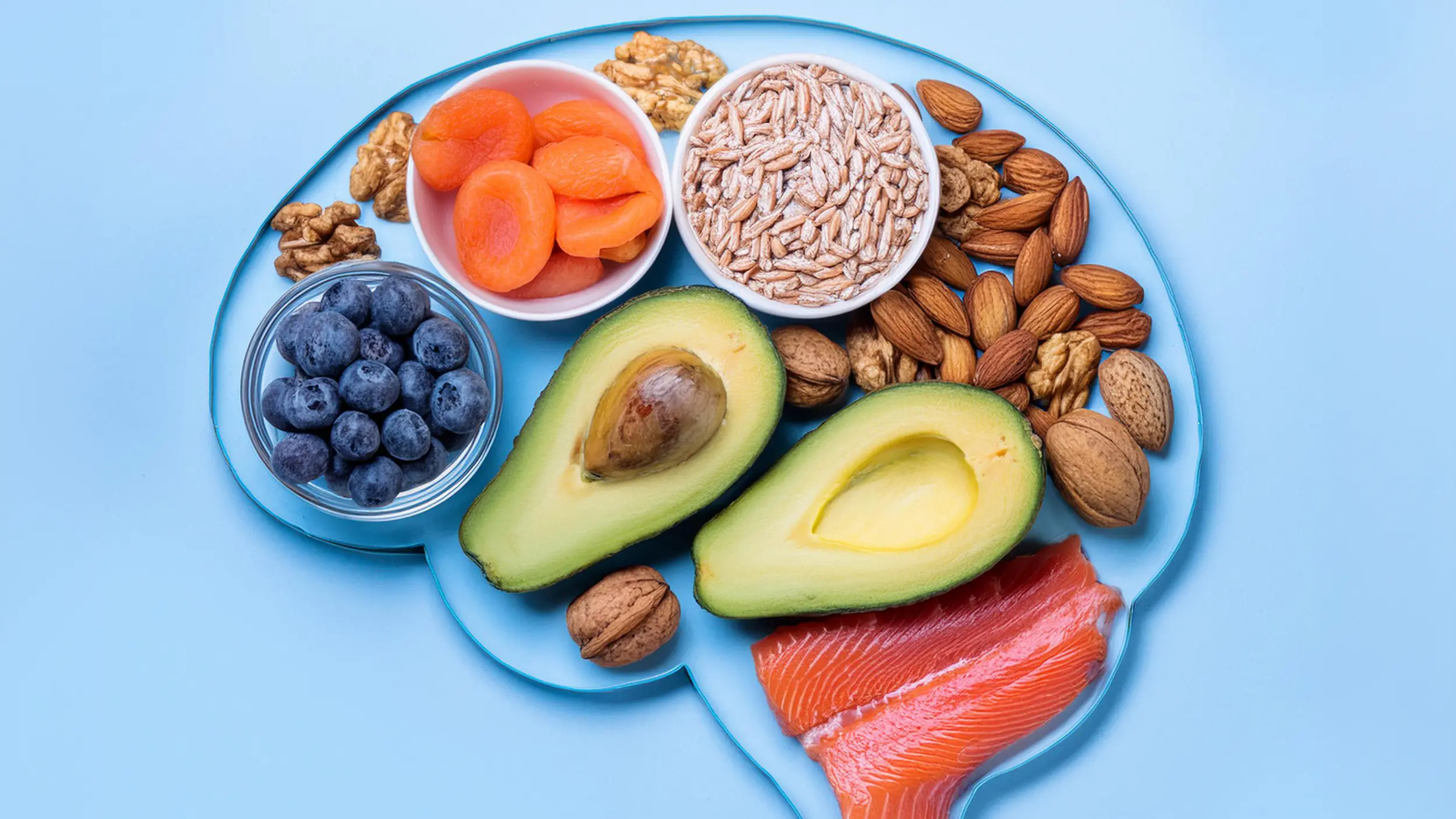
- Emphasize anti-inflammatory fats like extra virgin olive oil, wild-caught salmon, and avocados to support intestinal barrier repair
- Reduce added sugars and ultra-processed foods that feed potentially opportunistic bacteria like Candida
- Stay hydrated with at least 8-10 glasses of water daily to support toxin elimination
- Include bone broth rich in glutamine and collagen peptides that nourish intestinal cells
Your antibiotic recovery diet should feel nourishing, not restrictive. Focus on adding beneficial foods rather than fixating on everything you "can't" have. When you're working to balance multiple health priorities, understanding how hormone balance and nutrition intersect becomes particularly relevant, since gut health directly influences hormonal regulation.
Lifestyle Support: Beyond Diet for a Thriving Gut
Healing your gut requires more than just what's on your plate. The gut-brain connection is bidirectional—meaning stress and lifestyle factors directly influence your microbial composition.
The Stress-Gut Connection
Chronic stress triggers the release of cortisol and other stress hormones that can alter gut motility, increase intestinal permeability (often called "leaky gut"), and shift bacterial populations toward less beneficial species [8]. When you're already rebuilding your microbiome after antibiotics, unmanaged stress can significantly slow your recovery.
Practical stress management for gut healing:
- Practice diaphragmatic breathing for 5-10 minutes before meals to activate your parasympathetic "rest and digest" nervous system
- Incorporate gentle movement like walking, yoga, or stretching that doesn't overtax your recovering system
- Prioritize 7-9 hours of quality sleep, as your gut bacteria follow circadian rhythms too
- Limit alcohol consumption, which can further disrupt microbial balance during recovery
Mindful Eating Practices
Your digestive system performs optimally when you're relaxed and present during meals. Eating while stressed, rushed, or distracted diverts blood flow away from your gut and impairs proper digestion.
Try these mindful eating techniques:
- Sit down for meals without screens or multitasking
- Chew each bite thoroughly (aim for 20-30 chews) to mechanically break down food and mix it with digestive enzymes
- Notice hunger and fullness cues rather than eating by the clock
- Express gratitude for the nourishment you're providing your body
If you're experiencing persistent fatigue alongside gut issues, it might be worth exploring whether functional nutrition approaches to stress and energy could provide additional support.
Movement and Exercise Considerations
Moderate exercise has been shown to increase microbial diversity and promote the growth of butyrate-producing bacteria [10]. However, during the immediate post-antibiotic recovery period, intense workouts can be counterproductive if your body is still healing.
Focus on gentle, consistent movement rather than high-intensity training until your gut symptoms resolve. A 20-30 minute daily walk can support gut motility without overwhelming your system.
Frequently Asked Questions
How long does it take to rebuild gut bacteria after antibiotics?
Most people see significant improvement in gut symptoms within 2-4 weeks of completing antibiotics when following a targeted recovery protocol. However, complete microbiome restoration varies by individual and antibiotic type. Research indicates that some bacterial species return to baseline within weeks, while others may take 6 months or longer to fully recover [11]. Broad-spectrum antibiotics typically require longer recovery periods than narrow-spectrum options. The good news is that consistent dietary support dramatically accelerates this timeline.
What are the best probiotics to take after antibiotics?
Look for multi-strain probiotic supplements containing Lactobacillus rhamnosus GG, Saccharomyces boulardii, Bifidobacterium lactis, and Lactobacillus acidophilus—strains with the strongest evidence for post-antibiotic recovery [12]. Choose products with at least 10-20 billion CFUs (colony-forming units) and take them at least 2-3 hours apart from antibiotic doses if you're still on medication. The probiotic yeast Saccharomyces boulardii is particularly resistant to antibiotics and can be taken simultaneously. Quality matters tremendously—select brands that use third-party testing and refrigerated storage when appropriate.
Can I eat dairy after antibiotics?
Yes, but with some nuance. Many people experience temporary lactose intolerance after antibiotics because the disrupted gut bacteria that help digest lactose are depleted. If you notice bloating, gas, or diarrhea after consuming dairy, try fermented options like yogurt and kefir first, as the fermentation process breaks down much of the lactose and introduces beneficial bacteria. These probiotic-rich dairy foods can actually support microbiome rebuilding. If you tolerate them well, you can gradually reintroduce other dairy products. However, if you had lactose intolerance before antibiotics, it will likely persist and may feel temporarily worse during recovery.
Ready to take the first step towards a happier, healthier gut? Rebuilding your microbiome after antibiotics doesn't have to feel overwhelming or confusing. Book a consultation with me today to create a personalized plan just for you—one that considers your unique symptoms, lifestyle, and health goals. Let's restore your gut health together.
References
[1] Palleja A, Mikkelsen KH, Forslund SK, et al. Recovery of gut microbiota of healthy adults following antibiotic exposure. Nature Microbiology, 2018.
[2] Cryan JF, O'Riordan KJ, Cowan CSM, et al. The Microbiota-Gut-Brain Axis. Physiological Reviews, 2019.
[3] Korpela K, Salonen A, Virta LJ, et al. Lactobacillus rhamnosus GG intake modifies preschool children's intestinal microbiota, alleviates penicillin-associated changes, and reduces antibiotic use. Nature Communications, 2016.
[4] Slavin J. Fiber and Prebiotics: Mechanisms and Health Benefits. Nutrients, 2013.
[5] Koh A, De Vadder F, Kovatcheva-Datchary P, Bäckhed F. From Dietary Fiber to Host Physiology: Short-Chain Fatty Acids as Key Bacterial Metabolites. Cell, 2016.
[6] Goldenberg JZ, Yap C, Lytvyn L, et al. Probiotics for the prevention of Clostridium difficile-associated diarrhea in adults and children. Cochrane Database of Systematic Reviews, 2017.
[7] Kim MH, Kim H. The Roles of Glutamine in the Intestine and Its Implication in Intestinal Diseases. International Journal of Molecular Sciences, 2017.
[8] Karl JP, Hatch AM, Arcidiacono SM, et al. Effects of Psychological, Environmental and Physical Stressors on the Gut Microbiota. Frontiers in Microbiology, 2018.
[9] Voigt RM, Forsyth CB, Green SJ, et al. Circadian Disorganization Alters Intestinal Microbiota. PLOS ONE, 2014.
[10] Mach N, Fuster-Botella D. Endurance exercise and gut microbiota: A review. Journal of Sport and Health Science, 2017.
[11] Dethlefsen L, Relman DA. Incomplete recovery and individualized responses of the human distal gut microbiota to repeated antibiotic perturbation. Proceedings of the National Academy of Sciences, 2011.
[12] McFarland LV. Use of probiotics to correct dysbiosis of normal microbiota following disease or disruptive events: a systematic review. BMJ Open, 2014.
.svg)
.svg)



.webp)
.webp)
.webp)
.webp)
.webp)


.webp)
.webp)
.png)
.webp)
.webp)