.webp)
%2B(7).webp)
.png)
At a Glance
Your gut and skin communicate constantly through the gut-skin axis, meaning poor digestive health often shows up as breakouts, dullness, or inflammation on your face. An imbalanced microbiome triggers systemic inflammation that weakens your skin barrier and accelerates visible aging. By nurturing your gut bacteria with targeted nutrition, you can transform your skin from the inside out—no expensive serums required.
Introduction
Hey there! Ever wonder why your skin seems to have a mind of its own, sometimes breaking out or looking dull even when you're doing all the 'right' things? It might be more connected to what's happening inside your body than you think. We're diving deep into the fascinating connection between your gut and your skin—the gut-skin axis. As your dietitian, I'm here to guide you through this intricate relationship and help you achieve that glowing, healthy skin from the inside out.
Here's the truth: that $200 face cream might be treating symptoms while your gut microbiome is screaming for attention. The science behind this connection is rock-solid, and understanding it will completely change how you approach skin health.
Understanding the Gut-Skin Connection: What's Really Happening?
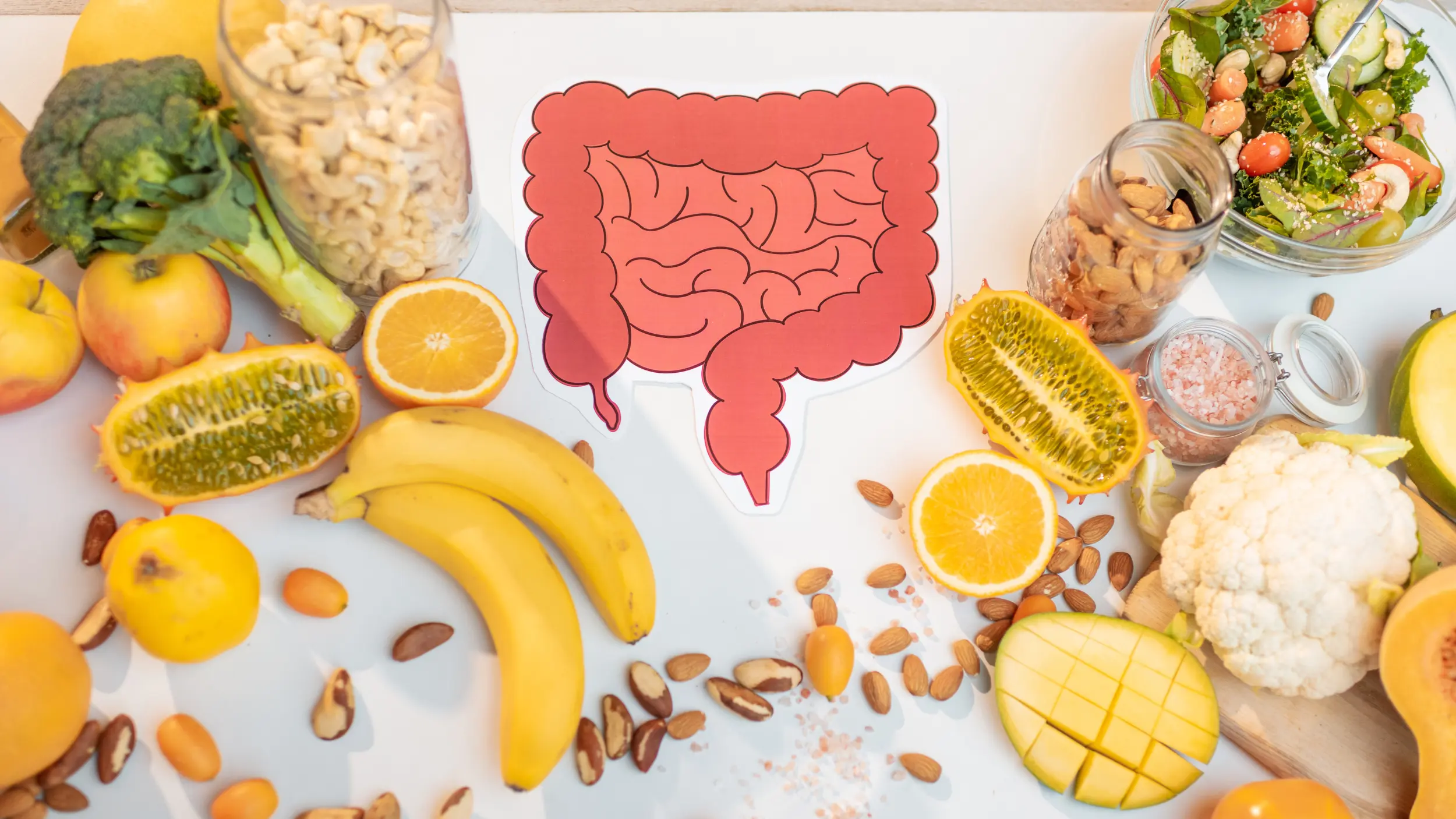
The gut-skin axis represents a bidirectional communication system between your gastrointestinal tract and your skin—the body's largest organ [1]. When your gut microbiome becomes imbalanced (a state called dysbiosis), it triggers a cascade of inflammatory responses that don't stay localized to your digestive system. Instead, these inflammatory signals travel through your bloodstream and manifest externally as skin issues [2].
Think of your gut lining as a selective bouncer at an exclusive club. When it's functioning properly, it allows beneficial nutrients through while keeping harmful substances out. But when that barrier becomes compromised—often referred to as increased intestinal permeability or "leaky gut"—undigested food particles, toxins, and bacteria can slip through into your bloodstream [3].
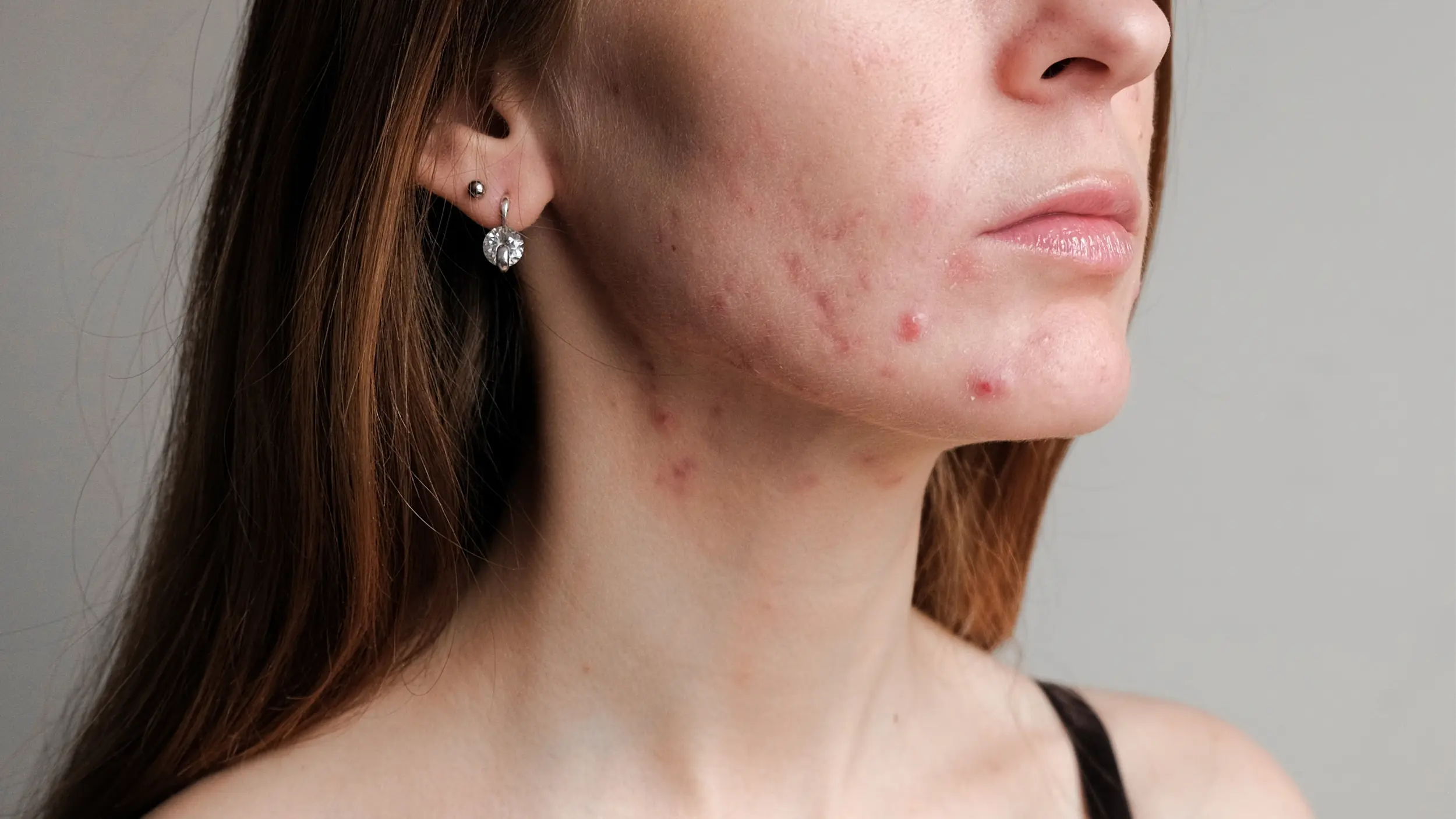
Your immune system responds to these invaders by releasing inflammatory cytokines, which are like emergency distress signals. These signals don't just affect your gut; they travel throughout your body, including to your skin. The result? Inflammation that shows up as acne, rosacea, eczema, or just generally lackluster skin that won't glow no matter how much highlighter you apply.
The connection goes even deeper. Your gut bacteria actually produce metabolites—small molecules that influence skin physiology from within. Some of these metabolites are anti-inflammatory and support skin barrier function, while others can trigger oxidative stress and accelerate aging [4]. If you're dealing with hormonal imbalances that affect your skin, your gut health plays a starring role in that drama too.
The Power of Your Microbiome: From Gut Bacteria to Skin Barrier
Let's talk about the trillions of tiny organisms living in your gut—your microbiome! This complex ecosystem of bacteria, fungi, and other microorganisms does so much more than help you digest last night's dinner. A balanced gut bacteria population directly influences your skin barrier integrity, moisture retention, and inflammatory responses [5].
Here's what a healthy microbiome does for your skin:
- It produces short-chain fatty acids (SCFAs) like butyrate, which reduce systemic inflammation and support skin barrier function.
- It regulates your immune system, preventing it from overreacting to harmless triggers—reactions that often show up as inflammatory skin conditions.
- It synthesizes certain vitamins (like biotin and vitamin K) that support skin cell turnover and repair.
When your microbiome becomes imbalanced, you lose these protective benefits. Studies show that people with acne have distinctly different gut bacterial compositions compared to those with clear skin [8]. Similarly, individuals with rosacea often have higher rates of small intestinal bacterial overgrowth (SIBO) [9].
Your skin barrier—that outermost protective layer of your skin—relies heavily on signals from your gut. When gut bacteria are thriving, they communicate with your skin cells to maintain optimal ceramide production, the lipids that keep your skin hydrated and protected [10]. Compromise your gut health, and that barrier becomes permeable, leading to transepidermal water loss, sensitivity, and that tight, uncomfortable feeling no amount of moisturizer seems to fix.
The takeaway? Your skin barrier strength is largely determined by what's happening in your digestive tract, which is exactly why optimizing your gut health should be your first line of defense against chronic skin issues.
Nurturing Your Gut for Clearer, Healthier Skin
Now that you understand the science, let's get practical. Supporting your gut health doesn't require expensive supplements or restrictive elimination diets—though strategic interventions definitely have their place. Instead, think about building a foundation of gut-nourishing habits that naturally support both digestive health and skin radiance.
The most powerful intervention? Dietary diversity. Research shows that people who consume 30 or more different plant foods per week have significantly more diverse gut microbiomes than those eating fewer varieties [11]. This diversity translates directly to skin benefits because different bacterial species produce different beneficial metabolites.
Start by auditing your current intake. Are you eating the same rotation of foods every week? Most women I work with are shocked to realize they're only consuming about 10-15 different plant foods regularly. Challenge yourself to expand that number by incorporating:
- Different colored vegetables (each color represents different polyphenols that feed distinct bacterial strains)
- Various whole grains beyond just oats and brown rice—think quinoa, farro, buckwheat, and millet
- A rotation of nuts and seeds rather than always reaching for almonds
- Herbs and spices, which count toward your plant diversity and pack serious anti-inflammatory benefits
Prebiotics deserve special attention. These are specific types of fiber that your gut bacteria ferment into those skin-supporting short-chain fatty acids. Foods particularly high in prebiotics include garlic, onions, leeks, asparagus, Jerusalem artichokes, and slightly green bananas [12]. If you're experiencing skin inflammation alongside digestive symptoms, gradually increasing these foods can create measurable improvements in both areas.
Hydration matters more than you think. Water supports the mucosal lining of your intestines, which is your first defense against that leaky gut situation we discussed earlier [13]. Aim for at least half your body weight in ounces daily—more if you're active or live in a dry climate.
Foods and Habits that Promote Skin Health from Within
Let's get specific about the foods that offer the most bang for your gut-skin buck. These aren't just trendy wellness foods; they're backed by solid research showing their impact on the gut-skin axis.
Fermented foods are your best friends. Kimchi, sauerkraut, kefir, unsweetened yogurt with live cultures, miso, and kombucha all deliver beneficial probiotics for skin health directly to your gut [14]. The key is consistency—aim for at least one serving daily. Start small if you're new to fermented foods; your gut needs time to adjust.
I recommend starting with 1-2 tablespoons of sauerkraut or a few ounces of kefir and gradually increasing over 2-3 weeks. Many of my clients notice improvements in both digestion and skin clarity within 4-6 weeks of consistent fermented food intake.
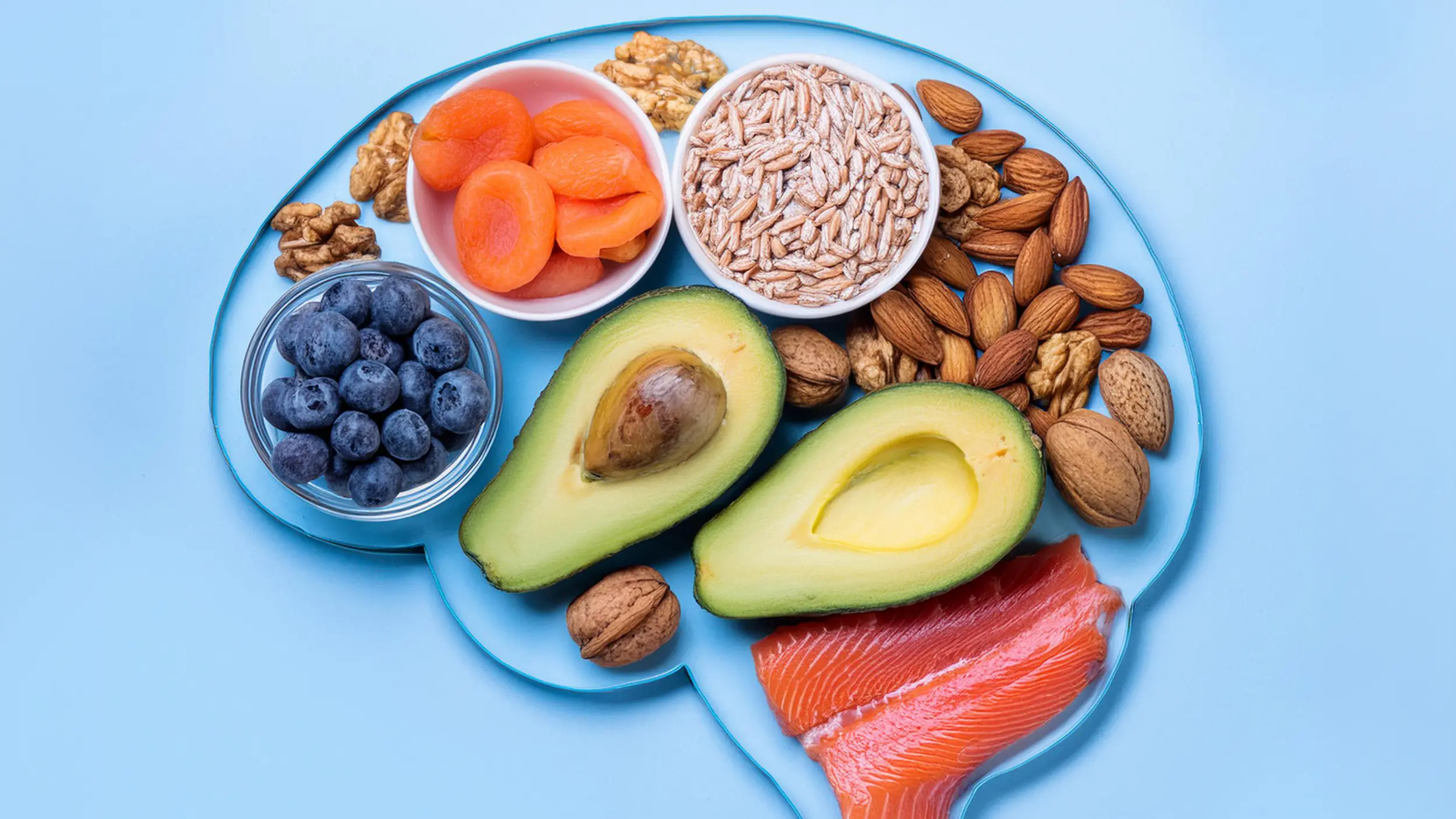
Omega-3 fatty acids are non-negotiable. These anti-inflammatory fats support both gut lining integrity and skin barrier function [15]. Focus on fatty fish like salmon, mackerel, sardines, and anchovies at least twice weekly. Plant sources like flaxseeds, chia seeds, and walnuts are beneficial too, though they require conversion in your body to the active forms EPA and DHA.
Polyphenol-rich foods feed your beneficial bacteria and reduce oxidative stress that accelerates skin aging [16]. Load up on:
- Fermented foods are your best friends. Kimchi, sauerkraut, kefir, unsweetened yogurt with live cultures, miso, and kombucha all deliver beneficial probiotics for skin health directly to your gut. The key is consistency—aim for at least one serving daily. Start small if you're new to fermented foods; your gut needs time to adjust.
- Omega-3 fatty acids are non-negotiable. These anti-inflammatory fats support both gut lining integrity and skin barrier function. Focus on fatty fish like salmon, mackerel, sardines, and anchovies at least twice weekly. Plant sources like flaxseeds, chia seeds, and walnuts are beneficial too, though they require conversion in your body to the active forms EPA and DHA.
- Polyphenol-rich foods feed your beneficial bacteria and reduce oxidative stress that accelerates skin aging. Load up on:
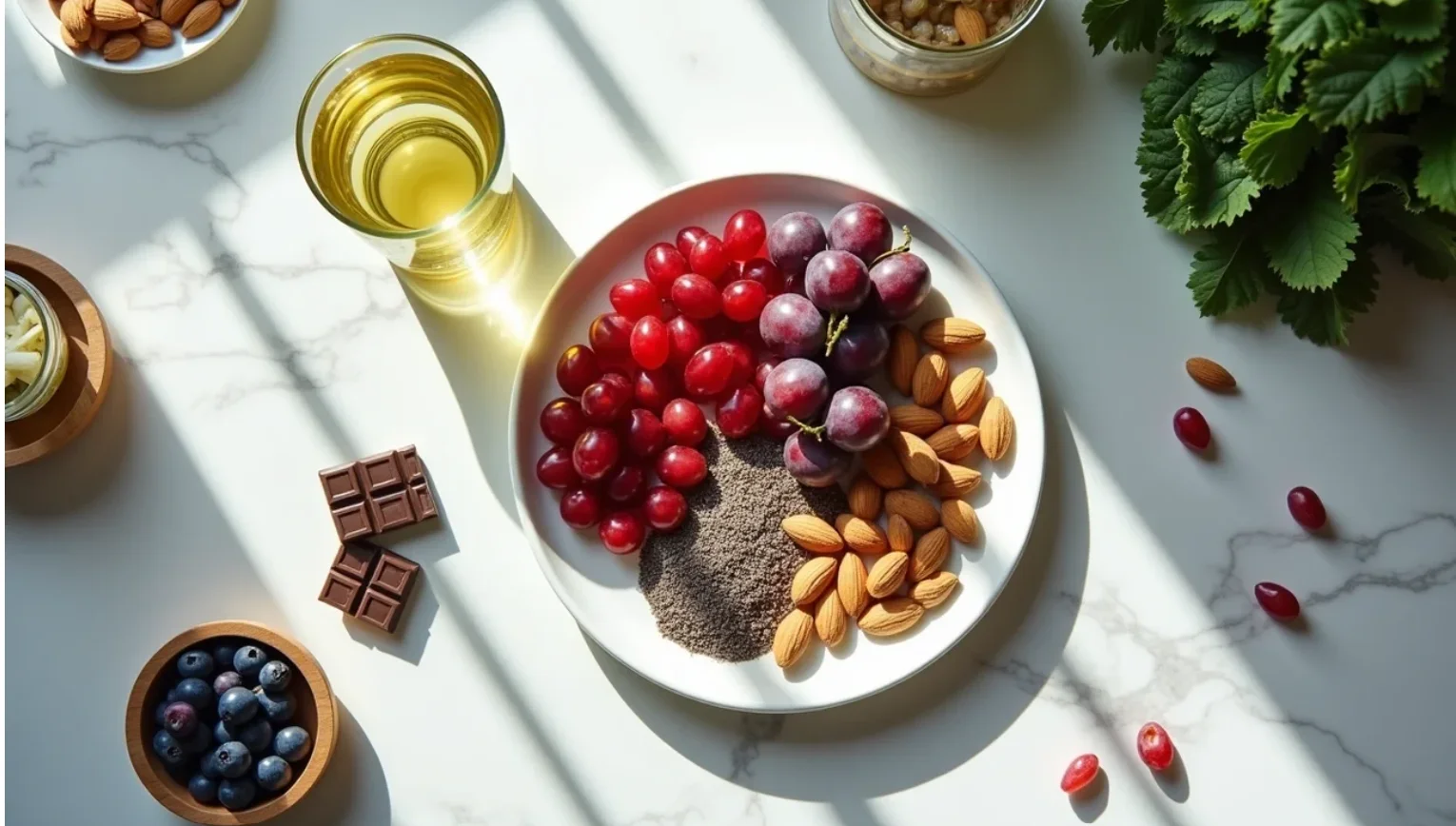
- Berries (especially blueberries and blackberries)
- Dark leafy greens
- Green tea
- Extra virgin olive oil
- Dark chocolate (70% cacao or higher)
- Colorful vegetables like purple cabbage, beets, and bell peppers
- Bone broth or collagen peptides can support gut lining repair through their high glycine and glutamine content [17]. While more research is needed, clinical experience shows that women who incorporate these regularly often see improvements in both digestive comfort and skin hydration.
Beyond food, certain habits amplify your efforts. Managing stress through regular movement, adequate sleep (7-9 hours), and mindfulness practices directly impacts your gut microbiome composition [18]. Chronic stress alters gut bacteria in ways that promote inflammation—the exact opposite of what your skin needs. If stress management feels overwhelming, exploring functional nutrition approaches to stress and energy might provide the framework you need.
Limit your intake of inflammatory foods that damage gut bacteria: excessive alcohol, artificial sweeteners, highly processed foods, and added sugars all disrupt your microbiome and trigger inflammatory cascades that show up on your skin [19].
Addressing Skin Issues by Optimizing Digestive Health
Here's where we connect the dots between your specific skin concerns and what might be happening in your gut. If you've been treating your acne, eczema, or rosacea with topical products alone, you're likely addressing symptoms while the root cause—gut dysfunction—continues unchecked.
- Acne, particularly adult hormonal acne, has strong connections to gut health. Studies show that people with acne have altered gut microbiomes with lower bacterial diversity and higher populations of inflammatory species [20]. Additionally, conditions like SIBO and dysbiosis can affect how your body metabolizes hormones, leading to excess androgens that trigger sebum production and breakouts [21].
- Eczema and atopic dermatitis often begin in the gut. Research demonstrates that infants and children with eczema have distinct gut bacterial patterns, and this connection continues into adulthood [22]. The inflammatory response triggered by gut permeability and dysbiosis manifests as the red, itchy, inflamed skin characteristic of these conditions.
- Rosacea shows particularly strong gut connections. Up to 54% of people with rosacea also have SIBO, compared to just 5% of controls [23]. When SIBO is treated, rosacea symptoms often improve dramatically, even without any topical interventions.
- Premature aging and dull skin might seem cosmetic, but they're often signs of chronic low-grade inflammation originating in your gut. When your body is constantly fighting inflammatory fires sparked by gut dysfunction, it diverts resources away from skin repair and regeneration [24].
From Bloating to Breakouts: Your Diet as a Solution
Notice how your skin seems worse when your digestion is off? That's not coincidence—it's your gut-skin axis in action. The same dietary triggers causing your bloating, gas, or irregular bowel movements are likely contributing to your skin issues too.
If you experience both digestive discomfort and skin problems, consider these strategic dietary adjustments:
- Start with an anti-inflammatory baseline. Remove or significantly reduce the most common gut irritants for 3-4 weeks: alcohol, added sugars, processed foods, and excessive caffeine. This isn't about restriction; it's about creating a clean slate so you can identify your specific triggers.
- Identify your personal food sensitivities. Common culprits include gluten, dairy, soy, and eggs—but these vary by individual. Working with a dietitian to conduct a structured elimination and reintroduction protocol provides clarity without unnecessary restriction. What bothers your gut will inevitably show up on your skin.
- Support your gut lining repair. Focus on glutamine-rich foods (bone broth, cabbage, beef), zinc sources (oysters, pumpkin seeds, chickpeas), and vitamin A foods (sweet potatoes, carrots, liver) that support both intestinal and skin barrier function [25].
- Time your meals consistently. Erratic eating patterns disrupt your circadian rhythm, which directly affects gut microbiome composition and skin cell turnover [26]. Aim for regular meal times and avoid late-night eating, which impairs both digestive function and skin repair processes that occur during sleep.
- Consider targeted probiotic supplementation. While food should always come first, specific probiotic strains have demonstrated benefits for both gut and skin health. Lactobacillus and Bifidobacterium strains have shown promise in clinical trials for acne, eczema, and skin barrier support [27]. However, not all probiotics are created equal—strain specificity matters enormously.
The most important thing to remember: your skin is a reflection of your internal health. When you prioritize digestive wellness through strategic nutrition, the skin benefits follow naturally. This isn't about quick fixes; it's about building a foundation of health that radiates outward.
FAQ
What are the first signs that my gut health is affecting my skin?
The earliest indicators include persistent acne despite good skincare, unexplained skin sensitivity or reactivity, inflammatory conditions like eczema or rosacea that won't resolve, and overall dullness or uneven texture. If these skin issues coincide with digestive symptoms like bloating, irregular bowel movements, or food sensitivities, the gut-skin axis is almost certainly involved. Many women also notice that their skin looks worse during periods of digestive stress or after eating certain trigger foods—that's your gut-skin connection talking.
Can improving my gut health really help with acne and other skin problems?
Absolutely. Multiple clinical studies demonstrate that addressing gut dysfunction leads to measurable improvements in acne, eczema, rosacea, and premature aging [28]. When you reduce gut inflammation, repair intestinal permeability, and rebalance your microbiome, you're addressing the root cause rather than just managing symptoms. Most of my clients see noticeable skin improvements within 6-8 weeks of implementing gut-supportive dietary changes, with continued progress over 3-6 months. The key is consistency and addressing your specific gut imbalances rather than following generic protocols.
What are the best probiotic-rich foods for both gut and skin health?
The most effective probiotic foods are fermented options that deliver live beneficial bacteria: unsweetened yogurt or kefir with live active cultures, sauerkraut (refrigerated, not shelf-stable), kimchi, miso, tempeh, and kombucha. For maximum benefit, aim to include at least one serving daily. Variety matters—different fermented foods contain different bacterial strains, so rotating your choices provides broader microbiome support. Pair these probiotic foods with prebiotic fiber sources like garlic, onions, asparagus, and oats to feed the beneficial bacteria and maximize their skin-supporting benefits.
Ready to Transform Your Skin from Within?
Understanding the gut-skin axis is just the beginning. Implementing personalized nutrition strategies that address your specific gut imbalances and skin concerns requires expert guidance. If you're tired of treating symptoms topically while the root cause remains unaddressed, it's time for a different approach.
Book a personalized consultation at www.usevedic.com to create a tailored gut-healing protocol designed specifically for your body, your symptoms, and your goals. Let's get your skin glowing from the inside out—for real this time.
References
[1] Salem I, Ramser A, Isham N, Ghannoum MA. The Gut Microbiome as a Major Regulator of the Gut-Skin Axis. Frontiers in Microbiology, 2018.
[2] Lee YB, Byun EJ, Kim HS. Potential Role of the Microbiome in Acne: A Comprehensive Review. Journal of Clinical Medicine, 2019.
[3] Mu Q, Kirby J, Reilly CM, Luo XM. Leaky Gut As a Danger Signal for Autoimmune Diseases. Frontiers in Immunology, 2017.
[4] Vaughn AR, Notay M, Clark AK, Sivamani RK. Skin-Gut Axis: The Relationship Between Intestinal Bacteria and Skin Health. World Journal of Dermatology, 2017.
[5] O'Neill CA, Monteleone G, McLaughlin JT, Paus R. The Gut-Skin Axis in Health and Disease: A Paradigm with Therapeutic Implications. BioEssays, 2016.
[6] Kober MM, Bowe WP. The Effect of Probiotics on Immune Regulation, Acne, and Photoaging. International Journal of Women's Dermatology, 2015.
[7] Hill C, Guarner F, Reid G, et al. Expert Consensus Document: The International Scientific Association for Probiotics and Prebiotics Consensus Statement on the Scope and Appropriate Use of the Term Probiotic. Nature Reviews Gastroenterology & Hepatology, 2014.
[8] Deng Y, Wang H, Zhou J, Mou Y, Wang G, Xiong X. Patients with Acne Vulgaris Have a Distinct Gut Microbiota in Comparison with Healthy Controls. Acta Dermato-Venereologica, 2018.
[9] Parodi A, Paolino S, Greco A, et al. Small Intestinal Bacterial Overgrowth in Rosacea: Clinical Effectiveness of Its Eradication. Clinical Gastroenterology and Hepatology, 2008.
[10] Chen YE, Fischbach MA, Belkaid Y. Skin Microbiota-Host Interactions. Nature, 2018.
[11] McDonald D, Hyde E, Debelius JW, et al. American Gut: An Open Platform for Citizen Science Microbiome Research. mSystems, 2018.
[12] Gibson GR, Hutkins R, Sanders ME, et al. Expert Consensus Document: The International Scientific Association for Probiotics and Prebiotics (ISAPP) Consensus Statement on the Definition and Scope of Prebiotics. Nature Reviews Gastroenterology & Hepatology, 2017.
[13] Popkin BM, D'Anci KE, Rosenberg IH. Water, Hydration, and Health. Nutrition Reviews, 2010.
[14] Marco ML, Sanders ME, Gänzle M, et al. The International Scientific Association for Probiotics and Prebiotics (ISAPP) Consensus Statement on Fermented Foods. Nature Reviews Gastroenterology & Hepatology, 2021.
[15] Balić A, Vlašić D, Žužul K, Marinović B, Bukvić Mokos Z. Omega-3 Versus Omega-6 Polyunsaturated Fatty Acids in the Prevention and Treatment of Inflammatory Skin Diseases. International Journal of Molecular Sciences, 2020.
[16] Dolan KL, Finley JW. Polyphenols, Intestinal Microbiota, and Cardiometabolic Health: A Narrative Review. Nutrients, 2018.
[17] Proksch E, Segger D, Degwert J, Schunck M, Zague V, Oesser S. Oral Supplementation of Specific Collagen Peptides Has Beneficial Effects on Human Skin Physiology: A Double-Blind, Placebo-Controlled Study. Skin Pharmacology and Physiology, 2014.
[18] Madison A, Kiecolt-Glaser JK. Stress, Depression, Diet, and the Gut Microbiota: Human-Bacteria Interactions at the Core of Psychoneuroimmunology and Nutrition. Current Opinion in Behavioral Sciences, 2019.
[19] Statovci D, Aguilera M, MacSharry J, Melgar S. The Impact of Western Diet and Nutrients on the Microbiota and Immune Response at Mucosal Interfaces. Frontiers in Immunology, 2017.
[20] Bowe WP, Logan AC. Acne Vulgaris, Probiotics and the Gut-Brain-Skin Axis - Back to the Future? Gut Pathogens, 2011.
[21] Keller R, Schwierzeck V, Perl T, et al. Small Intestinal Bacterial Overgrowth in Patients with Acne. Journal of the European Academy of Dermatology and Venereology, 2019.
[22] Fieten KB, Totté JEE, Levin E, et al. Fecal Microbiome and Food Allergy in Pediatric Atopic Dermatitis: A Cross-Sectional Pilot Study. International Archives of Allergy and Immunology, 2018.
[23] Weinstock LB, Steinhoff M. Rosacea and Small Intestinal Bacterial Overgrowth: Prevalence and Response to Rifaximin. Journal of Clinical Gastroenterology, 2017.
[24] Cao C, Xiao Z, Wu Y, Ge C. Diet and Skin Aging—From the Perspective of Food Nutrition. Nutrients, 2020.
[25] Kim BS, Pallua N, Bernhagen J, Bucala R. The Macrophage Migration Inhibitory Factor Protein Superfamily in Obesity and Wound Repair. Experimental & Molecular Medicine, 2015.
[26] Thaiss CA, Zeevi D, Levy M, et al. Transkingdom Control of Microbiota Diurnal Oscillations Promotes Metabolic Homeostasis. Cell, 2014.
[27] Kang BS, Seo JG, Lee GS, et al. Antimicrobial Activity of Enterocins from Enterococcus faecalis SL-5 Against Propionibacterium acnes, the Causative Agent in Acne Vulgaris, and Its Therapeutic Effect. Journal of Microbiology, 2009.
[28] Fabbrocini G, Bertona M, Picazo Ó, Pareja-Galeano H, Monfrecola G, Emanuele E. Supplementation with Lactobacillus rhamnosus SP1 Normalises Skin Expression of Genes Implicated in Insulin Signalling and Improves Adult Acne. Beneficial Microbes, 2016.
.svg)
.svg)








.webp)
.webp)
.webp)
.webp)
.webp)


.webp)
.webp)
.png)
.webp)
.webp)