.webp)

%2B(7).webp)
.png)
At a Glance
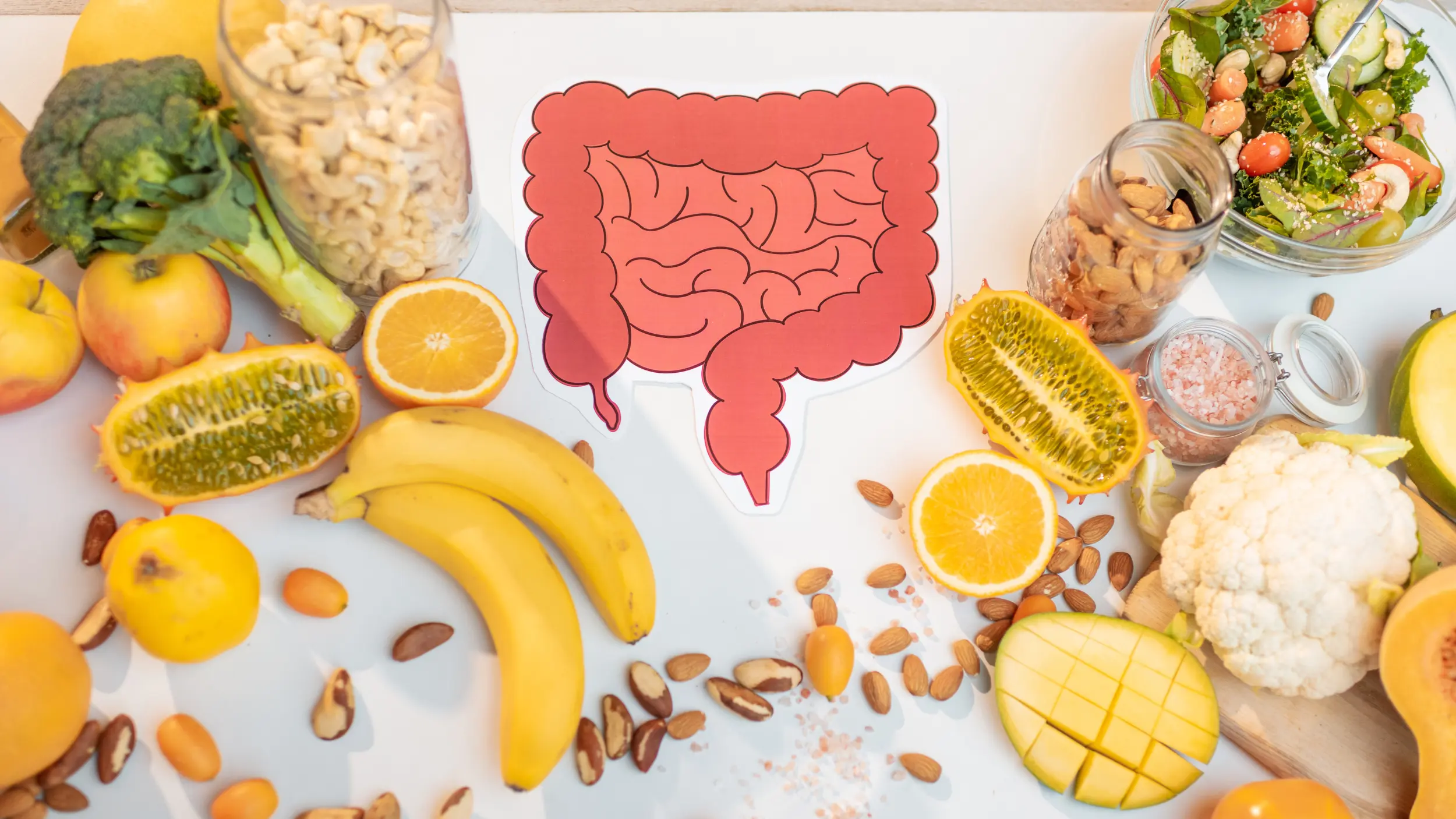
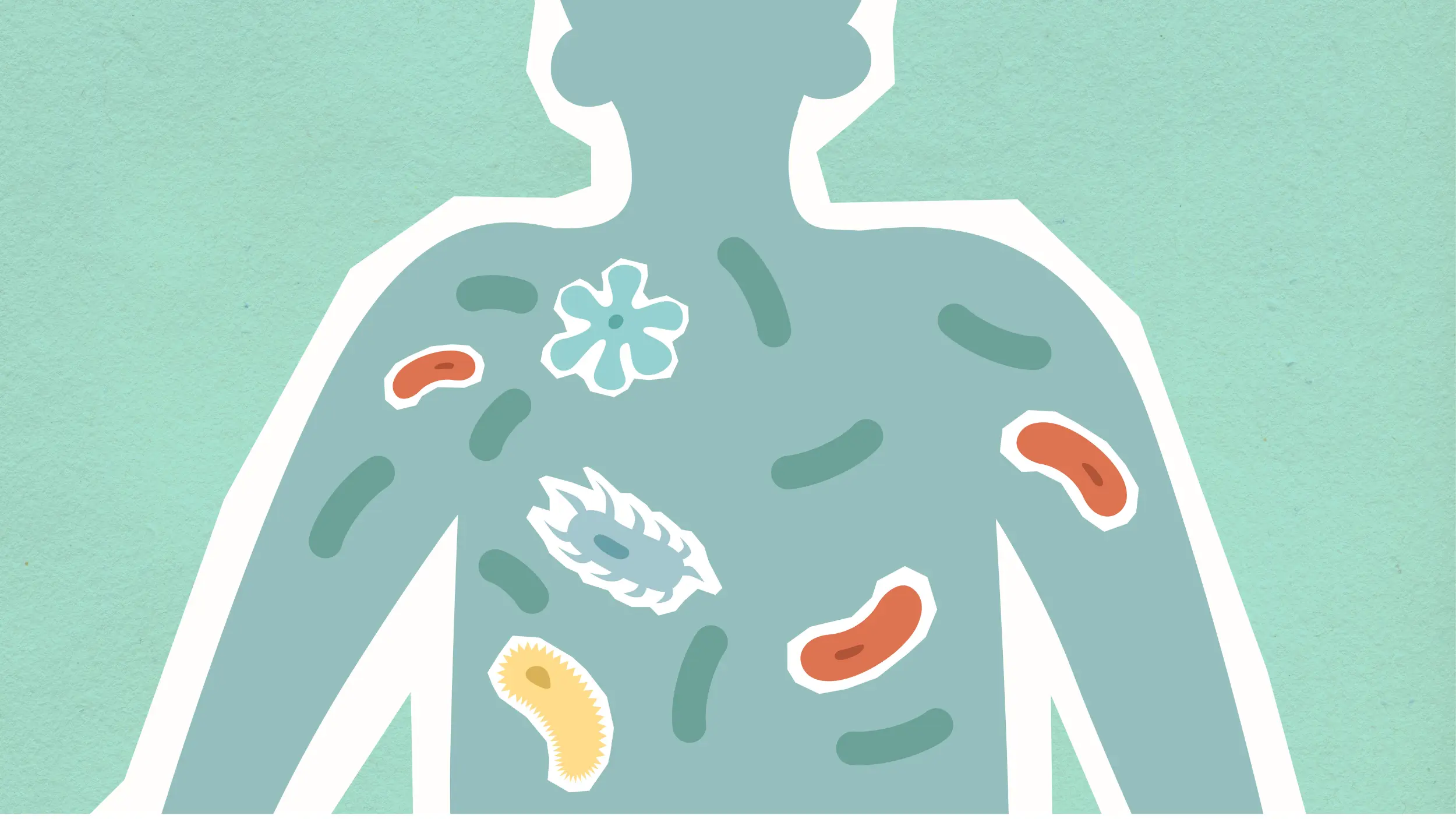
The oral-gut axis is the bidirectional communication network between your mouth and digestive system, where oral bacteria can migrate to your gut and influence everything from nutrient absorption to immune function. Research shows that poor oral health is associated with dysbiosis in the gut microbiome, contributing to inflammation, digestive symptoms, and even mood disturbances [1]. Supporting both ecosystems through targeted nutrition and lifestyle habits can transform your whole-body health.
Understanding the Oral-Gut Axis: A Two-Way Street
Your mouth is home to over 700 species of bacteria, fungi, and viruses—collectively known as your oral microbiome [2]. Every time you swallow, you're sending around 1.5 liters of saliva (and the microbes it contains) down into your digestive tract daily. That's not a trivial amount.
Here's what makes this connection so powerful:
- Oral bacteria don't just stay in your mouth. Pathogenic species like Porphyromonas gingivalis and Fusobacterium nucleatum can colonize your gut, where they've been linked to inflammatory bowel disease, metabolic dysfunction, and even colorectal cancer risk [3].
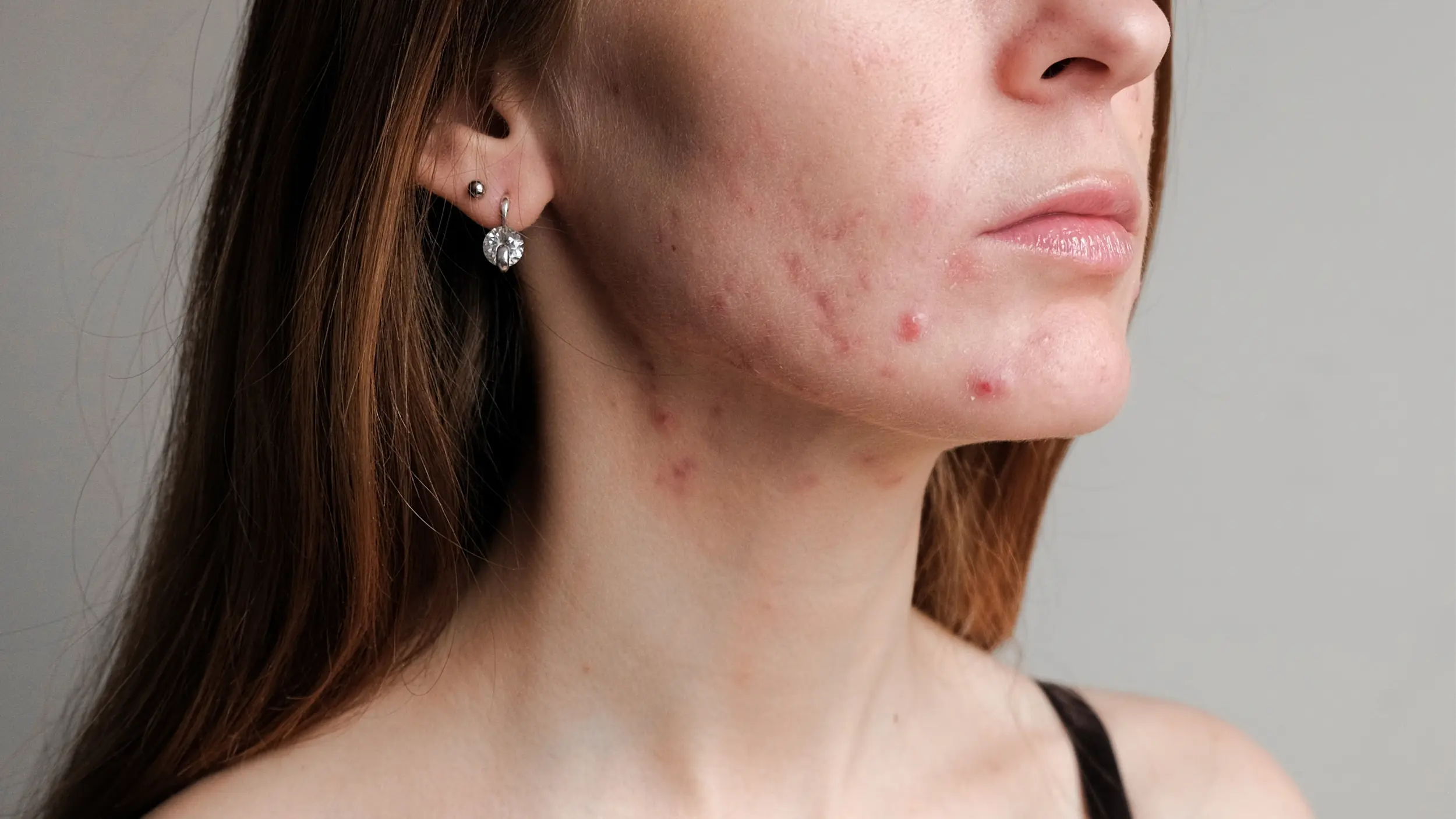
- Your gut can talk back. When you have intestinal permeability or gut microbiome imbalances, systemic inflammation can manifest as oral symptoms like recurrent canker sores, bleeding gums, or chronic bad breath [4].
- The oral-gut axis operates as a surveillance system. A healthy oral microbiome primes your immune system, training it to distinguish between helpful commensals and harmful pathogens before they reach your intestines [5].
When we see clients struggling with unexplained gut health symptoms—bloating, irregular bowel movements, or stubborn food sensitivities—we always assess oral health. Gum disease, cavities, and poor oral hygiene aren't isolated issues; they're red flags for systemic microbial imbalance.
The flip side? Improving your oral microbiome can actually restore gut health. One 2024 study found that participants who used antimicrobial mouthwash showed reduced diversity in both oral and gut bacteria, along with impaired nitric oxide production (hello, blood pressure issues) [6]. That's why we're careful about overly aggressive oral hygiene products.
Nurturing Your Microbiome: Practical Diet and Lifestyle Tips
Let's get tactical. Your daily choices either feed the beneficial bacteria in your mouth and gut—or they starve them while fueling the troublemakers.
Foods that support both ecosystems:
- Polyphenol-rich plants: Green tea, dark berries, and extra virgin olive oil contain compounds that selectively promote beneficial oral bacteria while inhibiting pathogenic strains [7]. I tell clients to think of polyphenols as fertilizer for the good guys.
- Prebiotic fibers: Chicory root, Jerusalem artichokes, garlic, and onions feed your gut microbiome, but they also stimulate saliva production and support oral pH balance. Aim for 25-35 grams of fiber daily from whole food sources.
- Fermented foods with live cultures: Unsweetened yogurt, kefir, sauerkraut, and kimchi introduce beneficial bacteria to your oral cavity before they even reach your gut. Research shows that Lactobacillus species from fermented foods can compete with cavity-causing bacteria [8].
- Omega-3 fatty acids: Wild-caught salmon, sardines, walnuts, and flaxseeds reduce systemic inflammation that drives both periodontal disease and intestinal permeability [9].
What to limit or avoid:
- Added sugars and refined carbohydrates create an acidic oral environment that favors Streptococcus mutans (the primary cavity-causing bacteria) and gut-disrupting yeasts.
- Alcohol-based mouthwashes can devastate your oral microbiome diversity and impact your hormone balance through gut-liver axis disruption [10].
- Artificial sweeteners may alter both oral and gut bacterial composition, though research is still emerging on long-term effects.
Supplement considerations:
I'm selective about gut health supplements, but certain interventions show real promise for the oral-gut axis. Oral probiotics containing Lactobacillus reuteri and Streptococcus salivarius K12 have demonstrated benefits for gum health, bad breath, and even upper respiratory immunity [11]. For gut support, a multi-strain probiotic with Bifidobacterium and Lactobacillus species, taken alongside prebiotic fiber, can help restore balance after antibiotic use or during periods of high stress.
One more thing: don't underestimate hydration. Chronic dehydration reduces saliva flow, which is your mouth's natural cleansing and remineralizing system. Your saliva contains antimicrobial peptides, enzymes, and buffering agents that protect both your teeth and your gut lining [12].
Beyond Digestion: The Wider Impact on Well-being
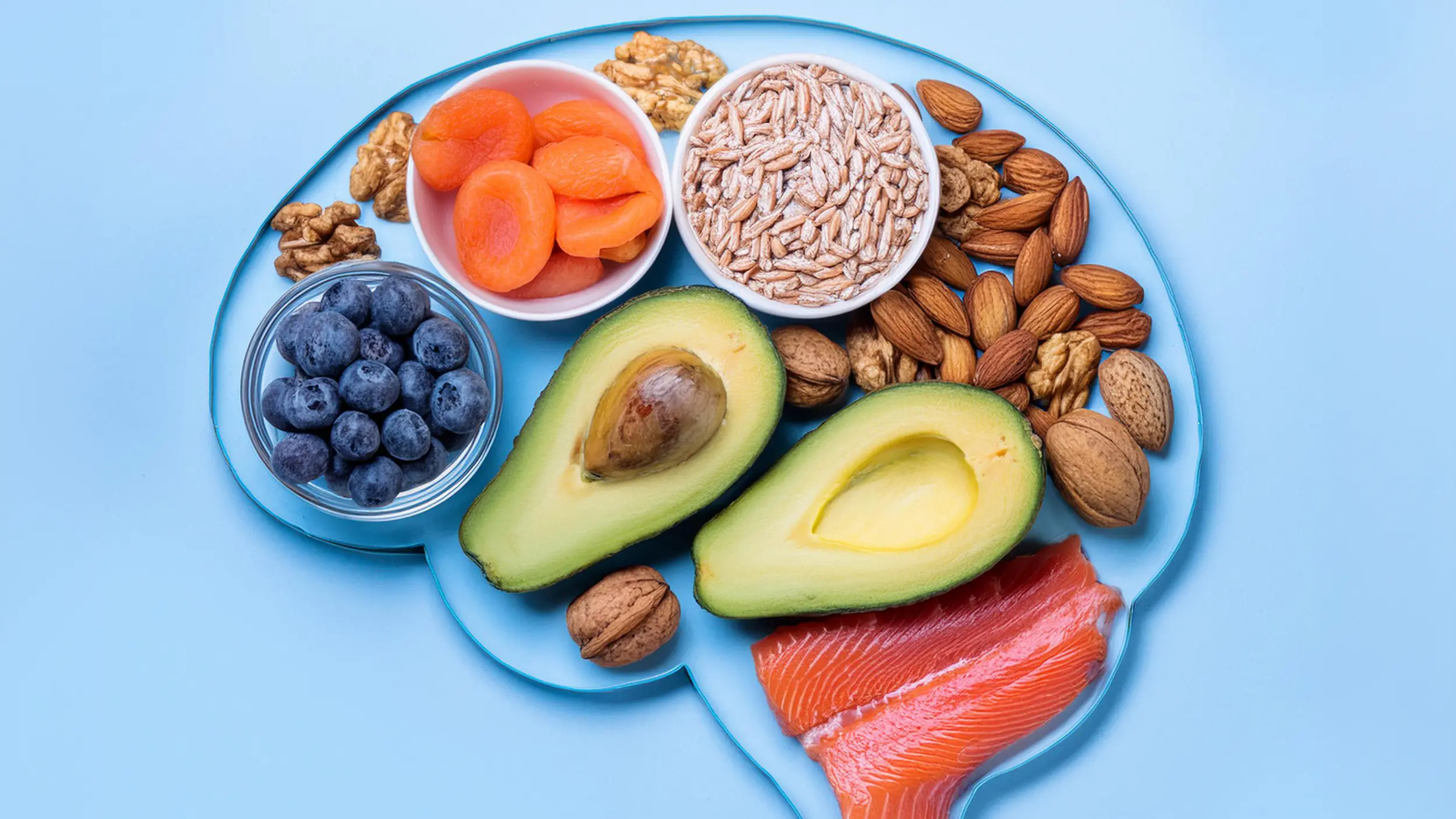
The conversation doesn't stop at digestive health. The oral-gut axis connects directly to the gut-brain axis, creating a three-way communication network that influences your mental and emotional state.
Here's what the science tells us:
- Mood regulation: Your gut produces approximately 95% of your body's serotonin, but oral pathogens that migrate to the intestines can disrupt this production through inflammatory signaling [13]. Women in my practice frequently report improvements in anxiety and mood stability after addressing oral health alongside their functional nutrition for stress and energy protocols.
- Cognitive function: Periodontal disease has been associated with increased risk of cognitive decline and dementia, likely mediated by chronic low-grade inflammation affecting brain tissue [14].
- Immune resilience: A balanced oral microbiome helps train your immune system appropriately. When oral dysbiosis occurs, it can contribute to systemic inflammation that manifests as joint pain, skin issues, and frequent infections [15].
- Metabolic health: Emerging research links oral bacteria to insulin resistance and blood sugar dysregulation through mechanisms involving endotoxin production and altered gut hormone signaling [16].
I see this clinically all the time: clients come in focused on weight management or energy issues, and when we address the oral-gut connection as part of their comprehensive plan, they experience improvements they never expected—clearer skin, better sleep, reduced joint stiffness, and more stable moods.
The practical takeaway here is that oral health isn't separate from your metabolic, hormonal, or mental health. It's foundational. Regular dental care, mindful oral hygiene, and microbiome-supportive nutrition create ripple effects throughout your entire system.
Frequently Asked Questions
What are the main signs of an unhealthy oral microbiome?
Chronic bad breath (halitosis), bleeding gums when you brush or floss, recurrent cavities despite good hygiene, white coating on your tongue, dry mouth, and frequent canker sores are all indicators that your oral microbiome may be out of balance [17]. If you're experiencing persistent gut health symptoms alongside any of these oral signs, it's worth investigating the connection.
Can improving my oral health directly improve my gut health?
Absolutely. Clinical studies show that treating periodontal disease can reduce systemic inflammatory markers and improve gut microbiome diversity [18]. When you reduce the load of pathogenic oral bacteria entering your digestive system daily, you give your gut microbiome a better chance to maintain healthy balance. Think of it as reducing the inflammatory burden on your entire system.
What are the best foods to eat for a healthy oral-gut axis?
Prioritize these:
- Crunchy vegetables like celery, carrots, and bell peppers (they mechanically clean teeth and stimulate saliva)
- Fermented foods with live cultures (yogurt, kefir, traditionally fermented pickles)
- Prebiotic-rich foods (garlic, onions, asparagus, oats)
- Polyphenol sources (green tea, berries, dark chocolate with minimal sugar)
- Omega-3 rich foods (fatty fish, chia seeds, walnuts)
Pair these with adequate water intake and you're creating an environment where beneficial bacteria can thrive in both locations [19].
Ready to take control of your health from the inside out? Book a personalized consultation at www.usevedic.com to discuss your specific needs and create a plan tailored just for you.
References
[1] Deo PN, Deshmukh R. Oral microbiome: Unveiling the fundamentals. Journal of Oral and Maxillofacial Pathology, 2019.
[2] Dewhirst FE, Chen T, Izard J, et al. The human oral microbiome. Journal of Bacteriology, 2010.
[3] Schmidt TS, Hayward MR, Coelho LP, et al. Extensive transmission of microbes along the gastrointestinal tract. eLife, 2019.
[4] Kitamoto S, Nagao-Kitamoto H, Jiao Y, et al. The intermucosal connection between the mouth and gut in commensal pathobiont-driven colitis. Cell, 2020.
[5] Atarashi K, Suda W, Luo C, et al. Ectopic colonization of oral bacteria in the intestine drives TH1 cell induction and inflammation. Science, 2017.
[6] Joshipura KJ, Muñoz-Torres FJ, Morou-Bermudez E, Patel RP. Over-the-counter mouthwash use and risk of pre-diabetes/diabetes. Nitric Oxide, 2017.
[7] Cardona F, Andrés-Lacueva C, Tulipani S, et al. Benefits of polyphenols on gut microbiota and implications in human health. Journal of Nutritional Biochemistry, 2013.
[8] Twetman S, Keller MK. Probiotics for caries prevention and control. Advances in Dental Research, 2012.
[9] Varela-López A, Giampieri F, Battino M, Quiles JL. Coenzyme Q and its role in the dietary therapy against aging. Molecules, 2016.
[10] Bescos R, Ashworth A, Cutler C, et al. Effects of chlorhexidine mouthwash on the oral microbiome. Scientific Reports, 2020.
[11] Burton JP, Drummond BK, Chilcott CN, et al. Influence of the probiotic Streptococcus salivarius strain M18 on indices of dental health in children. Journal of Medical Microbiology, 2013.
[12] Pedersen AM, Sørensen CE, Proctor GB, Carpenter GH. Salivary functions in mastication, taste and textural perception, swallowing and initial digestion. Oral Diseases, 2018.
[13] O'Mahony SM, Clarke G, Borre YE, Dinan TG, Cryan JF. Serotonin, tryptophan metabolism and the brain-gut-microbiome axis. Behavioural Brain Research, 2015.
[14] Dominy SS, Lynch C, Ermini F, et al. Porphyromonas gingivalis in Alzheimer's disease brains: Evidence for disease causation. Science Advances, 2019.
[15] Hajishengallis G, Chavakis T. Local and systemic mechanisms linking periodontal disease and inflammatory comorbidities. Nature Reviews Immunology, 2021.
[16] Genco RJ, Graziani F, Hasturk H. Effects of periodontal disease on glycemic control, complications, and incidence of diabetes mellitus. Periodontology 2000, 2020.
[17] Marsh PD, Do T, Beighton D, Devine DA. Influence of saliva on the oral microbiota. Periodontology 2000, 2016.
[18] Winning L, Patterson CC, Neville CE, Kee F, Linden GJ. Periodontitis and incident type 2 diabetes: a prospective cohort study. Journal of Clinical Periodontology, 2017.
[19] Rosier BT, Marsh PD, Mira A. Resilience of the oral microbiota in health: mechanisms that prevent dysbiosis. Journal of Dental Research, 2018.
.svg)
.svg)







.webp)
.webp)
.webp)
.webp)
.webp)


.webp)
.webp)
.png)
.webp)
.webp)