.webp)
%2B(7).webp)
.png)
At a Glance
Planning a trip doesn't mean abandoning your wellness goals. As a registered dietitian specializing in women's health, I'm sharing the exact strategies I use—and teach my clients—to maintain nourishing habits while exploring new destinations. You'll discover how to pack smart snacks, navigate restaurant menus with confidence, and honor your body's needs without missing out on culinary adventures.
Travel Tips from a Dietitian: Eat Healthy & Feel Great on Your Next Adventure
Welcome! Planning a trip is exciting, but it doesn't mean derailing your healthy eating habits. As your dietitian, I'm here to share practical tips to help you navigate your travels while nourishing your body. Let's make your next adventure delicious and healthy!
Planning Your Perfect Nutrition for Your Trip
Before you even pack your bags, a little planning goes a long way. The difference between feeling energized or sluggish on vacation often comes down to what happens before you leave home.
Start with Strategic Research
I always tell my clients to spend 15 minutes researching their destination's food scene. Look for grocery stores near your accommodation, restaurants with balanced menu options, and local markets where you can grab fresh fruit. This isn't about rigid control—it's about setting yourself up to feel your best.
Download restaurant apps like HappyCow or Google Maps and save a few spots that align with your nutrition goals. If you're managing hormone balance through nutrition, knowing where to find quality protein and fiber-rich meals becomes even more important.
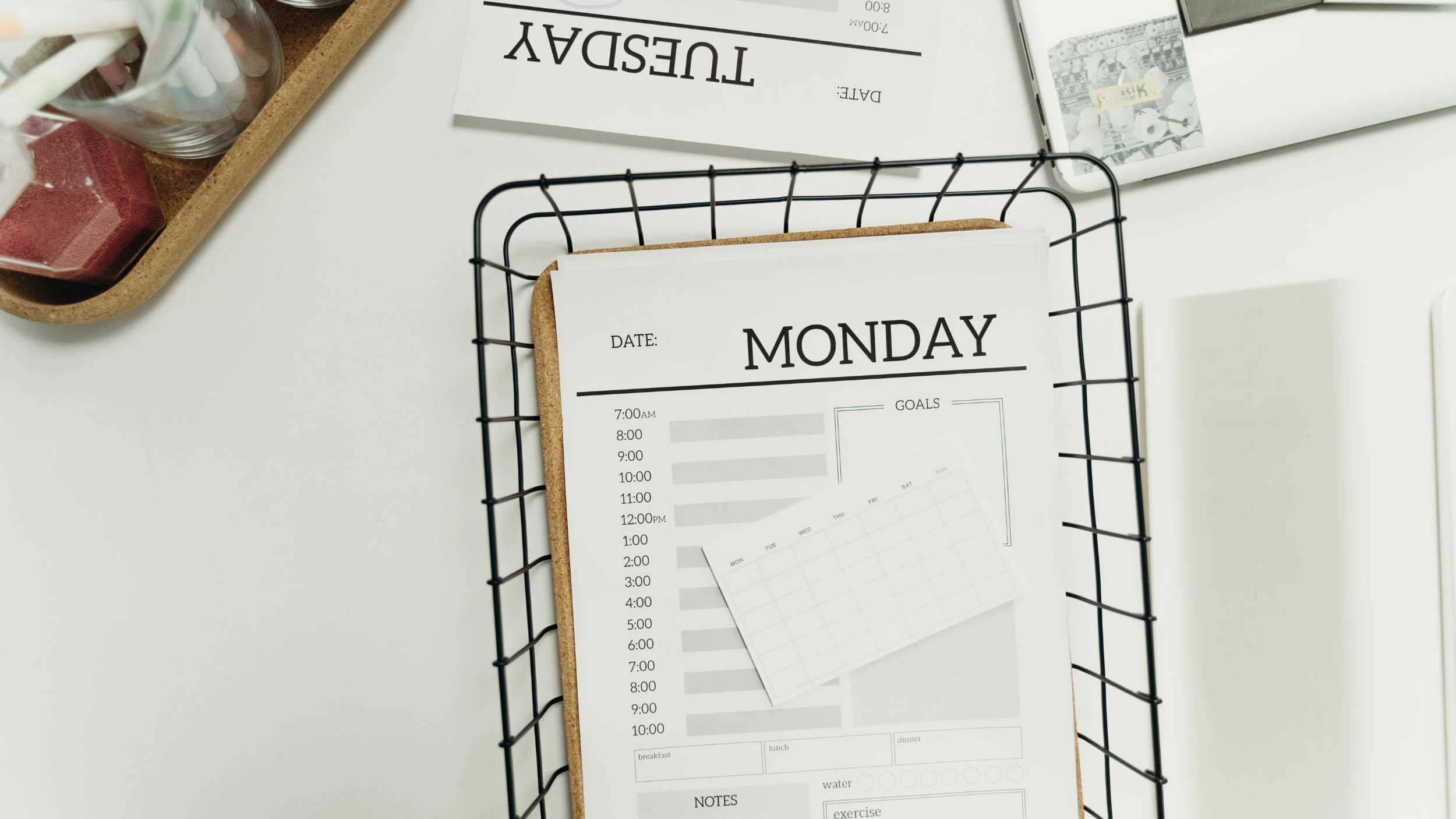
Build Your Travel Nutrition Plan
- Identify your non-negotiables. Maybe it's starting each day with protein, staying hydrated, or having vegetables at dinner. Pick 2-3 habits that make you feel good and commit to those.
- Plan for your hunger patterns. If you know you get ravenous between lunch and dinner, pack accordingly. Understanding your body's rhythm prevents desperate convenience store runs.
- Consider your accommodation type. A hotel room with a mini-fridge opens different possibilities than a vacation rental with a full kitchen.
Your vacation nutrition plan should feel flexible, not restrictive. Research shows that rigid dietary rules can actually increase stress and cortisol levels [1], which is the opposite of what you want on vacation.
Smart Snacking and Meal Prep on the Go
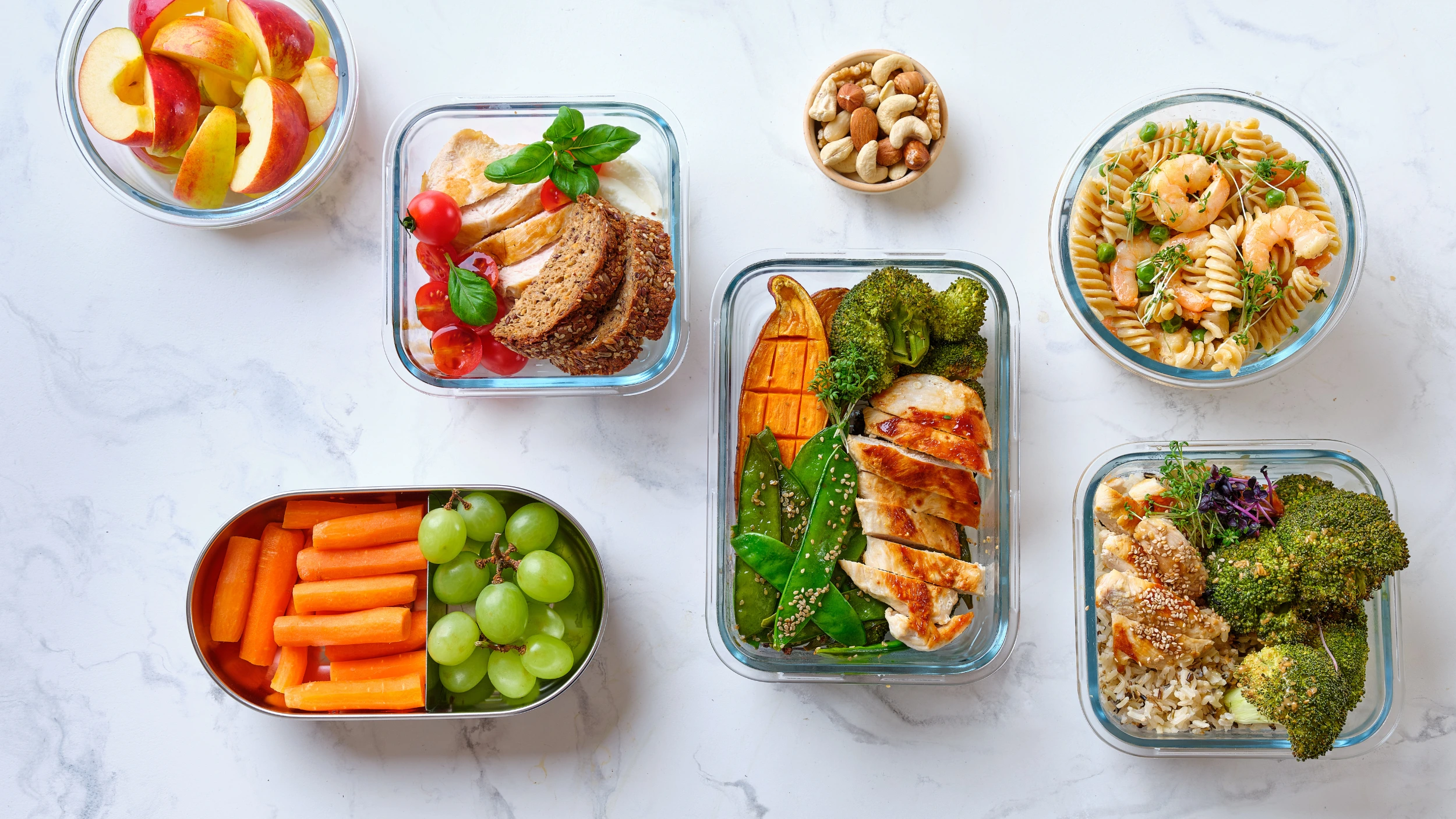
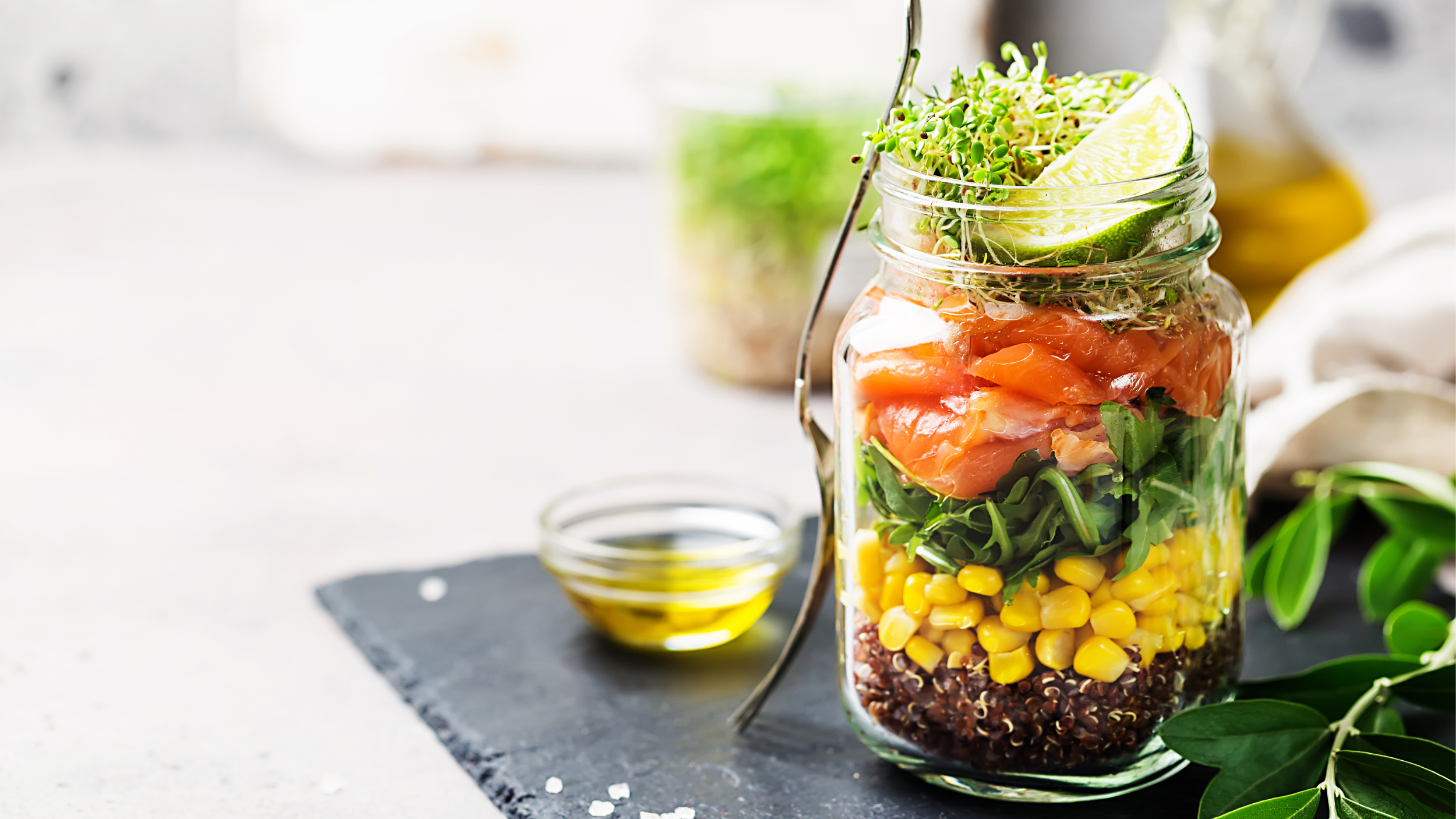
This is where dietitian-approved travel food makes all the difference. I'm talking about portable, shelf-stable options that actually satisfy you.
My go-to healthy travel snacks include:
- Individual nut butter packets paired with an apple or banana
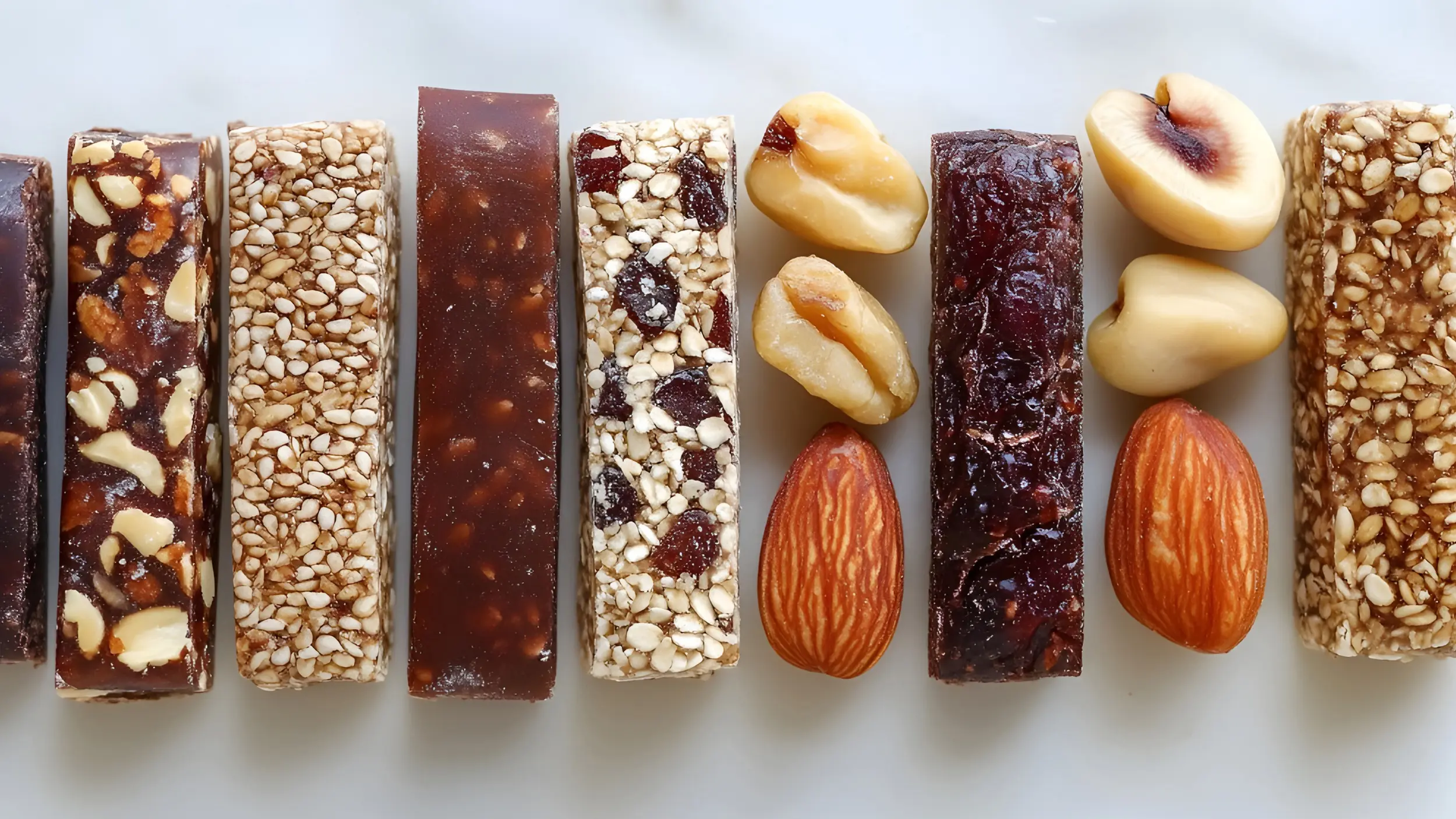
- Protein bars with at least 10g protein and less than 10g added sugar (I love RXBars and Perfect Bars for travel)
- Trail mix you make at home with raw nuts, seeds, and a small amount of dark chocolate
- Jerky or meat sticks from grass-fed sources
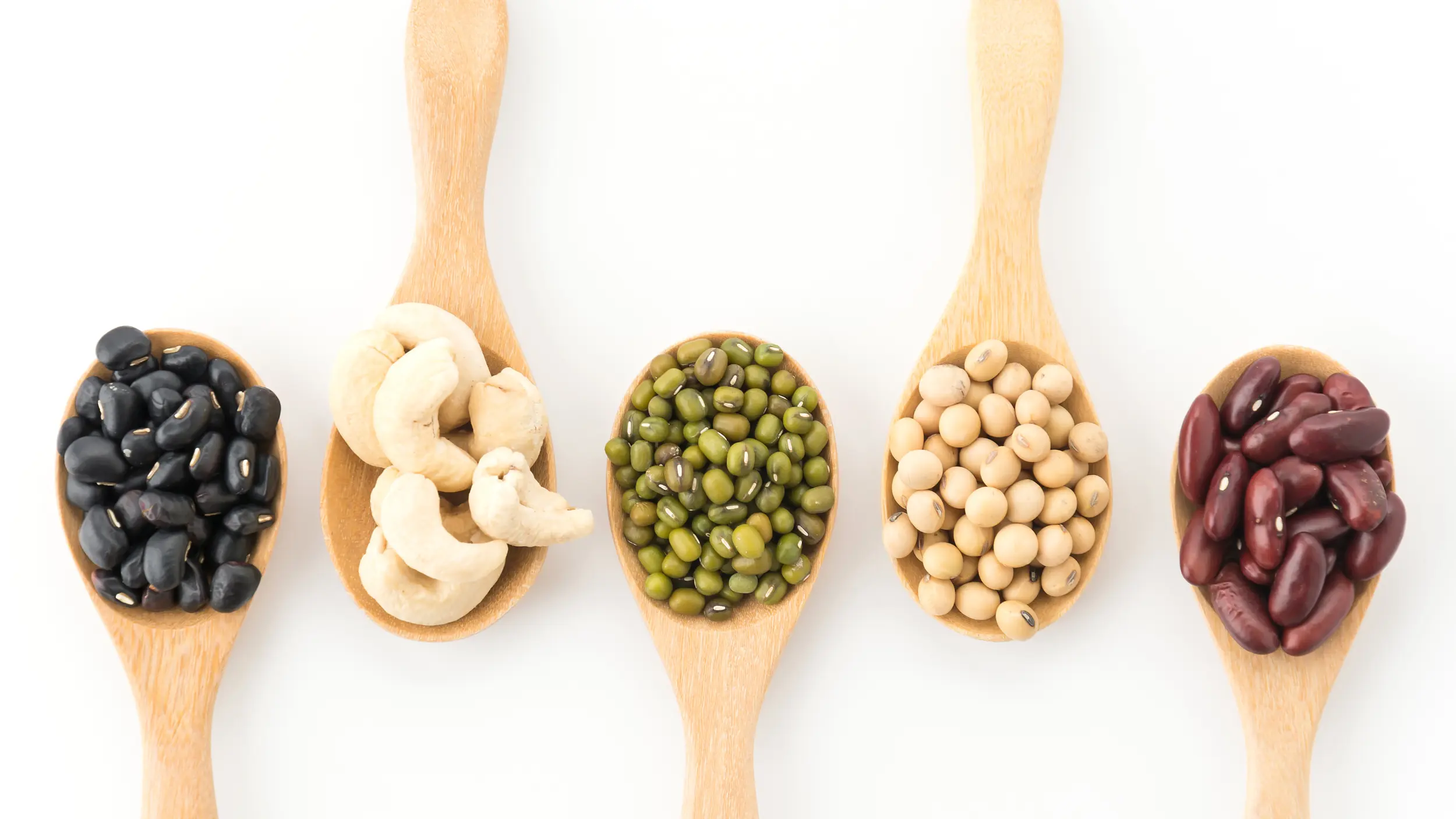
- Roasted chickpeas or edamame in single-serve packs
The goal isn't perfection—it's having something nutritious on hand when hunger hits. Studies indicate that going longer than 4-5 hours without eating can lead to blood sugar crashes that trigger intense cravings for refined carbohydrates [2].
Airport and airplane strategies:
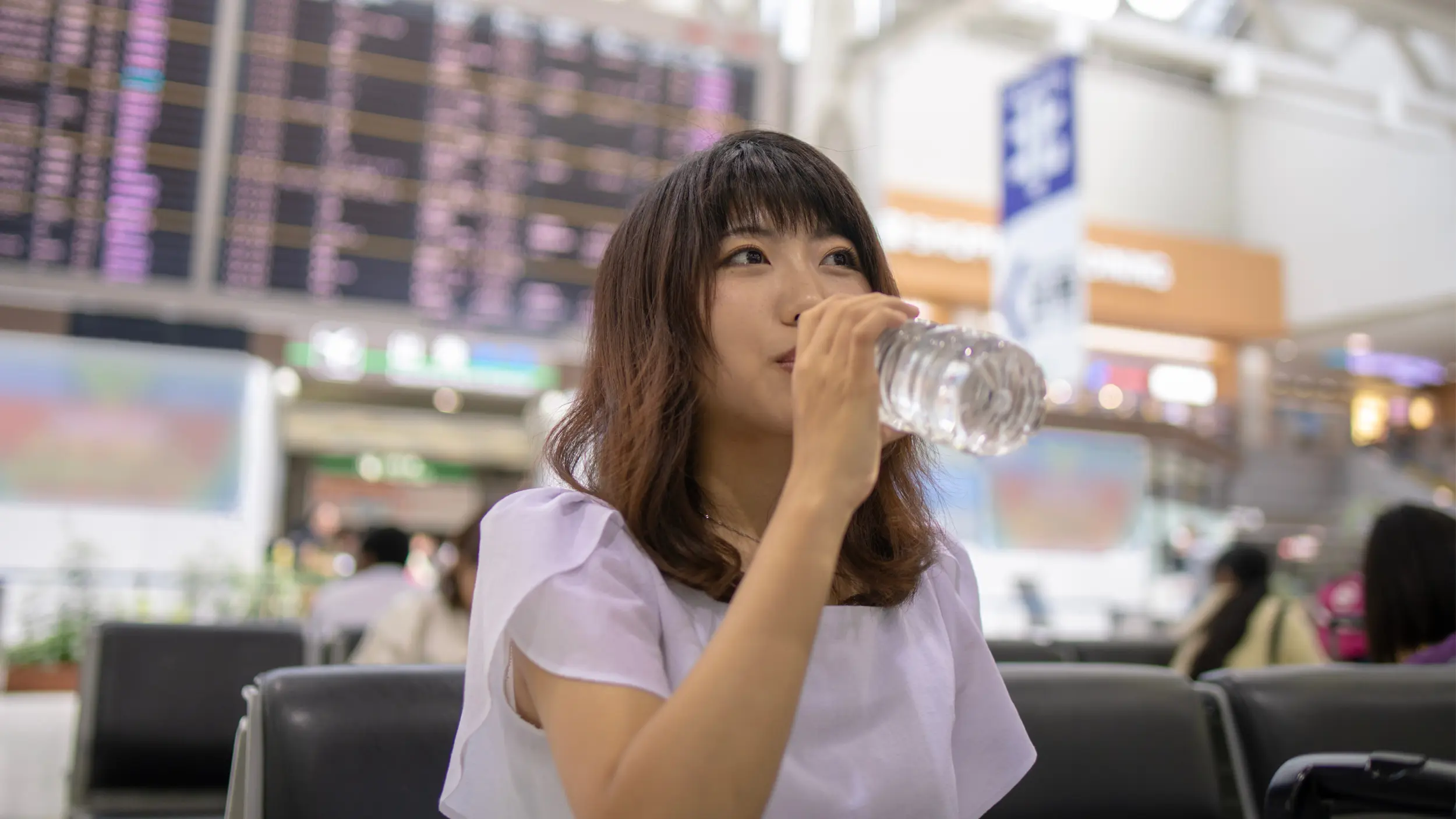
Bring an empty water bottle through security and fill it at a fountain. Dehydration during flights is real, and it often masquerades as hunger. I aim for 8 ounces of water per hour of flight time.
Pack snacks in your personal item, not your checked bag. You want immediate access when you're stuck on a tarmac or facing a delayed connection. TSA allows solid foods through security, so load up.
If you're buying airport food, look for options with visible protein and produce. A turkey sandwich with fruit beats a giant muffin every time, even if the muffin is labeled "healthy."
Road trip nutrition:
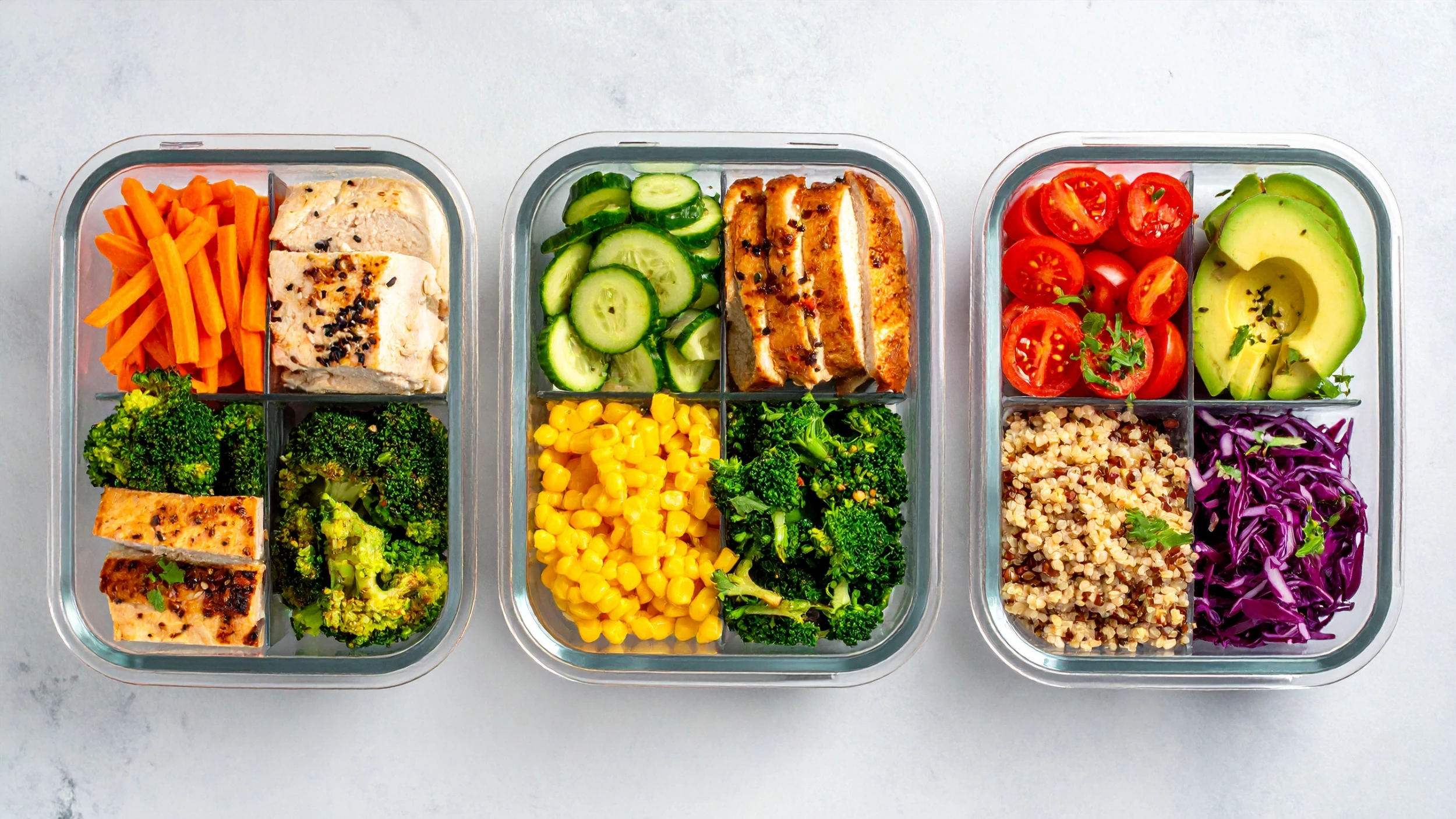
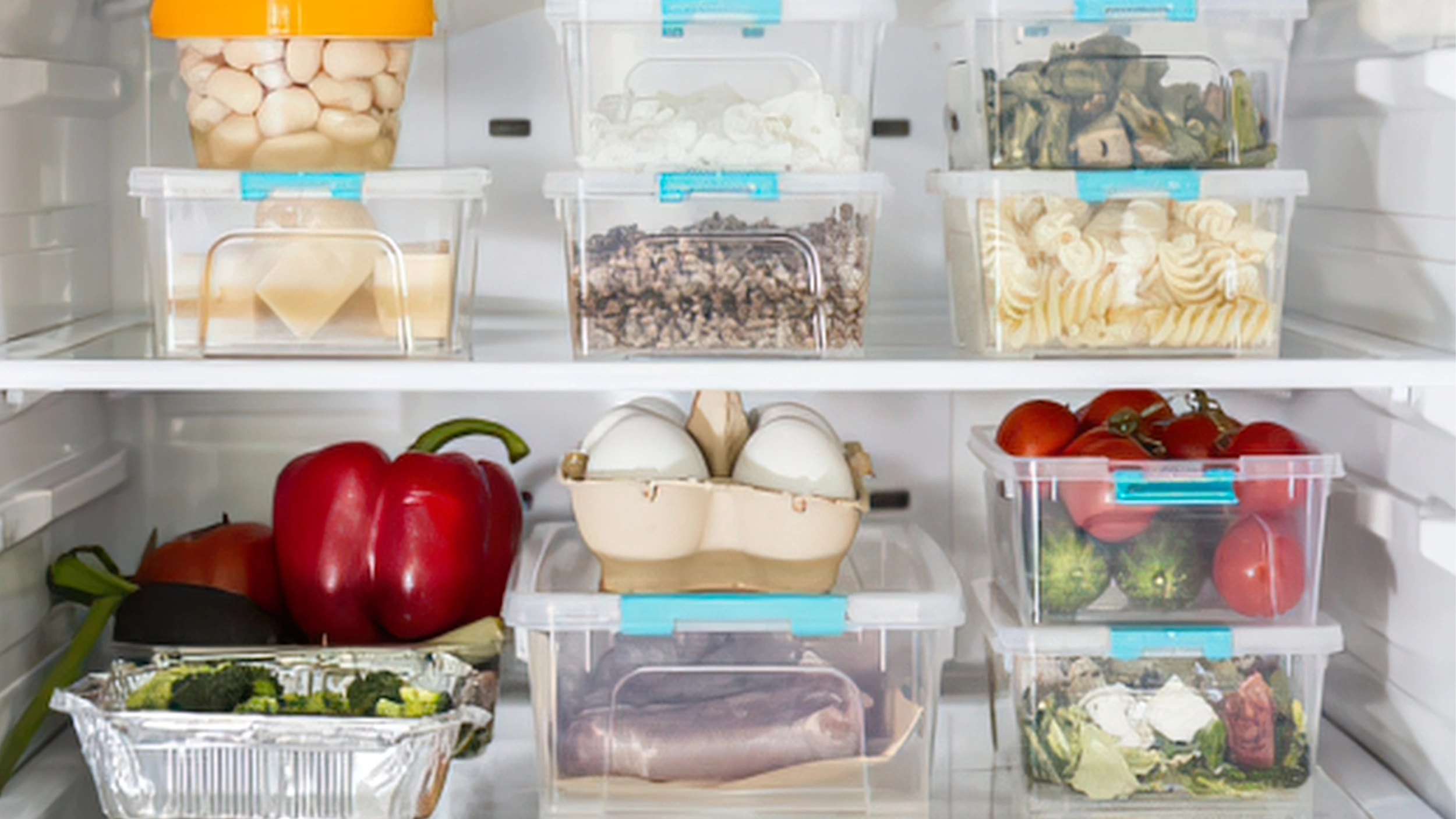
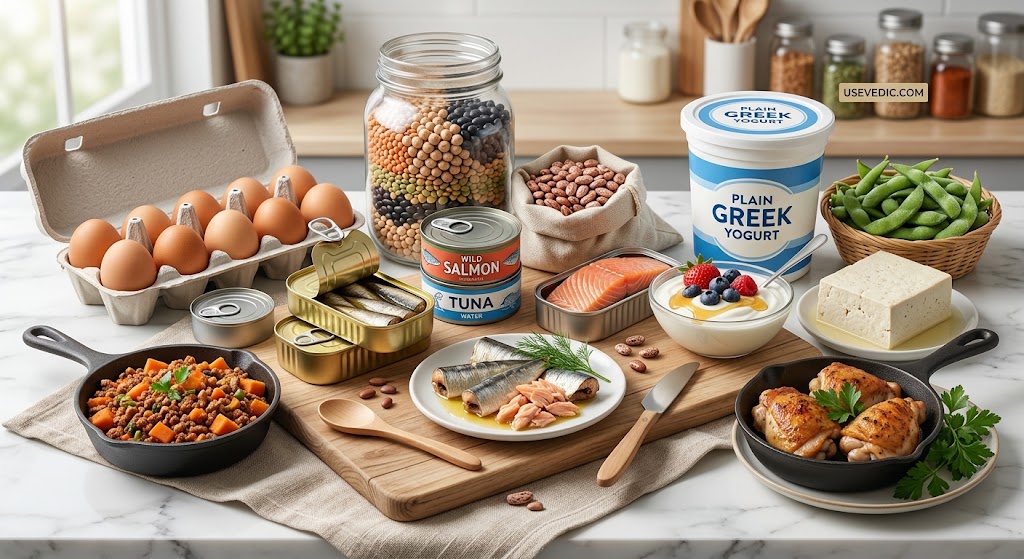
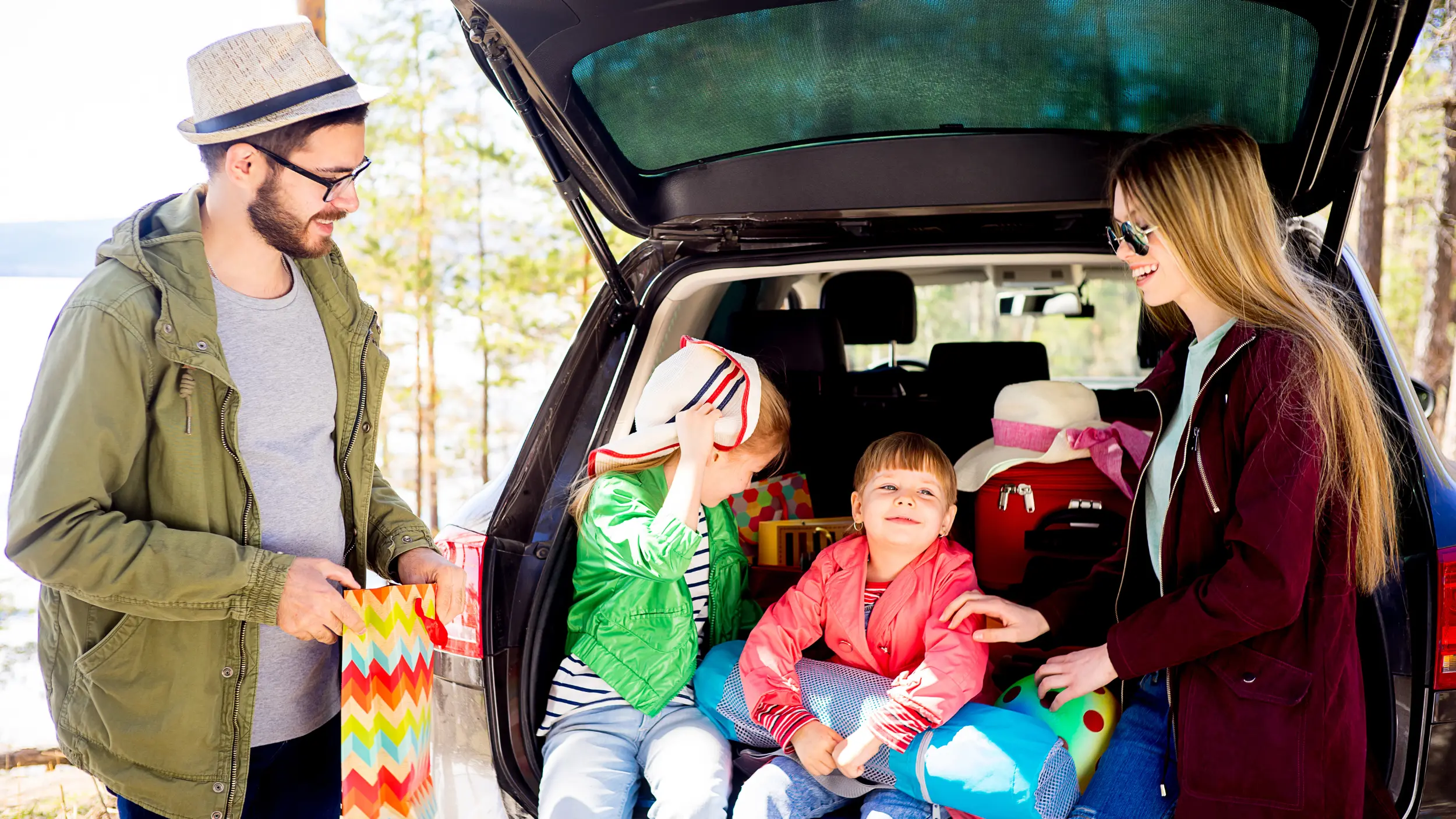
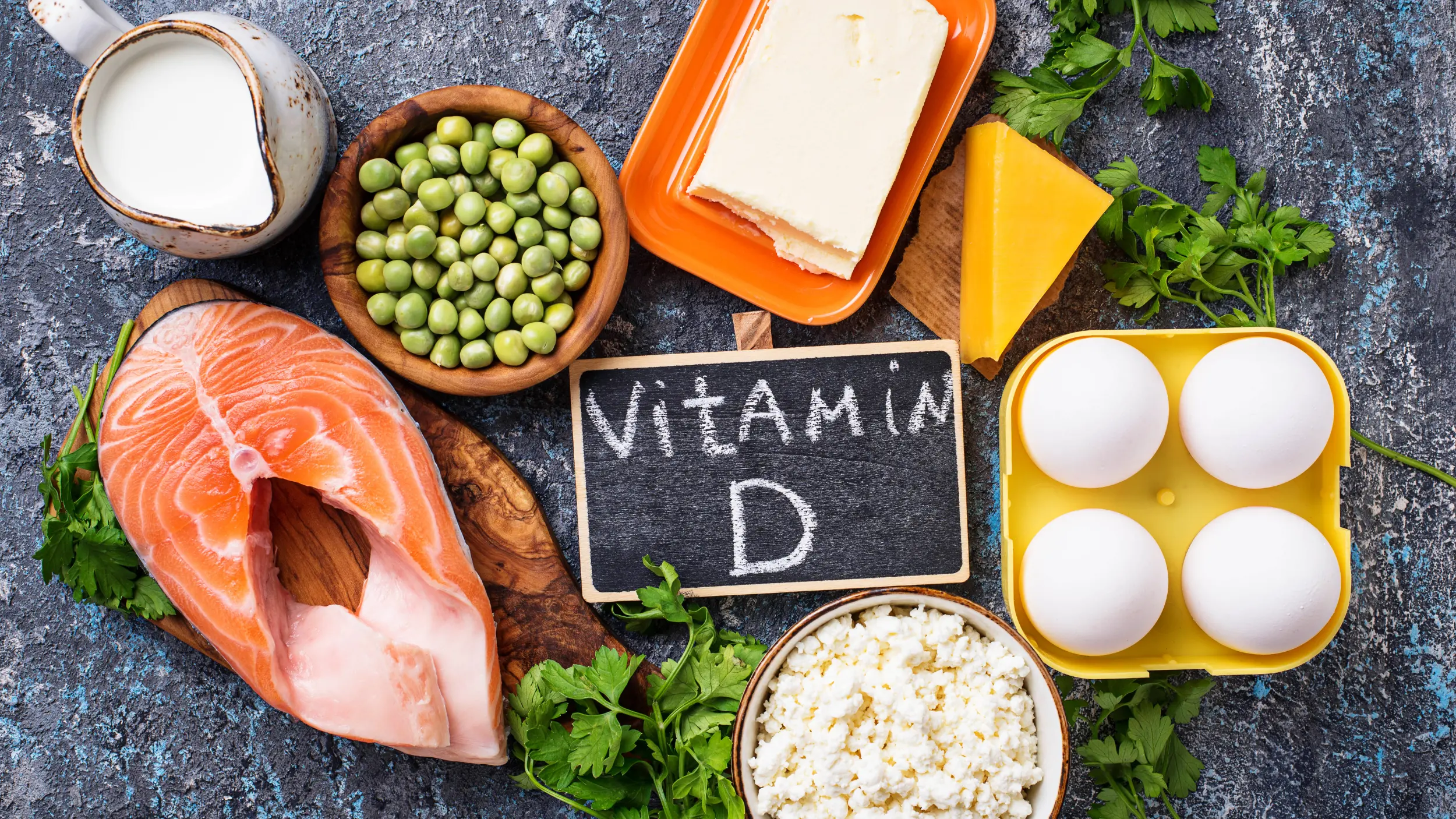
Invest in a small cooler. This single item changes everything. Pack hard-boiled eggs, pre-cut vegetables with hummus, Greek yogurt, cheese sticks, and fresh berries. Your gut microbiome will thank you for the fiber and probiotics.
When you do stop at convenience stores, scan for surprisingly decent options: unsalted nuts, string cheese, fresh fruit, and even those pre-made salads (check the dressing separately and use half).
Eating Healthy While Traveling: Restaurant Strategies
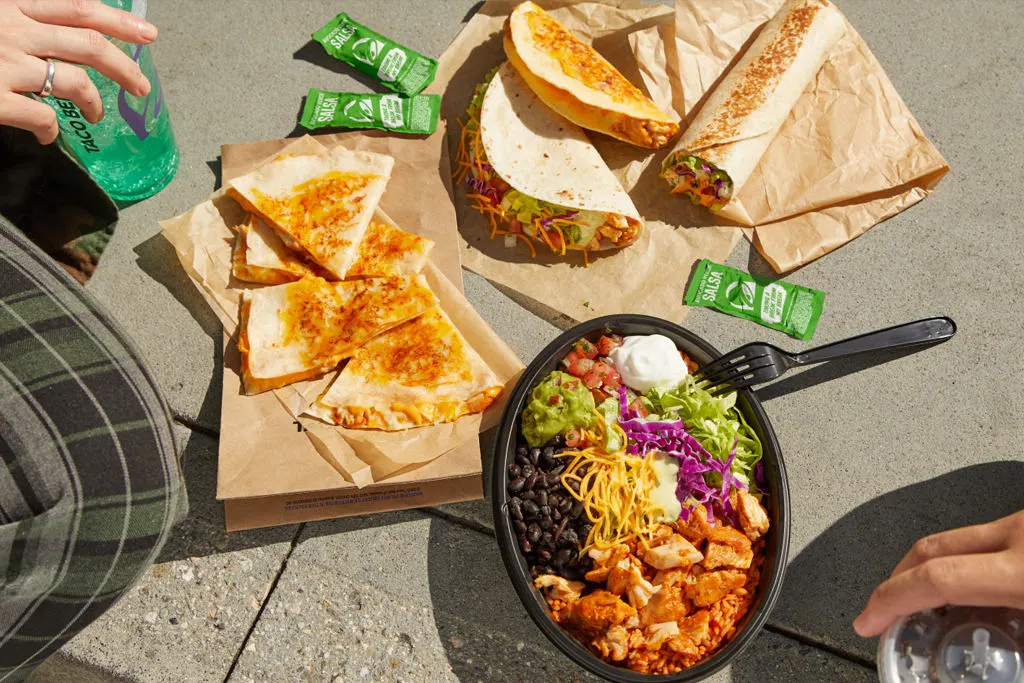
Dining out doesn't have to derail your wellness goals. Here's my framework for making choices that leave you satisfied, not stuffed and uncomfortable.
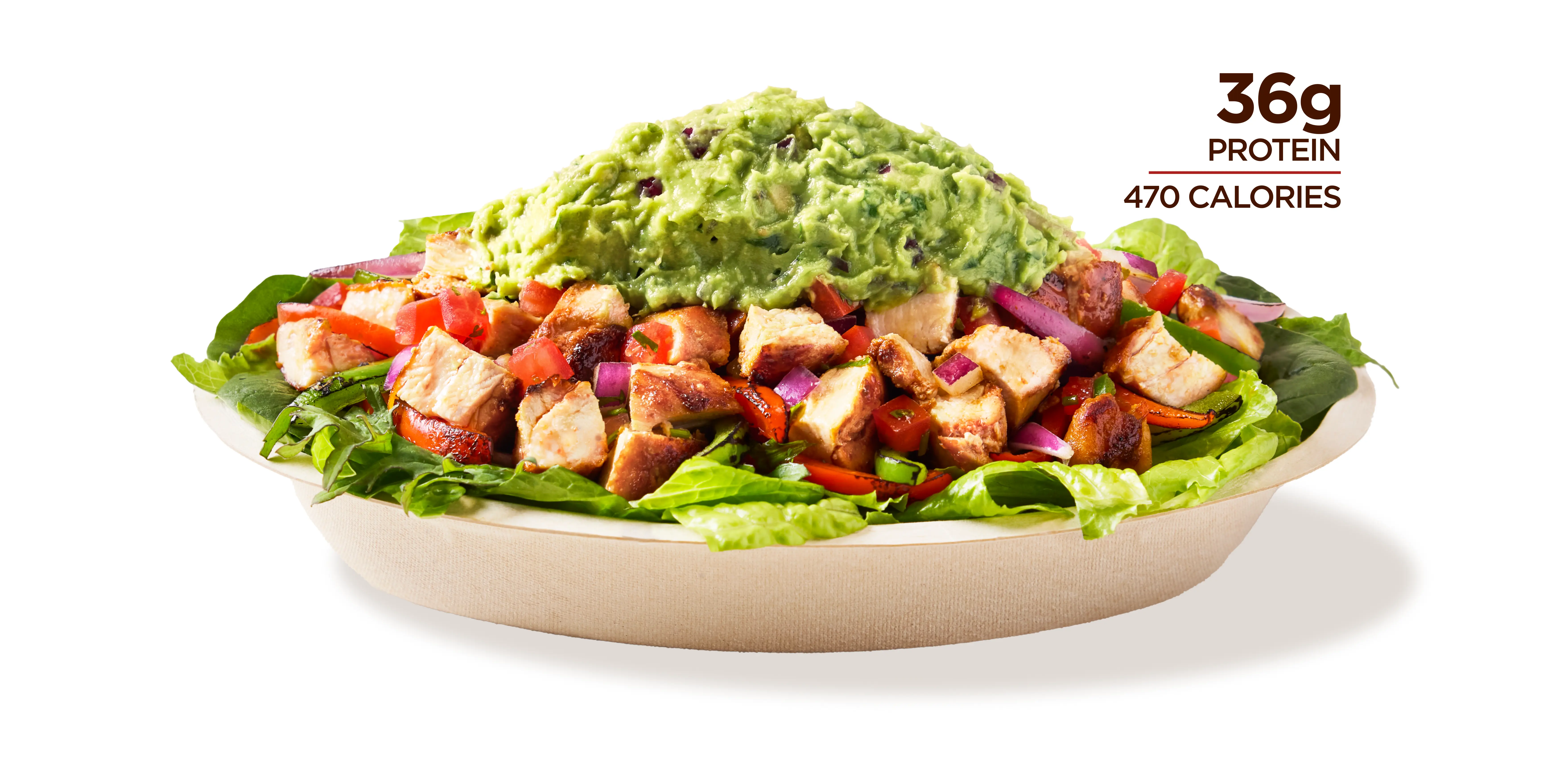
Start with protein. When scanning a menu, identify your protein source first—grilled fish, chicken, steak, tofu, or legumes. This anchors your meal and helps stabilize blood sugar.
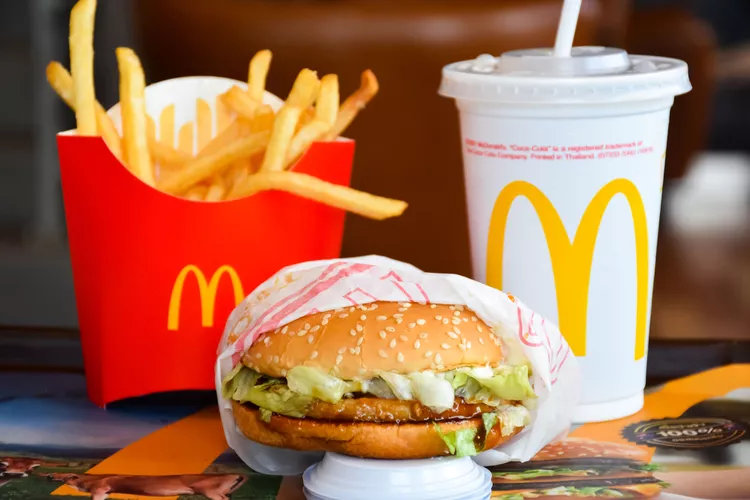
Add colorful plants. Look for vegetable-forward sides or ask to substitute fries for a salad or roasted vegetables. Most restaurants will accommodate this request without charging extra.
Be strategic with sauces and dressings. Ask for them on the side. This isn't about restricting fat—it's about controlling the amount of added sugar and low-quality oils that often hide in heavy sauces.
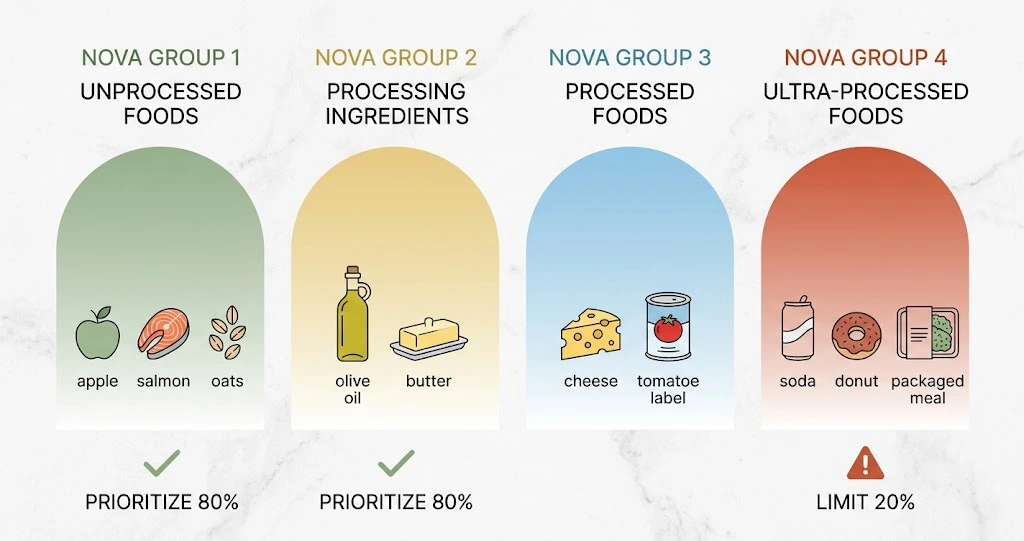
The 80/20 approach works beautifully on vacation. Aim for balanced, nourishing meals 80% of the time, and enjoy local specialties and indulgences 20% of the time without guilt. This flexibility actually supports better metabolic health than strict restriction [3].
Buffet survival guide:
Survey the entire spread before plating anything. Identify where the proteins, vegetables, and whole grains are located. Fill half your plate with vegetables first, add a palm-sized portion of protein, then include a small amount of whatever else looks amazing.
Eat slowly and check in with your hunger halfway through. You can always go back for more if you're genuinely hungry.
Navigating Dietary Restrictions & Enjoying Your Travels
Traveling with dietary restrictions can seem daunting, but it doesn't have to be. Learn how to confidently manage your needs while still savoring new experiences.
Communicate Clearly and Early
If you have celiac disease, severe allergies, or medical nutrition therapy requirements, communication is everything. I recommend carrying printed cards in the local language that clearly state your restrictions. Apps like Equal Eats and Selectly provide these translations.
Call restaurants ahead when possible, especially for dinner reservations. Explain your needs and ask if they can accommodate you. Most establishments appreciate the advance notice.
For airline meals, request special meals at least 48 hours before departure. While airline food isn't gourmet, gluten-free, vegetarian, and other options are widely available.
Pack Your Safety Net
If you're managing something like FODMAP restrictions or multiple food sensitivities, bring shelf-stable staples that you know work for your body. Individual oatmeal packets, rice cakes, canned tuna or salmon, and your preferred protein powder can be lifesavers.
I've had clients traveling internationally pack an entire checked bag of safe foods. Is it extra effort? Yes. Is it worth feeling good on your trip? Absolutely.
Embrace Local Markets and Grocery Stores
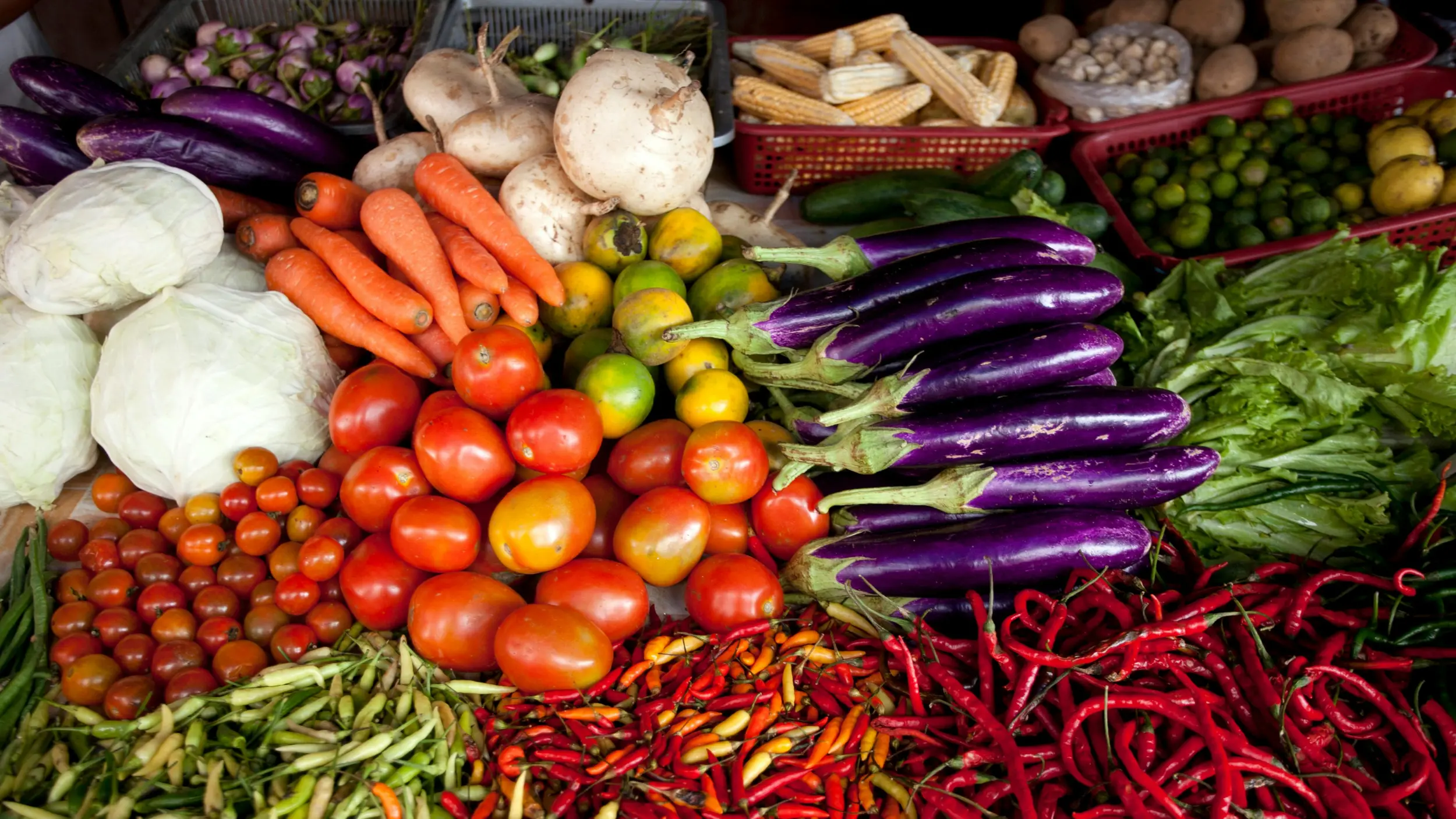
Some of my best travel memories involve wandering through local markets. You'll find fresh produce, simple proteins, and often prepared foods that are naturally aligned with whole-food eating patterns.
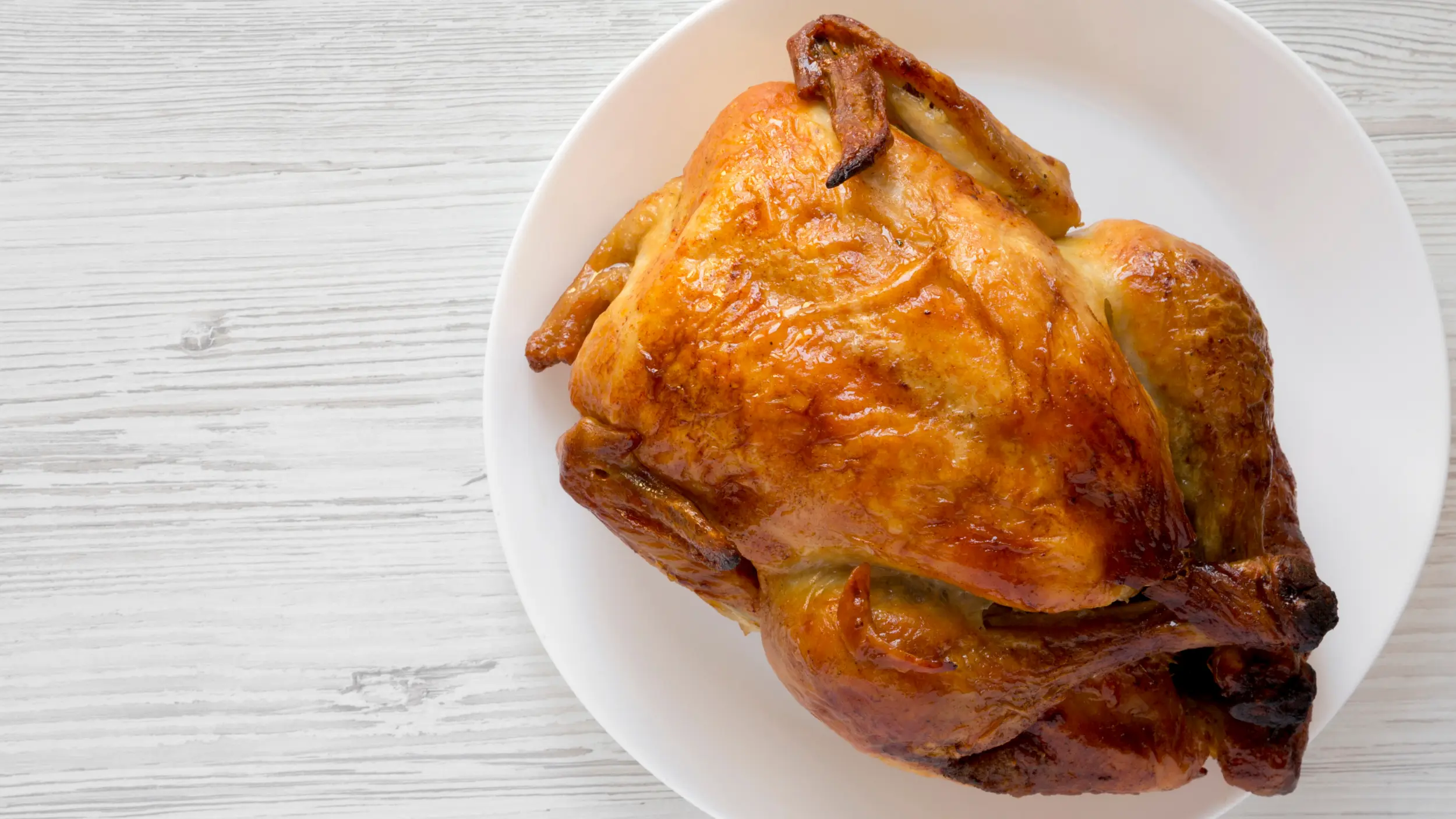
Grab a rotisserie chicken, pre-washed salad greens, fresh fruit, and nuts for an easy, balanced meal in your hotel room. This strategy saves money and gives you complete control over ingredients.
For my clients managing stress-related fatigue and energy crashes, I emphasize blood sugar stability while traveling. Combining protein, fat, and fiber at each meal prevents the energy rollercoaster that ruins vacation enjoyment.
Alcohol and Hydration Balance
Vacation often includes more alcohol than usual. I'm not here to tell you not to enjoy yourself, but I will share what actually works.
Alternate alcoholic drinks with water. For every cocktail or glass of wine, drink 8-16 ounces of water. This simple habit dramatically reduces hangover severity and helps maintain energy levels.
Eat before and while drinking. Alcohol on an empty stomach leads to rapid blood sugar fluctuations that can trigger overeating later [4]. Have a balanced meal or substantial snack before happy hour.
Choose quality over quantity. One really excellent glass of local wine beats three sugary cocktails every time, both for how you'll feel and for the experience.
Frequently Asked Questions
Q1: How can I eat healthy on vacation without feeling deprived?
Shift your mindset from restriction to intention. You're not "being good" or "being bad"—you're making choices that support how you want to feel. Want to try that famous local dessert? Absolutely do it, and savor every bite. Then return to balanced eating at your next meal. Deprivation backfires by increasing obsessive food thoughts and triggering binge behaviors [5]. Instead, give yourself full permission to enjoy food while also honoring your body's needs for nourishment.
Q2: What are the best healthy travel snacks to pack?
The best snacks combine protein and fiber to actually satisfy you. My top recommendations include individual nut butter packets with fruit, protein bars with minimal ingredients, homemade trail mix, jerky or meat sticks, roasted chickpeas, and hard-boiled eggs if you have cooler access. Avoid snacks that are purely carbohydrate-based—they'll spike your blood sugar and leave you hungrier an hour later. Pack more than you think you'll need; having extra is always better than running out.
Q3: How do I find dietitian-approved meals when traveling?
Look for meals built around whole foods: visible protein sources, plenty of vegetables, and whole grains or starchy vegetables. At restaurants, grilled or roasted preparation methods are usually your best bet. Don't be afraid to customize—ask for extra vegetables, request dressing on the side, or swap refined grains for whole grain options. Use apps like HappyCow to find health-conscious restaurants, and read recent reviews mentioning fresh, quality ingredients. Remember that "dietitian-approved" doesn't mean boring or restrictive—it means nourishing, balanced, and satisfying.
Your Next Adventure Starts Here
Eating healthy while traveling isn't about perfection or rigid rules. It's about having strategies that support your energy, digestion, and overall wellness so you can fully enjoy your experiences.
The tips I've shared—from packing smart snacks to navigating restaurants with confidence to managing dietary restrictions—are the same nutritionist travel advice I give my one-on-one clients. They work because they're flexible, practical, and focused on how you want to feel, not just what you eat.
Ready to plan a trip where you feel your best, inside and out? Let's connect! Book a consultation today and let's create your personalized travel nutrition strategy. Whether you're planning a weekend getaway or a month-long international adventure, I'll help you develop a plan that feels sustainable and enjoyable.
Your body deserves to feel amazing on vacation. Let's make it happen.
References
[1] Schaumberg K, Anderson DA. Dietary restraint and weight loss as risk factors for eating pathology. Eating Behaviors, 2016.
[2] Gower BA, Goss AM. A lower-carbohydrate, higher-fat diet reduces abdominal and intermuscular fat and increases insulin sensitivity in adults at risk of type 2 diabetes. Journal of Nutrition, 2015.
[3] Linardon J, Tylka TL, Fuller-Tyszkiewicz M. Intuitive eating and its psychological correlates: A meta-analysis. International Journal of Eating Disorders, 2021.
[4] Traversy G, Chaput JP. Alcohol consumption and obesity: An update. Current Obesity Reports, 2015.
[5] Mann T, Tomiyama AJ, Ward A. Promoting public health in the context of the obesity epidemic: False promises of dieting. American Psychologist, 2007.
.svg)
.svg)


.jpg)
.jpg)




.webp)

















.webp)
.webp)
.webp)
.webp)
.webp)
.webp)
.webp)
.png)
.webp)
.webp)
.webp)
.png)
.webp)
.webp)
.webp)
.webp)
.webp)
.webp)
.webp)
.webp)
.webp)


.webp)
.png)