.webp)

%2B(7).webp)
.png)
At a Glance
The "diet starts Monday" cycle isn't a willpower problem—it's a planning problem. Weekend overeating happens when structure disappears and food becomes your only source of pleasure. These four healthy weekend habits will help you stay consistent without sacrificing your social life or the foods you love.
Why Your Weekend Eating Feels So Out of Control
Let's be honest: You nail your meals Monday through Thursday. You meal prep, hit your protein goals, drink your water. Then Friday hits, and suddenly you're three glasses of wine deep with an empty pizza box on your coffee table, mentally drafting your "fresh start" plan for Monday morning.
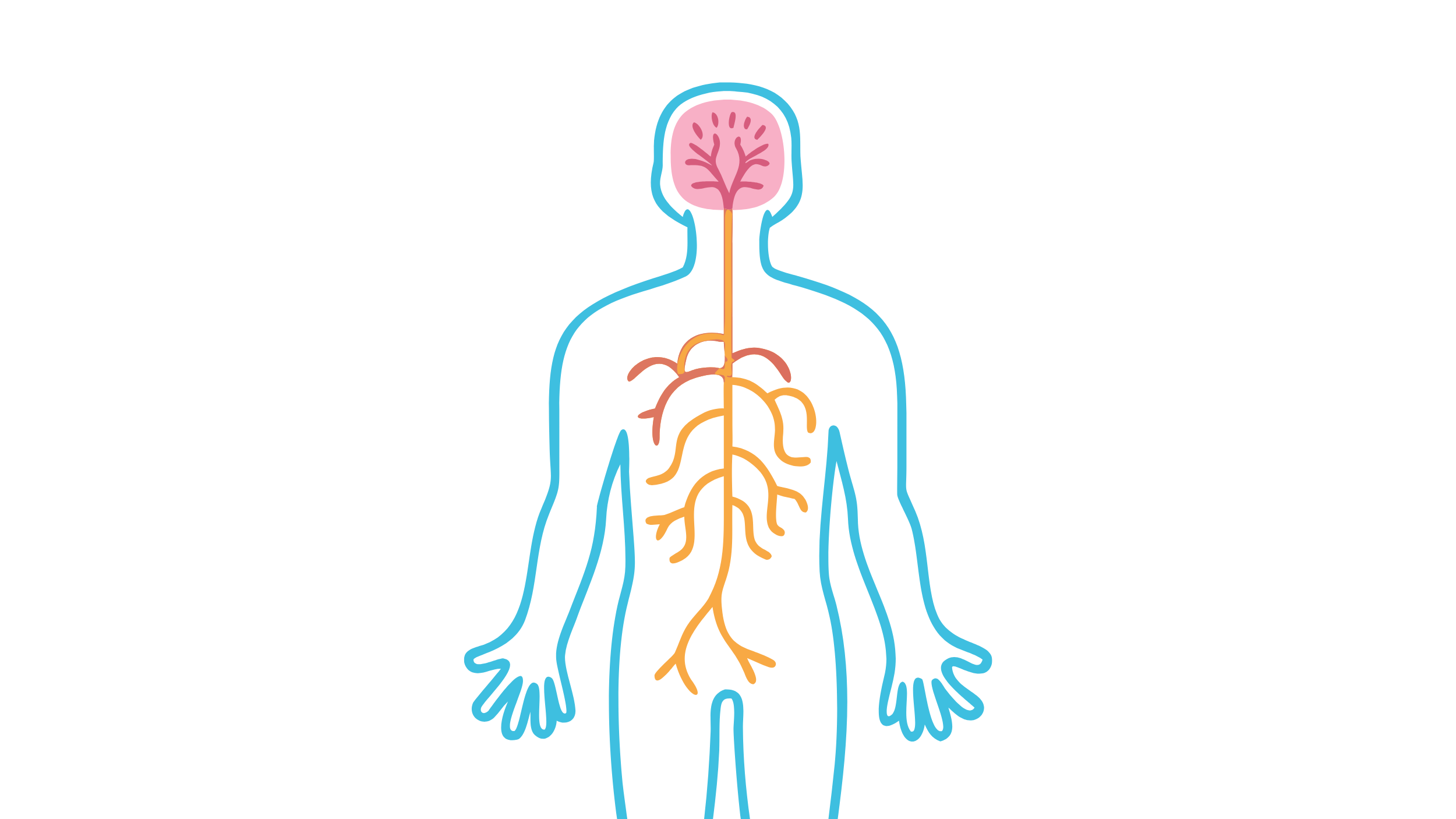
This isn't about lacking discipline. Research shows that cognitive fatigue accumulated throughout the week significantly impairs executive function and self-regulation, making weekend diet sabotage almost neurologically predictable [1]. Add in a less structured schedule, more social eating opportunities, and the psychological need to "reward" yourself after a hard week, and you've got the perfect storm for weekend binge eating.
The solution isn't more restriction—it's smarter structure. These four healthy weekend habits will help you build consistency that actually fits your real life.
1. Build a Flexible 'Bookend' Routine
Instead of trying to white-knuckle your way through an entire weekend with the same rigid meal plan you follow during the week, focus on controlling your "bookends": Friday night and Sunday evening.
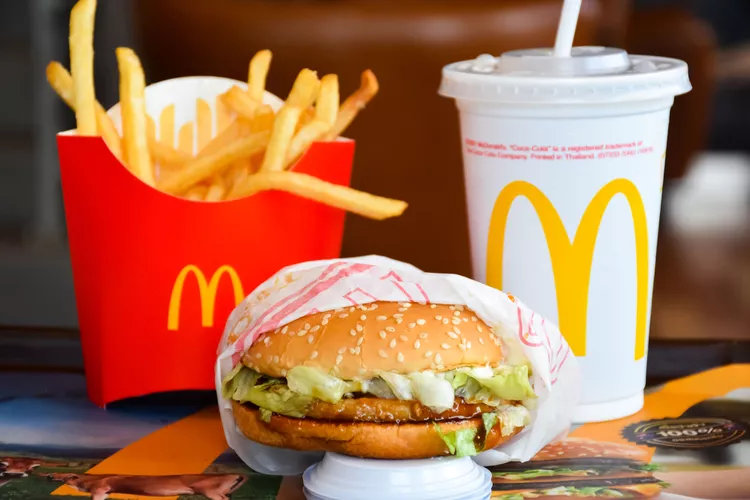
Here's why this works: Decision fatigue peaks at the end of the week [2]. By Friday evening, you've made thousands of choices, and your brain is desperate to autopilot into whatever feels easiest—which is usually takeout or ultra-processed convenience foods. Sunday evening, meanwhile, sets the tone for your entire upcoming week.
Your Friday Night Bookend:
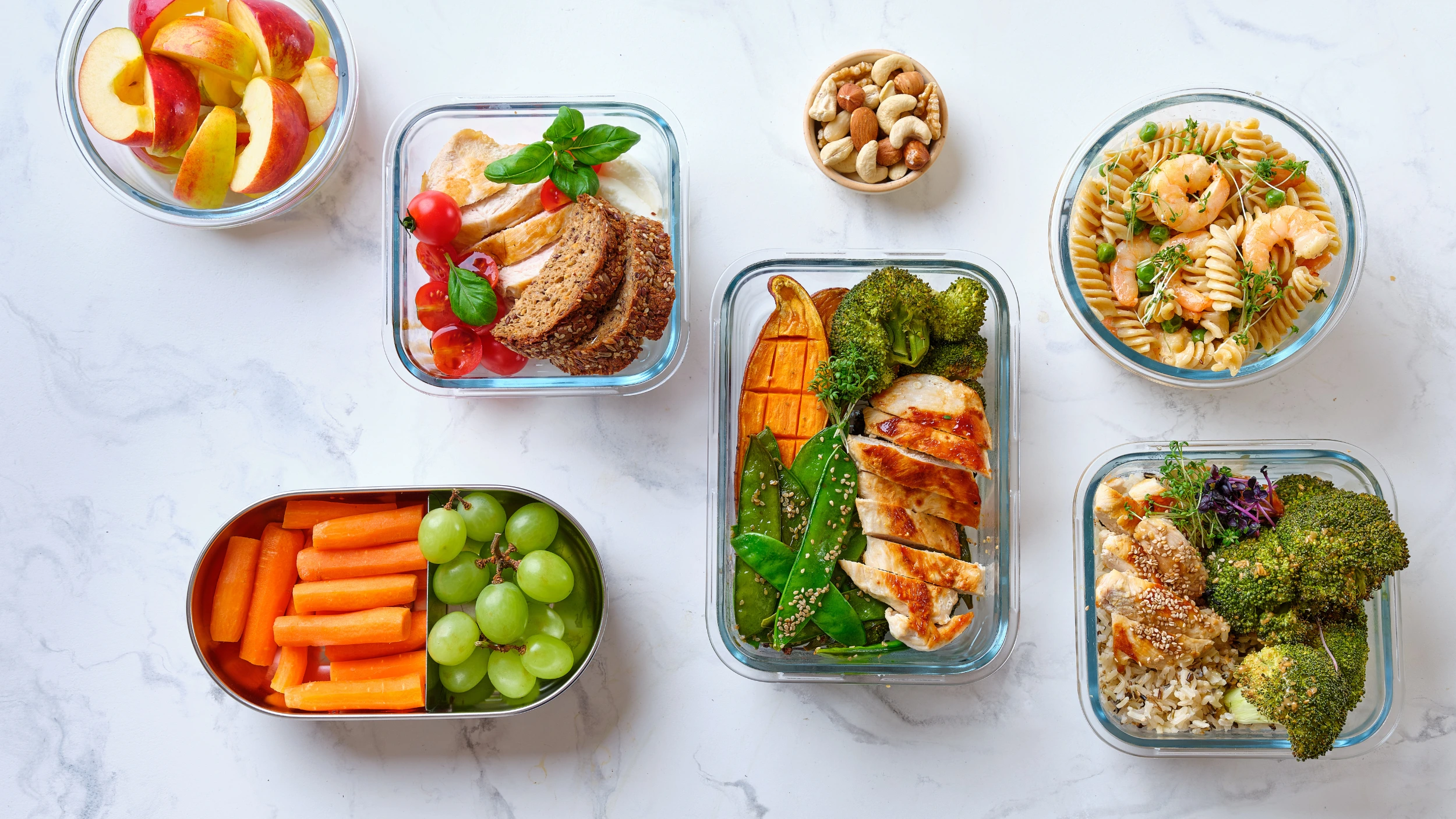
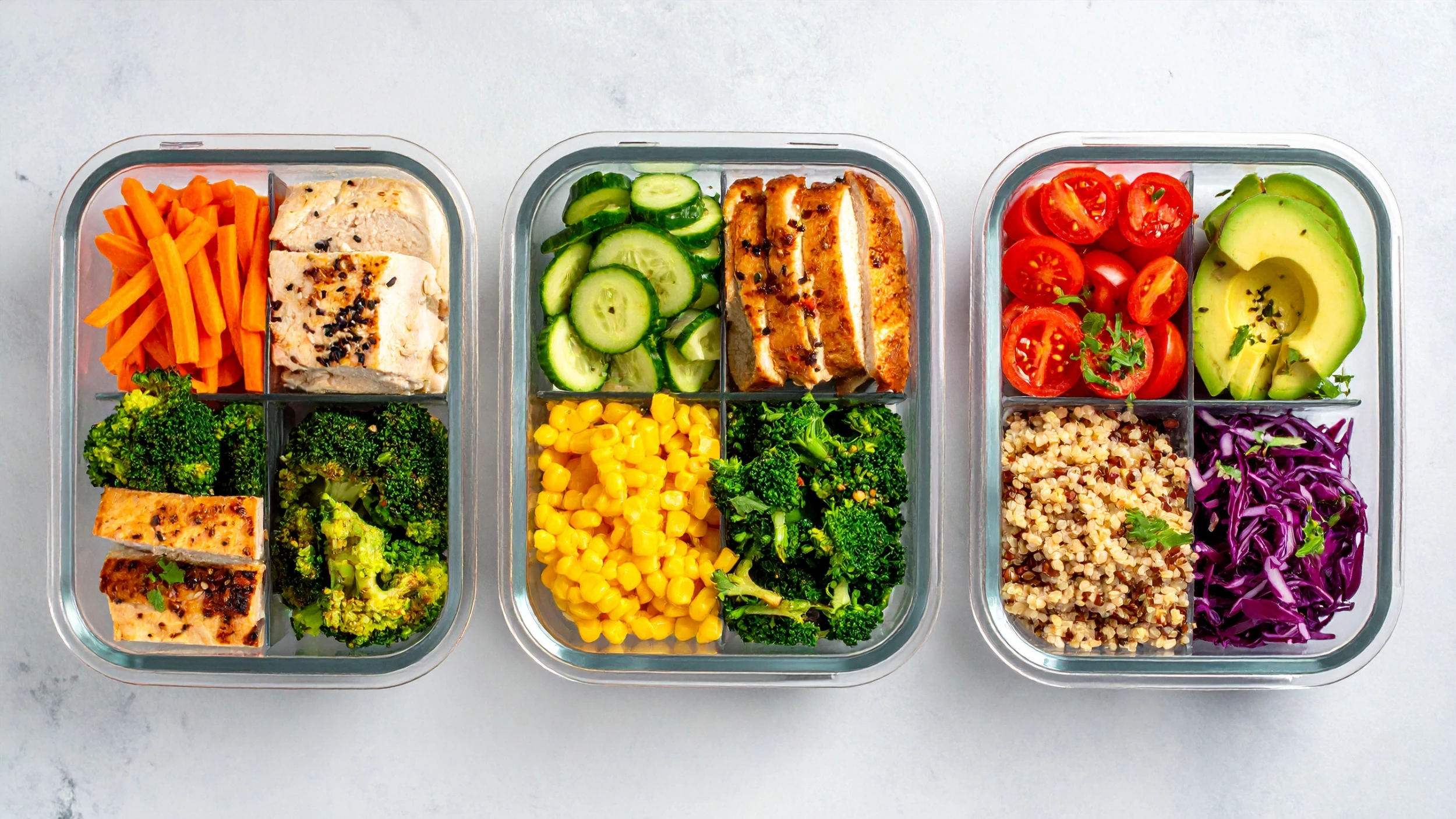
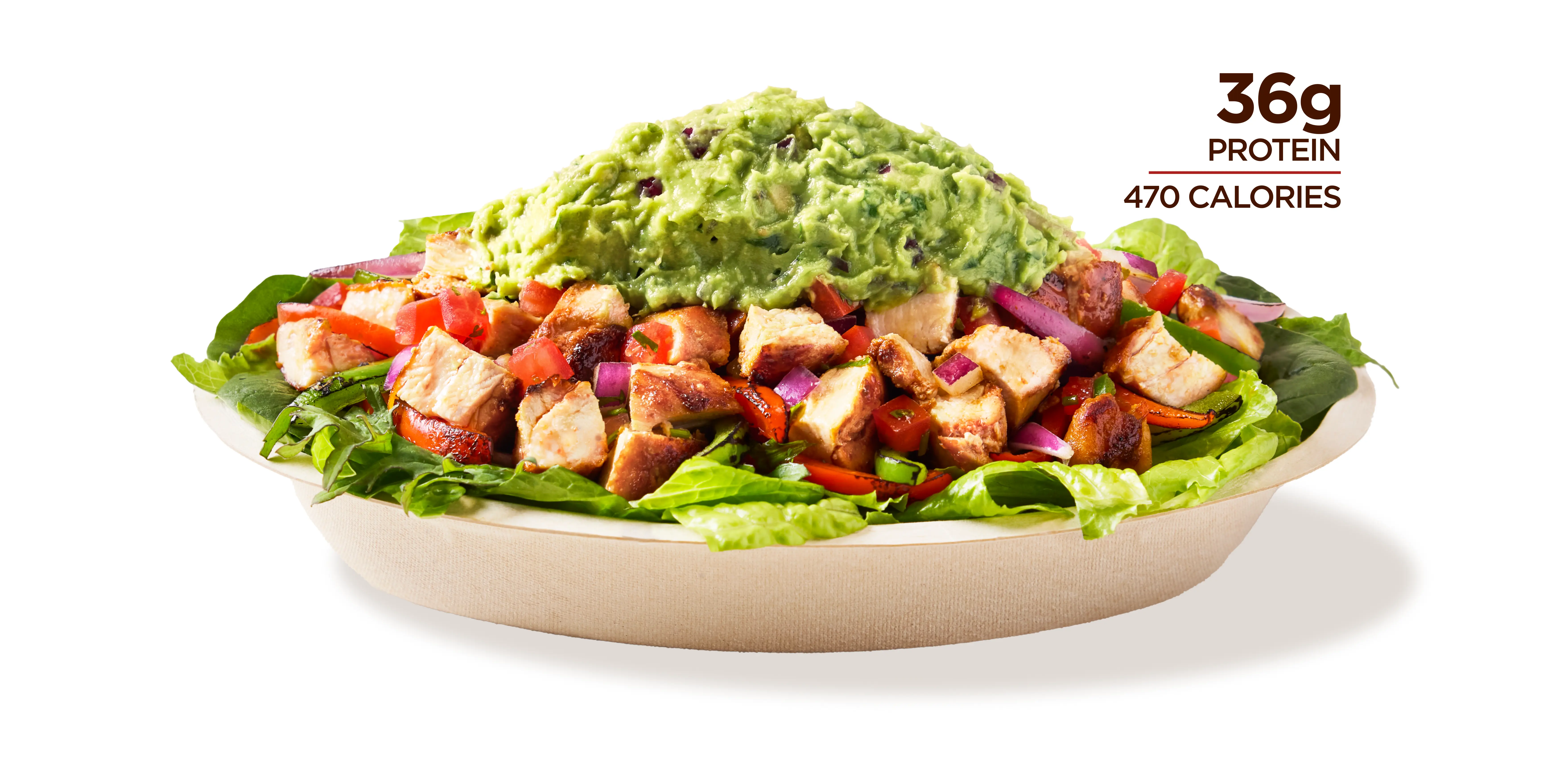
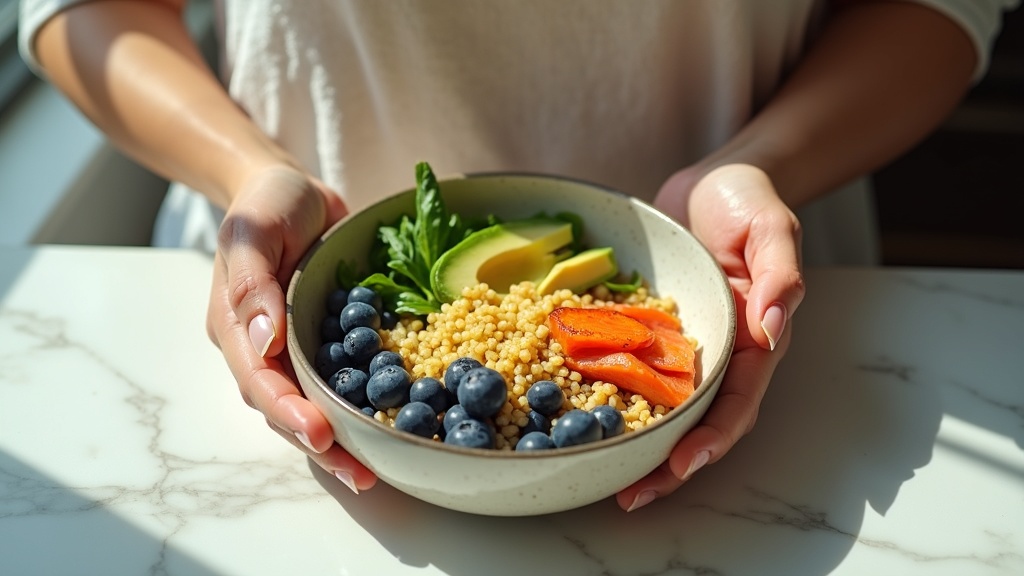
- Keep 2-3 go-to nourishing dinners on rotation that require minimal mental energy (think: rotisserie chicken with roasted vegetables, salmon with quinoa and greens, or a protein-packed grain bowl)
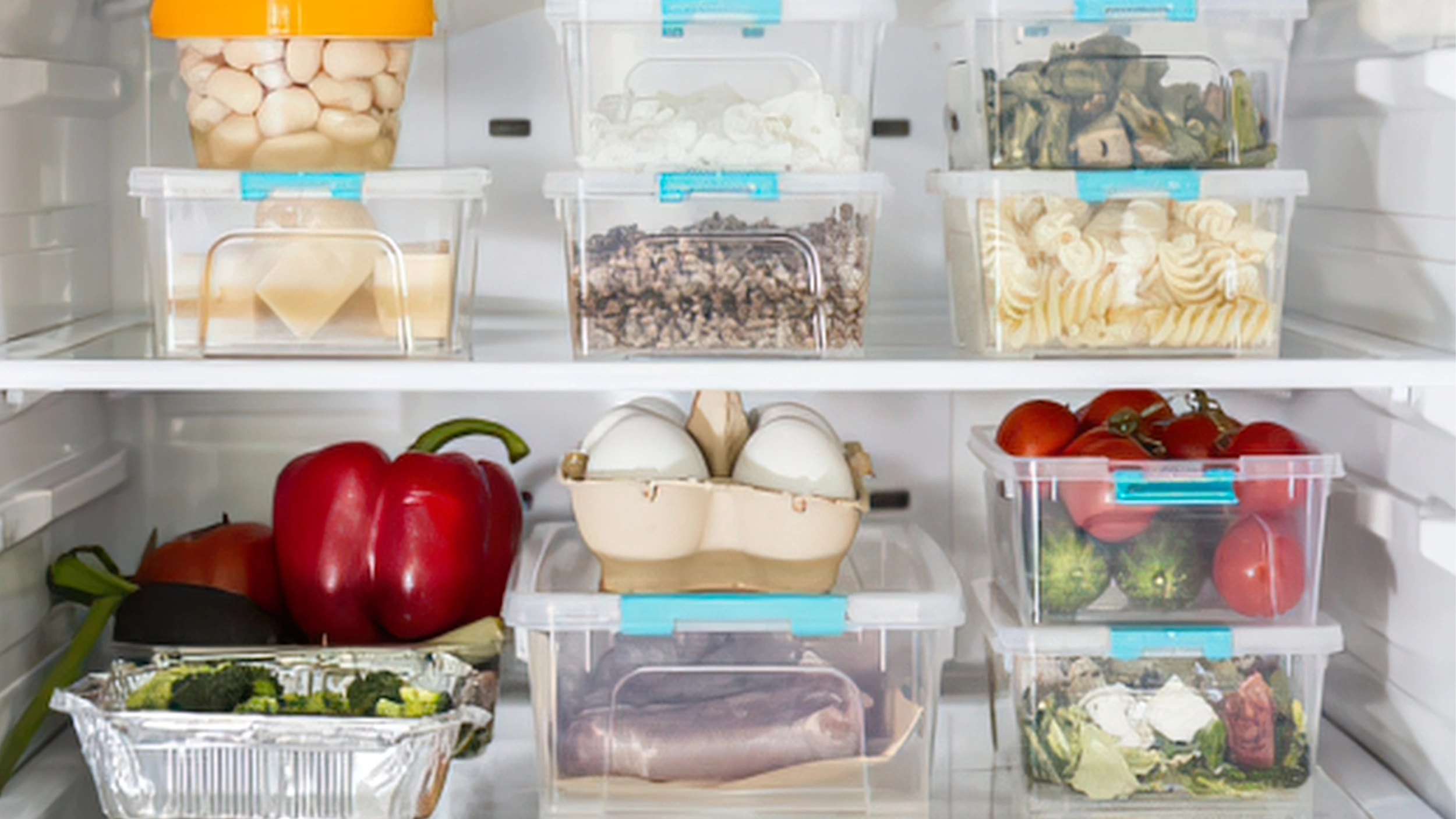
- Stock your freezer with high-quality backup options for especially exhausting weeks
- Plan this meal like you'd plan any important Friday appointment—it's non-negotiable structure when you need it most
Your Sunday Evening Bookend:
- Schedule a simple 20-minute grocery run or delivery for Sunday afternoon
- Prep just 1-2 anchor meals for the week ahead (not an entire week's worth—that's overwhelming)
- Make Monday morning breakfast completely effortless: overnight oats, pre-portioned smoothie ingredients, or hard-boiled eggs you can grab and go
This approach directly combats weekend diet sabotage by giving you structure exactly when and where you need it, while leaving Saturday fully flexible for spontaneity and social plans. You're not trying to control every meal—just the strategic ones that prevent the dominoes from falling.
2. Practice the 'Plus One' Nutrition Rule at Social Meals
Here's where most weekend eating advice goes wrong: It tells you to subtract. Skip the appetizer. Order the salad instead. Say no to dessert. This scarcity mindset is exactly what triggers the restrict-binge cycle that keeps you stuck.
Let's flip the script entirely with the "Plus One" rule: Before you enjoy the indulgent meal you're genuinely craving, ask yourself, "What can I add to this to boost nutrition?"
This works because addition feels abundant, not restrictive. Studies demonstrate that focusing on adding nutritious foods rather than eliminating desired foods leads to better long-term dietary adherence and reduced feelings of deprivation [3].
How to Apply Plus One in Real Situations:
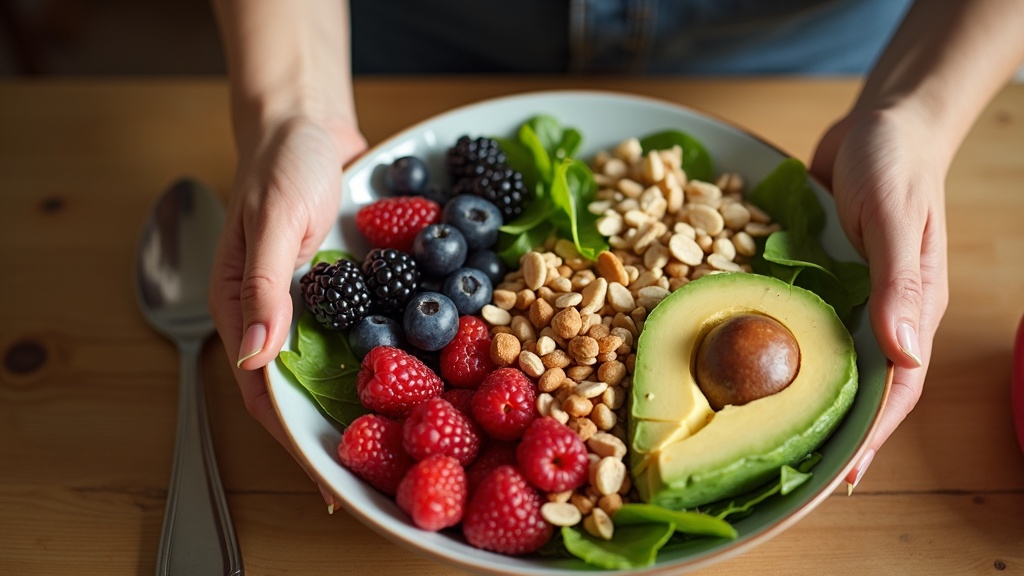
- At brunch: Order the pancakes you want, plus add a side of eggs or Greek yogurt for protein and satiety
- At a dinner party: Fill half your plate with whatever vegetable options are available before adding everything else you want to try
- At happy hour: Alternate each alcoholic drink with a full glass of water, and order a protein-rich appetizer alongside the chips and queso
- At a barbecue: Load your plate with grilled vegetables or a side salad first, then add your burger, ribs, or whatever you're excited about
This isn't about "earning" your food or compensating for "bad" choices. It's about genuinely nourishing your body so you feel satisfied and energized, not stuffed and sluggish. When you prioritize adding nutrients, you naturally moderate portions without the mental warfare of restriction. This is how you learn how to eat healthy on weekends without feeling like you're missing out.
If you're struggling with blood sugar crashes after weekend meals, the Plus One rule can be especially game-changing for stabilizing your energy.
3. Plan One Anchor Activity That Isn't Food-Focused
Think about your average weekend. How many of your plans explicitly revolve around eating or drinking? Brunch with friends. Happy hour. Dinner date. Sunday family meal. When food is the main event of every social interaction, it's nearly impossible to maintain balance.
This is where your anchor activity comes in: one planned experience each weekend that has absolutely nothing to do with food, but everything to do with pleasure, connection, or adventure.
Neuroscience research shows that novel, rewarding experiences activate the same dopamine pathways that palatable foods do [4]. Translation: When your brain has something genuinely exciting to look forward to that isn't food-related, it doesn't need to extract all its pleasure from weekend overeating.
Anchor Activity Ideas That Actually Work:
- Schedule a Saturday morning workout class with a friend (the social commitment makes it stick)
- Plan a hike or nature walk at a new trail you've been wanting to explore
- Book a creative workshop: pottery, painting, cooking class (ironically, cooking classes often lead to healthier eating)
- Visit a museum, botanical garden, or local attraction you've been putting off
- Start a weekend project: organize a closet, garden, redecorate a room
- Plan active social time: tennis, pickleball, bike ride, even a long walk through a new neighborhood
The key is making this activity feel like the highlight of your weekend—not something you're forcing yourself to do for calorie burn. When you have a non-food anchor to look forward to, meals naturally shift from being the sole source of weekend pleasure to just one component of a full, satisfying weekend.
This strategy is especially powerful for preventing weekend binge eating because it addresses the root psychological driver: the belief that you "deserve" to go overboard because you've been "good" all week. When you're already giving yourself genuine pleasure through experiences, food doesn't need to carry that entire emotional load.
For more on building a balanced relationship with food and stress, this mindset shift is foundational.
4. Reframe 'Indulgence' with Mindful Moments
Let's talk about the "cheat meal" mentality, because it's probably sabotaging you more than you realize. When you label a food as "cheating," you create a psychological framework where you're doing something wrong—something you need to hide, rush through, or maximize before you "get back on track."
This is why cheat meals so often spiral into cheat days or cheat weekends. Research confirms that guilt and shame around eating actually predict binge eating episodes and are strongly associated with poorer long-term weight management outcomes [5].
Instead of a "cheat meal," practice what I call a "savor session": an intentional, fully present experience with a food you genuinely love.
How to Create a Savor Session:
- Choose one specific treat you truly want (not what you think you "should" want, but what genuinely sounds delicious to you)
- Plate it beautifully—yes, even if it's takeout pizza, put it on an actual plate
- Sit down at a table without your phone, laptop, or TV competing for attention
- Eat slowly, noticing flavors, textures, temperature, and how your body feels as you eat
- Check in halfway through: Am I still enjoying this as much as the first bite? Do I want to keep going, or am I satisfied?
This practice increases satisfaction while often naturally reducing the amount you eat. When you're fully present, you actually taste and enjoy your food—which means you need less of it to feel fulfilled. Studies show that mindful eating interventions significantly reduce binge eating frequency and improve overall eating behavior regulation [6].
This is the real key to staying on track with diet on weekends: removing the guilt-binge cycle entirely. When no food is forbidden, nothing feels scarce. When nothing feels scarce, there's no psychological urgency to eat as much as possible "while you still can."
If you're working on healing your gut microbiome or managing digestive issues, this mindful approach also helps you tune into how different foods actually make your body feel—information that's invaluable for personalization.
Breaking Free from the 'Diet Starts Monday' Trap
Here's what I want you to understand: The "diet starts Monday" cycle isn't a character flaw. It's the predictable result of treating weekdays and weekends like they require completely different operating systems.
Your body doesn't recognize the difference between Tuesday and Saturday. It just knows when it's nourished consistently versus when it's on a restriction-binge rollercoaster. These healthy weekend habits aren't about adding more rules—they're about building a sustainable rhythm that actually works with your real life, not against it.
Start with just one of these strategies this weekend. Maybe it's planning your Friday dinner. Maybe it's adding vegetables to your brunch order. Maybe it's scheduling that hike you've been thinking about. Small, consistent actions create lasting change—not another Monday morning "fresh start."
Frequently Asked Questions
Why do I overeat so much on the weekend?
Weekend overeating typically stems from three factors: decreased structure (no work schedule dictating meal times), accumulated decision fatigue from the week that lowers self-regulation, and increased social eating opportunities. Many women also unconsciously use food as a reward for "being good" all week, which creates a psychological setup for overindulgence. It's rarely about willpower—it's about planning and addressing the root causes.
How can I enjoy my weekend without ruining my diet?
The concept of "ruining" your diet is part of the problem—it reinforces all-or-nothing thinking. Instead, focus on balance and addition rather than perfection and subtraction. Use the Plus One rule to add nutrition to meals you're excited about, plan at least one enjoyable non-food activity, and practice mindful eating when you do indulge. Conscious, intentional choices feel completely different from restriction or loss of control.
Is it better to have a cheat meal or a cheat day?
I'd encourage you to move away from the "cheating" language entirely, as it creates guilt and shame that actually predict binge eating. If you're comparing the two, a single intentional "savor session" or special meal is generally more manageable than a full cheat day. Cheat days often reinforce an all-or-nothing mentality and can trigger multi-day spirals. Consistent, moderate flexibility throughout the week is more sustainable than swinging between extremes.
Ready to End the Weekend Struggle for Good?
If you're exhausted from the weekly cycle of restriction and overindulgence, you don't have to figure this out alone. Personalized nutrition support can help you identify your specific triggers, build habits that actually fit your lifestyle, and create lasting change without another restrictive diet.
Book a one-on-one consultation with a registered dietitian and finally break free from the "diet starts Monday" trap.
References
[1] Baumeister RF, et al. Ego Depletion: Is the Active Self a Limited Resource?. Journal of Personality and Social Psychology, 1998.
[2] Vohs KD, et al. Making Choices Impairs Subsequent Self-Control: A Limited-Resource Account of Decision Making, Self-Regulation, and Active Initiative. Proceedings of the National Academy of Sciences, 2011.
[3] Epstein LH, et al. A Randomized Trial of the Effects of Reducing Television Viewing and Computer Use on Body Mass Index in Young Children. Archives of Pediatrics & Adolescent Medicine, 2008.
[4] Volkow ND, et al. Reward, Dopamine and the Control of Food Intake: Implications for Obesity. Trends in Cognitive Sciences, 2011.
[5] Puhl RM, et al. Weight Stigma and Eating Concerns: A Longitudinal Study of Adolescent Girls. Obesity Reviews, 2015.
[6] Kristeller JL, et al. An Exploratory Study of a Meditation-Based Intervention for Binge Eating Disorder. Journal of Health Psychology, 2014.
.svg)
.svg)


.jpg)
.jpg)


















.webp)
























.webp)
.webp)
.webp)
.webp)
.webp)
.webp)
.webp)
.png)
.webp)
.webp)

.webp)
.png)
.webp)
.webp)
.webp)
.webp)
.webp)
.webp)
.webp)
.webp)
.webp)


.webp)
.png)