.webp)
%2B(7).webp)
.png)
At a Glance
Choosing eco-friendly non-toxic cookware is one of the smartest investments you can make for your long-term health and kitchen safety. This guide breaks down the four safest cookware materials—cast iron, stainless steel, 100% ceramic, and carbon steel—so you can ditch the confusion and cook with confidence. We'll cover what makes each option truly non-toxic, how to use them effectively, and which fits your cooking style best.
Why Non-Toxic Cookware Actually Matters
Here's something most people don't realize: your cookware can leach chemicals directly into your food, especially when heated. Traditional non-stick pans often contain polytetrafluoroethylene (PTFE) and perfluorooctanoic acid (PFOA), which belong to a class of synthetic chemicals called per- and polyfluoroalkyl substances (PFAS). When heated above 500°F, PTFE coatings can release toxic fumes[1]. Even worse, PFAS are dubbed "forever chemicals" because they don't break down in the environment or your body[2].
Research has linked PFAS exposure to thyroid disruption, hormonal imbalances, and immune system dysfunction—issues that disproportionately affect women in their reproductive years[3]. If you're thinking about fertility, already pregnant, or just want to minimize your toxic load, switching to safe cookware is non-negotiable.
The good news? Truly non-toxic cookware exists, performs beautifully, and doesn't require you to sacrifice flavor or convenience. Let's break down your four best options.
1. Cast Iron: The Heritage Choice for Natural Non-Stick
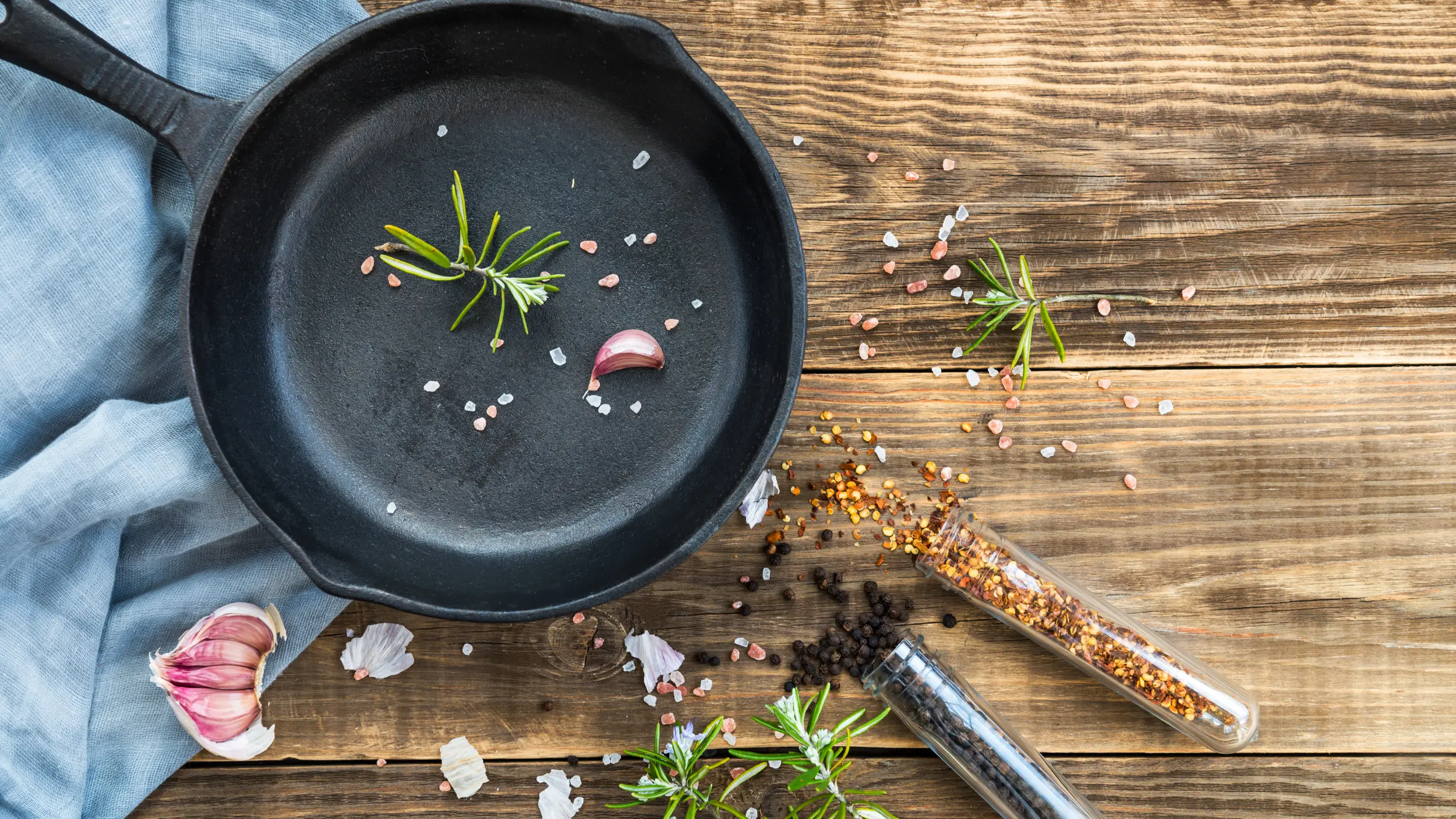
Cast iron cookware has been around for centuries, and there's a reason it's still a kitchen staple. It's made from a single material—iron—with zero synthetic coatings or chemical additives. When properly seasoned, cast iron develops a natural, slick surface that rivals any non-stick pan.
Why Cast Iron Is a Non-Toxic Powerhouse
- Zero chemicals: No PFOA, PTFE, or synthetic coatings—just pure iron
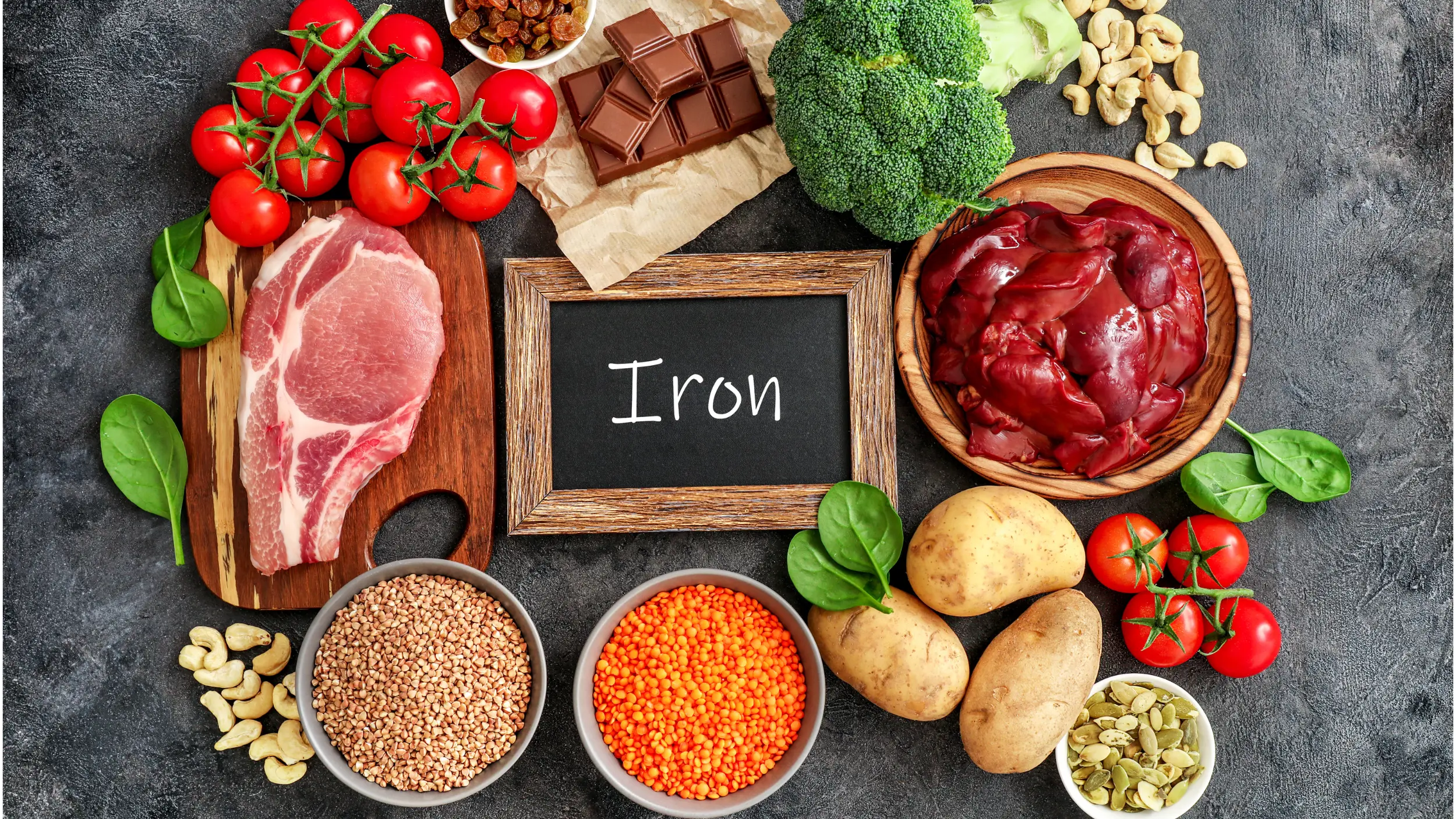
- Adds dietary iron: Cooking acidic foods like tomato sauce can increase the iron content of your meal, which is beneficial if you're prone to low ferritin levels[4]
- Lasts forever: With proper care, cast iron is genuinely a buy-it-for-life sustainable kitchen investment
- Excellent heat retention: Perfect for searing, baking, and even moving from stovetop to oven
The Real Talk on Maintenance
Yes, cast iron requires a bit more attention than tossing a pan in the dishwasher, but it's simpler than you think. After cooking, rinse with hot water (soap is actually fine despite old myths), dry thoroughly, and rub with a thin layer of oil. That's it. The seasoning builds over time, creating that coveted non-stick surface naturally.
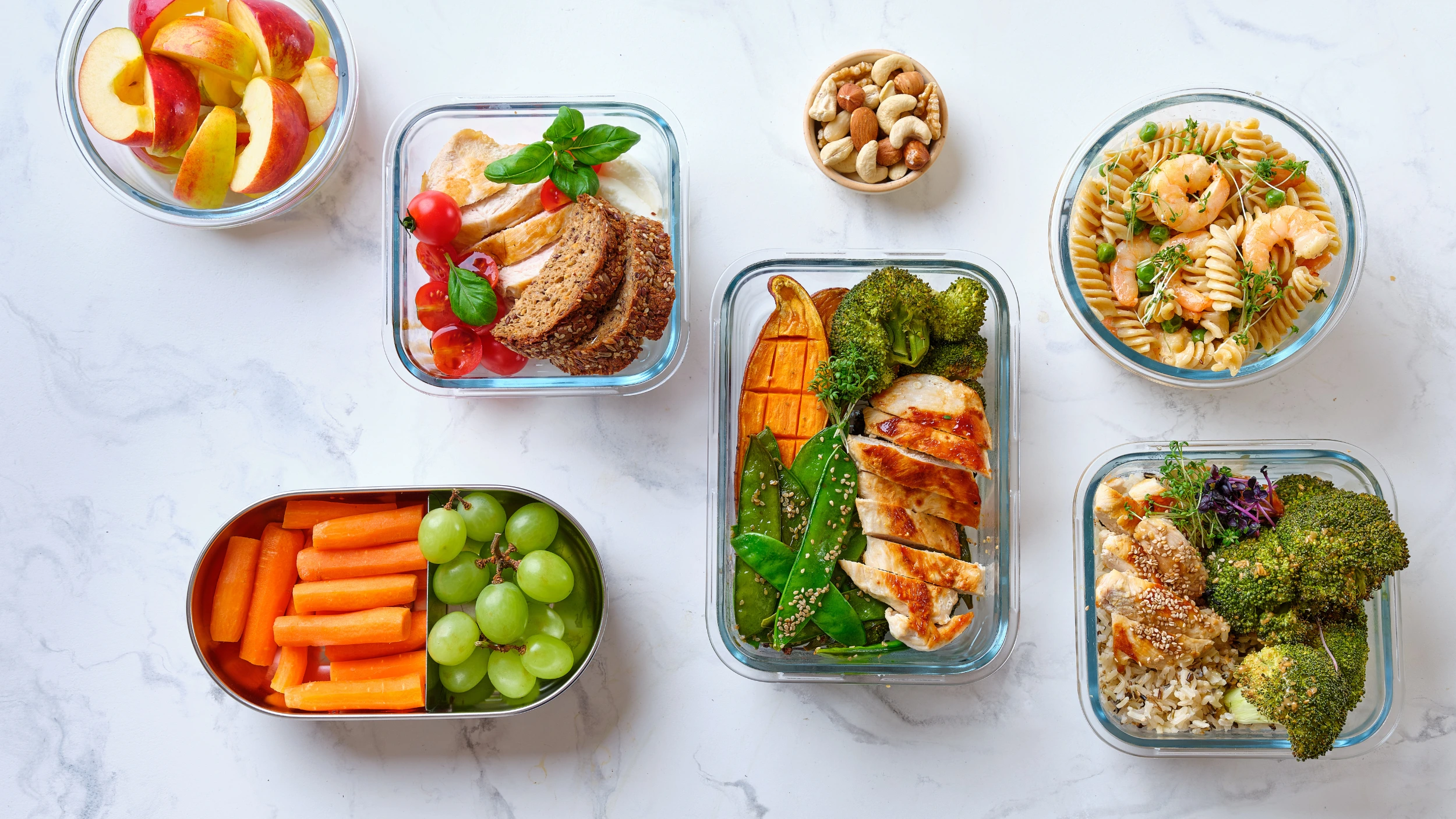
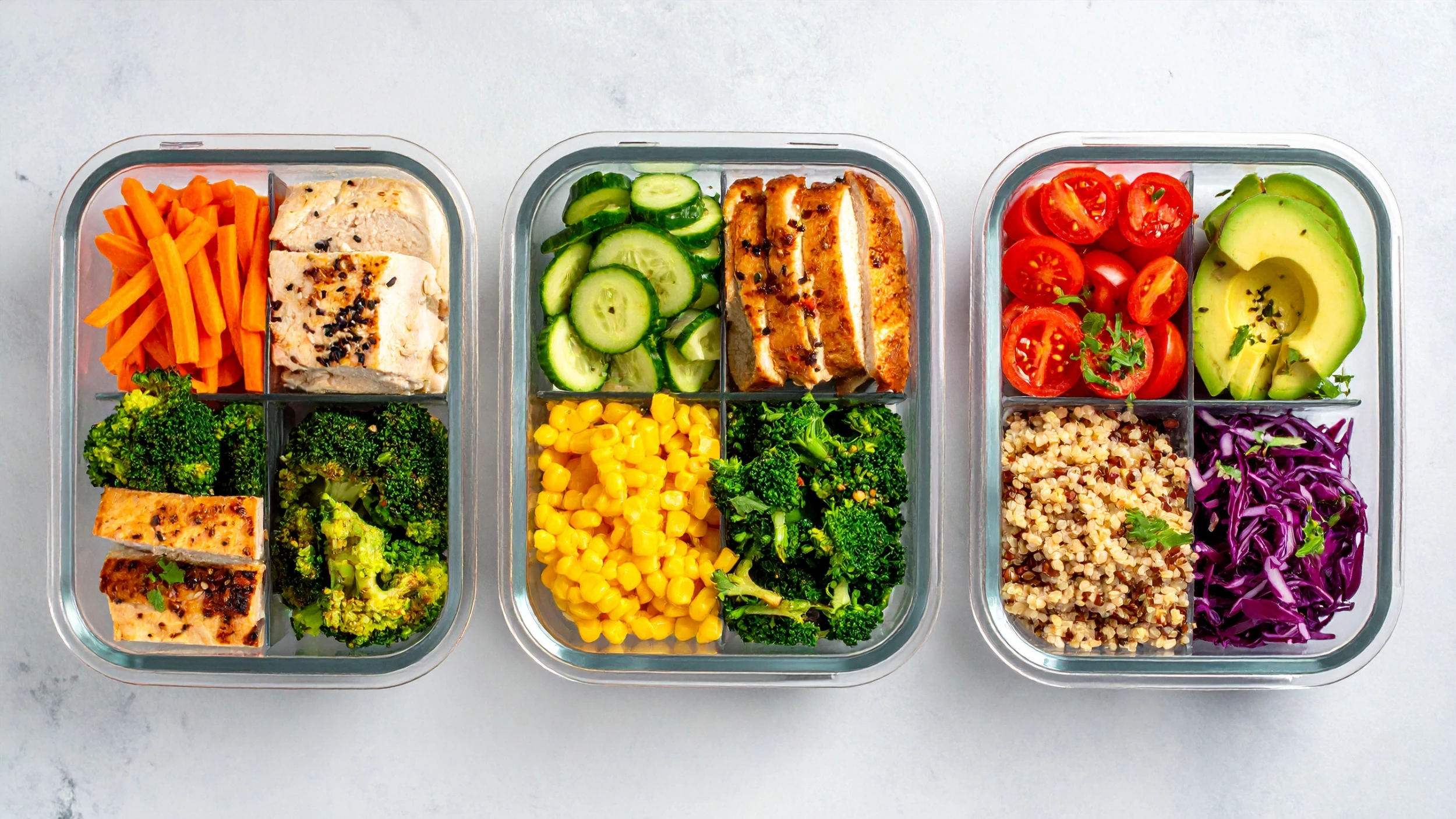
If you're managing a busy schedule and need guidance on fitting healthy cooking habits into your routine, exploring realistic meal prep strategies can make all the difference.
2. Stainless Steel: The Clean & Versatile Workhorse
Stainless steel is the gold standard in professional kitchens, and for good reason. It's incredibly durable, non-reactive (meaning it won't leach metals into acidic foods), and completely free of toxic coatings. When you invest in quality stainless steel cookware, you're getting safe cookware that will perform flawlessly for decades.
What Makes Stainless Steel So Safe
Stainless steel is an alloy typically made from iron, chromium, and nickel. The chromium creates a protective layer that prevents corrosion and metal leaching[5]. Look for 18/10 stainless steel (18% chromium, 10% nickel) for the highest quality and safest option.
- Non-reactive surface: Won't interact with acidic or alkaline foods
- No chemical coatings: Pure metal means zero risk of coating degradation
- Dishwasher-safe: Easy cleanup without special maintenance
- Versatile: Works on all cooktops including induction
Mastering the Stainless Steel Learning Curve
The main complaint about stainless steel? Food sticks. But here's the secret: preheat your pan properly, use enough fat, and let proteins develop a crust before flipping. The "water bead test" is your friend—when a drop of water forms a ball and rolls around the pan, it's ready. This technique turns stainless steel into one of the most reliable healthy cookware materials in your arsenal.
3. 100% Ceramic: The Gold Standard in PFOA-Free Pans
When we talk about ceramic cookware, we need to distinguish between two very different products: 100% ceramic (also called pure ceramic) and ceramic-coated cookware. Only 100% ceramic qualifies as truly non-toxic.
The Critical Difference
100% ceramic cookware is made entirely from clay and hardened at high temperatures—think of it like pottery. It's completely inert, meaning it won't react with food or release any substances when heated. Brands like Xtrema and Emile Henry produce genuine 100% ceramic options.
Ceramic-coated cookware, on the other hand, is typically aluminum or another metal with a ceramic-like coating applied. While better than traditional non-stick, these coatings can degrade over time and may contain trace heavy metals or other additives[6].
Why 100% Ceramic Earns Its Place
- Completely inert: No leaching, no off-gassing, no chemical concerns
- Natural non-stick: When used correctly with proper preheating and fat
- Beautiful and functional: Often oven-safe and gorgeous enough to serve in
- Eco-friendly: Made from natural minerals without synthetic processing
The Downsides to Know
Pure ceramic is more fragile than metal cookware—it can chip or crack if dropped. It also requires gentle heat adjustments and shouldn't be subjected to extreme temperature shocks. But for slow cooking, baking, and everyday stovetop use, it's an exceptional eco-friendly choice.
If you're rethinking your entire kitchen setup as part of a broader wellness shift, understanding how your cooking methods affect nutrient retention can amplify the benefits of your new cookware.
4. Carbon Steel: The Lighter, Pro-Level Alternative
Carbon steel is cast iron's sleeker, more responsive cousin. It's made from iron and carbon (typically 99% iron, 1% carbon), giving it similar benefits to cast iron but with a thinner, lighter build that heats and cools faster.
Why Professional Chefs Love Carbon Steel
- Lightweight: Easier to maneuver than cast iron, especially for tossing vegetables or flipping foods
- Superior heat control: Responds quickly to temperature changes
- Develops natural seasoning: Creates a non-stick surface over time, just like cast iron
- Extremely durable: Will last a lifetime with proper care
Perfect For These Cooking Styles
Carbon steel truly shines for high-heat cooking: stir-fries, searing steaks, achieving perfect browning on vegetables, and making restaurant-quality omelets. French and Asian culinary traditions have relied on carbon steel for generations because it delivers unmatched performance.
The maintenance is nearly identical to cast iron—wash, dry thoroughly, and maintain the seasoning with a light oil coating. It does require more initial seasoning than pre-seasoned cast iron, but many cooks find this process meditative and satisfying.
What About Other "Safe" Options?
You might be wondering about materials like anodized aluminum, titanium, or copper. Here's the quick rundown:
Anodized aluminum is treated to create a harder, non-reactive surface. While generally considered safer than regular aluminum, it's not as inert as our top four choices, and the anodized layer can eventually wear down.
Copper is an excellent heat conductor but is highly reactive. Quality copper cookware should have a stainless steel or tin lining, which means you're essentially using stainless steel as your cooking surface.
Titanium is inert and safe but often prohibitively expensive and less common in home kitchens.
Stick with the four materials we've covered, and you'll have all your bases covered for a truly sustainable kitchen.
FAQ: Your Top Cookware Questions Answered
What is the single safest material for everyday cooking?
If I had to choose just one, I'd say stainless steel edges ahead for most home cooks. It's completely non-reactive, requires zero special maintenance, works for virtually any cooking method, and will never degrade or require replacement. That said, a well-rounded kitchen benefits from having multiple options—stainless steel for acidic foods and everyday use, and cast iron or carbon steel for high-heat searing.
How do I know if my current non-stick pan is toxic?
If your non-stick cookware was manufactured before 2013, it likely contains PFOA[7]. Even newer "PFOA-free" non-stick pans may still contain other PFAS chemicals or alternative coatings that aren't well-studied. Look for visible signs of wear: scratches, peeling, or discoloration all indicate coating breakdown. When in doubt, replace it with one of the best non-toxic cookware options we've discussed.
Is it expensive to switch to non-toxic cookware?
It can be, but it doesn't have to be. You don't need to overhaul everything at once. Start with one quality piece—a 10-inch stainless steel skillet or a cast iron pan runs between $25-80 and will serve you for decades. Budget-friendly brands like Lodge (cast iron) and Tramontina (stainless steel) offer excellent performance without the premium price tag. Think of it as a one-time investment in your health rather than an ongoing expense.
Building Your Non-Toxic Kitchen Arsenal
Ready to make the switch? Here's a practical starter set that covers 90% of home cooking needs:
- 10-12 inch stainless steel skillet: Your daily workhorse for sautéing, pan sauces, and versatile cooking
- 10-inch cast iron skillet: For searing, baking, and foods that benefit from iron
- Stainless steel stockpot: Essential for soups, stocks, and boiling pasta
- Carbon steel wok or skillet (optional): If you love Asian cooking or high-heat techniques
This combination gives you true versatility without breaking the bank or cluttering your cabinets.
The Bigger Picture: Cookware and Hormonal Health
As a dietitian specializing in women's health, I see the connection between environmental toxins and hormonal issues daily. PFAS exposure has been associated with delayed puberty, irregular cycles, PCOS symptoms, and fertility challenges[8]. While we can't control every exposure source, we can absolutely control what touches our food every single day.
Switching to eco-friendly non-toxic cookware is a powerful act of self-care that compounds over time. Combined with anti-inflammatory eating patterns and reduced processed food intake, you're creating an environment where your body can truly thrive.
Overhaul Your Kitchen, Elevate Your Health
Choosing the right cookware is a foundational step in building a healthier lifestyle, but it's just one piece of the puzzle. If you're ready to take the next step and align your nutrition with your wellness goals, I'm here to help.
Whether you're managing PCOS, trying to conceive, struggling with unexplained fatigue, or simply want to feel your absolute best, personalized nutrition guidance makes all the difference. Book a consultation at www.usevedic.com to create a simple, sustainable plan tailored specifically to your body, your schedule, and your goals.
Your kitchen is where health begins. Let's make sure every element—from the pans you use to the foods you prepare—supports the vibrant, energized life you deserve.
References
[1] U.S. Environmental Protection Agency. Risk Management for Perfluorooctanoic Acid (PFOA) and Perfluorooctyl Sulfonate (PFOS). EPA, 2024.
[2] Sunderland EM, et al. A review of the pathways of human exposure to poly- and perfluoroalkyl substances (PFASs) and present understanding of health effects. Journal of Exposure Science & Environmental Epidemiology, 2019.
[3] Rappazzo KM, et al. Exposure to Perfluorinated Alkyl Substances and Health Outcomes in Children: A Systematic Review of the Epidemiologic Literature. Environmental Health Perspectives, 2017.
[4] Geerligs PD, et al. Food prepared in iron cooking pots as an intervention for reducing iron deficiency anemia in developing countries: a systematic review. Journal of Human Nutrition and Dietetics, 2003.
[5] Kamerud KL, et al. Stainless steel leaches nickel and chromium into foods during cooking. Journal of Agricultural and Food Chemistry, 2013.
[6] Tietz T, et al. Aggregated aluminium exposure: risk assessment for the general population. Archives of Toxicology, 2019.
[7] U.S. Food and Drug Administration. Authorized Uses of PFAS in Food Contact Applications. FDA, 2023.
[8] Vagi SJ, et al. Exploring the Potential Association Between Brominated Diphenyl Ethers, Polychlorinated Biphenyls, Organochlorine Pesticides, Perfluorinated Compounds, Phthalates, and Bisphenol A in Polycystic Ovary Syndrome. Journal of Clinical Endocrinology & Metabolism, 2014.
.svg)
.svg)


.jpg)
.jpg)







.webp)

























.webp)
.webp)
.webp)
.webp)
.webp)
.webp)
.webp)
.png)
.webp)
.webp)
.webp)
.png)
.webp)
.webp)
.webp)
.webp)
.webp)
.webp)
.webp)
.webp)
.webp)


.webp)
.png)