.webp)
%2B(7).webp)
.png)
At a Glance
Starchy vegetables are nutrient-dense carbohydrate sources that fuel your brain, support gut health, and can absolutely fit into a weight loss plan. This guide breaks down exactly which vegetables count as starchy, their science-backed benefits including resistant starch for gut bacteria, and how to pair them strategically with protein and fats for stable blood sugar and sustained energy.
Introduction
Feeling confused by all the anti-carb talk? You're not alone. Many of us have been taught to fear foods like potatoes and corn, but what if I told you that strategically including starchy vegetables is one of the kindest things you can do for your energy levels, gut health, and even your mood? Let's move past the myths and talk about how to make these powerful plants work for your body, not against it.
The truth is, carbs aren't the enemy—they're literally your body's preferred fuel source. Your brain alone uses about 120 grams of glucose daily [1], and when you're constantly restricting starchy vegetables, you're potentially depriving yourself of essential nutrients while simultaneously making yourself feel exhausted and irritable. I've watched too many brilliant women drag themselves through their days on fumes because they've been told that sweet potatoes are "too much sugar" or that corn is "just empty calories." It's time we set the record straight.
What Exactly Are Starchy Vegetables? (And Why They Get a Bad Rap)
Let's clear the air. When we talk about starchy vegetables, we're talking about a wonderful group of veggies higher in carbohydrates—typically 15-30 grams per serving—that provide crucial fuel for your brain and muscles. These aren't the same as refined carbs like white bread or pastries. We're talking about whole, minimally processed foods that come with fiber, vitamins, minerals, and beneficial plant compounds.
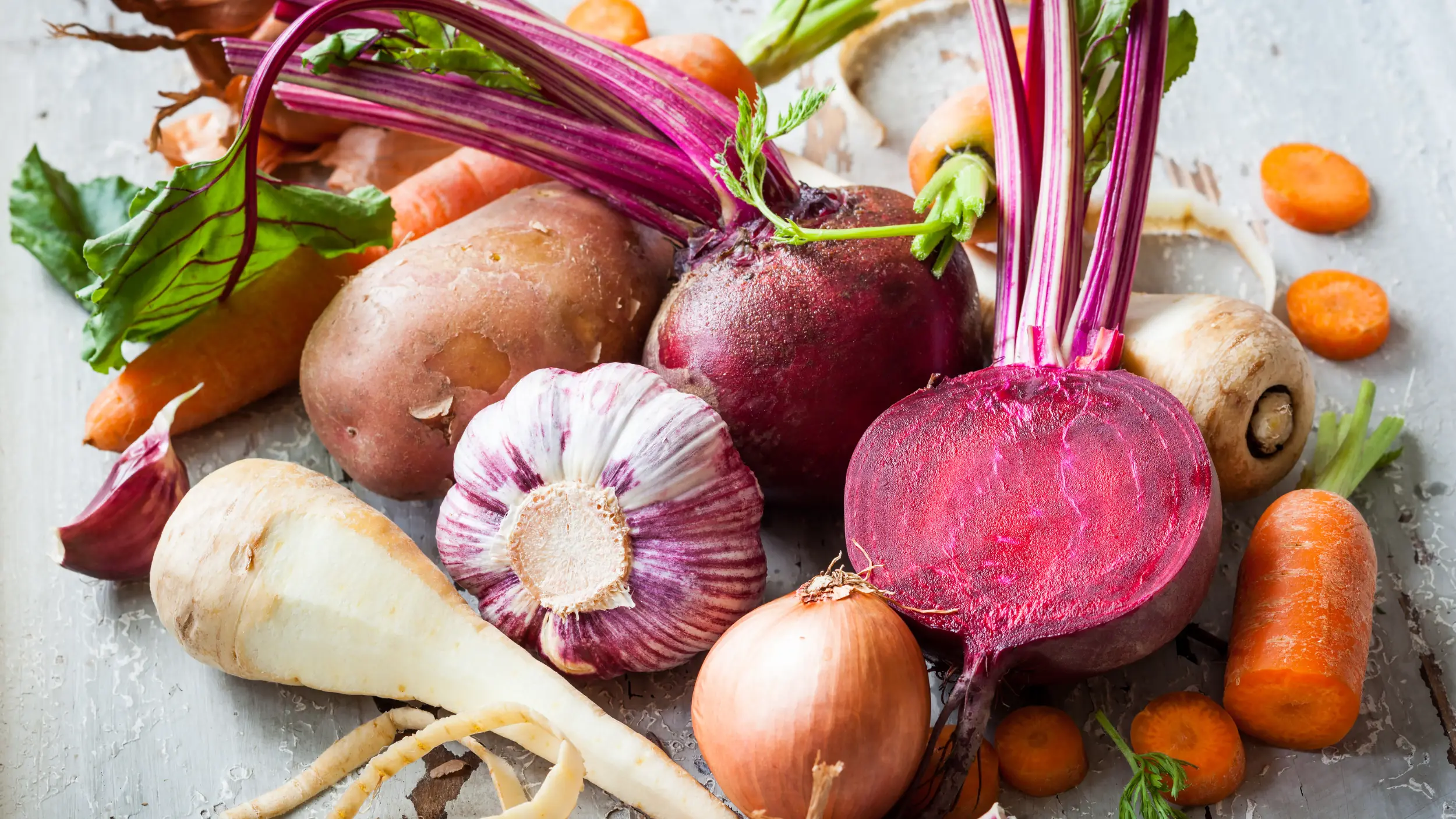
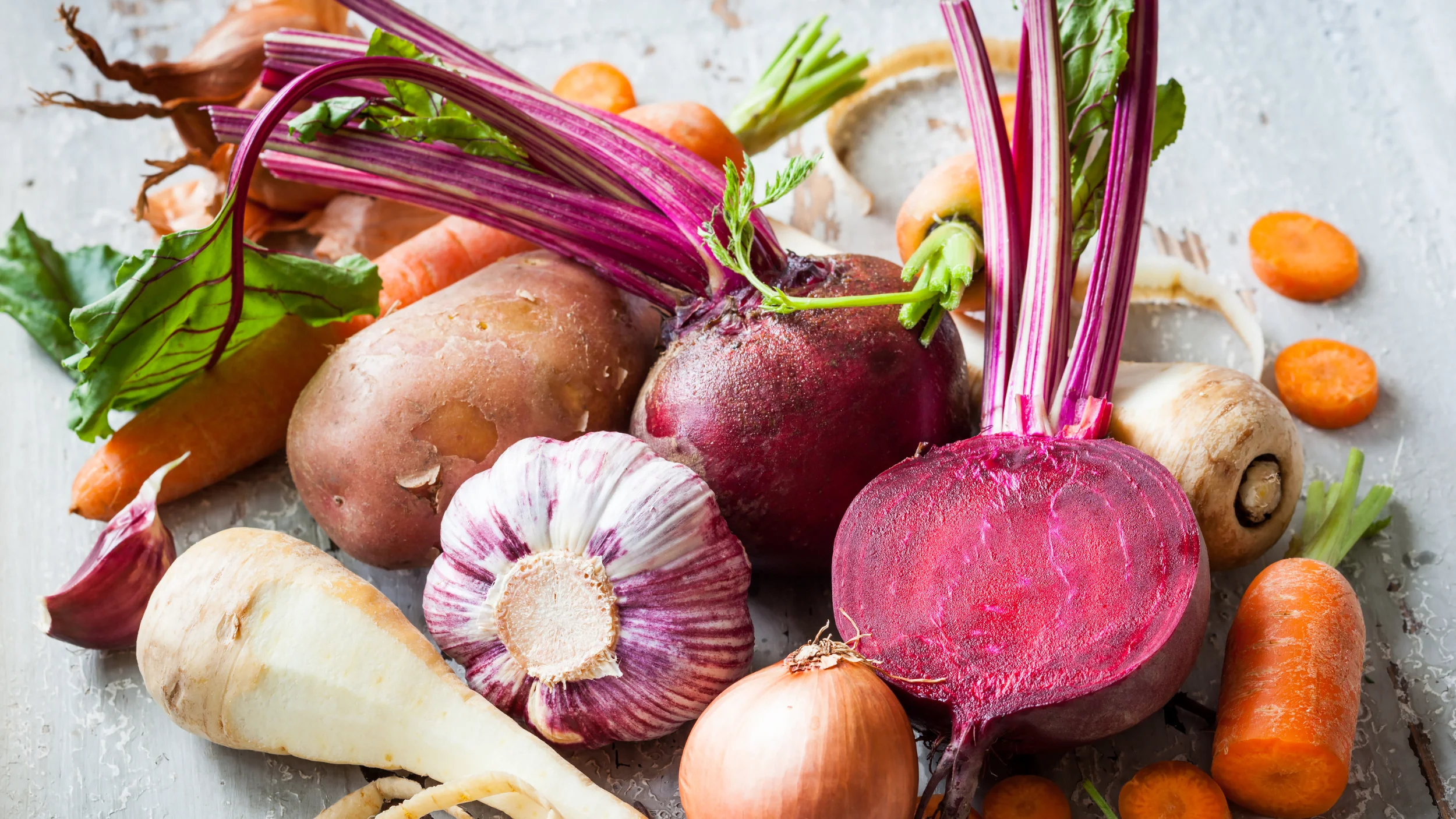
Here's your complete list of starchy vegetables:
- Sweet potatoes: Approximately 24g carbs per medium potato, loaded with beta-carotene
- White potatoes: About 26g carbs per medium potato, surprisingly rich in potassium and vitamin C
- Corn: Around 17g carbs per half cup, containing unique antioxidants like lutein
- Peas: About 14g carbs per half cup, with an impressive 4g of protein
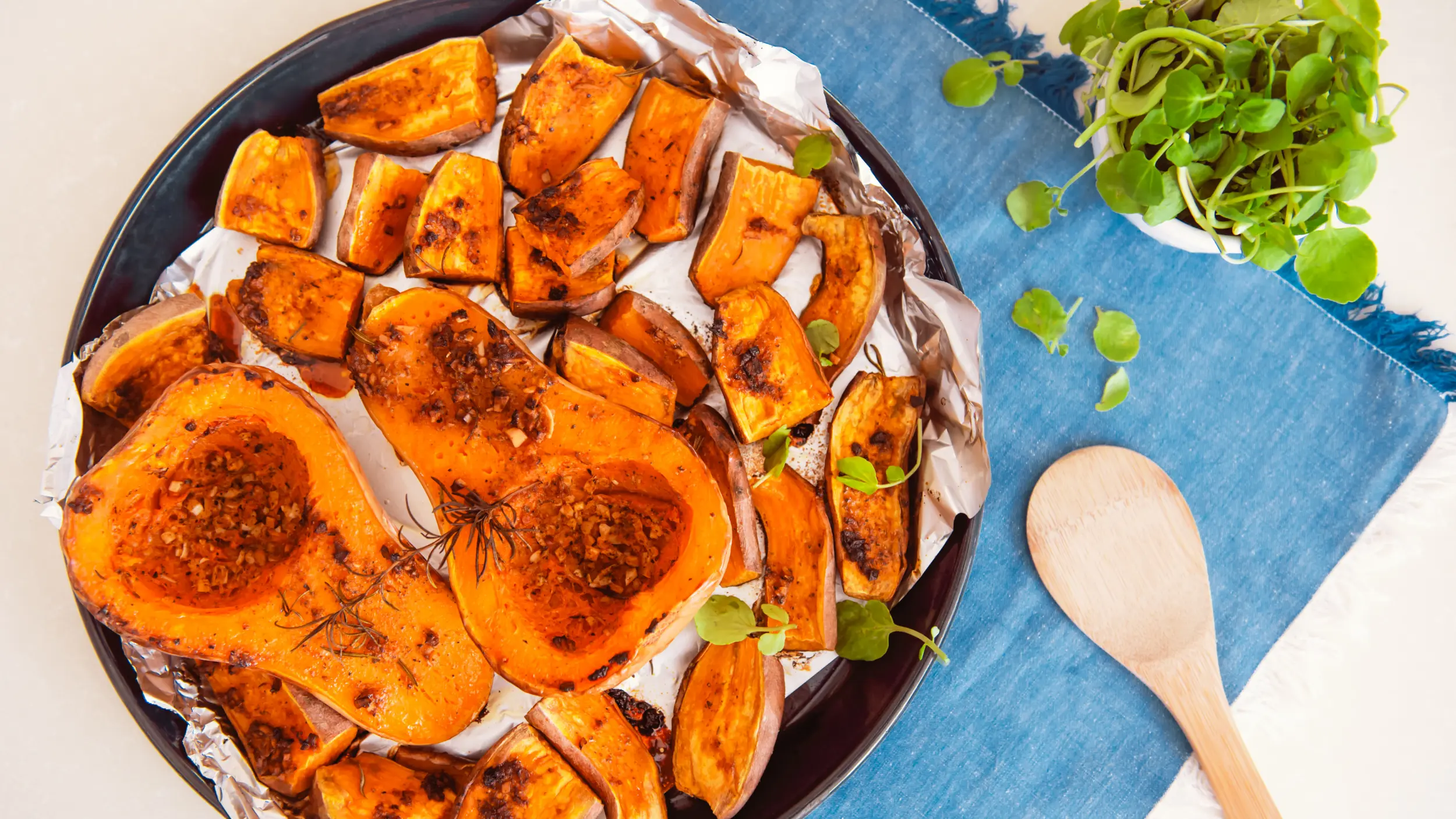
- Winter squash (butternut, acorn, kabocha): 15-20g carbs per cup, packed with vitamin A
- Plantains: Roughly 29g carbs per half cup cooked, excellent source of resistant starch
- Cassava/yuca: About 39g carbs per cup, a staple carbohydrate in many cultures
- Parsnips: Around 17g carbs per cup, offering good fiber content
- Taro root: Approximately 46g carbs per cup, rich in manganese and vitamin E
So why do these nutritional powerhouses get such a bad reputation? Honestly, it comes down to diet culture's obsession with demonizing entire food groups. The low-carb movement of the early 2000s painted all carbohydrates with the same brush, failing to distinguish between a baked sweet potato with its fiber and phytonutrients versus a sugar-laden processed snack cake.
The other issue? Portion distortion and preparation methods. When restaurants serve a massive loaded baked potato drowning in sour cream and bacon, or when we're eating french fries cooked in inflammatory oils, yeah—those versions aren't doing your body favors. But that's about preparation and quantity, not the vegetable itself. Understanding how different foods affect your blood sugar can help you make informed choices about portions.
The Surprising Benefits of Embracing Healthy Starchy Carbs
It's time to reframe starch as a source of strength, not something to be avoided. Here's what the research actually shows about including these vegetables in your regular rotation:
Resistant starch is a game-changer for your gut. When you cook and then cool starchy vegetables like potatoes and plantains, some of their starch converts into resistant starch—a type that resists digestion in your small intestine and instead feeds your beneficial gut bacteria [2]. This fermentation process produces short-chain fatty acids like butyrate, which supports colon health, reduces inflammation, and may even improve insulin sensitivity [3]. Your gut microbiome directly influences everything from your immune function to your mental health, so feeding those good bacteria isn't optional—it's essential.
They're absolutely packed with micronutrients you need. One medium sweet potato delivers over 400% of your daily vitamin A requirement [4], supporting everything from your vision to skin cell turnover. Potatoes are surprisingly excellent sources of potassium (more than a banana, actually), which is crucial for blood pressure regulation and muscle function. Winter squash provides significant amounts of vitamin C, magnesium, and manganese.
Starchy vegetables support sustainable energy and athletic performance. If you're trying to maintain consistent workouts or you have a physically demanding job, adequate carbohydrate intake isn't negotiable. Glycogen—your muscles' stored form of glucose—gets depleted during exercise and needs replenishing [5]. When you chronically under-eat carbs, your performance suffers, your recovery slows, and you're more likely to experience that awful «hangry» feeling that derails your best intentions.
They can actually support—not sabotage—weight management. I know this sounds counterintuitive given everything you've heard, but hear me out. The fiber in starchy vegetables promotes satiety, meaning you feel fuller longer [6]. When you're satisfied after meals, you're far less likely to find yourself elbow-deep in a bag of chips at 9 PM. Plus, having adequate energy means you can actually stick with your exercise routine instead of feeling too exhausted to move. Supporting your metabolic health requires adequate fuel, not restriction.
Your Smart-Carb Strategy: Timing and Pairing for Energy & Balance
This is where the magic happens! It's not just about what you eat, but how you eat it. Here are my go-to dietitian strategies for incorporating starchy vegetables to support your goals, including weight management:
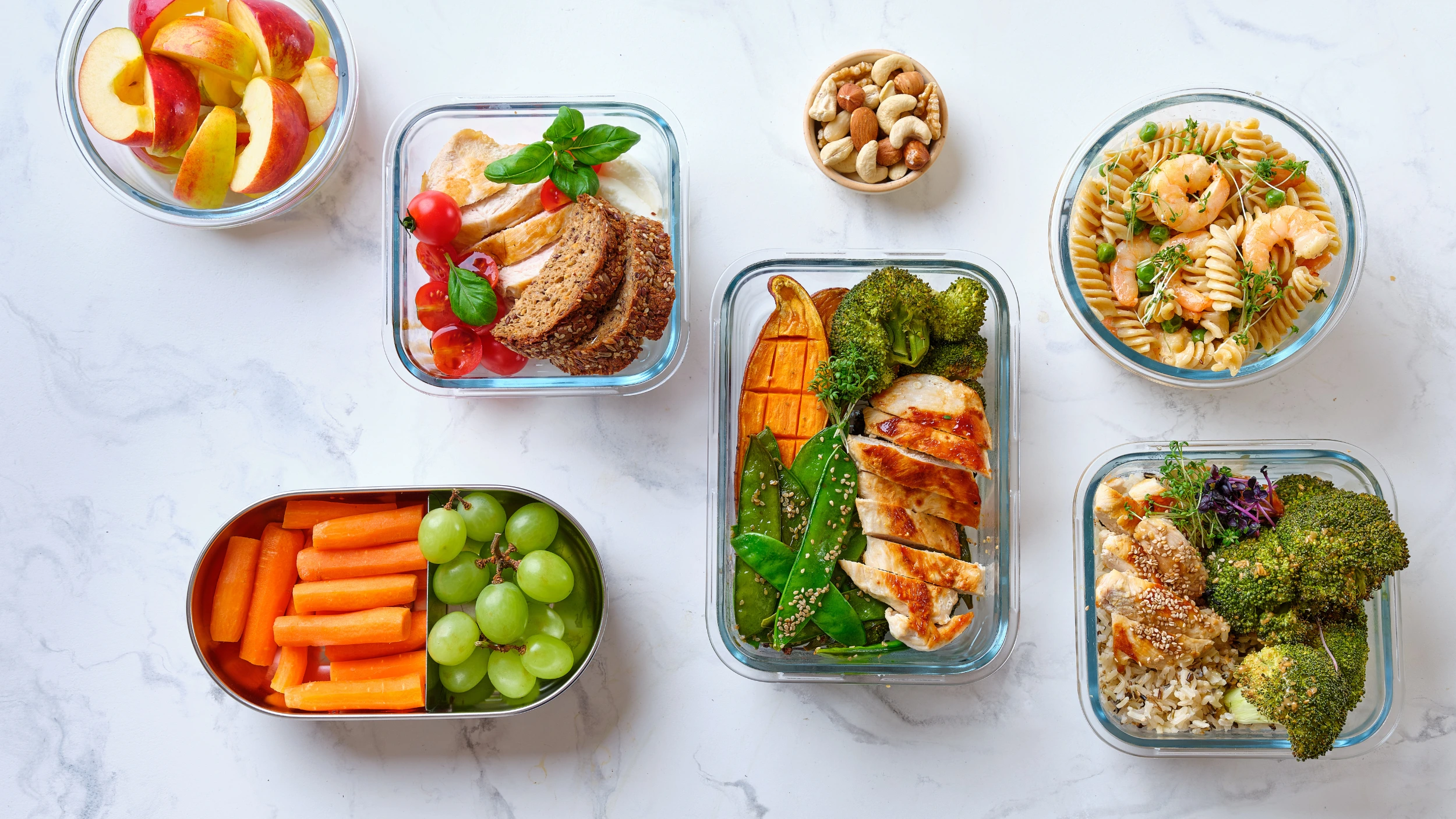
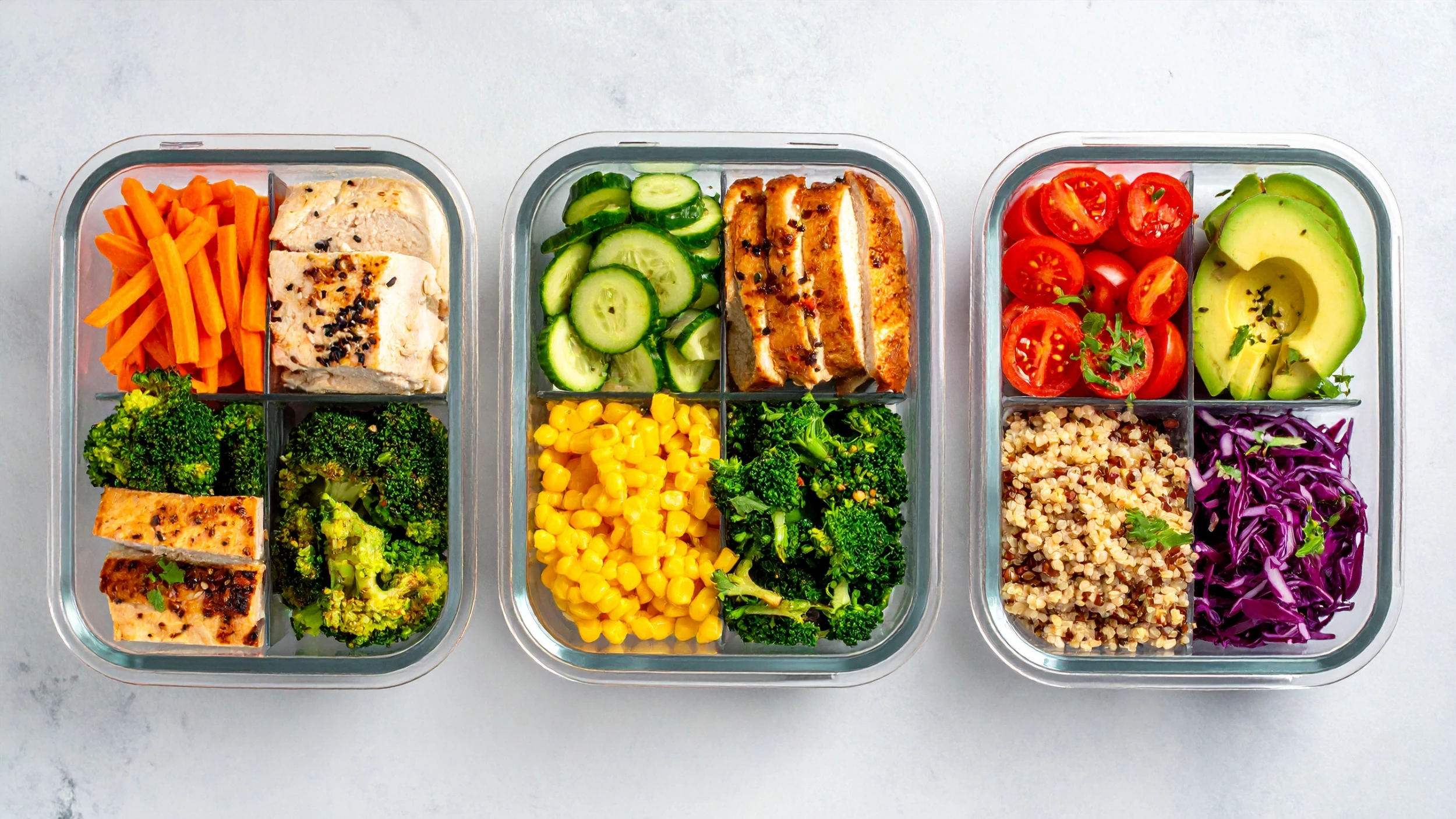
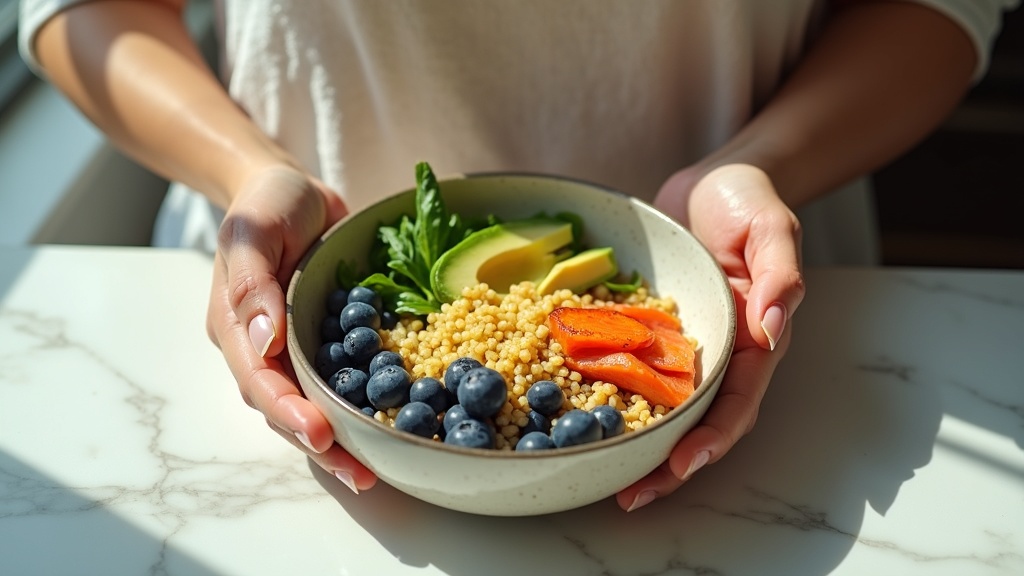
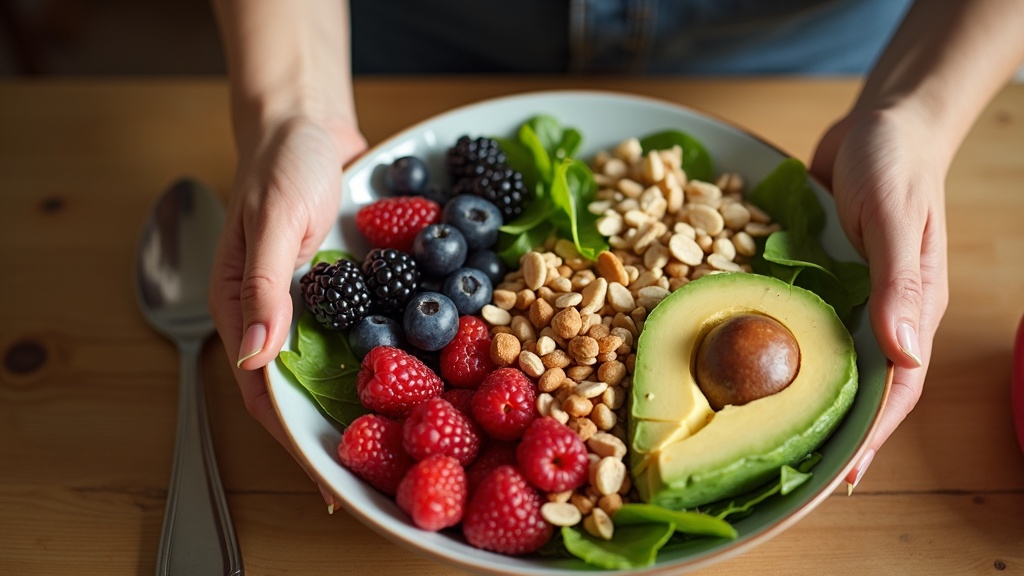
Master the balanced plate approach. Instead of fearing starchy vegetables, make them one component of a well-rounded meal. I teach my clients to visualize their plate divided into quarters: one quarter starchy vegetable, one quarter lean protein, and half the plate filled with non-starchy vegetables like leafy greens, broccoli, peppers, or Brussels sprouts. Add a serving of healthy fat (olive oil, avocado, nuts), and you've created a meal that stabilizes blood sugar and keeps you satisfied for 3-4 hours.
Pair strategically to prevent blood sugar spikes. When you eat starchy vegetables alongside protein, healthy fats, and fiber-rich non-starchy vegetables, you slow down digestion and create a more gradual rise in blood glucose [7]. For example, roasted sweet potato cubes tossed with chickpeas, spinach, and tahini dressing hits all the right notes. A baked potato topped with Greek yogurt, steamed broccoli, and grilled chicken? Perfect.
Think about portion sizes that feel satisfying, not restrictive. For most women in the 24-45 age range with moderate activity levels, aiming for about ½ to 1 cup of cooked starchy vegetables per meal is a solid starting point. This might look like:
- Half a medium sweet potato (about the size of your fist)
- ½ cup of mashed butternut squash
- ¾ cup of peas mixed into a stir-fry
- One small-to-medium potato
- ½ cup of corn kernels
Your individual needs will vary based on activity level, metabolic health, and goals, which is exactly why personalized nutrition guidance can be so valuable.
Time your starchy vegetable intake around activity. While you absolutely don't need to get overly rigid about this, many women find they feel best when they include their larger portions of starchy vegetables around their most active times of day. Having them at lunch before an afternoon workout or at dinner after exercise can optimize how your body uses that glucose for energy and recovery.
Experiment with resistant starch. Remember that cooling effect I mentioned? Cook a big batch of potatoes or sweet potatoes, let them cool completely in the fridge, then reheat or eat cold in salads. This increases the resistant starch content, providing extra benefits for your gut bacteria while slightly reducing the digestible carbohydrate load.
Don't fear variety—embrace it. Rotate through different starchy vegetables throughout the week rather than eating the same one daily. This ensures you're getting a diverse array of nutrients and also supports a more diverse gut microbiome. Monday might be roasted kabocha squash, Wednesday could feature mashed potatoes with dinner, and Friday's lunch could include a colorful corn and black bean salad.
FAQ: Your Questions on Starchy Veggies, Answered
Are starchy vegetables bad if I'm trying to lose weight?
No, not at all! This is one of the most common misconceptions I address with clients. When balanced with protein and healthy fats and consumed in appropriate portions, starchy vegetables can actually support weight loss by providing lasting energy for workouts and fiber to keep you feeling full and satisfied. The issue is never the sweet potato itself—it's when starchy vegetables are eaten in excessive portions, prepared with loads of added fats, or consumed without adequate protein and fiber to balance the meal. Research consistently shows that whole food carbohydrate sources don't inherently cause weight gain [8]. What matters more is your overall calorie intake, meal composition, and whether you're moving your body regularly.
Which starchy vegetable is the absolute healthiest?
There's no single "healthiest" one—variety is key! Sweet potatoes are fantastic for vitamin A and antioxidants, peas are packed with plant-based protein and fiber, corn offers unique carotenoids like lutein and zeaxanthin for eye health, and regular potatoes provide more potassium than most people realize. Winter squashes deliver impressive amounts of vitamin C and beta-carotene. The best approach is to rotate through different kinds to get a wide range of nutrients. Think of it like building a diverse investment portfolio—you want multiple assets working for you, not everything in one basket.
How can I eat starchy vegetables without feeling bloated?
Often, bloating comes from a sudden increase in fiber, especially if your digestive system isn't accustomed to it. Start with smaller portions—maybe ¼ to ½ cup—and gradually increase over a few weeks as your gut bacteria adapt. Make sure you're drinking plenty of water throughout the day, as fiber needs adequate hydration to move through your system comfortably. Also, cooking starchy vegetables thoroughly breaks down some of the complex fibers and starches, making them significantly easier to digest than eating them raw or undercooked. If you're still experiencing issues, it might be worth working with a dietitian to rule out specific food sensitivities or conditions like SIBO that can make certain carbohydrates harder to tolerate.
Ready to Create a Nutrition Plan That Feels Good?
Feeling overwhelmed trying to figure out how to fuel your body properly? You don't have to do it alone. Let's work together to build a personalized plan that honors your body's needs and helps you reach your goals with confidence.
Whether you're trying to boost your energy, support your workouts, improve your relationship with carbohydrates, or finally figure out what works for your unique body, individualized guidance makes all the difference. Book a 1:1 Consultation with a Dietitian Today at www.usevedic.com and let's create a sustainable approach to nutrition that actually fits your life.
References
[1] Mergenthaler P, Lindauer U, Dienel GA, Meisel A. Sugar for the brain: the role of glucose in physiological and pathological brain function. Trends in Neurosciences, 2013.
[2] Lockyer S, Nugent AP. Health effects of resistant starch. Nutrition Bulletin, 2017.
[3] Robertson MD, Bickerton AS, Dennis AL, Vidal H, Frayn KN. Insulin-sensitizing effects of dietary resistant starch and effects on skeletal muscle and adipose tissue metabolism. American Journal of Clinical Nutrition, 2005.
[4] United States Department of Agriculture. FoodData Central: Sweet Potato, Raw. USDA Agricultural Research Service, 2024.
[5] Alghannam AF, Gonzalez JT, Betts JA. Restoration of Muscle Glycogen and Functional Capacity: Role of Post-Exercise Carbohydrate and Protein Co-Ingestion. Nutrients, 2018.
[6] Chambers L, McCrickerd K, Yeomans MR. Optimising foods for satiety. Trends in Food Science & Technology, 2015.
[7] Araya H, Contreras P, Alvina M, Vera G, Pak N. A comparison between an in vitro method to determine carbohydrate digestion rate and the glycemic response in young men. European Journal of Clinical Nutrition, 2002.
[8] Borch D, Juul-Hindsgaul N, Veller M, et al. Potatoes and risk of obesity, type 2 diabetes, and cardiovascular disease in apparently healthy adults: a systematic review of clinical intervention and observational studies. American Journal of Clinical Nutrition, 2016.
.svg)
.svg)



.jpg)
.jpg)




















.webp)




























.webp)
.webp)
.webp)
.webp)
.webp)
.webp)
.webp)
.png)
.webp)
.webp)

.webp)
.png)
.webp)
.webp)
.webp)
.webp)
.webp)
.webp)
.webp)
.webp)
.webp)


.webp)
.png)