.webp)
%2B(7).webp)
.png)
Delicious High-Protein, Dairy-Free Vegetarian Subs for Your Busy Lifestyle
At a Glance
Finding high protein dairy free vegetarian subs doesn't have to feel overwhelming. Plant-based proteins like tempeh, lentils, and hemp seeds deliver the nutritional power you need without any animal products. With strategic meal planning and the right ingredient swaps, you can build satisfying, protein-rich meals that support your energy, satiety, and health goals all week long.
Fueling Your Body: The Vegetarian, Dairy-Free Way
Hey there! Let's talk about fueling your body right, the delicious vegetarian, dairy-free way. It can feel like a puzzle sometimes, right? Finding satisfying meals that are packed with protein, free from dairy, and totally vegetarian. Especially when you're juggling a busy life and aiming for those health goals. But guess what? It's absolutely doable and can be incredibly tasty!
Here's the thing: protein is non-negotiable for women in our age range. We need it for muscle maintenance, hormone synthesis, stable blood sugar, and sustained energy [1]. The Recommended Dietary Allowance sits at 0.8 grams per kilogram of body weight daily, but many of us benefit from more—especially if you're strength training, managing stress, or working on body composition [2].
And when you remove both meat and dairy from the equation? You're eliminating two of the most common protein sources in the Standard American Diet. That's where strategic planning comes in. We're going to explore vibrant veggies, hearty plant-based proteins, and satisfying flavors that make eating well a joy, not a chore.
Foundations of a High-Protein, Dairy-Free Plate
When we talk about dairy free vegetarian subs, it's not just about sandwiches! It's about finding those perfect, satisfying meal components that keep you full and energized. Let's break down the foundational elements you need to create protein-rich vegetarian meals that actually work for your body.
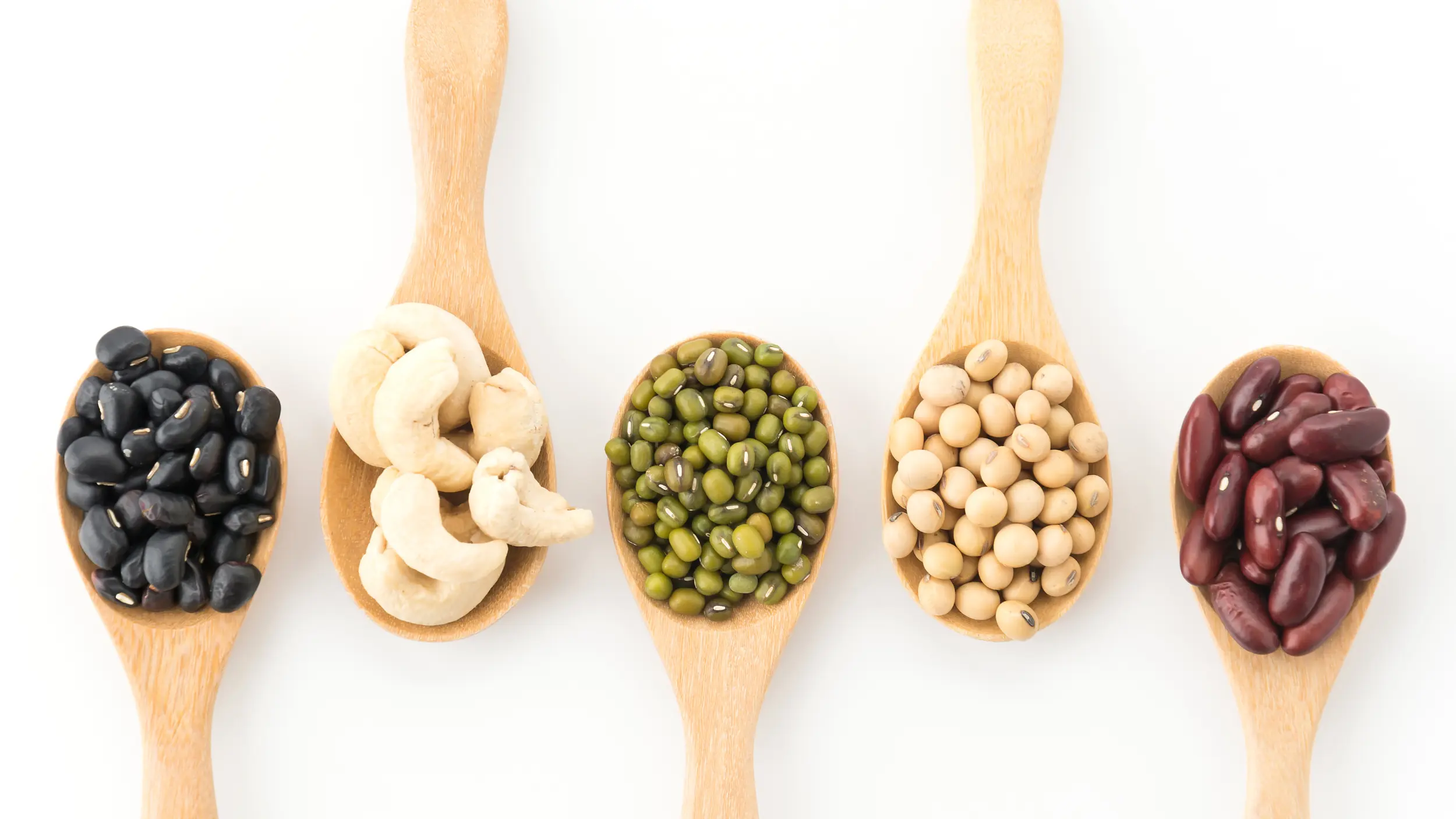
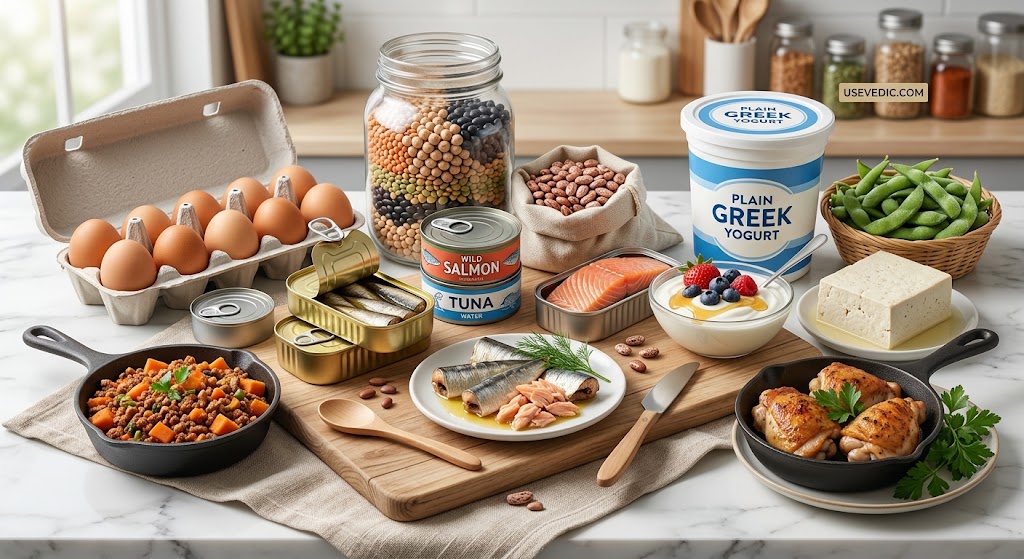
Primary Protein Sources
- Tempeh: My go-to recommendation. Delivers about 20 grams of protein per cup, plus gut-friendly probiotics [3]. Try it marinated in tamari and maple syrup.
- Lentils: One cup provides 18 grams of protein along with fiber, iron, and folate [4].
- Blend red lentils into a high-protein spread.
- Toss green lentils with roasted vegetables.
- Simmer French lentils into a "meat" sauce.
- Edamame: A complete protein with 17 grams per cup [5]. Keep it frozen for quick additions to meals.
- Hemp Seeds: Small but mighty, packing 10 grams of protein in just three tablespoons [6].
Nutritional Strategies for Success
You don't need to stress about perfect pairings at every single meal—your body pools amino acids throughout the day [7]. Key combinations include:
- Legumes + Grains: Hummus with pita, black bean bowls with rice, or lentil soup with sourdough.
- Legumes + Nuts/Seeds: Almond butter on toast or chickpea salad with tahini dressing.
- Soy Products: Tofu and tempeh are complete proteins on their own.
For those focused on hormone balance through nutrition, adequate protein helps stabilize insulin and supports healthy cycle production.
Essential Protein Enhancers
- Nutritional Yeast: 8 grams of protein per two tablespoons with a cheesy, umami flavor [8].
- Chickpea Flour: Contains 20 grams of protein per cup. Great for pancakes, omelets, or coatings.
- Pumpkin Seeds: 9 grams of protein per quarter cup, plus zinc and magnesium.
Meal Inspiration: Practical & Delicious Ideas
The Ultimate Tempeh "BLT"
Around 25-30 grams of protein. Layer marinated tempeh onto toasted sourdough with mashed avocado, tomato, lettuce, and pickled onions.
Mediterranean Lentil Power Bowl
22-25 grams of protein. A mix of cooked green lentils, roasted veggies, fresh cucumber, olives, herbs, and tahini-lemon dressing. Supports gut microbiome health for nutrient absorption.
Loaded Chickpea Smash Wraps
18-20 grams of protein. Roughly mash chickpeas with tahini, lemon, celery, and herbs. Perfect for meal prep.
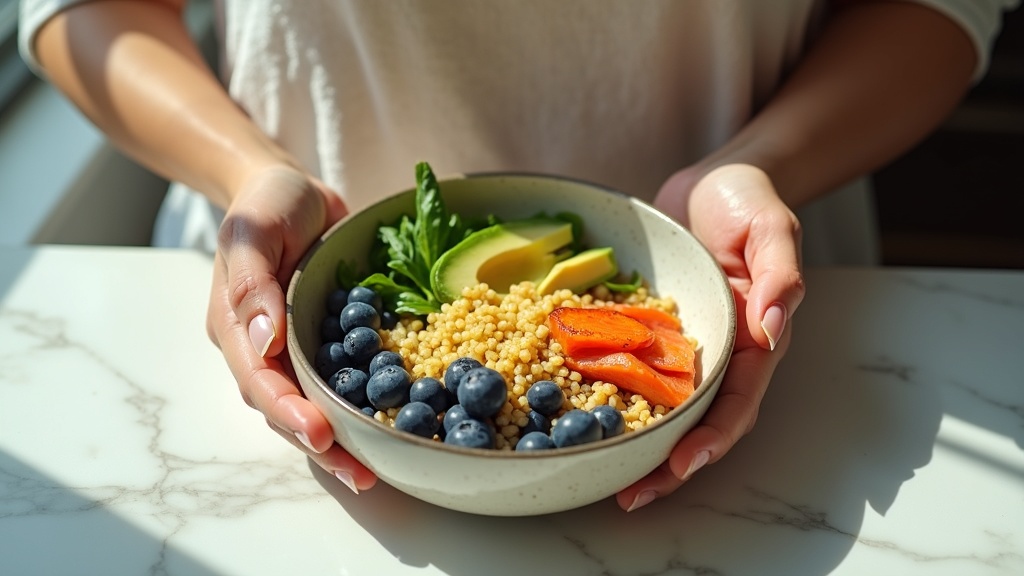
The Buddha Bowl Formula
- Base: Quinoa, brown rice, or farro.
- Protein: Baked tofu, crispy tempeh, or seasoned lentils (aim for 15-20g).
- Veggies: At least two different colors.
- Fat: Avocado or tahini.
- Flavor: Pickles or fresh herbs.
Satisfying Dairy-Free Snacks
- Roasted Chickpeas: 10g protein per half cup.
- Nut Butter + Apple: 7-8g protein.
- DIY Trail Mix: 8-10g protein.
- Hummus Plate: 12g protein.
Making it a Sustainable Lifestyle
Efficient Meal Prep
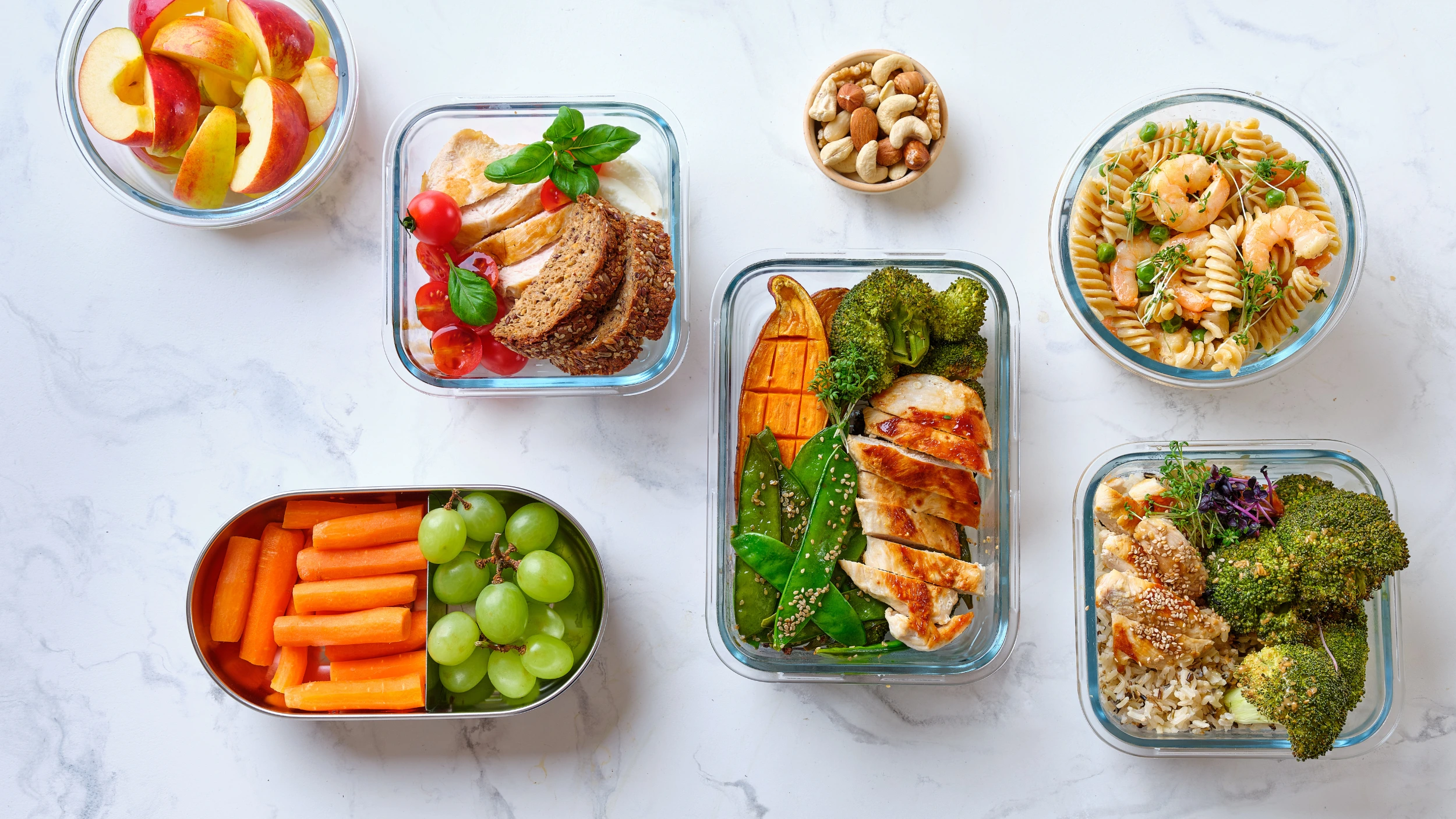
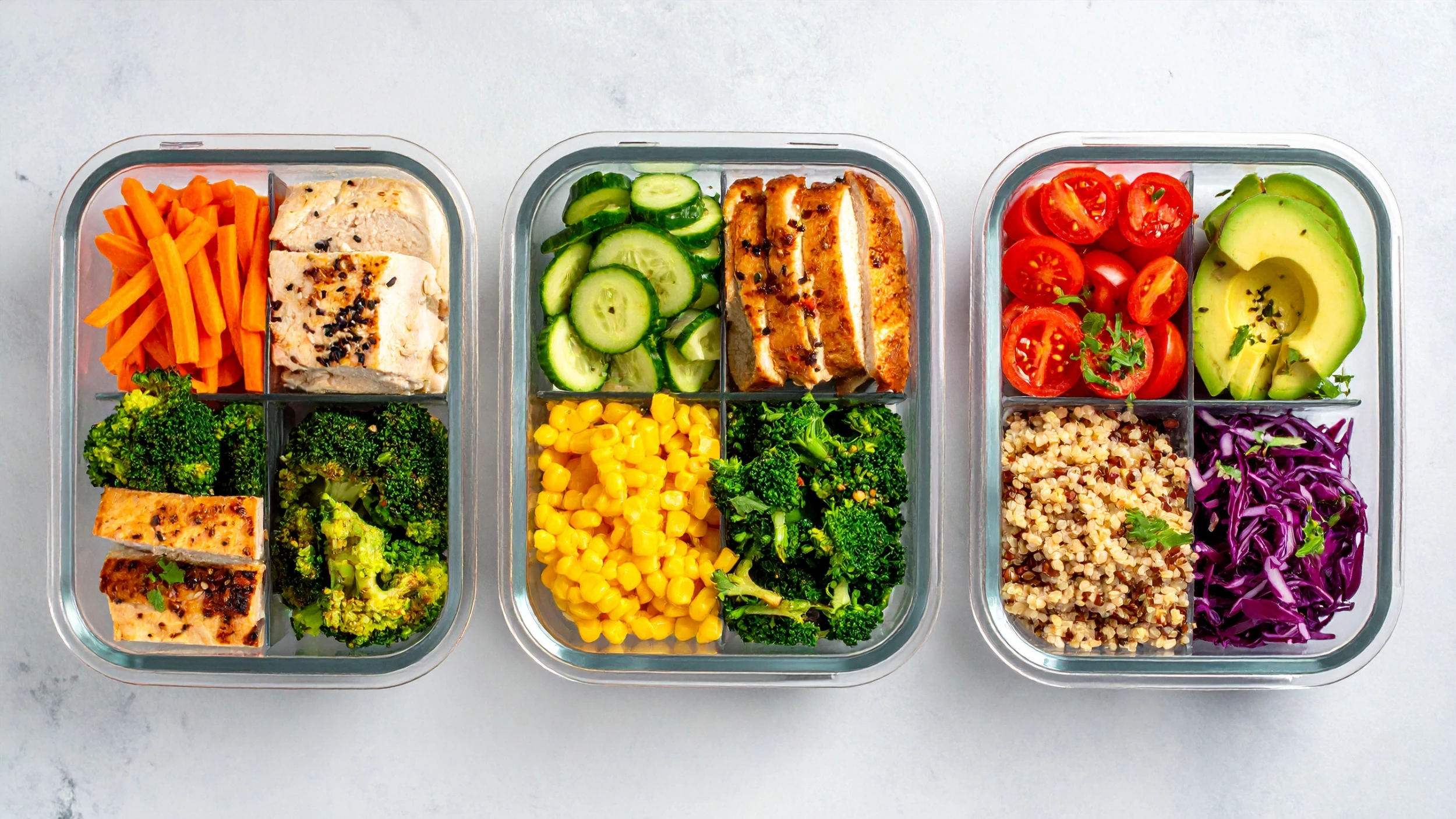
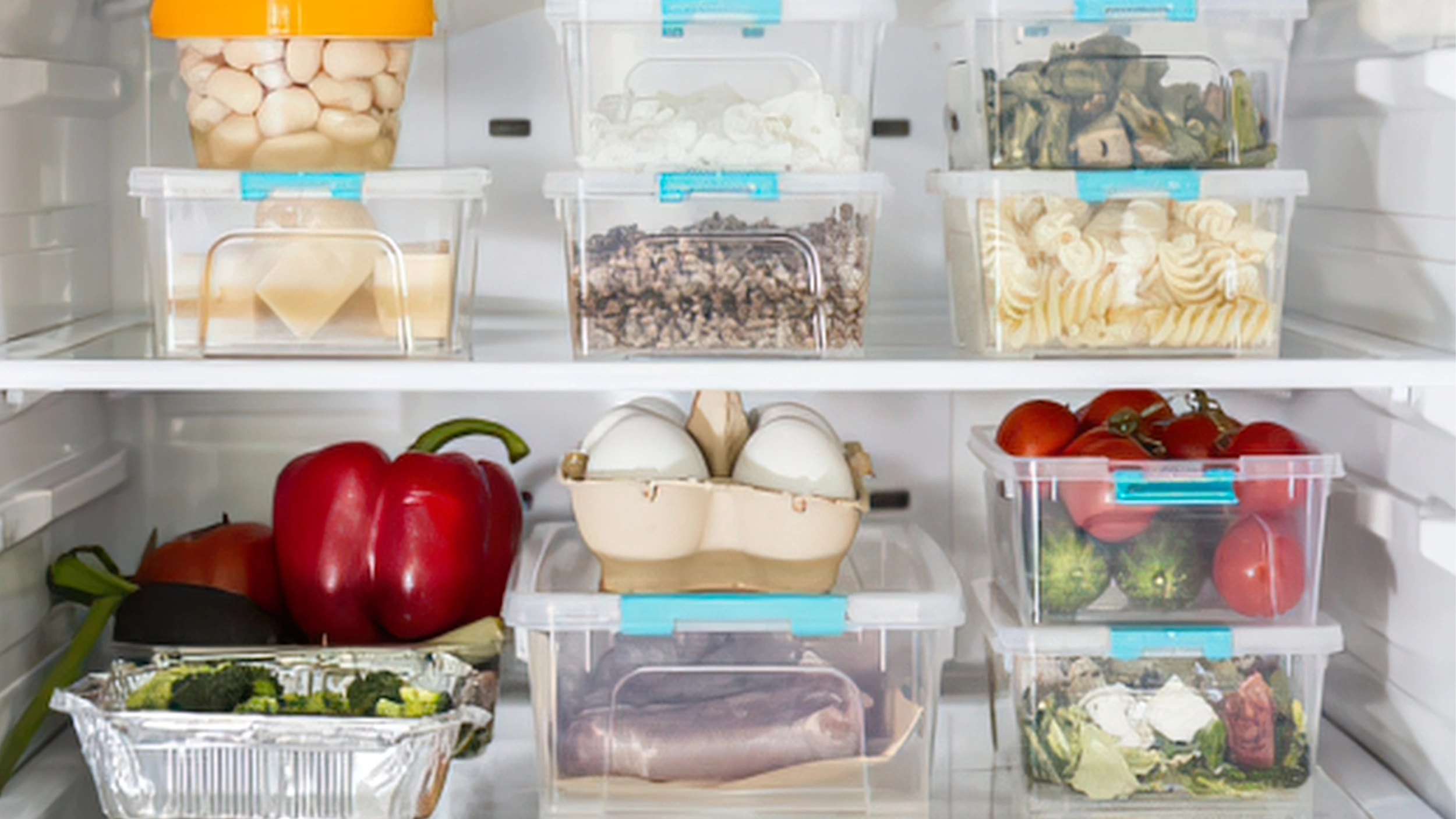
Focus on prepping components rather than whole meals: batch-cook proteins, prep grains, roast a variety of vegetables, and make two versatile sauces.
Monitoring Nutrient Intake
Pay attention to these key nutrients [9]:
- Vitamin B12: Use fortified foods or supplements.
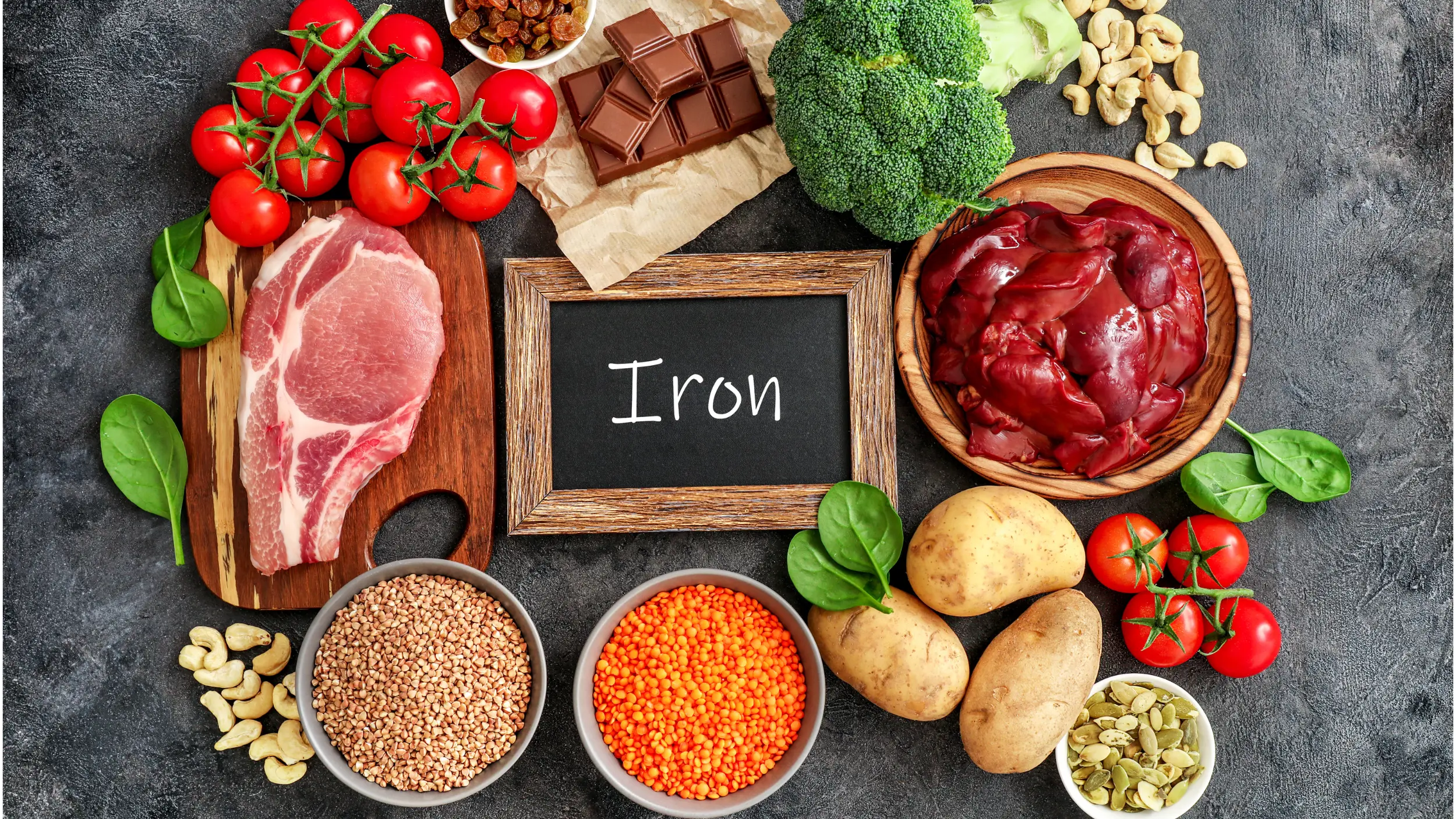
- Iron: Pair lentils or spinach with Vitamin C (peppers, citrus) to boost absorption [10].
- Omega-3s: Focus on flax, chia, hemp seeds, and walnuts.
- Calcium: Tofu, fortified milks, and tahini.
- Zinc: Found in legumes and seeds; bioavailability can be improved by soaking [11].
Adequate protein and micronutrients support adrenal health and metabolic function, especially during chronic stress.
Eating Out & Social Success
Most restaurants can accommodate your needs. Look for Mediterranean, Thai, Indian, or Mexican cuisines. Remember, the goal is consistent, nourishing choices over rigid perfection.
Frequently Asked Questions
Q1: What are the best dairy-free protein sources for vegetarians?
Top sources include tempeh, lentils, edamame, tofu, hemp seeds, and chickpeas. Combining these ensures you get all essential amino acids.
Q2: How can I ensure my vegetarian subs are high in protein without dairy?
Build meals around a substantial protein base (15-20g). Use whole grains and tracking tools to ensure you meet daily targets (80-100+ grams).
Q3: What are some quick dairy-free vegetarian protein snacks?
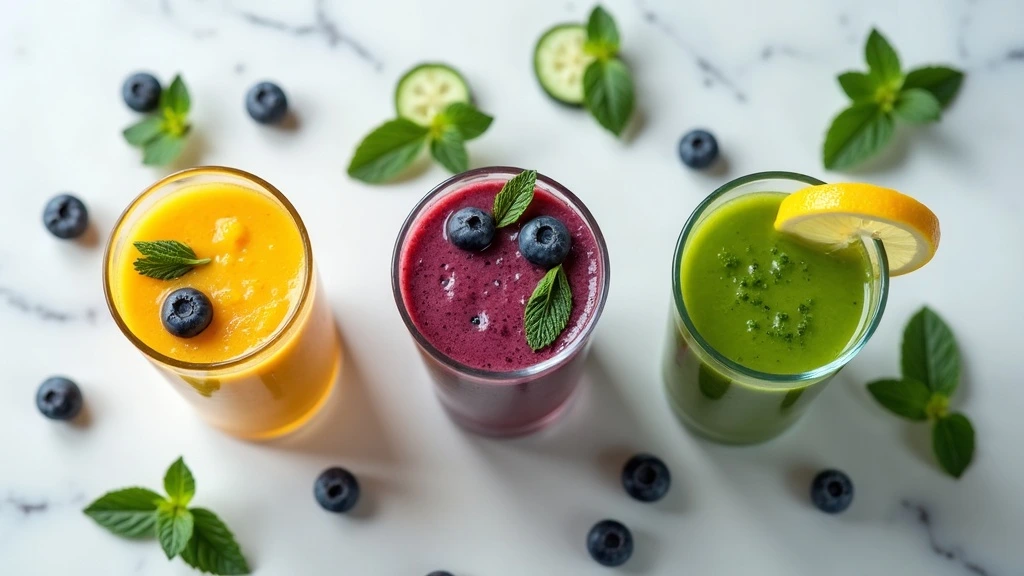
Roasted chickpeas, nut butter with fruit, trail mix, hummus, and plant-based smoothies are excellent, convenient options.
Book your consultation at www.usevedic.com to optimize your energy and hormones through strategic nutrition.
References
[1] Pasiakos SM, et al. The effects of protein supplements on muscle mass... Sports Medicine, 2015.
[2] Phillips SM, et al. Protein "requirements" beyond the RDA... Applied Physiology, Nutrition, and Metabolism, 2016.
[3] Messina M, et al. Estimated Asian adult soy protein and isoflavone intakes. Nutrition and Cancer, 2006.
[4] USDA FoodData Central. Lentils, mature seeds, cooked... U.S. Department of Agriculture, 2023.
[5] Young VR. Soy protein in relation to human protein and amino acid nutrition. J Am Diet Assoc, 1991.
[6] Callaway JC. Hempseed as a nutritional resource: An overview. Euphytica, 2004.
[7] National Research Council. Dietary Reference Intakes for Energy... National Academies Press, 2005.
[8] USDA FoodData Central. Nutritional yeast, fortified. U.S. Department of Agriculture, 2023.
[9] Melina V, et al. Position of the Academy of Nutrition and Dietetics: Vegetarian Diets. J Acad Nutr Diet, 2016.
[10] Hallberg L, et al. Effect of ascorbic acid on iron absorption... Hum Nutr Appl Nutr, 1986.
[11] Gibson RS, et al. A review of phytate, iron, zinc, and calcium... Food and Nutrition Bulletin, 2010.
.svg)
.svg)


.jpg)
.jpg)




.webp)

















.webp)
.webp)
.webp)
.webp)
.webp)
.webp)
.webp)
.png)
.webp)
.webp)
.webp)
.png)
.webp)
.webp)
.webp)
.webp)
.webp)
.webp)
.webp)
.webp)
.webp)


.webp)
.png)