.webp)

%2B(7).webp)
.png)
At a Glance
Choosing the healthiest milk alternative depends entirely on your personal health goals—whether that's weight management, muscle building, or simply finding something creamy for your coffee. The best non-dairy milk isn't the same for everyone, and that's completely okay. In this evidence-based guide, I'm ranking the top five healthiest non-dairy milk options of 2026 based on their nutritional profiles, ingredient quality, and how they fit into your lifestyle.
Feeling Overwhelmed in the Milk Aisle? You're Not Alone
If you've stood in front of the refrigerated plant-based section feeling totally lost, I get it. Between oat, almond, soy, cashew, coconut, pea, macadamia, and even potato milk, the options have exploded. And honestly? The marketing doesn't help. Every carton screams "healthy," "natural," or "superfood," but when you flip it over, the nutrition facts tell wildly different stories.
The truth is, there's no universal "healthiest milk alternative" that works for every woman. Your best choice depends on whether you're prioritizing protein for muscle recovery, keeping calories low for weight management, or just want something that doesn't curdle in your coffee. Let's break down each option like we're sitting together at your kitchen table, so you can make the most informed choice for your body.
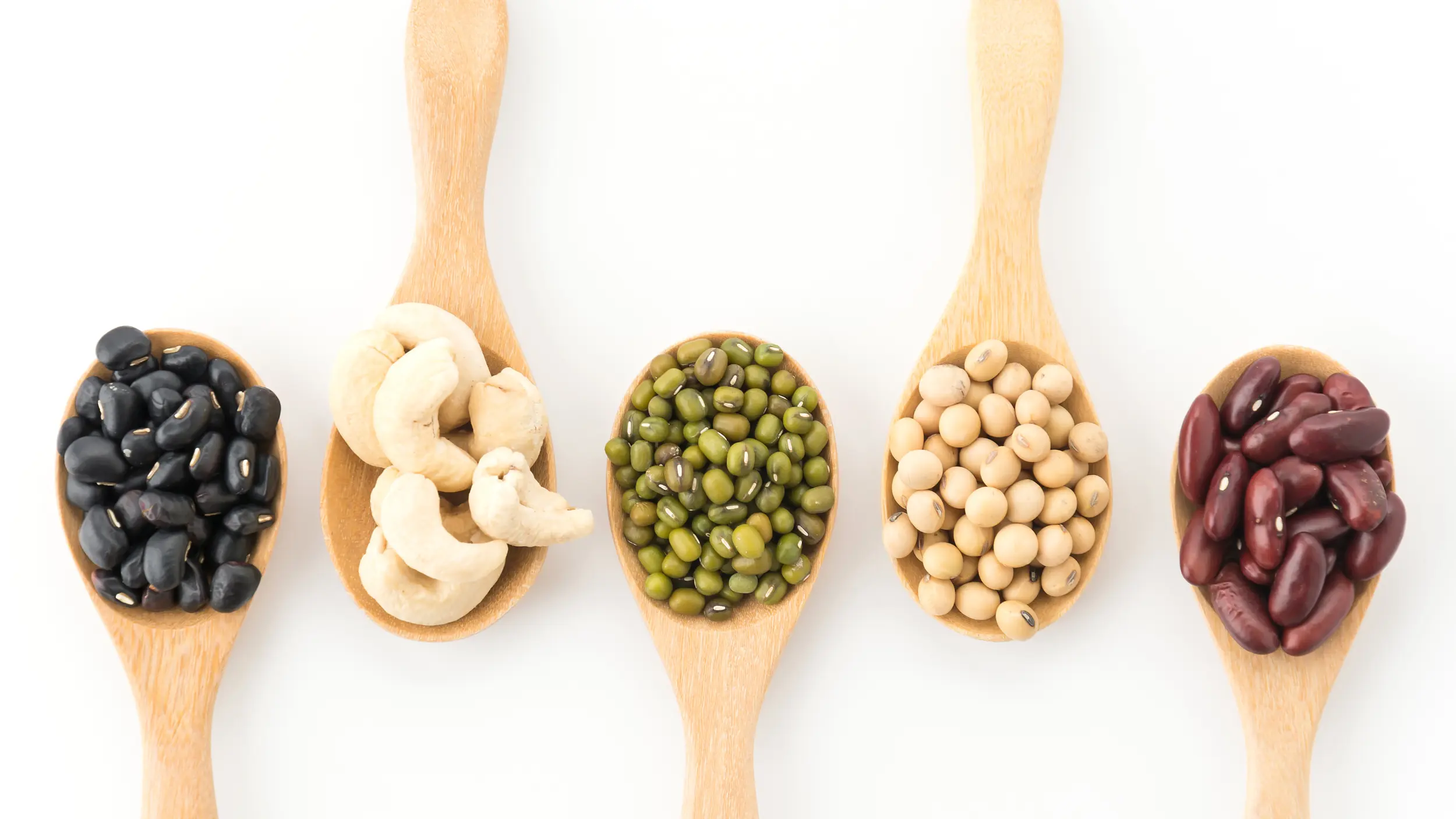
1. For Gentle Weight Management: Unsweetened Almond & Cashew Milk
If you're looking for the best milk alternative for weight loss, unsweetened almond and cashew milks are often your lightest options. We're talking about 25-40 calories per cup compared to dairy milk's 80-150 calories [1]. That's a significant difference if you're using milk daily in smoothies, cereal, or coffee.
Here's what makes these nut milks stand out as a low calorie milk alternative:
- Minimal caloric impact: Most unsweetened versions contain just 1-2 grams of carbohydrates and virtually no sugar, making them excellent for blood sugar management [2].
- Creamy without the calories: Cashew milk especially provides a silky texture that feels indulgent without adding substantial energy to your day.
- Vitamin E content: Almond milk naturally contains vitamin E, an antioxidant that supports skin health and immune function [3].
The catch? Both are extremely low in protein—usually less than 1 gram per cup. So if you're relying on your morning latte to keep you full until lunch, these won't cut it alone. You'll want to pair them with protein-rich foods like Greek yogurt, eggs, or a protein smoothie. And please, always choose unsweetened. The sweetened versions can pack 10-15 grams of added sugar, which completely defeats the purpose.
One more thing: check for fortification. Since these milks are naturally low in calcium, you want to see at least 30% of your daily value added back in, ideally alongside vitamin D for absorption [4]. If you're managing hormone health or working on balancing cortisol levels naturally, keeping added sugars minimal is especially important.
2. For Building Muscle & Staying Full: Soy & Pea Milk
Let's talk about the milk alternatives with most protein, because this is where soy and pea milk absolutely shine. If you're active, strength training, or just find yourself starving an hour after breakfast, protein is your best friend for satiety and muscle recovery.
Soy milk is the only plant-based milk that truly rivals dairy, offering 7-9 grams of complete protein per cup—meaning it contains all nine essential amino acids your body can't make on its own [5]. This makes it an exceptional choice for women who don't eat animal products or need extra protein support.
Now, I know soy gets a bad reputation, so let's address the soy milk pros and cons with actual science:
- Pro: Soy isoflavones may support bone health and reduce menopause symptoms in some women [6].
- Pro: High-quality protein supports lean muscle maintenance and metabolic health.
- Pro: Naturally contains healthy polyunsaturated fats and is typically fortified with calcium and vitamin D.
- Con: Some people experience digestive discomfort, though this is relatively uncommon.
- Con: If you have a soy allergy or thyroid condition, you should discuss soy intake with your healthcare provider, though moderate consumption is generally safe for most women [7].
Pea milk is the newer player here, and honestly, it's fantastic. Brands like Ripple offer 8 grams of protein per cup from yellow peas, with a creamy texture and neutral taste. It's also hypoallergenic, making it perfect if you're dealing with nut or soy sensitivities. The environmental footprint is lower than almond milk too, which is a nice bonus if sustainability matters to you.
Both options will keep you fuller longer than low-protein alternatives. If your goal is maintaining muscle while managing weight, or if you're following a high-protein breakfast routine, these are your go-to choices.
3. For Creamy Coffee & Gut Health: Oat & Coconut Milk
Honestly? When it comes to milk alternatives for coffee, oat milk has won the barista battle. It froths beautifully, doesn't separate, and adds a naturally sweet, creamy flavor that coffee lovers adore. But before you make it your daily default, let's talk about what's actually in that latte.
Oat milk typically contains 15-20 grams of carbohydrates per cup, with 3-7 grams coming from added sugars in many commercial brands [8]. The carb content isn't inherently bad—oats provide beta-glucan fiber, which supports heart health and cholesterol management. However, if you're watching blood sugar or trying to reduce carb intake, this matters.
Here's what to look for when choosing oat milk:
- Minimal ingredients: The best versions contain oats, water, oil, and salt—that's it.
- No added sugar: Some brands sneak in cane sugar or other sweeteners; skip those.
- Fortification: Look for added calcium, vitamin D, and ideally vitamin B12.
- Avoid excessive gums: While small amounts of gellan gum are fine, long ingredient lists with multiple stabilizers may cause digestive upset in sensitive individuals.
Coconut milk (the refrigerated beverage, not the thick canned version) offers a different benefit: healthy medium-chain triglycerides (MCTs) that may support energy and satiety [9]. It's naturally low in protein and carbs, making it neutral for most dietary approaches. The flavor is subtly sweet and tropical, which works beautifully in smoothies or golden milk.
Both oat and coconut milk can support gut health when chosen wisely, but if you're specifically working on improving your gut microbiome, pair them with fermented foods and diverse fiber sources for best results.
Frequently Asked Questions
Is oat milk actually healthier than cow's milk?
Not necessarily "healthier," just different. Oat milk is naturally lactose-free and lower in saturated fat, but it's also lower in protein and higher in carbohydrates than cow's milk. If you digest dairy well and don't have ethical concerns, whole dairy milk provides excellent nutrition. If you're plant-based or lactose intolerant, fortified oat milk is a solid alternative—just watch for added sugars.
What's the best milk for toddlers?
For children over age two who aren't drinking cow's milk, fortified soy milk is typically the best milk alternative for toddlers because it matches dairy's protein content and is reliably fortified with calcium and vitamin D [10]. Pea milk is another excellent option. Avoid almond, oat, and coconut as primary milk sources for young children due to their low protein content. Always consult your pediatrician about your specific child's needs.
Which non-dairy milk has the fewest, most natural ingredients?
Homemade versions win here, but realistically, look for brands with just 4-5 ingredients: the base (almonds, oats, etc.), water, a small amount of oil, and salt. Brands like Malk, Elmhurst, and Three Trees often have cleaner ingredient lists, though they can be pricier and have shorter shelf lives due to minimal processing.
Ready to Create a Plan That Feels Good?
Choosing the healthiest milk alternative is just one small piece of building a nutrition plan that actually works for your body, your schedule, and your goals. Sometimes the most powerful thing you can do is talk through your unique situation with someone who gets it.
If you're feeling clearer about milk but still want personalized guidance on the bigger picture—whether that's balancing hormones, managing weight sustainably, or just feeling more energized—I'd love to support you. Book a consultation with a Registered Dietitian today and let's map out your perfect nutritional fit together.
References
[1] U.S. Department of Agriculture. FoodData Central: Almond Milk, Unsweetened. USDA, 2024.
[2] Vanga SK, Raghavan V. How well do plant based alternatives fare nutritionally compared to cow's milk? Journal of Food Science and Technology, 2018.
[3] Rizvi S, et al. The role of vitamin E in human health and some diseases. Sultan Qaboos University Medical Journal, 2014.
[4] National Institutes of Health. Calcium: Fact Sheet for Health Professionals. NIH Office of Dietary Supplements, 2024.
[5] Messina M. Soy and Health Update: Evaluation of the Clinical and Epidemiologic Literature. Nutrients, 2016.
[6] Taku K, et al. Extracted or synthesized soybean isoflavones reduce menopausal hot flash frequency and severity. Menopause, 2012.
[7] Otun J, et al. Systematic Review and Meta-analysis on the Effect of Soy on Thyroid Function. Scientific Reports, 2019.
[8] Sethi S, et al. Plant-Based Milk Alternatives an Emerging Segment of Functional Beverages. Bioactive Compounds in Health and Disease, 2020.
[9] St-Onge MP, Jones PJ. Physiological effects of medium-chain triglycerides: potential agents in the prevention of obesity. Journal of Nutrition, 2002.
[10-] American Academy of Pediatrics. Plant-based Milks: Are They Appropriate for Children? Pediatrics, 2021.
.svg)
.svg)





.jpg)
.jpg)














.webp)




























.webp)
.webp)
.webp)
.webp)
.webp)
.webp)
.webp)
.png)
.webp)
.webp)

.webp)
.png)
.webp)
.webp)
.webp)
.webp)
.webp)
.webp)
.webp)
.webp)
.webp)


.webp)
.png)