.webp)
%2B(7).webp)
.png)
At a Glance
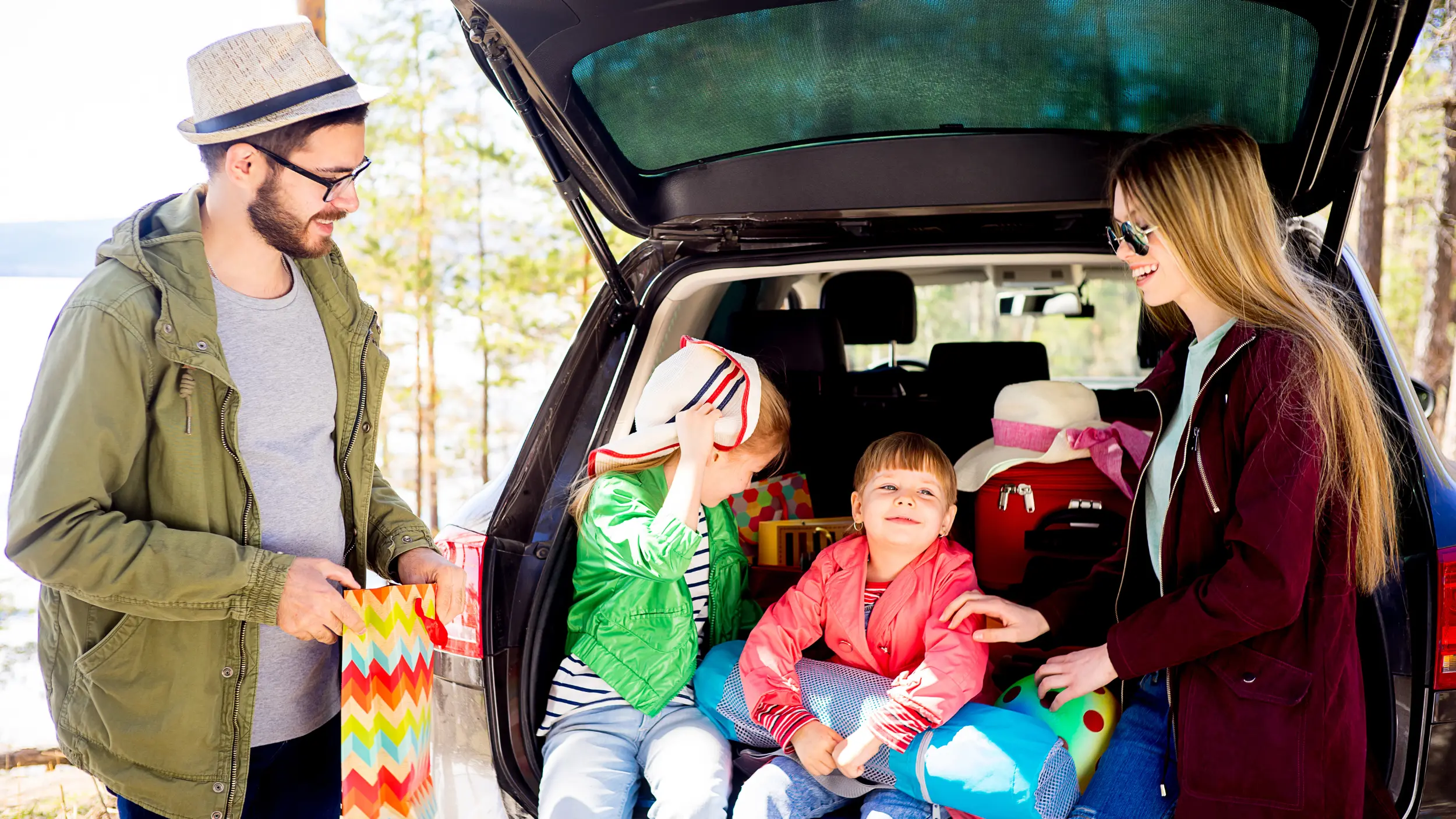
Road trip nutrition doesn't have to mean choosing between convenience and your health goals. With strategic meal prep, smart snack selections, and evidence-based hydration strategies, you can maintain steady energy levels and blood sugar stability throughout your entire drive. This guide provides clinical, actionable strategies to help you feel nourished and energized from departure to destination.
Welcome, lovely traveler! Hitting the road can be an amazing adventure, but it doesn't have to mean derailing your healthy eating habits. As your dietitian, I'm here to show you how to navigate the highways with delicious and nutritious choices, making sure you feel your best from start to finish. Let's ditch the vending machine guilt and embrace some fantastic road trip food ideas!
The reality? Most traditional road trip snacks are engineered to spike your blood sugar rapidly, leading to energy crashes within 90 minutes [1]. When you're behind the wheel for hours, that rollercoaster affects not just your mood but your cognitive function and reaction time. The good news is that with some intentional planning, eating healthy on a road trip becomes second nature.
Smart Snack Strategies & Meal Prep Wins
Planning is your superpower when it comes to road trip healthy eating. I've worked with hundreds of clients who thought they'd "just grab something" on the road, only to find themselves stuck with limited options at gas stations or fast-food chains. Here's how to set yourself up for success.
The Protein-Fiber Foundation
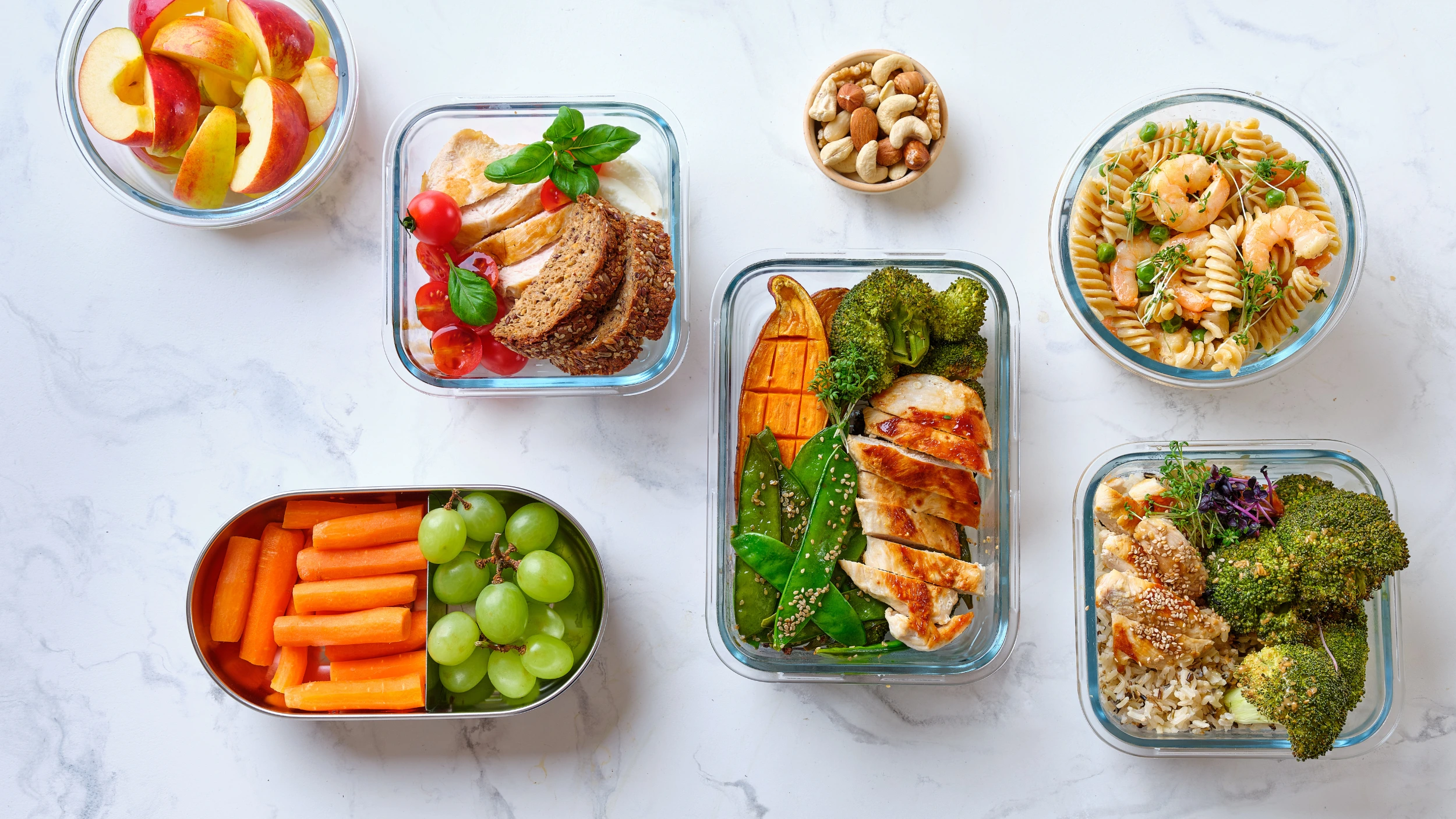
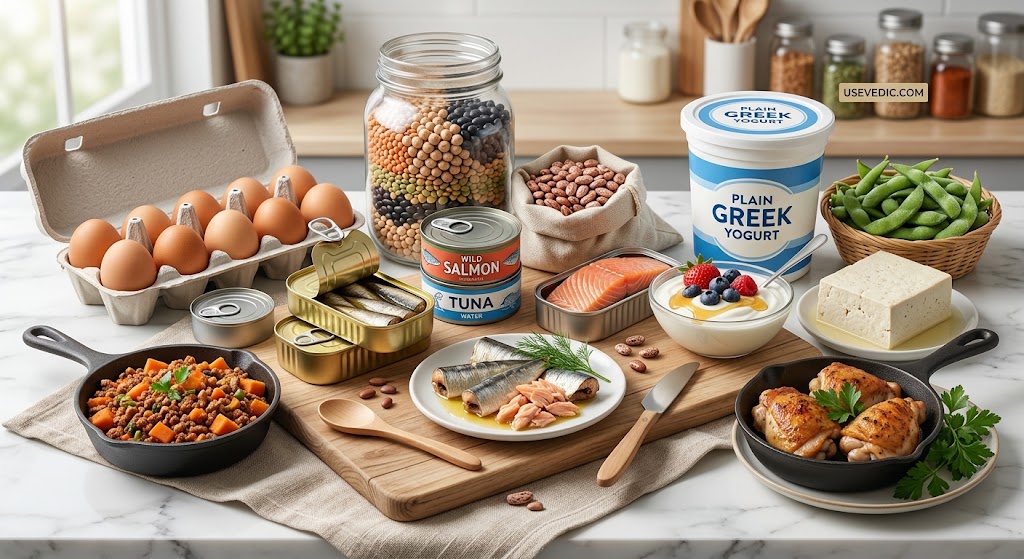
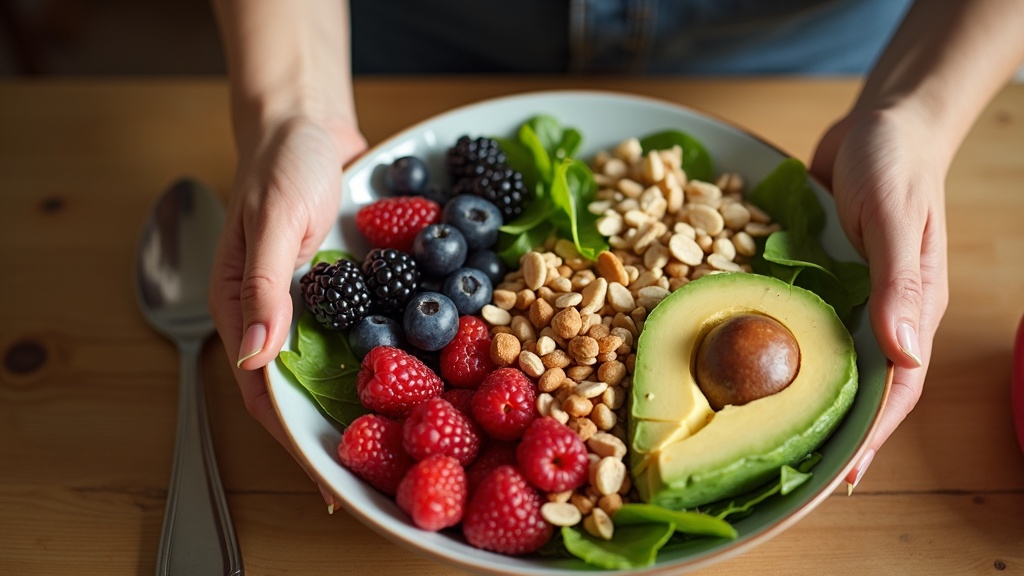
Your best road trip snacks share one critical characteristic: they combine protein with fiber to slow glucose absorption and extend satiety [2]. This combination keeps you satisfied for 3-4 hours instead of the 45-minute window you'd get from chips or candy.
Try these combinations:
- Individual nut butter packets with apple slices (pre-cut and stored in lemon water to prevent browning)
- Hard-boiled eggs paired with cherry tomatoes and snap peas
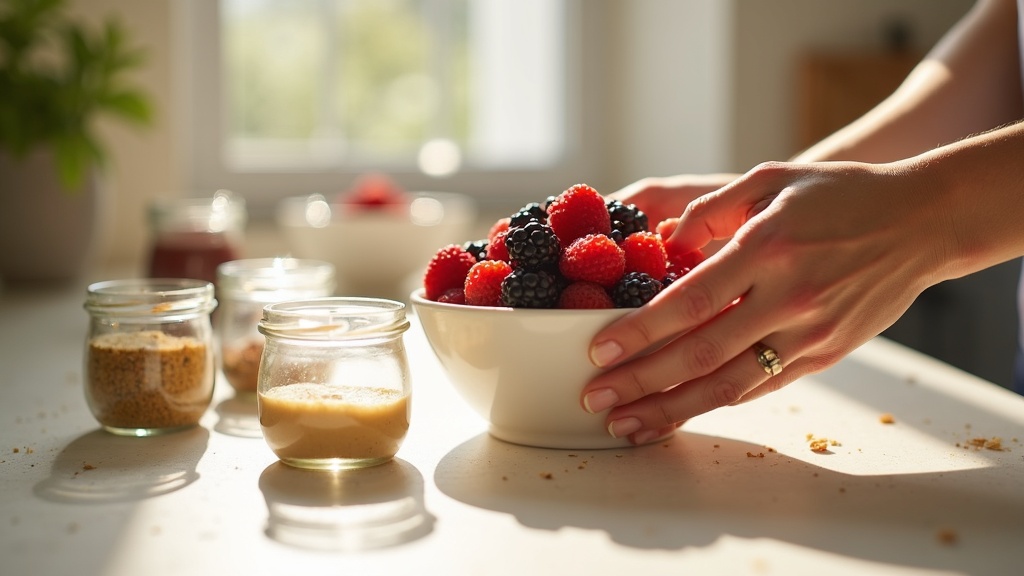
- Greek yogurt parfaits layered in mason jars with berries and low-sugar granola
- Hummus cups with pre-cut vegetables like bell peppers, carrots, and cucumbers
- Turkey and cheese roll-ups wrapped around avocado slices
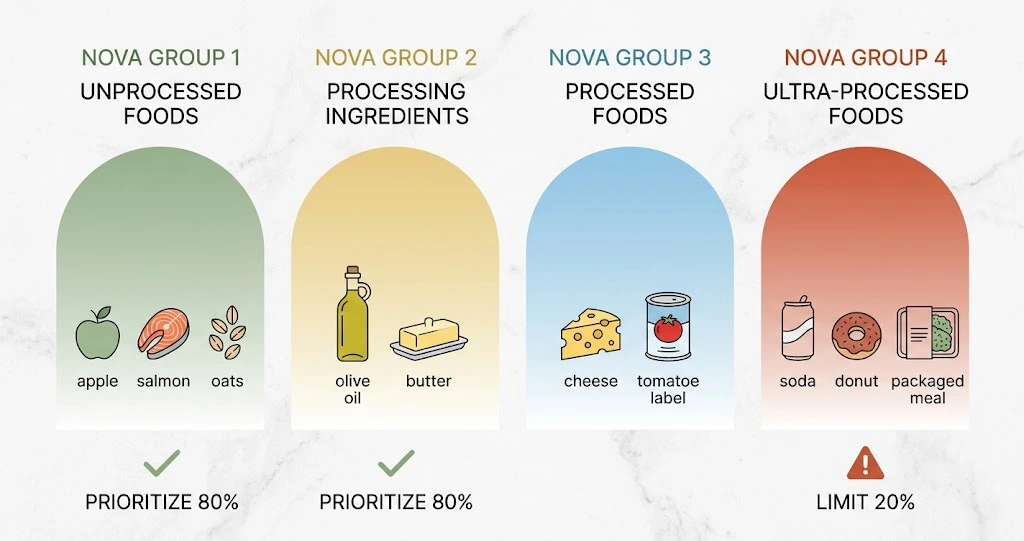
Notice what's missing? Ultra-processed carbohydrates that'll leave you hangry and reaching for another snack before you hit the next exit.
Road Trip Meal Prep That Actually Works
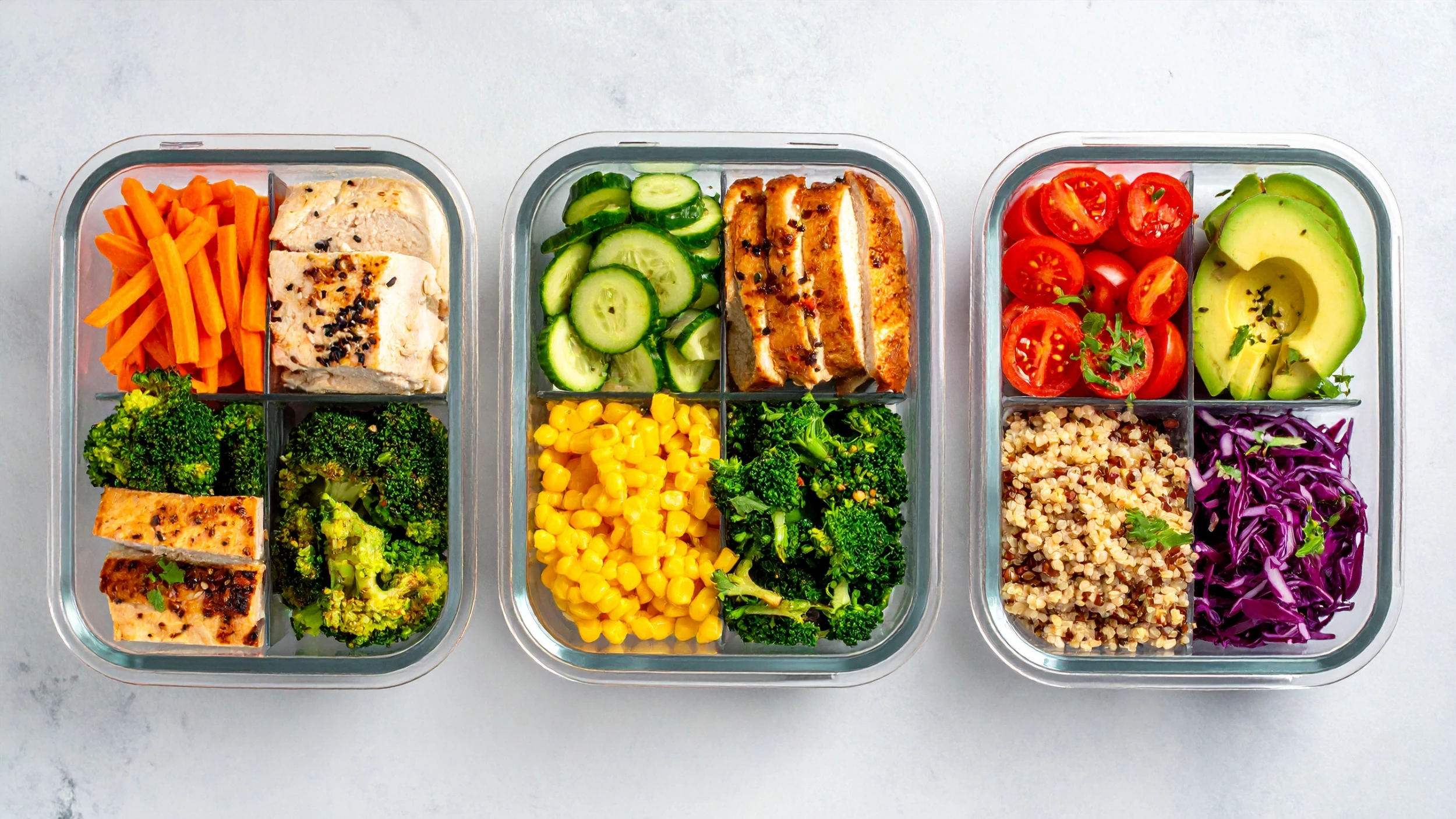
The secret to successful road trip meal prep isn't complexity—it's smart simplification. Prepare components that work across multiple meals rather than individual dishes that require reheating.
Build-your-own components:
- Grilled chicken breast strips seasoned simply with salt, pepper, and garlic
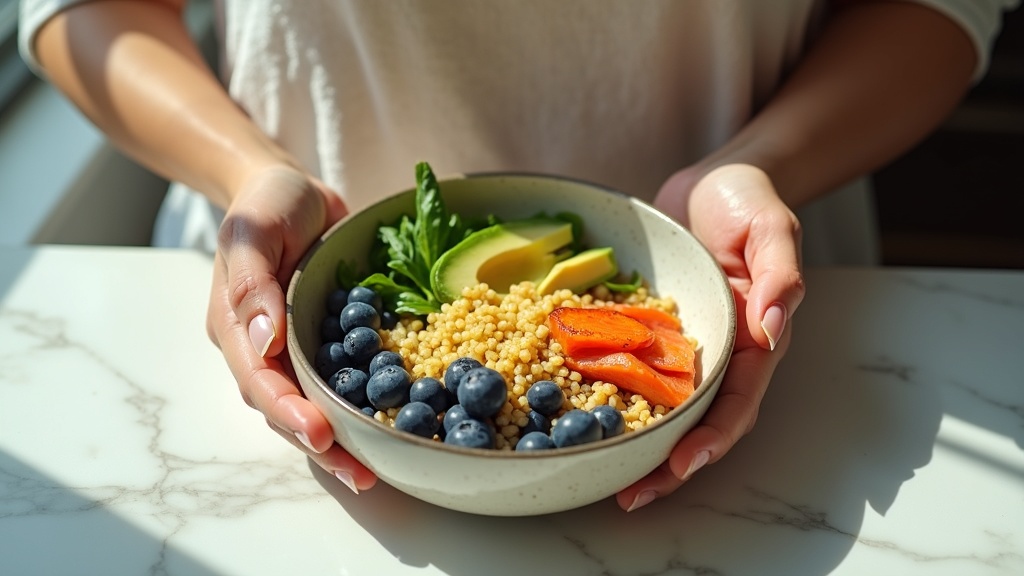
- Quinoa or farro cooked and cooled (stays fresh for 4-5 days when properly refrigerated)
- Roasted vegetables like zucchini, bell peppers, and sweet potato cubes
- Mixed greens washed and thoroughly dried
- Healthy fats like sliced avocado, nuts, seeds, and olive oil in small containers
These elements can be mixed and matched throughout your trip. One day it's a grain bowl, the next it's a lettuce wrap, then it transforms into a veggie-packed snack plate. This approach reduces food waste and keeps your palate from getting bored—a common complaint I hear about traditional meal prep.
For women specifically, maintaining adequate protein intake during travel helps preserve lean muscle mass and supports stable energy levels, especially if your menstrual cycle falls during your trip [3]. Aim for 20-30 grams of protein per meal, even when you're eating in the car.
The Mason Jar Method
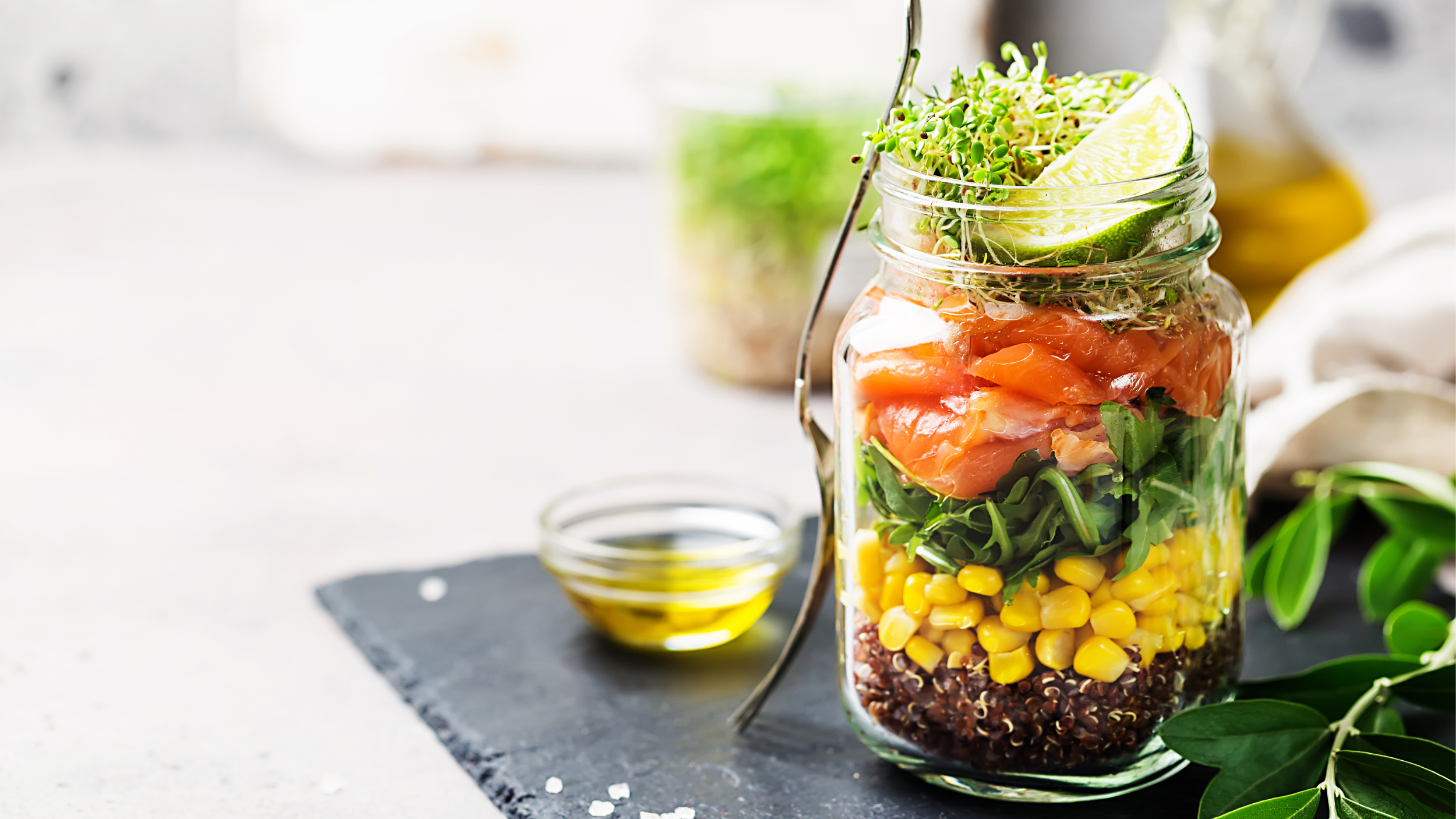
Here's a technique my clients absolutely love for healthy road trip meals: layered mason jar salads. The order matters for freshness.
Layer from bottom to top:
- Dressing (2-3 tablespoons at the very bottom)
- Hard vegetables (chickpeas, cucumbers, carrots, bell peppers)
- Grains or proteins (quinoa, chicken, tofu)
- Softer vegetables (tomatoes, avocado)
- Greens (packed loosely at the top)
- Nuts or seeds (in a separate small container to add right before eating)
When you're ready to eat, just shake and pour into a bowl—or eat straight from the jar if you're parked safely. These stay fresh for up to 4 days when kept properly chilled, making them perfect for extended road trips.
Fueling Your Body: Mindful Choices on the Move
Eating healthy on a road trip is all about making conscious decisions. I'm not here to tell you that you can never stop for food—that's unrealistic and frankly unnecessary. Instead, let's talk about how to make strategic choices that support your energy and digestion without feeling restrictive.
Decoding the Gas Station
Sometimes you will need to grab something on the go. Modern gas stations have actually improved their offerings, and knowing what to look for makes all the difference for your road trip diet.
Green light options:
- String cheese or cheese sticks (check the protein content—aim for at least 6g)
- Unsalted or lightly salted nuts and seeds
- Beef or turkey jerky with minimal added sugar (read labels—many brands add 8-10g sugar per serving)
- Fresh fruit like bananas, apples, or clementines
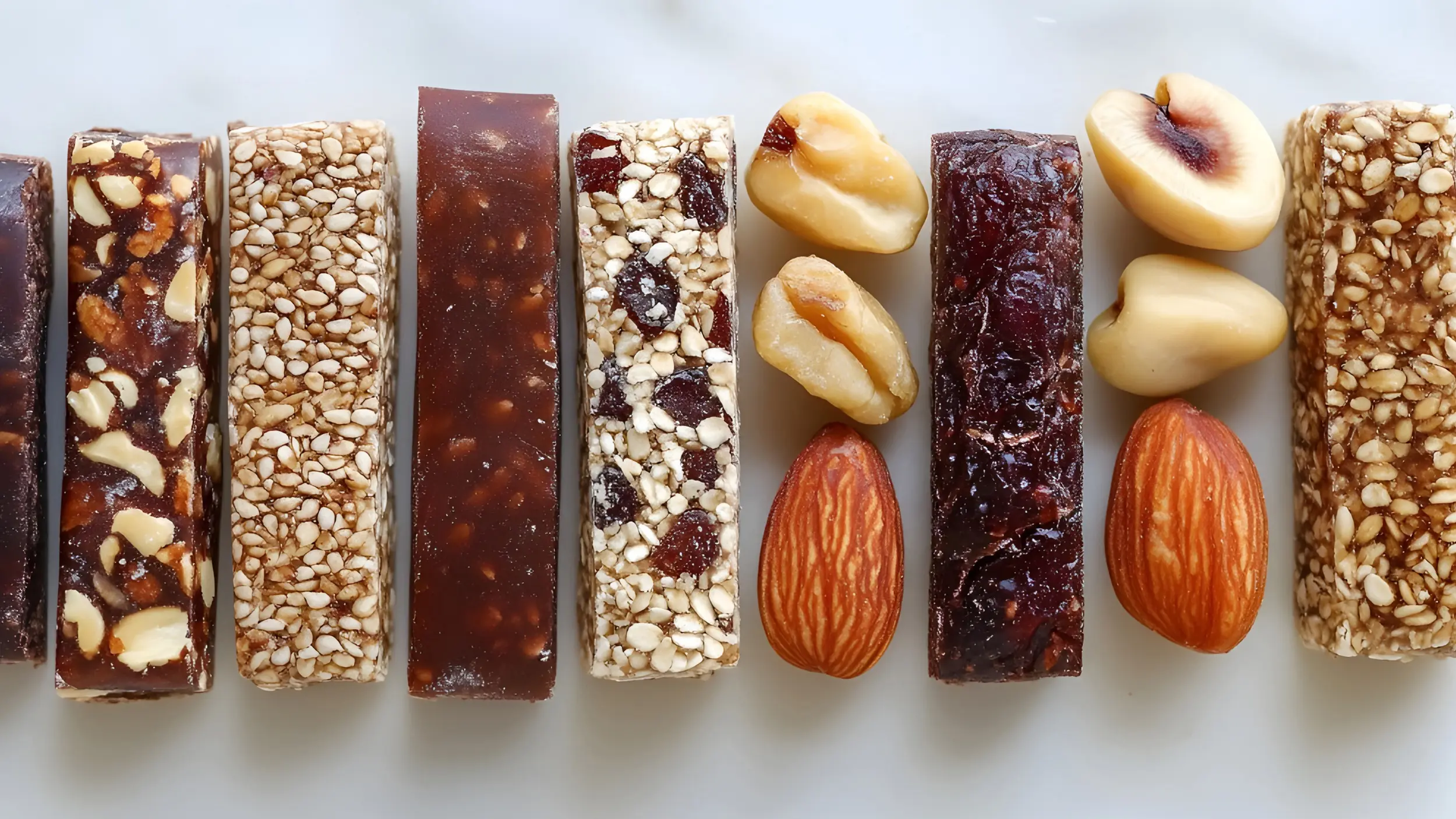
- Protein bars with recognizable ingredients (my rule: if you can't pronounce it, skip it)
Yellow light options (choose occasionally and pair with protein):
- Trail mix (portion into small bags ahead of time—those bulk containers are calorie bombs)
- Whole grain crackers with individual nut butter packets
- Popcorn (choose varieties with less than 150mg sodium per serving)
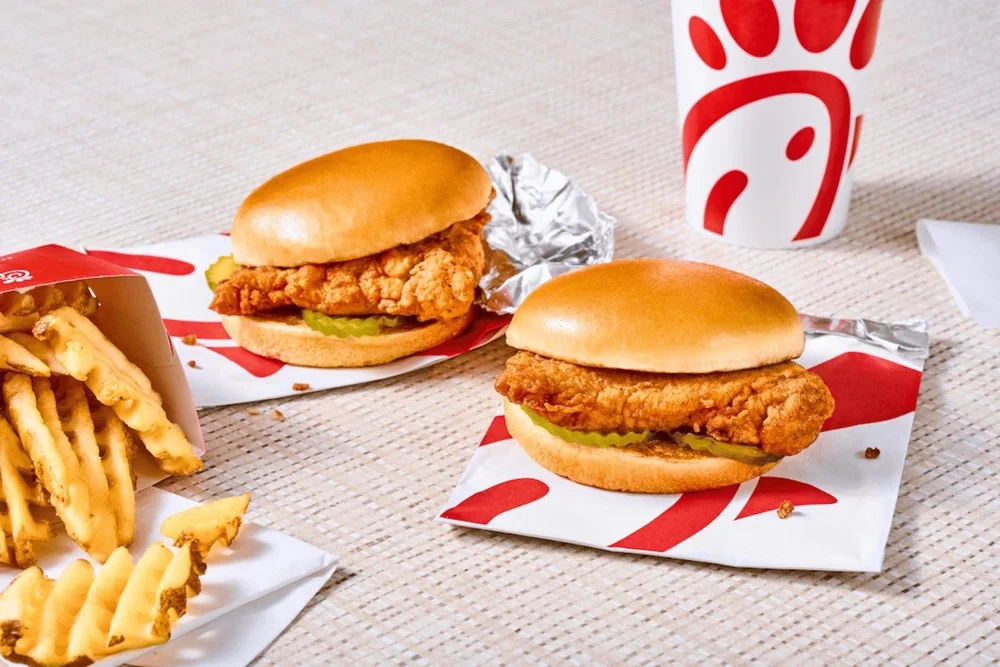
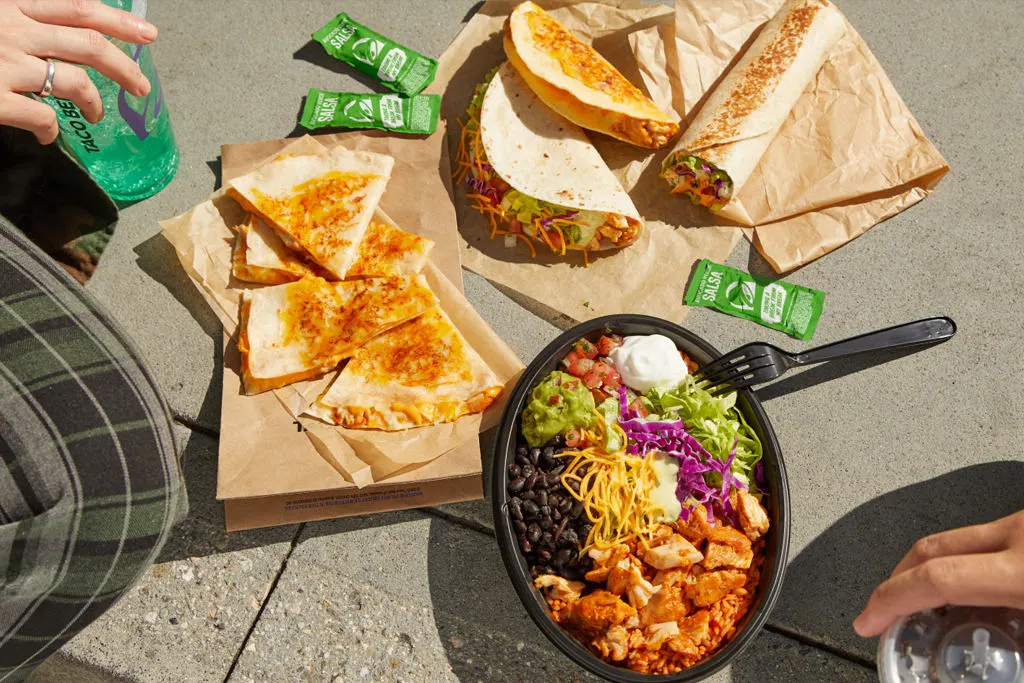
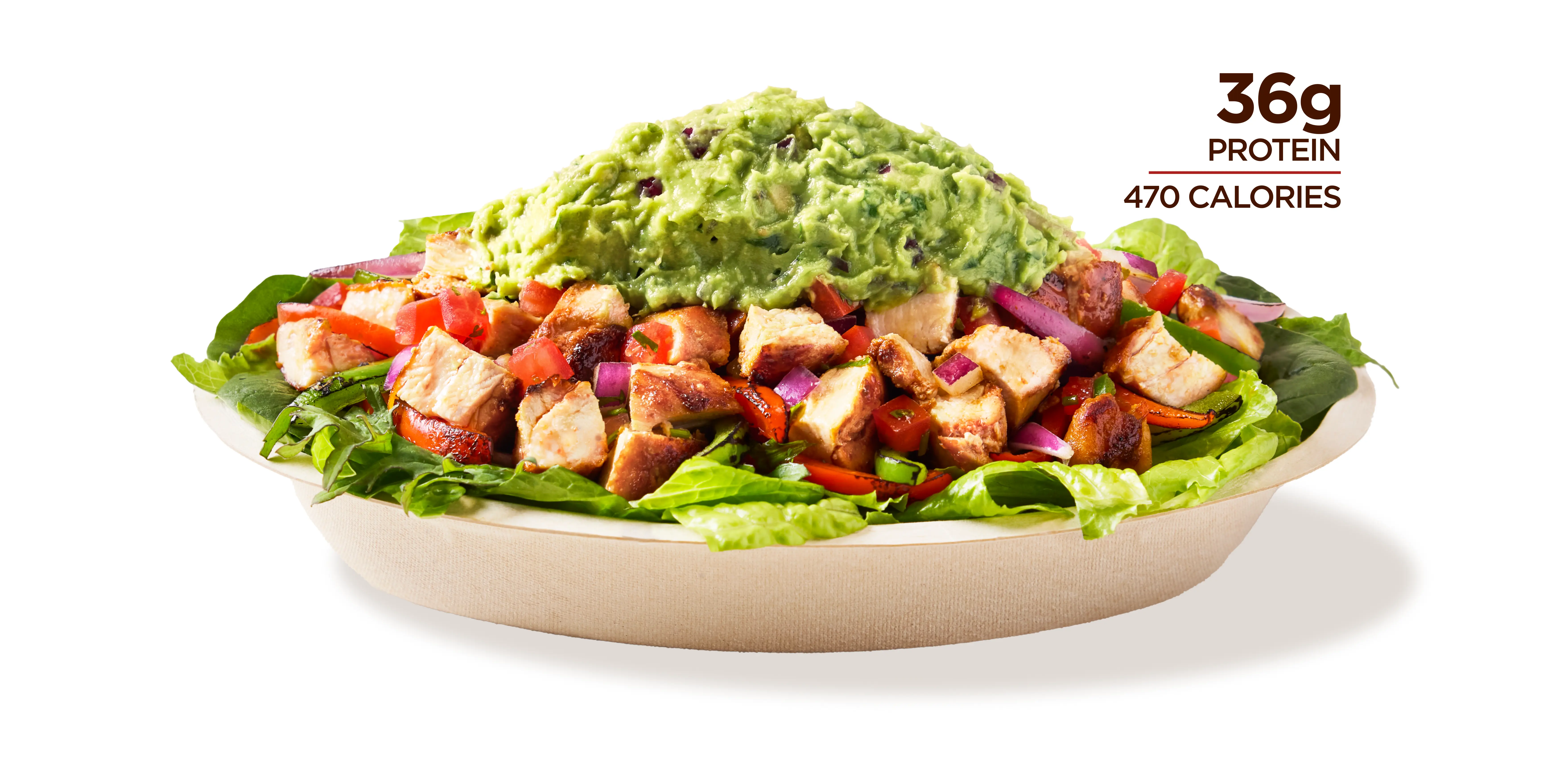
What about fast food? If that's your only option, most chains now offer grilled chicken salads, apple slices, and side salads. Skip the sugary dressings and ask for olive oil and vinegar or bring your own in a small container.
Hydration: Your Secret Weapon
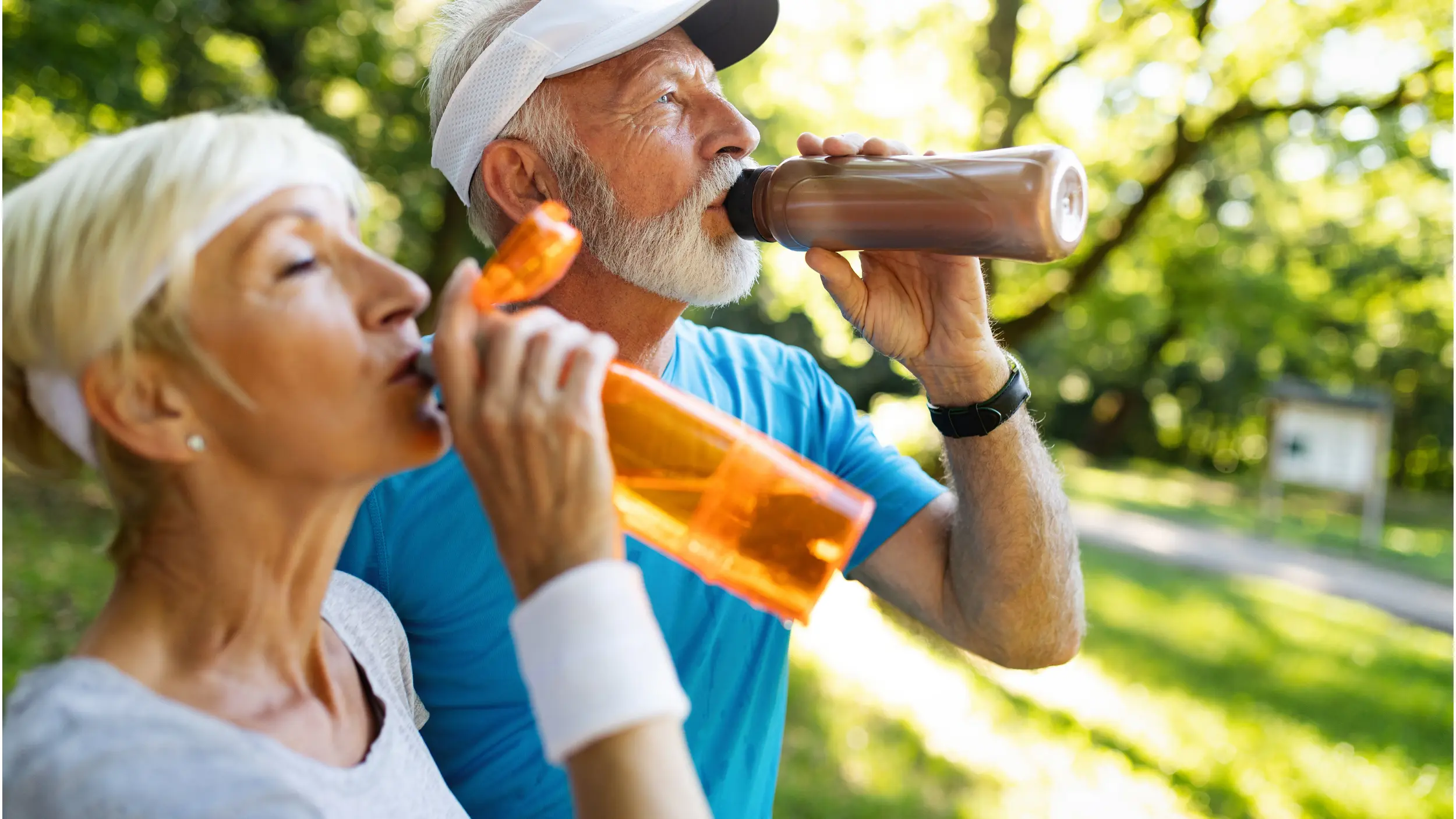
Here's something most people don't realize: mild dehydration impairs cognitive performance and increases fatigue perception by up to 12% [4]. When you're driving, that's not just uncomfortable—it's potentially dangerous.
Your hydration needs on a road trip actually increase due to:
- Dry car air (especially with AC running)
- Increased stress hormones from navigating and sitting for extended periods
- Caffeinated beverages (if you're relying on coffee to stay alert)
Aim for 8-12 ounces of water every hour you're driving. I know what you're thinking: "But then I'll have to stop for bathroom breaks constantly!" Yes, you will. And that's actually beneficial—it forces you to stretch, move your body, and reset your focus.
Hydration upgrades beyond plain water:
- Herbal iced tea (unsweetened) with lemon
- Coconut water for natural electrolytes (especially helpful if you're driving in hot weather)
- Sparkling water with fresh fruit slices
- Electrolyte packets (choose versions without artificial sweeteners or excess sugar)
Skip the energy drinks and sugary sodas. They might give you a temporary boost, but the crash that follows will leave you more fatigued than when you started. If you need support with managing energy levels through nutrition, sustainable strategies exist that don't involve caffeine overload.
Timing Your Meals for Optimal Energy
Your circadian rhythm doesn't pause just because you're traveling. Eating at irregular times can disrupt your body's natural metabolic patterns and contribute to digestive discomfort [5].
Try to maintain a relatively consistent eating schedule:
- Eat a substantial breakfast within 1-2 hours of waking (even if you're starting your drive early)
- Space meals approximately 4-5 hours apart
- Include a protein-rich snack if you'll go longer than 5 hours between meals
- Avoid heavy meals right before bedtime if you're staying in hotels
This consistency supports stable blood sugar, better sleep quality, and more predictable digestion—all of which matter when you're away from home.
Keeping it Fresh: Road Trip Food Prep Tips
Discover practical tips for keeping your food fresh and safe while you're on the road. Food safety isn't glamorous, but it's absolutely critical when you're storing perishables in a car for hours. Let's make your road trip diet sustainable and safe.
Cooler Strategy 101
Not all coolers are created equal, and how you pack them matters just as much as what you pack.
The two-cooler system:
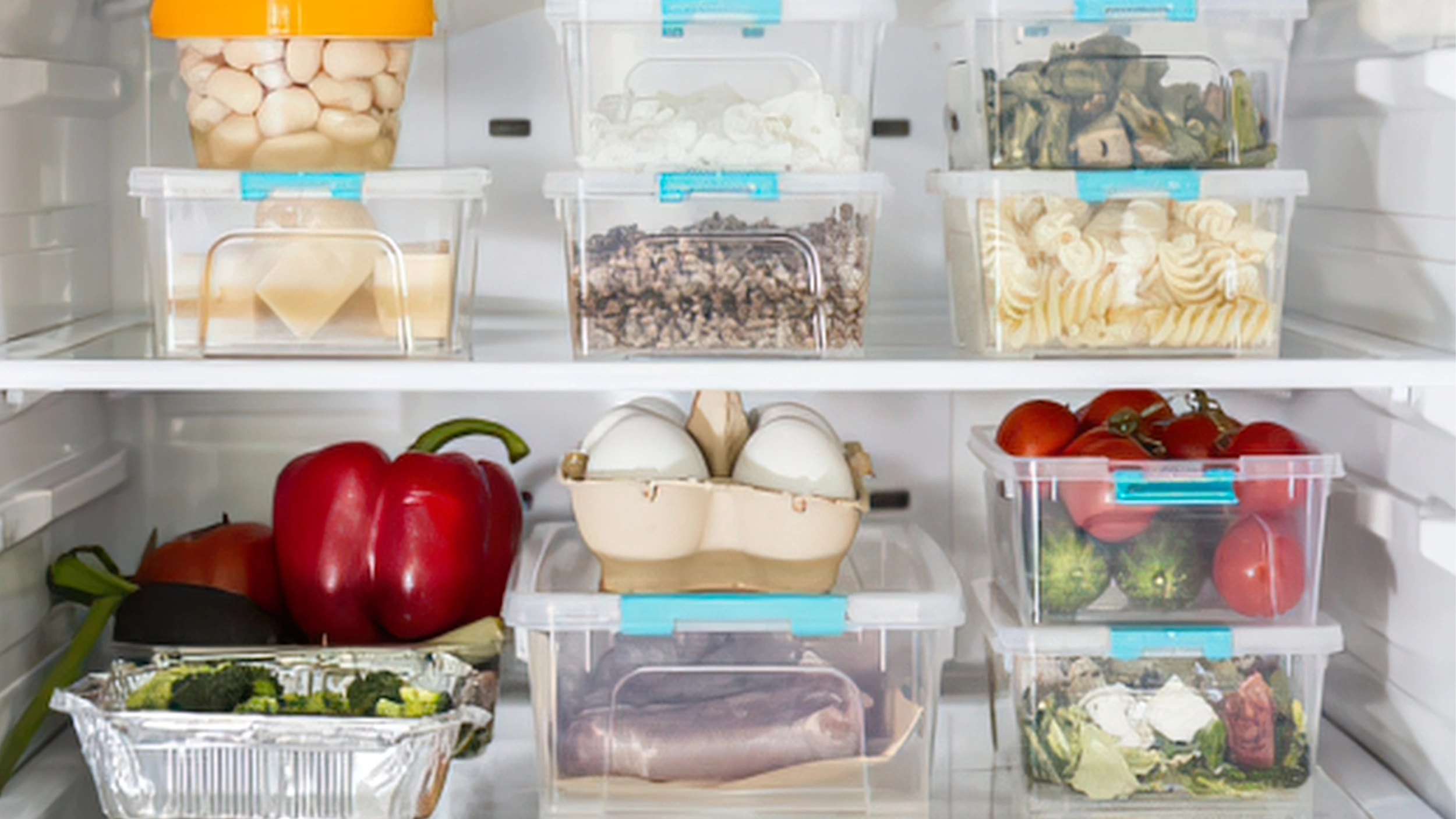
If you have space, use two coolers—one for beverages (opened frequently) and one for food (opened minimally). Every time you open a cooler, the internal temperature rises by 5-15 degrees. Keeping your food cooler closed except for meal times maintains safer temperatures.
Packing for maximum cold retention:
- Pre-chill your cooler the night before by filling it with ice, then draining it before you pack
- Use frozen gel packs along the bottom and sides (they last longer than ice and don't create water mess)
- Pack items you'll use first on top for easy access
- Fill empty spaces with frozen water bottles (they act as extra ice packs and provide cold drinking water as they melt)
- Keep your cooler in the air-conditioned cabin, never in a hot trunk
Pro tip: Freeze items like yogurt parfaits, grapes, and even sandwiches the night before. They'll thaw slowly throughout the day while keeping other items cold.
Container Intelligence
The right containers prevent spills, maintain freshness, and make eating on the go infinitely easier.
Invest in these essentials:
- Leak-proof containers with secure lids (test them at home first—flip them upside down and shake)
- Mason jars in various sizes (great for salads, overnight oats, and smoothies)
- Divided containers for build-your-own combinations
- Small sauce containers for dressings, nut butters, and dips
- Insulated food jars for items you want to keep warm (like oatmeal or soup)
Label everything with contents and pack date using masking tape and a marker. When you're tired and hungry, you don't want to play guessing games with mystery containers.
Food Safety Timelines
The USDA guidelines are clear: perishable foods shouldn't sit in the "danger zone" (40-140°F) for more than 2 hours—or 1 hour if ambient temperature exceeds 90°F [6].
Realistic road trip shelf life:
- Hard-boiled eggs: 3-4 days refrigerated, 2 hours unrefrigerated
- Cooked chicken: 3-4 days refrigerated, 2 hours unrefrigerated
- Cut vegetables: 3-5 days refrigerated, 4 hours unrefrigerated
- Dairy products: Follow package dating when refrigerated, 2 hours unrefrigerated
- Prepared salads with dressing: 2-3 days refrigerated, 1 hour unrefrigerated
When in doubt, throw it out. Food poisoning on a road trip is nobody's idea of an adventure.
Shelf-Stable Superstars
Balance your cooler items with shelf-stable options that don't require refrigeration. These are lifesavers when you're running low on ice or your cooler space is maxed out.
Stock your car cabinet:
- Individual nut butter packets (almond, peanut, cashew)
- Whole grain crackers in sealed packages
- Unsalted nuts and seeds in portion-controlled bags
- Dried fruit without added sugar (watch portions—dried fruit is calorie-dense)
- Protein bars with minimal ingredients
- Tuna or salmon pouches (pair with crackers for an instant meal)
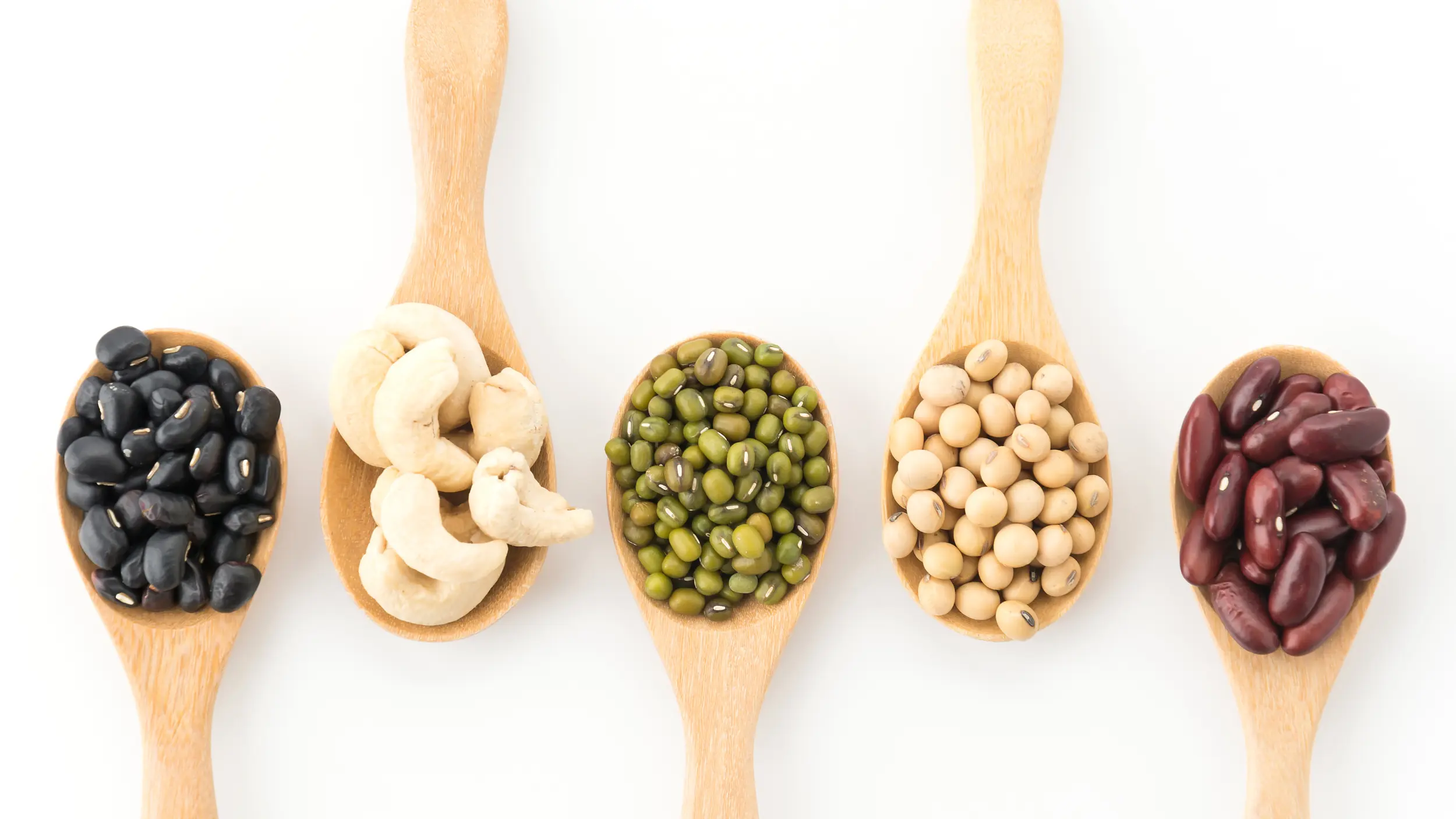
- Roasted chickpeas or edamame (crunchy, satisfying, protein-rich)
These items also serve as backup options if your plans change unexpectedly or you're stuck in traffic longer than anticipated.
The Produce Problem-Solvers
Fresh produce is tricky on road trips because it can bruise, wilt, or spoil quickly. Choose strategically.
Heartier options that travel well:
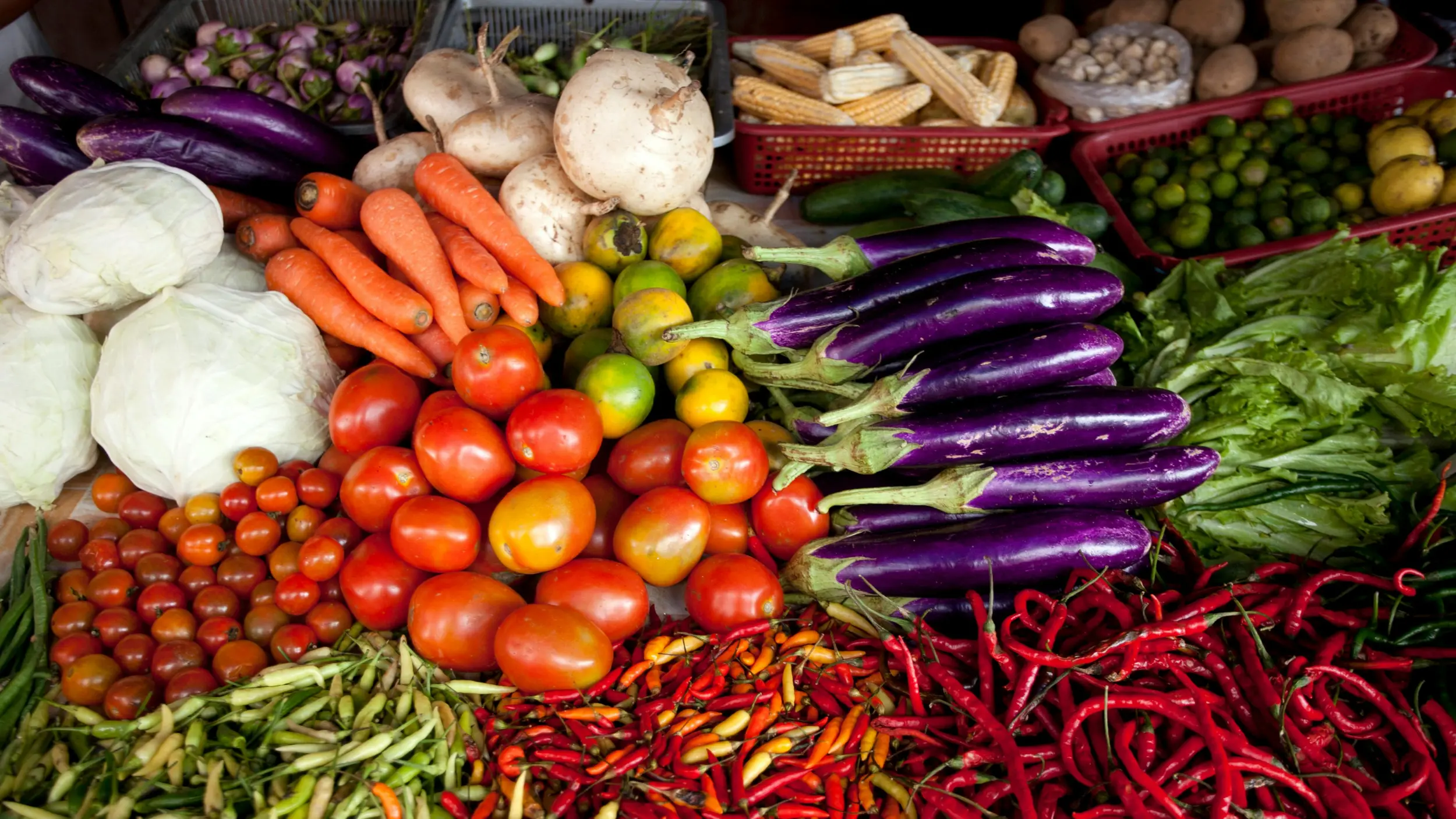
- Baby carrots, snap peas, and bell pepper strips (stay crisp for days)
- Cherry tomatoes (more durable than sliced tomatoes)
- Apples, oranges, and clementines (thick skins protect them)
- Bananas (buy them slightly green so they ripen during your trip)
- Grapes (wash and freeze them for a refreshing cold snack)
Skip these delicate items:
- Leafy greens that aren't pre-washed and dried (they'll wilt quickly)
- Berries unless eaten within 24 hours (they mold rapidly)
- Sliced avocado (browns quickly—bring whole avocados and a plastic knife instead)
For women with specific nutritional needs related to hormone balance or gut health, maintaining vegetable intake during travel supports ongoing progress. Don't let a few days on the road undo weeks of intentional eating.
Frequently Asked Questions
Q1: What are the easiest healthy snacks for a road trip?
The easiest best road trip snacks require zero preparation and minimal refrigeration: individual nut butter packets, whole fresh fruit (apples, oranges, bananas), unsalted mixed nuts portioned into small bags, string cheese, and beef or turkey jerky with minimal added sugar. These combine protein and fiber to keep you satisfied for hours without spiking blood sugar. Pack them in an insulated lunch bag with one ice pack, and you're set for an entire day of driving.
Q2: How can I prepare healthy meals for a road trip without a kitchen?
Focus on no-cook assembly meals using pre-cooked proteins and fresh vegetables. Before you leave home, prep components like grilled chicken strips, hard-boiled eggs, washed vegetables, and cooked quinoa. Pack them in separate containers with your favorite healthy fats (nuts, seeds, avocado) and simple seasonings. At mealtime, combine them into grain bowls, lettuce wraps, or snack plates. Mason jar salads are also perfect—layer dressing on the bottom, sturdy vegetables next, protein in the middle, and greens on top. When you're ready to eat, just shake and enjoy.
Q3: What should I pack in a cooler for healthy road trip food?
Start with a foundation of lean proteins (grilled chicken, hard-boiled eggs, Greek yogurt, turkey slices), add plenty of cut vegetables (carrots, bell peppers, cucumbers, snap peas), include healthy fats (hummus, guacamole cups, cheese sticks), and round it out with fresh fruit. Use frozen gel packs and frozen water bottles to maintain safe temperatures. Pack items you'll eat first on top and keep the cooler in your air-conditioned cabin rather than a hot trunk. The key is variety—you want different textures, flavors, and nutrient profiles so you don't get bored or undernourished during your trip.
Ready to plan your most nourishing road trip yet? Whether you're preparing for a weekend getaway or a cross-country adventure, you deserve to feel energized and satisfied throughout your travels. Let's create a personalized nutrition plan that supports your unique needs, preferences, and health goals—both on the road and in your everyday life. Book your consultation today and discover how strategic nutrition can transform the way you feel.
References
[1] Wyatt P, et al. The Effect of Glycemic Index on Cognitive Performance: A Meta-Analysis. Nutrients, 2021.
[2] Rebello CJ, et al. Dietary Fiber and Satiety: The Effects of Oats on Satiety. Nutrition Reviews, 2016.
[3] Stokes T, et al. The Effects of Adequate Protein Intake on Muscle Mass and Strength in Women. Journal of the International Society of Sports Nutrition, 2018.
[4] Popkin BM, et al. Water, Hydration and Health. Nutrition Reviews, 2010.
[5] Wehrens SMT, et al. Meal Timing Regulates the Human Circadian System. Current Biology, 2017.
[6] United States Department of Agriculture. Danger Zone: 40°F-140°F Food Safety Guidelines. USDA Food Safety and Inspection Service, 2024.
.svg)
.svg)


.jpg)
.jpg)




.webp)

















.webp)
.webp)
.webp)
.webp)
.webp)
.webp)
.webp)
.png)
.webp)
.webp)
.webp)
.png)
.webp)
.webp)
.webp)
.webp)
.webp)
.webp)
.webp)
.webp)
.webp)


.webp)
.png)